Stars Responsible for Legendary Global Dance Crazes
Dancing has always been part of human culture, but some moves transcend local scenes and sweep across continents. These aren’t just trends that fade after a few months — they’re cultural phenomena that get entire generations moving to the same beat.
From nightclub floors to living rooms, certain artists have created movements so infectious that they become part of our collective memory.
What makes a dance craze truly legendary isn’t just the catchiness of the beat or the simplicity of the steps. It’s the perfect storm of timing, personality, and that indefinable spark that makes millions of people want to move their bodies in exactly the same way.
These artists didn’t just make music — they created physical languages that spoke across borders.
Michael Jackson
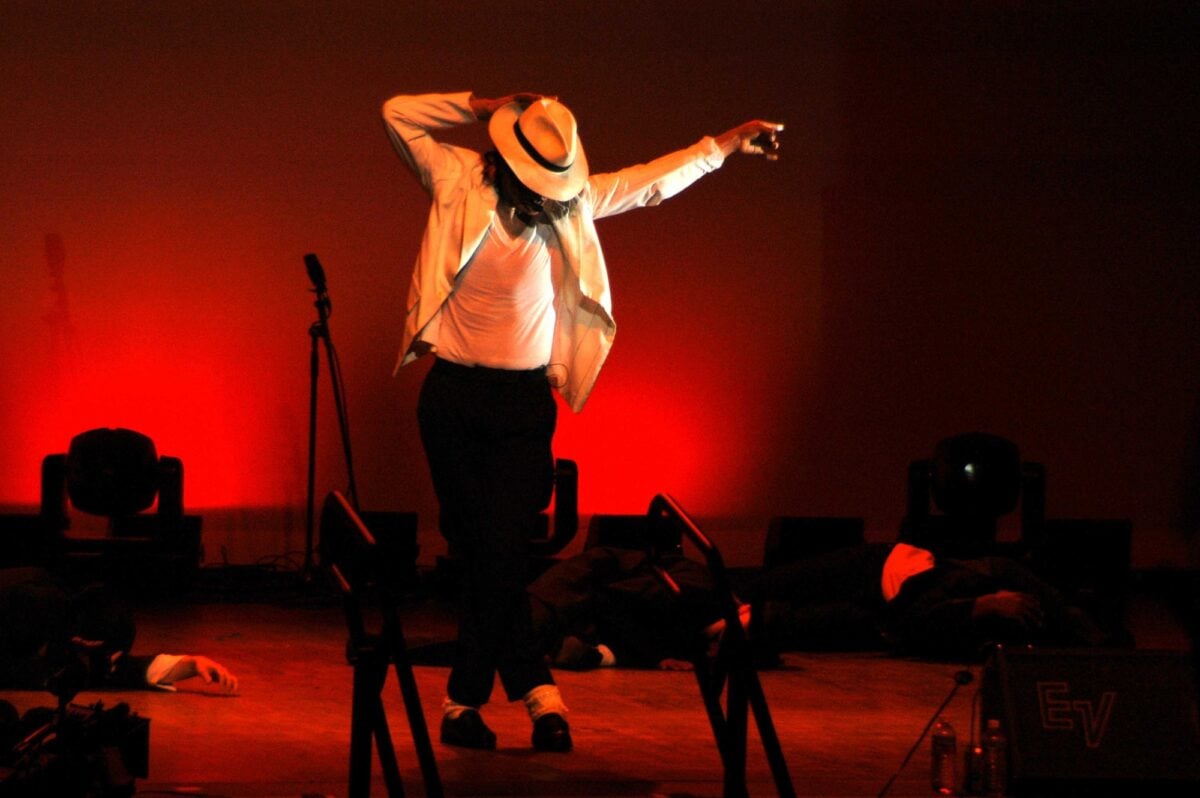
The moonwalk changed everything. Jackson didn’t invent the move, but when he glided backward across that stage on Motown 25 in 1983, he owned it forever.
Suddenly every kid in America was trying to slide across their kitchen floor in socks.
Chubby Checker
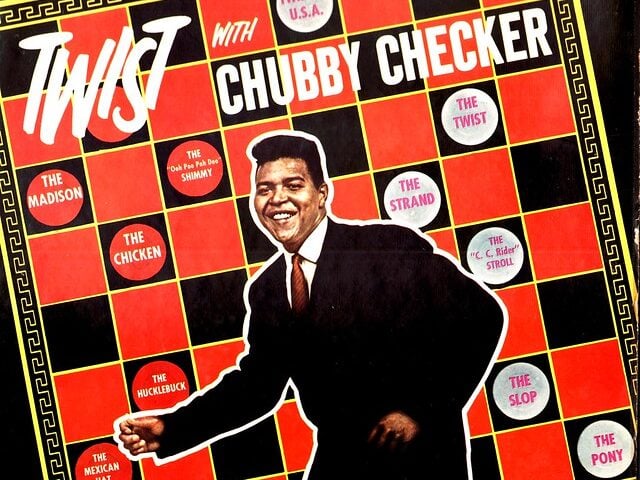
Checker took a simple concept — twisting your hips like you’re drying off with a towel — and turned it into the defining dance of the early 1960s. “The Twist” was so universal that it got both teenagers and their parents moving, which rarely happens in any generation.
Los Del Rio
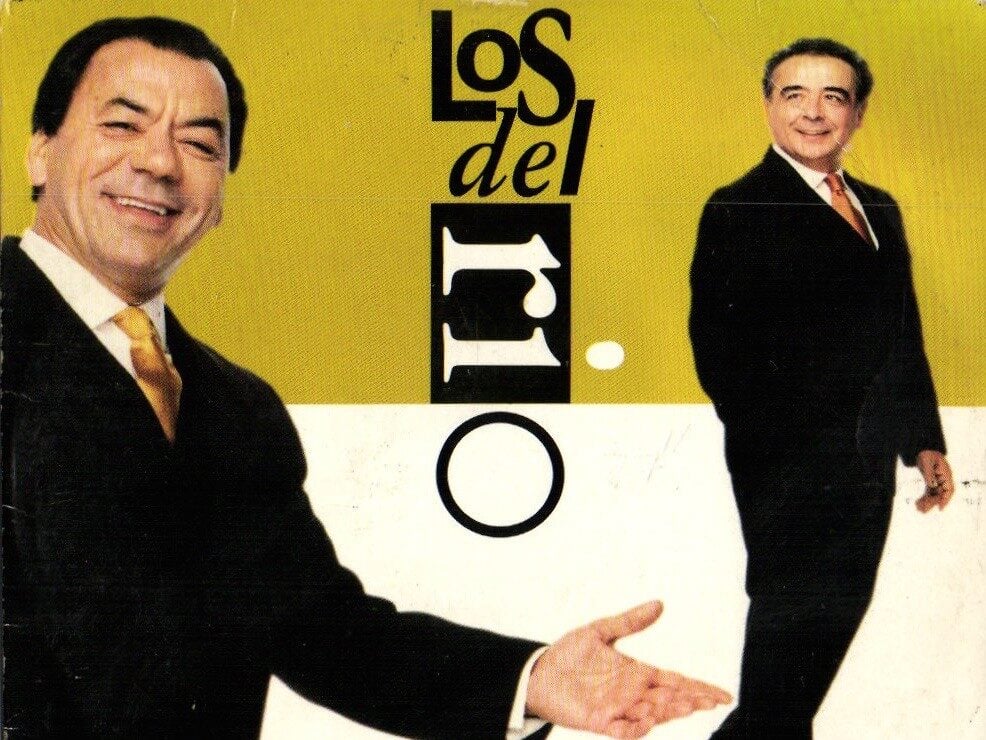
“Macarena” shouldn’t have worked as well as it did, considering most Americans had no idea what the Spanish lyrics meant (and for good reason, since they tell a rather scandalous story about a woman named Macarena and her romantic adventures while her boyfriend is away). But the dance was so simple that drunk wedding guests could master it after watching once, and so repetitive that it burned itself into muscle memory whether you wanted it there or not.
The result was a global phenomenon that dominated 1996 and refuses to die at family gatherings even now.
Hank Ballard and The Midnighters
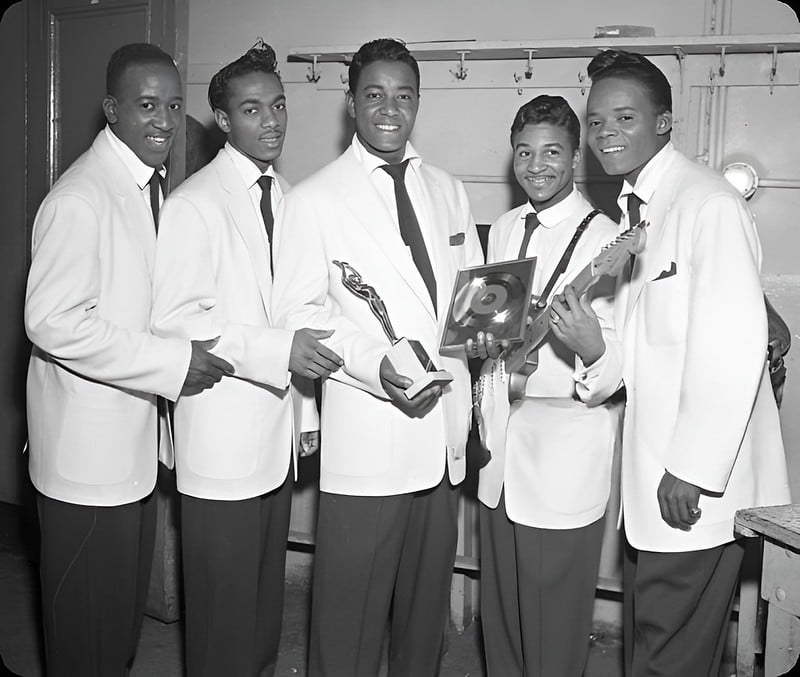
Here’s the thing about “The Twist” — Chubby Checker made it famous, but Hank Ballard wrote it and recorded it first. His version from 1959 had the same hip-swiveling instructions but with a grittier R&B edge that spoke to a different audience.
The dance might have stayed in smaller clubs if Clark hadn’t suggested Checker record his cleaner version for mainstream radio. Sometimes timing matters more than originality.
Village People
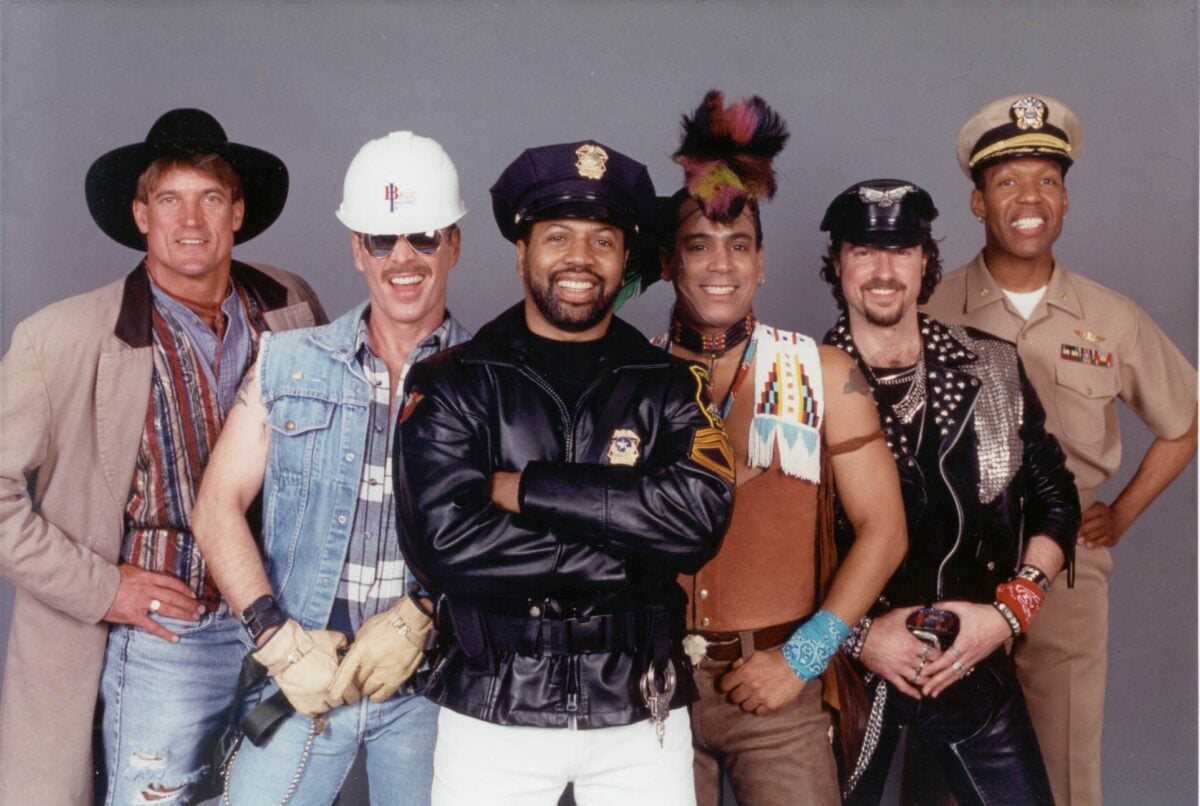
The YMCA dance exists in a category of its own: a move so aggressively simple that it feels almost insulting to your intelligence, yet so undeniably effective that resistance becomes futile. Four letters, four arm positions, endless repetition.
Grown adults willingly spell words with their bodies at sporting events because of this song, which is saying something about the strange power of collective movement.
DJ Casper
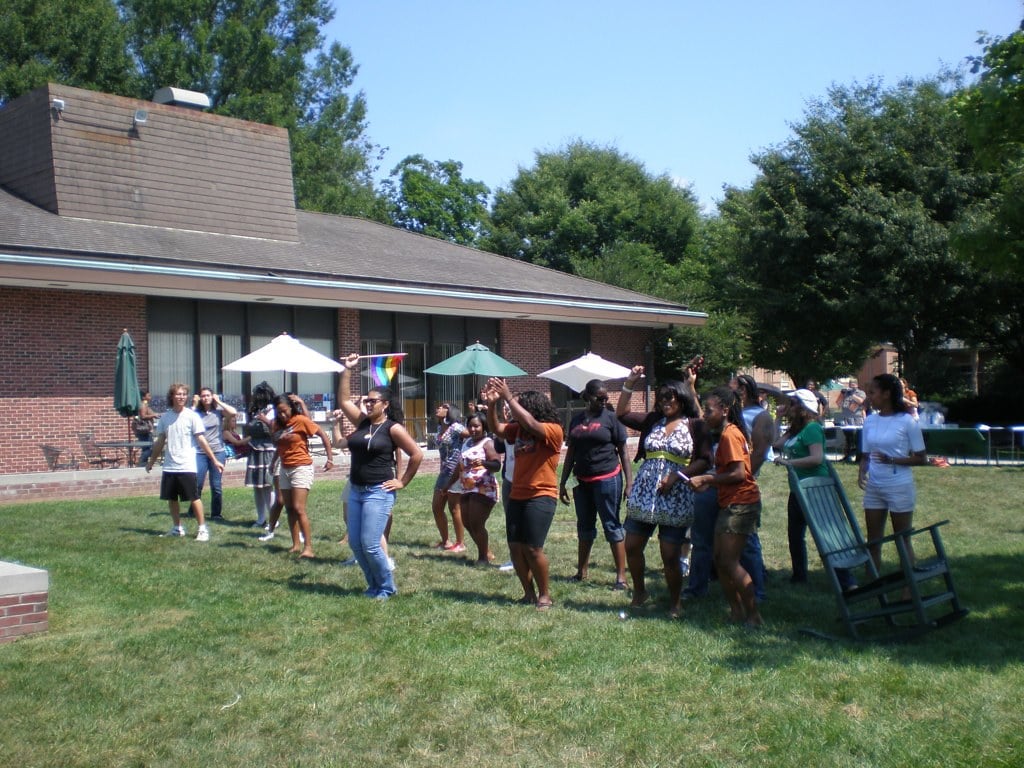
“Cha Cha Slide” operates like a very patient dance instructor who happens to be backed by a hypnotic beat. Take it to the left, take it to the right, criss-cross, everybody clap your hands — the song literally tells you what to do and when to do it, removing any possibility of confusion or personal interpretation.
It’s the ultimate democratic dance, which explains why it still gets played at school functions and wedding receptions where dance skills vary wildly across the room.
DJ Casper (Willie Perry Jr.) originally created the track for his nephew’s fitness class, not for global domination. But the step-by-step format proved irresistible to anyone who needed a foolproof way to get a crowd moving without the anxiety of freestyle dancing.
Silentó
“Watch Me (Whip/Nae Nae)” captured lightning in a bottle for exactly one summer in 2015, but what a summer it was. The song functioned less like traditional music and more like a dance instruction manual set to a trap beat, with Silentó calling out each move while demonstrating them in the video.
The whip involved a specific arm motion, the nae nae required a particular lean and step pattern, and somehow millions of people learned both moves simultaneously through social media osmosis.
The phenomenon burned bright and fast, dominating everything from middle school talent shows to professional baseball games. Then it disappeared almost as quickly as it arrived, leaving behind a perfect time capsule of mid-2010s dance culture.
Soulja Boy
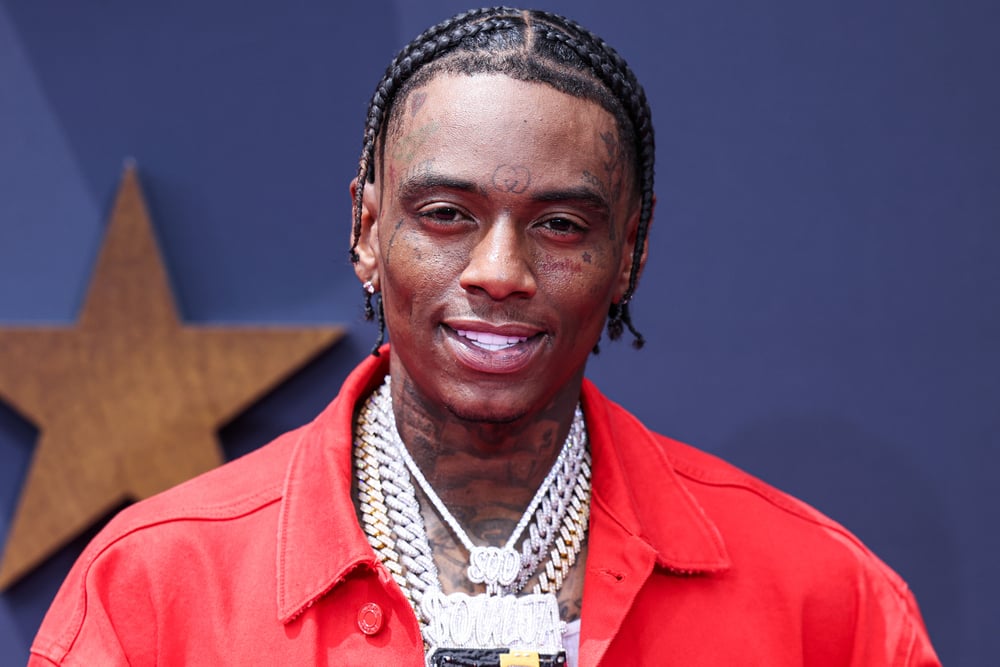
“Crank That” arrived in 2007 with the kind of cultural impact that music industry executives spend millions trying to manufacture. DeAndre Cortez Way (Soulja Boy) was 17 when he uploaded a homemade video of himself performing a dance routine he’d created.
The Superman-inspired moves included specific hand gestures, hip motions, and that signature “crank” action that gave the song its name.
What made this different from other viral dances was the completeness of the package — the song explicitly described each dance step while Soulja Boy demonstrated them. You could learn the entire routine just by listening and watching.
The result was a perfect storm of YouTube’s growing influence and teenage creativity that turned a bedroom recording into a number-one hit.
Toni Basil
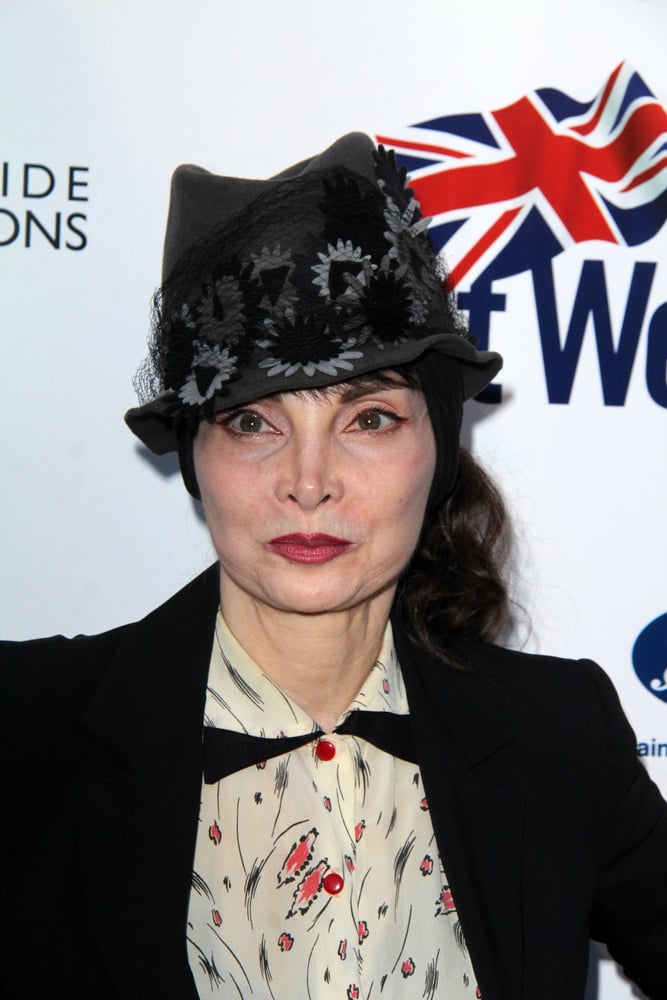
“Mickey” from 1982 deserves recognition for creating one of the most enduring cheerleader-style dance routines in pop culture. Basil, who was actually a professional choreographer and dancer before her brief singing career, brought legitimate dance training to what could have been just another novelty song.
The result was a routine that required actual skill and precision, with sharp arm movements and synchronized gestures that made it more athletic than most pop choreography of the era.
The song’s lasting power comes from its visual completeness — the pom-poms, the uniform, the gymnasium setting, and those demanding dance moves all worked together to create something that felt both retro and timeless.
LMFAO
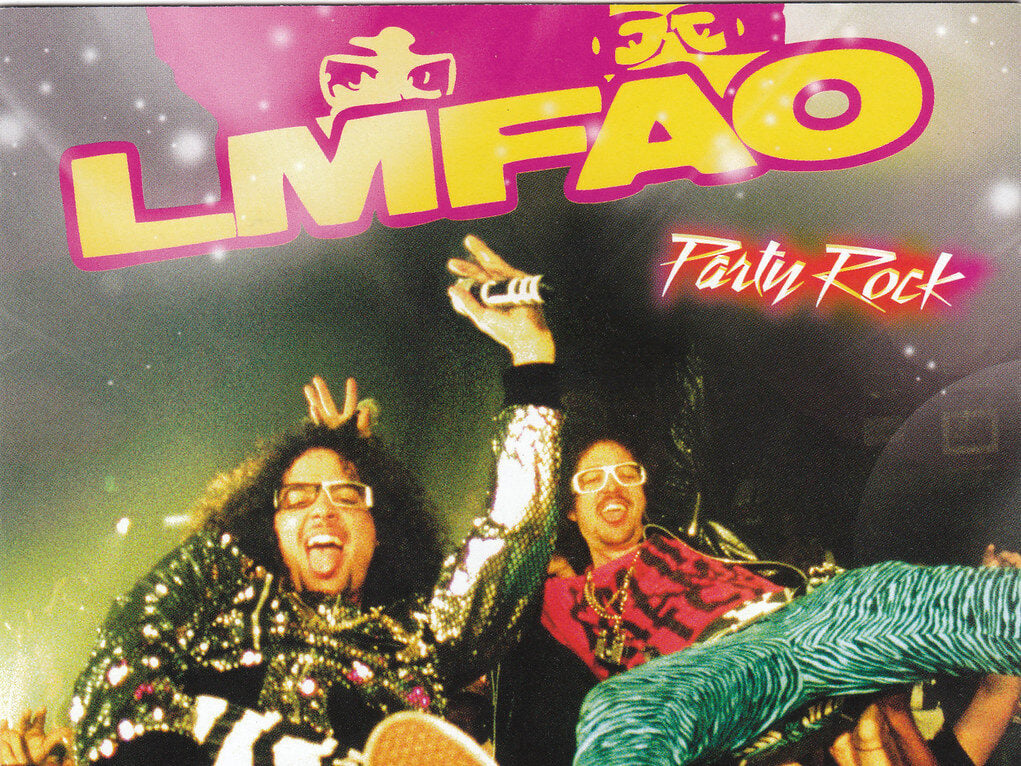
“Party Rock Anthem” and “Sexy and I Know It” turned LMFAO into the unofficial choreographers of early 2010s party culture. The duo didn’t just make dance music — they made dance instruction videos disguised as music videos, with moves so specific and repeatable that they spread through clubs and house parties like wildfire.
The shuffle, in particular, became their signature contribution: a sliding, gliding step pattern that looked effortless but required practice to execute properly. LMFAO made it seem easy in their videos, which only motivated more people to master the technique and show it off at every available opportunity.
Dexys Midnight Runners
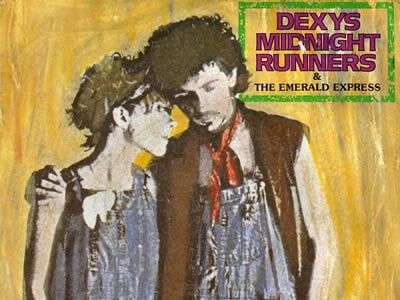
“Come on Eileen” inspired a dance that was less about specific choreography and more about pure, uncontainable enthusiasm. The song’s Celtic-influenced fiddle breakdown and explosive energy created moments where normal dancing felt inadequate — you needed jumping, spinning, and the kind of arm movements that required extra space on the dance floor.
Gangnam Style
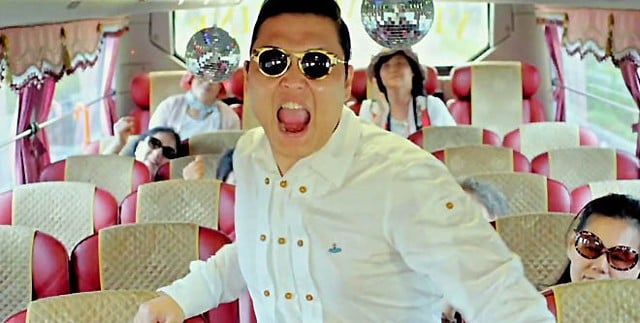
Psy didn’t just create a dance craze — he created a global cultural moment that transcended music entirely. The horse-riding motion of “Gangnam Style” became instantly recognizable worldwide, performed by everyone from elementary school kids to world leaders.
The dance’s appeal lay in its absurdity combined with its precision; it looked ridiculous but had to be done exactly right to achieve the proper effect.
The rhythm continues
These artists prove that creating a legendary dance craze requires more than just a catchy beat — it demands the perfect combination of simplicity, memorability, and that mysterious quality that makes people want to move. Each of these performers found a way to translate their music into physical expression that resonated across cultures, generations, and social boundaries.
The dances they created became cultural languages that people still speak today, years or even decades after the songs first hit the airwaves.
More from Go2Tutors!

- The Romanov Crown Jewels and Their Tragic Fate
- 13 Historical Mysteries That Science Still Can’t Solve
- Famous Hoaxes That Fooled the World for Years
- 15 Child Stars with Tragic Adult Lives
- 16 Famous Jewelry Pieces in History
Like Go2Tutors’s content? Follow us on MSN.



