Ancient Gardens That Influenced Modern Design
Walk through any beautifully designed park or carefully planned backyard today, and there’s a good chance the ideas behind it stretch back thousands of years. Ancient civilizations didn’t just grow plants for food or medicine.
They created spaces meant to delight the senses, offer peace, and show off their understanding of beauty and order. These early gardens weren’t just pretty to look at.
They laid down principles that landscape architects and home gardeners still follow today.
The Hanging Gardens of Babylon
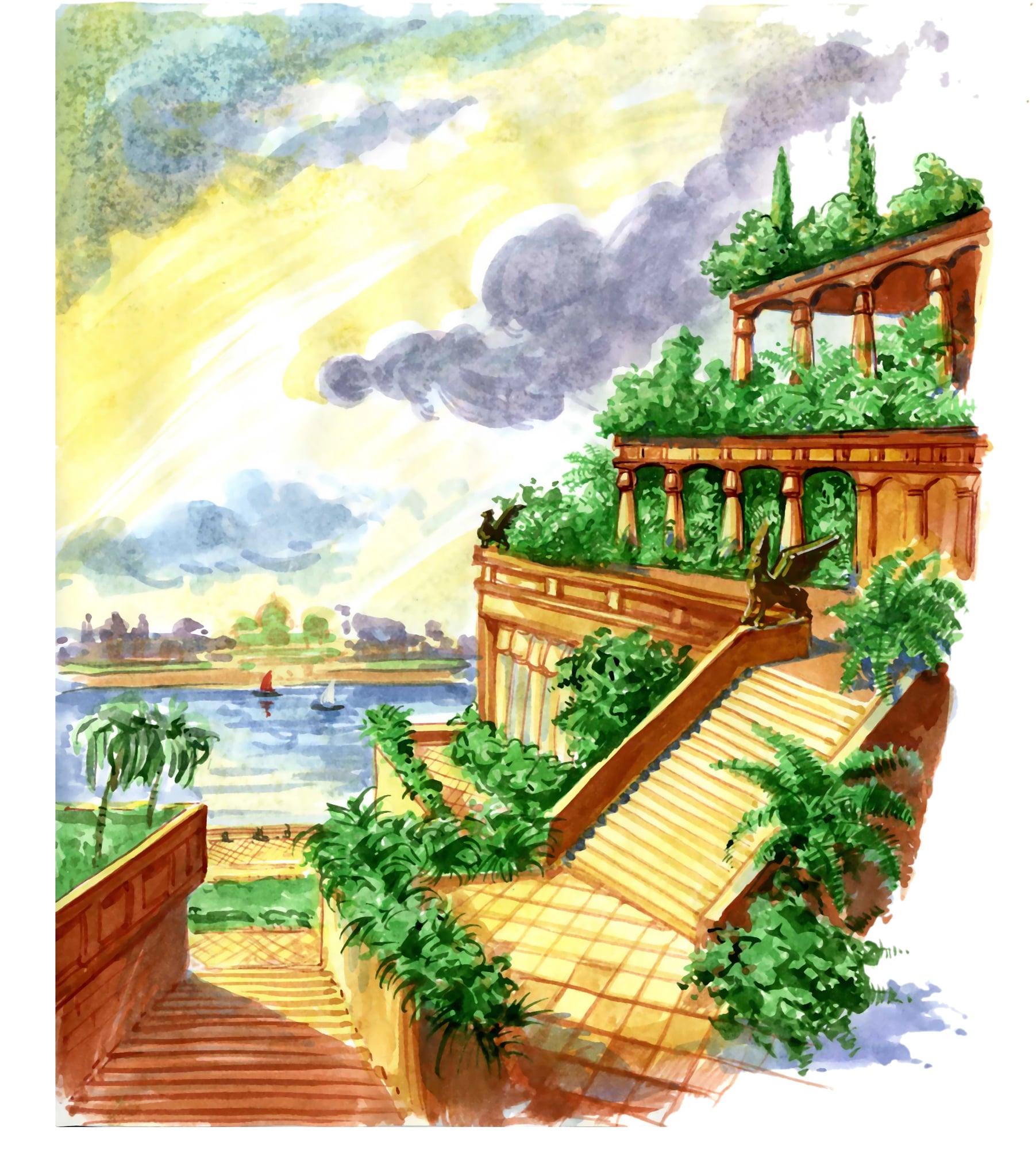
This legendary garden supposedly rose in terraces high above the ancient city, creating a green mountain in the middle of a desert landscape. While historians still debate whether it actually existed, the concept itself changed how people thought about using vertical space.
The idea of layering plants at different heights, creating microclimates, and bringing nature into urban areas comes straight from this ancient wonder. Modern rooftop gardens and green walls owe their existence to this early vision of defying natural limitations.
Persian Paradise Gardens
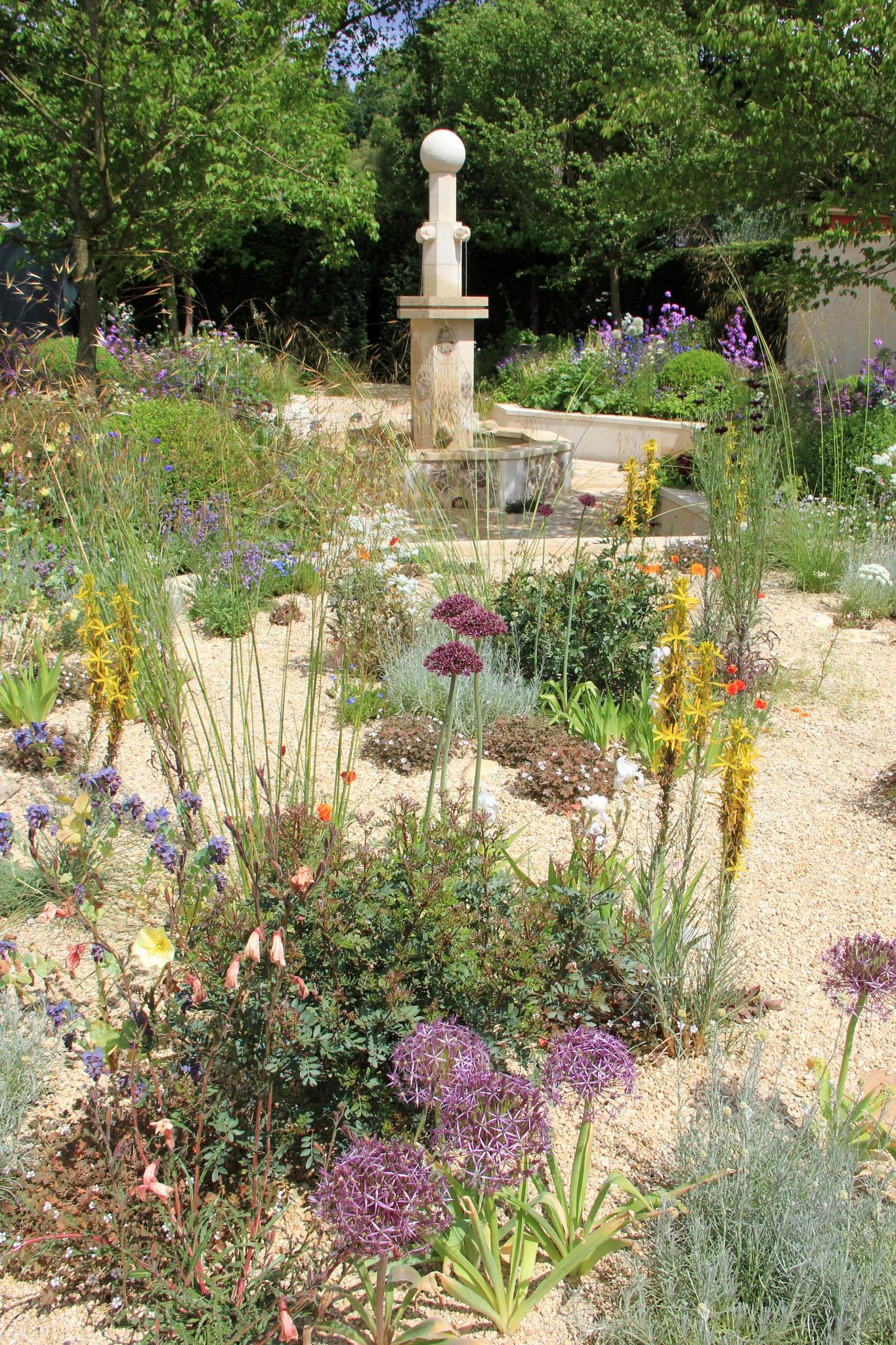
The Persians designed gardens as earthly representations of paradise, divided into four sections by water channels that met at a central point. This quadrilateral layout, called a chahar bagh, balanced geometry with natural beauty in ways that felt both orderly and peaceful.
Today’s formal gardens with their symmetrical beds, central fountains, and intersecting pathways follow this same blueprint. The concept influenced garden design across three continents and still shows up in everything from public parks to residential landscapes.
Egyptian Temple Gardens

Ancient Egyptians surrounded their temples with carefully planned gardens that served both practical and spiritual purposes. They planted trees in straight rows, created rectangular pools, and organized spaces with mathematical precision.
These gardens introduced the concept of using water features as focal points and organizing plants in geometric patterns. Modern designers still use these same techniques when they want to create a sense of order and tranquility in outdoor spaces.
Roman Peristyle Gardens

Romans built gardens in the interior courtyards of their homes, called peristyles, where columns surrounded open spaces filled with plants, fountains, and sculptures. This inward-facing design created private outdoor rooms protected from the street.
The modern courtyard garden, especially popular in urban settings, comes directly from this Roman innovation. It’s the same principle: bringing nature into the heart of a building while maintaining privacy and creating a peaceful retreat.
Chinese Scholar Gardens

These gardens, designed for contemplation and artistic inspiration, rejected symmetry in favor of creating miniature landscapes that mimicked nature. Rocks, water, plants, and architecture combined to form spaces that revealed themselves gradually as visitors walked through them.
The concept of the garden as a journey rather than a static view revolutionized landscape design. Contemporary gardens that emphasize discovery, use natural-looking rock formations, or create winding paths instead of straight lines draw from this ancient Chinese tradition.
Japanese Zen Gardens

Buddhist monks created dry gardens using carefully raked gravel and strategically placed rocks to represent water and islands. These minimalist spaces encouraged meditation and demonstrated that a garden didn’t need plants to be powerful.
The influence shows up everywhere in modern minimalist design, from stark contemporary landscapes to the use of gravel and stone as primary design elements. The principle that less can be more came from these spare, contemplative spaces.
Islamic Courtyard Gardens

Islamic garden design emphasized the contrast between the harsh exterior world and the cool, green interior space. High walls enclosed gardens with central fountains, fragrant plants, and shaded areas that offered relief from heat.
This inside-outside contrast and the focus on sensory experience—the sound of water, the scent of flowers—shaped how designers think about creating comfortable outdoor spaces. Modern enclosed patios and the emphasis on creating outdoor rooms trace back to these principles.
Greek Sacred Groves

Ancient Greeks planted groves of trees around temples and dedicated them to specific gods, creating spaces where nature and spirituality intersected. These weren’t formal gardens but natural-looking areas that inspired reverence.
The concept of preserving natural areas within designed landscapes, and using native plants to create meaningful spaces, comes from this tradition. Today’s naturalistic gardens and preserved green spaces in urban areas follow this ancient model.
Aztec Floating Gardens

The Aztecs created chinampas, artificial islands built in lake beds where they grew flowers and food. This innovative approach to using water for agriculture and ornamental gardening demonstrated that gardens could adapt to challenging environments.
Modern hydroponic gardens, aquatic plant displays, and the general concept of gardening in non-traditional spaces owe something to this ingenious system. The Aztecs proved that creative thinking could overcome natural limitations.
Moorish Gardens in Spain
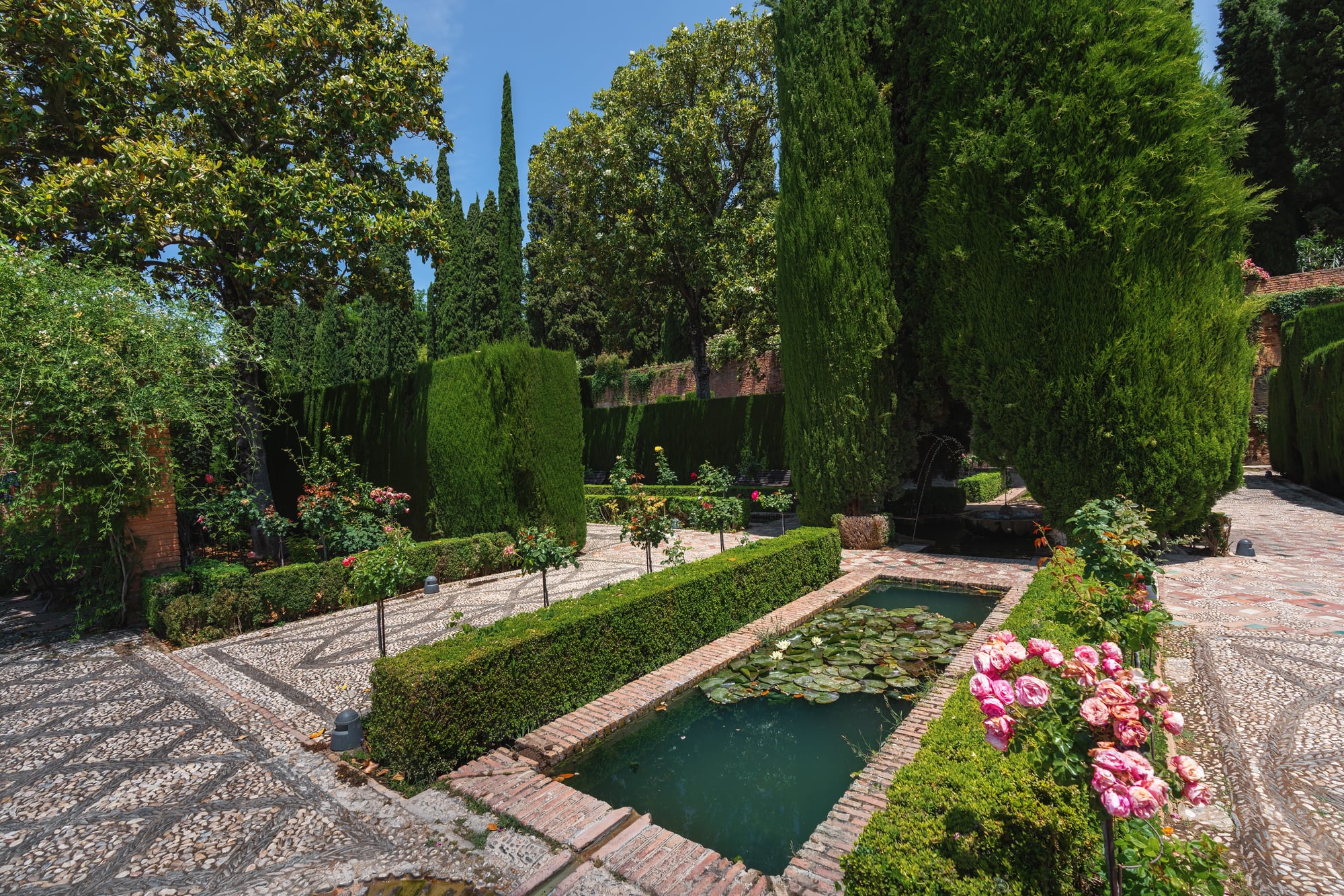
The Moors brought sophisticated water management and garden design to medieval Spain, creating spaces where water moved through channels, filled pools, and created cooling effects. The Alhambra’s gardens show how water could be both functional and beautiful, used to reflect light, create sound, and cool the air.
Contemporary water features, from simple fountains to elaborate canal systems, follow these medieval Islamic designs. The integration of water as a living element in the garden started here.
Mesopotamian Ziggurat Gardens

These massive stepped structures featured planted terraces that created gardens in the sky. The concept demonstrated that gardens could be architectural features, not just ground-level spaces.
Modern terraced landscapes, whether carved into hillsides or built as raised structures, use this same principle. The ziggurat gardens proved that working with elevation changes could create dramatic and beautiful results.
Renaissance Italian Gardens

Italian Renaissance gardens brought back classical principles with grand terraces, elaborate fountains, and carefully controlled nature. These designs emphasized the relationship between the house and garden, using outdoor spaces as extensions of interior rooms.
The concept of outdoor living spaces, with defined areas for different activities, comes straight from these Renaissance innovations. Modern landscape architecture’s emphasis on connecting indoor and outdoor spaces traces directly to these Italian masterpieces.
Mughal Gardens of India

The Mughal emperors created gardens that combined Persian, Islamic, and Indian traditions into something new. They used water channels, pavilions, and carefully selected plants to create spaces for both beauty and function.
These gardens introduced the idea of using scent as a primary design element, with roses, jasmine, and other fragrant plants chosen specifically for their perfume. Contemporary gardens that emphasize fragrance and use water in geometric patterns drawn from Mughal design principles.
Inca Agricultural Terraces
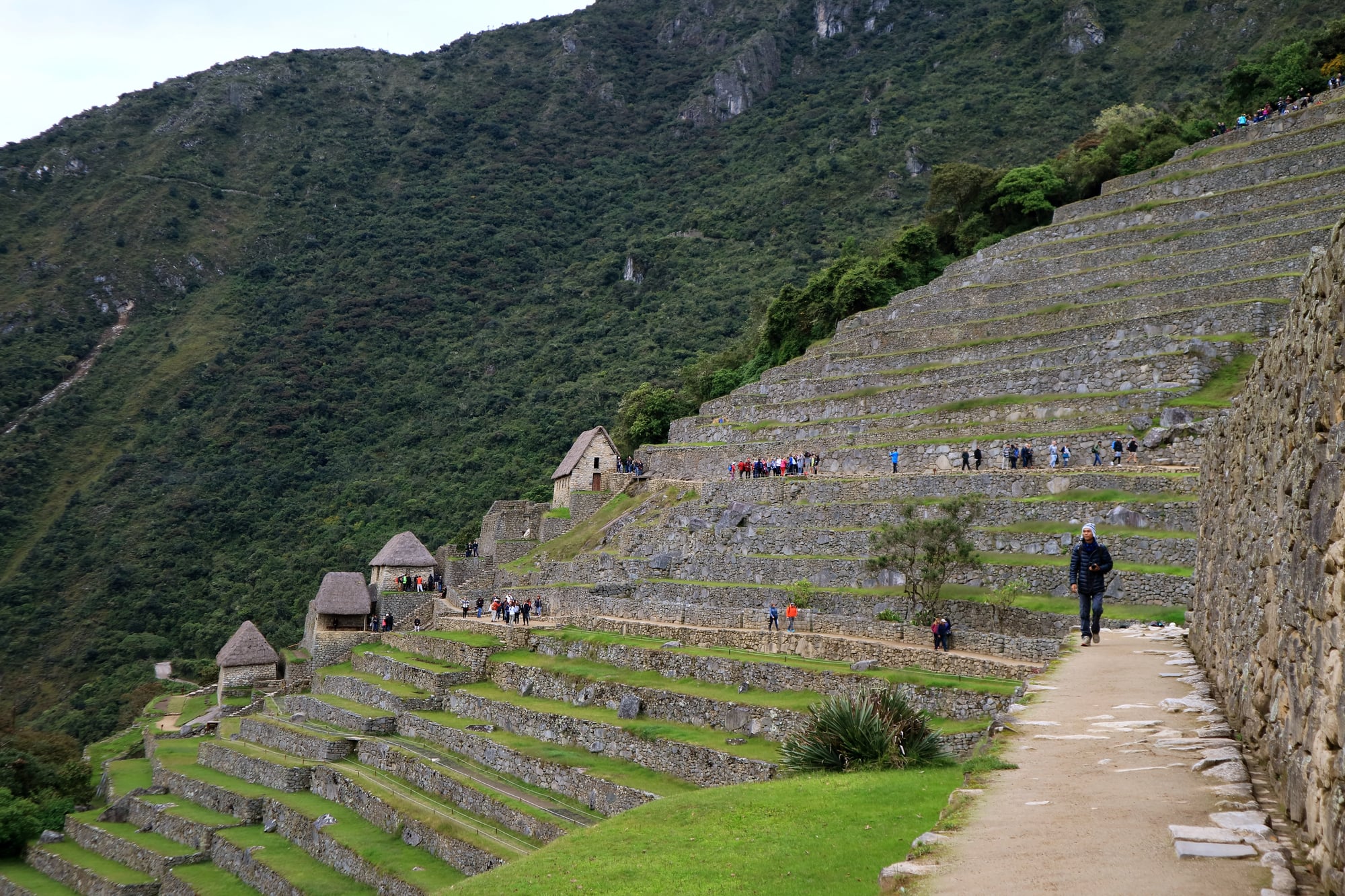
Though built for farming, Inca terraces showed how usefulness could look good. By shaping mountain slopes into smooth tiers, they stopped soil wash, helped water flow away, yet made spaces where varied plants thrived.
Such smart design mixed purpose with visual charm – something today’s landscape planners still learn from. Beauty meeting brains like this started long ago, rooted in old crop-growing tricks that solved real issues.
Versailles and French Formal Gardens
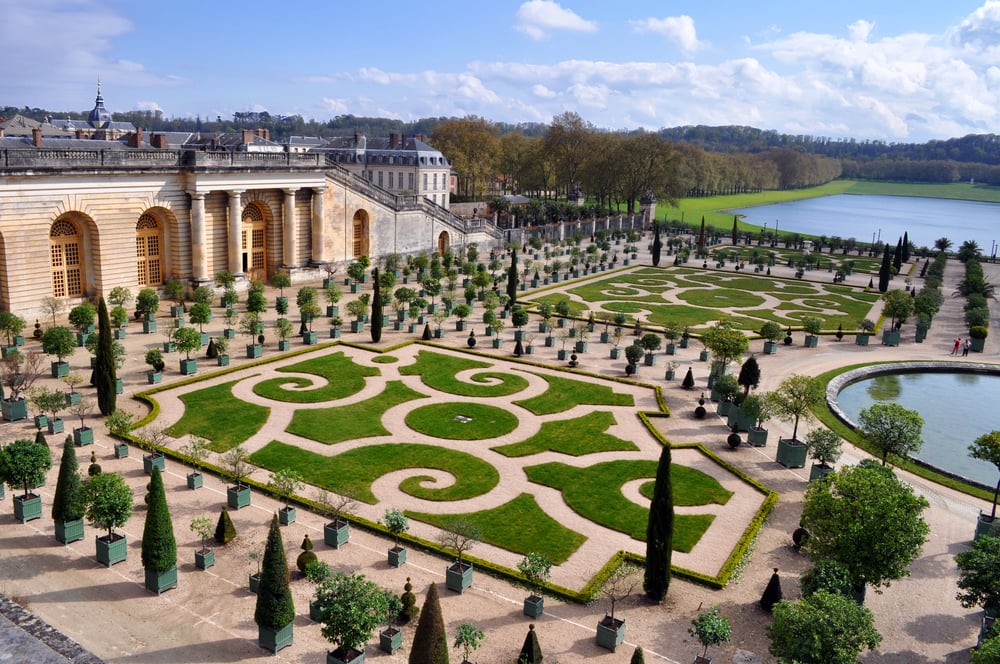
Even if it’s not old, Versailles shows how gardens changed over many centuries. Huge size, balanced layouts, yet full command over nature – this showed strength in greenery.
That dramatic look shaped city parks everywhere. Wide avenues, structured flowerbeds, also bold fountains seen today stem from French garden ideas, which grew out of older styles.
Maya Forest Gardens

The Maya grew food by shaping forests – keeping helpful, pretty plants thriving without wiping out trees. Their method revealed green spaces can team up with nature, not fight it.
Today’s eco-friendly yards, local species planting, and permaculture ideas borrow from their old-school wisdom. They showed people and untamed landscapes might actually get along just fine.
Egyptian Grape Arbors

Ancient Egyptians draped grapevines over frames to form cool paths and open-air areas. That basic idea turned sunny spots into usable zones even in heat, all while growing snacks.
Today’s pergolas or covered patios? Rooted in those old setups – same vibe, just updated.
Climbing plants weren’t just pretty; they gave shade too, something still key in smart yard layouts now.
Monastery Cloister Gardens
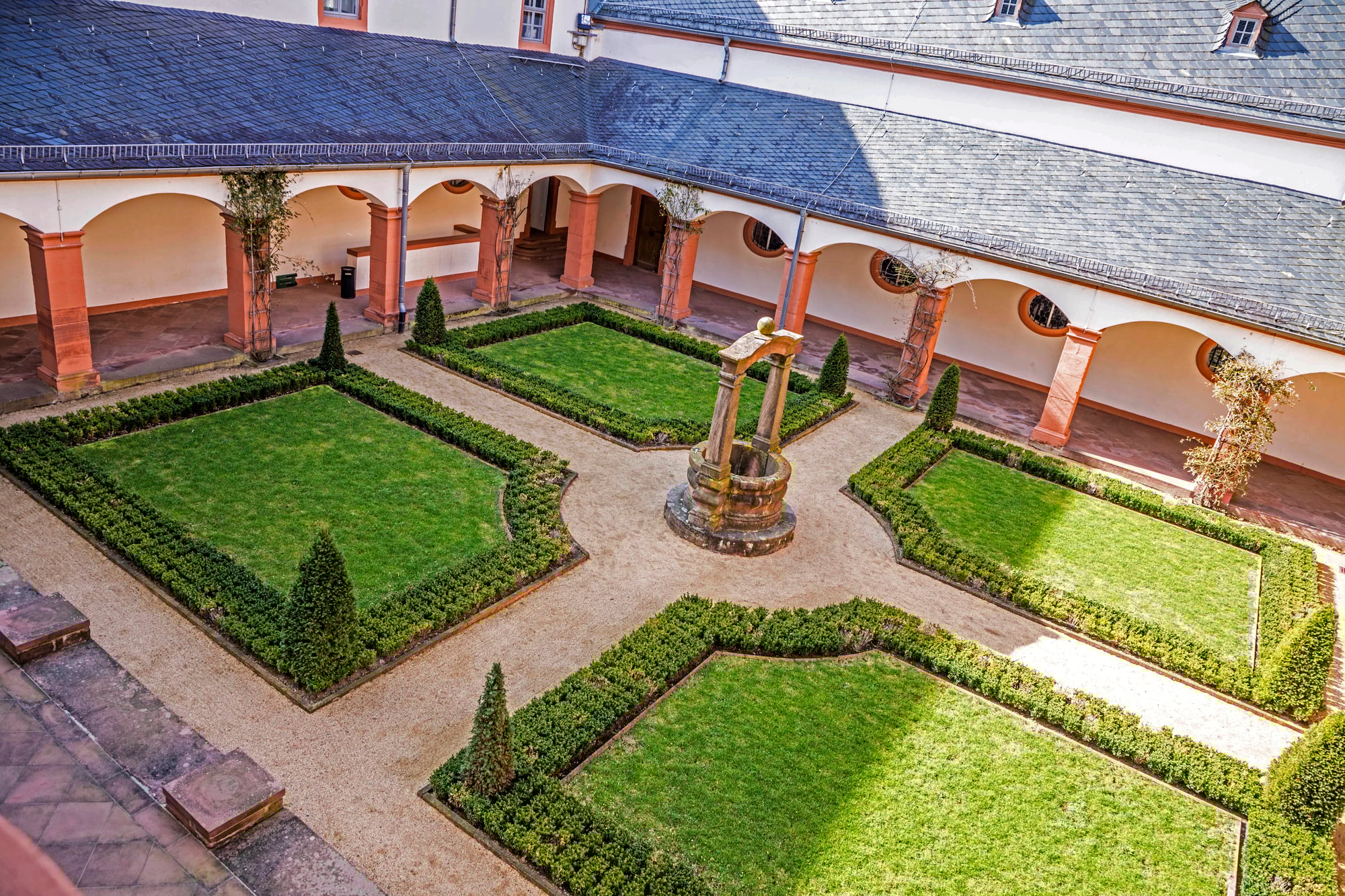
Monks in medieval times built walled gardens inside cloister walls – these spots served to grow herbs, reflect quietly, or share knowledge. Not just useful but meaningful, the layouts followed basic shapes, often featuring a central water source like a fountain or well.
Today’s healing gardens found in hospitals borrow heavily from those old monastic designs. Peaceful green spaces being linked to recovery? That thought started right there, in those calm inner yards.
Where Ancient Wisdom Meets Modern Soil

The gardens folks make now? Not exactly fresh ideas. Instead, they’re built from thoughts shaped over thousands of years – tweaked for various weather, traditions, or goals.
When you plan a small patio setup or a wide city green zone, chances are you’re leaning on tricks early growers learned by testing, failing, and watching closely. Those past layouts stick around since they fit basic human needs – how we connect with greenery, moisture, and room to breathe – in ways that just feel right.
More from Go2Tutors!

- The Romanov Crown Jewels and Their Tragic Fate
- 13 Historical Mysteries That Science Still Can’t Solve
- Famous Hoaxes That Fooled the World for Years
- 15 Child Stars with Tragic Adult Lives
- 16 Famous Jewelry Pieces in History
Like Go2Tutors’s content? Follow us on MSN.