13 Times Video Game Studios Made a Game Just to Spite a Competitor
The video game industry thrives on competition, with studios constantly battling for player attention and market dominance. Though most games emerge from genuine creative vision, there exist fascinating cases where rivalry and pettiness directly fueled development decisions.
Here is a list of 13 remarkable examples where video game studios created titles specifically to spite their competitors, demonstrating how personal business relationships can become in the gaming world.
Sonic the Hedgehog
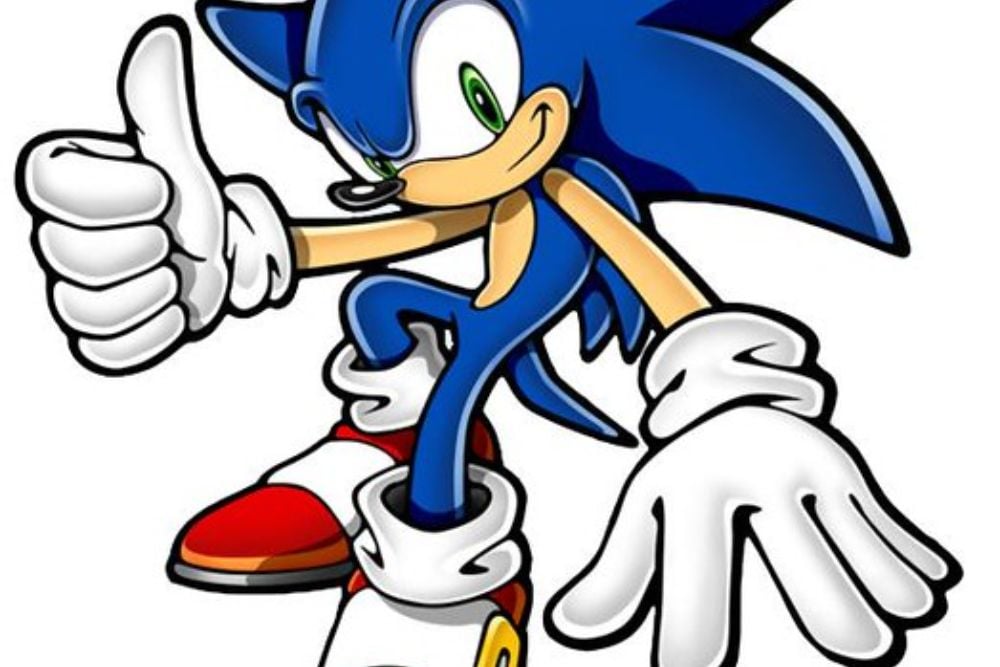
Sega desperately needed a mascot that could challenge Nintendo’s Mario – and they weren’t exactly subtle about it. The development team received explicit instructions to design a character embodying everything Mario wasn’t: speed instead of methodical platforming, attitude rather than wholesome charm.
Sonic’s now-iconic impatient foot-tapping and finger-wagging weren’t random personality traits – they were calculated visual jabs at Nintendo’s slower gameplay, essentially telling their biggest competitor “I’m waiting for you to catch up.”
Donkey Kong Country
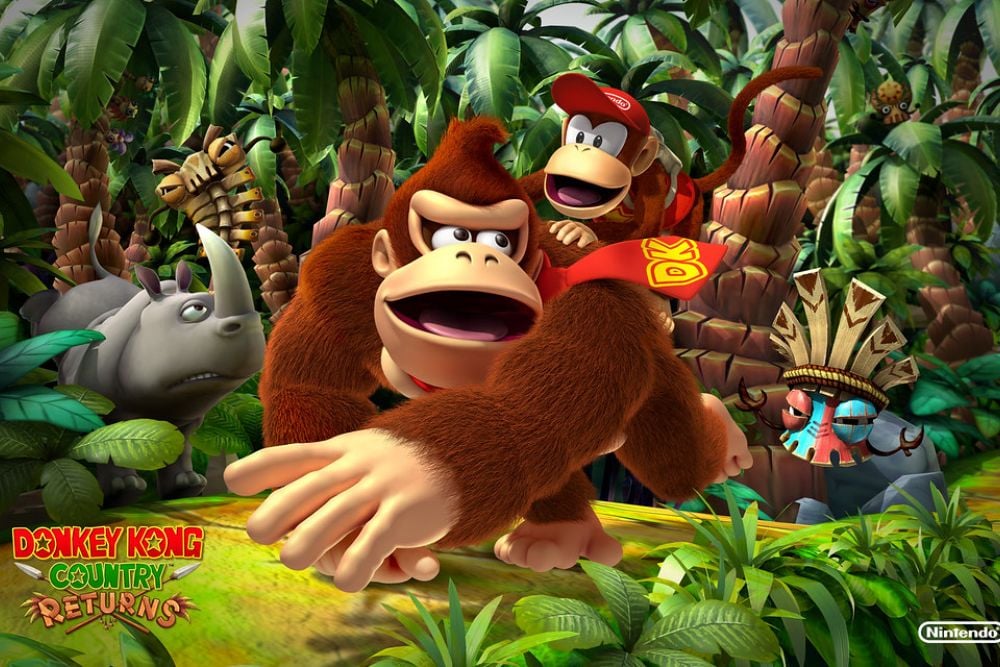
Nintendo wouldn’t simply roll over after Sega’s bold challenge. When Sega constantly boasted about their superior 16-bit technology, Nintendo formed a partnership with Rare to develop Donkey Kong Country – showcasing advanced pre-rendered 3D graphics that somehow ran on the supposedly “inferior” SNES hardware.
The game’s stunning visual presentation served as Nintendo’s middle finger to the competition, proving they didn’t need a 32-bit system to create gorgeous games that made Genesis titles look primitive by comparison.
Crash Bandicoot
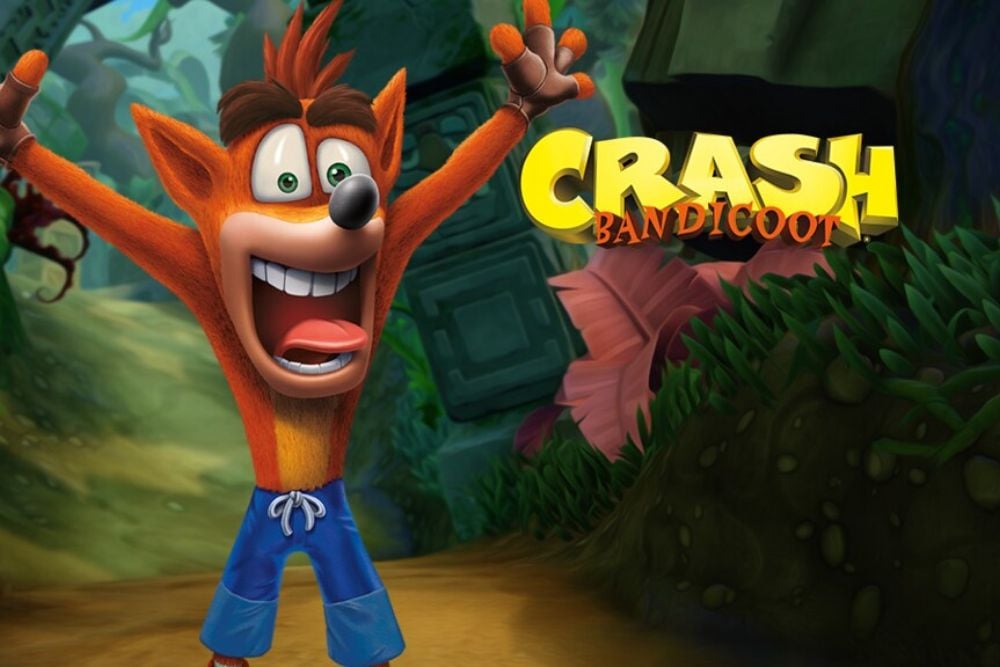
Sony needed their own mascot character to compete in the mid-90s console wars – yet lacked anything resembling Mario or Sonic’s recognition. Naughty Dog crafted Crash Bandicoot specifically to fill this void, positioning him as PlayStation’s marsupial answer to Nintendo’s plumber and Sega’s hedgehog.
They even filmed a promotional stunt where someone dressed as Crash showed up outside Nintendo headquarters with a megaphone – taunting their competition in broad daylight while announcing PlayStation’s intention to dominate the platformer genre.
Call of Duty: Modern Warfare 2
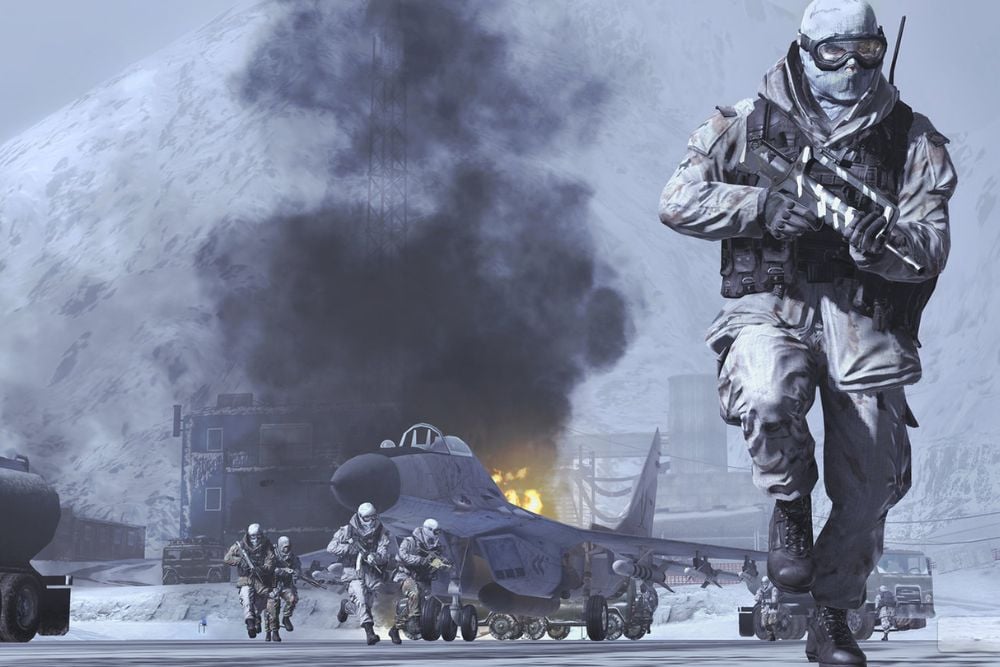
After Infinity Ward’s founders departed to establish Respawn Entertainment, Activision wasn’t about to let these former employees succeed without interference. The publisher deliberately scheduled Call of Duty: Modern Warfare 2 Remastered to launch during Titanfall 2’s release window – an intentional market sabotage widely interpreted as corporate revenge.
This calculated release timing effectively suffocated Respawn’s innovative new shooter during its crucial launch period, showing how petty publisher grudges can damage otherwise excellent games.
Street Fighter X Tekken
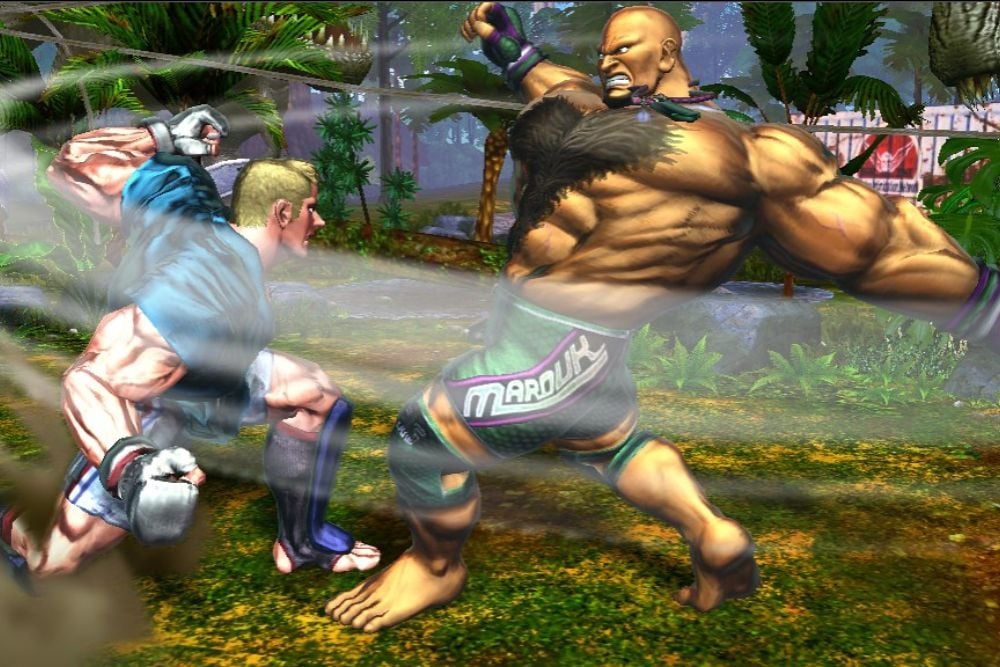
Capcom created this crossover fighter featuring characters from rival Namco’s Tekken series – though they weren’t particularly generous with how they portrayed the competition. The Tekken fighters received noticeably clumsy movements and underwhelming abilities compared to their Street Fighter counterparts.
Many fighting game enthusiasts interpreted this imbalance as Capcom’s not-so-subtle way of declaring their combat system superior to their longtime rival’s approach.
Killer Instinct
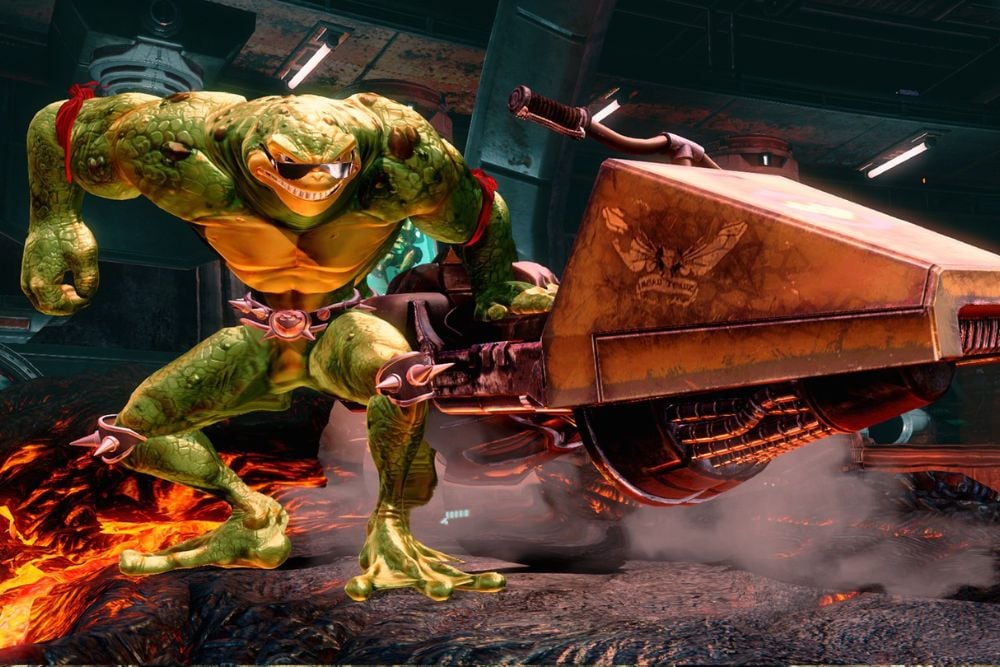
When Nintendo collaborated with Sony on developing a CD add-on for the SNES – only to have Sony suddenly announce their independent PlayStation console – the betrayal stung deeply. Nintendo responded by partnering with Rare to develop Killer Instinct as a technical showcase meant to overshadow anything on Sony’s upstart platform.
The arcade version ran on specialized hardware essentially advertising Nintendo’s forthcoming Ultra 64 (later Nintendo 64) – while showing Sony they’d made a powerful enemy.
Fortnite Battle Royale
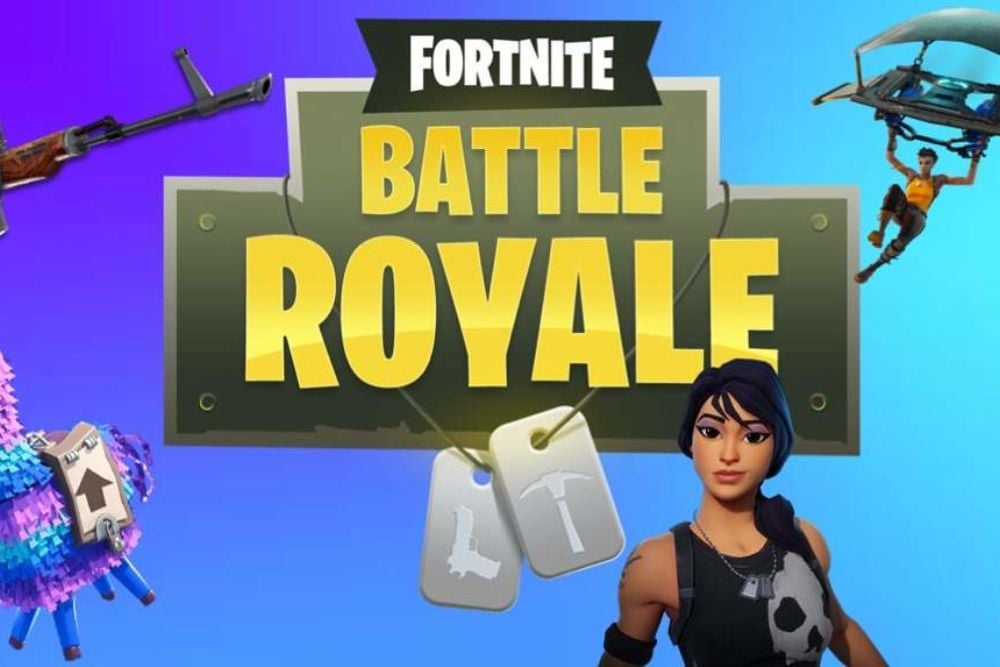
Epic Games observed PlayerUnknown’s Battlegrounds’ explosive popularity and rapidly developed their own battle royale mode for Fortnite in merely two months. What began as “inspiration” quickly transformed into direct competition when Epic – who created the very Unreal Engine powering PUBG – leveraged their intimate engine knowledge to optimize their game beyond what PUBG’s developers could achieve.
This technical advantage proved so significant that PUBG Corporation actually filed a lawsuit against Epic regarding the similarities.
Mappy Land
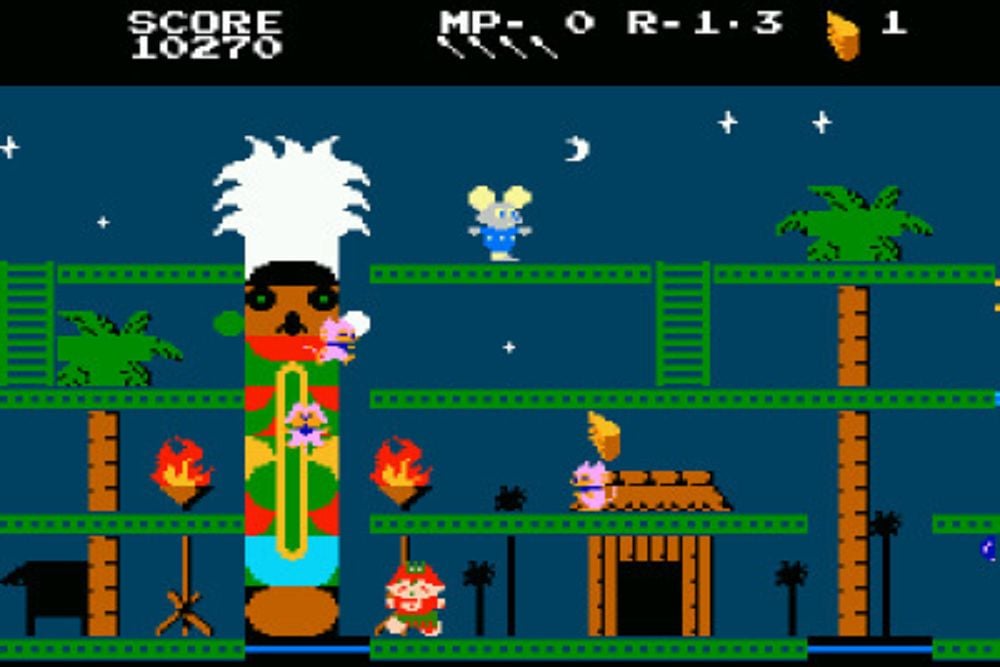
Nintendo’s restrictive third-party developer contracts infuriated Namco founder Masaya Nakamura, who felt unreasonably constrained by their terms. Namco’s response? Creating Mappy Land – deliberately designed to mimic Nintendo’s signature style while incorporating just enough differences to avoid legal consequences.
The game represented Namco’s defiant statement that they could produce Nintendo-caliber experiences without submitting to Nintendo’s controlling partnership requirements.
PlayStation All-Stars Battle Royale
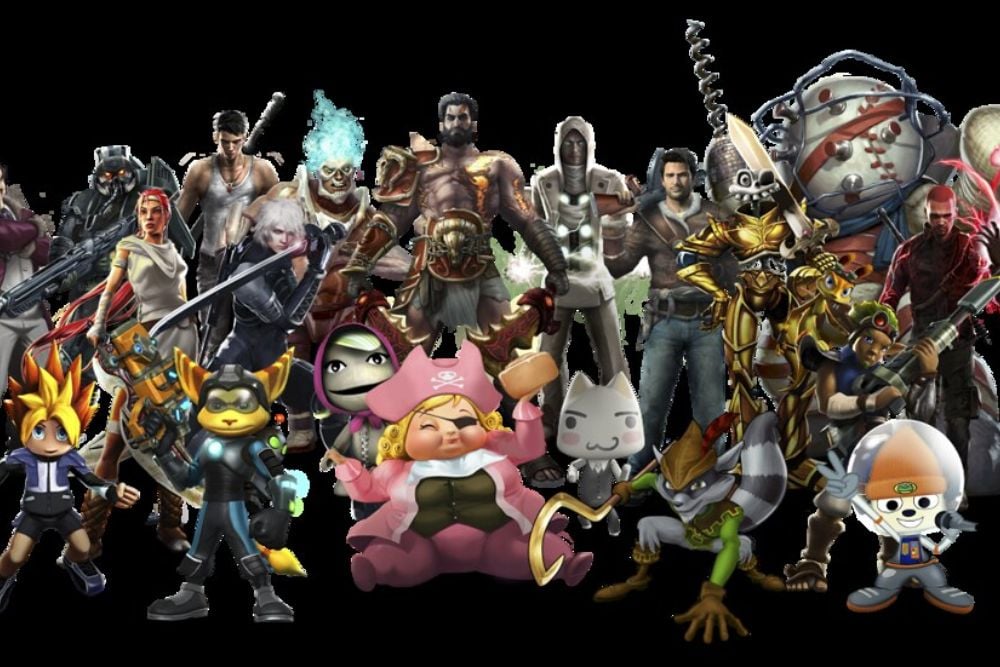
Sony made little effort to disguise their attempt at creating their own version of Nintendo’s Super Smash Bros. The game assembled Sony mascot characters for a platform fighter that borrowed heavily from Nintendo’s formula – without capturing its magic.
The project seemed motivated primarily by Sony’s desire to have an equivalent crossover fighter rather than by genuine creative inspiration, making it among the most transparent “spite games” ever released.
Mortal Kombat
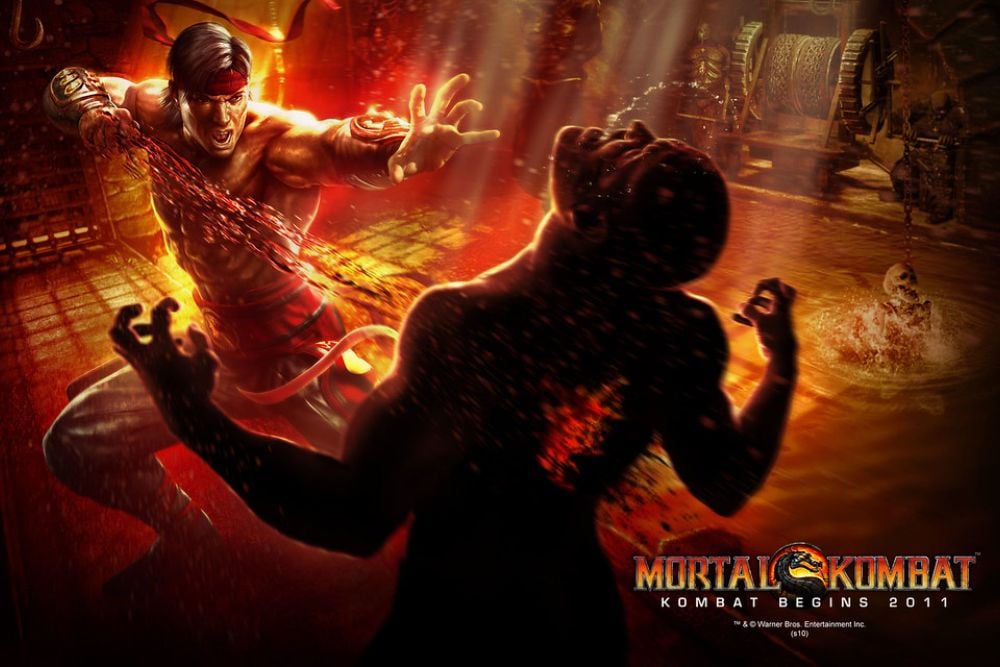
Midway Games grew frustrated watching Street Fighter II dominate arcade floors, so they developed a fighting game that deliberately went in the opposite direction. Where Street Fighter offered colorful, somewhat cartoonish combat, Mortal Kombat featured digitized actors and shocking violence.
The infamous finishing moves weren’t just gameplay innovations – they were specifically crafted to generate controversy and establish a clear separation from Capcom’s family-friendly fighter.
Parodius
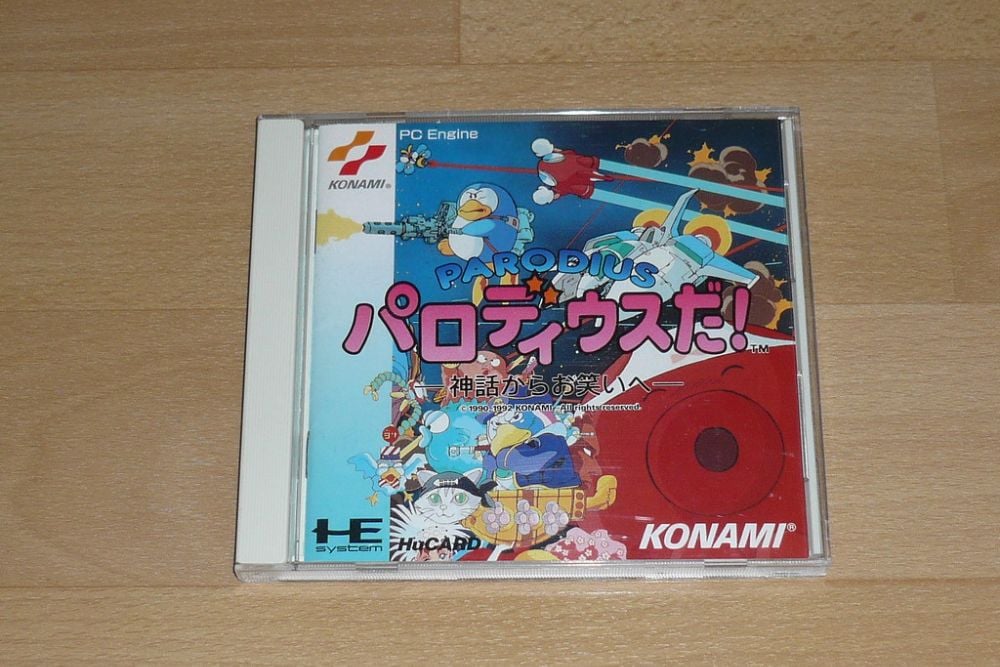
Konami created this shoot-em-up as a parody of their own Gradius series while simultaneously taking potshots at competitors like Sega and Nintendo. The game featured bizarre enemies and bosses that any player could recognize as thinly-veiled references to characters from rival companies.
Konami essentially transformed their competitors’ beloved mascots into ridiculous boss fights, letting players blast away at satirical versions of familiar industry icons.
Counter-Strike: Global Offensive
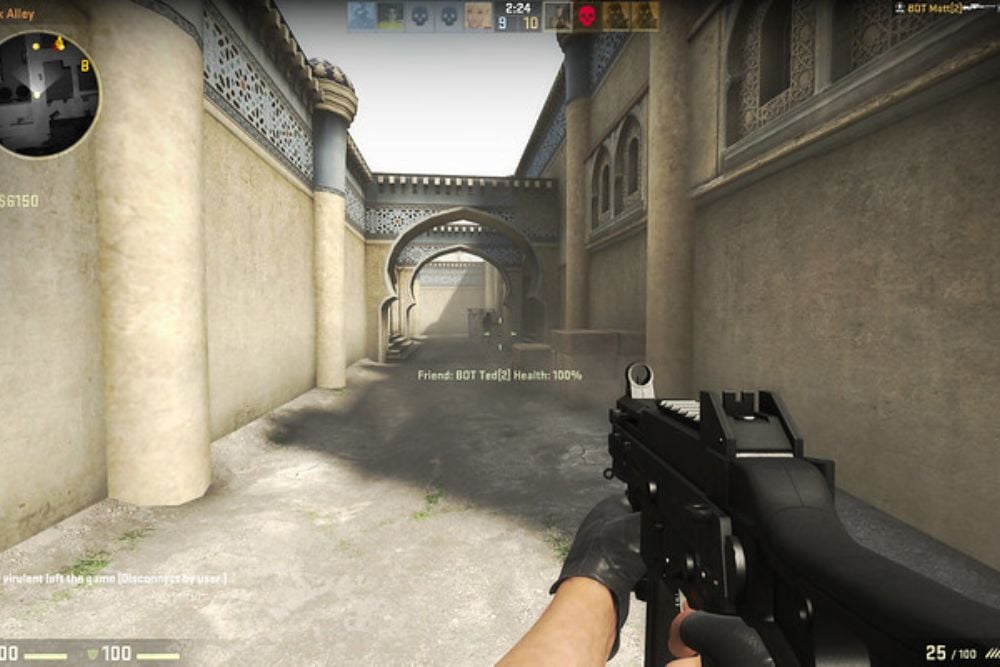
Valve noticed Electronic Arts’ Battlefield series gaining significant market traction and responded by revitalizing their aging Counter-Strike franchise with Global Offensive. CS:GO’s development timeline aligned suspiciously well with Battlefield 3’s rising popularity, suggesting Valve wouldn’t allow EA to capture the military shooter market without resistance.
They even relaxed Counter-Strike’s notoriously steep learning curve to make CS:GO more accessible to new players—something previously unthinkable for the hardcore tactical shooter.
God of War (2018)
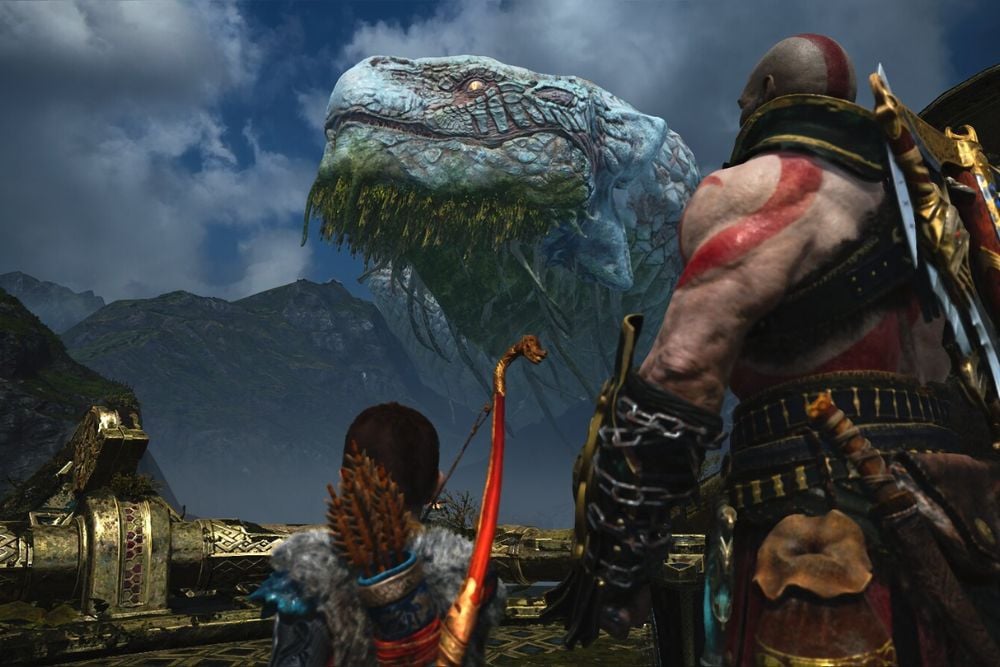
Sony Santa Monica’s God of War reboot partially stemmed from watching Naughty Dog’s The Last of Us receive universal acclaim for its emotional storytelling. Not wanting their gore-focused franchise overshadowed by another Sony studio’s narrative achievements, they reinvented Kratos with a father-son relationship clearly mirroring Joel and Ellie’s dynamic.
This inter-studio rivalry demonstrated how competitive tension exists even between developers under the same corporate umbrella, often spurring creative evolution.
The Innovation Continues

Competition between game studios continues driving industry innovation today. These “spite games” might have originated from corporate rivalries or personal grudges, yet many evolved into beloved classics that transcended their petty origins.
Such competitive reactions frequently push developers toward greater creative heights, demonstrating that sometimes truly exceptional games emerge when creators feel they have something to prove against their rivals.
More from Go2Tutors!

- The Romanov Crown Jewels and Their Tragic Fate
- 13 Historical Mysteries That Science Still Can’t Solve
- Famous Hoaxes That Fooled the World for Years
- 15 Child Stars with Tragic Adult Lives
- 16 Famous Jewelry Pieces in History
Like Go2Tutors’s content? Follow us on MSN