Lost Tourist Attractions That No Longer Exist
The world has a way of erasing its own wonders. Places that once drew millions of visitors, sparked countless photos, and filled guidebooks have vanished—some overnight, others through slow decay.
These lost attractions remind us that even our most beloved destinations aren’t permanent. They exist in a delicate balance between human ambition and natural forces, economic realities and changing tastes.
What remains are memories, faded postcards, and the strange melancholy of knowing something remarkable is gone forever.
Luna Park at Coney Island
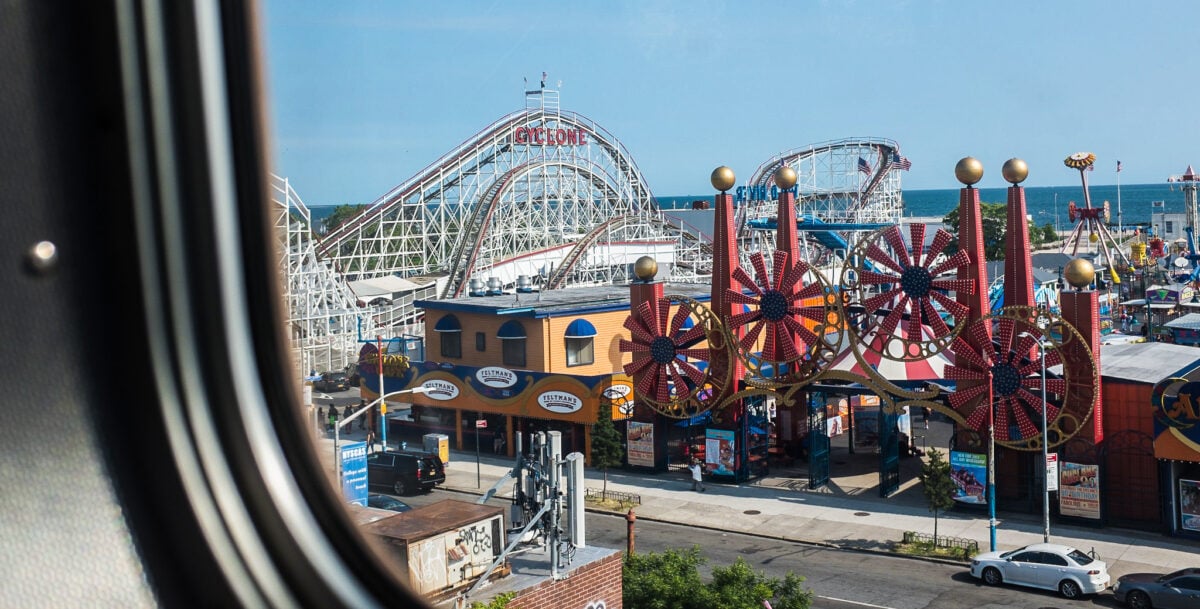
Luna Park disappeared in 1944, consumed by fire on May 16 after decades of delighting visitors. The original park (not the modern version that borrowed its name) was a fever dream of electric lights and impossible architecture.
Towering spires twisted toward the sky. Elaborate facades promised adventures that lived up to their billing.
Over a million light bulbs illuminated the park each night. In 1903, that was magic made visible.
The Crystal Palace
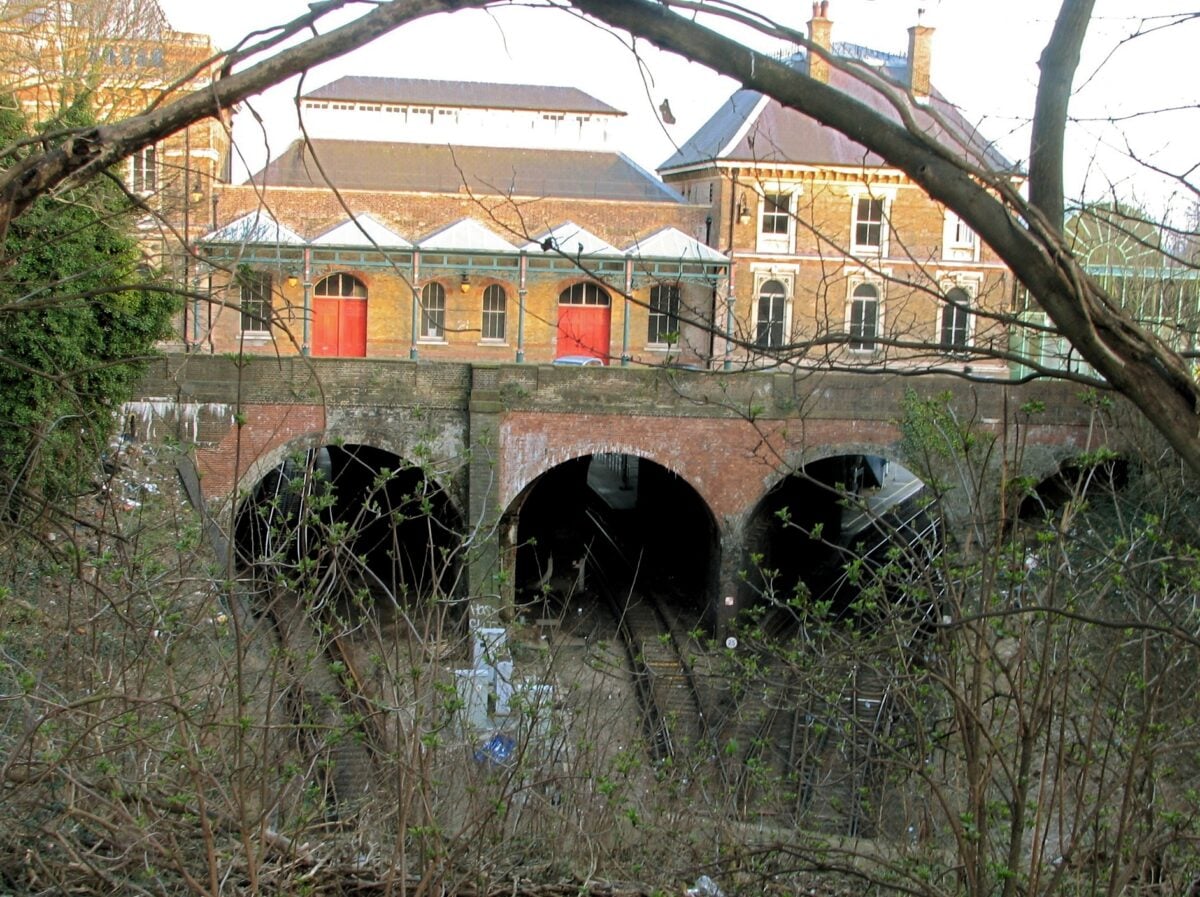
London’s Crystal Palace was never meant to be permanent, which makes its 82-year run feel like borrowed time that stretched longer than anyone expected. Built for the Great Exhibition of 1851, this iron-and-glass cathedral housed the world’s treasures under a single, soaring roof that seemed to defy physics (though it was actually quite sound engineering, as it turned out).
After the exhibition ended, they moved the entire structure—all 990,000 square feet of it—to South London, where it became something between a museum and a temple to human achievement, drawing visitors who came not just to see the exhibits but to stand inside architecture that felt like stepping into the future. But glass cathedrals burn spectacularly.
The 1936 fire was visible from eight counties away.
Sutro Baths
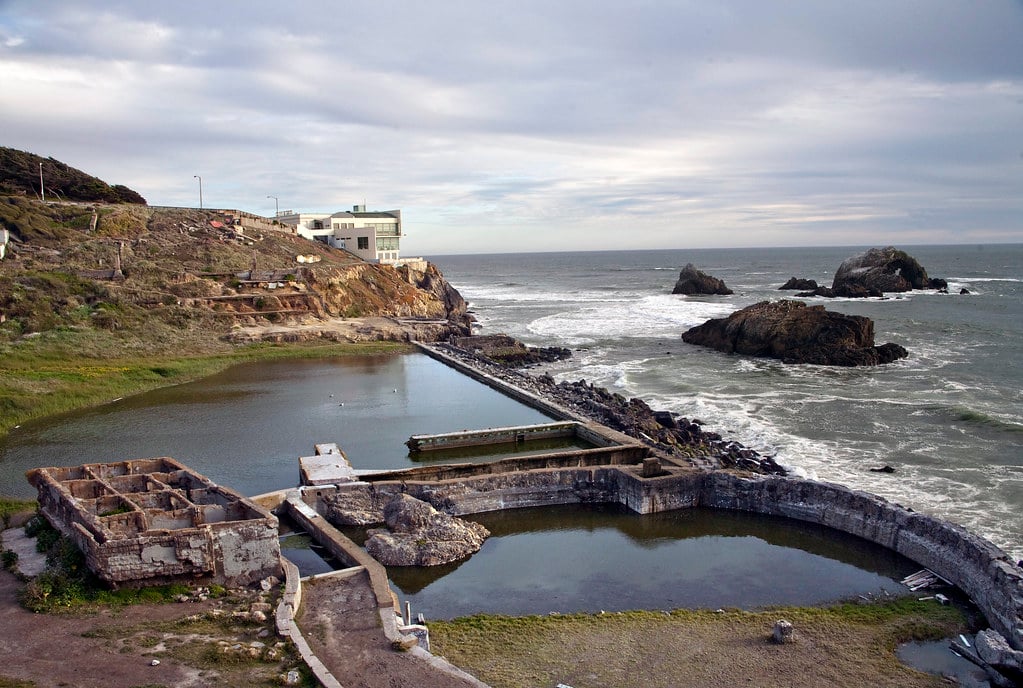
The ruins still sit there on the San Francisco coast, concrete bones that once held the largest indoor swimming facility in the world. Seven pools of varying temperatures, filled with seawater that was heated and circulated through an elaborate system of pipes and pumps.
Adolph Sutro built something that sounds impossible: a palace of public bathing that could accommodate 10,000 people at once. The irony cuts deep.
San Francisco, surrounded by water on three sides, needed an artificial ocean to make swimming practical for its residents.
Freedomland U.S.A.
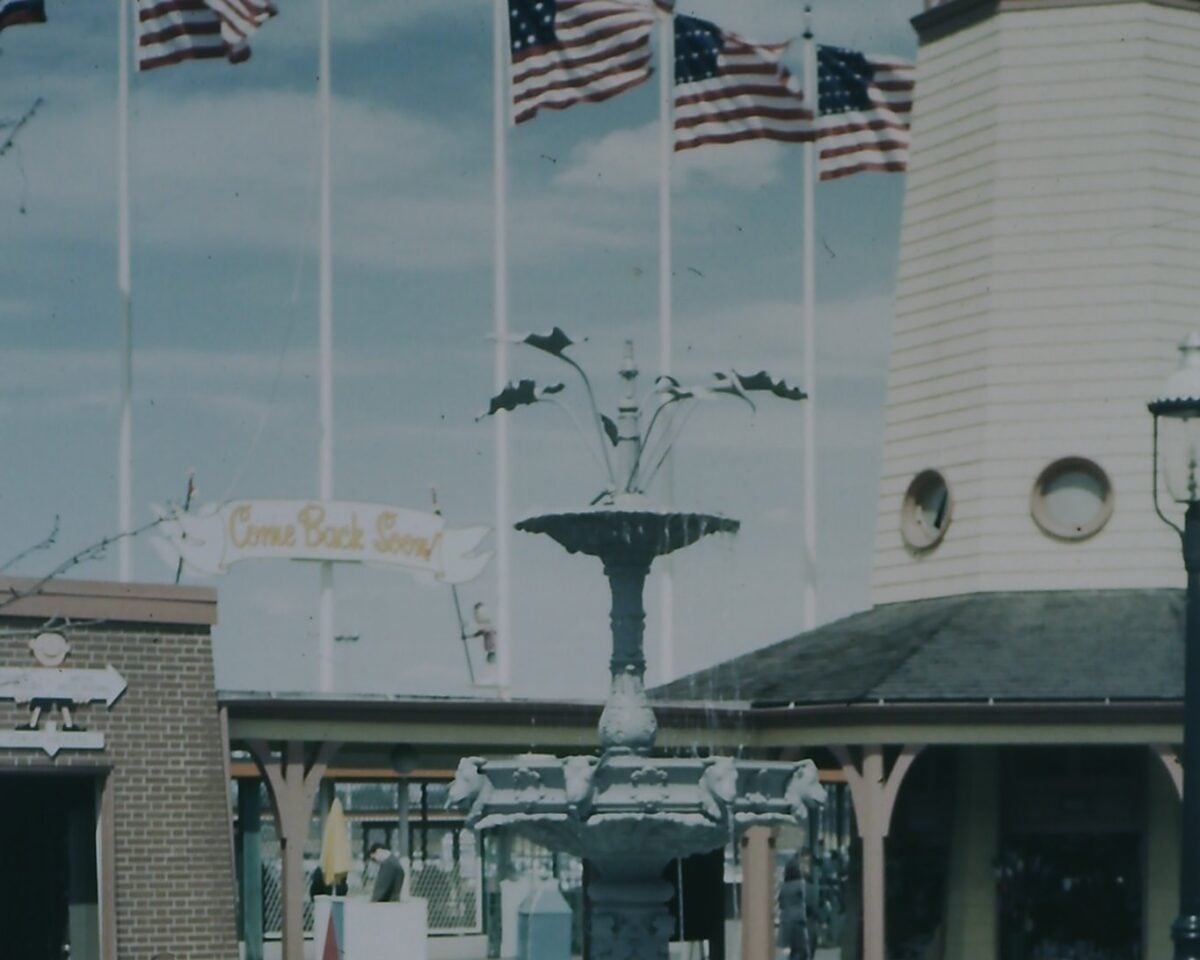
Freedomland was supposed to be Disney’s serious competition, and for a few brief years in the early 1960s, it actually seemed possible. The Bronx theme park was shaped like the United States—literally mapped out so visitors could walk from New York to California in an afternoon.
Each region offered its own attractions, its own version of American history rendered in family-friendly entertainment. The execution was ambitious but flawed.
Weather closed outdoor attractions too often. Maintenance costs spiraled beyond projections.
By 1964, Freedomland was bankrupt, proving that good intentions and patriotic themes don’t guarantee success in the amusement park business.
Riverview Park
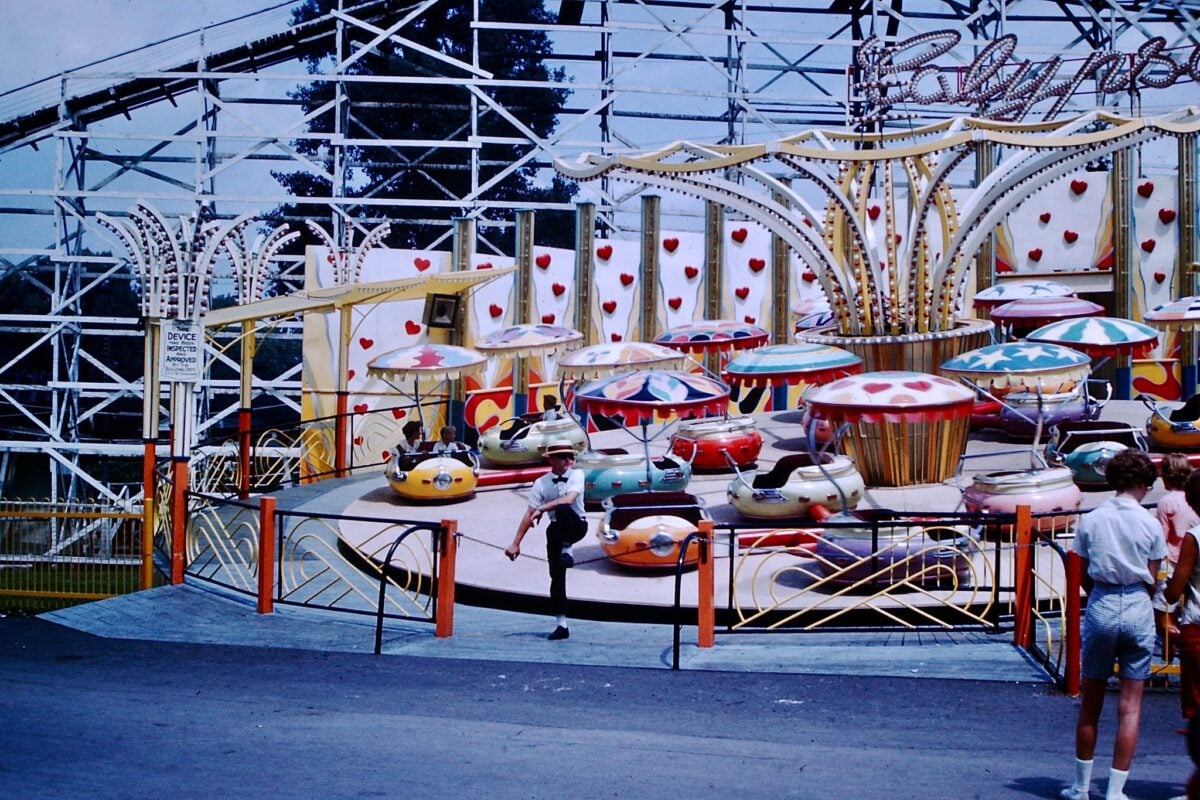
Chicago’s Riverview Park understood something fundamental about human nature: people will pay good money to be terrified in controlled circumstances. The park’s roller coasters were legendary, particularly the Bobs, which threw riders through curves and drops that would never pass today’s safety standards (which, to be fair, didn’t exist then).
But the real draw wasn’t just fear—it was the particular kind of fear that came with rides built by people who seemed to prioritize thrills over everything else, including occasionally common sense. The park closed in 1967, not because it wasn’t popular, but because the land became worth more as real estate development than as a place where teenagers screamed with joy every summer evening.
Glen Echo Park
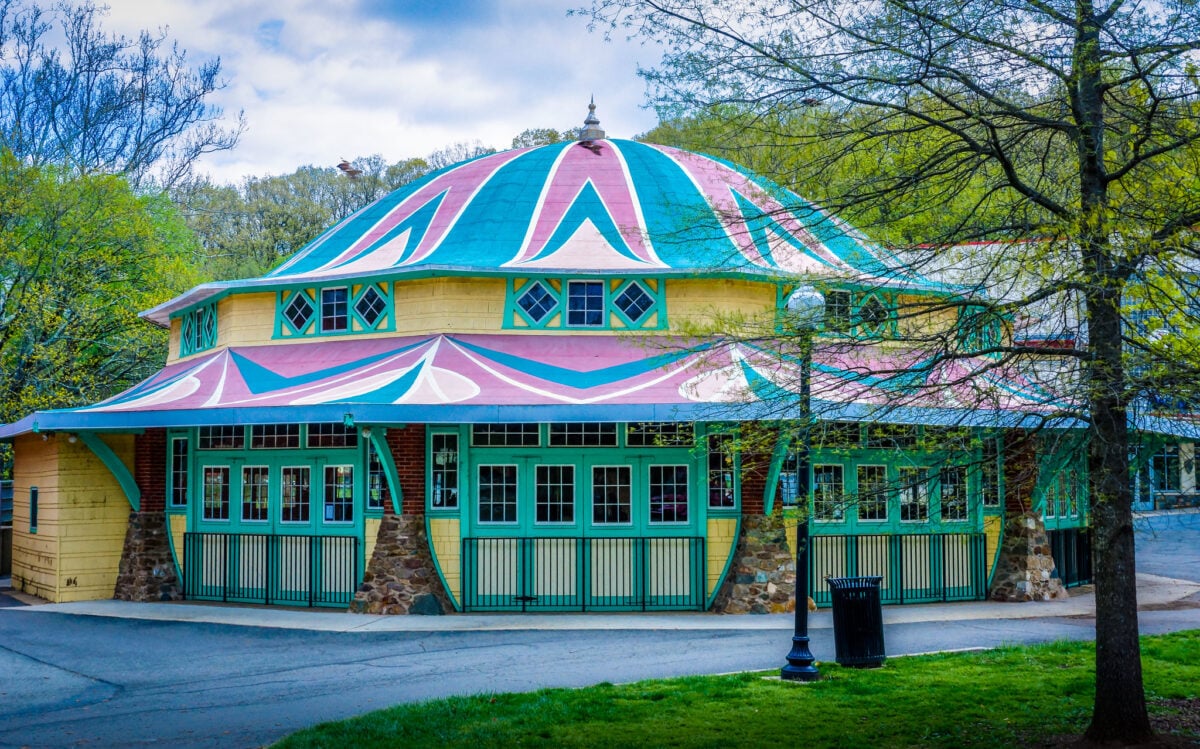
Glen Echo started as a Chautauqua community in Maryland, one of those earnest Victorian attempts to combine education with recreation. The trolley companies bought it in 1911 and transformed it into an amusement park, complete with a carousel that still operates today.
But Glen Echo’s story gets complicated by the civil rights era—the park remained segregated until 1961, when protests finally opened it to all visitors. Three years later, it closed permanently. Integration came too late to save it.
Palisades Amusement Park
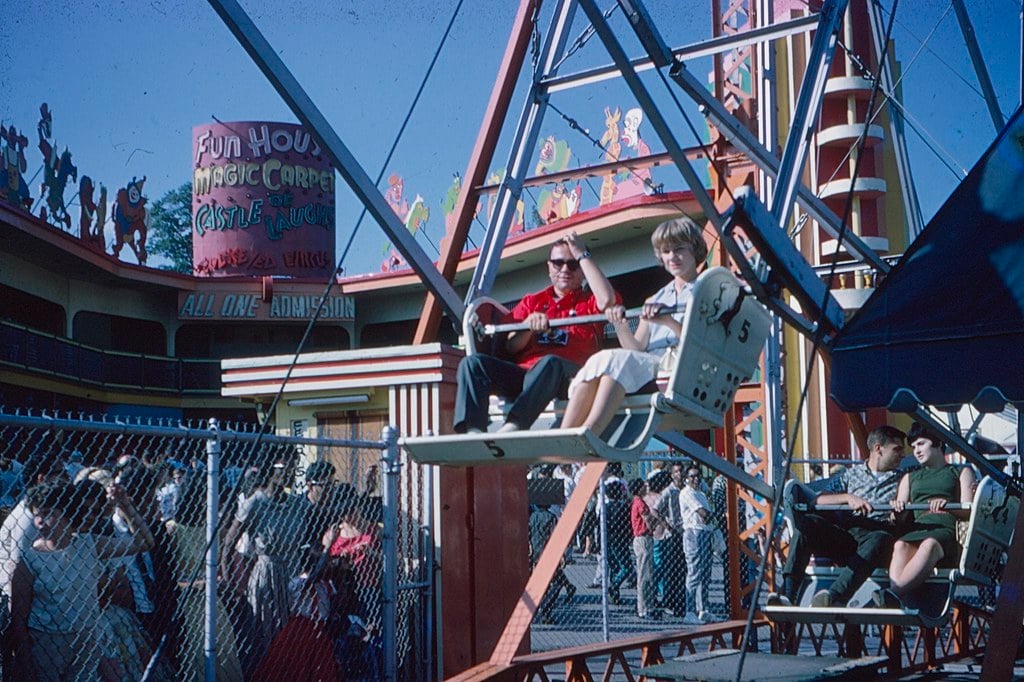
The view from Palisades Amusement Park was worth the price of admission by itself—the entire Manhattan skyline spread out across the Hudson River like a promise of everything the city could offer. But visitors came for more than scenery.
The park’s Cyclone was considered one of the finest wooden roller coasters ever built, and the saltwater pool was the largest in the world when it opened. Real estate developers bought the land in 1971.
High-rise apartments replaced the rides, though residents still get that spectacular view. It’s a different kind of attraction now—one that requires a lease instead of a ticket.
Steeplechase Park
Steeplechase Park’s mechanical horses carried riders along a track that curved and dipped like an actual steeplechase course, except the horses were wooden and the riders were there by choice. George Tilyou created something that captured the excitement of horse racing without the unpredictability of actual horses.
The ride became Coney Island’s signature attraction, drawing visitors who wanted to experience speed and competition in a completely artificial environment. The park closed in 1964, and Tilyou’s family sold the land to developers.
The horses stopped running, but the idea lived on—theme parks still build attractions that simulate experiences most people will never have in real life.
Rockaways’ Playland
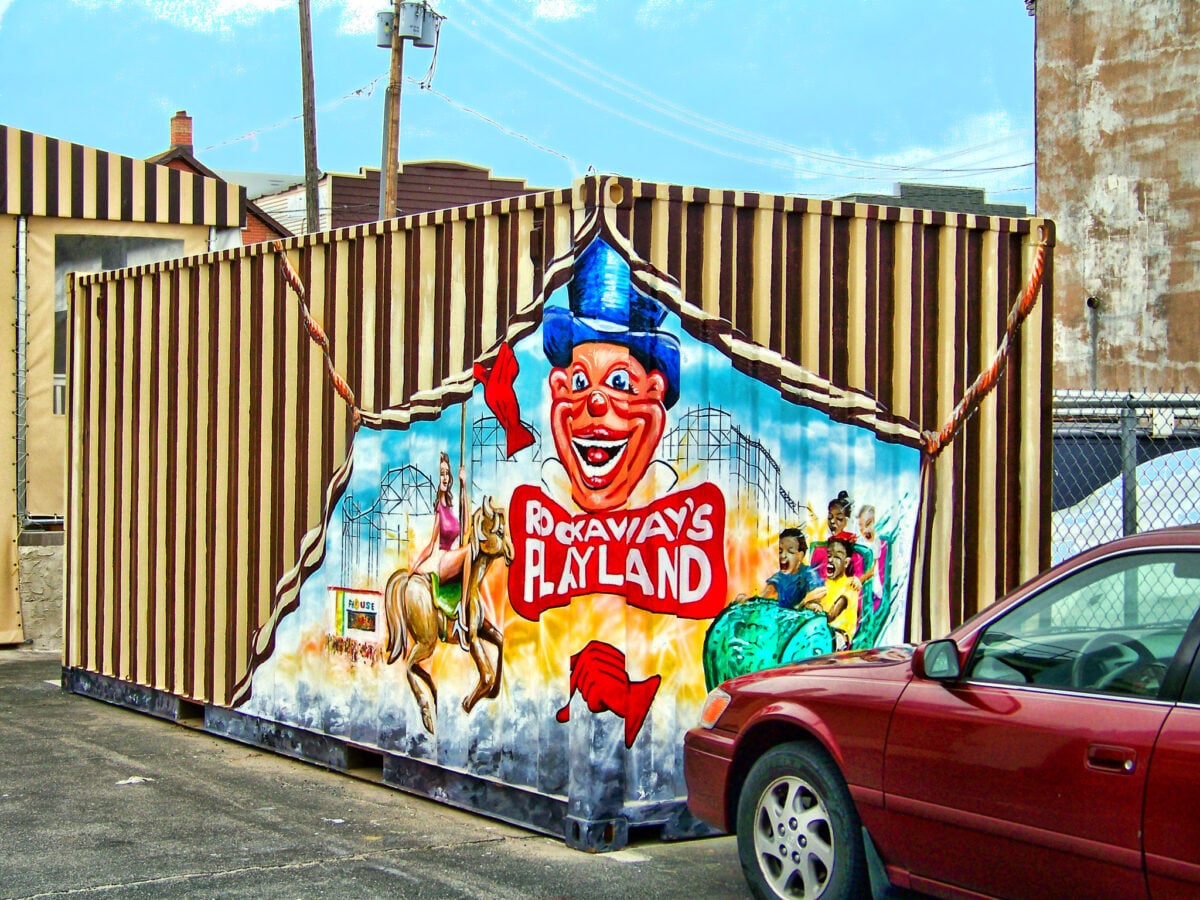
Rockaways’ Playland was New York City’s last great amusement park, holding on until 1987 while the city around it changed beyond recognition. The park’s wooden roller coaster, the Atom Smasher, was built in 1927 and somehow survived decades of storms, economic downturns, and changing tastes.
But survival isn’t the same as prosperity, and by the 1980s, Playland felt like a relic from an era when families spent entire days at amusement parks instead of rushing between scheduled activities.
Hurricane Sandy would have destroyed it anyway. The timing just worked out differently.
Cheyenne Mountain Zoo’s Monkey Island
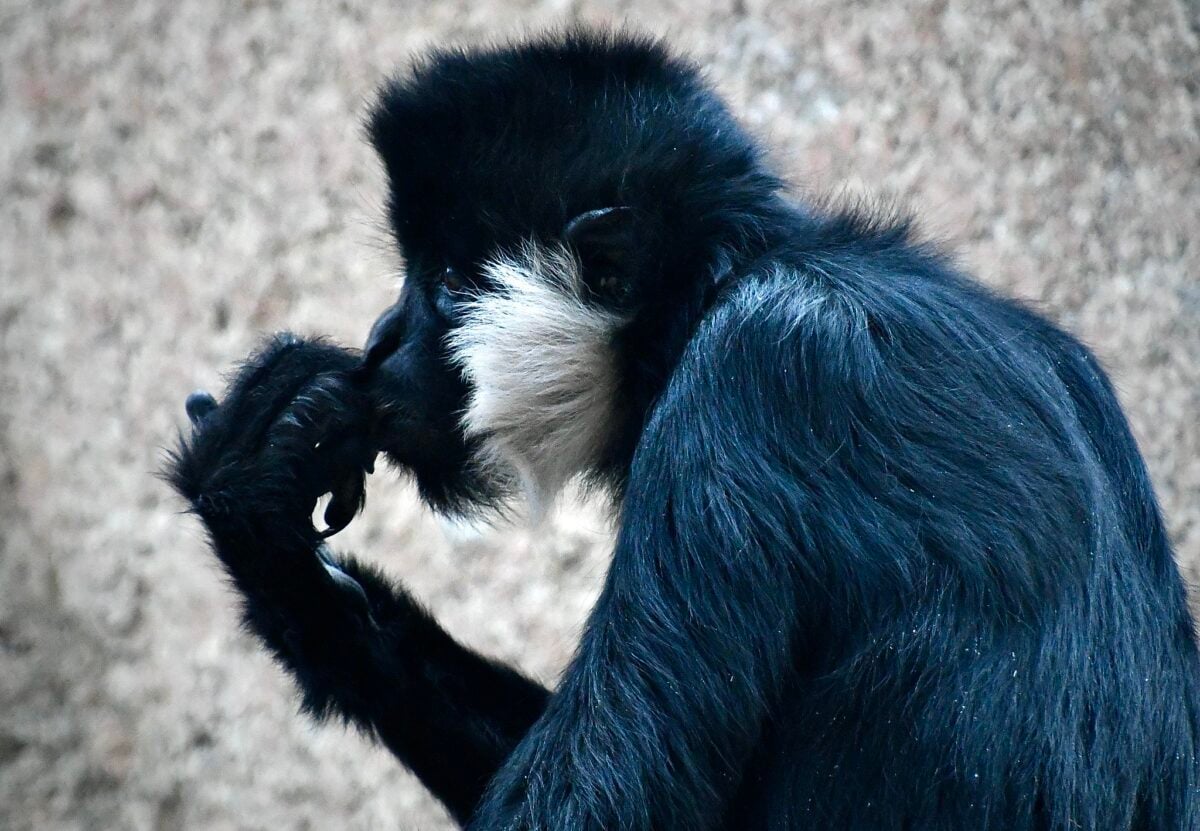
Cheyenne Mountain Zoo’s Monkey Island wasn’t technically a tourist attraction in the traditional sense, but it drew visitors from across Colorado who came specifically to watch primates living on an artificial island surrounded by a moat. The concept sounds reasonable—give the animals space while keeping them contained—but animal welfare standards evolved beyond what islands and moats could provide.
Modern zoos design habitats that prioritize the animals’ psychological well-being over visitor convenience. The monkeys got better accommodations.
Tourists had to settle for less theatrical animal viewing.
The Original Yankee Stadium
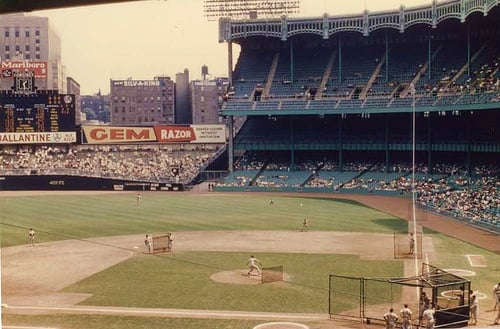
The House that Ruth Built deserved better than controlled demolition, but sentiment doesn’t override practical considerations when you’re running a professional baseball team. The original Yankee Stadium opened in 1923 and closed in 2008, replaced by a new stadium built across the street.
The dimensions were nearly identical. The sight lines were improved.
The concession stands offered more variety. None of that mattered to fans who grew up attending games in a place where Babe Ruth, Lou Gehrig, and Mickey Mantle had actually played.
The new stadium is objectively superior, but it’s not the same building where those moments happened.
Pacific Ocean Park
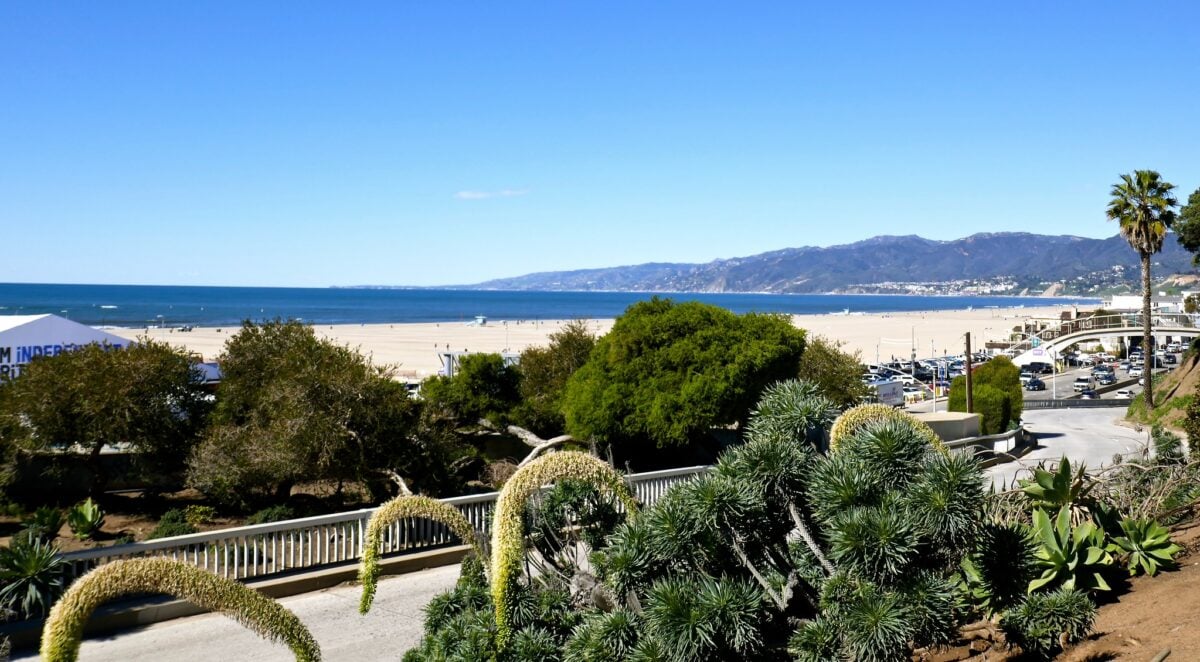
Pacific Ocean Park tried to be Disneyland by the ocean, and for a few years in the late 1950s and early 1960s, it almost worked. The Santa Monica pier attraction featured elaborate themed areas, sophisticated rides, and the kind of immersive storytelling that Walt Disney had pioneered just a few miles inland.
The ocean setting should have been an advantage—what landlocked theme park could compete with actual waves crashing nearby? But salt air corrodes everything faster than anyone anticipated.
Maintenance costs spiraled beyond the park’s ability to pay, and by 1967, Pacific Ocean Park was closed and abandoned, leaving behind rusted ride structures that took years to fully demolish.
Earthquake: The Big One at Universal Studios
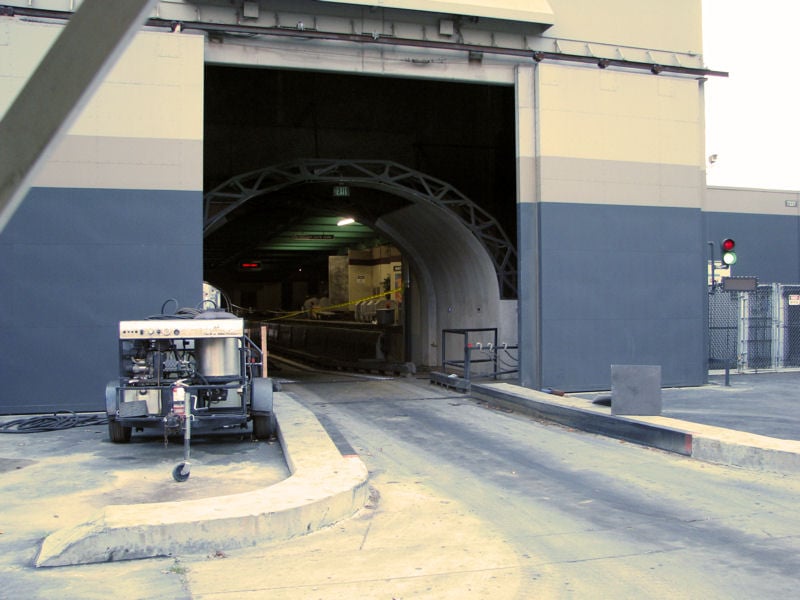
Universal Studios’ Earthquake attraction was less a ride than a demonstration of Hollywood’s ability to simulate disaster with convincing detail. Visitors boarded a subway car and experienced an 8.3 earthquake that cracked walls, burst water pipes, and sent a truck crashing through the ceiling.
The effect was so realistic that some riders genuinely panicked, despite knowing they were in a theme park attraction. The ride closed in 2007, replaced by attractions based on more current movie franchises.
Earthquake effects became just another tool in the Universal Studios toolkit rather than a showcase attraction that demonstrated what the studio could accomplish when it focused on pure spectacle.
The Time We Have Left
These vanished attractions share something beyond their absence—they remind us that permanence is mostly an illusion we maintain for comfort. Every current tourist destination exists in the same precarious balance that claimed Luna Park, the Crystal Palace, and Steeplechase Park.
Natural disasters, changing economics, and shifting cultural preferences don’t pause out of respect for our memories or our favorite vacation spots. The places we visit today are writing their own stories of temporary glory, though we won’t know their endings until they arrive.
More from Go2Tutors!

- The Romanov Crown Jewels and Their Tragic Fate
- 13 Historical Mysteries That Science Still Can’t Solve
- Famous Hoaxes That Fooled the World for Years
- 15 Child Stars with Tragic Adult Lives
- 16 Famous Jewelry Pieces in History
Like Go2Tutors’s content? Follow us on MSN.