17 Disappearances Tied to Famous Figures
When someone vanishes without a trace, it becomes a story that refuses to end. The mystery deepens when their life intersected with celebrities, politicians, or other public figures.
These connections don’t always mean something sinister happened, but they add layers to cases that were already impossible to solve. Sometimes the famous person was the last to see them alive.
Other times, they were romantically involved or professionally connected. The spotlight that follows celebrity creates strange shadows where people can disappear completely.
Natalie Wood
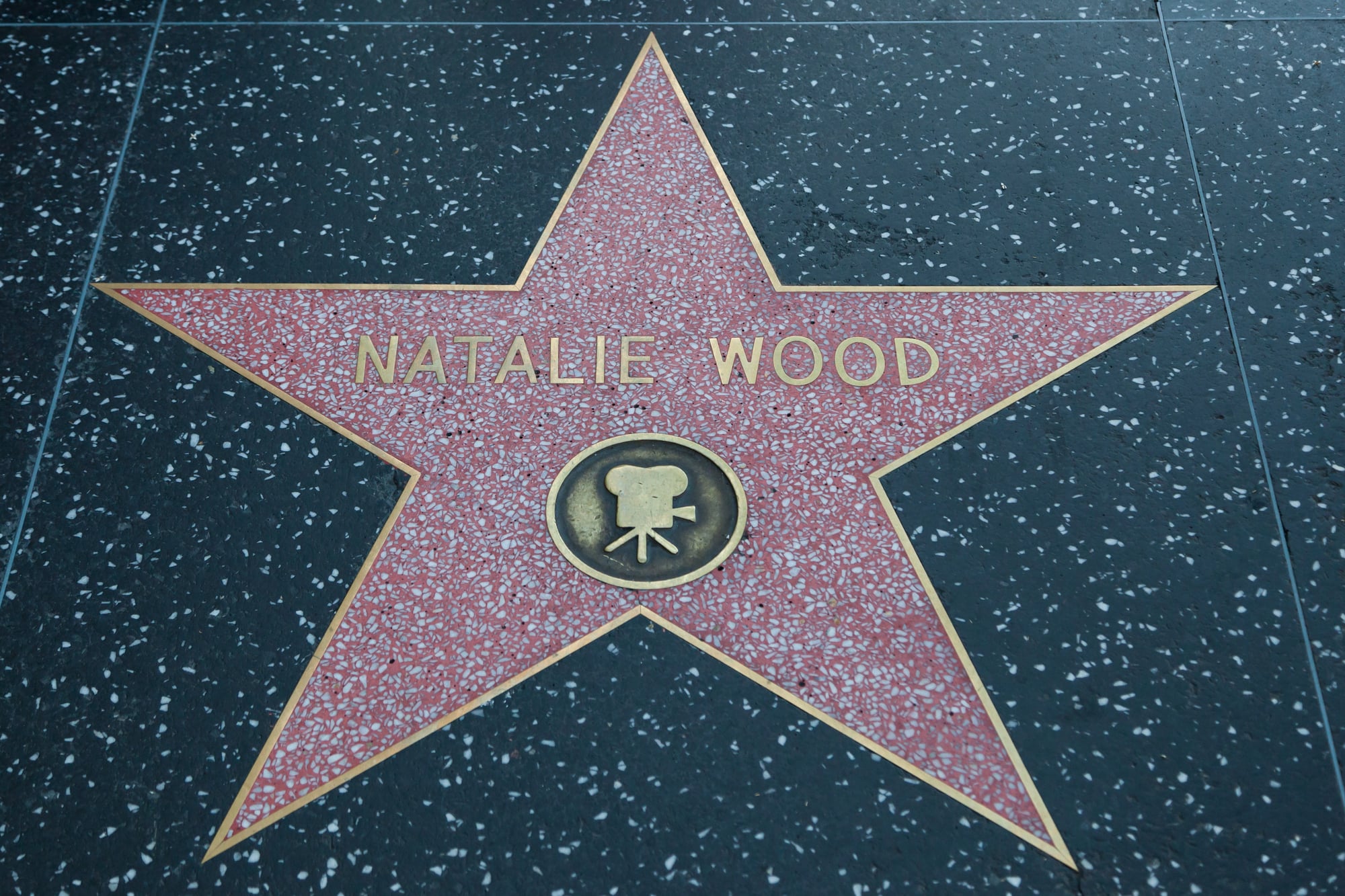
The actress drowned off Catalina Island in 1981, but calling it a simple drowning misses the point entirely. Wood was on a yacht with her husband Robert Wagner and Christopher Walken — two men who gave conflicting accounts of her final hours.
The boat’s captain later claimed Wagner was responsible, then recanted, then spoke up again decades later. Wagner has refused to speak with investigators since the case was reopened in 2011.
Wood had a lifelong fear of water, yet somehow ended up in the ocean wearing a heavy coat and jewelry. The circumstances are so bizarre that her death certificate was changed from “accidental drowning” to “drowning and other undetermined factors.”
Dorothy Kilgallen
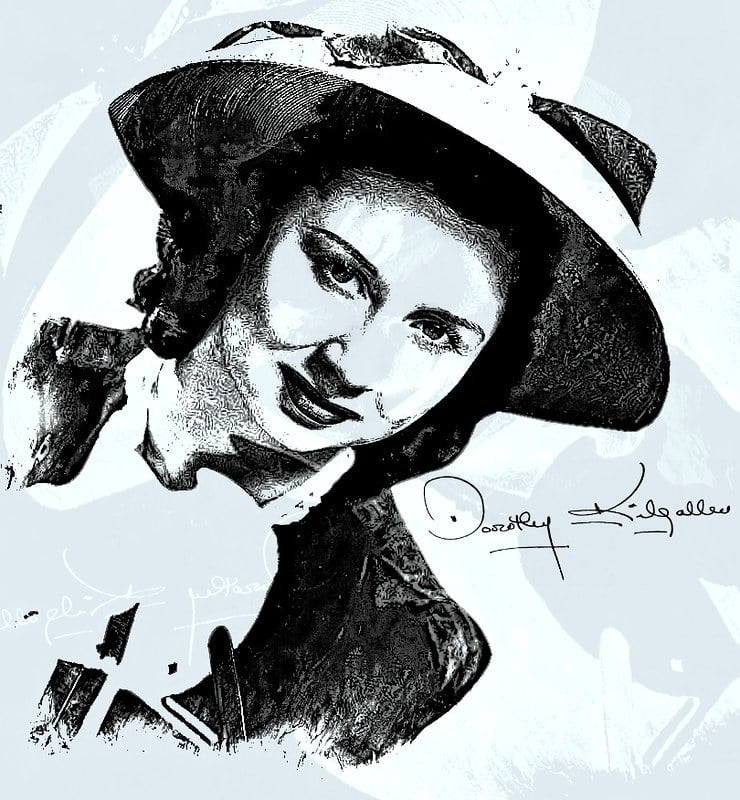
The journalist and game show panelist died in 1965 under circumstances that make no sense (even now, nearly sixty years later, the details don’t add up in a way that satisfies anyone who looks closely). She had been investigating the Kennedy assassination and claimed she was going to “blow the JFK case sky high” — then she was found dead in her townhouse, officially from an overdose of alcohol and barbiturates, though she was known to avoid both substances.
And here’s where it gets stranger: she was discovered in a bedroom she never used, wearing clothes she hadn’t put on herself, with a book in her lap that wasn’t the type she typically read. So the official story requires you to believe that a woman who didn’t drink or take sleeping pills suddenly decided to do both, in fatal quantities, while reading in a room she avoided.
Even her hairdresser knew something was wrong.
Jean Spangler

There’s something about Hollywood in the 1940s that feels like a film noir come to life, all shadows and secrets and beautiful women who vanished into thin air. Spangler was a dancer and bit-part actress who disappeared in October 1949, leaving behind a daughter and a purse with a cryptic note mentioning “Kirk” and something about not being able to wait any longer.
Kirk Douglas was questioned — he had worked with her — but was cleared after providing an alibi. The note also referenced someone she was supposed to meet, someone who might have been connected to her divorce proceedings or perhaps a new romance.
Her car was found near Fern Dell in Griffith Park, but Spangler herself was never seen again, becoming another casualty of a city that consumed its dreamers.
Tammy Lynn Leppert

The model and actress disappeared in 1983 at age 18, but not before her behavior became increasingly erratic and paranoid. Leppert had appeared in films and worked as a model, moving in circles that included celebrities and wealthy men.
Before vanishing, she told friends she had witnessed something she shouldn’t have seen and feared for her life. She was last seen leaving a convenience store in Cocoa Beach, Florida, and despite numerous alleged sightings over the decades, she has never been found.
Her case has been linked to everything from organized crime to serial killers, but the truth remains as elusive as Leppert herself.
Rebecca Schaeffer
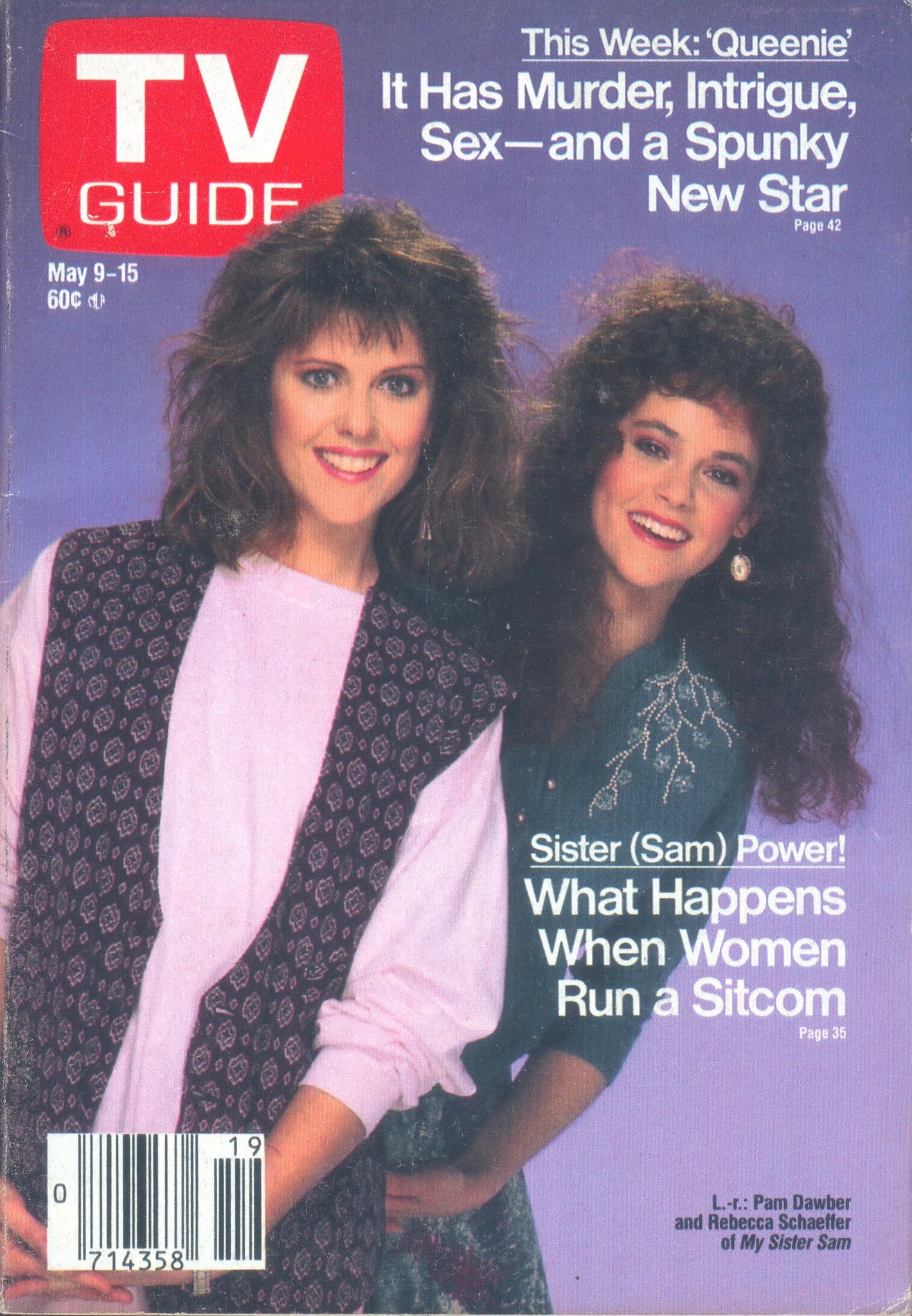
The actress was murdered in 1989 by an obsessed fan, Robert John Bardo, who had stalked her for years. Schaeffer, known for her role in the sitcom “My Sister Sam,” was shot at her Los Angeles apartment after Bardo hired a private investigator to obtain her home address through DMV records.
Her death led to significant changes in stalking laws and privacy protections for public figures. While Schaeffer’s fate is known, her murder highlighted how celebrity status can make someone a target for unstable individuals who blur the line between admiration and obsession.
Johnny Gosch
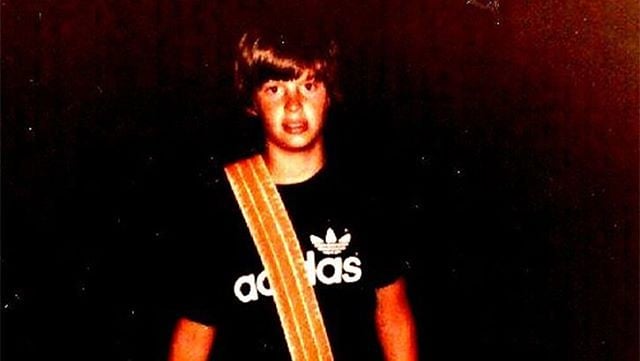
When a 12-year-old paperboy disappears from a quiet Iowa street in 1982, it should be a local tragedy, not a case that draws in conspiracy theorists and federal investigators and claims about high-level cover-ups that sound too insane to be real (until you start reading the case files and wondering why so many obvious leads were never followed). Gosch vanished while delivering newspapers in West Des Moines, and his mother Noreen later claimed the disappearance was connected to a larger network involving prominent political figures — allegations that have never been proven but refuse to die.
The case inspired changes in how missing children cases are handled, but Gosch himself has never been found, leaving behind only theories and a mother who insists powerful people know exactly what happened to her son.
Hazel Drew

In 1908, this young woman’s body was found floating in a pond near Troy, New York, but the mystery of her death reads like something crafted by a novelist rather than torn from newspaper headlines. Drew had been working as a domestic servant for a wealthy family, yet she was found wearing expensive clothes and jewelry that her salary couldn’t explain.
She had been seen in the company of well-dressed men in the days before her death, suggesting connections to people of means and influence. The case was never solved, and some scholars believe Drew’s story influenced elements of “The Great Gatsby” — F. Scott Fitzgerald spent time in the area and would have known about the case.
Her death remains one of the most intriguing unsolved murders of the early 20th century.
Karen Silkwood

The nuclear plant worker died in a car crash in 1974 while on her way to meet with a journalist and union official about safety violations at her workplace. Silkwood had been gathering evidence of dangerous conditions at the Kerr-McGee plutonium plant in Oklahoma, and she claimed her house had been contaminated with radioactive materials in what she believed was an act of intimidation.
The documents she was reportedly carrying to the meeting were never found, and questions remain about whether her death was truly accidental. Her story became the basis for a major motion picture starring Meryl Streep, but the real-life mystery of what happened that night has never been solved.
Thomas Ince
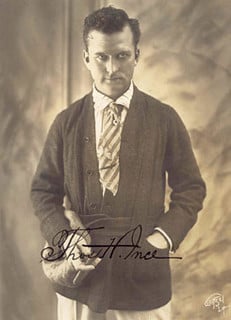
The silent film director died in 1924 after spending time aboard William Randolph Hearst’s yacht, and the circumstances are murky enough to have spawned decades of speculation. Official reports claimed Ince died of heart failure brought on by acute indigestion, but rumors persisted that he had been shot — possibly by Hearst, who may have suspected his mistress Marion Davies of having an affair with Charlie Chaplin and hit Ince by mistake.
The guest list that weekend included some of Hollywood’s biggest names, yet their accounts of what happened varied significantly. Ince’s body was cremated quickly, before a thorough autopsy could be performed, adding fuel to conspiracy theories that persist today.
The case inspired the 2001 film “The Cat’s Meow,” but the truth died with the participants.
Elizabeth Short
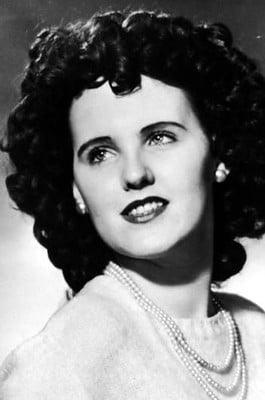
The aspiring actress known as the Black Dahlia was found murdered in Los Angeles in 1947, her body posed in a vacant lot in a manner so brutal it still shocks today. Short had been seen with various men in the days before her death, including some connected to Hollywood circles, but despite hundreds of suspects and numerous confessions over the decades, her killer was never identified.
The case became one of the most famous unsolved murders in American history, inspiring countless books, films, and theories. Short’s connection to the entertainment industry and the savage nature of her death turned her into a symbol of Hollywood’s dark underbelly.
Jimmy Hoffa
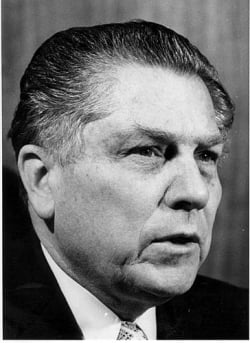
The Teamsters leader disappeared in 1975 after claiming he was going to meet with Detroit mobster Anthony Giacalone and New Jersey Teamster official Anthony Provenzano (though neither man admitted to scheduling such a meeting, and both had alibis for that afternoon, which didn’t stop the FBI from considering them prime suspects for decades). Hoffa’s connections to organized crime figures, politicians, and celebrities made his disappearance a national obsession — here was a man who had met with presidents and movie stars, who wielded enormous power through the Teamsters union, yet he vanished as completely as if he had never existed.
The FBI has investigated hundreds of tips and theories, dug up countless locations, and followed leads that connected Hoffa to everyone from Frank Sinatra to Richard Nixon. But Jimmy Hoffa stayed gone.
And that might be the most impressive thing he ever accomplished.
Thelma Todd
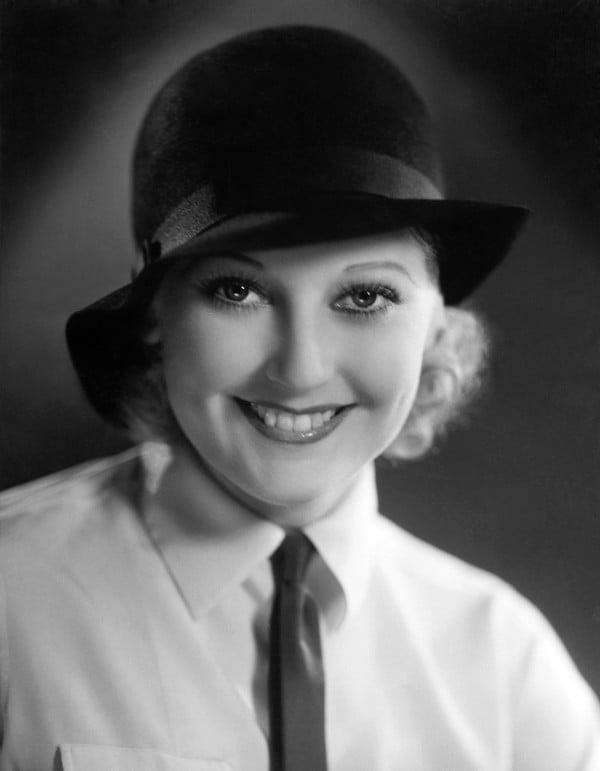
The actress and comedian was found dead in her car in 1935, parked in a garage near her beachfront restaurant in Pacific Palisades. Todd, known for her work with Laurel and Hardy and the Marx Brothers, had been involved with several men, including mobster Lucky Luciano, who allegedly wanted to use her restaurant for illegal gambling.
The official cause of death was carbon monoxide poisoning, ruled accidental, but many suspected murder. Todd had received death threats, and there were signs of a struggle.
Her case remains one of Hollywood’s most enduring mysteries, with theories ranging from self-harm to mob hit.
Jill Dando

The BBC television presenter was shot dead outside her London home in 1999, in a crime that shocked Britain and remains unsolved today. Dando was well-known for her work on “Crimewatch” and had recently married, making her murder even more tragic and inexplicable.
Barry George was initially convicted of her murder but was later acquitted on appeal when new evidence emerged. Theories about her death have ranged from a professional hit related to her investigative work to a case of mistaken identity or a random attack by a mentally unstable individual.
Her murder highlighted the vulnerability that comes with public recognition.
Christa Helm

The actress and model kept detailed diaries of her relationships with celebrities and powerful men before her murder in 1977 (and those diaries, which her family claims detailed encounters with everyone from politicians to entertainment industry figures, have never been found — though not for lack of people looking for them). Helm appeared in several films and was known to move in elite Hollywood circles, reportedly having affairs with prominent figures whose names she carefully recorded.
She was found beaten to death in West Hollywood, and while a suspect was eventually arrested and convicted, questions remain about whether her murder was connected to the information she had been collecting.
And her missing diaries continue to fascinate those who believe they contained secrets that certain people would kill to protect.
George Reeves
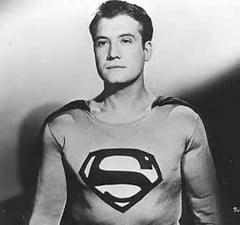
The actor who played Superman on television was found shot to death in his Hollywood home in 1959, and while his death was ruled a self-harm, the circumstances were suspicious enough to generate decades of speculation. Reeves had been involved in a long-term affair with Toni Mannix, the wife of MGM executive Eddie Mannix, a man with rumored connections to organized crime.
When Reeves tried to end the relationship and became engaged to another woman, Toni Mannix reportedly became obsessed and vindictive. On the night of his death, there were guests in the house who gave conflicting accounts of what happened, and the physical evidence didn’t clearly support self-harm.
The case remains officially unsolved despite the official ruling.
Marilyn Sheppard

The pregnant wife of Dr. Sam Sheppard was murdered in their Ohio home in 1954, leading to one of the most famous criminal cases of the 20th century. Sheppard claimed he had been knocked unconscious by an intruder, but prosecutors argued he had killed his wife in a fit of rage over his extramarital affairs.
The case attracted national attention, partly due to the family’s social prominence and the involvement of celebrities who supported Sheppard’s claims of innocence. He was initially convicted but later acquitted in a retrial.
The real killer was never definitively identified, though DNA evidence years later pointed to a different suspect entirely.
Bob Crane
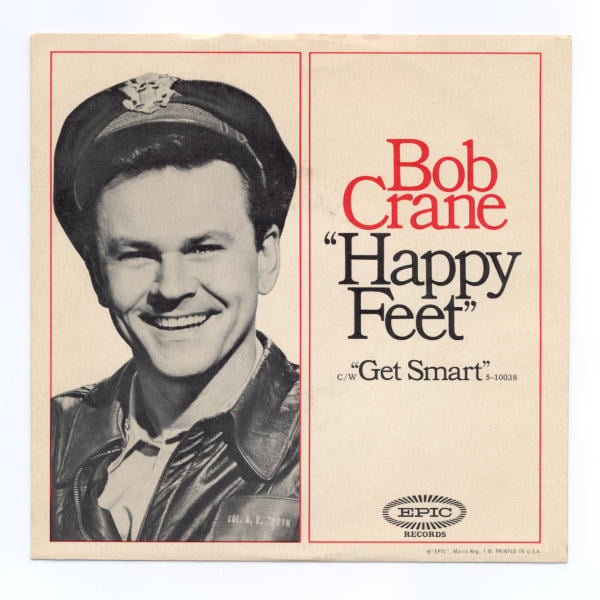
The “Hogan’s Heroes” star was murdered in 1978 in a Scottsdale motel room, bludgeoned to death with what investigators believed was a camera tripod. Crane had been involved in the adult film scene and had a friendship with John Henry Carpenter, a video equipment salesman who introduced him to the world of recording intimate encounters.
Carpenter was eventually charged with the murder in 1992 but was acquitted due to lack of evidence. The case remains officially unsolved, though Carpenter remained the prime suspect until his death in 1998.
Crane’s double life and the seedy circumstances of his death shocked fans who knew him only as the wholesome television actor.
The Echoes of Fame

These cases share more than just celebrity connections — they reveal how public attention can both illuminate and obscure the truth. Fame creates witnesses, but it also creates motives.
It brings resources to investigations, but it also brings interference from those with their own agendas. The powerful have more ways to cover their tracks, and the famous have more enemies willing to harm them.
In the end, these disappearances remind us that being known by millions offers no protection against the fundamental mystery of human darkness.
More from Go2Tutors!

- The Romanov Crown Jewels and Their Tragic Fate
- 13 Historical Mysteries That Science Still Can’t Solve
- Famous Hoaxes That Fooled the World for Years
- 15 Child Stars with Tragic Adult Lives
- 16 Famous Jewelry Pieces in History
Like Go2Tutors’s content? Follow us on MSN.