The Most Mysterious Lights Seen in the Night Sky
There’s something about unexplained lights in the darkness that stops people cold. Maybe it’s the way they appear without warning, hover where nothing should hover, or vanish before anyone can grab a camera that actually works.
These aren’t your typical shooting stars or aircraft navigation lights — these are the phenomena that leave witnesses questioning what they saw and scientists scrambling for explanations.
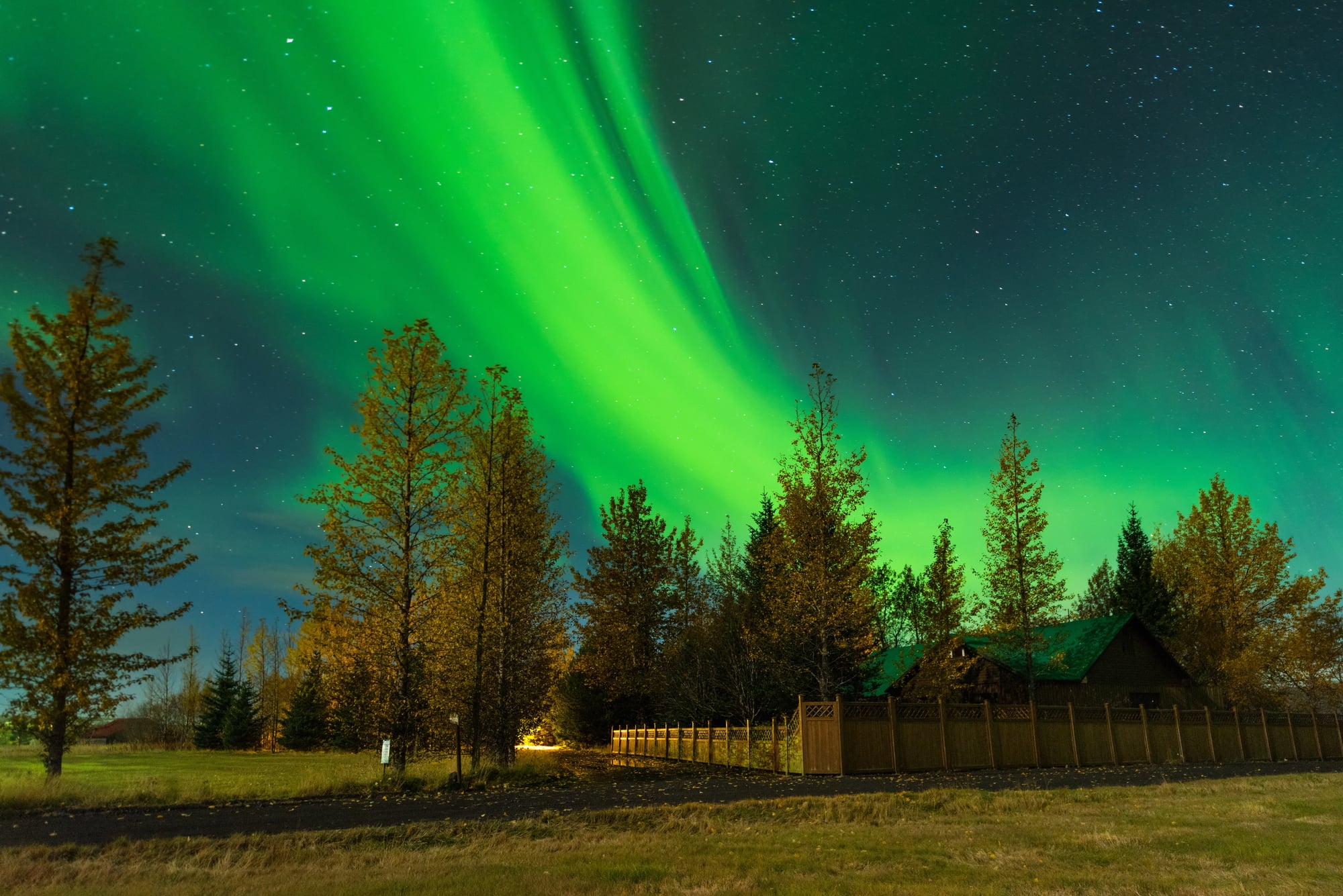
Aurora Borealis
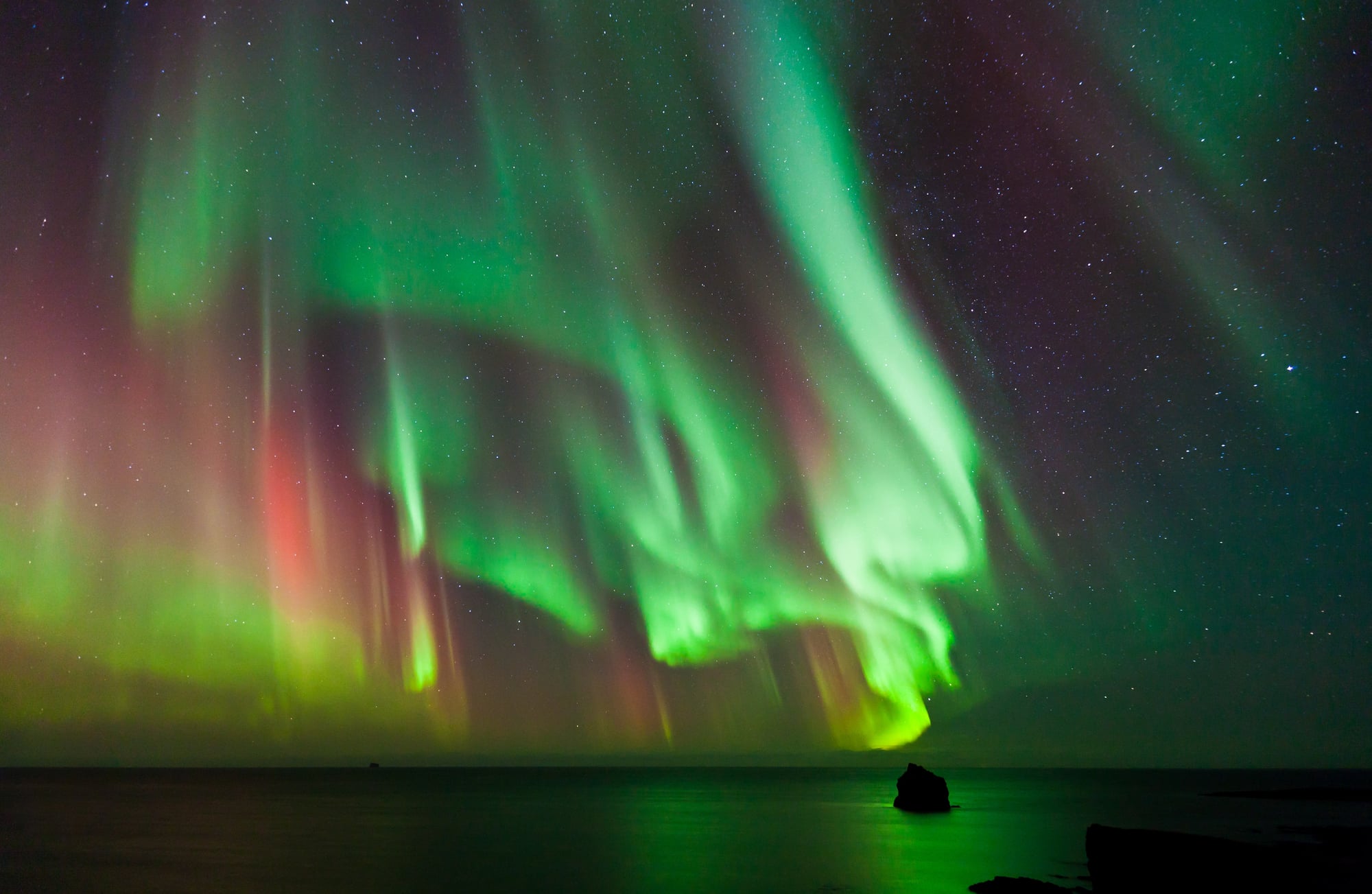
The northern lights shouldn’t work the way they do. Charged particles from the sun collide with Earth’s magnetic field, and somehow this violent cosmic dance creates curtains of green, pink, and purple that ripple across the Arctic sky like silk in an impossible wind.
What makes them mysterious isn’t just their beauty — it’s their unpredictability. Solar weather forecasts try to predict when auroras will appear, but the lights follow their own rules.
They’ve been spotted as far south as Texas during particularly intense solar storms, turning familiar skies into something alien.
Min Min Lights
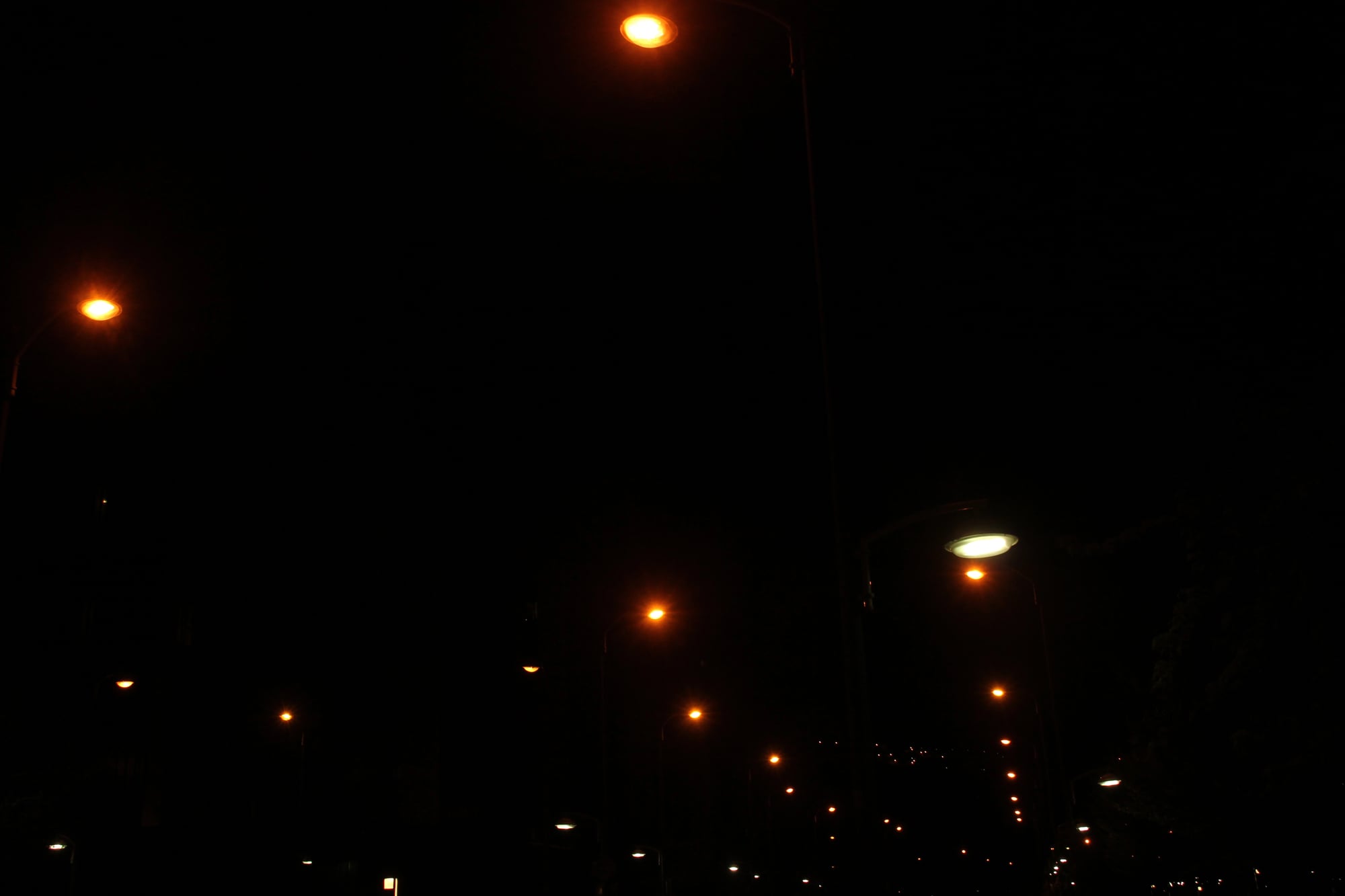
The Australian Outback produces lights that behave like curious animals (though they’re decidedly not animals at all, despite the way they seem to approach travelers with what can only be described as deliberate intention). Aboriginal legends speak of spirits, but the lights themselves refuse to fit neatly into folklore — they’re too consistent, too widely reported, too stubbornly real for dismissal, yet too strange for easy scientific explanation.
And the thing is, they respond to movement: shine a flashlight at them and they retreat; walk toward them and they maintain their distance, like a cat that wants attention but won’t admit it.
The lights appear as glowing orbs that follow roads and fence lines, sometimes for hours. They’ve been photographed, filmed, and chased by researchers who never get close enough for definitive answers.
Some theories involve marsh gas or atmospheric reflections, but Min Min lights appear in areas with no marshes and no obvious light sources to reflect.
St. Elmo’s Fire
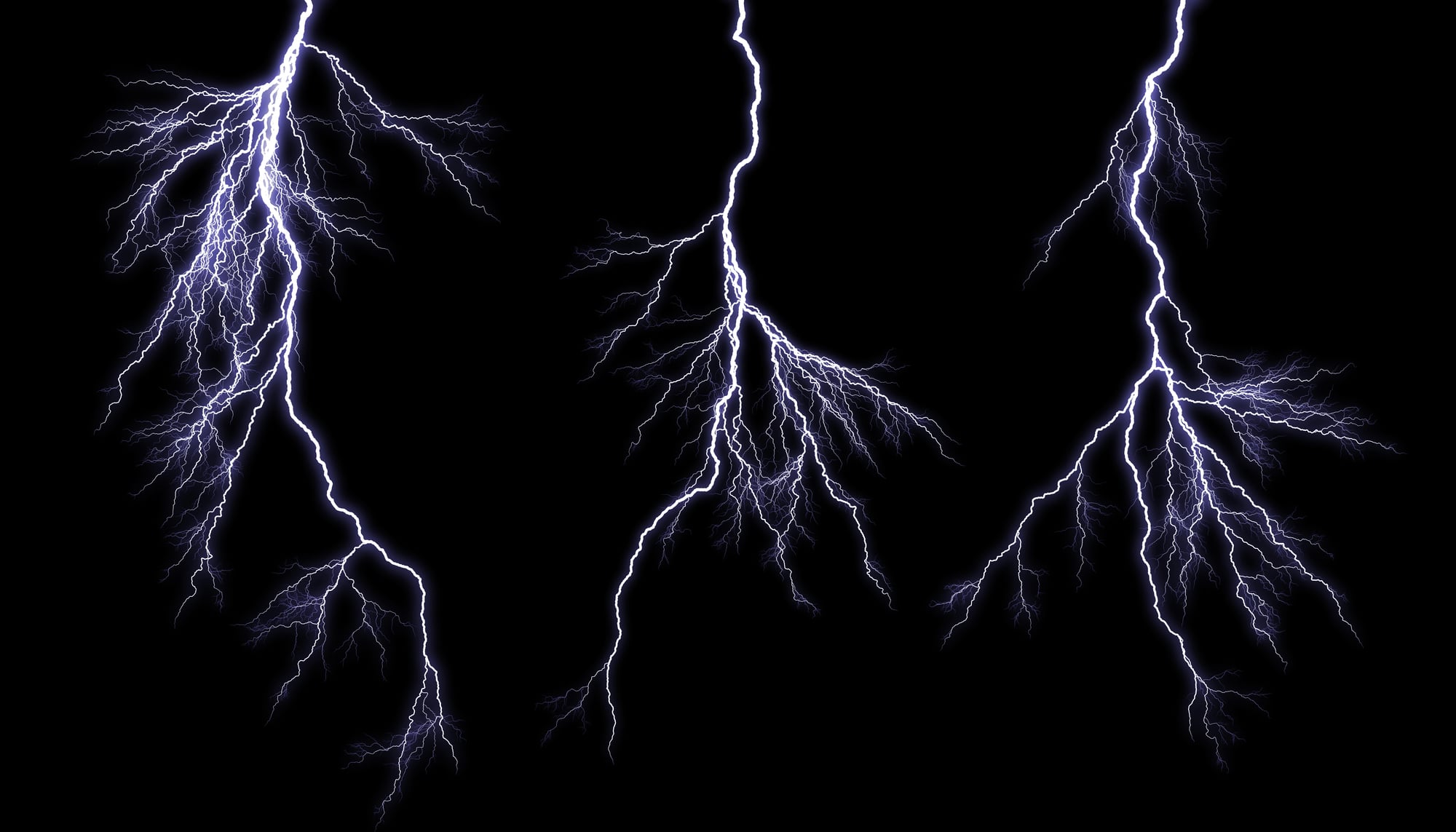
Sailors have feared and revered St. Elmo’s Fire for centuries. This isn’t metaphorical — it’s literal fire that isn’t fire, blue flames that dance on ship masts and airplane wings without burning anything.
The phenomenon occurs when atmospheric electricity creates plasma, but that clinical explanation misses the eerie beauty of watching ghostly flames flicker where flames shouldn’t exist.
Modern pilots still encounter St. Elmo’s Fire during thunderstorms. The cockpit fills with an otherworldly blue glow while electrical discharges crawl across the windshield.
It’s harmless but unsettling, especially when the flames seem to move with purpose.
Hessdalen Lights
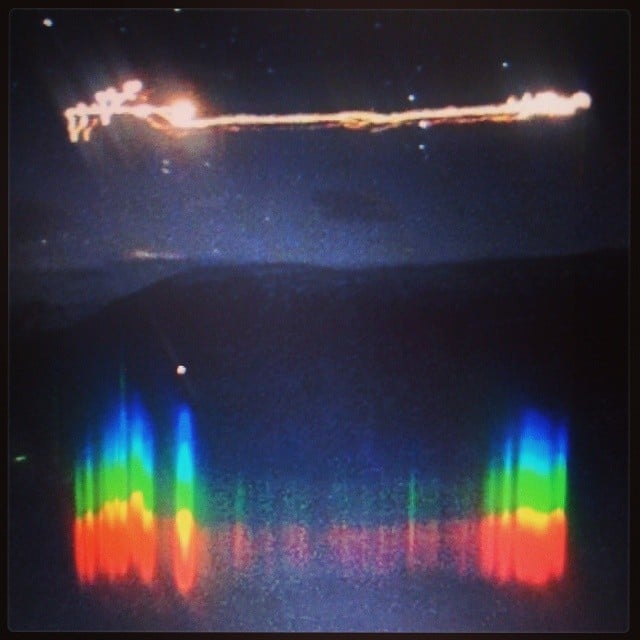
Norway’s Hessdalen Valley hosts a light show that’s been running for decades (though “show” suggests entertainment, and there’s nothing entertaining about lights that appear on their own schedule, ignore human presence, and demonstrate flight characteristics that would make aerospace engineers weep with envy or frustration — possibly both). Scientists have set up permanent monitoring stations because the lights appear frequently enough to study but behave too strangely to explain: they accelerate instantly, hover motionless for hours, change colors without apparent cause, and split into multiple objects before reforming.
So much for simple explanations.
The research station has recorded thousands of sightings since 1983. Some lights appear as bright as car headlights, others pulse rhythmically, and a few demonstrate impossible acceleration patterns.
The data is extensive, the observations are consistent, and the explanations remain inadequate.
Will-o’-the-Wisp
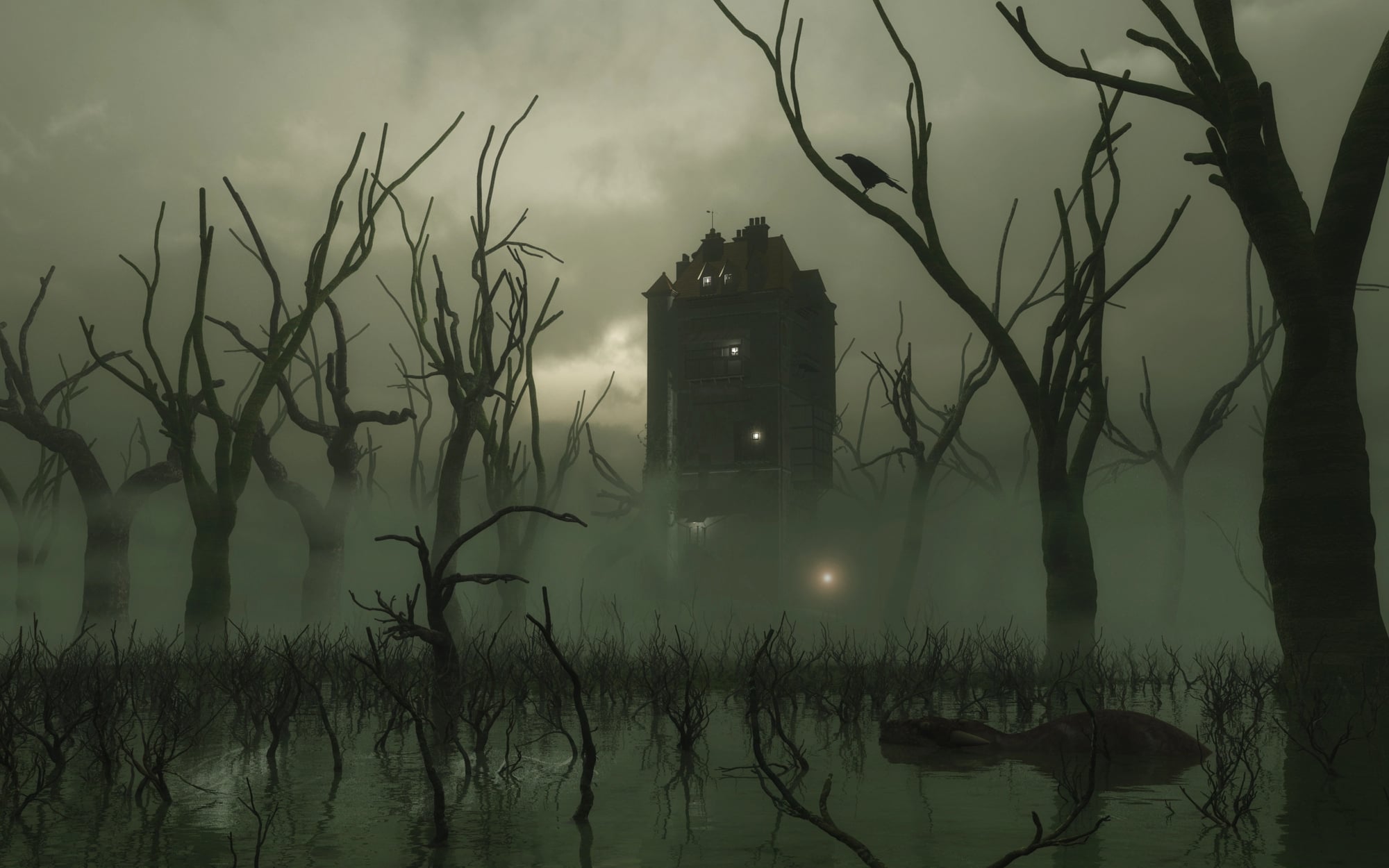
Swamps breed stories of wandering lights that lead travelers astray. These marsh lights flicker just ahead, always just ahead, drawing followers deeper into wetlands where solid ground becomes a memory and safe paths vanish behind walls of mist and rotting vegetation.
The scientific explanation involves decomposing organic matter producing gases that ignite spontaneously. But this theory struggles with eyewitness accounts of lights that seem to respond to human presence, appearing and disappearing as if controlled by an intelligence that understands the landscape better than any GPS.
Earthquake Lights
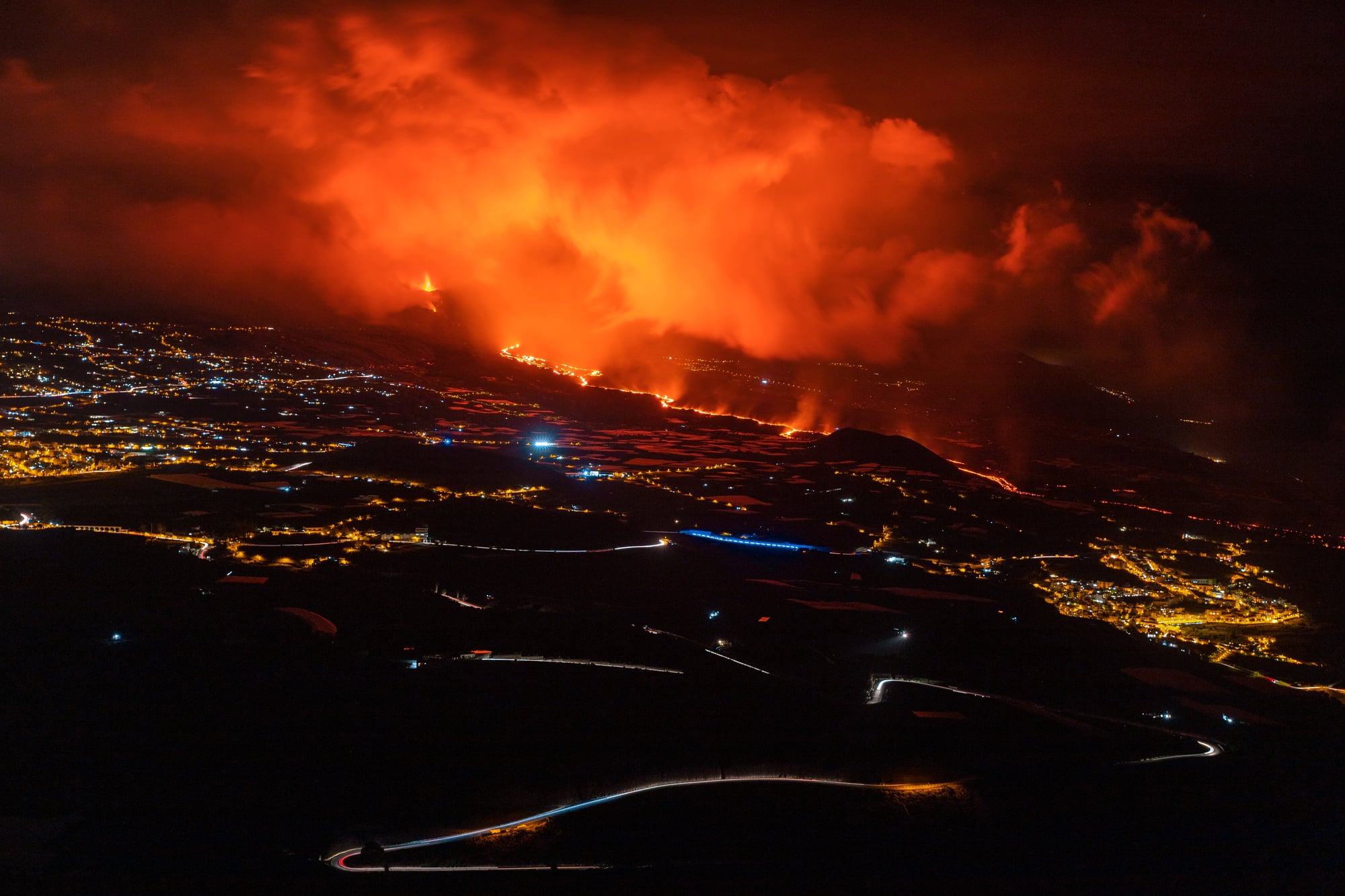
The earth announces its intentions through light (or so it seems when witnesses describe glowing bands that stretch across the horizon minutes before the ground begins to shake, as if geology had learned to communicate through luminescence rather than limiting itself to the crude vocabulary of tremors and aftershocks). These lights appear as blue flashes, steady glows, or flame-like formations that hover near fault lines and mountain ridges where tectonic plates grind against each other with the persistence of continental drift and the drama of impending disaster.
And they’re remarkably punctual — appearing before, during, or immediately after significant seismic events with timing that suggests either coincidence or causation, though neither explanation satisfies skeptics or believers entirely.
Videos from major earthquakes show these mysterious illuminations lighting up the sky like aurora, but at ground level and without solar storms. The phenomenon occurs worldwide, from Japan to Mexico to Italy, suggesting a fundamental connection between geological stress and atmospheric electricity that science hasn’t fully mapped.
Foo Fighters
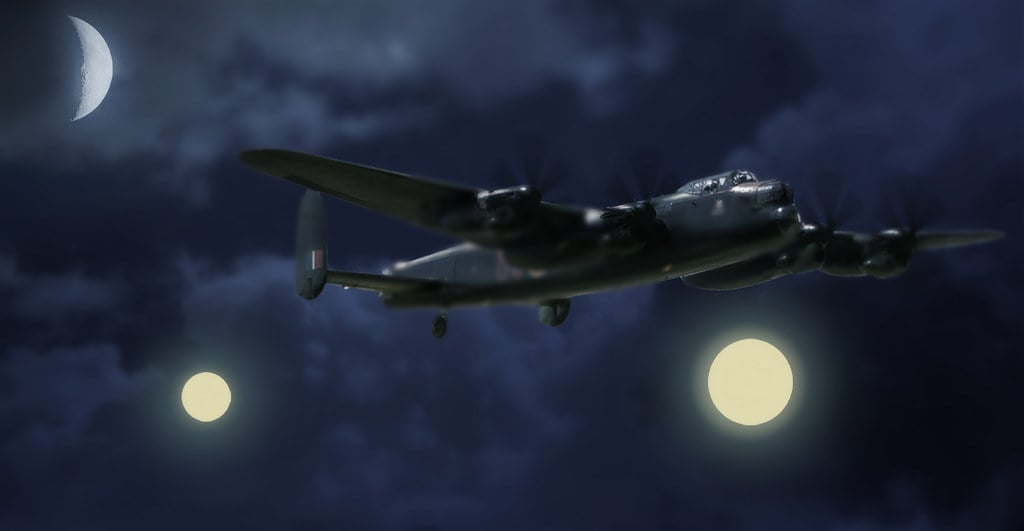
World War II pilots reported glowing orbs that followed their aircraft through combat missions. These weren’t enemy weapons — they never attacked or interfered with operations.
They simply appeared, paced bombers and fighters for miles, then vanished without explanation.
Both Allied and Axis pilots filed reports about these lights. The objects demonstrated flight characteristics that exceeded any known aircraft technology, maintaining formation at high speeds and altitudes where conventional planes struggled.
Military investigations found no evidence of secret weapons from either side.
Marfa Lights
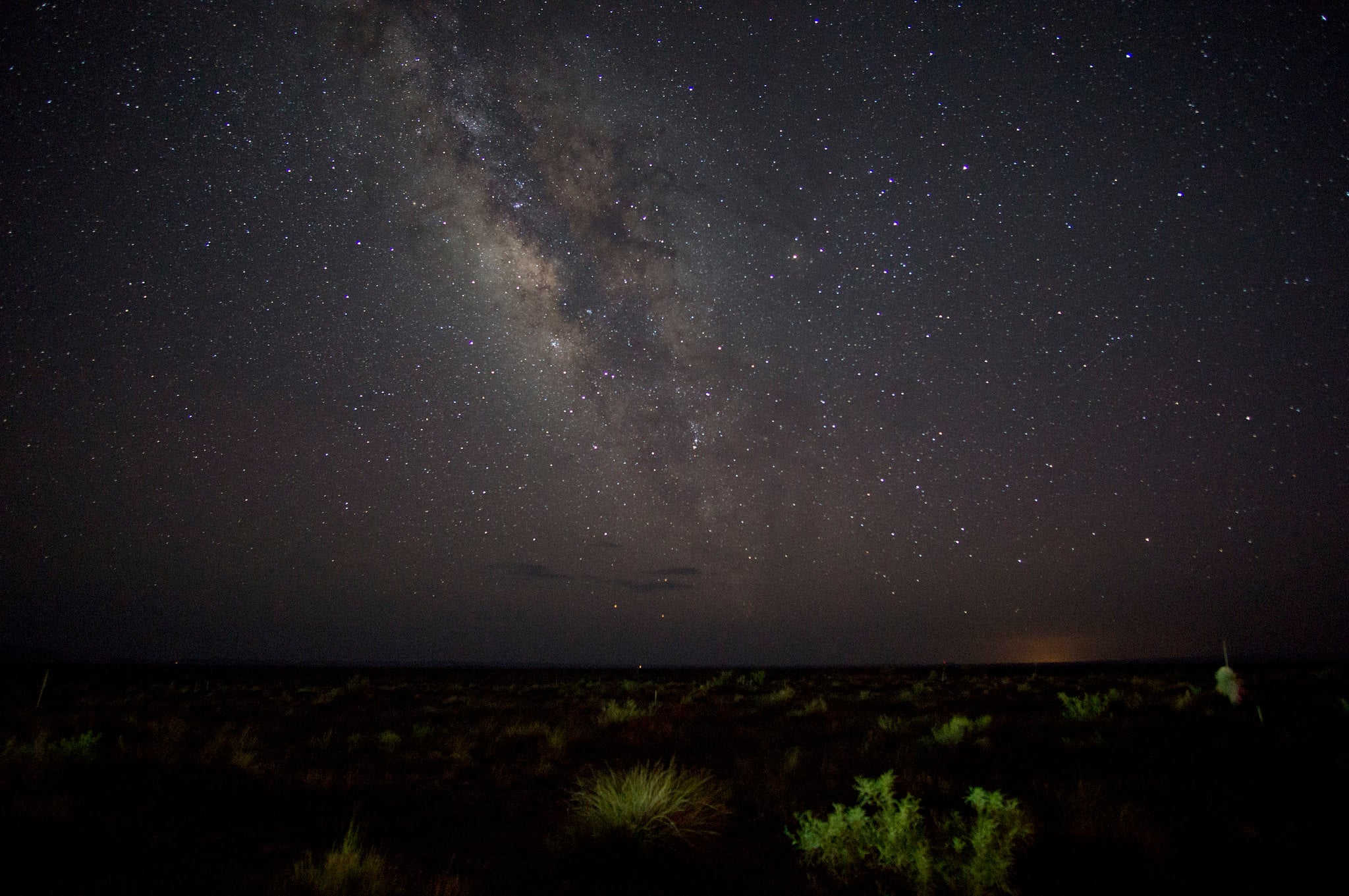
West Texas produces lights that dance above the desert floor near the town of Marfa. These aren’t mirages or car headlights — they appear in areas without roads, split into multiple orbs, change colors, and move in patterns that suggest intelligence rather than random atmospheric phenomena.
The lights have been reported since the 1880s, long before automobiles could explain them away. They appear several times per week, bright enough to photograph but too distant and unpredictable for close investigation.
Viewing platforms attract tourists, but the lights maintain their mystery despite decades of attention.
Green Flash
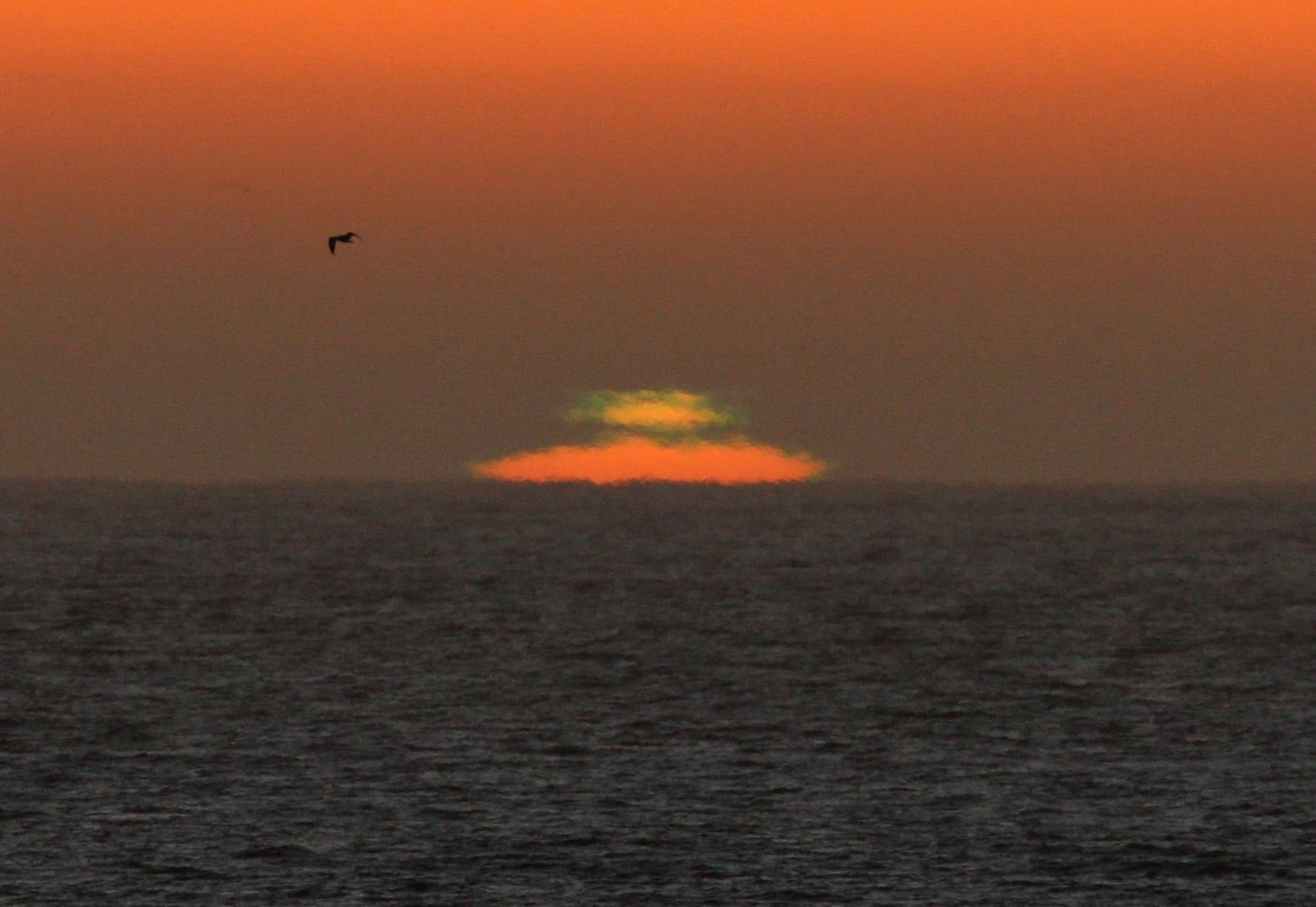
The sun produces a green flash just as it disappears below the horizon, but only under perfect atmospheric conditions. This isn’t a gentle glow — it’s an intense emerald burst that lasts one or two seconds and requires clear skies, calm seas, and precise timing to witness.
Pirates and sailors considered the green flash a good omen, though its rarity made sightings special enough to remember for decades. The phenomenon occurs when Earth’s atmosphere acts like a prism, separating sunlight into component colors.
The physics are understood, but the experience remains magical.
Noctilucent Clouds
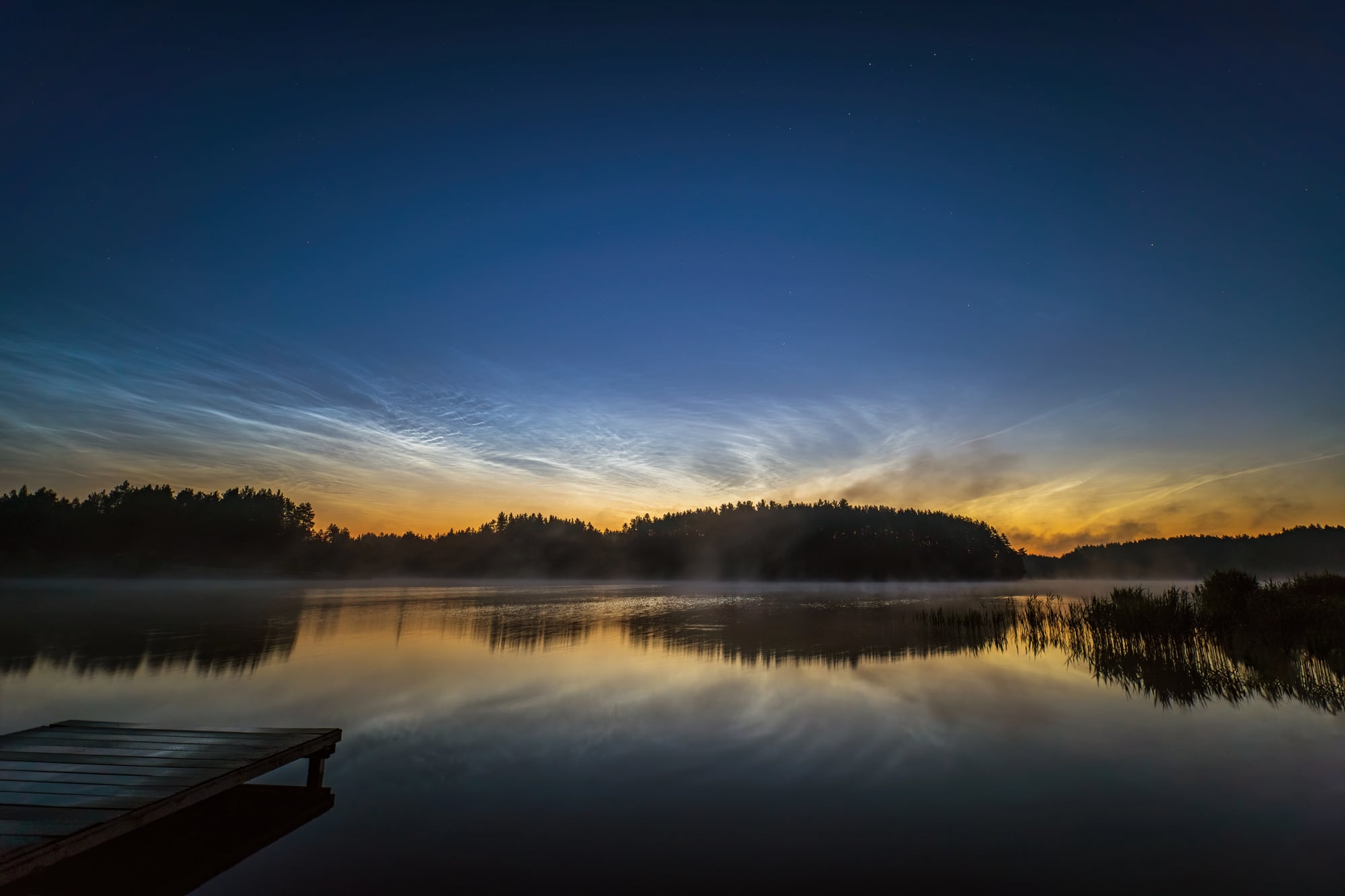
These clouds glow electric blue in the summer twilight at latitudes where darkness never fully arrives. They form so high in the atmosphere that they catch sunlight long after ground-based observers see only night sky.
The effect creates luminous formations that pulse and ripple like aurora but maintain cloud-like structure.
Noctilucent clouds are becoming more common, possibly due to climate change increasing water vapor in the upper atmosphere. They appear most frequently over Scandinavia and northern Canada, but sightings are expanding southward as atmospheric conditions shift.
Sprite Lightning
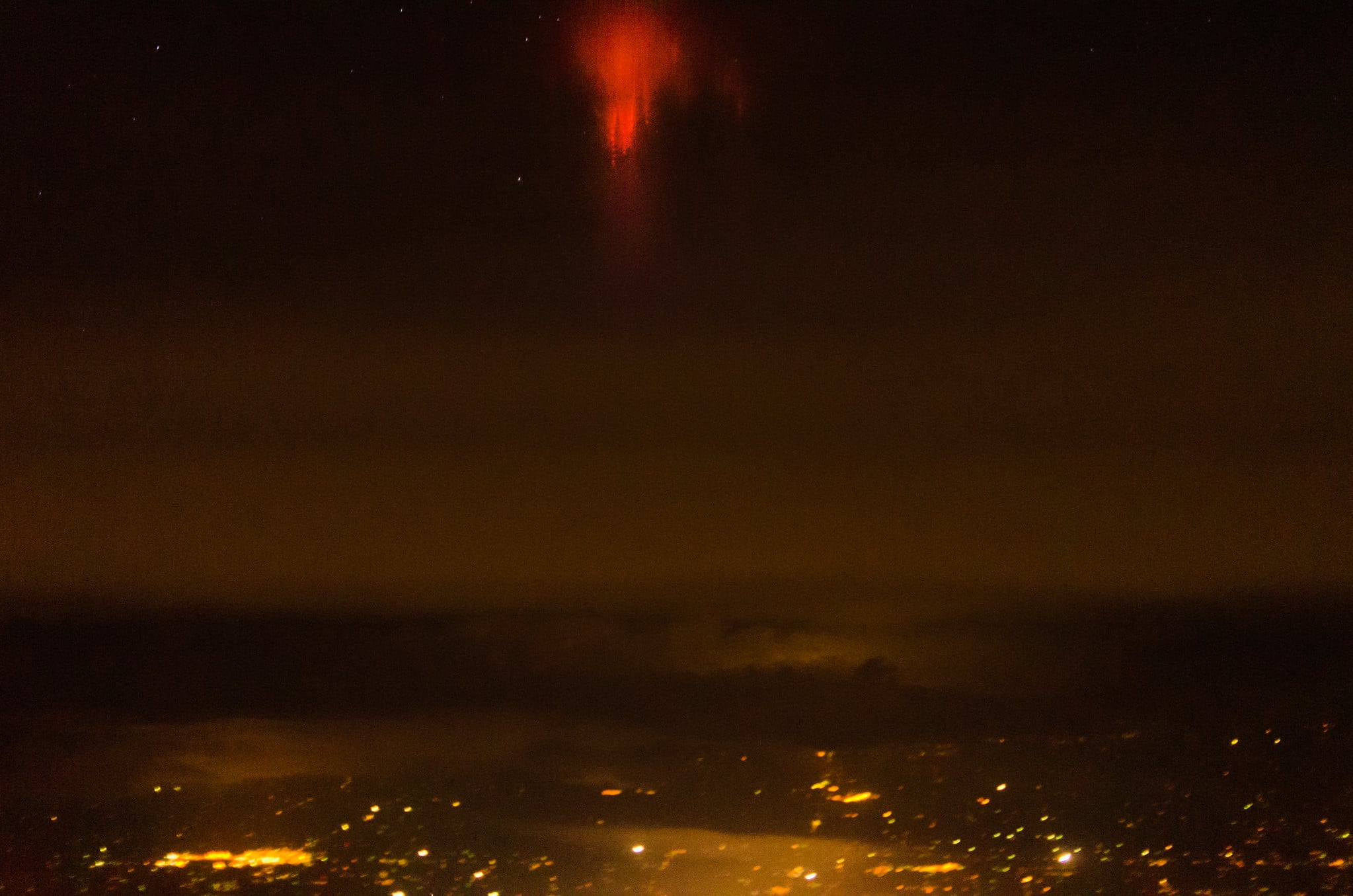
Above thunderstorms, the sky erupts in red and purple flashes that last milliseconds and stretch toward space. These sprites weren’t discovered until 1989 because they occur too high and too briefly for casual observation.
They require specialized equipment and perfect timing to capture.
Sprites appear as jellyfish-shaped formations of electricity that discharge upward from storm clouds. They’re massive — some extend 50 miles vertically — but so brief that the human eye can barely register them.
The phenomenon suggests that thunderstorms are more complex than previously understood, with electrical activity extending far beyond visible cloud formations.
STEVE
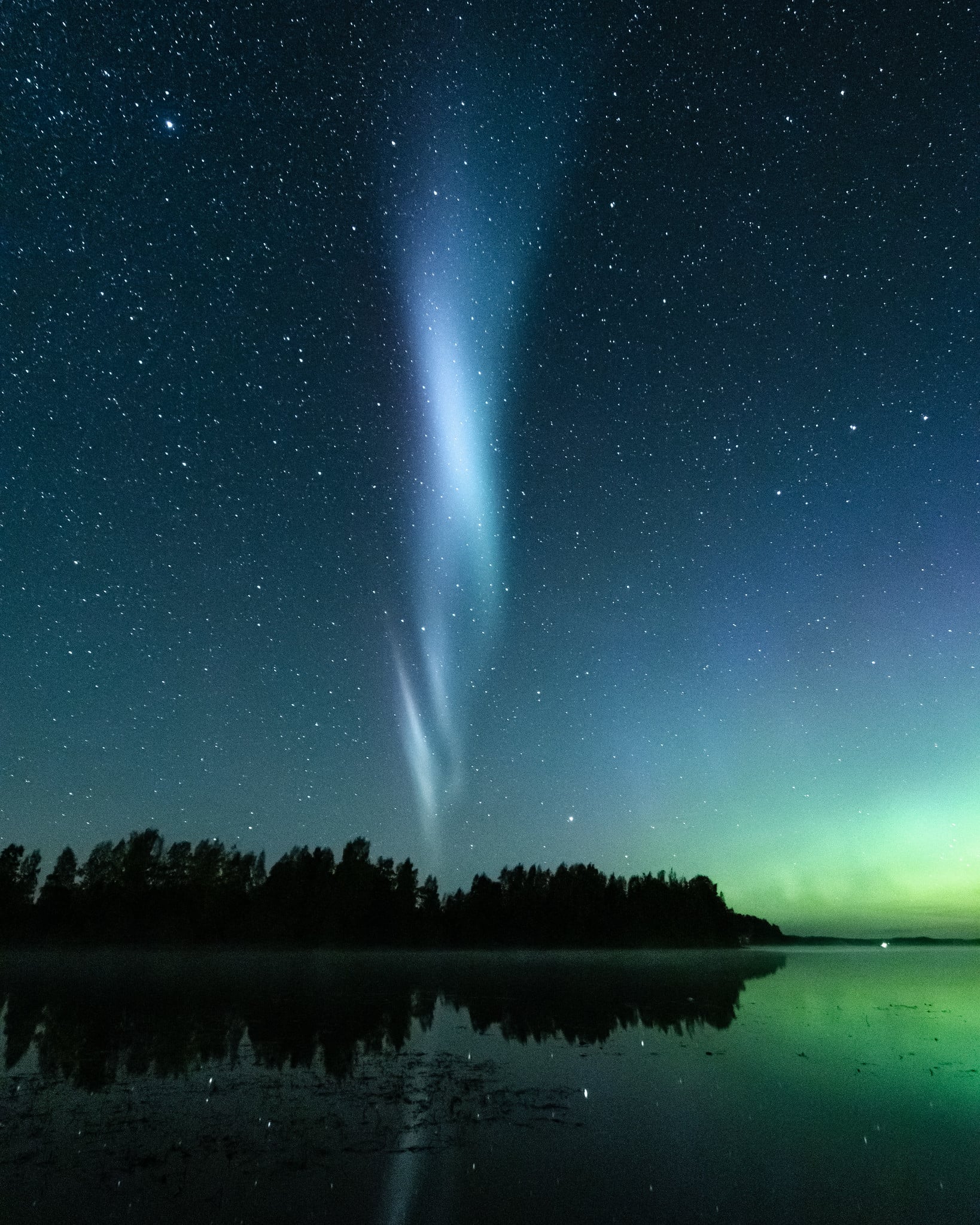
Scientists recently identified a new aurora-like phenomenon called STEVE — Strong Thermal Emission Velocity Enhancement. Unlike traditional aurora, STEVE appears as a narrow purple arc accompanied by green picket-fence structures.
It occurs at lower latitudes and results from different atmospheric processes than typical northern lights.
STEVE was discovered through citizen scientists who photographed unusual aurora displays and shared them online. Professional researchers realized they were seeing something new and began systematic studies.
The phenomenon demonstrates that Earth’s atmosphere still holds surprises, even in the age of satellite monitoring and global observation networks.
The Persistence of Wonder
These lights remind us that mystery hasn’t vanished from the modern world — it’s simply become more sophisticated. Each phenomenon has partial explanations, scientific theories that account for some observations while leaving others unexplained.
The lights persist in appearing exactly where they shouldn’t, behaving precisely as they mustn’t, and vanishing moments before cameras focus properly. Perhaps that’s exactly as it should be.
More from Go2Tutors!

- The Romanov Crown Jewels and Their Tragic Fate
- 13 Historical Mysteries That Science Still Can’t Solve
- Famous Hoaxes That Fooled the World for Years
- 15 Child Stars with Tragic Adult Lives
- 16 Famous Jewelry Pieces in History
Like Go2Tutors’s content? Follow us on MSN.