18 Dances That Were Actually Battle Training
Throughout history, people have gotten pretty creative about hiding their military training in plain sight. When authorities banned combat practice or when communities needed to stay under the radar, they turned to something that looked completely harmless: dancing. These weren’t just any dances, though—they were carefully crafted systems that taught real fighting skills while everyone thought they were just watching entertainment.
It’s actually brilliant when you consider how much dancing and fighting have in common. Both demand perfect timing, quick reflexes, and the ability to predict what your opponent will do next. Here is a list of 18 dances that doubled as serious combat training.
Capoeira
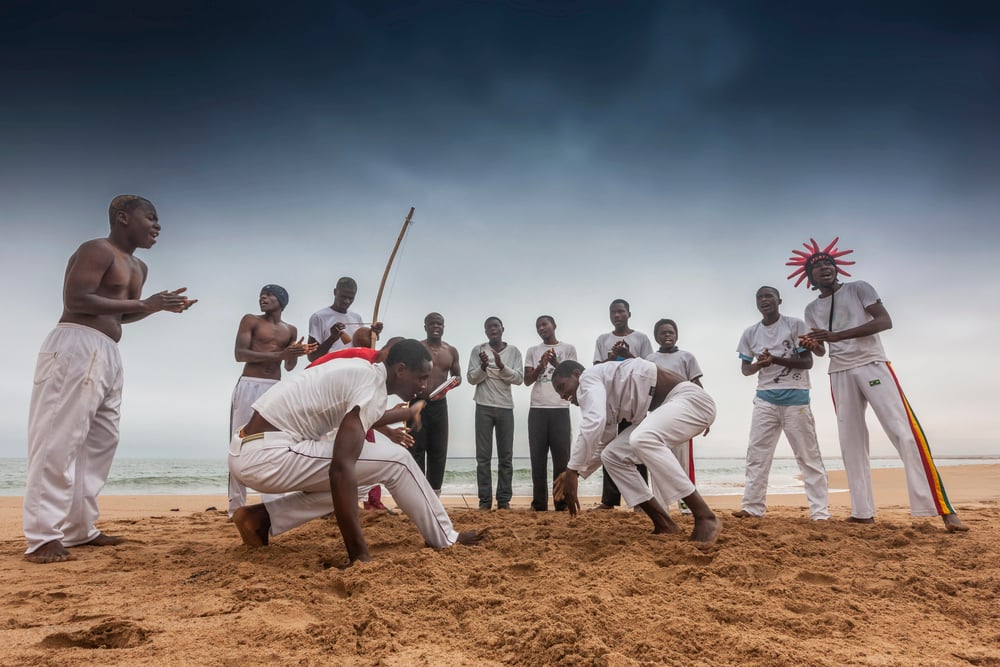
Brazil’s most famous martial art had to masquerade as dance during colonial times because enslaved people weren’t allowed to practice fighting techniques. Smart fighters developed a system where deadly kicks, sweeps, and defensive moves looked like acrobatic dancing when performed to music.
The basic ‘ginga’ movement that looks like casual swaying actually keeps fighters balanced and ready to strike or dodge in a split second.
Haka
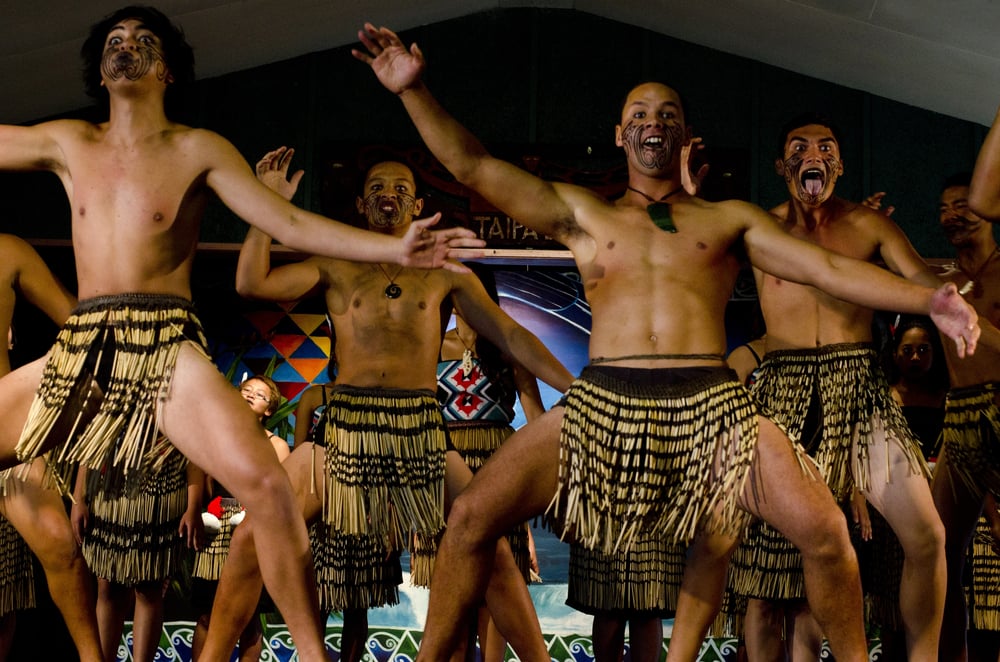
The Maori warriors of New Zealand created something that was part dance, part psychological warfare. Before battles, they’d perform these intense displays of stomping, chanting, and fierce facial expressions that served two purposes: warming up their bodies for combat and absolutely terrifying their enemies.
You can still see how effective it is when rugby teams perform the haka—opponents genuinely look intimidated.
Like Go2Tutors’s content? Follow us on MSN.
Morris Dancing
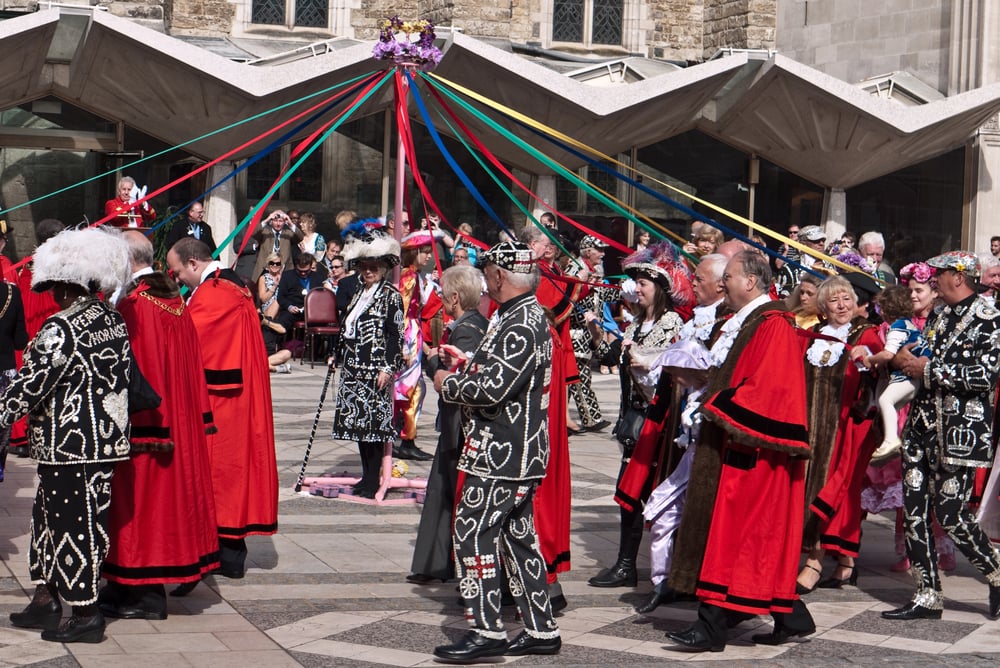
Those quaint English folk dances with bells and ribbons? They started as sword training for medieval soldiers.
All that intricate footwork and stick clashing taught coordination and weapon handling without anyone suspecting a thing.
Cossack Dancing
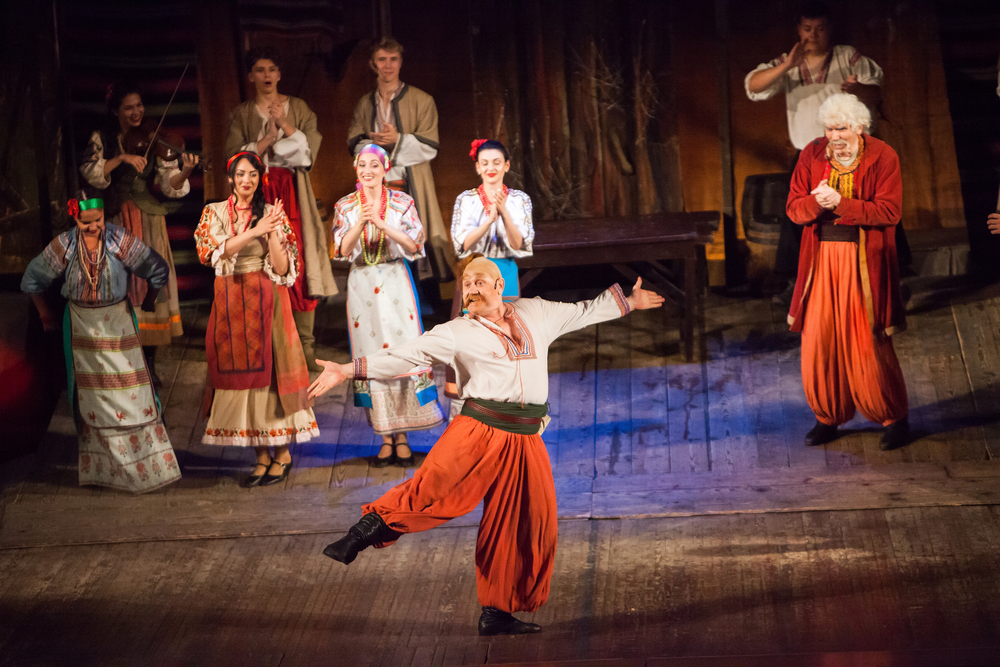
Those incredible squats, kicks, and jumps that Cossack dancers are famous for weren’t just showing off—they were building the exact leg strength and balance needed for cavalry warfare. Spending hours in the saddle and fighting from horseback required incredible lower body power.
The dance also developed the agility that made Cossacks dangerous whether they were mounted or fighting on foot.
Kalaripayattu
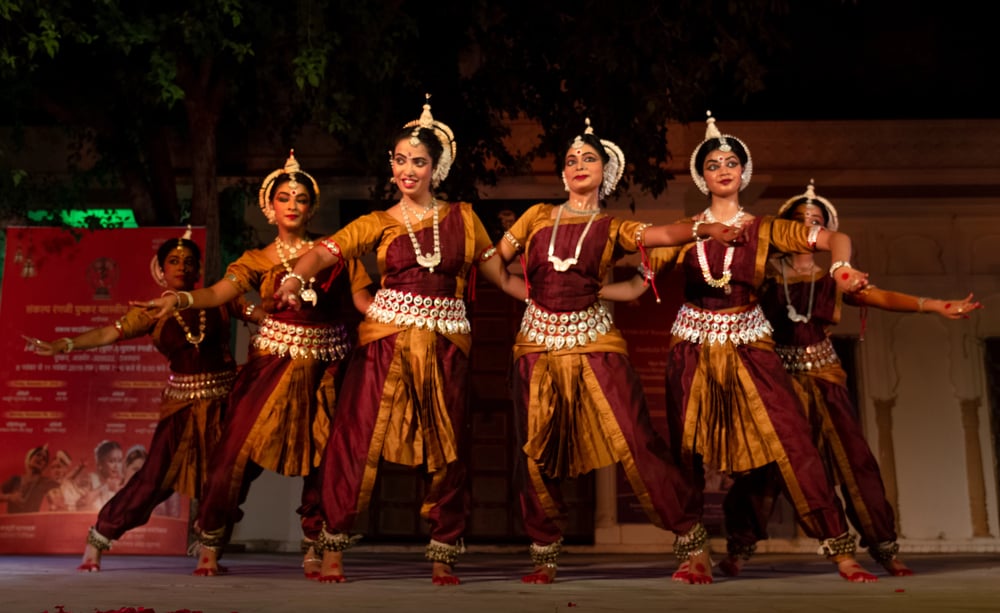
This ancient Indian martial art from Kerala looks like a beautiful dance, especially when practitioners wield flexible weapons like the urumi. The flowing movements and rhythmic patterns disguise some seriously deadly techniques.
Every graceful gesture has a combat purpose, whether it’s setting up a strike or evading an attack.
Like Go2Tutors’s content? Follow us on MSN.
Silat
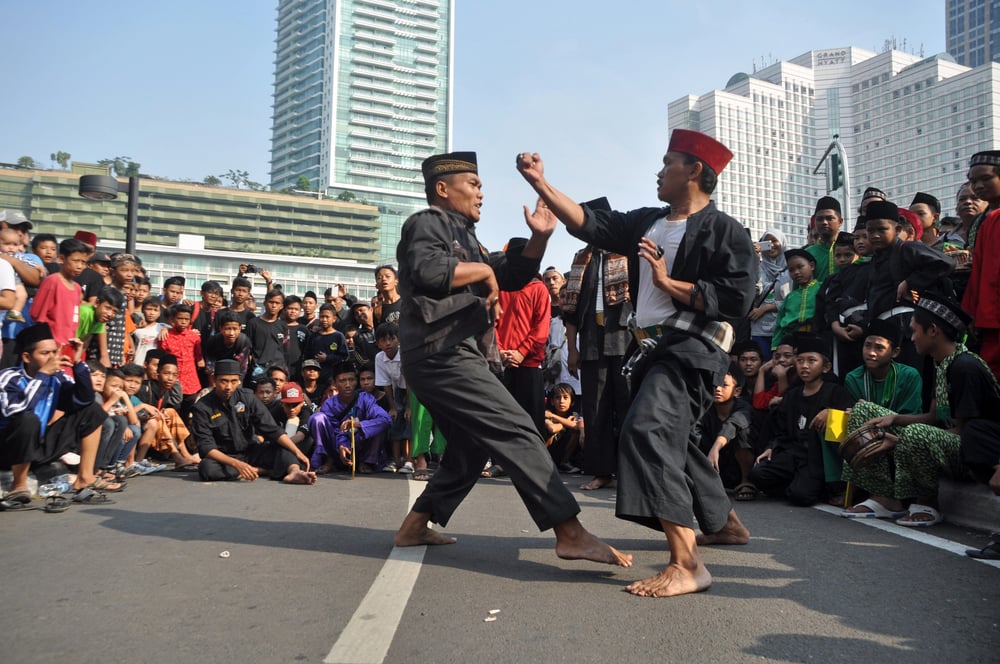
Southeast Asian silat includes hundreds of different styles, and many deliberately look like traditional dances. Indonesian and Malaysian fighters would perform their techniques at cultural festivals, and audiences had no idea they were watching combat training.
The flowing movements teach practitioners to move efficiently while setting up strikes and takedowns that can end fights quickly.
Pyrrhic Dance
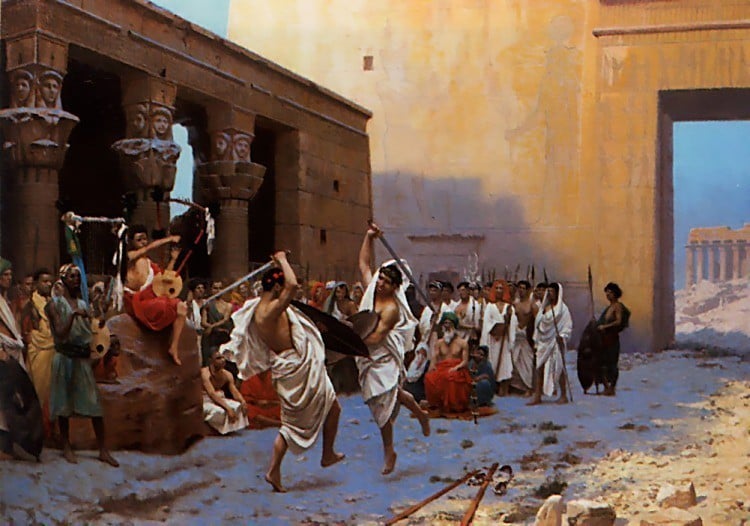
Ancient Greek warriors turned military drills into religious ceremonies by performing armed dances to honor their war god. Dancers carried actual shields and spears while executing formations that directly mirrored battlefield tactics.
This taught soldiers to move as a coordinated unit while keeping their weapons ready—exactly what they needed for phalanx warfare.
Bhangra
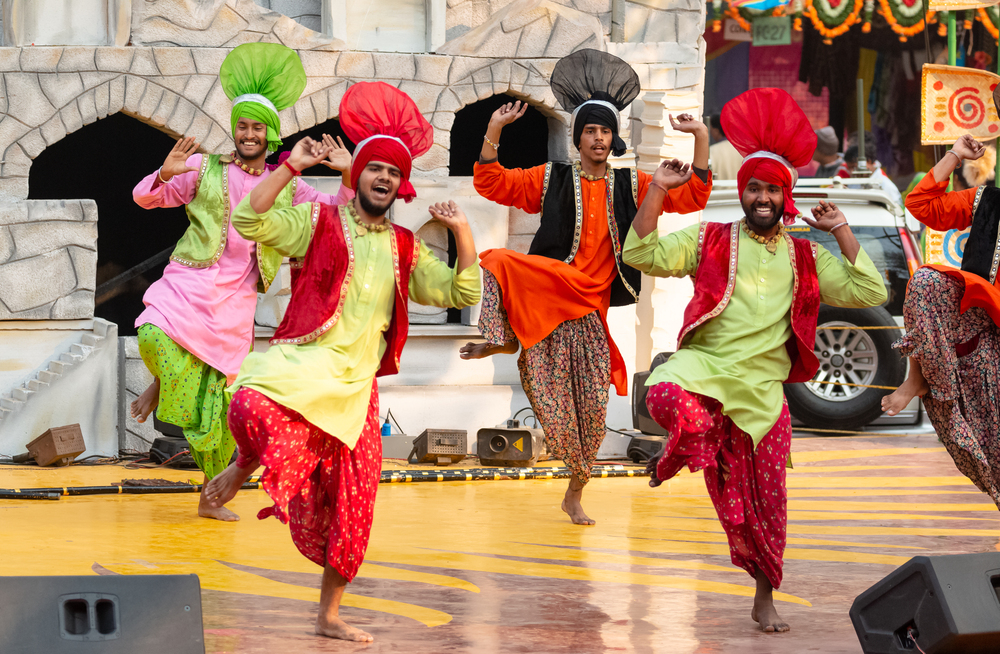
Punjab’s energetic folk dance served multiple purposes, including training Sikh warriors. Those vigorous shoulder movements and high kicks weren’t just celebration—they built the upper body strength needed to wield heavy weapons like swords and battle axes.
The dance also kept communities connected to their martial heritage during peaceful times.
Like Go2Tutors’s content? Follow us on MSN.
Stick Fighting Dances
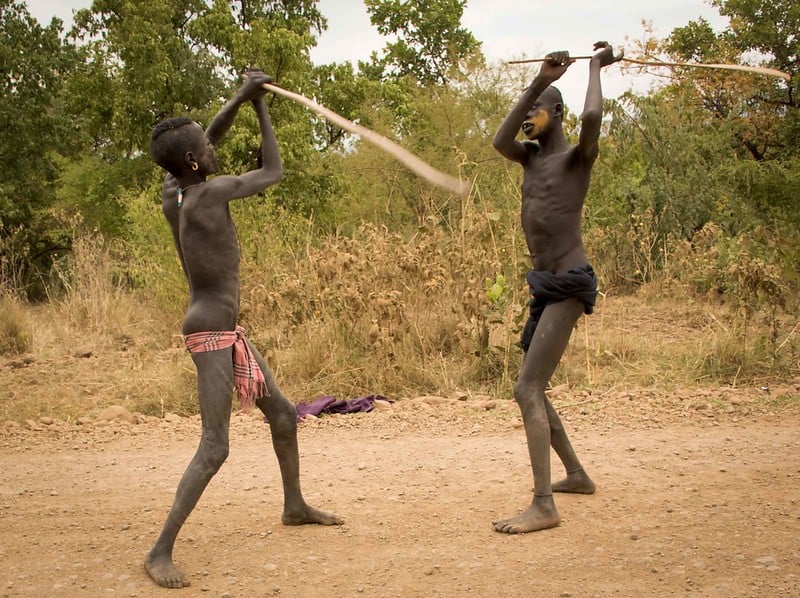
Caribbean islands developed dozens of stick fighting traditions that looked like festival entertainment. Trinidad’s kalinda and similar forms throughout the West Indies taught real weapon skills while appearing to be nothing more than rhythmic dancing.
The music and crowd participation made these gatherings look completely innocent to outside observers.
Wardance
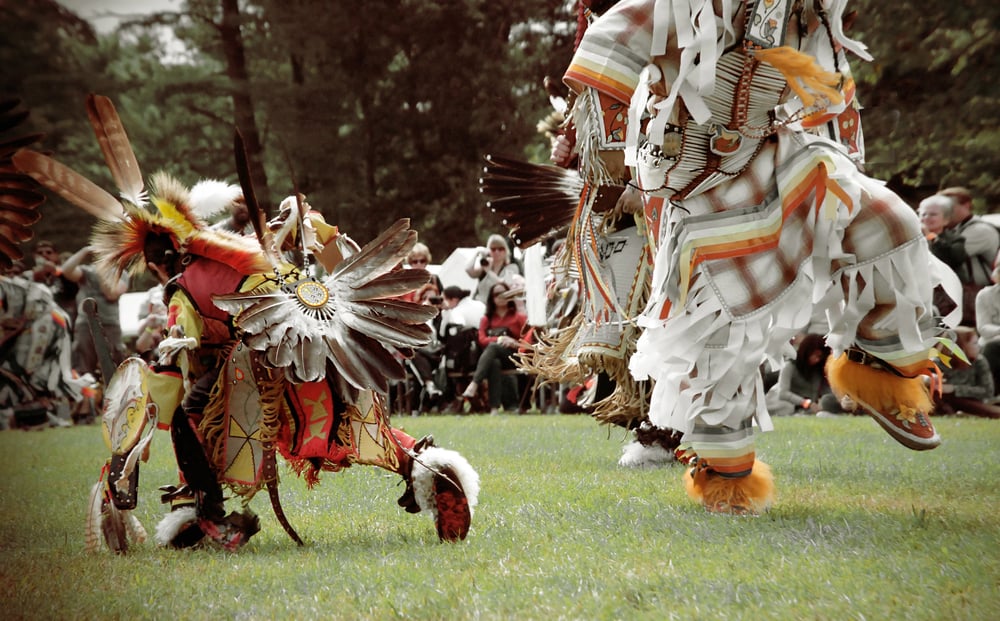
Native American tribes used war dances to prepare fighters both mentally and physically. These performances often told stories of successful hunts or battles while building the endurance and coordination warriors needed.
The spiritual component was equally important, helping fighters develop the proper mindset for facing life-or-death situations.
Ngoma
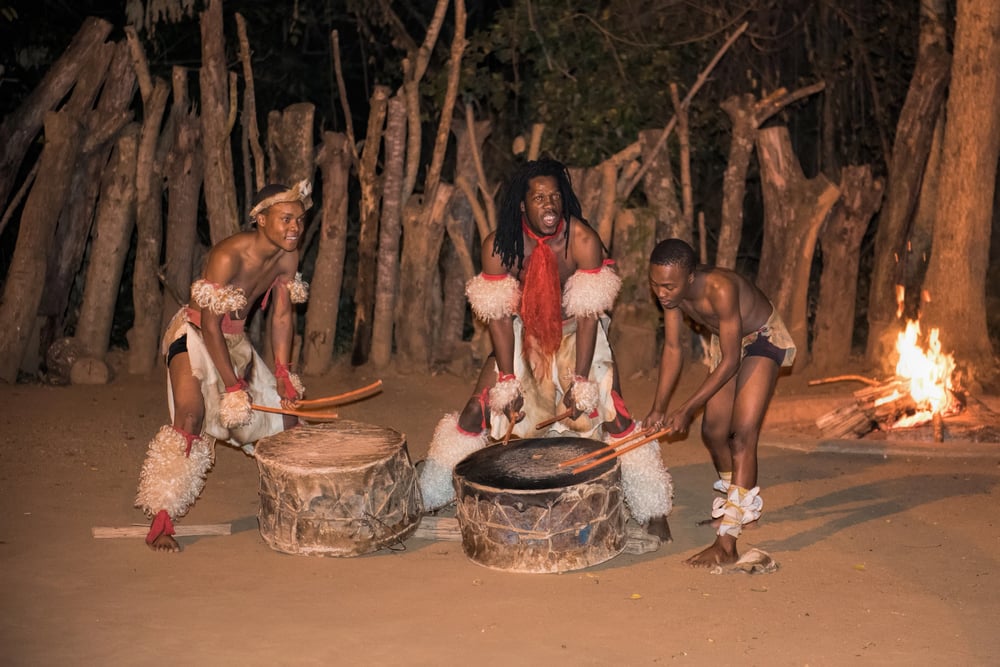
This broad category covers various African tribal dances that combined storytelling, spiritual practice, and combat preparation. Warriors would act out hunting scenarios or battles while developing footwork and timing.
The group aspect also built the unity and trust that fighters needed when they had to rely on each other in real combat.
Like Go2Tutors’s content? Follow us on MSN.
Juba
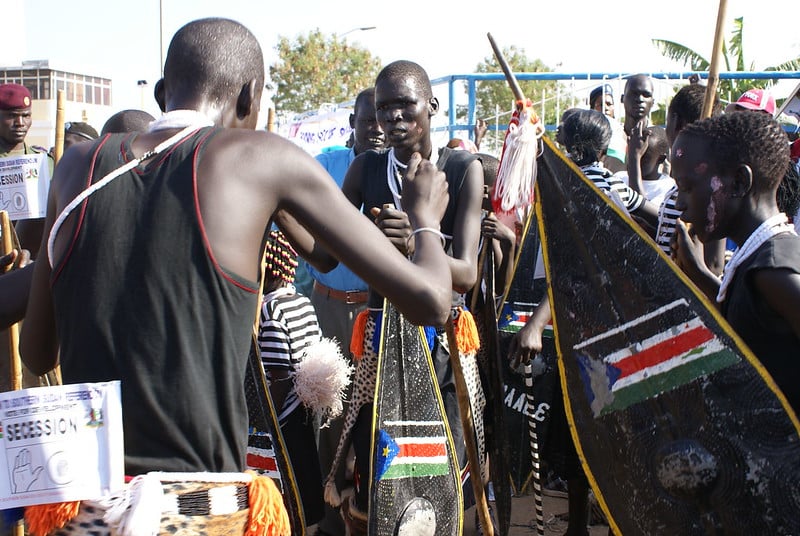
During slavery in America, this African-American dance form kept martial arts traditions alive under incredibly dangerous circumstances. The complex rhythms and body percussion concealed fighting techniques that could have meant severe punishment if discovered.
Practitioners developed incredible physical coordination and mental toughness through these seemingly innocent performances.
Tandava
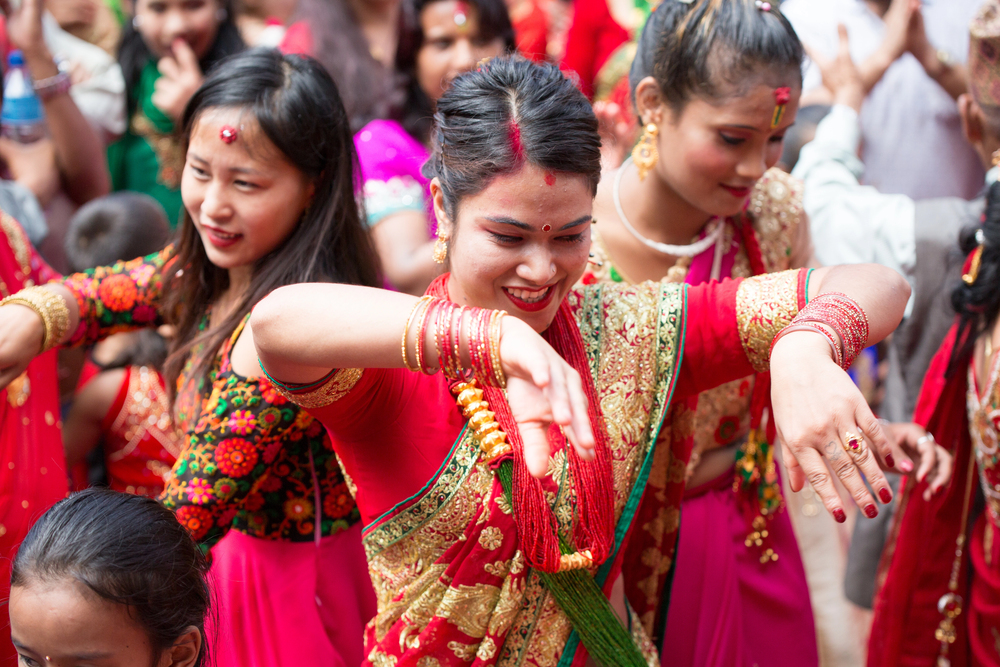
Hindu tradition associates this powerful dance with the god Shiva, but it contains numerous combat elements hidden within religious expression. The dynamic poses and fierce movements teach balance, flexibility, and rapid transitions between positions.
Many classical Indian martial arts trace their origins directly to these dance traditions.
Zulu War Dance
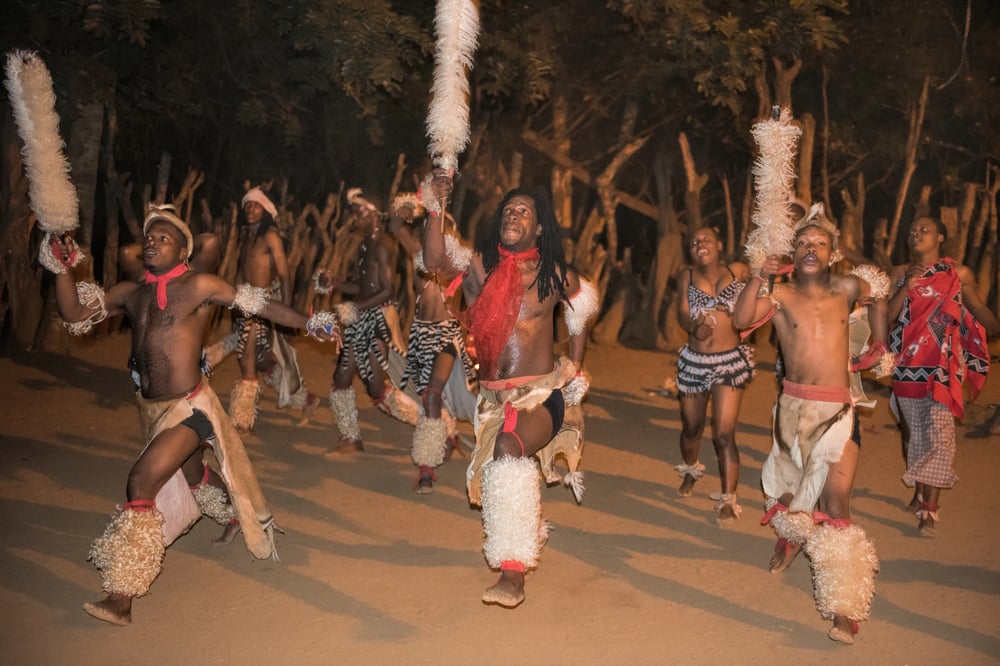
The Zulu people created elaborate war dances that served as both training and intimidation. The high kicks, shield movements, and coordinated formations translated directly to battlefield tactics.
These performances also allowed warriors to display their skills and build the group cohesion essential for military success.
Like Go2Tutors’s content? Follow us on MSN.
Dabke
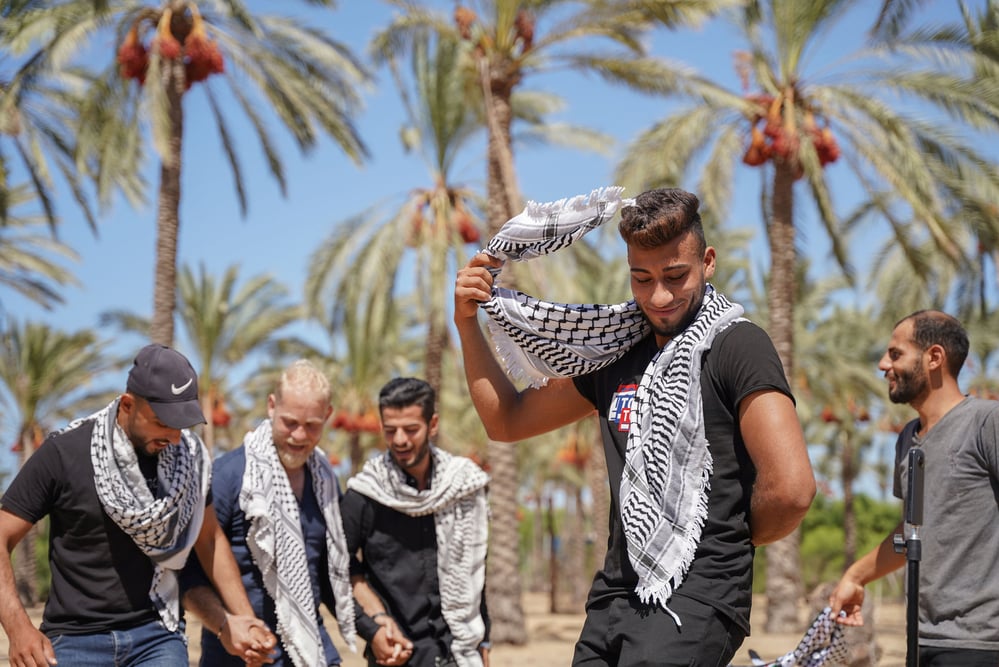
This line dance from Syria, Lebanon, and Palestine traces back to ancient warrior traditions. The synchronized stepping and stomping movements taught fighters to move as a coordinated unit while building the leg strength and endurance needed for campaigns in mountainous terrain.
The dance still builds incredible lower body power in modern performers.
Cakewalk
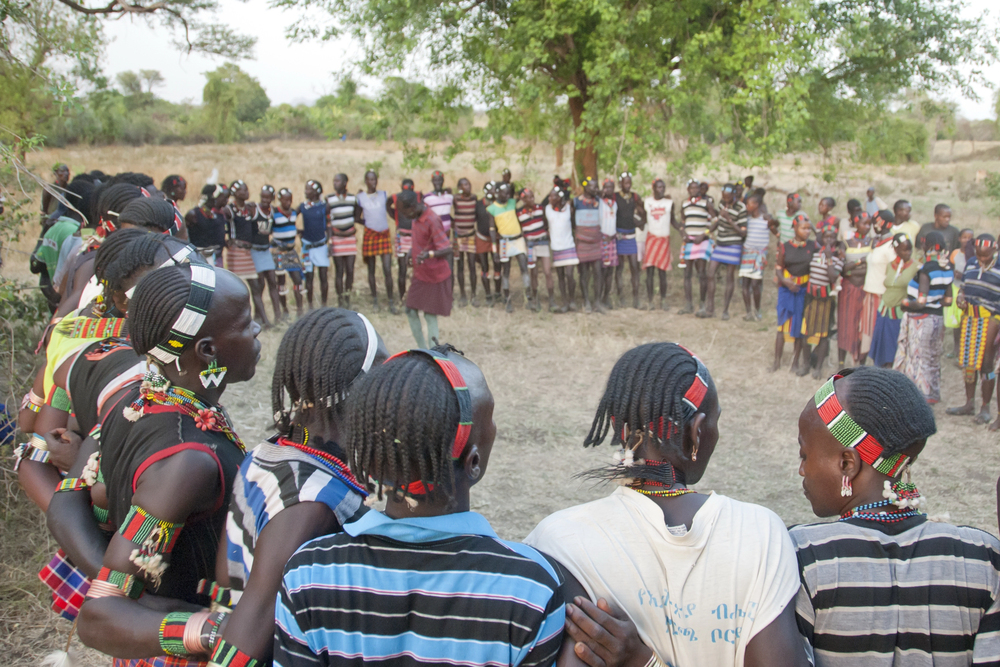
Though it evolved into entertainment, the cakewalk helped enslaved people maintain African martial traditions under extremely oppressive conditions. The exaggerated movements and competitive nature preserved fighting techniques while appearing to parody European social dances.
The athletic demands of the dance kept practitioners in excellent physical condition.
Sema
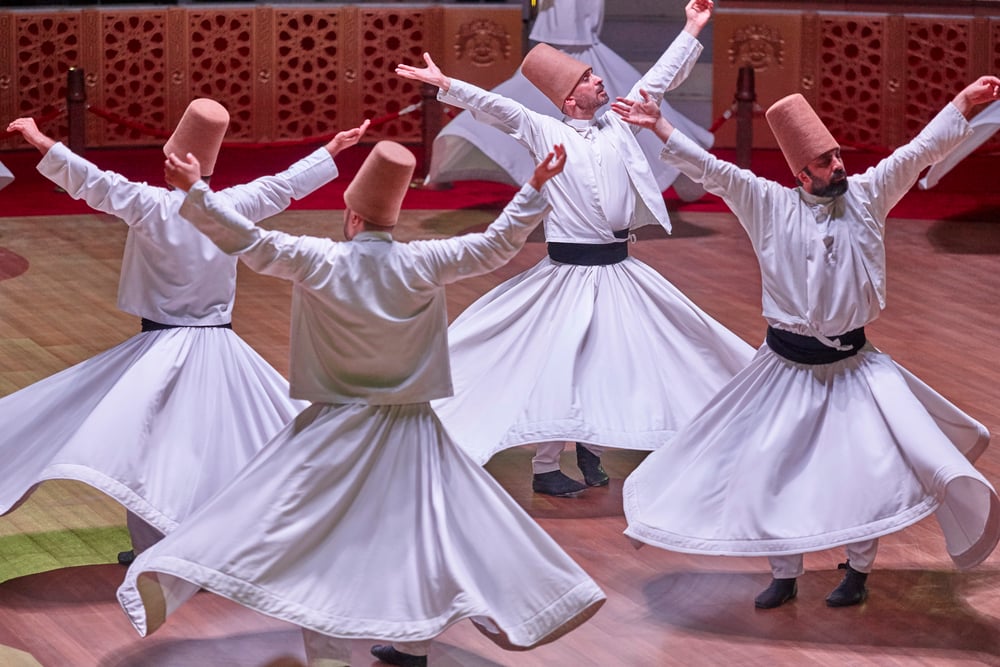
The whirling dance of Sufi dervishes might appear purely spiritual, but it contains practical combat training elements. The spinning movements teach practitioners to maintain balance and situational awareness while in motion.
The meditative aspect develops the mental discipline and focus that warriors need when facing life-threatening situations.
Like Go2Tutors’s content? Follow us on MSN.
Maculelê
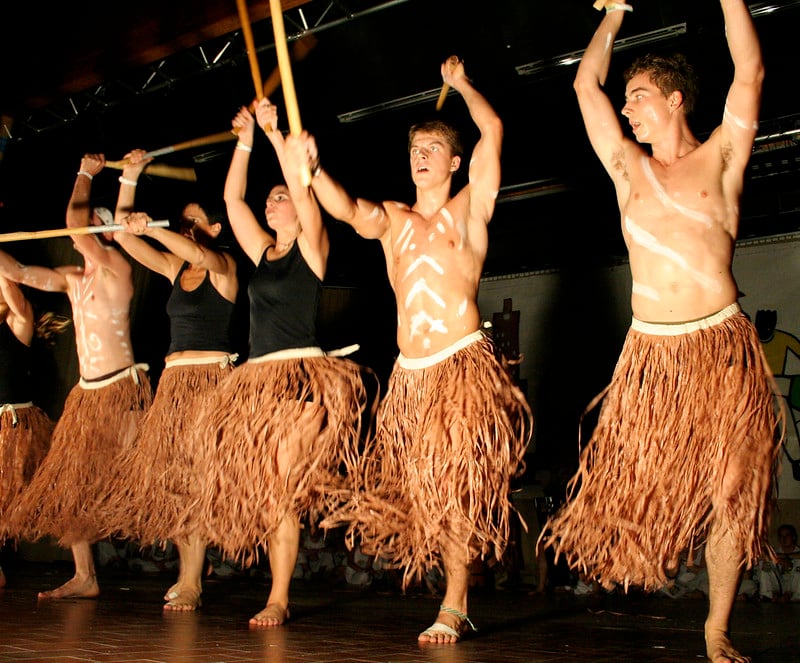
This Brazilian dance involves performers wielding machetes or sticks in complex choreographed patterns. It originated as weapon training disguised as cultural celebration, teaching timing, distance, and effective use of bladed weapons.
The dance requires split-second timing and spatial awareness that translate directly to real combat situations.
The Hidden Warriors Among Us
These traditions show just how ingenious people can be when survival depends on creativity. Communities found ways to maintain essential fighting skills even when doing so openly meant death or severe punishment.
Today, these dance forms continue as cultural treasures that build physical fitness, mental toughness, and community bonds. The next time you watch a traditional dance performance, you might be witnessing combat techniques that are centuries old, passed down through generations of people who refused to let their warrior heritage disappear.
More from Go2Tutors!

- 16 Historical Figures Who Were Nothing Like You Think
- 12 Things Sold in the 80s That Are Now Illegal
- 15 VHS Tapes That Could Be Worth Thousands
- 17 Historical “What Ifs” That Would Have Changed Everything
- 18 TV Shows That Vanished Without a Finale
Like Go2Tutors’s content? Follow us on MSN.



