Photos Of the Worst Architectural Eyesores Ever Built
Architecture has the power to inspire, uplift, and define entire cities. Sometimes, though, it does the exact opposite.
Scattered across the globe are buildings so spectacularly unappealing that they’ve achieved a kind of infamy. These aren’t just structures that missed the mark — they’re monuments to questionable decisions, misguided ambition, and the occasional complete disregard for human sensibilities.
Whether born from budget constraints, artistic overreach, or simple bad luck, these architectural disasters have become legendary for all the wrong reasons.
Boston City Hall
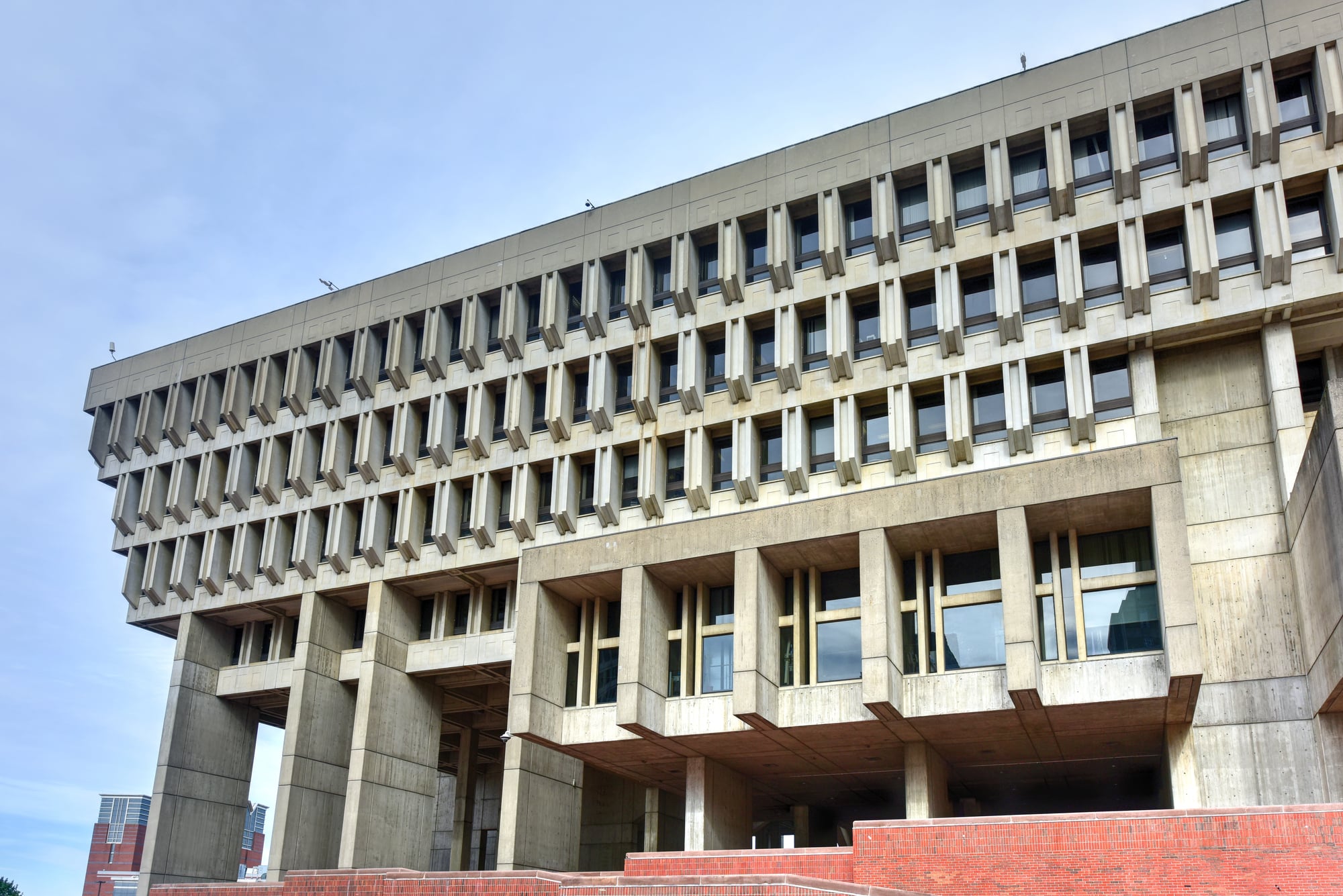
Boston City Hall looks like a concrete fortress designed by someone who actively disliked people. The Brutalist monument squats in Government Center like an enormous bunker.
Nobody walks by this building and thinks pleasant thoughts. The building opened in 1968 to immediate horror from locals.
Fair enough — it resembles a filing cabinet made of concrete blocks. Even architecture critics struggle to defend this one.
AT&T Building (Now 550 Madison Avenue), New York
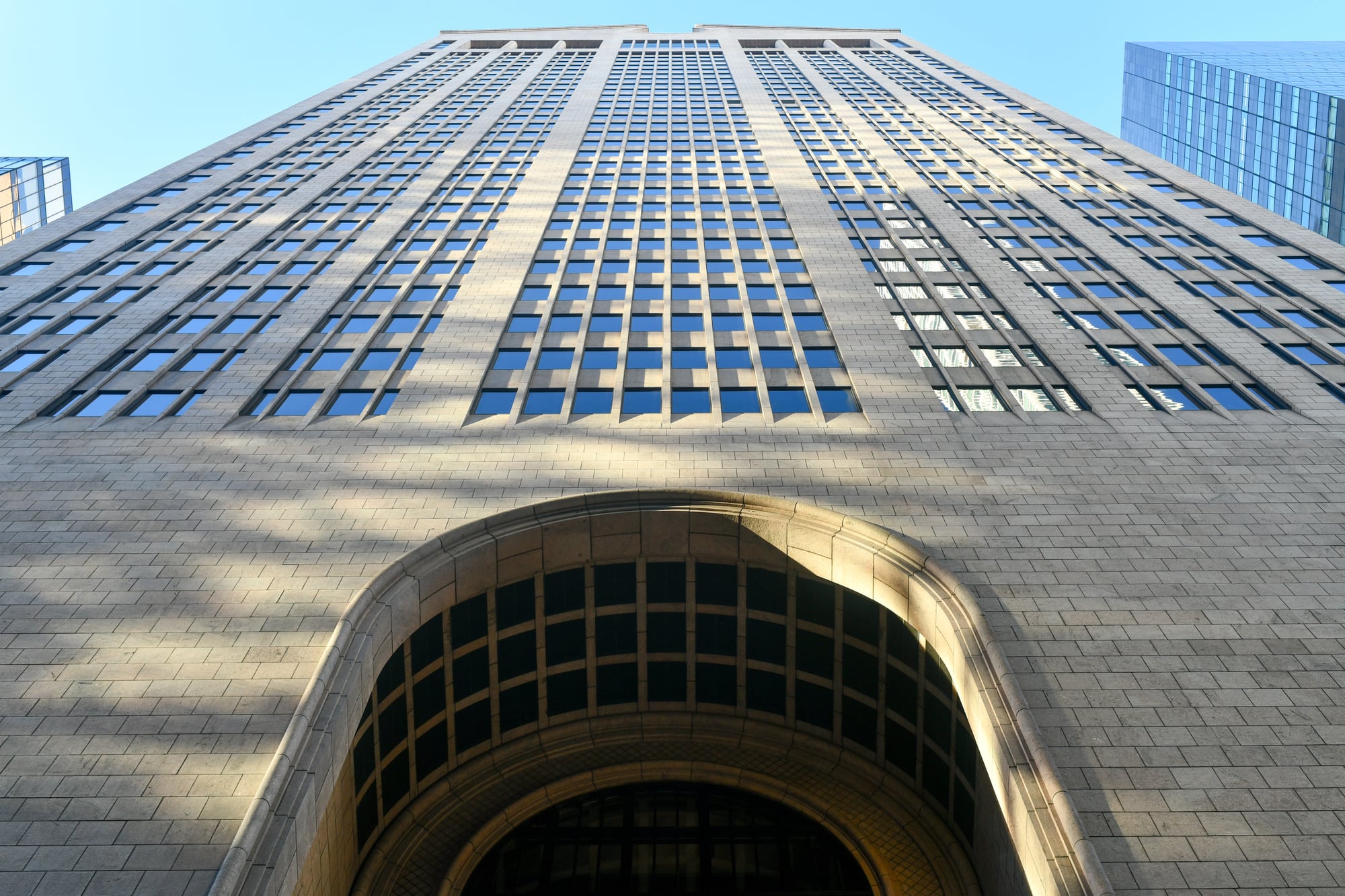
Philip Johnson’s pink granite tower sports a Chippendale top that belongs on a dresser, not a skyscraper. The building reaches 37 stories into the Manhattan sky before culminating in what appears to be furniture hardware scaled up to ridiculous proportions.
When it opened in 1984, people couldn’t decide whether to laugh or file a formal complaint with the city. The postmodern experiment was supposed to break free from the sterile glass boxes dominating corporate architecture, and in that sense, it succeeded completely — though not necessarily in the way anyone intended.
You can spot this thing from blocks away, which (depending on your perspective) is either the point or the problem. The pink granite doesn’t help matters; it gives the entire structure the appearance of a monument to 1980s excess that someone forgot to tear down when the decade ended.
Ryugyong Hotel, Pyongyang
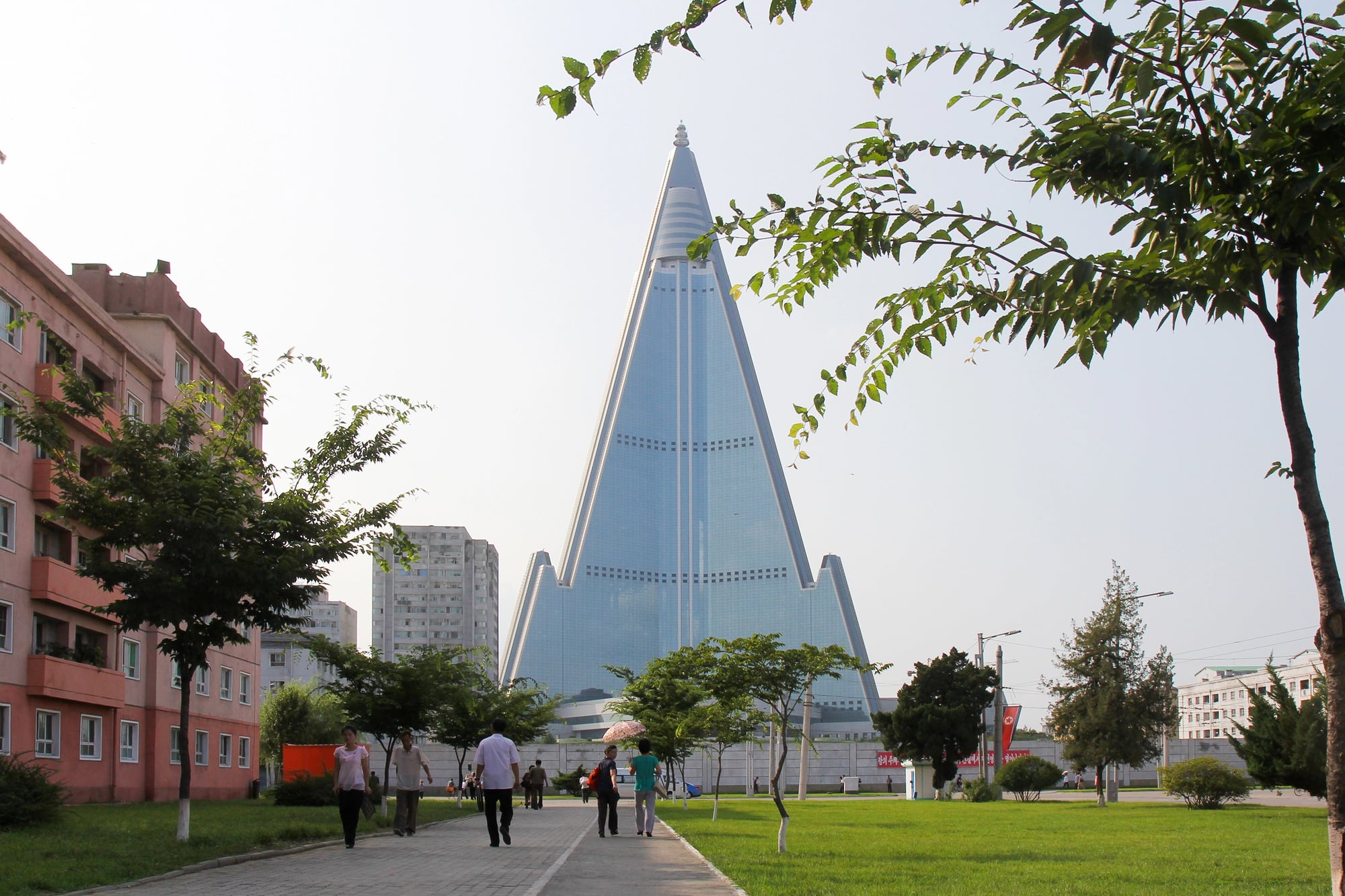
This pyramid of concrete and broken dreams claws at the Pyongyang skyline like a monument to architectural hubris. Construction began in 1987 with plans for 105 floors and 3,000 rooms, which would have made it the world’s tallest hotel.
Instead, it became the world’s tallest unfinished building — a 330-meter-wide concrete shell that sat empty for decades. The North Korean government ran out of money partway through construction, leaving behind what locals call the “Hotel of Doom.”
Recent years have seen sporadic attempts to complete the exterior, but the building remains a hollow pyramid that photographs like a brutalist fever dream against the city’s modest skyline.
Trellick Tower, London
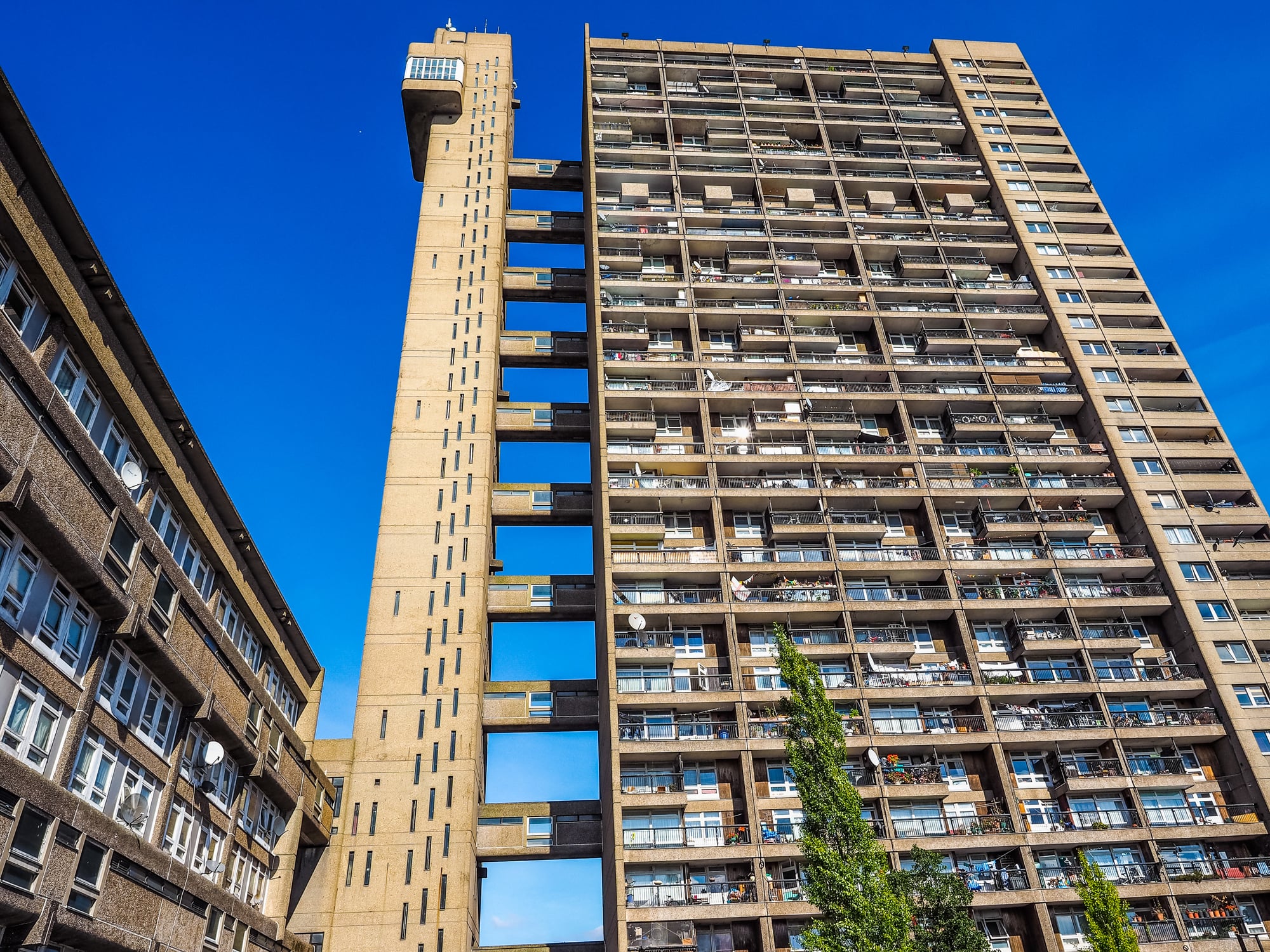
Ernő Goldfinger’s concrete tower stands 31 stories tall in North Kensington, and it radiates the kind of institutional menace usually reserved for prisons. The Brutalist housing block was supposed to provide modern living for working families.
Instead, it delivered a vertical concrete maze that became synonymous with urban decay within years of opening. The building’s reputation got so bad that residents lobbied to have it demolished in the 1980s.
Crime flourished in the poorly lit corridors and isolated walkways that connected the tower to its separate service block. These days, gentrification has transformed Trellick Tower into expensive flats for people who find Brutalism charming, which proves that enough time can rehabilitate even the most stubborn architectural disasters.
Federation Square, Melbourne
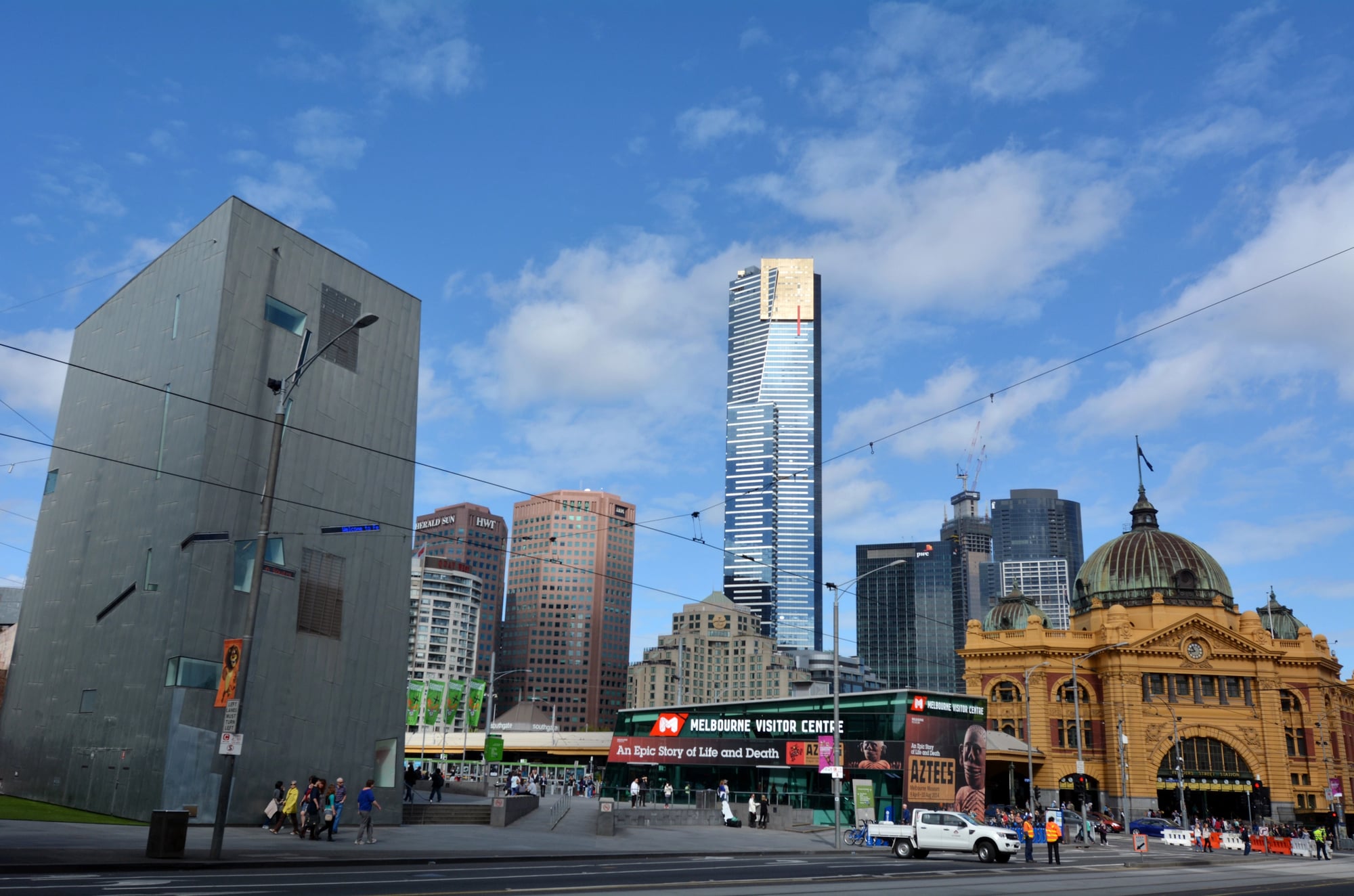
Federation Square sprawls across central Melbourne like a collection of geometric puzzle pieces that someone assembled incorrectly. The complex opened in 2002 to house cultural institutions and public spaces, but the jagged facades and clashing materials create a visual chaos that feels more like architectural indigestion than civic pride.
The zinc and glass shards jut out at aggressive angles, creating a complex that photographs well from certain perspectives but overwhelms pedestrians at street level. Melburnians have spent two decades trying to warm up to their central gathering place, with mixed results.
The square functions adequately as a cultural hub, but it looks like someone dropped a crystal chandelier from a great height and decided to build around the wreckage.
Scottish Parliament Building, Edinburgh
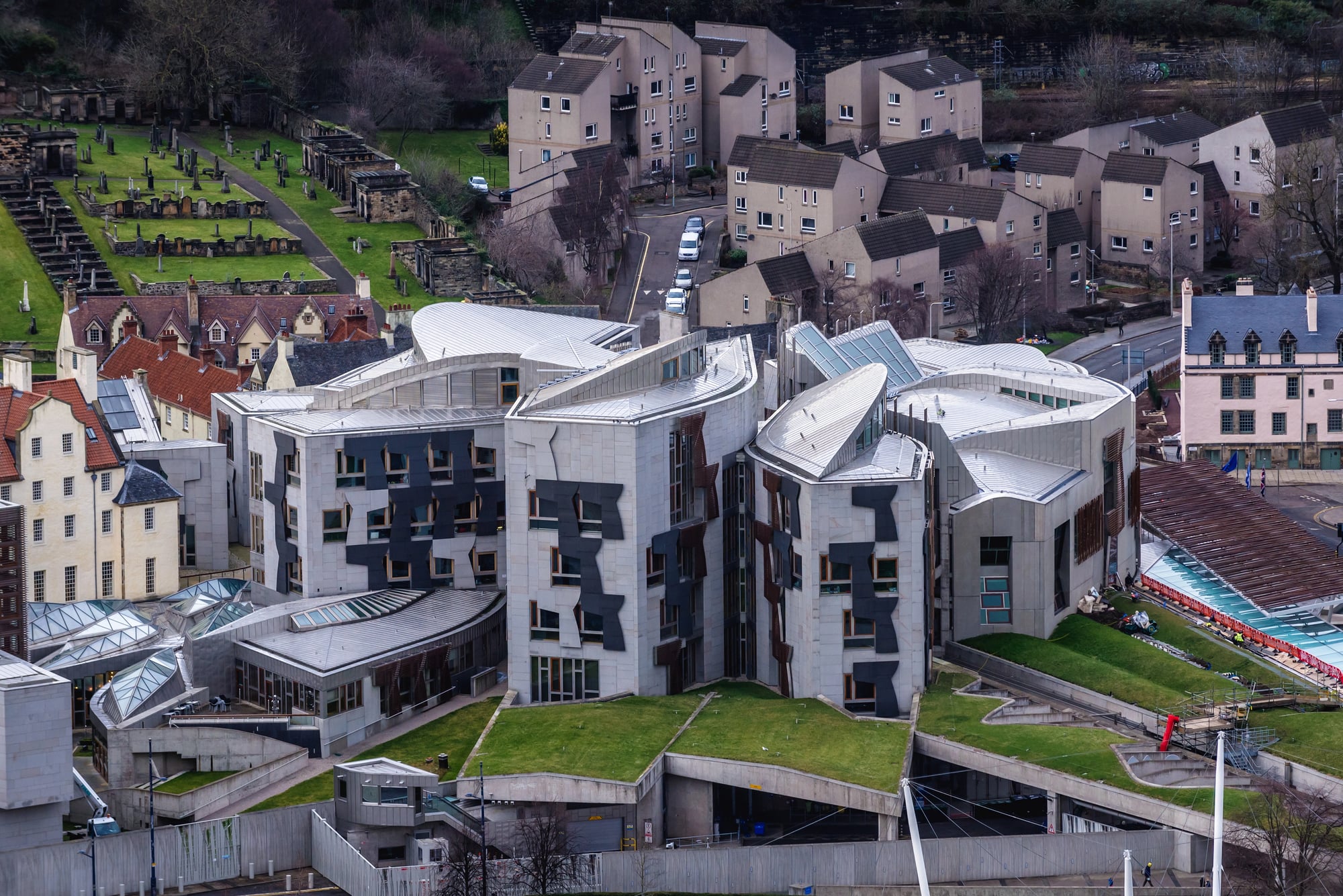
The Scottish Parliament building cost ten times its original budget and took three times longer to build than planned. The result looks like a collection of concrete boats that crashed into each other and decided to stay.
Enric Miralles designed a structure that was supposed to reflect Scotland’s landscape and democratic ideals, but the execution suggests those ideals might be more confused than inspiring. Concrete towers sprout from the complex at seemingly random angles, while leaf-shaped windows puncture the facades according to no discernible pattern.
The building sits uneasily against Edinburgh’s historic Royal Mile, creating a jarring contrast between centuries of refined Scottish architecture and whatever this is supposed to be. The interior functions well enough for parliamentary business, but the exterior remains a puzzle that even architects struggle to explain.
Walkie Talkie Building, London
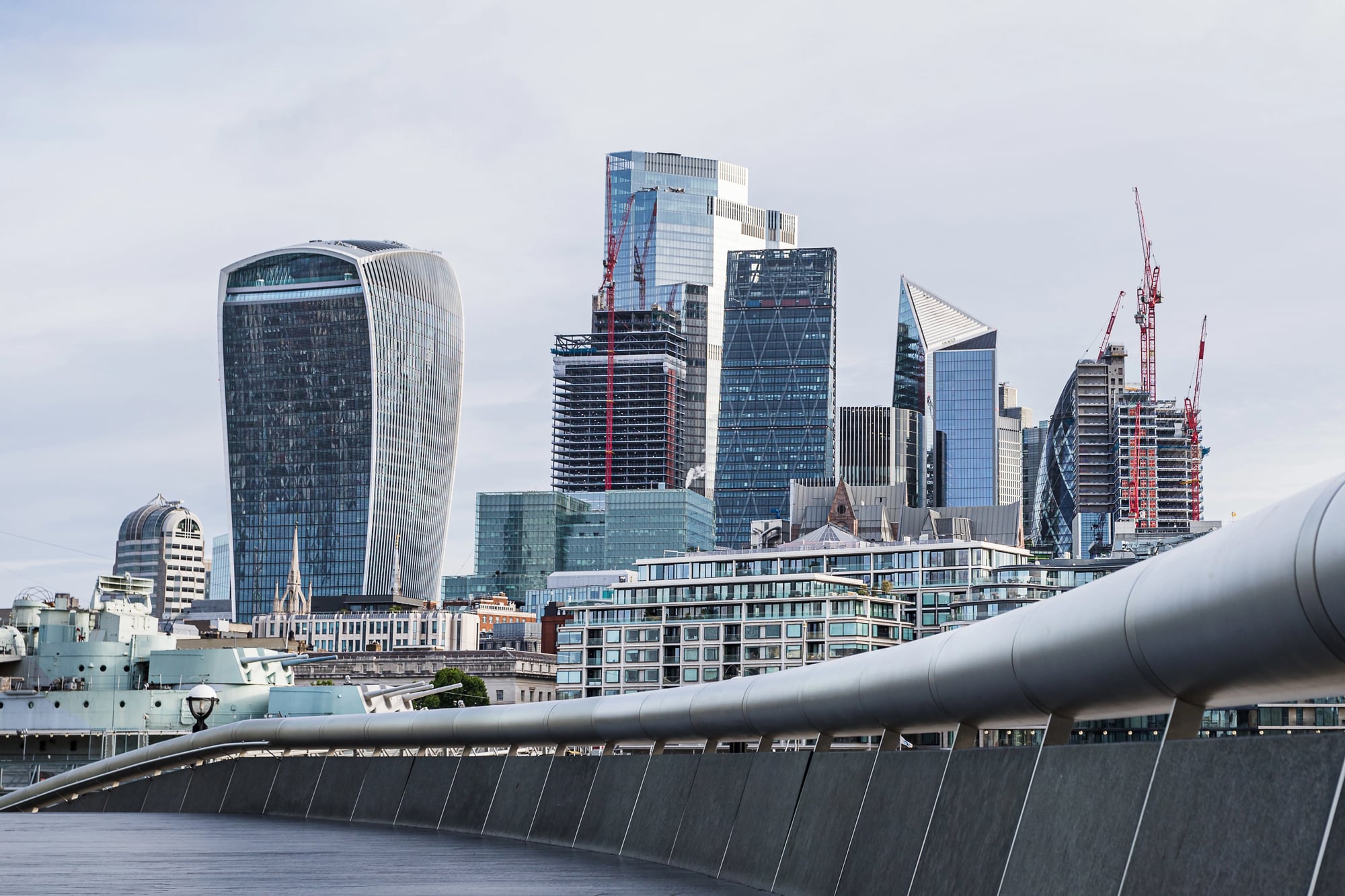
The Walkie Talkie Building curves upward from its narrow base like a concrete and glass ice cream cone, and it concentrates sunlight into a death ray that has melted cars parked on the street below. The 37-story tower at 20 Fenchurch Street was supposed to provide more floor space on upper levels, but the concave facade creates a parabolic mirror effect that focuses solar energy into a concentrated beam.
The building’s solar glare has warped car panels, melted bicycle seats, and created sidewalk temperatures hot enough to fry eggs. Developers eventually installed a sunshade system to prevent further automotive casualties, but the damage to the building’s reputation was already done.
The tower now stands as a monument to the law of unintended consequences in architectural design.
Gando Airport Terminal, Canary Islands
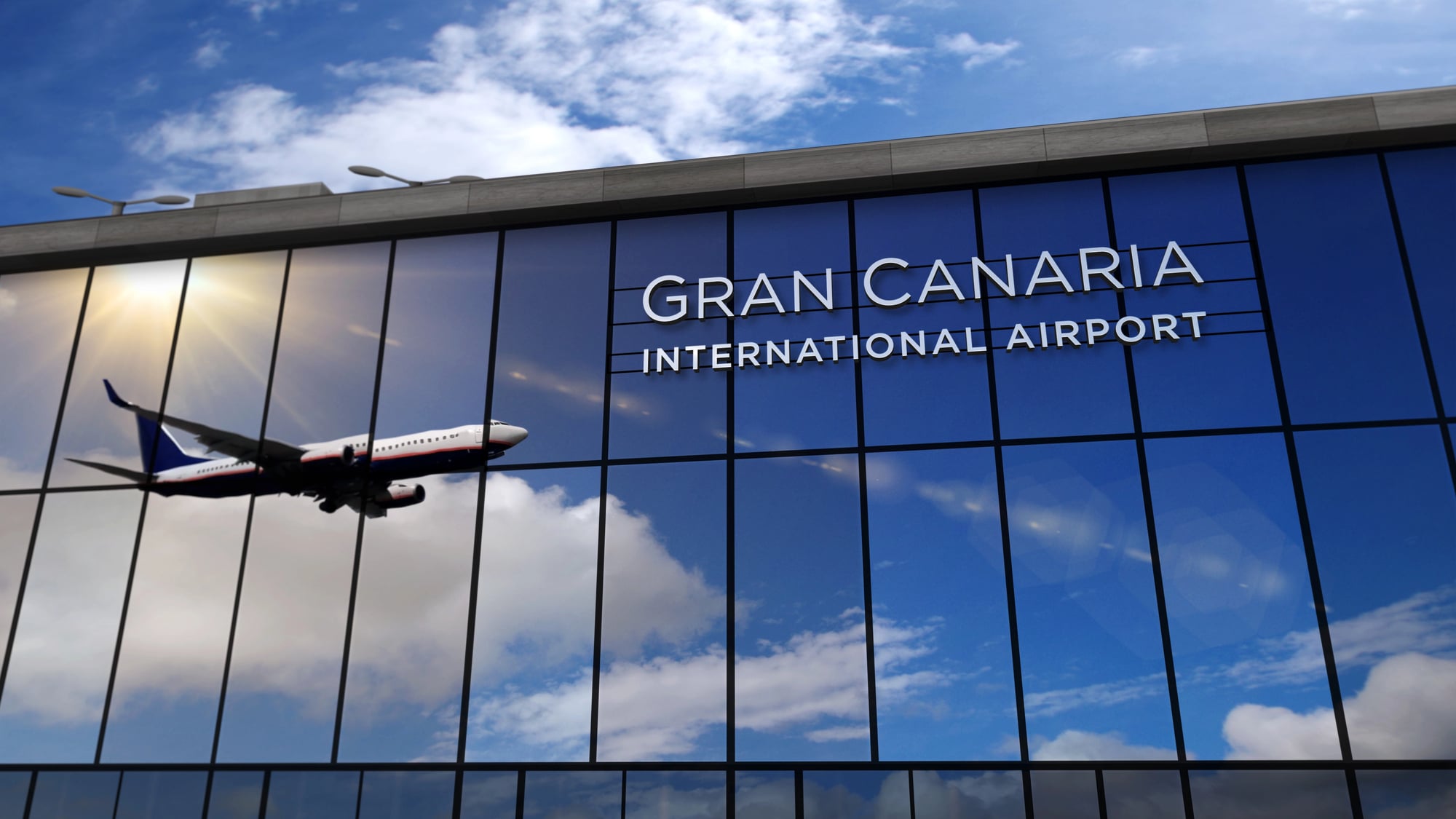
This terminal building looks like someone tried to build an airplane hangar but gave up halfway through and decided to add windows instead. The undulating roof creates interesting shadows, which would be more impressive if the rest of the structure didn’t resemble an industrial accident frozen in concrete.
The building serves its function as an airport terminal, but passengers arriving in the Canary Islands are greeted by what appears to be a concrete wave that someone forgot to finish. The roof’s dramatic curves clash with the utilitarian base, creating a structure that can’t decide whether it wants to be sculptural or practical.
The Fang Yuan Building, Shenyang
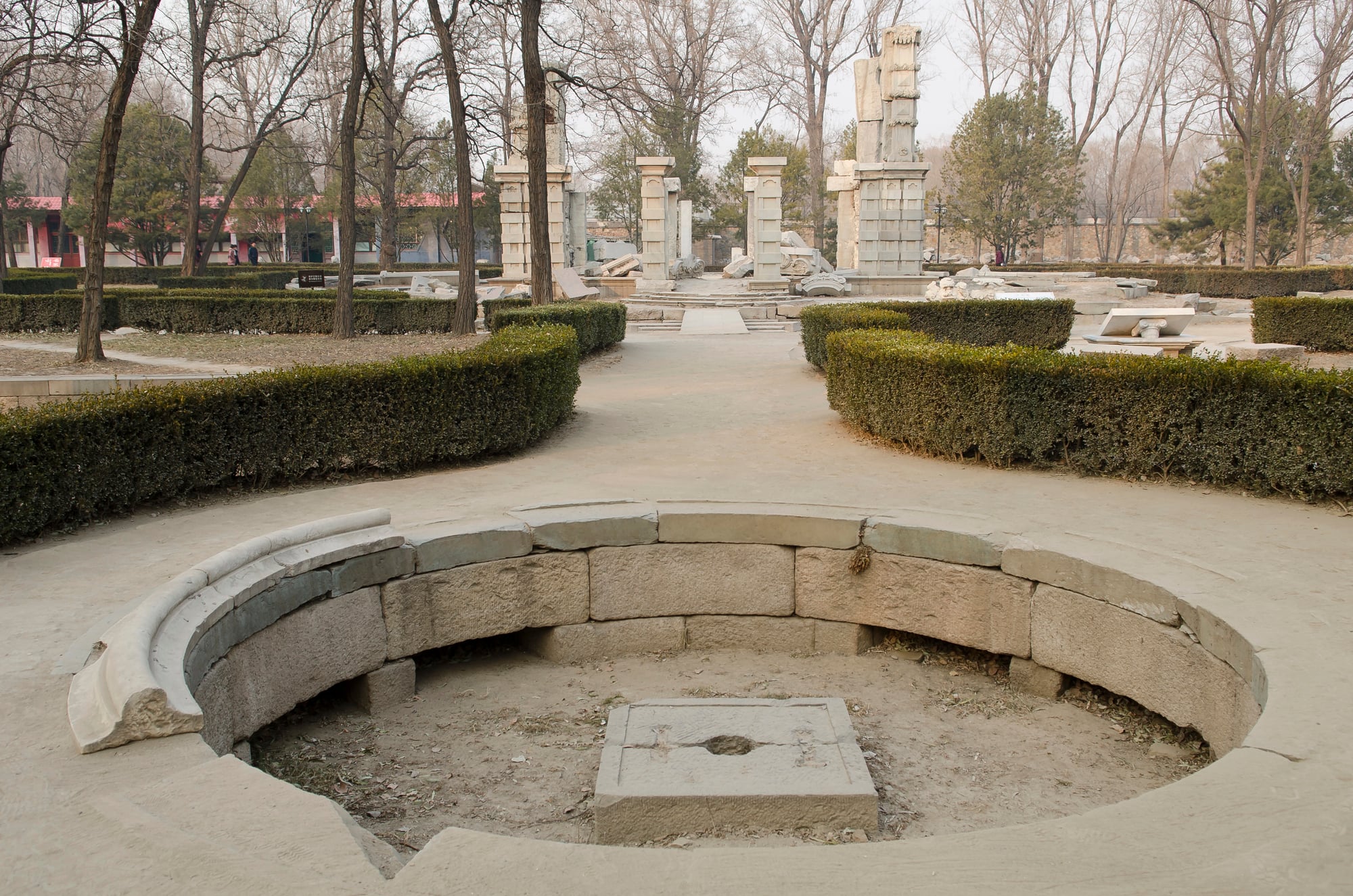
Someone in Shenyang decided their city needed a 24-story building shaped like an ancient Chinese coin, complete with a massive circular pit punched through the middle. The Fang Yuan Building rises from its rectangular base before transitioning into a perfect circle with a square pit at the center, creating a structure that looks like architectural symbolism taken to its logical extreme.
The building functions as office space, but the dramatic shape creates numerous dead zones and awkward floor plates that make efficient use of interior space nearly impossible. The circular sections offer panoramic views, assuming tenants can navigate the maze of curved corridors and oddly shaped rooms required to reach them.
The building photographs impressively from a distance, but the closer inspection reveals the practical compromises required to make such an ambitious shape barely functional.
Morris A. Mechanic Theatre, Baltimore
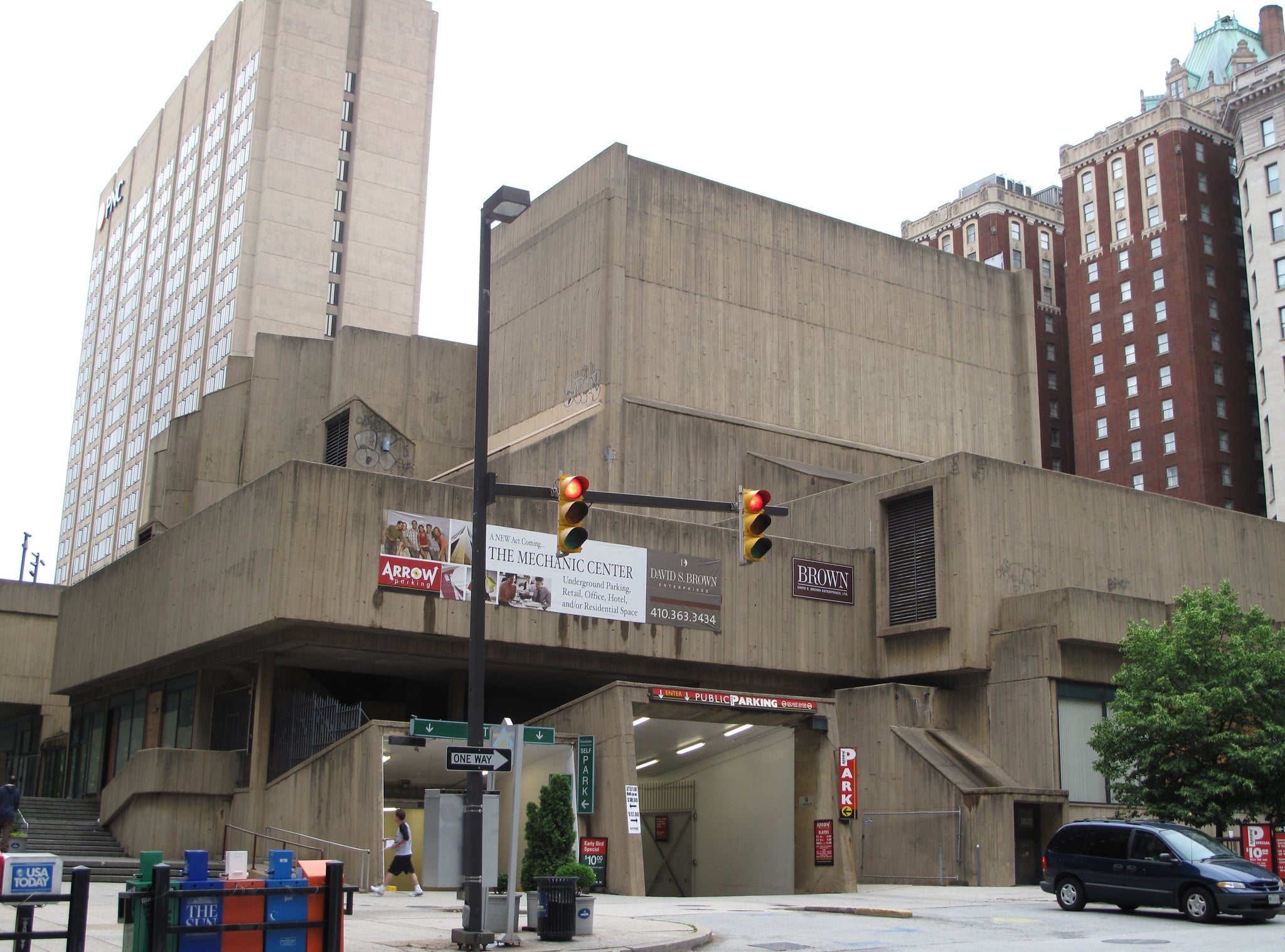
The Mechanic Theatre squats in downtown Baltimore like a concrete bunker designed by someone who heard about theaters but never actually visited one. The Brutalist structure opened in 1967 with exterior walls that slope inward, creating the impression that the building is slowly collapsing under its own weight.
The theater’s windowless facade offers no hints about the cultural activities supposedly happening inside. Instead, it presents a wall of concrete that manages to look both fortress-like and temporary at the same time.
The building serves Baltimore’s theater community adequately, but its exterior suggests that culture is something to be hidden from public view rather than celebrated.
National Theatre, London
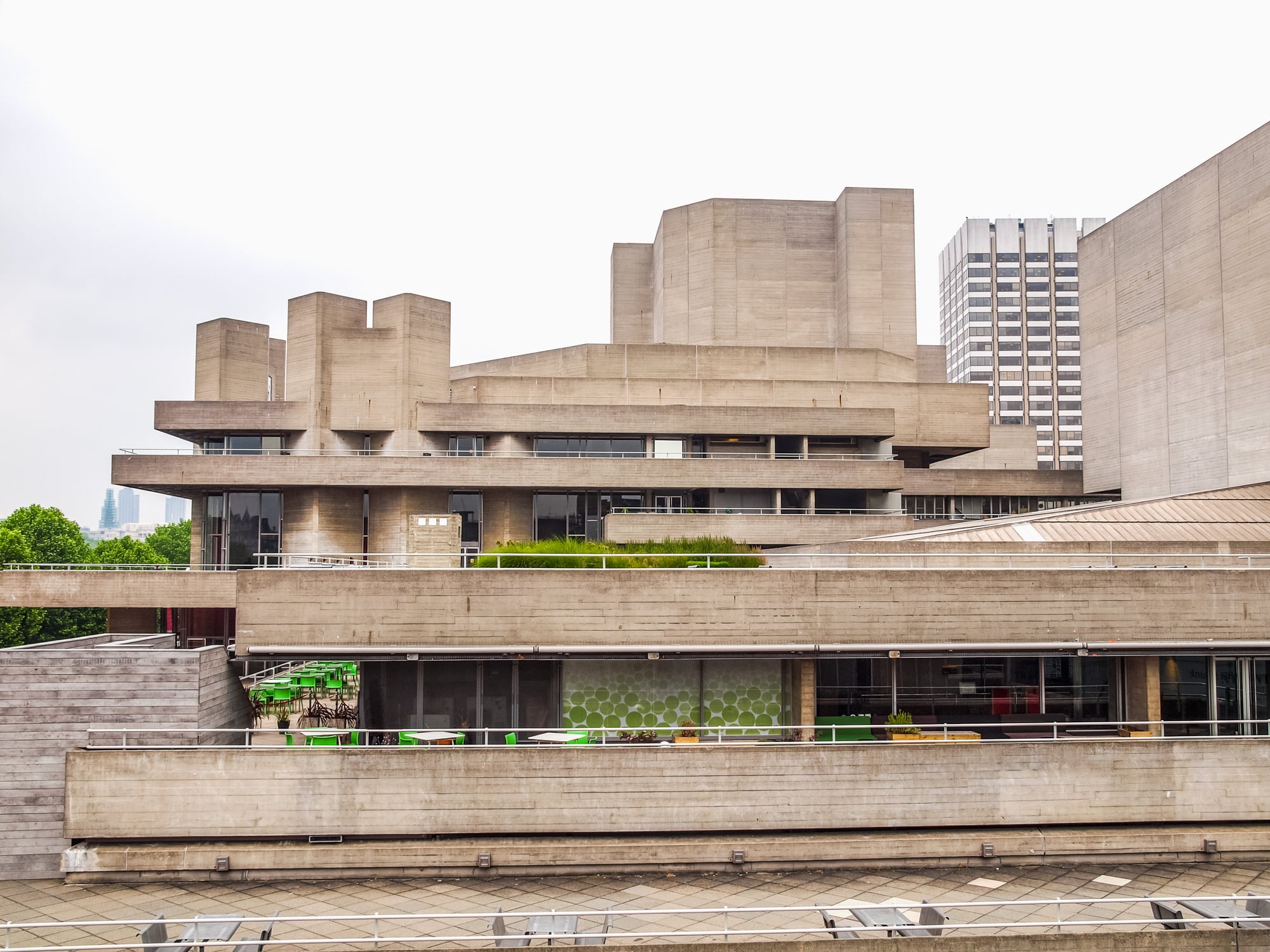
London’s National Theatre complex spreads across the South Bank like a collection of concrete boxes that someone arranged without consulting a plan. The Brutalist buildings opened in the 1970s to house three theaters, but the exterior suggests institutional housing rather than cultural celebration.
Concrete terraces and angular protrusions create a maze of levels that confuses visitors and locals alike. The building’s raw concrete surfaces weather poorly in London’s damp climate, creating streaks and stains that add to the institutional atmosphere.
The theaters themselves function beautifully for their intended purpose, but reaching them requires navigation through a concrete landscape that feels more like urban planning gone wrong than architectural achievement.
Tour Montparnasse, Paris
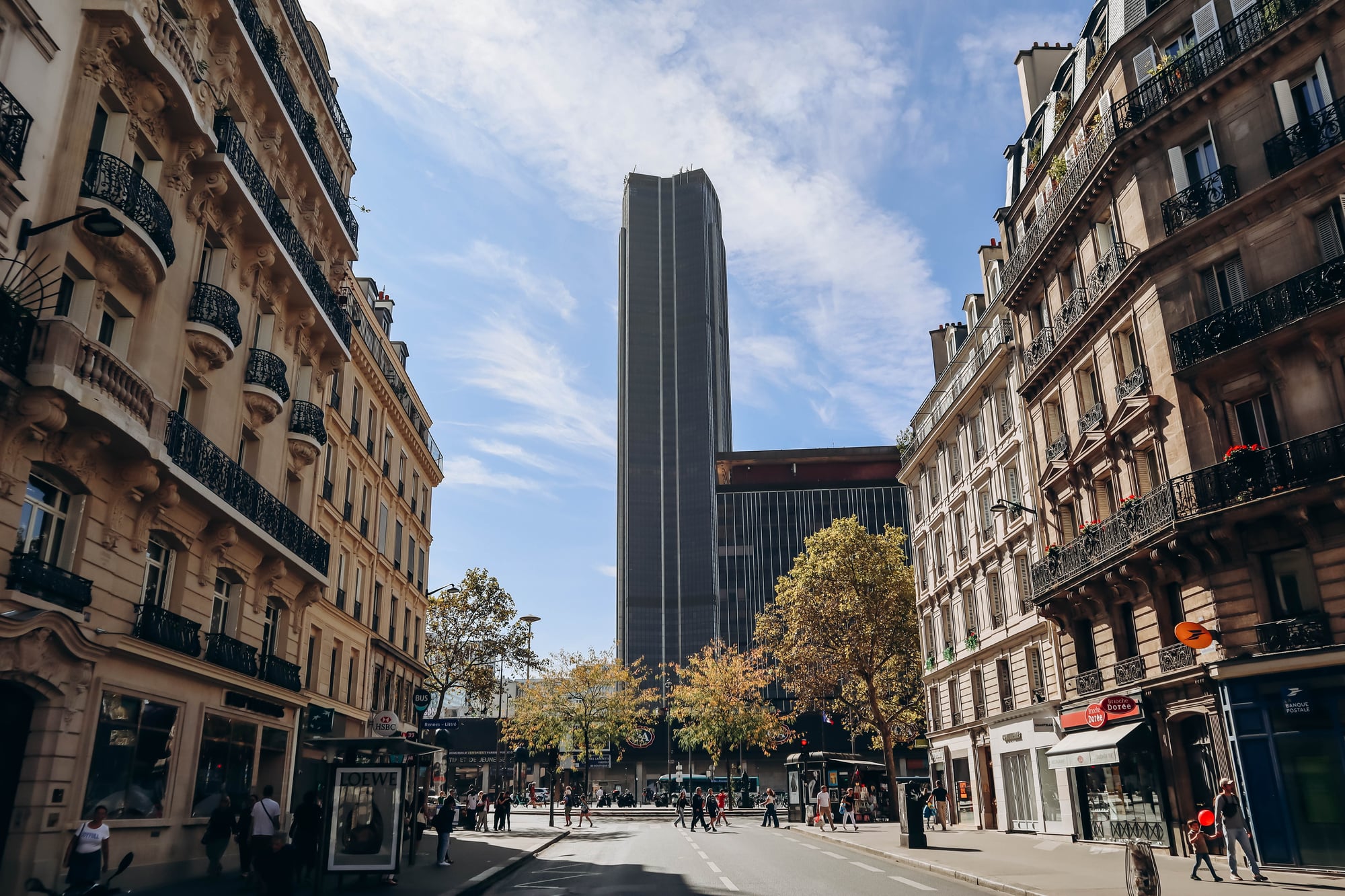
This 689-foot glass and steel tower rises from central Paris like a corporate middle finger pointed at centuries of careful urban planning. The Montparnasse Tower opened in 1973 as the only skyscraper permitted in central Paris, and its presence explains why the city banned similar construction afterward.
The building’s dark glass facade reflects nothing while contributing nothing to the Parisian skyline. It lurks behind the elegant Haussmanian buildings like an industrial accident that someone forgot to clean up.
The tower offers spectacular views of Paris from its observation deck, which makes sense — it’s the one place in the city where you can’t see the building itself.
Denver International Airport
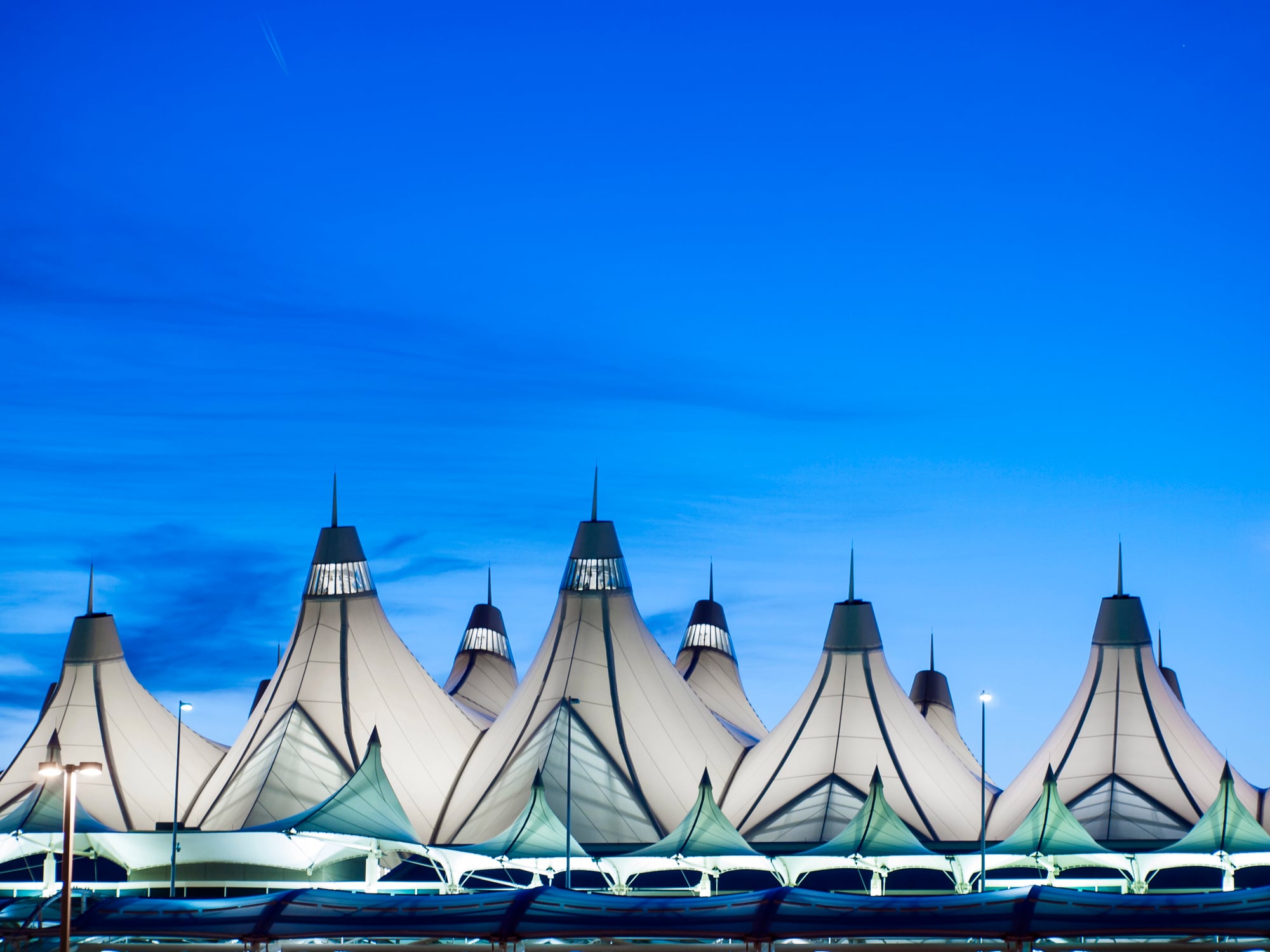
Denver’s airport terminal rises from the Colorado plains like a collection of white circus tents designed by someone who had never actually seen a circus. The peaked fabric roof was supposed to evoke the Rocky Mountains, but the result looks more like a permanent camping disaster spread across several square miles.
The terminal’s white peaks sag and billow in ways that suggest the entire structure might blow away in a strong wind. The building functions adequately as an airport, but passengers approaching Denver are greeted by what appears to be the world’s largest outdoor equipment store that someone forgot to anchor properly.
The roof’s fabric panels require constant maintenance and replacement, which adds practical problems to the aesthetic ones.
Perth Concert Hall
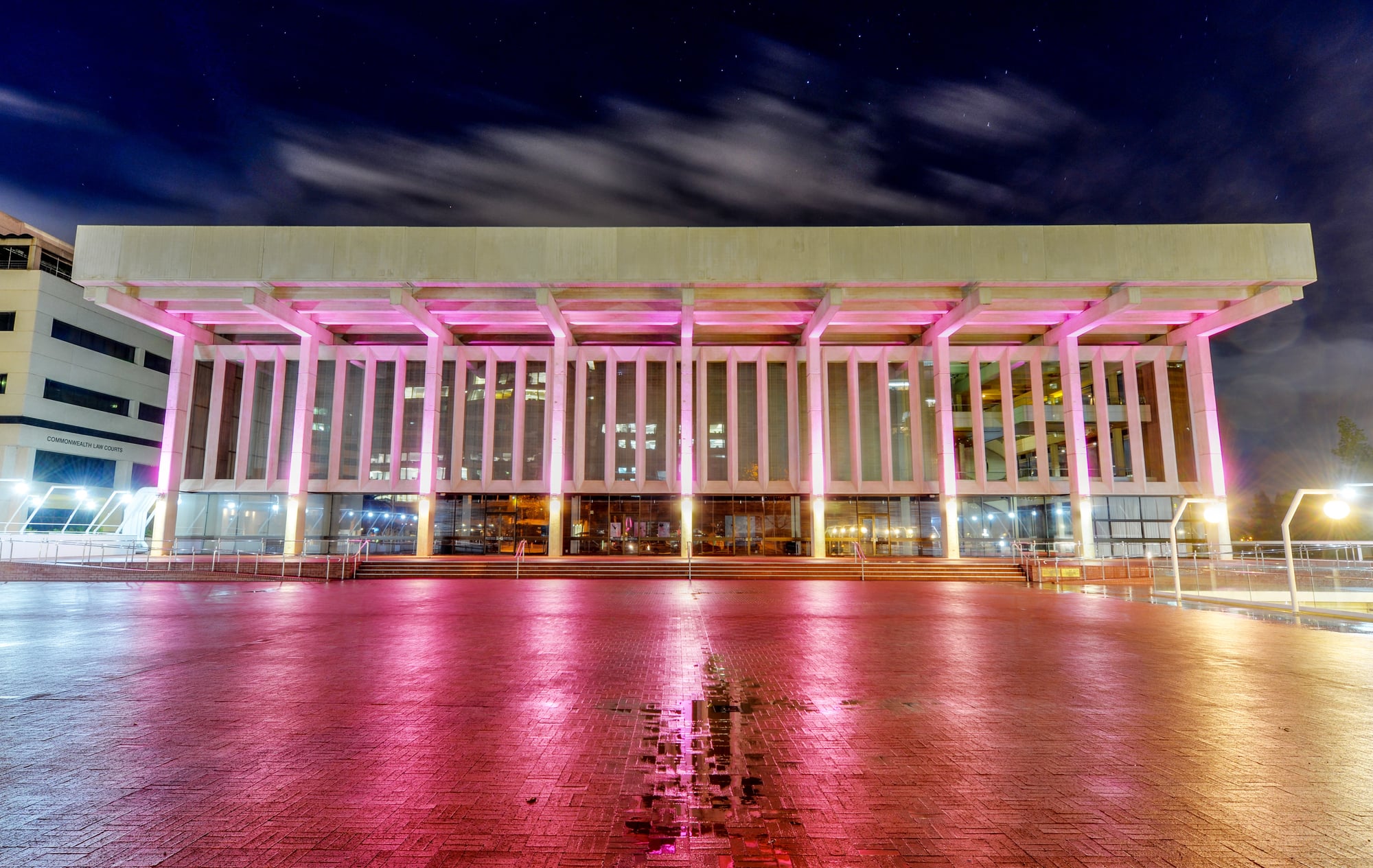
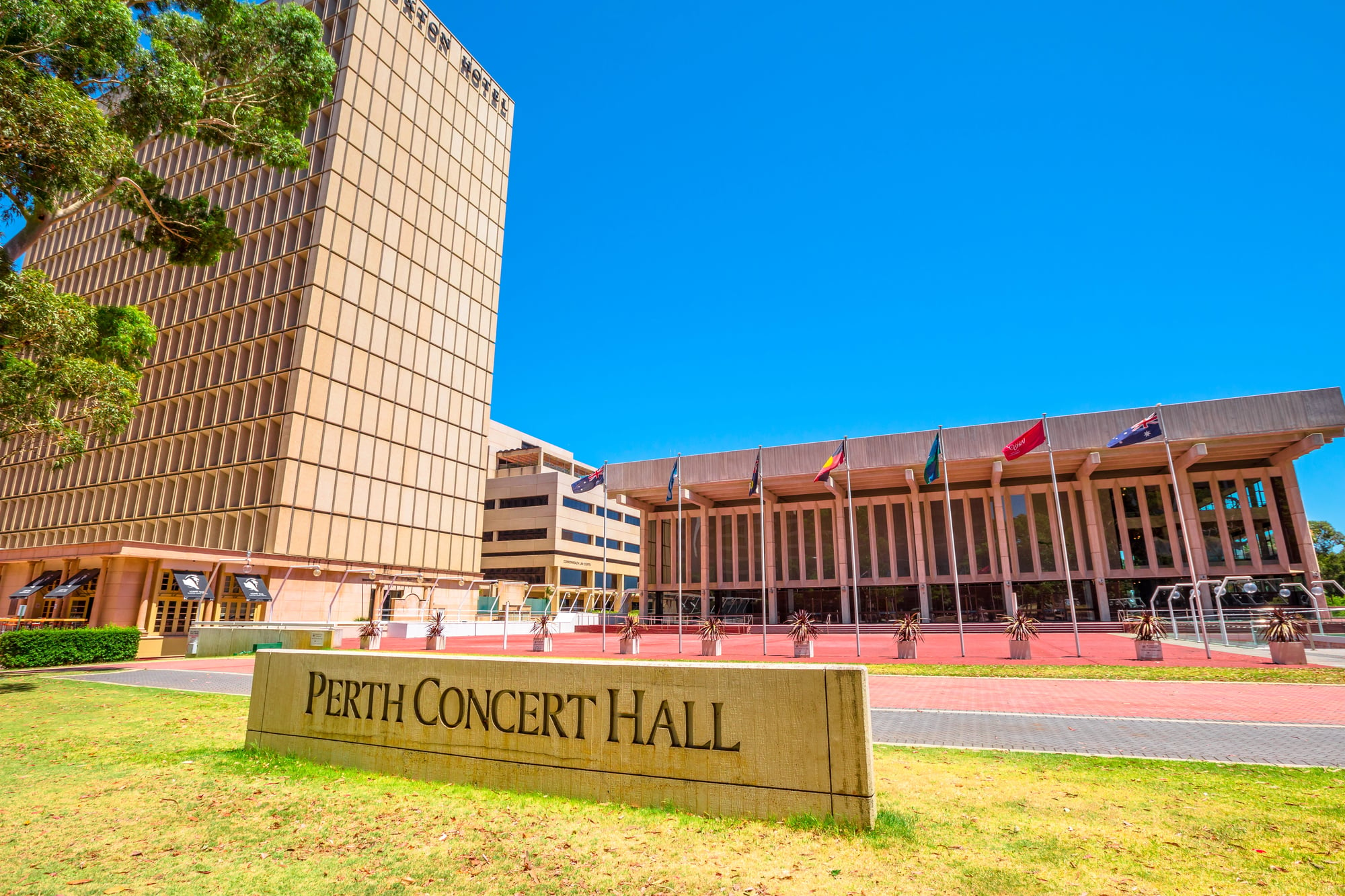
Perth’s Concert Hall presents a copper and concrete facade that time has weathered into something resembling a industrial accident preserved for educational purposes. The building opened in 1973 with a modernist design that was supposed to reflect Australia’s forward-thinking cultural ambitions, but the execution suggests those ambitions might have been premature.
The copper cladding has oxidized into streaky green patches that create a random pattern across the building’s surface. Combined with the concrete elements, the structure now resembles a chemistry experiment that went wrong and was left to age in the Australian sun.
The hall’s acoustics function well for concerts, but the exterior suggests that culture might be something that happens despite the building rather than because of it.
When Architecture Becomes Accidental Art
These buildings share a common thread beyond their questionable aesthetics — they reveal the gap between architectural ambition and human reality. Each represents someone’s sincere attempt to create something meaningful, whether that was democratic ideals made concrete or cultural celebration expressed in glass and steel.
The fact that they missed their mark so spectacularly doesn’t diminish the effort, but it does remind us that good intentions and bold vision don’t automatically translate into buildings people want to live with. Sometimes the most memorable architecture is memorable for all the wrong reasons, and these structures have achieved a kind of immortality through their spectacular failure to blend quietly into their surroundings.
More from Go2Tutors!

- The Romanov Crown Jewels and Their Tragic Fate
- 13 Historical Mysteries That Science Still Can’t Solve
- Famous Hoaxes That Fooled the World for Years
- 15 Child Stars with Tragic Adult Lives
- 16 Famous Jewelry Pieces in History
Like Go2Tutors’s content? Follow us on MSN.