15 Things That Were Completely Normal in the 1950s That Are Banned Today
The 1950s feel both impossibly distant and strangely familiar — a decade caught between black-and-white photographs and color television, between wartime rationing and suburban prosperity. What strikes you most when looking back isn’t just how different things were, but how many everyday practices from that era would land someone in serious legal trouble today.
The changes aren’t just about evolving social norms or shifting cultural attitudes. These are activities, products, and behaviors that were so routine your grandparents never questioned them, yet today they’re explicitly forbidden by law.
Asbestos in Everything

Asbestos was the miracle material of the 1950s. Fireproof insulation, floor tiles, ceiling panels, even toothpaste contained the stuff.
Builders wrapped it around pipes like Christmas ribbon, and nobody thought twice about it. The mineral seemed to solve every construction problem at once.
Heat resistance, durability, and cheap to produce — what wasn’t to love? Turns out, everything else about it.
Lead Paint on Nursery Walls

Parents in the 1950s carefully selected cheerful colors for their children’s bedrooms, never knowing they were coating the walls with poison. Lead paint was standard, bright, and lasted for years without chipping.
The irony cuts deep. The more loving attention parents paid to decorating their child’s room, the more lead they were likely applying.
Those perfectly painted nurseries were slow-motion disasters, and nobody had a clue.
DDT as Household Pesticide

Picture this: summer evening, 1955, and the mosquitoes are thick as fog around the back porch where your family has gathered after dinner (because that’s what families did then — they gathered, they sat together, they talked instead of retreating to separate screens). Someone reaches for the DDT spray the way you might reach for bug spray today, and suddenly the air shimmers with a fine mist that settles on everything: the wooden porch railings, the glasses of iced tea sweating in the humid air, the children’s hair as they lean back in their chairs to watch the spray catch the last light of the day.
DDT wasn’t just accepted — it was marketed as a household necessity, sold right next to the dish soap and laundry detergent. The advertisements showed smiling housewives spritzing it around kitchen counters, and nobody questioned whether something designed to kill insects might not be the best thing to breathe in every evening.
So families did what families do: they trusted the experts, they followed the recommendations, they sprayed their porches and watched the mosquitoes drop.
Doctors Recommending Specific Brands

Physicians in the 1950s didn’t just suggest you start exercising or eat more vegetables. They told you to buy Lucky Strike for your throat or recommended specific whiskey brands for heart health.
Medical endorsements were marketing gold. This wasn’t subtle product placement.
Doctors appeared in full-page magazine ads, stethoscopes draped around their necks, earnestly explaining why one brand of anything was medically superior to another.
Children Riding in Cars Without Restraints

Kids bounced around backseats like pinballs. No seatbelts, no car seats, certainly no regulations about where children could sit or how they should be secured.
The family station wagon was basically a rolling living room. Parents weren’t being reckless — this was simply how everyone traveled.
Children stood on bench seats to look out windows, crawled between the front and back during long drives, and took naps sprawled across the rear deck.
Lawn Darts in the Backyard

Those weren’t just oversized darts — they were weighted metal spears marketed as family entertainment. Lawn darts came with sharp points designed to stick into grass, and somehow the obvious danger escaped everyone’s notice for decades.
Backyard barbecues featured children hurling these things through the air while adults mixed cocktails and discussed the space race. The concept was simple: throw heavy, pointed objects as high as possible and hope they land in the target ring instead of someone’s skull.
What exactly anyone was thinking remains unclear.
Public Asbestos Snow

Winter wonderlands got an artificial boost from asbestos flakes. Department stores created snowy window displays by sprinkling pure asbestos over their holiday scenes.
Children pressed their faces against glass windows inches away from carcinogenic snowdrifts. The practice extended beyond retail displays.
Movie sets, Christmas pageants, and community events all used asbestos as fake snow.
Mercury Thermometers for Everyone

Breaking a thermometer meant watching tiny silver spheres of mercury roll across the floor like orb bearings — and then picking them up with your bare hands. This liquid metal (which sounds dangerous even when you say it out loud) lived in medicine cabinets in every home, ready to shatter and scatter at the slightest provocation.
Children found mercury fascinating, which makes perfect sense because it is fascinating: a metal that flows like water, forms perfect spheres when it hits the ground, and reflects light like a mirror. And so kids would play with it, rolling it around in their palms, watching it separate and merge again, breathing in the vapors that were slowly poisoning their developing nervous systems.
But nobody knew that part yet — they just knew it made excellent thermometers and kept kids entertained when they were sick.
Chain Stores Discriminating Openly

“Whites Only” signs weren’t hidden or whispered policies — they were posted in store windows like business hours. Restaurants, hotels, and shops legally refused service based on race, and local governments backed them up with Jim Crow laws.
The signs were often hand-painted and permanently mounted, not temporary notices that could be quickly removed. Store owners invested in professional signage to advertise their discrimination.
That level of openness about excluding entire groups of people was not only legal but socially expected in much of the country.
Hitchhiking as Regular Transportation

Thumbing a ride was as normal as catching a bus. Parents sent teenagers off to hitchhike across states, and drivers routinely picked up strangers without a second thought.
College students hitchhiked home for holidays. Families on vacation would pick up hitchhikers to help with gas money and have someone to talk to during long drives.
The practice was so common that many highways had designated hitchhiking spots where people would gather and wait for rides.
Workplace Harassment as Office Culture

Harassment wasn’t just tolerated in 1950s workplaces — it was considered normal office behavior. Secretaries expected unwanted advances from their bosses, and women who complained were told they were being too sensitive.
The Mad Men stereotype exists because that’s exactly how offices operated. Women were hired based on appearance, subjected to constant commentary about their bodies, and expected to laugh off behavior that would result in immediate termination today.
Personnel departments (they weren’t called Human Resources yet) actively participated in this culture rather than preventing it.
Children Working Dangerous Jobs

Child labor laws existed but had enormous loopholes (you could drive a tractor through them, which kids often did, sometimes literally). Children operated heavy machinery on family farms, worked in factories during school breaks, and took jobs that would horrify modern safety inspectors.
Twelve-year-olds ran cash registers, fourteen-year-olds worked construction sites with their fathers, and teenagers operated industrial equipment without safety training. The concept of age-appropriate work was limited to keeping very small children out of coal mines — everything else was fair game.
Agriculture was particularly brutal. Children worked long hours during harvest season, handled dangerous chemicals, and operated machinery designed for adults.
Radioactive Household Products
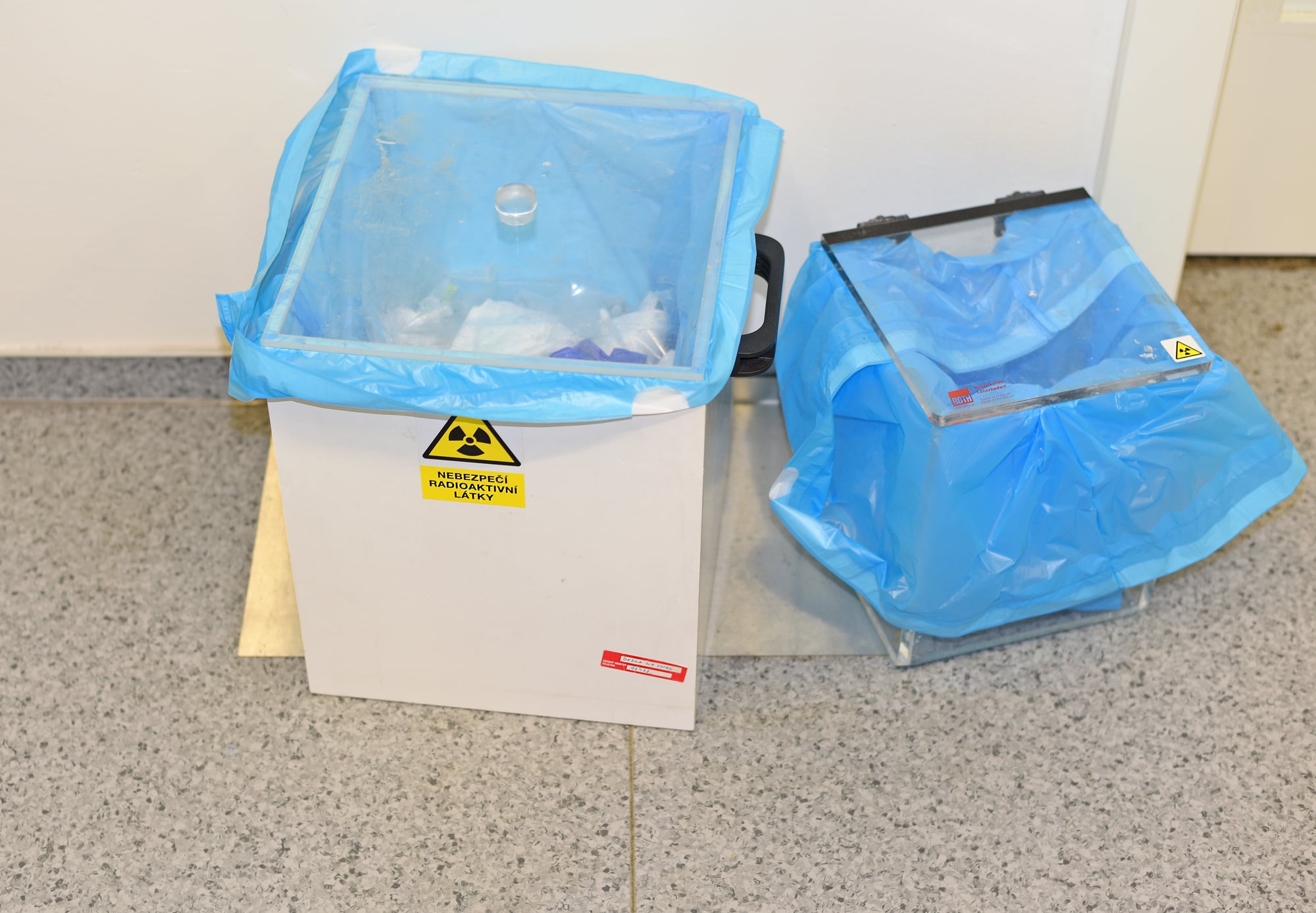
Radium was the glow-in-the-dark material of choice, added to watch faces, alarm clocks, and novelty items. Radioactivity was seen as modern and exciting rather than dangerous.
Some toothpastes contained radium for “enhanced cleaning power.” Energy drinks were marketed as health tonics with radioactive elements.
The radium watch dials of the 1950s were a legacy of earlier manufacturing practices (such as the now-recognized dangerous practice of watch painters in prior decades who had licked radium brushes), though by the 1950s awareness of radium’s dangers was growing.
Businesses Refusing to Serve Women

Banks could legally refuse to give women credit cards or business loans without a male cosigner. Restaurants had separate entrances for women, and many establishments simply didn’t allow unaccompanied women at all.
Women couldn’t get mortgages, credit cards, or business licenses without their husband’s permission and signature. This wasn’t informal discrimination — it was written into bank policies and lending requirements.
A woman’s financial identity was legally tied to her husband’s, regardless of her own income or credit history.
Prescription Amphetamines for Weight Loss

Diet pills were pure amphetamines handed out like candy. Doctors prescribed methamphetamine for weight loss, and patients took it daily without understanding they were developing serious addictions.
Housewives across America were unknowingly taking speed to stay thin and energetic. The pills were marketed as safe diet aids, and physicians saw no problem with prescribing powerful stimulants for cosmetic weight loss.
Addiction wasn’t recognized as a potential side effect — patients were just told to take their medicine as directed.
Looking Back From Here

The distance between then and now isn’t just measured in years — it’s measured in the accumulation of hard-won knowledge about what kills us, what hurts us, and what we’ve decided we won’t tolerate anymore. Each of these fifteen practices didn’t disappear overnight; they were chipped away by lawsuits, studies, activism, and the slow recognition that normal doesn’t always mean safe or right.
The 1950s weren’t a simpler time — they were a time when we simply didn’t know better yet, or hadn’t yet found the courage to demand better.
More from Go2Tutors!

- The Romanov Crown Jewels and Their Tragic Fate
- 13 Historical Mysteries That Science Still Can’t Solve
- Famous Hoaxes That Fooled the World for Years
- 15 Child Stars with Tragic Adult Lives
- 16 Famous Jewelry Pieces in History
Like Go2Tutors’s content? Follow us on MSN.