Video Rental Store Habits Kids Today Will Never Get
Walking into a Blockbuster on a Friday night felt like entering a temple of possibility. The fluorescent lights hummed overhead while you wandered rows of plastic cases, each one promising two hours of escape from whatever teenage drama was consuming your life that week.
Today’s kids scroll through Netflix menus with the same energy as checking their phone for the third time in five minutes, but back then, choosing a movie was a commitment that required strategy, backup plans, and sometimes actual human negotiation.
The video rental store wasn’t just a place to grab entertainment—it was a social ecosystem with its own unwritten rules, recurring characters, and small daily dramas that played out between the comedy and horror sections. These rituals shaped how an entire generation experienced movies, and they’re now as extinct as the dinosaurs that starred in half the films on those shelves.
The New Release Sprint

Friday evenings turned ordinary suburbanites into Olympic sprinters. People would race straight from work to claim the three copies of whatever blockbuster had just dropped that week.
You learned to spot the regulars who had the same mission. The guy in the Honda Civic who always parked crooked because he was in such a rush.
The mom with two kids who somehow always beat everyone despite stopping at the grocery store first. Missing out on the new release meant your weekend plans just shifted from “watching the movie everyone’s talking about” to “explaining why you haven’t seen it yet” come Monday morning.
Wandering The Aisles Like A Lost Tourist
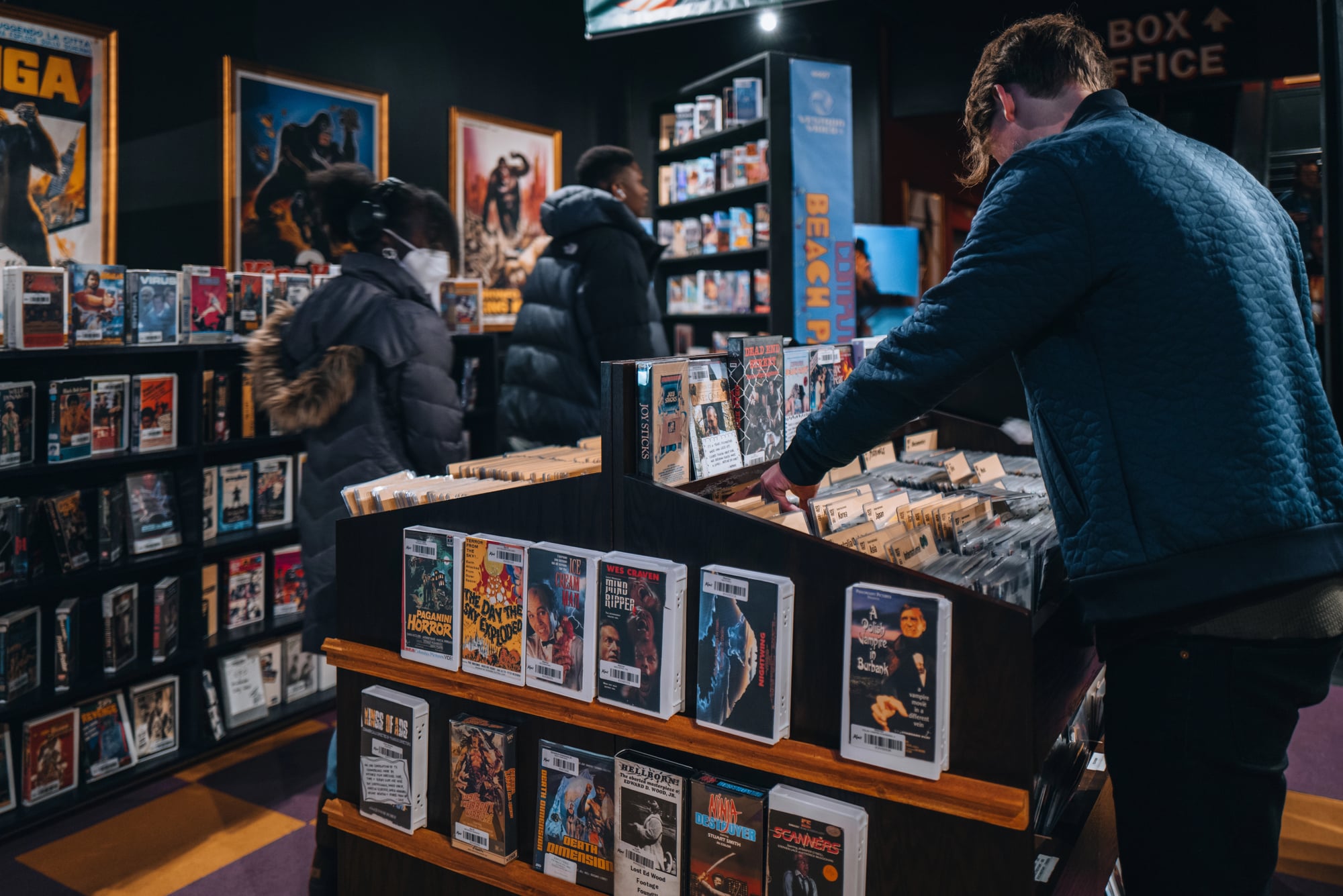
Browsing a video store resembled nothing so much as being a tourist in a foreign city where every street corner promised something you’d never seen before, but you couldn’t read the map and had no idea which neighborhoods were worth your time (or your five-dollar rental fee). You’d start with a plan—maybe you came for that comedy your friend mentioned—but then you’d spot something in the horror section that looked intriguing, which would remind you of that action movie you’d been meaning to watch, which would somehow lead you to the foreign film section even though you definitely weren’t in the mood to read subtitles tonight.
And yet there you’d stand, holding three completely different movies, paralyzed by the weight of choosing just one, because unlike today where a bad choice means clicking to something else in thirty seconds, this decision would define your entire evening. The store became a maze of second-guessing yourself, and somehow that made the eventual choice feel more meaningful than any algorithm-generated recommendation ever could.
Reading Every Single Box

The back of a VHS case was sacred text. You studied those three paragraphs like they contained the meaning of life, parsing every word for clues about whether this movie would deliver on its promises.
Movie descriptions back then were works of art in creative exaggeration. Every thriller was “pulse-pounding,” every comedy was “hilarious,” and every drama would “leave you breathless.”
But you learned to read between the lines. If the description mentioned the supporting actors more than the stars, that was usually a red flag.
If it spent too much time describing the plot setup and none on what actually happened, proceed with caution.
The Backup Plan Strategy

Smart renters never walked into a store with just one movie in mind. You needed a primary target, a solid backup, and at least two “well, I guess this could work” options in your back pocket.
This wasn’t paranoia—it was survival. Nothing stung quite like building your entire Friday night around watching a specific movie, only to find the shelf empty except for that one damaged copy with the cracked case that probably wouldn’t even play properly.
The backup plan became second nature. You’d unconsciously scout alternative options even while beelining toward your first choice, because disappointment hit different when it meant driving to another store or settling for whatever HBO was running for the fourth time that month.
Checking Due Dates Like A Hawk

Those little stickers with return dates became more important than any calendar appointment, because late fees could double or triple your rental cost faster than you could say “Be Kind, Rewind.” People developed elaborate systems for tracking due dates—notes on the fridge, alarms on digital watches, or just the constant low-level anxiety of knowing you had borrowed property sitting in your living room.
The due date mathematics were unforgiving. Rent on Friday, due back Sunday by 8 PM.
No exceptions, no “I was stuck in traffic” sympathy from the teenager behind the counter. Some people became so paranoid about late fees they’d return movies halfway through watching them, then rent them again the next day to finish.
Which sounds insane now, but made perfect sense when you were already stretching a tight budget to afford weekend entertainment.
Befriending Store Employees

The person working the counter held more power than they probably realized—they could tell you when new releases were coming in, hold a copy behind the counter, or conveniently forget to mention that late fee from two months ago. Building rapport with video store employees was part customer service, part community building, and part survival strategy.
These relationships had genuine warmth to them. The employees were usually movie lovers themselves, working there partly for the free rentals and early access to new releases.
They’d give you honest reviews, steer you away from the movies that looked good but disappointed everyone who rented them, and remember your preferences well enough to make actual recommendations. That kind of personalized service disappeared when algorithms took over, and something human went with it.
The Dreaded Rewind Fee
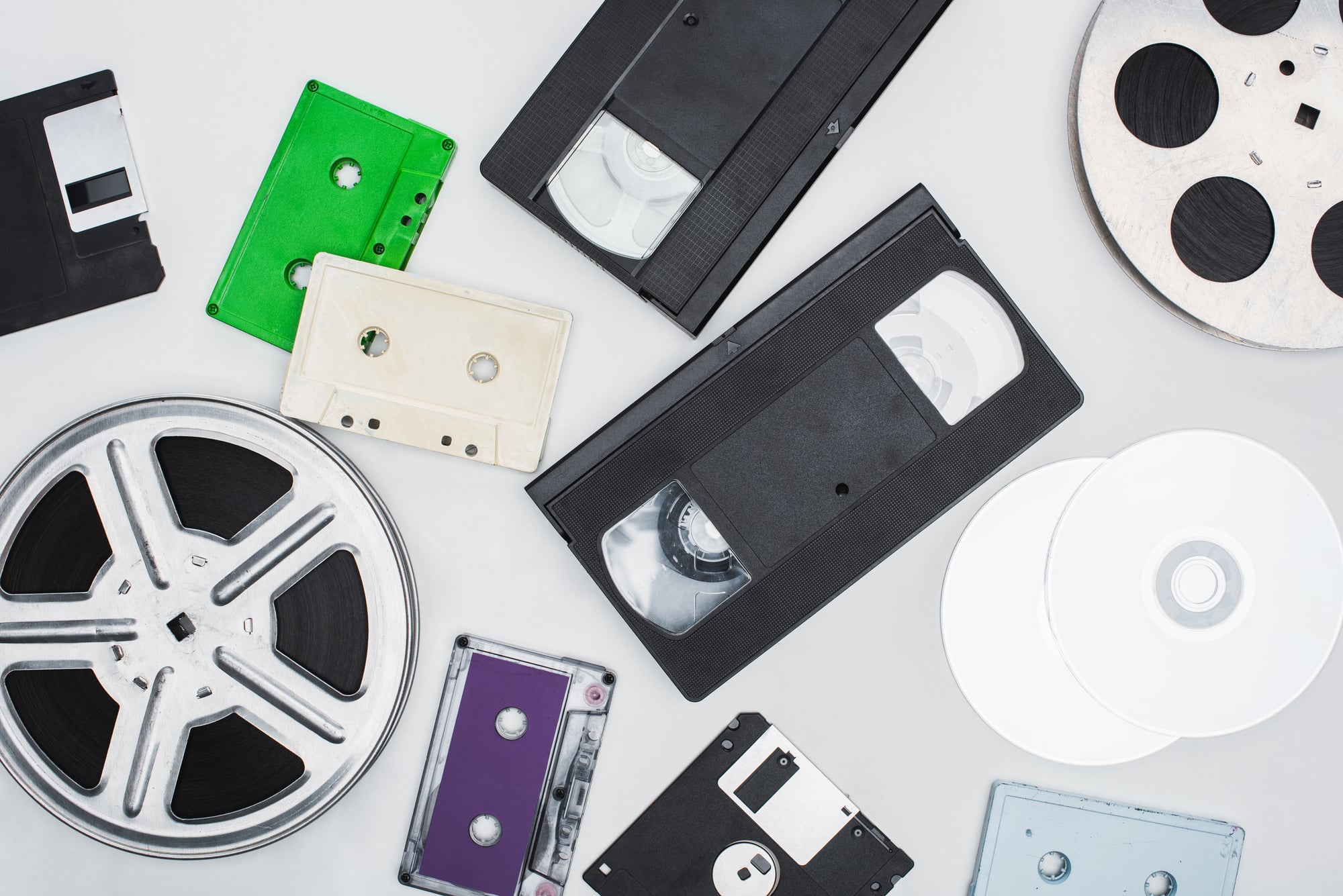
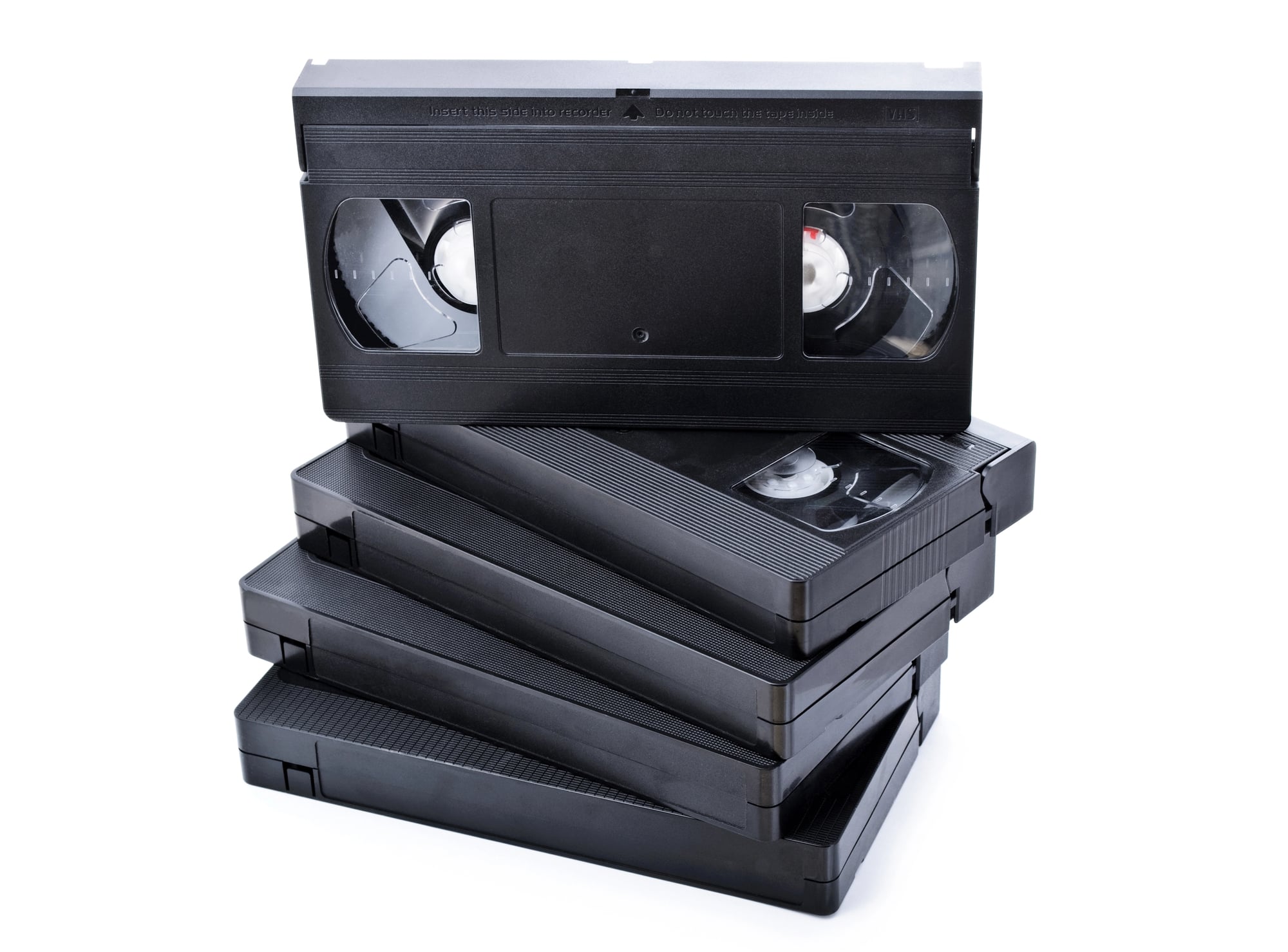
“Be Kind, Rewind” wasn’t just a slogan—it was a social contract that some people honored and others completely ignored, creating a weird class divide between considerate humans and monsters who returned movies still cued to the final credits.
Getting stuck with an unrewound VHS was like inheriting someone else’s mess. You’d have to sit there for five minutes watching the tape spool backward, listening to that distinctive whirring sound, before you could even start your movie.
Some stores charged rewind fees to combat this, but plenty of people paid the dollar rather than spend two minutes being courteous to the next customer. It said something about your character—were you the type of person who left things better than you found them, or did you figure that was somebody else’s problem?
Discovering Movies By Cover Art Alone
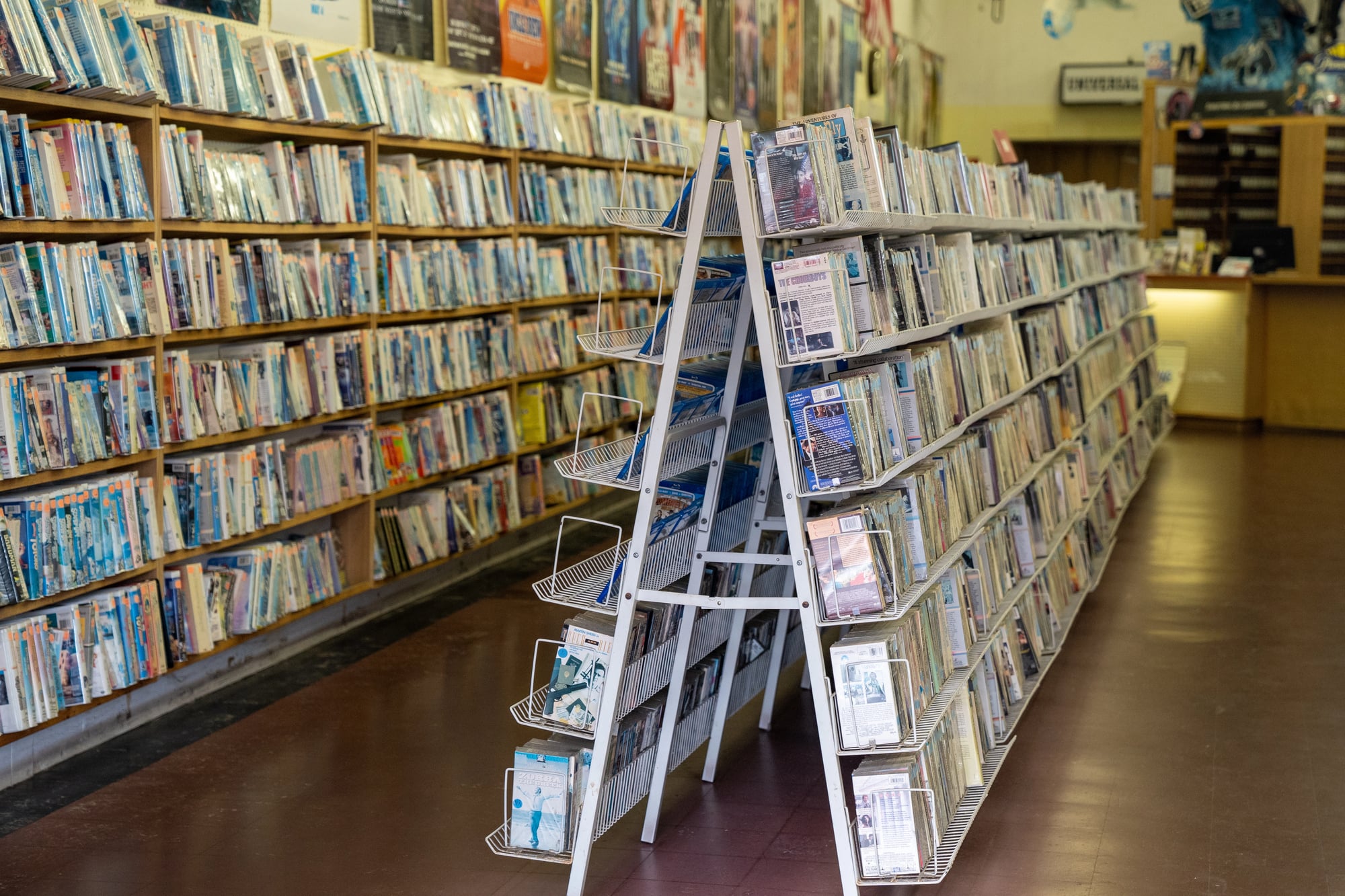
Movie posters in video stores were designed like book covers—they had to sell the entire story in one image, and sometimes that image had almost nothing to do with the actual movie. You’d rent something because the cover looked like the kind of B-movie that might be accidentally brilliant, or because the tagline was so ridiculous it crossed over into intriguing.
This led to some of the best accidental discoveries. With no trailers, no reviews, no Internet ratings to consult, you were making decisions based purely on gut instinct and whatever visual appeal the marketing team had cobbled together.
Sometimes you’d get burned by a terrible movie with great artwork, but just as often you’d stumble onto something genuinely surprising that you never would have clicked on in a streaming menu. The cover art lottery had higher stakes and better payoffs than any recommendation algorithm.
Fighting Over The Last Copy
Peak video store drama happened when two customers reached for the same movie at the same time, like some suburban version of gladiator combat where the prize was Friday night entertainment instead of freedom. These standoffs were awkward, wordless negotiations played out through body language and social cues.
Usually someone would back down with a gracious “Oh, you can take it,” but occasionally you’d encounter someone who clearly believed in movie rental survival of the fittest. The really tense moments happened when it was the last copy of something everyone wanted to see—the new release that had been out just long enough that you figured it would be available, but not long enough that the hype had died down.
Victory felt genuinely earned. Defeat meant restructuring your entire evening.
The Family Movie Compromise
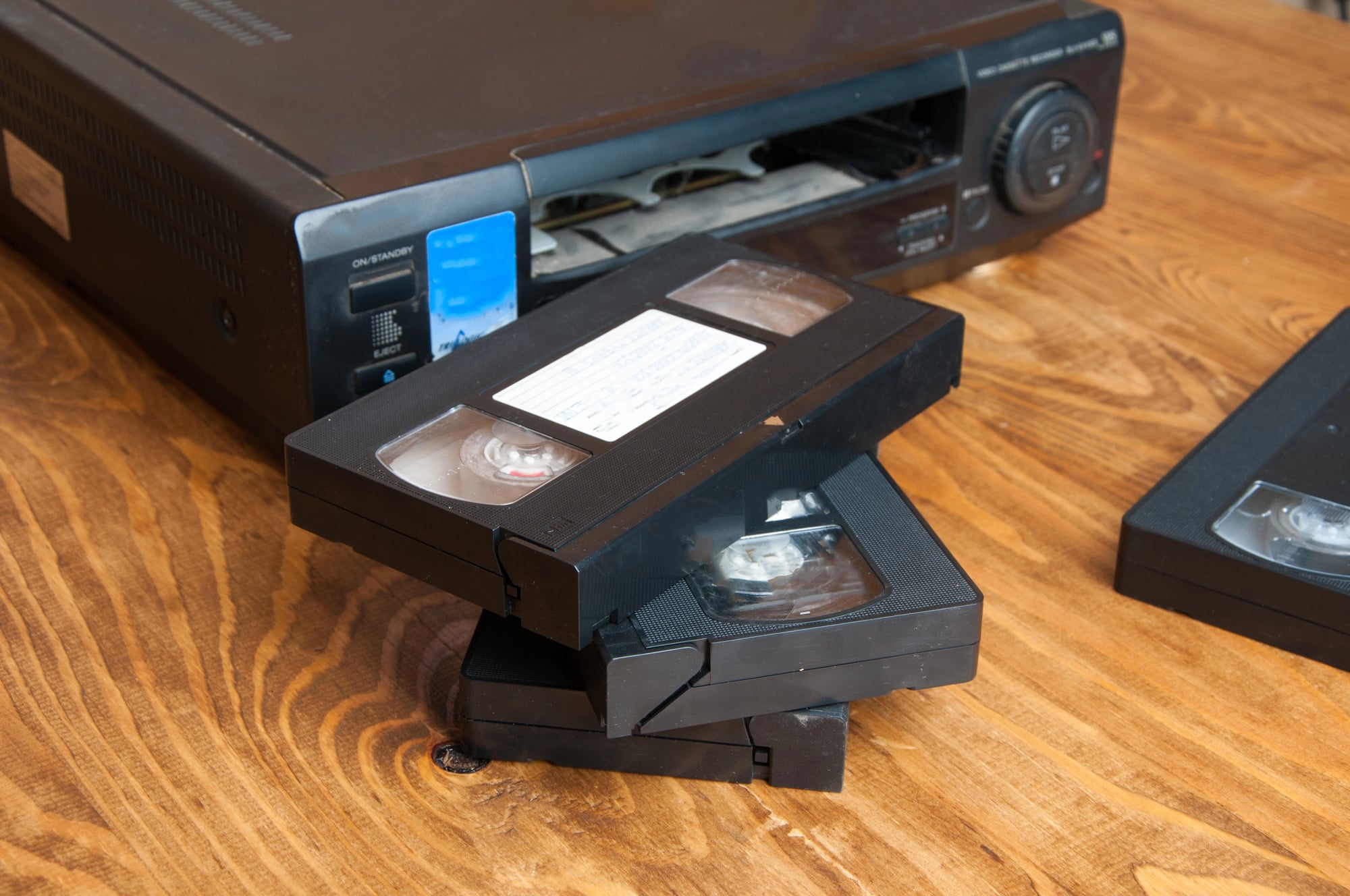
Renting a movie the whole family could watch required diplomatic skills that would have impressed the United Nations. Everyone had veto power, nobody wanted to be responsible for choosing something that bombed, and somehow you’d end up standing in the family section having heated negotiations about whether this particular PG-rated adventure would be too scary for your youngest sibling or too childish for the teenager who was already embarrassed to be seen in public with parents.
The compromise movie was rarely anyone’s first choice, but it represented a small miracle of consensus-building. By the time everyone agreed on something, you’d spent thirty minutes in the store and built up enough collective investment that even a mediocre movie felt like a victory.
The shared experience of choosing together meant something, even when the choice was just the least objectionable option to all parties involved.
Memorizing Store Layout
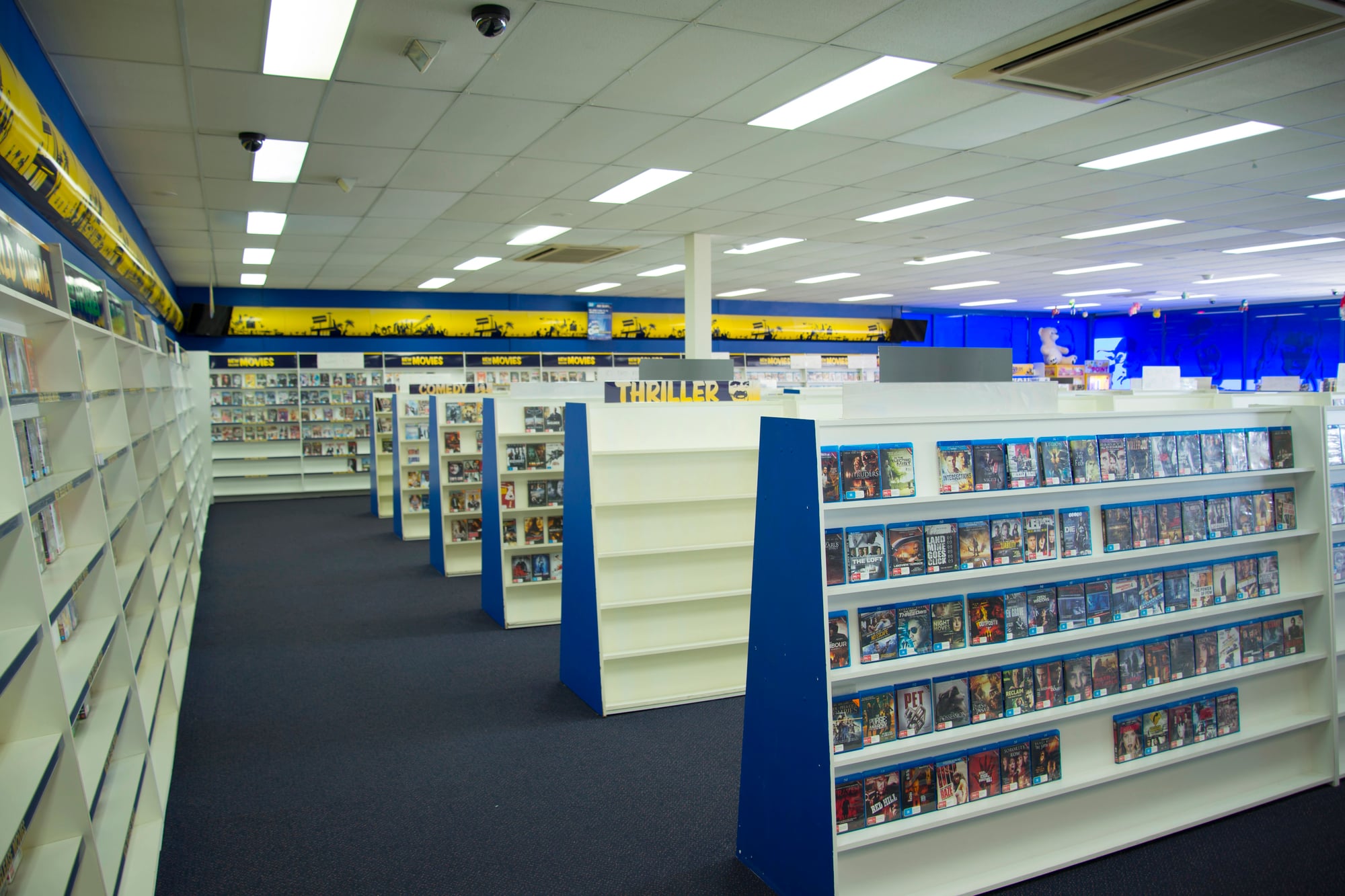
Regular customers knew their video store like a familiar neighborhood—comedy was always in the back left corner, new releases dominated the front wall, and the foreign films were tucked away where only serious movie nerds would venture. This mental mapping made you efficient, but it also made you territorial about your favorite browsing spots.
Every store had its own personality based on how they organized the collection. Some places filed everything alphabetically, others grouped by genre, and a few maverick stores came up with their own mysterious system that made sense only to whoever did the shelving.
Learning the layout was part of becoming a regular customer. You’d develop favorite sections and blind spots, places you always checked and areas you never bothered exploring.
The geography of the store shaped your movie-watching habits in ways you didn’t even realize.
Late Fee Shame
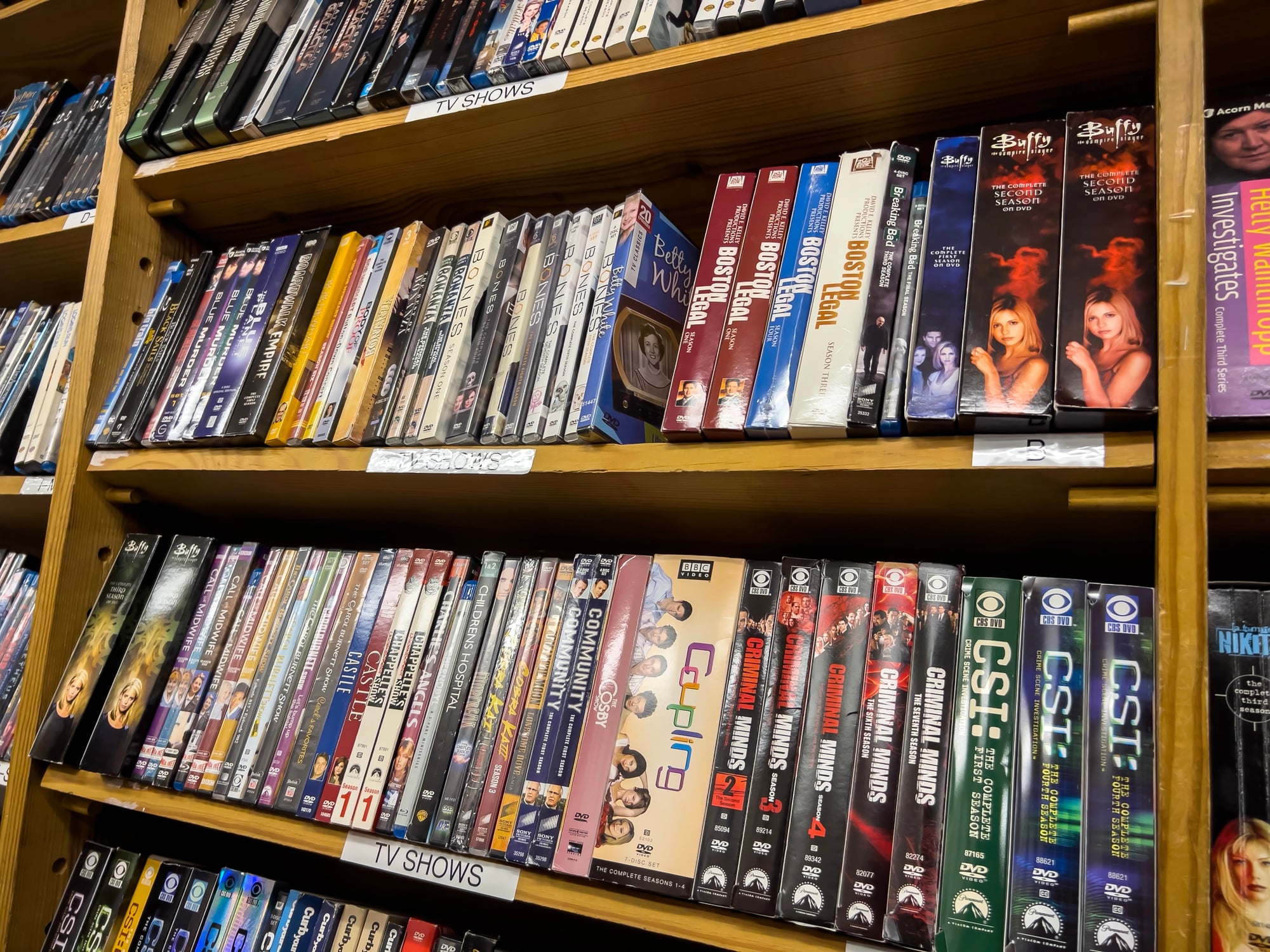
Walking into a video store knowing you owed money created a specific type of social anxiety that online transactions can’t replicate. Everyone could hear when the computer beeped with your overdue charges, and somehow a three-dollar late fee felt more embarrassing than it had any right to be.
The employee would always announce your total with that slightly judgmental tone that made it clear they’d seen your rental history and knew you’d had that copy of “The Matrix” for six days. You’d mumble some excuse about being busy while fishing exact change out of your pocket, hoping the line behind you wasn’t paying attention to your personal financial drama playing out at the counter.
But people were understanding about late fees—everyone had been there, and it was just part of the video store ecosystem.
The Weekend Rush Experience

Friday and Saturday nights turned video stores into barely controlled chaos, with lines snaking around displays and every employee working at maximum efficiency just to keep up with demand. The weekend rush had its own energy—part excitement, part stress, and entirely different from the quiet Tuesday afternoon browsing experience.
You learned to shop strategically during peak times. Get in, grab what you came for, have backup options ready, and don’t spend twenty minutes reading box descriptions when there are twelve people behind you waiting to check out.
The weekend rush was democracy in action—everyone wanted the same new releases, and first come, first served was the only fair way to handle it. But it also created a sense of shared purpose, like everyone was participating in some weekly ritual that connected the entire neighborhood.
Stumbling Into Hidden Gems
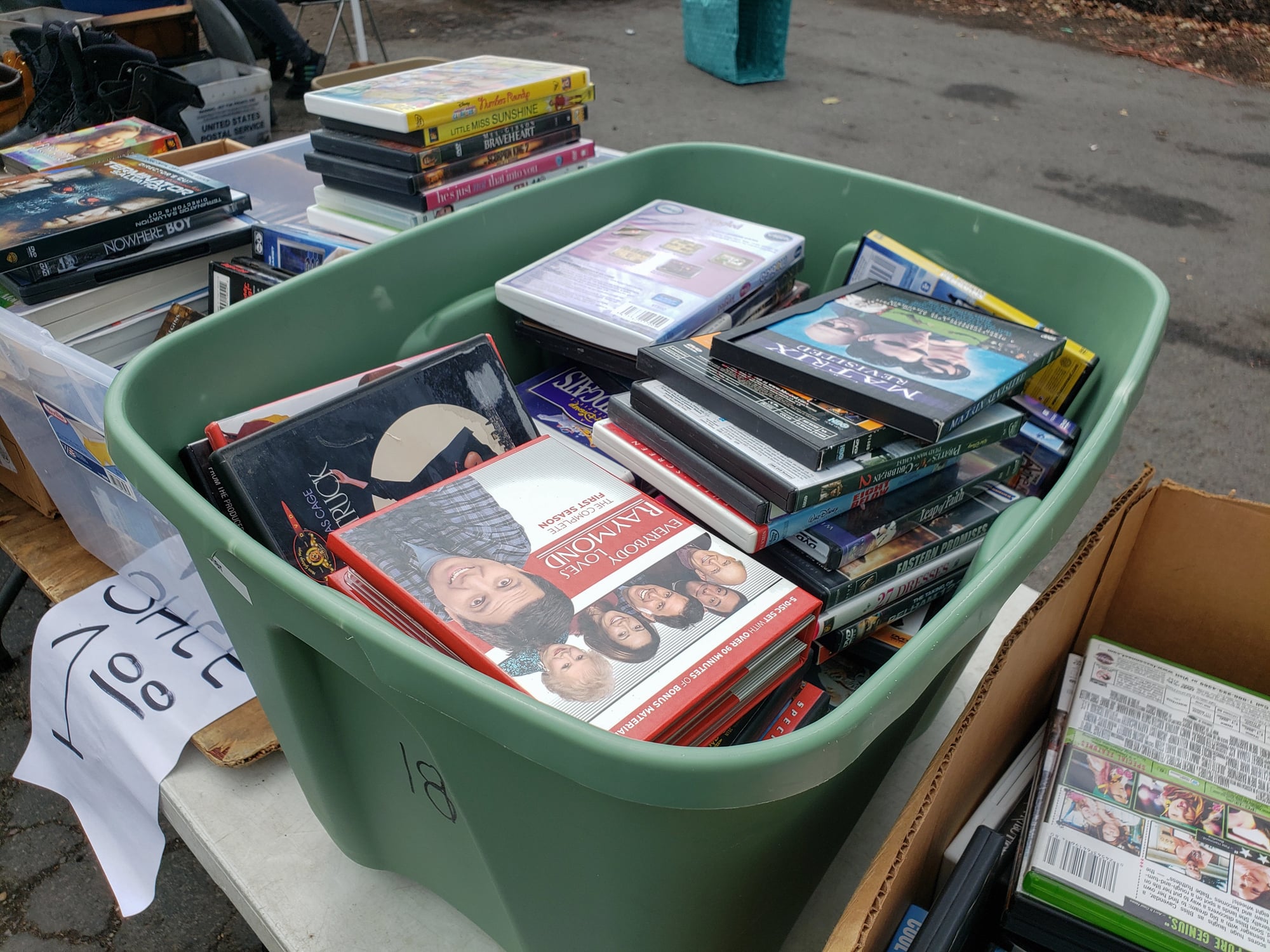
Without algorithms predicting what they’d like, people rented movies based on hunches, recommendations from friends, or simple curiosity about an interesting title. This led to genuine discovery in a way that feels almost impossible now, when every piece of media comes pre-sorted and pre-judged before it reaches your attention.
The video store was full of movies that had slipped through the cracks of mainstream awareness but found second lives on rental shelves. Foreign films that never got wide theatrical releases, independent movies that played in two theaters nationwide, and older films that studios had dumped onto video without much fanfare.
Browsing with an open mind meant you’d occasionally strike gold—finding something that became a personal favorite despite never appearing on any “must-see” lists. These accidental discoveries felt more personal than anything a recommendation engine has ever suggested.
When The Movie Turned Out Terrible

There was no undo button for a bad rental choice. You’d paid your money, committed your evening, and now you were stuck watching ninety minutes of regrettable cinema while calculating whether the movie was bad enough to justify cutting your losses or merely disappointing enough to power through to the end.
The sunk cost fallacy hit harder when it involved actual money changing hands. Plus, you couldn’t just switch to something else—this was your movie for the night, and making the best of it was part of the deal.
Sometimes the shared experience of watching something terrible with friends or family became more entertaining than a good movie would have been. You learned to find humor in bad choices and developed a higher tolerance for imperfect entertainment.
Building Your Personal Collection
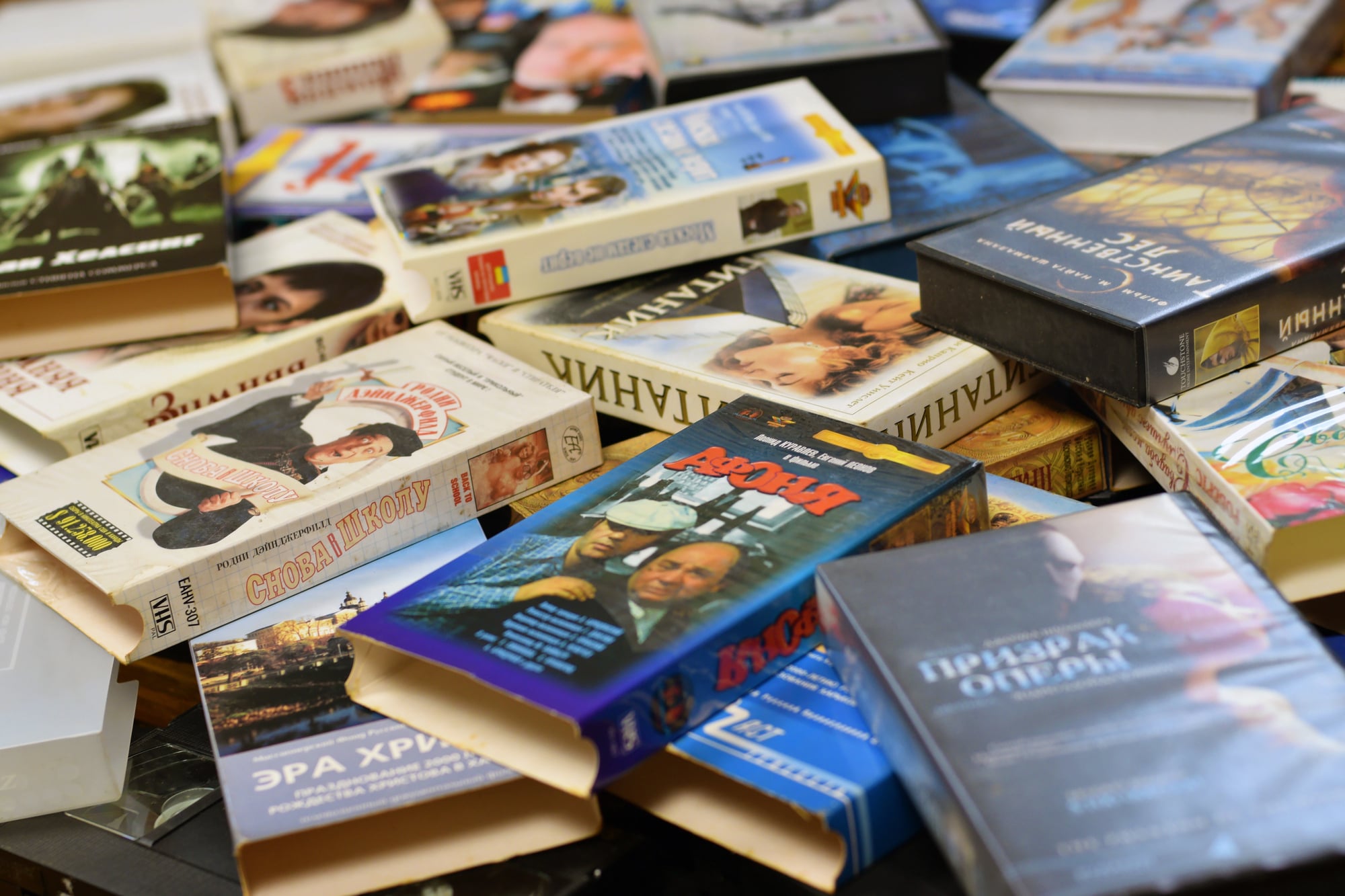
Frequent renters would eventually start buying movies they loved, building personal libraries that reflected their actual tastes rather than what they thought they should own. These collections were curated through real experience—you bought the movies you’d rented multiple times, the ones you wanted to share with friends, or the ones you knew you’d want to watch again.
Owning movies meant something different when acquiring them required deliberate choice and financial commitment. You didn’t impulse-buy movies the way people impulse-stream them now.
Every purchase was considered, and your collection became a physical representation of your entertainment personality. Friends could browse your shelves and understand something about who you were based on your choices, and there was pride in owning something you genuinely loved rather than just having access to everything.
The Slow Decline And Nostalgia

Watching video stores disappear happened gradually, then suddenly, like a neighborhood changing one closed business at a time until you realized the entire landscape had shifted. The final years were melancholy—sparse shelves, shorter hours, and the gradual recognition that this entire way of life was ending.
But the nostalgia isn’t really about the inconvenience or the late fees or the disappointment of empty shelves. It’s about the human element that got lost in the transition to digital everything.
Video stores were community spaces where strangers had conversations about movies, where choosing entertainment was a social activity rather than a solitary scroll through endless options. The efficiency we gained by moving online came at the cost of serendipity, discovery, and the simple pleasure of browsing without purpose until something caught your attention.
The Last Trip That Never Happened
Most people never got to take a final, ceremonial trip to their neighborhood video store—one day it was just gone, replaced by a cell phone repair shop or left empty with newspaper covering the windows. The end came quietly for something that had been such a routine part of weekly life.
And yet the habits linger in unexpected ways. People still talk about “browsing” Netflix even though the interface is nothing like walking through aisles of movies.
The phrase “nothing good is on” persists even when there are thousands of options available instantly. Something about the video store experience trained expectations that streaming hasn’t quite fulfilled, despite offering objectively more convenience and selection.
Maybe it’s the paradox of choice, or maybe it’s just that some experiences can’t be replicated digitally, no matter how sophisticated the technology becomes. The video store belongs to a specific time and place, and that’s exactly what made it special.
More from Go2Tutors!

- The Romanov Crown Jewels and Their Tragic Fate
- 13 Historical Mysteries That Science Still Can’t Solve
- Famous Hoaxes That Fooled the World for Years
- 15 Child Stars with Tragic Adult Lives
- 16 Famous Jewelry Pieces in History
Like Go2Tutors’s content? Follow us on MSN.