17 Secret Codes Cruise Ship Staff Use Constantly
Step aboard any cruise ship, and you’ll quickly notice the crew communicating in ways that seem almost choreographed. A quick radio call here, a discrete hand signal there, mysterious announcements over the intercom that passengers barely register.
What sounds like routine chatter is actually an intricate web of coded language designed to keep operations running smoothly while passengers remain blissfully unaware of what’s happening behind the scenes.
These aren’t just random abbreviations or maritime jargon. Cruise ship codes serve a vital purpose: they allow staff to communicate emergencies, coordinate massive logistical operations, and handle sensitive situations without causing passenger panic or confusion.
Some codes are universal across the industry, while others are specific to individual cruise lines or even particular ships.
Alpha
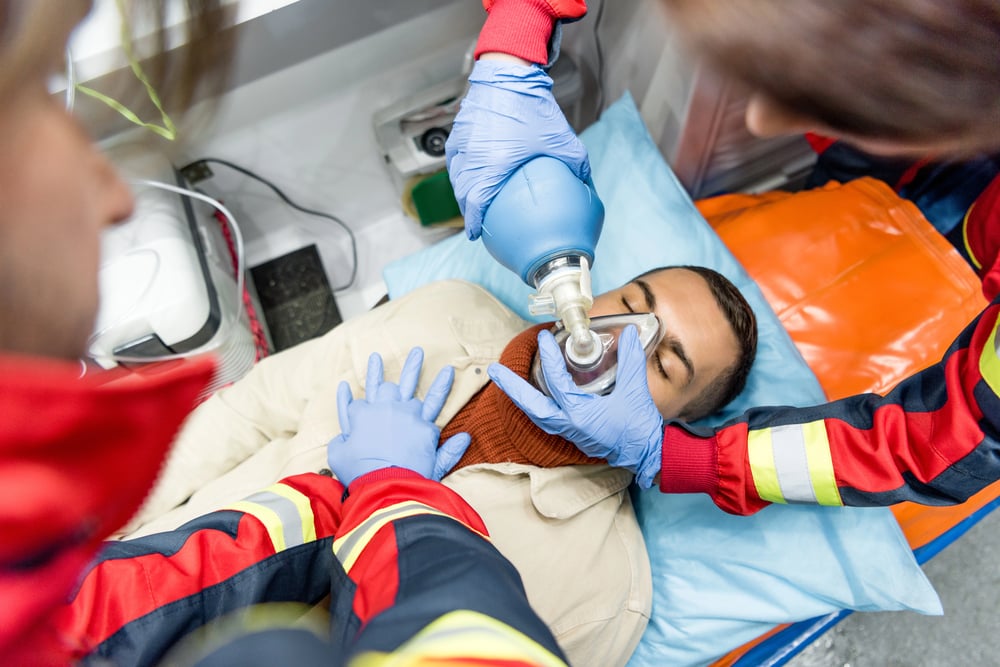
Medical emergency requiring immediate attention. When you hear “Alpha” over the ship’s intercom, someone needs urgent medical care.
The medical team drops everything and heads to the specified location. Passengers might notice crew members moving with unusual purpose, but the coded announcement keeps panic at bay.
Bravo
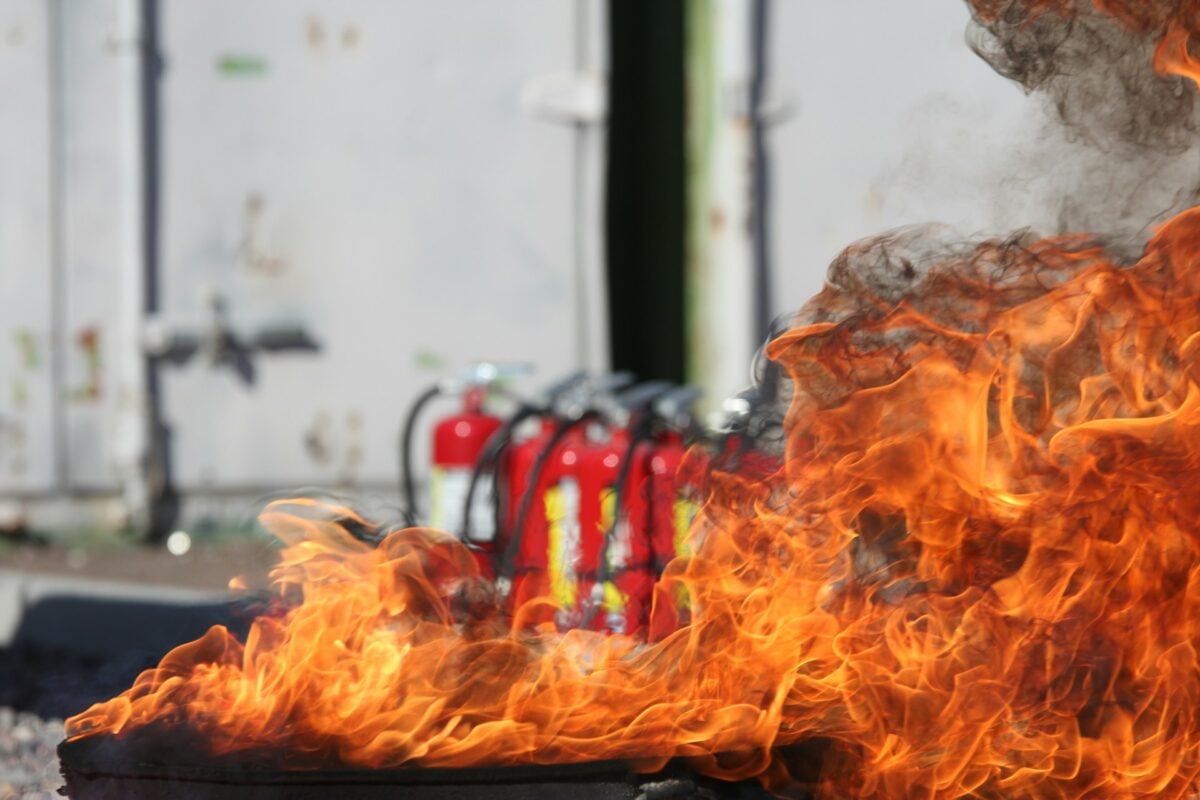
Fire on board. This is the code no one wants to hear, but it’s crucial for coordinating the ship’s fire response team without alarming thousands of passengers.
The crew knows exactly what it means and responds accordingly. Quick action can prevent a small fire from becoming a ship-wide disaster.
Charlie
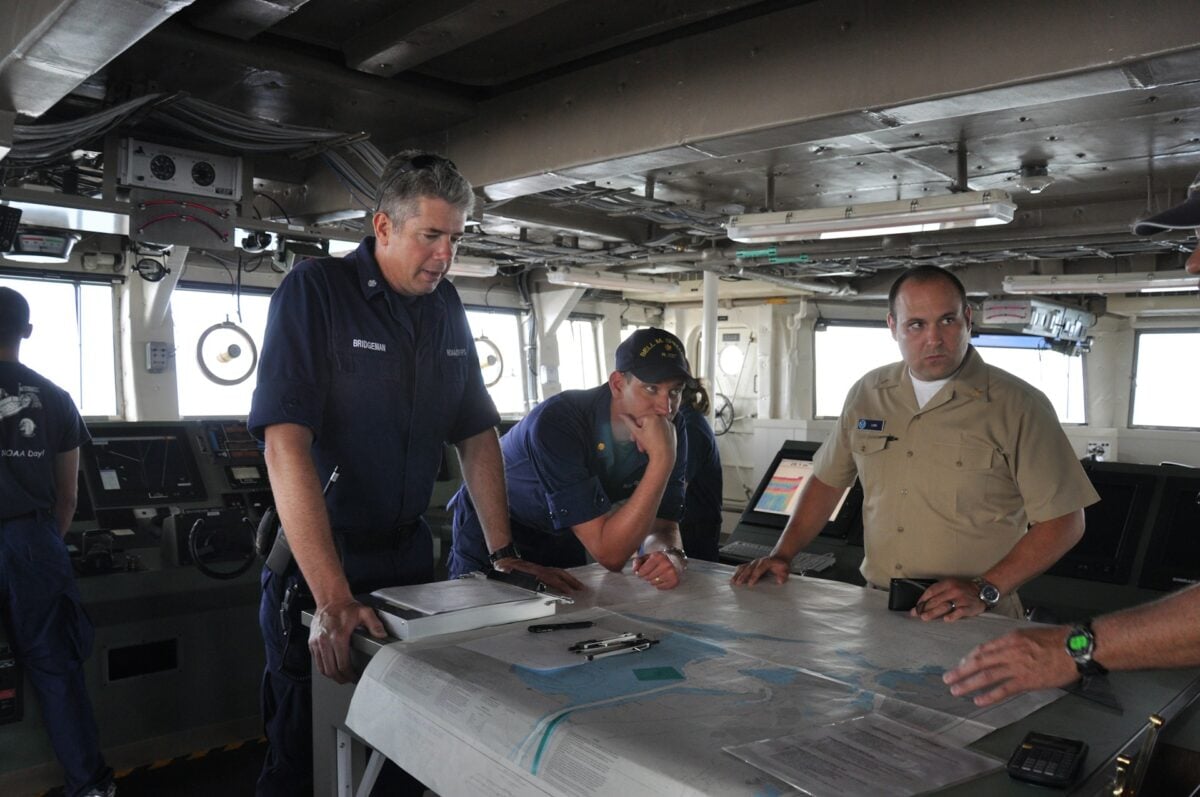
Security threat or disturbance. Could be anything from an aggressive passenger to a more serious security concern.
Security personnel receive the message clearly while other passengers remain unaware that anything unusual is happening. The response is swift and typically discrete.
Delta
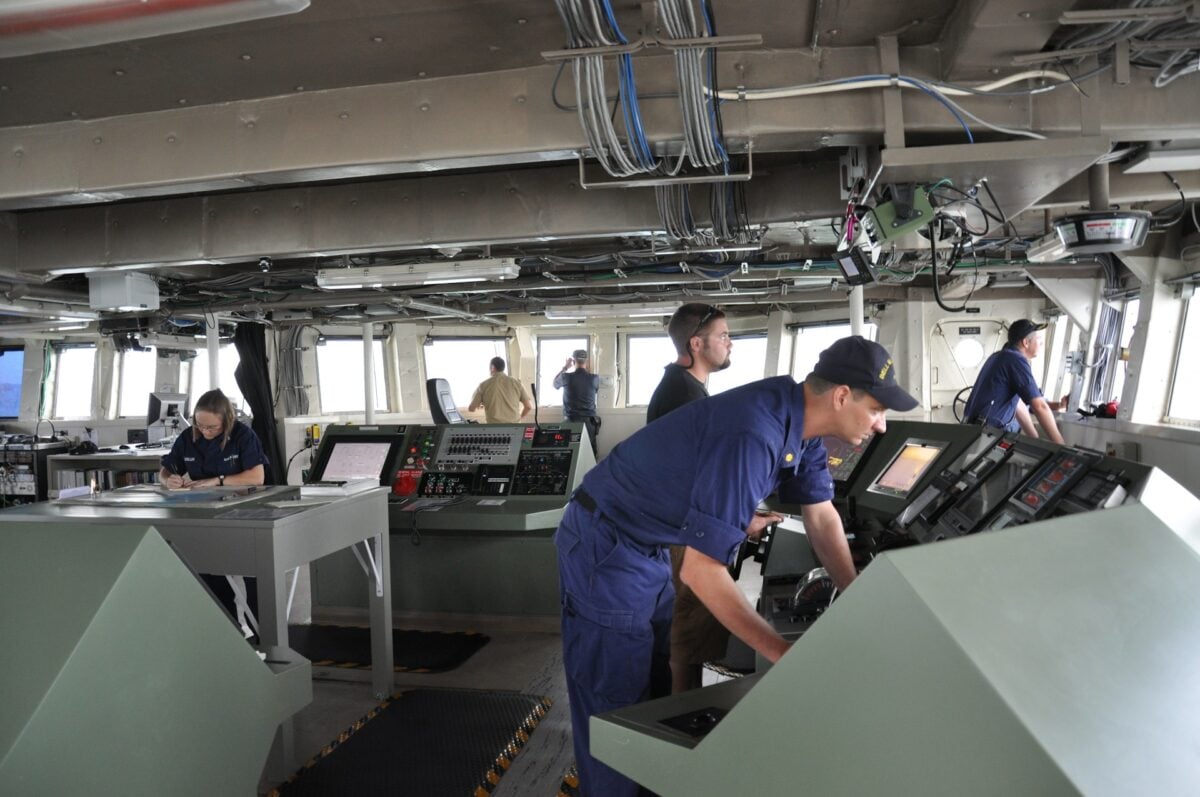
Damage to the ship that could affect operations. This might involve anything from a minor hull issue to problems with critical ship systems.
The engineering team and relevant department heads need to know immediately, but passengers don’t need to worry about every small mechanical hiccup that occurs during a voyage.
Echo
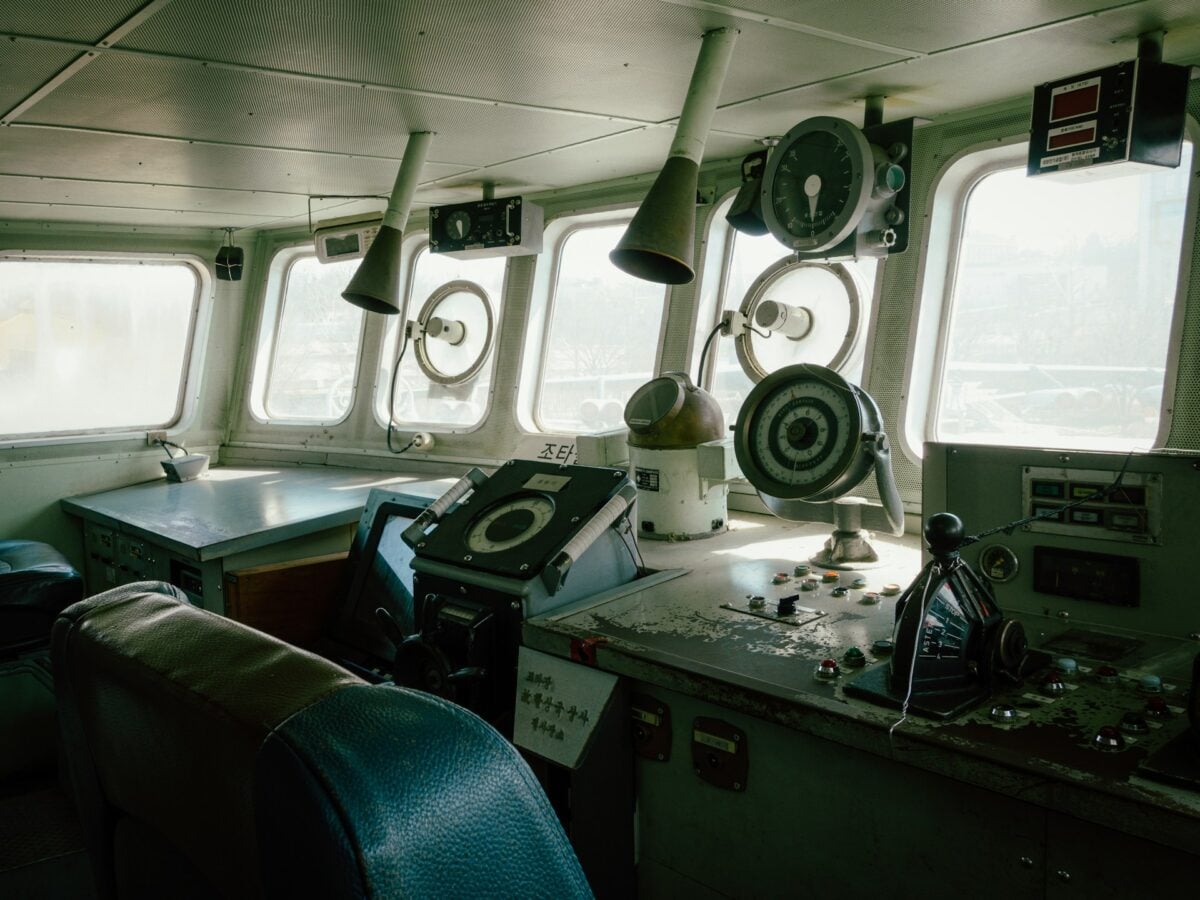
When a ship needs to change course unexpectedly due to weather, mechanical issues, or other operational concerns. Echo alerts the necessary crew members.
Navigation changes affect multiple departments – from dining schedules to port arrangements – so coordination becomes essential. But passengers might not even notice the subtle course adjustment that prevents a much larger problem down the line.
And then there’s the complexity of what happens next: the bridge team recalculates arrival times, the excursion staff prepares backup plans for port days that might be affected, and the guest services team gets ready to handle questions (though most passengers won’t realize anything changed). So much coordination from such a simple word.
Echo.
The ripple effect cascades through departments in ways that would surprise most passengers, because changing course on a floating city carrying thousands of people isn’t like taking a different highway route – it’s more like rerouting an entire small town that happens to be moving through the ocean at the time.
Foxtrot
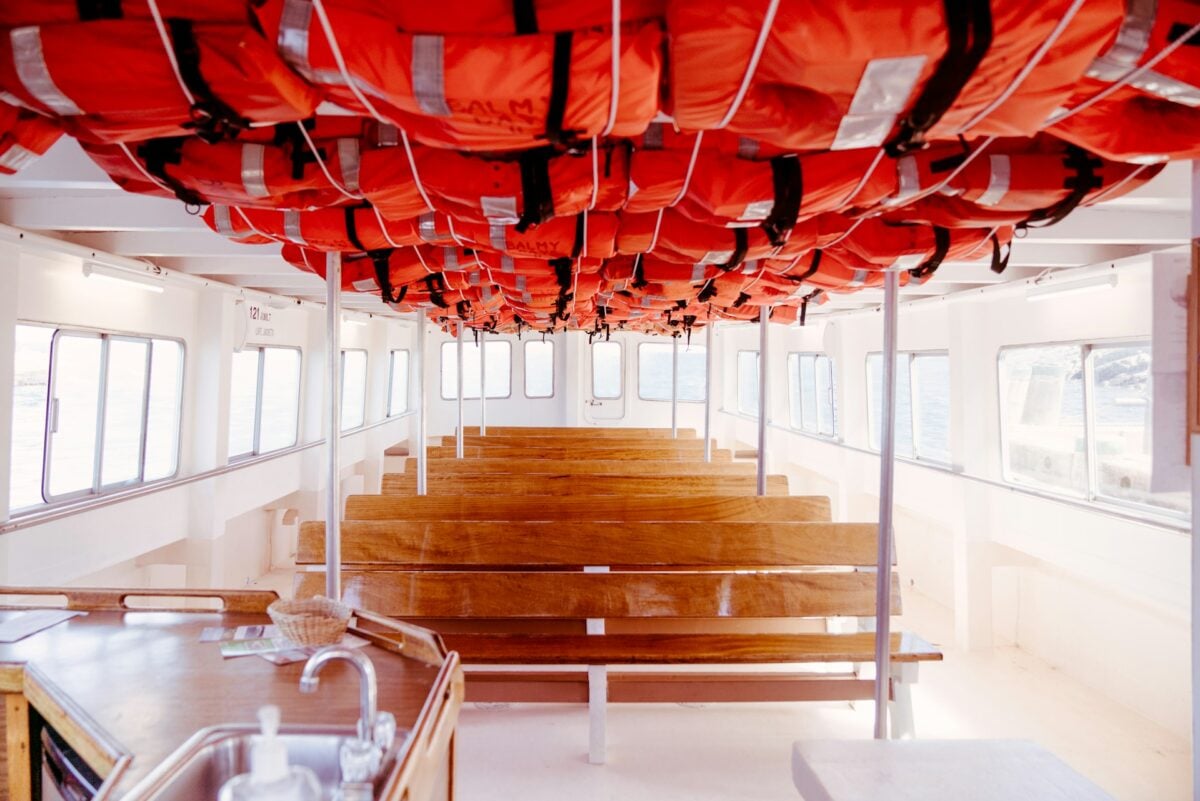
The ship is like a floating neighborhood where everyone has a role to play, and sometimes that role shifts unexpectedly. Foxtrot signals that crew members need to report to emergency stations – not for a drill, but for an actual situation that requires all hands.
You’ll see housekeeping staff suddenly moving with military precision, bartenders abandoning their posts, entertainment crew members appearing in corridors they don’t usually walk. The transformation is swift and complete.
One moment you’re chatting with your room steward about dinner reservations, the next moment they’re part of a coordinated emergency response you never knew existed.
It’s remarkable how quickly a cruise ship can shift from vacation mode to crisis management mode, and how seamlessly it shifts back once the situation resolves.
Kilo
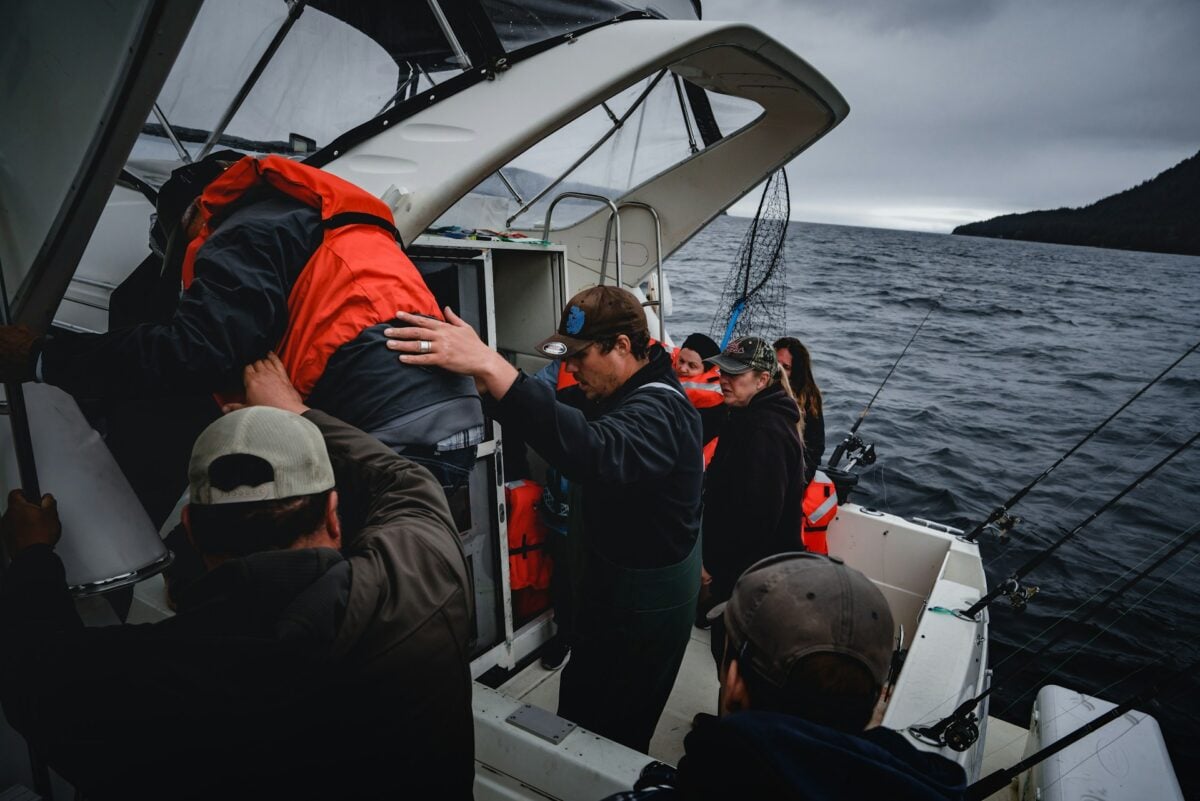
All crew members report to emergency stations immediately. This is more serious than Foxtrot and indicates a significant emergency that requires the full emergency response protocol.
The ship essentially shifts into emergency mode. Passengers might notice crew members moving with unusual urgency, but the coded announcement prevents mass panic.
Oscar
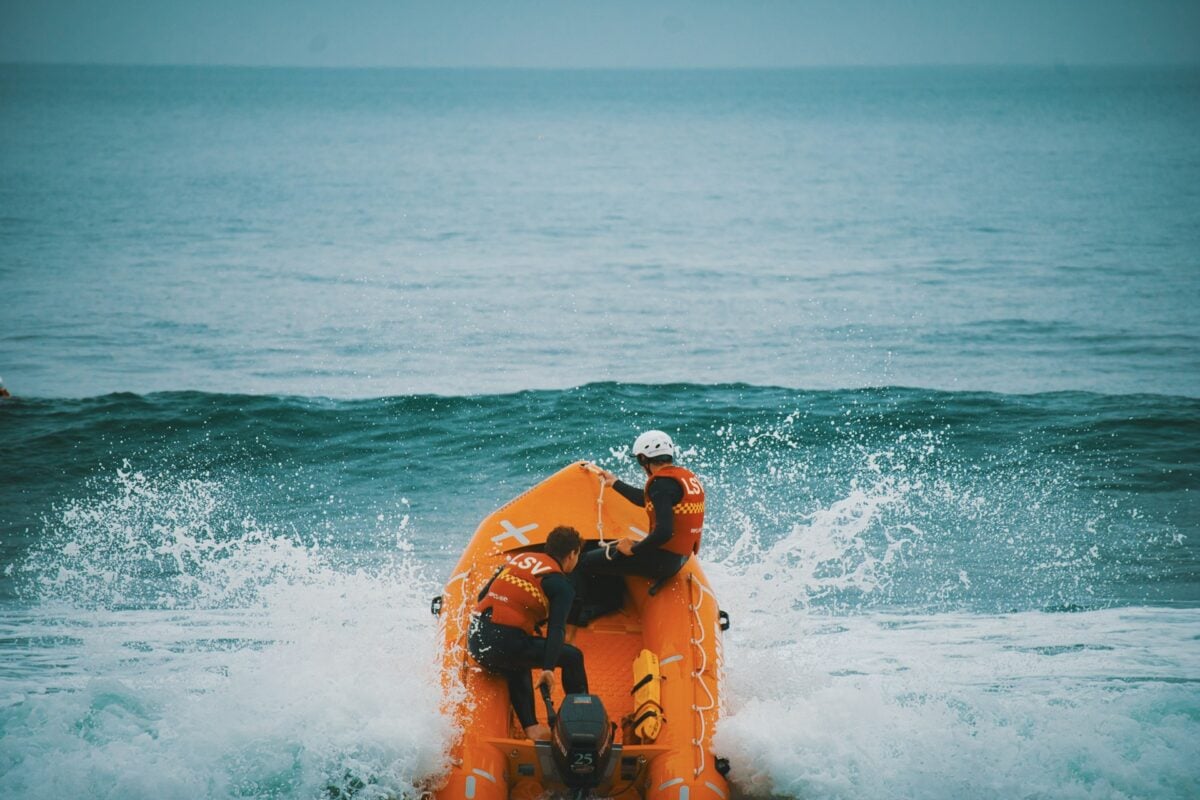
Someone has gone overboard. This triggers one of the most serious emergency protocols on any ship.
The search and rescue operation begins immediately, involving multiple crew departments and potentially other vessels in the area. Time is absolutely critical in these situations.
Operation Rising Star

Code for a death on board. Cruise ships carry thousands of passengers, many of them elderly, so deaths do occur during voyages.
The crew handles these situations with extraordinary discretion and professionalism. Most passengers never know when someone has died on their ship.
The logistics involved are staggering – from securing the body to notifying family members to handling legal requirements at the next port. All of this happens while maintaining the vacation atmosphere for everyone else.
Papa
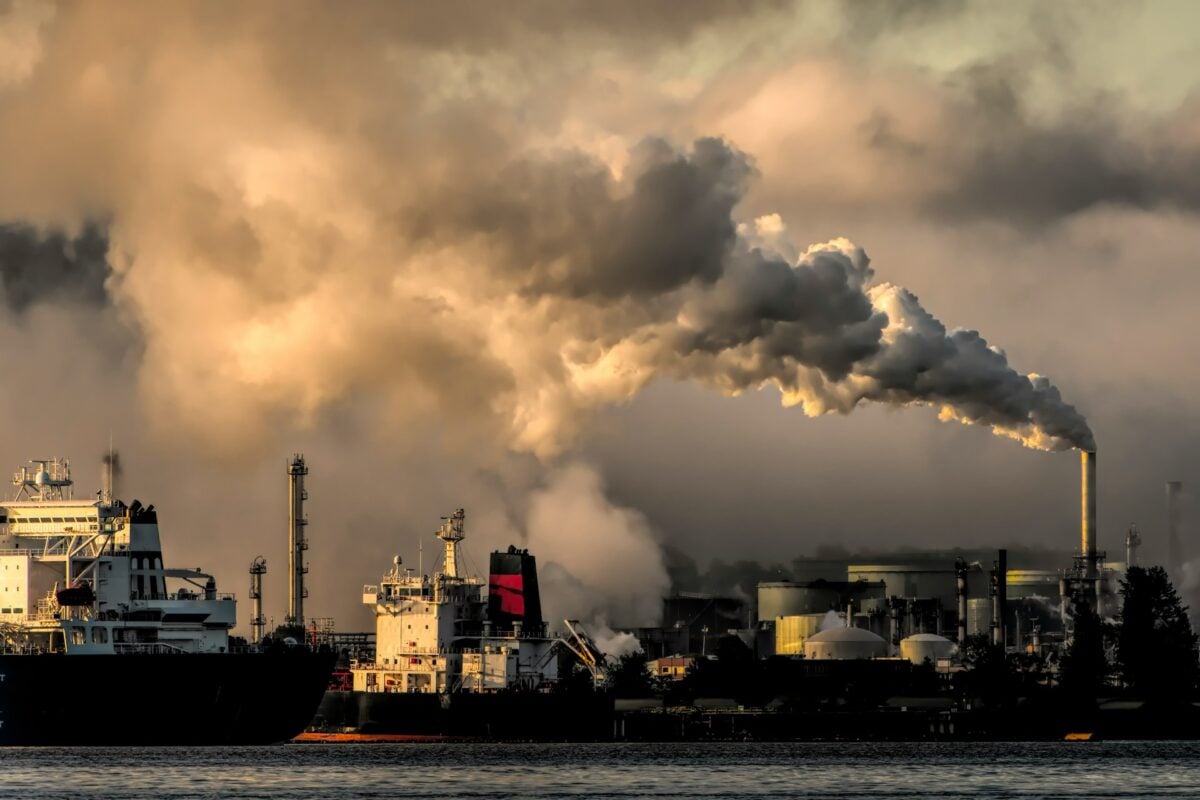
This means pollution or environmental hazard has been detected. Could be an oil spill, sewage problem, or other environmental concern that needs immediate attention.
Environmental compliance is taken seriously on cruise ships, both for legal reasons and because the ocean is literally their workplace. The response must be immediate and thorough.
The environmental officer coordinates with multiple departments to contain and address whatever has gone wrong, while port authorities may need to be notified depending on the severity and location of the incident.
PVI (Public Area Incident)
There’s something like poetry in watching a cruise ship crew respond to chaos without missing a beat. PVI means someone has been injured or fallen ill in a public area – the pool deck, dining room, theater, wherever passengers gather.
The response unfolds in layers: first responders appear almost instantly, crowd management happens so smoothly you barely notice it’s happening, and within minutes the area returns to normal as if nothing occurred. The injured person receives care, paperwork gets filed, and the vacation continues around them.
What strikes you is how practiced this choreography has become. These aren’t rare events on ships carrying thousands of people, so the crew has refined their response to an art form.
Code Gray
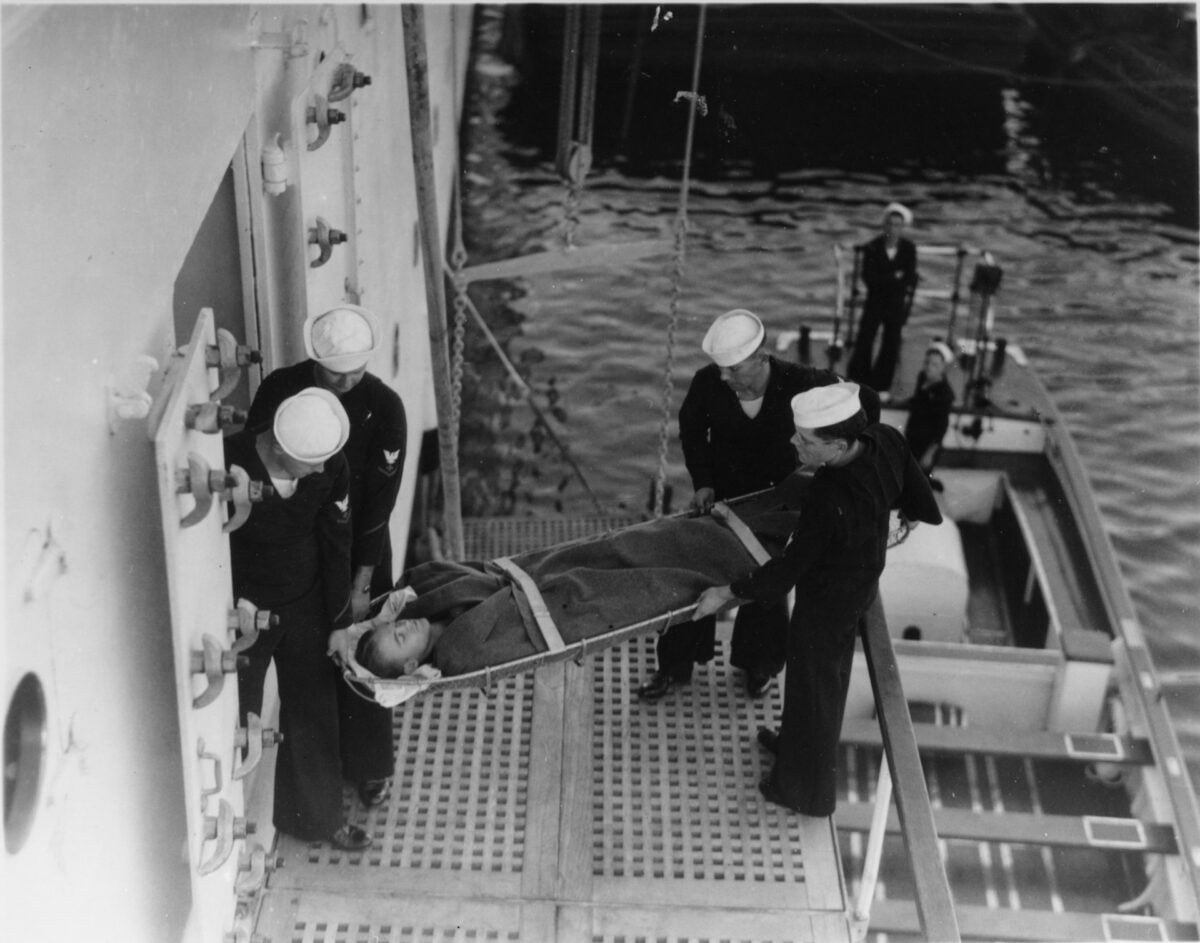
Medical emergency involving a passenger or crew member. Different from Alpha in that it specifically refers to a medical situation requiring the ship’s medical center rather than immediate on-scene first aid.
The patient needs to be transported to the infirmary for proper medical care.
This code alerts the medical team to prepare for an incoming patient and ensures the appropriate medical equipment and staff are ready. Guest services also gets prepared to handle family members and any necessary communication with shoreside medical facilities.
30-30

Cleaning crew needed for bodily fluids cleanup. Not glamorous, but absolutely necessary on a ship where seasickness affects many passengers.
The housekeeping team responds quickly with the proper equipment and cleaning protocols. These situations need immediate attention for health and safety reasons.
The cleanup crew arrives discrete and efficient, handles the situation professionally, and has the area back to normal quickly. It’s just part of life on a cruise ship.
Code Red
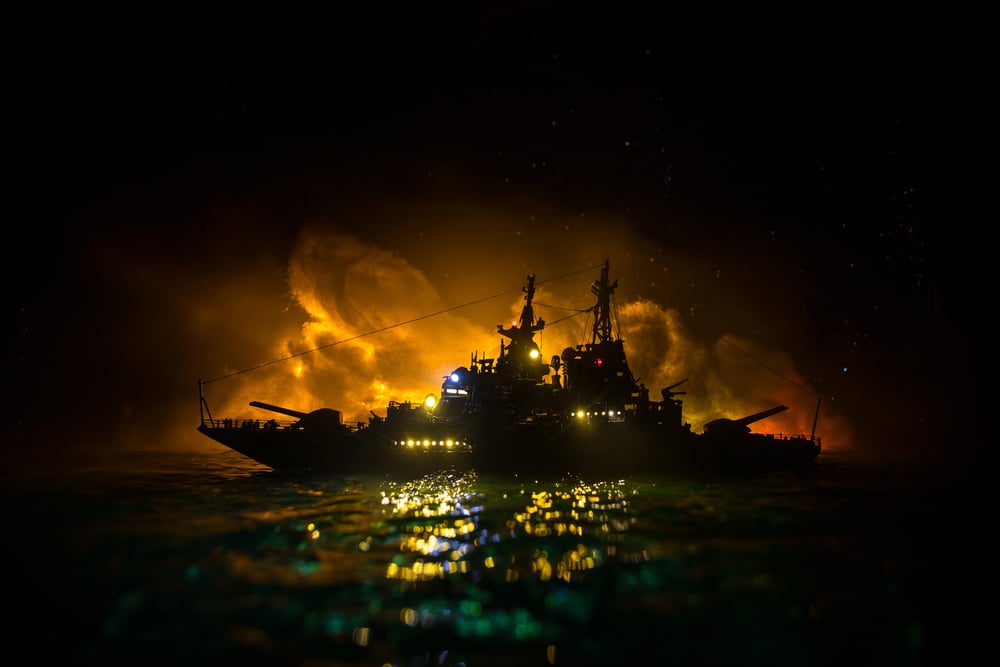
The most serious fire emergency possible. This means immediate evacuation procedures may be necessary.
The crew shifts into full emergency mode, with every department playing a specific role in the ship’s fire response plan. Passengers might be directed to muster stations if the situation is serious enough.
Modern cruise ships have extensive fire suppression systems, but nothing replaces human coordination and response when fire threatens a vessel at sea.
Inspector Sands
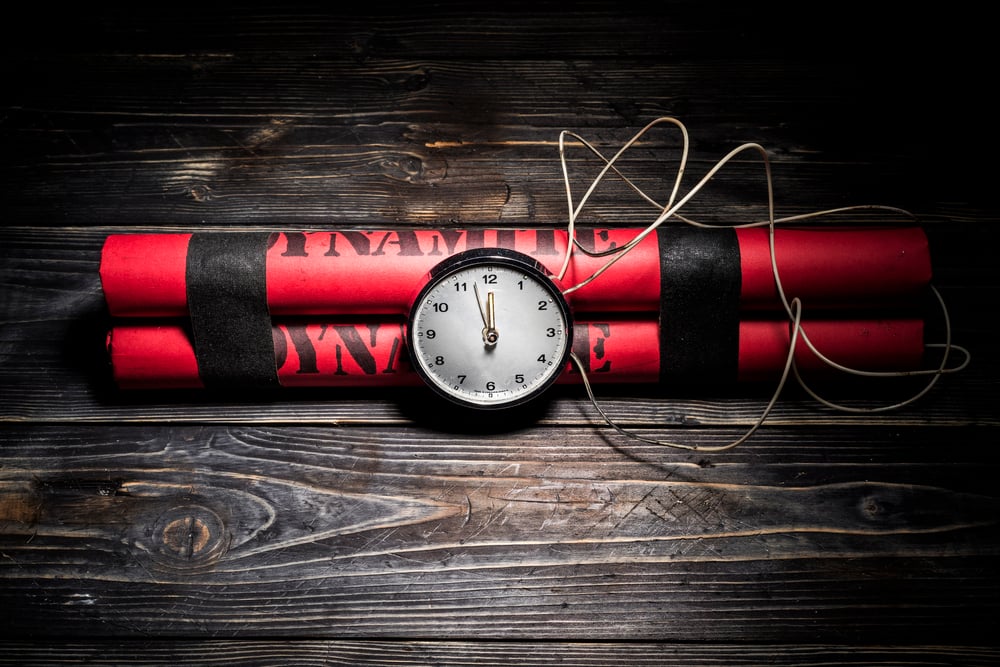
Borrowed from British railway terminology, some cruise lines use this as a discrete way to alert security to a potential bomb threat or other serious security concern. The name sounds innocuous to passengers but triggers immediate security protocols among crew members.
Security teams begin discrete sweeps and investigations while maintaining normal operations for passengers. The goal is to assess and address the threat without causing panic.
Code Green

Environmental or sanitation issue that requires immediate attention. Could be anything from a sewage backup to a problem with food safety.
The ship’s environmental and health officers coordinate the response to ensure passenger safety and regulatory compliance.
These situations require quick action to prevent larger health and safety problems. The crew responds efficiently to contain and resolve whatever environmental challenge has emerged.
Standing Guard Beside the Wheel
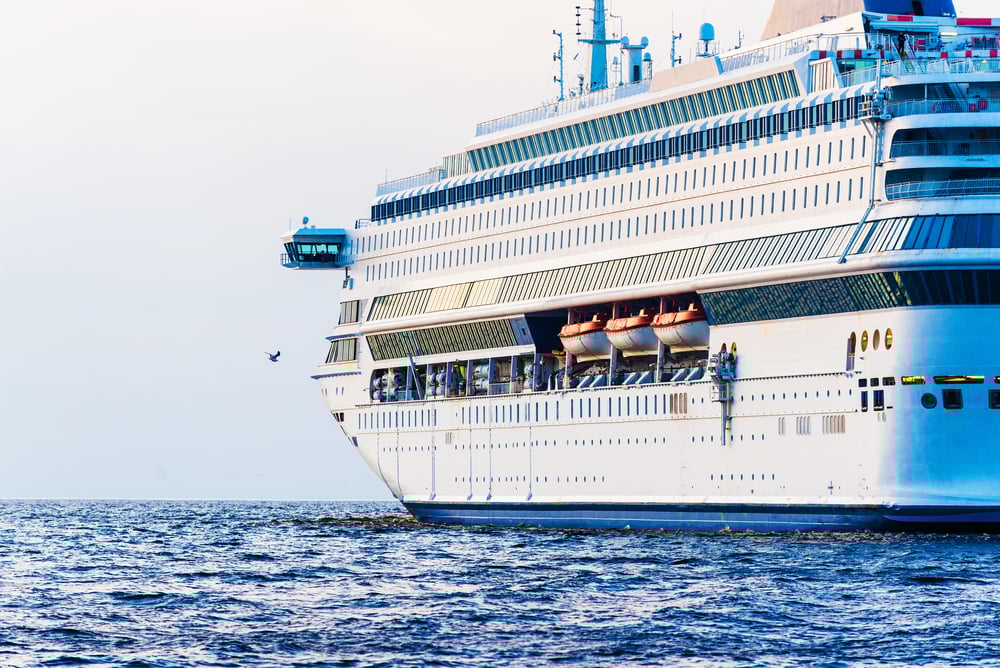
Behind all these codes lies something deeper than mere efficiency. Cruise ship staff operate with the understanding that they’re responsible for floating cities filled with people who trust them completely.
The codes aren’t just communication tools – they’re the language of that responsibility.
When thousands of passengers are eating dinner or watching shows or sleeping soundly in their cabins, the crew remains alert for everything that could go wrong. The codes allow them to respond to emergencies, coordinate complex operations, and handle sensitive situations while preserving the vacation atmosphere that passengers have paid for.
Each coded message represents someone’s quick thinking, professional training, and commitment to safety. Behind every discrete “Alpha, Deck 7” announcement is a crew member who knows exactly what to do and moves immediately to do it.
More from Go2Tutors!

- The Romanov Crown Jewels and Their Tragic Fate
- 13 Historical Mysteries That Science Still Can’t Solve
- Famous Hoaxes That Fooled the World for Years
- 15 Child Stars with Tragic Adult Lives
- 16 Famous Jewelry Pieces in History
Like Go2Tutors’s content? Follow us on MSN.