Rarest Lunch Boxes from the 70s and 80s
Remember when carrying the right lunch box to school actually mattered? Kids in the 70s and 80s knew that what you brought your sandwich in said something about you.
Some lunch boxes were everywhere—everyone had a Star Wars or a Dukes of Hazzard. But others were rare even back then.
Now, decades later, collectors hunt for these metal and plastic relics with serious dedication. Some fetch thousands of dollars at auction.
The Ramones (1979)
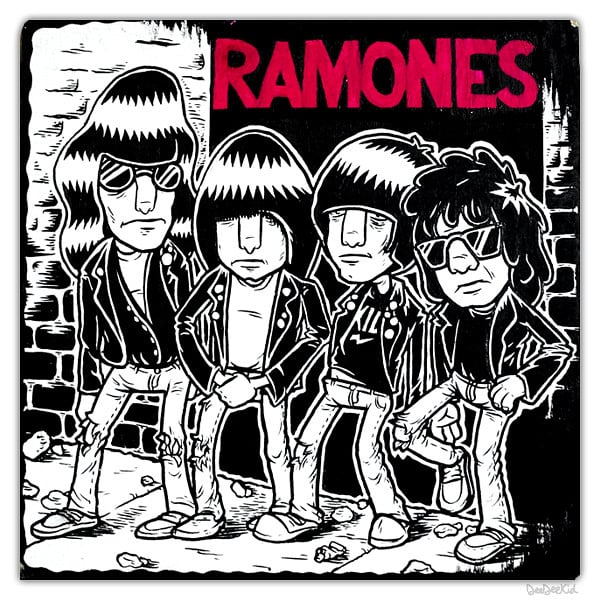
Most bands got lunch boxes made for their younger fans. The Ramones weren’t exactly a band for kids, which makes this lunch box even stranger.
Only a small run got made before someone realized that punk rock and elementary school cafeterias don’t mix well. The black box featured the band members in their iconic leather jackets, and the thermos showed album artwork.
Finding one in decent condition today costs more than most people spend on lunch for an entire year.
Toppie Elephant (1957, But Collectible Through the 70s)
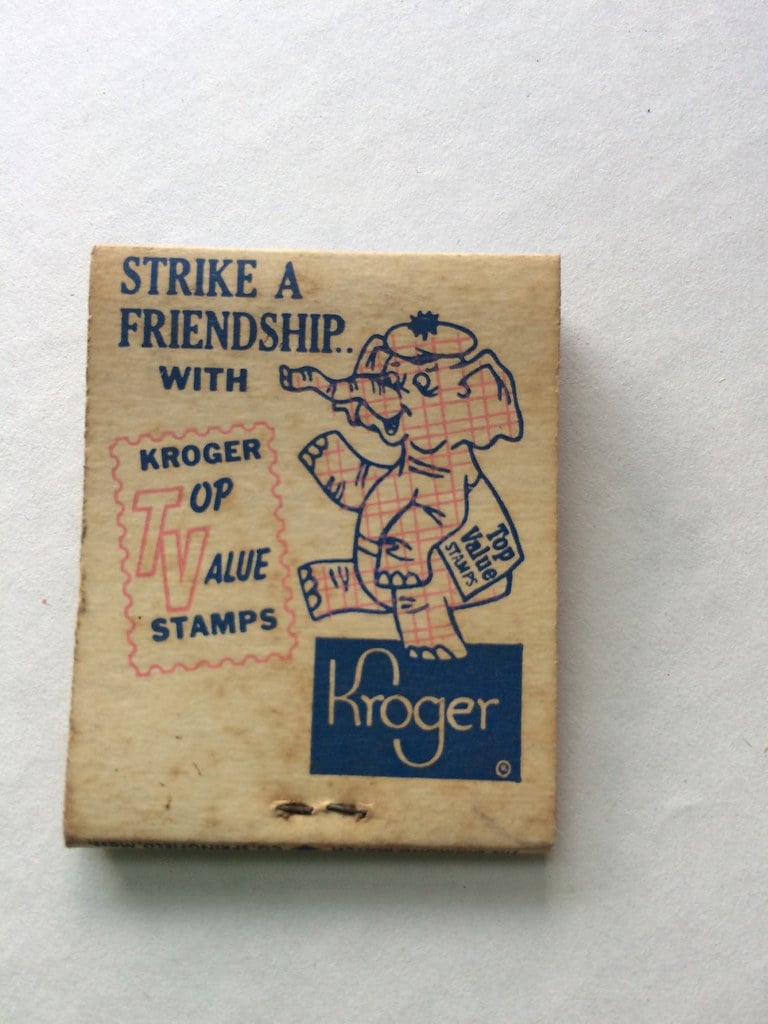
This lunch box predates the 70s, but it stayed in circulation and became a hot collectible item during that decade. The Toppie Elephant was an obscure character that never really caught on with kids.
American Thermos made it anyway, and most sat on store shelves until they were under clearance sale. Parents probably bought the marked-down boxes without realizing they’d just purchased a future collectible.
The elephant character on the front looks cheerful enough, but kids weren’t having it. That rejection is exactly what makes it valuable now.
The Home Run King Hank Aaron (1975)
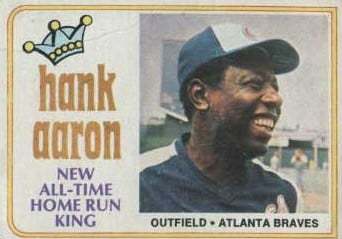
Sports lunch boxes usually featured generic baseball or football scenes. This one celebrated a specific player—Hank Aaron—right after he broke Babe Ruth’s home run record.
King-Seeley made a limited run to commemorate the achievement. Most kids wanted something more exciting than a baseball hero on their lunch box, so sales were sluggish.
Those boxes that were sold often got beaten up at school. Clean examples are hard to find because most kids who had them actually used them daily.
The Space: 1999 (1976)
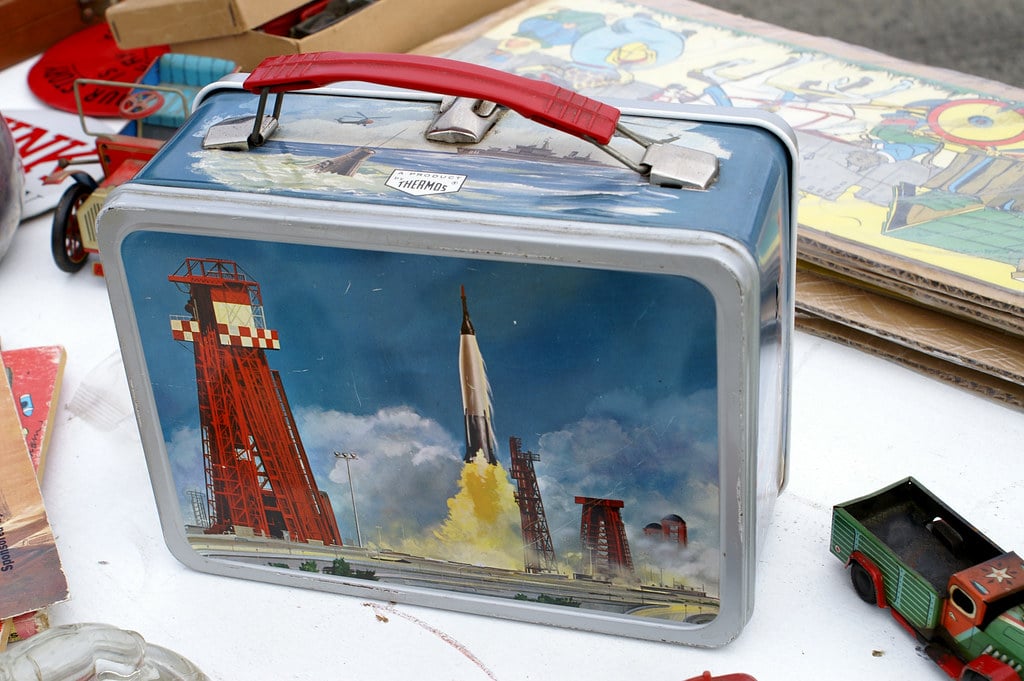
This British sci-fi show had a cult following but never achieved Star Wars levels of popularity. The lunch box exists in two versions—one by King-Seeley and another by Thermos.
Both are uncommon, but the King-Seeley version is especially hard to track down. The show only ran for two seasons, and lunch box production matched that limited run.
The artwork shows the Eagle spacecraft and main characters in their white uniforms. Space enthusiasts still love this show, which keeps demand high among collectors.
The Partridge Family School Bus (1971)
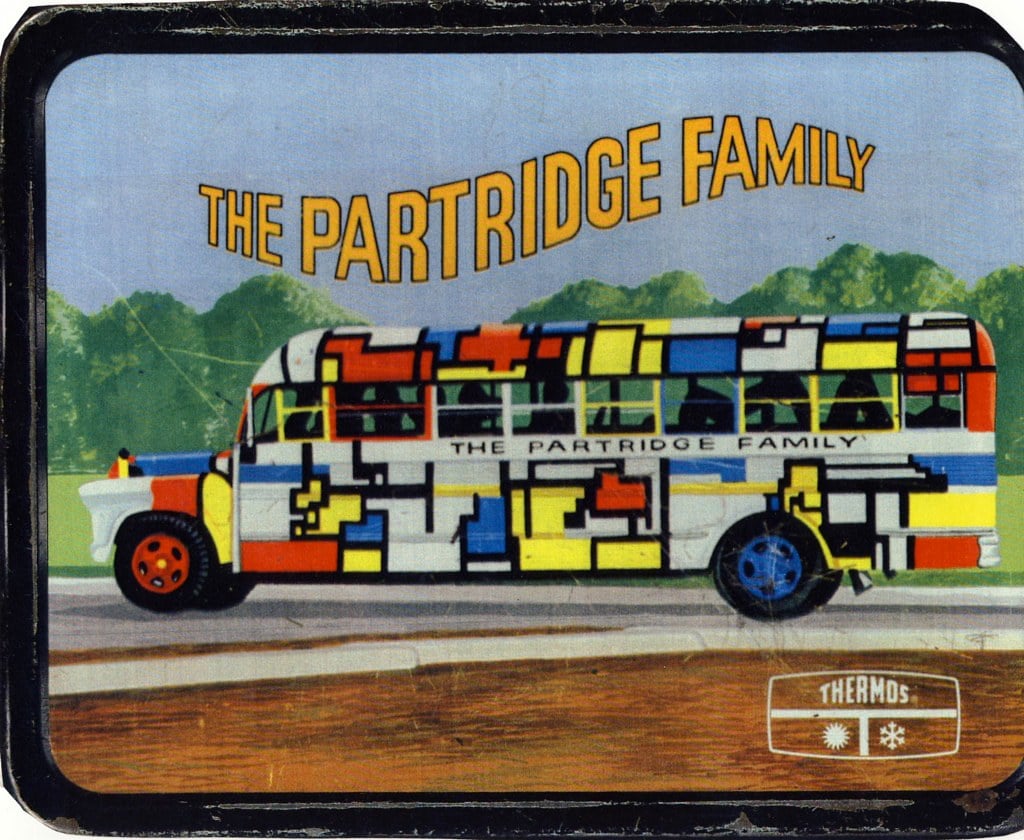
The Partridge Family had regular lunch boxes that aren’t particularly rare. But the school bus-shaped lunch box is a different story.
King-Seeley produced these dome-topped boxes in the shape of the family’s iconic bus. The unusual shape meant they didn’t stack well in stores or in kids’ backpacks.
Distribution was limited, and many stores refused to stock them because of storage issues. That odd shape makes them stand out in any collection today, and collectors pay premium prices for them.
The painted details on the bus include the psychedelic patterns that made the show’s vehicle famous. Kids who owned these often found they couldn’t fit much inside compared to regular rectangular boxes.
That practicality issue meant parents avoided buying them, which kept production numbers low.
The Canadian KISS (1977)
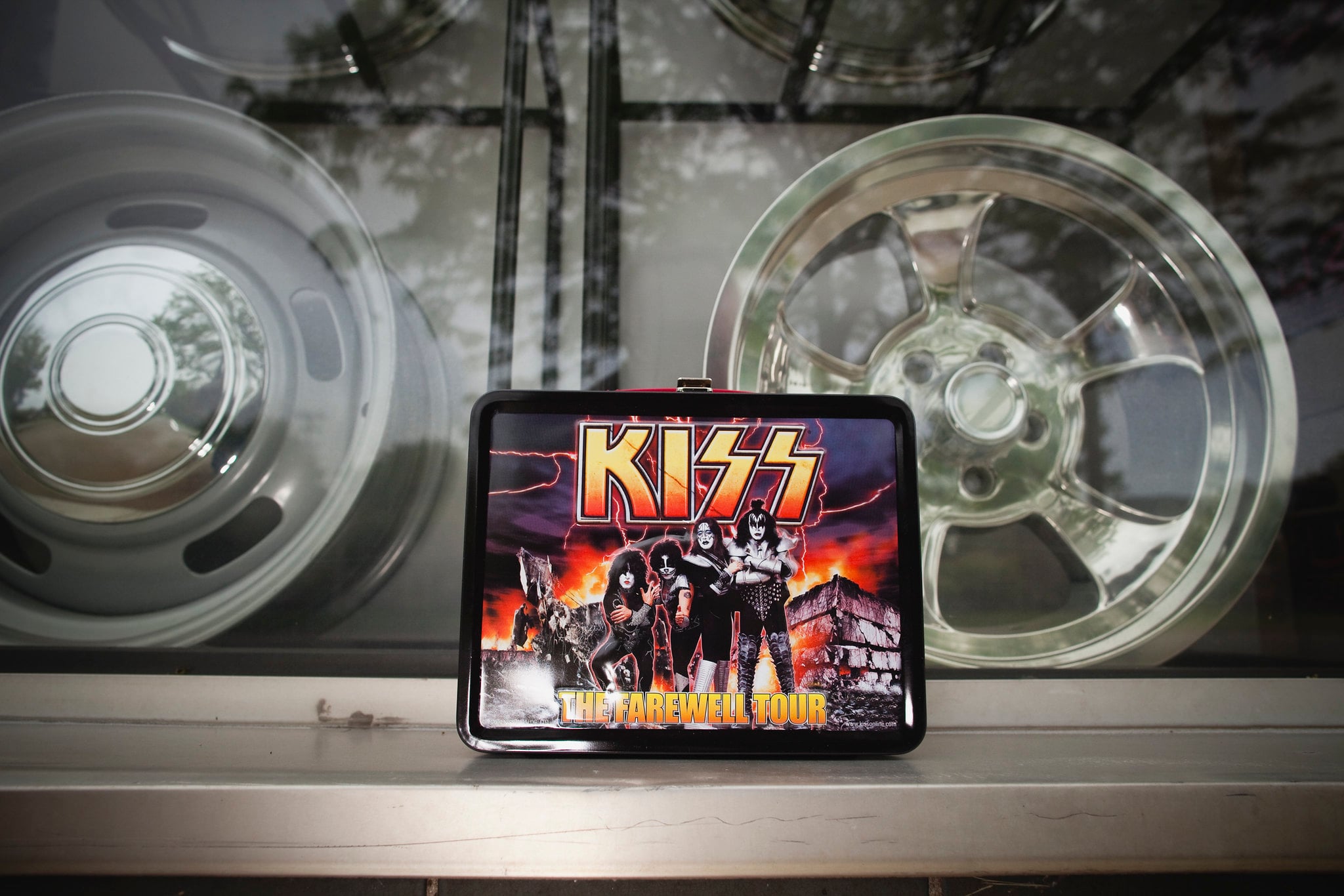
KISS lunch boxes were popular in the United States, but the Canadian version is what collectors really want. The Aladdin company produced a different design exclusively for the Canadian market.
The image placement and color scheme differ from the American version. Import restrictions at the time meant these stayed north of the border.
American collectors hunting for this particular variation face challenges because Canadian owners tend to hold onto them.
Lawman (1961, Circulated Through the 70s)
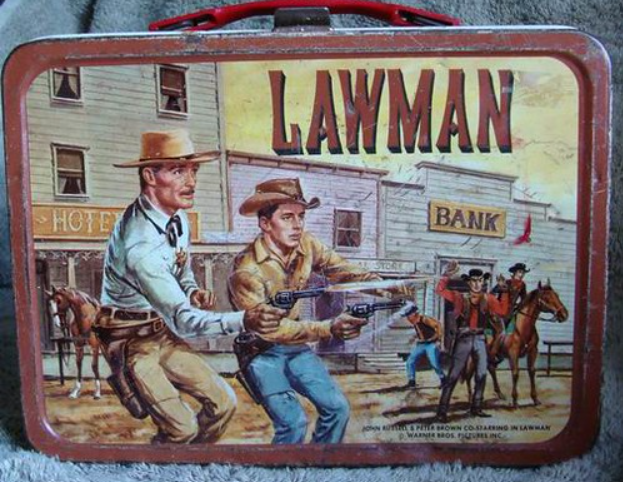
Another pre-70s box that became collectible during that decade. Lawman was a Western TV show that ended in 1962, but stores kept selling these lunch boxes through the early 70s as old stock.
The show itself is largely forgotten now, which adds to the lunch box’s obscurity. King-Seeley manufactured them, and the box shows typical Western imagery—cowboys, horses, and dusty streets.
The thermos has similar Western scenes. Collectors interested in vintage Westerns seek these out, but they’re hard to locate.
The Knight Rider (1983)
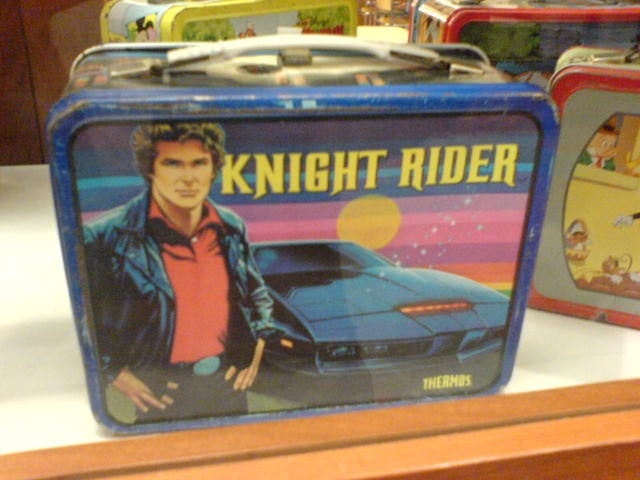
Knight Rider was absolutely huge in the early 80s. Every kid wanted to drive a KITT, that talking Trans Am.
But the lunch box never achieved widespread distribution. King-Seeley made them, but production timing didn’t match the show’s peak popularity.
By the time lunch boxes hit stores, the initial mania had cooled slightly. They sold okay but didn’t fly off shelves like Star Wars merchandise.
The black Trans Am looks great on the box surface, and the thermos shows David Hasselhoff next to the car.
Finding one with the thermos intact is particularly challenging. Many got separated over the years as kids lost thermoses or parents threw out damaged ones while keeping the box.
The Psychedelic Yellow Submarine (1968)
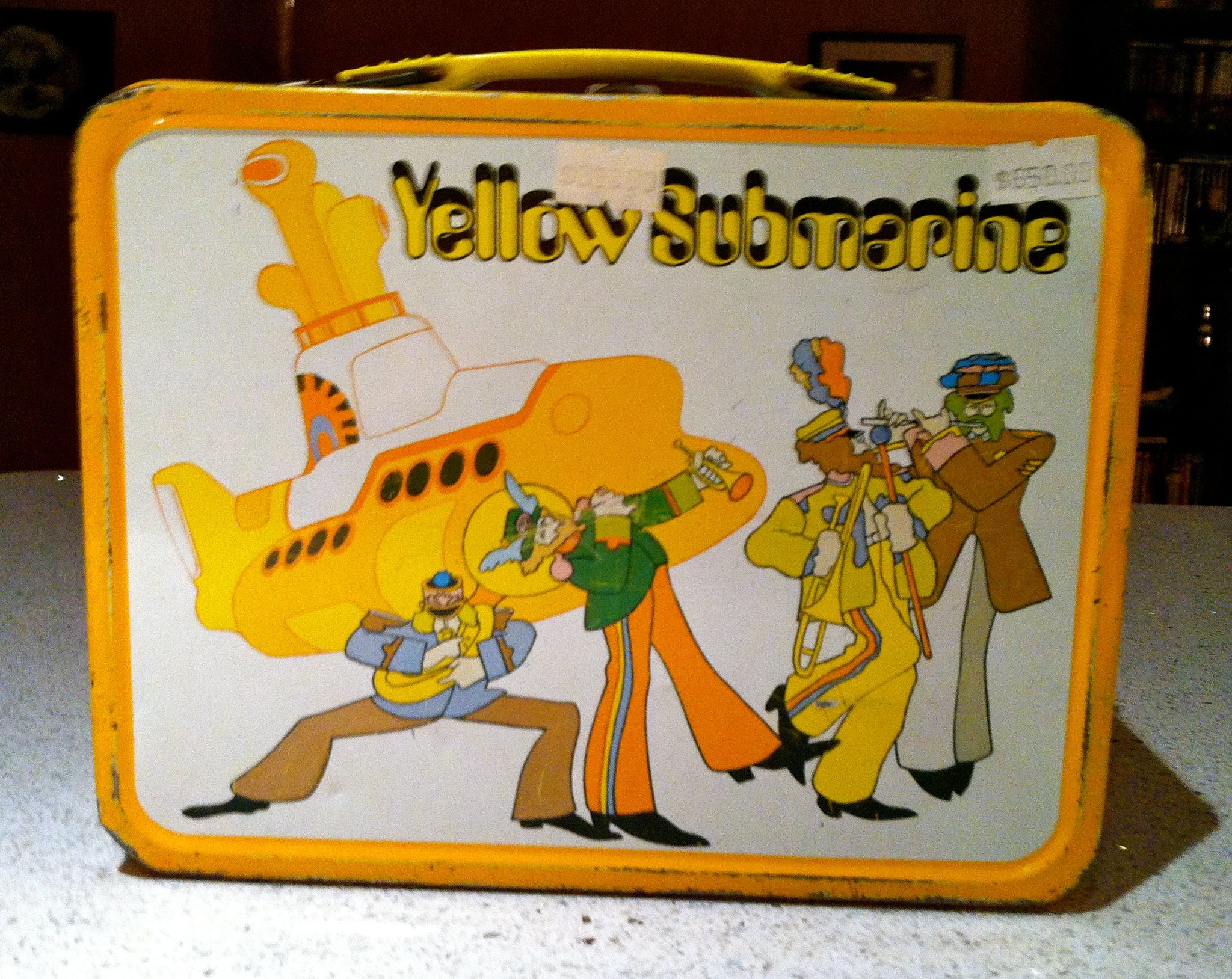
This technically came out before the 70s, but it stayed available through the early part of that decade. The Beatles’ animated film inspired this wildly colorful lunch box from King-Seeley.
The psychedelic artwork was maybe too much for some parents, and sales reflected that hesitation. Schools in certain areas actually banned them because administrators thought the imagery promoted drug culture—a ridiculous claim that nevertheless hurt sales at the time.
The rare yellow submarine boxes that survived are incredibly vibrant. The bold colors mean any wear shows dramatically, so finding one in excellent condition is a serious achievement.
Beatles collectors compete with lunch box collectors for these, which drives prices up.
The Evel Knievel (1974)
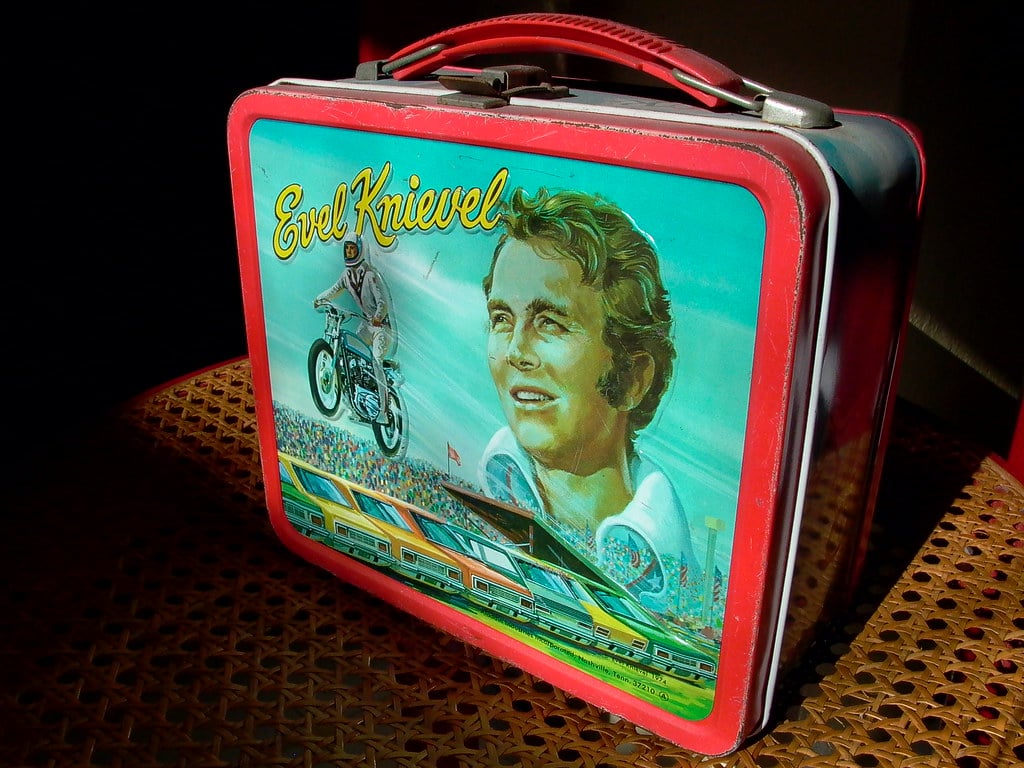
Evel Knievel was at the height of his daredevil fame in 1974. Aladdin produced this lunch box right when Evel-mania peaked.
Kids absolutely loved him, so why is this box rare? Most kids who owned these actually used them hard.
They’d slam them around, dent them, scratch them. After all, they were emulating a guy who crashed motorcycles for a living.
The wear and tear from enthusiastic young fans means pristine examples are incredibly scarce. The box shows Evel mid-jump on his motorcycle, with an American flag waving behind him.
The thermos features similar action shots. Any examples without major dents or rust are valuable.
Collectors who want mint-condition specimens pay serious money.
The Happy Days Fonzie (1977)
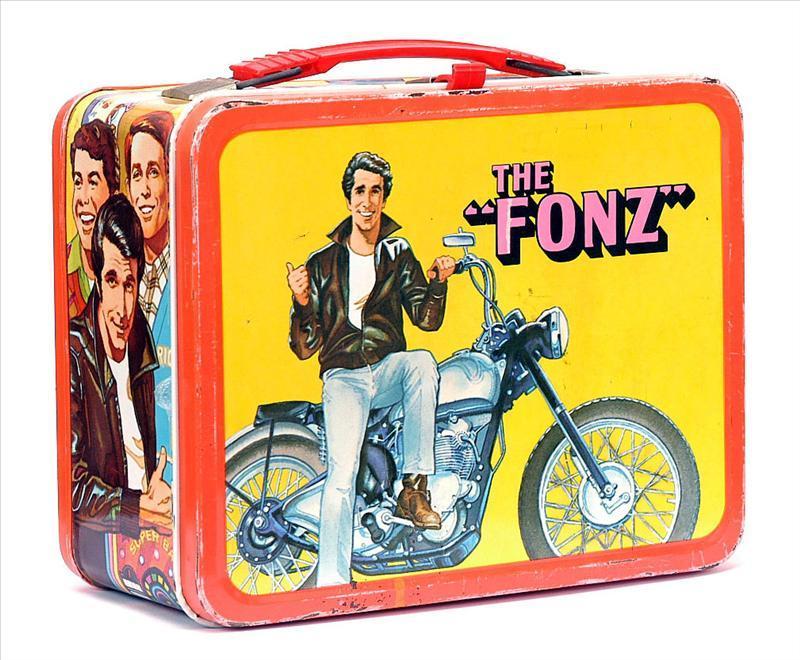
Happy Days was a ratings champion in the late 70s. The show had multiple lunch boxes produced, but the one focusing specifically on Fonzie is less common than the ensemble cast versions.
This box put the Fonz front and center in his leather jacket with his thumbs up. King-Seeley made them, but Fonzie merchandise was spread across so many different products that lunch box production was lower than you’d expect for such a popular character.
The leather jacket look on the box has held up well aesthetically. 70s kids thought Fonzie was cool, and collectors today seem to agree.
The specific Fonzie-focused version gets confused with other Happy Days boxes, which makes it harder to track down the right one.
The Marvel World’s Greatest Super Heroes (1976)
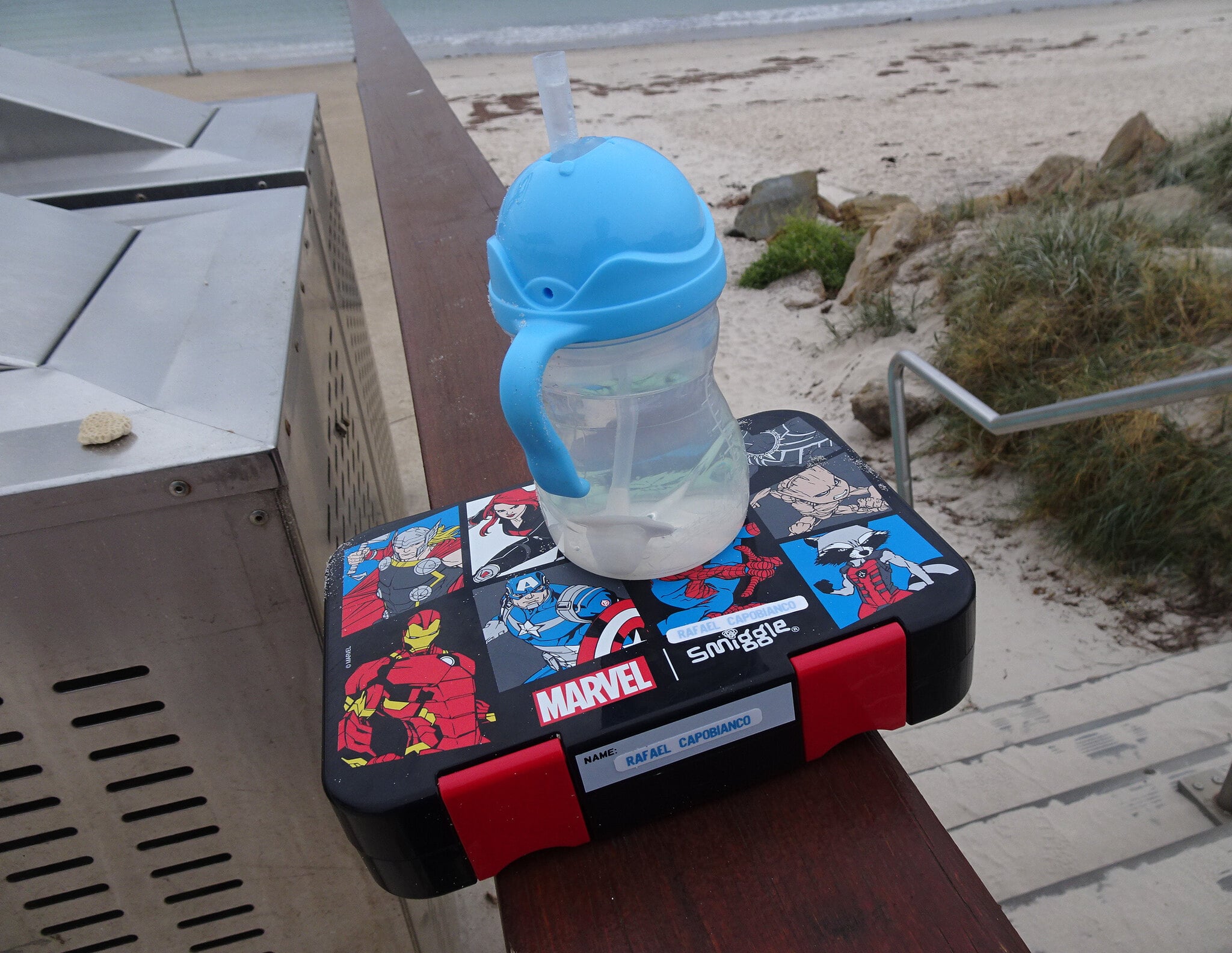
Marvel had plenty of lunch boxes in the 70s, but this particular one tried to fit too many heroes onto one design. Spider-Man, Hulk, Captain America, and others all crowd the surface.
Aladdin made them, but the busy design didn’t test well with focus groups. Kids wanted boxes devoted to one specific hero, not a crowded ensemble.
Sales were weak, and production stopped after a short run. The artwork quality is actually impressive when you look closely.
Each hero got detailed attention, and the colors pop. But at a glance, it looks cluttered and chaotic.
That’s exactly what hurt it commercially and makes it desirable now. Few people bought them initially, which means few exist today.
The Pink Panther and Sons (1984)
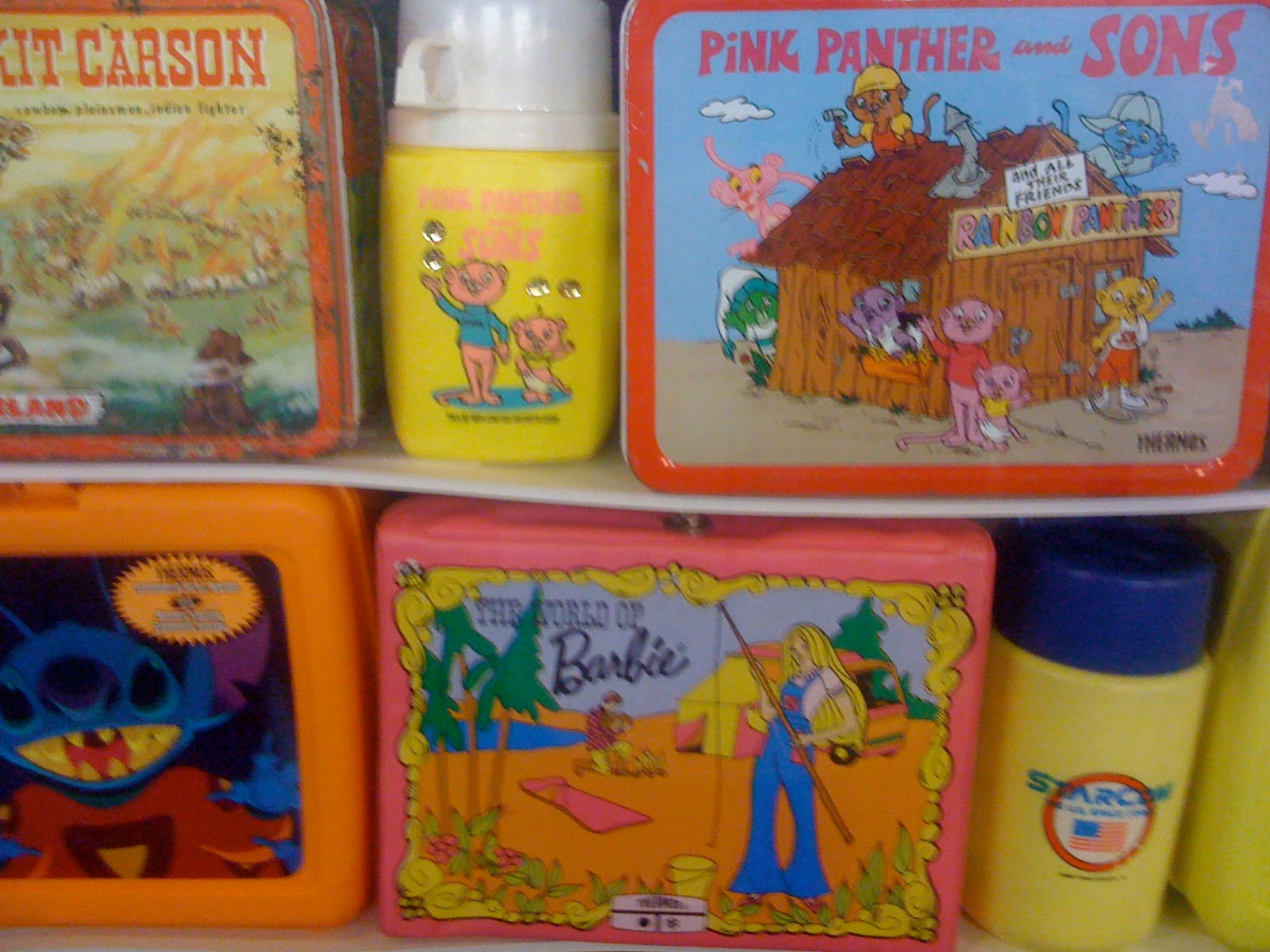
This Saturday cartoon aimed at kids never caught on. Though meant to grow the Pink Panther brand, it vanished after just twelve months.
Aladdin went ahead with lunch boxes anyway. Once the plug was pulled on the show, demand disappeared overnight.
Boxes arrived on shelves regardless. Without episodes airing, they moved quick – stacks gone by summer.
Few found their way into dusty clearance shelves. Some parents picked them up at low prices; children played with them, never really caring where they came from.
What grabs collectors is how the show got scrapped. A shot at growing the character’s world ended flat.
On the cover, the Pink Panther stands beside his two kids – figures nearly nobody remembers.
When Metal Was Replaced by Plastic
Come 1986, metal lunch boxes had mostly vanished. Worries over safety, rising costs, yet shifting styles drove companies to switch to plastic instead.
Those old steel containers from the 70s into the early 80s seem like relics today – like they came from another planet. Swing one fast, you could actually injure someone – it happened more than once.
Schools began saying no, while moms and dads fretted over broken skin or worse. The move toward plastic marked where metal lunch boxes quietly faded out.
Every piece made prior to 1986 now belongs to a group that won’t grow. New vintage metal lunch boxes are impossible to produce.
Since no new ones appear, the total number stays locked. As years pass, their shape tends downward – rust spreads, dents deepen, surfaces scuff.
Collectors move quickly upon finding one in solid condition. Held together by rusted hinges or faded paint, these containers hold echoes of cafeteria chatter and yard swaps.
A beat-up metal case might carry the weight of a sandwich walked three blocks to eat under a tree. Some bring back days before microwaves ruled midday meals.
The uncommon versions pull you into forgotten corners of pop culture – shows canceled fast, songs never charting, cartoons aired once. Each dent tells who owned it first: a dreamer, a rebel, maybe just a kid bored at recess.
They aren’t trophies. Just things left behind that somehow lasted.
More from Go2Tutors!

- The Romanov Crown Jewels and Their Tragic Fate
- 13 Historical Mysteries That Science Still Can’t Solve
- Famous Hoaxes That Fooled the World for Years
- 15 Child Stars with Tragic Adult Lives
- 16 Famous Jewelry Pieces in History
Like Go2Tutors’s content? Follow us on MSN.