13 Stores Every Mall Had in the ’80s That No Longer Exist
Walking through a modern mall feels like visiting a ghost town compared to the bustling retail havens of the 1980s. Back then, shopping centers were social epicenters where teenagers gathered, families spent Saturday afternoons, and distinctive storefronts created a shared cultural experience that stretched from coast to coast.
The anchor stores might have drawn people in, but it was the smaller specialty retailers that made each trip memorable. These weren’t just places to buy things — they were destinations with their own personalities, sounds, and even smells that became part of the collective American experience.
Waldenbooks
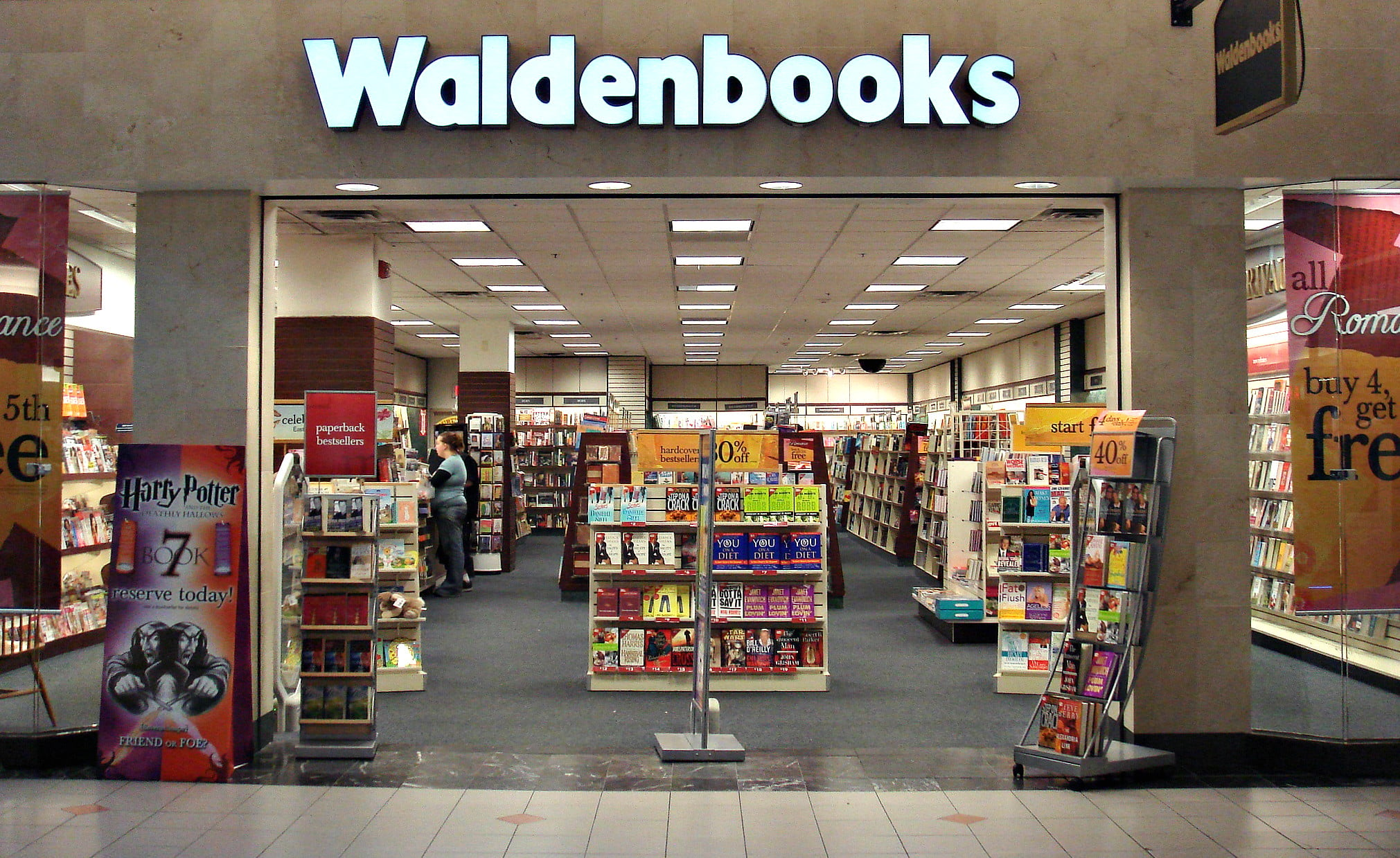
Waldenbooks didn’t mess around. Narrow aisles, floor-to-ceiling shelves, and that particular smell of fresh paperbacks and magazine ink. You either found what you wanted or discovered something better by accident.
The checkout counter always had those small impulse books — crossword puzzles, joke collections, tiny poetry volumes that cost three dollars. Most people bought at least one.
Musicland
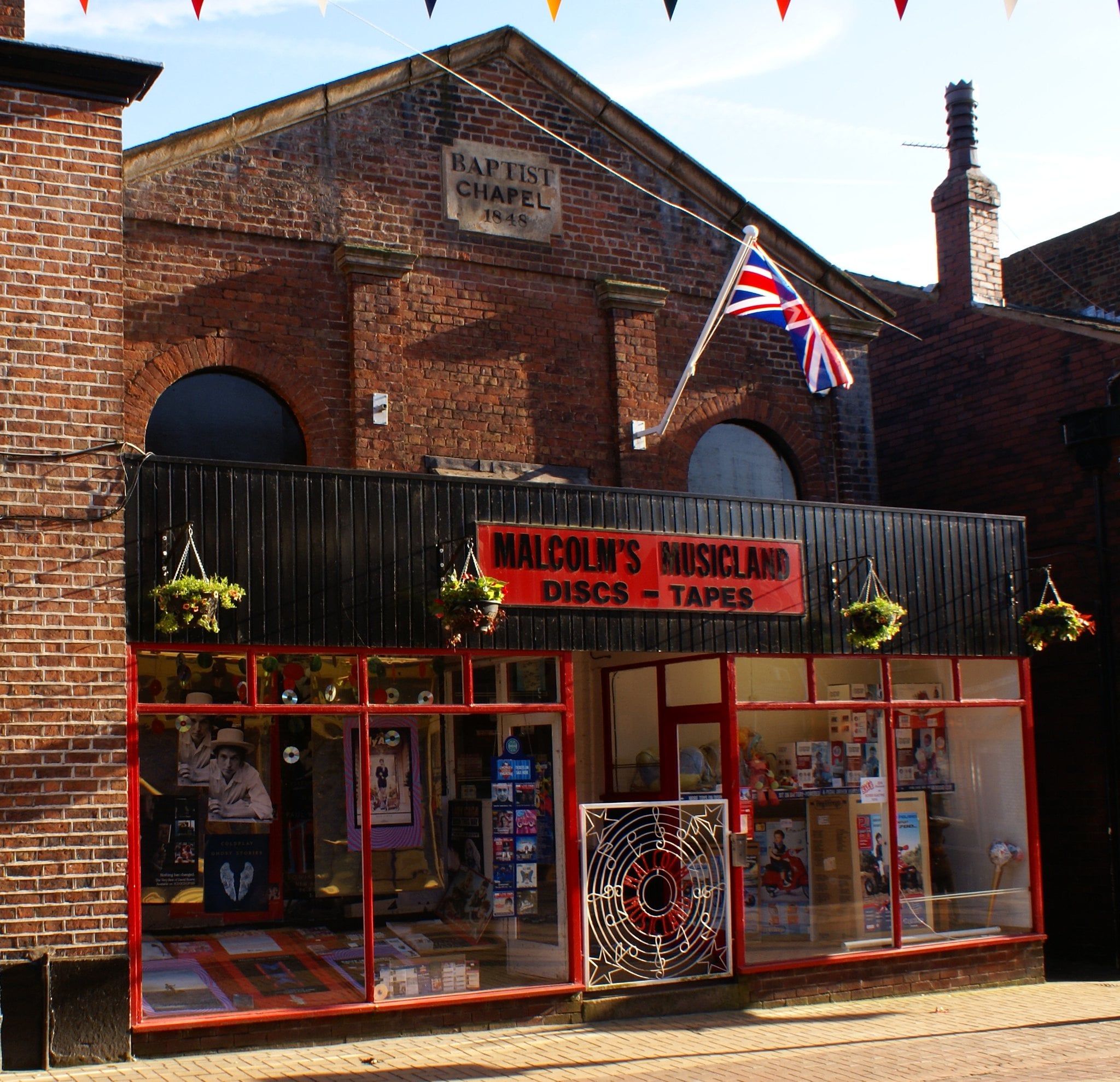
The music store wars of the ’80s had clear battle lines, and Musicland held serious ground in the mall ecosystem (though they’d eventually lose to the big box stores, but that’s a different story entirely — what mattered then was walking in and hearing three different albums playing from different sections, creating this layered soundtrack that somehow worked). Cassettes lined the walls like colorful bricks. Vinyl still commanded respect in dedicated sections.
The listening stations had chunky headphones that never quite fit right, but you’d spend twenty minutes there anyway, flipping through the latest releases and wondering if you had enough allowance left for that Madonna tape. And the posters — every teenager’s bedroom walls were decorated with rolled-up prints from Musicland’s spinning rack near the register, because apparently everyone needed a life-sized image of their favorite band staring down at them while they did homework.
B. Dalton Bookseller
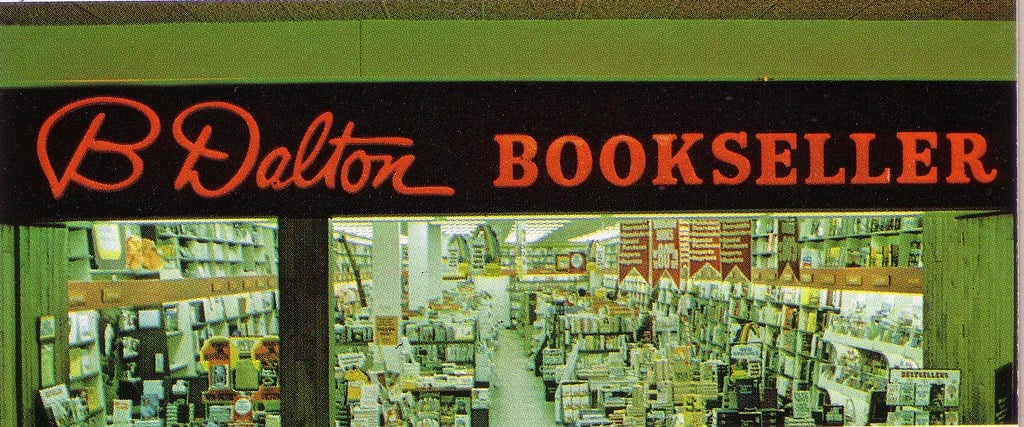
B. Dalton did bookstores right. Small enough that you could browse the entire inventory in an afternoon, organized enough that finding specific titles never turned into a scavenger hunt, and staffed by people who actually read books instead of just selling them.
The store felt curated rather than overwhelming. New releases got prominent placement up front, but the real treasures lived in the back corners where genres mixed together in ways that made sense. You’d go in looking for science fiction and leave with a cookbook and a mystery novel.
Kay-Bee Toys
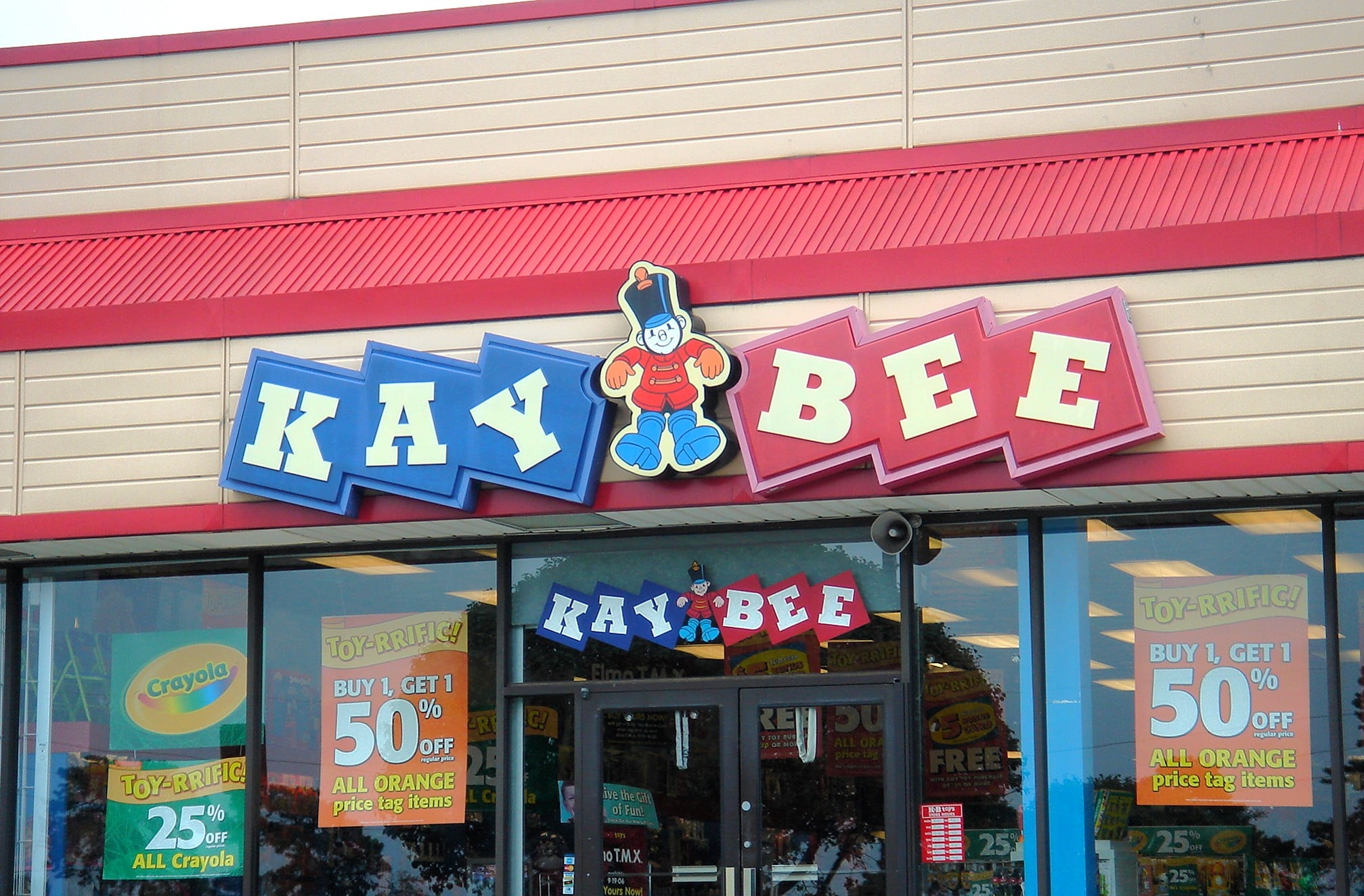
Nothing announced Christmas season like the chaos of Kay-Bee Toys in December. Cramped aisles, toys stacked to the ceiling, and harried parents trying to navigate through crowds of excited kids who wanted to touch everything.
The store never looked organized, which was part of its charm. Action figures hung from every available peg, board games created towering displays that looked perpetually ready to topple, and the latest electronic toys beeped and flashed from their demo stations. Shopping there required patience and determination, but Kay-Bee always had what you needed — and usually at prices that made sense.
The Sharper Image
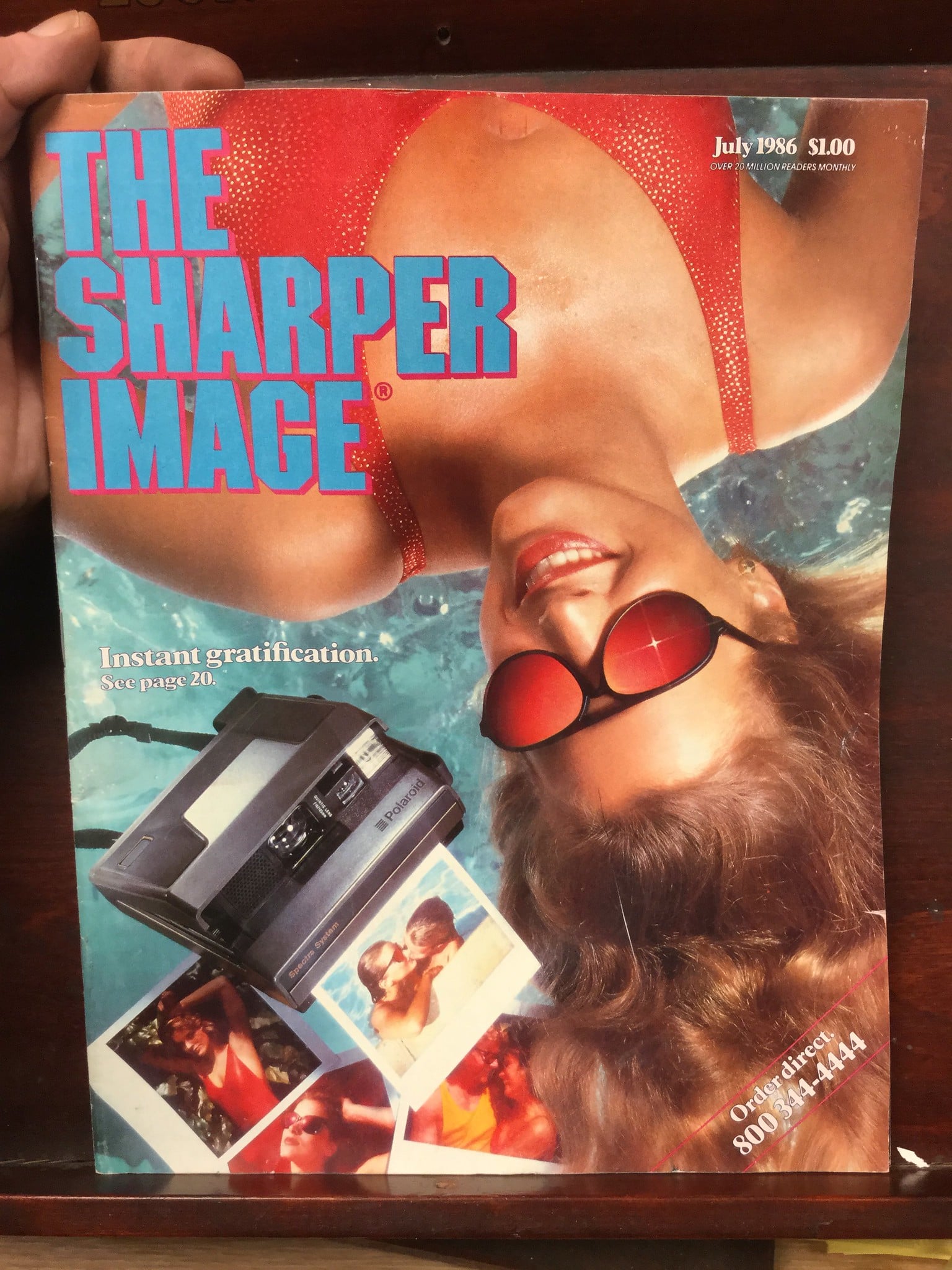
The Sharper Image was retail theater disguised as a gadget store, the kind of place where everything hummed, beeped, or demonstrated some supposedly life-changing technology that you’d never quite convinced yourself you actually needed. Massage chairs dominated the front window, inviting mall walkers to pause and experience five minutes of mechanical relaxation they’d think about for weeks afterward.
The store’s real genius lay in making ordinary problems seem solvable through clever engineering — why settle for a regular alarm clock when you could wake up to gradually increasing light that simulated sunrise, complete with nature sounds and a built-in coffee aroma dispenser that probably worked twice before breaking. Every item felt like a glimpse into the future, even when the future turned out to be unnecessary.
Orange Julius

Orange Julius occupied that perfect intersection of snack and treat. Not quite fast food, not quite dessert, but something entirely its own that no other place has quite managed to replicate.
The drink itself defied easy description — part orange juice, part milkshake, part science experiment that somehow worked. Watching them make it was half the appeal: the dramatic blending, the foam that built up just right, the way they’d hand it over with a wide straw that could handle the thick consistency. The smell carried halfway across the food court, sweet and citrusy enough to stop conversations mid-sentence.
Contempo Casuals
Contempo Casuals understood teenage fashion in a way that felt almost telepathic — they knew exactly what trends were about to hit before anyone else seemed to catch on, and their buyers had an uncanny ability to translate runway looks into pieces that worked in high school hallways without completely destroying allowance budgets. The store felt like having a friend with perfect taste who happened to run a clothing boutique.
Walking through Contempo meant discovering pieces you hadn’t known you wanted until you saw them hanging there, styled in ways that made complete outfits obvious rather than overwhelming. And the music — always the right music, never too loud, never something your parents would hate but never something that felt like it was trying too hard to be cool either.
Gadzooks
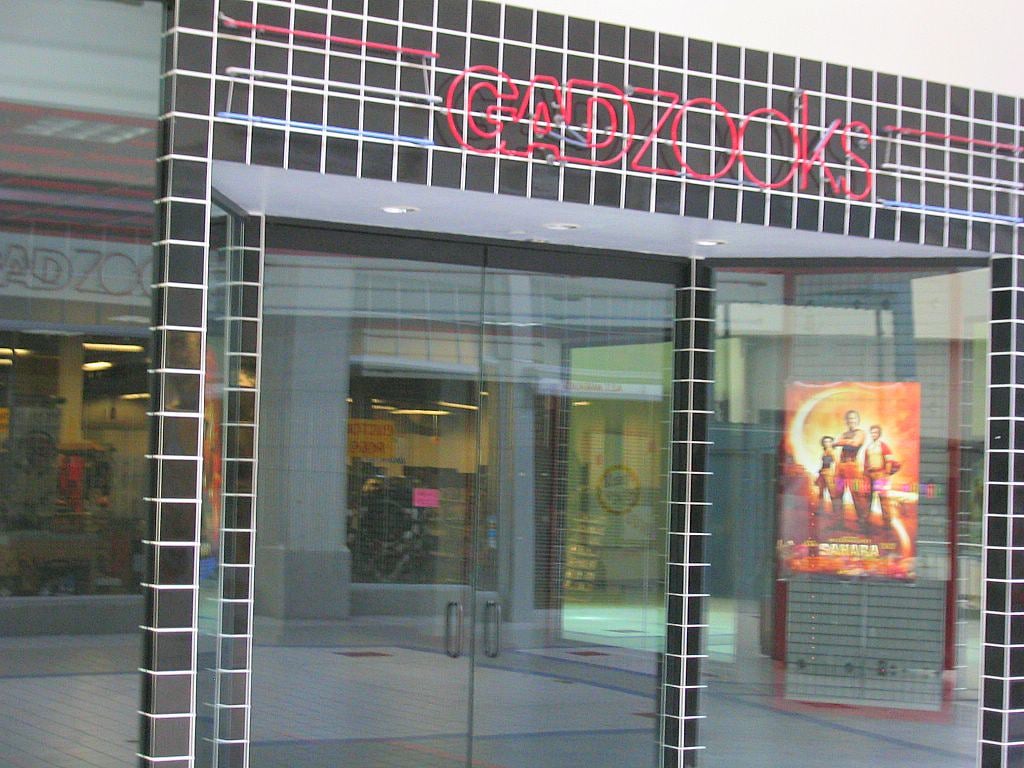
Gadzooks was pure attitude in retail form. The name alone warned customers that this wasn’t going to be a typical shopping experience, and the store delivered on that promise with merchandise that leaned hard into whatever subculture seemed most likely to annoy authority figures.
Band T-shirts, studded accessories, and clothing that proclaimed various forms of rebellion filled the racks. The staff looked like they shopped there themselves, which created an authenticity that bigger chain stores never quite managed to fake.
RadioShack
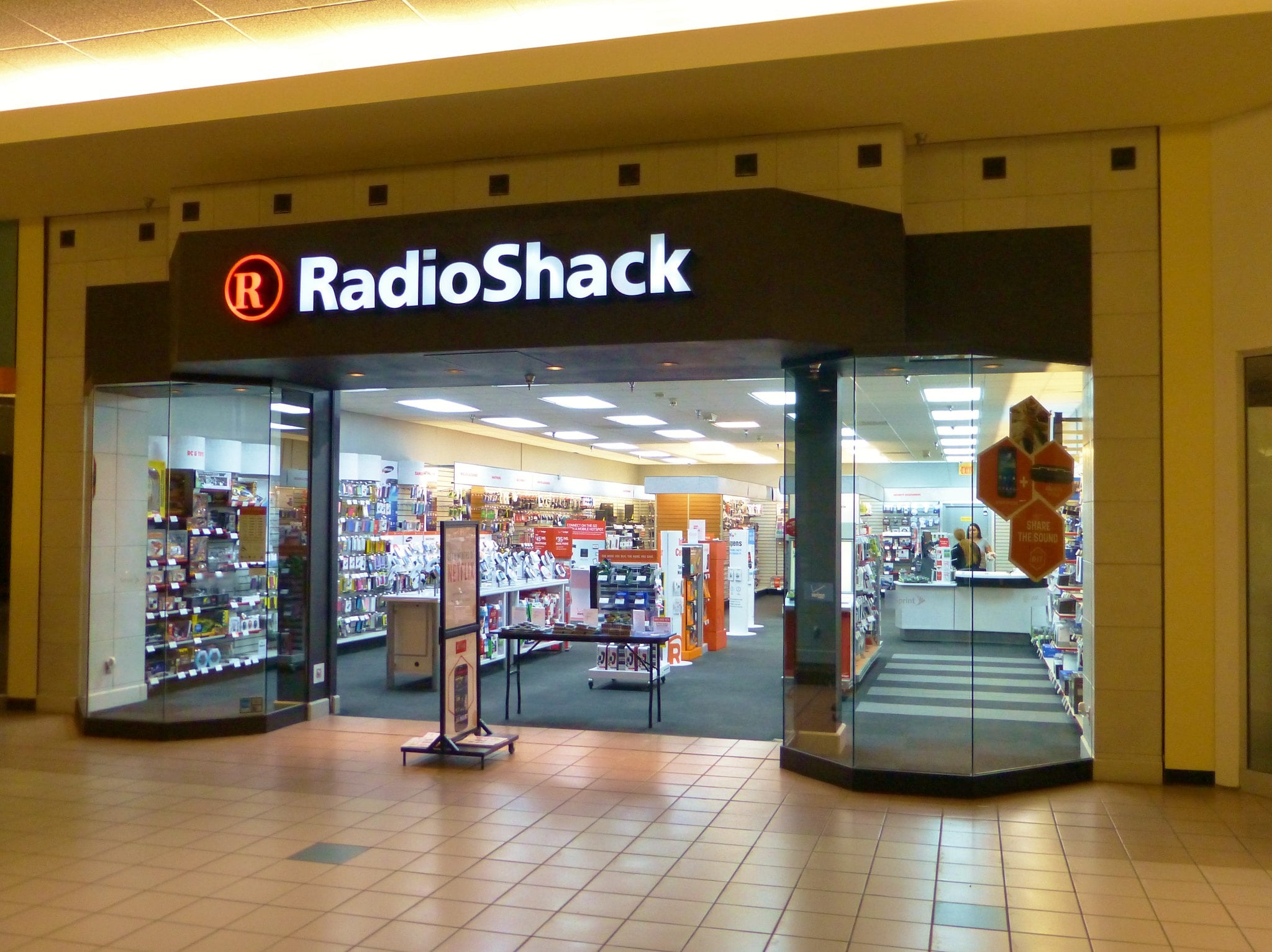
RadioShack served a customer base that doesn’t really exist anymore — people who fixed their own electronics instead of replacing them. The store was part hardware shop, part electrical supply depot, part problem-solving headquarters for anyone whose gadgets had stopped working properly.
Drawers full of tiny components lined the walls: resistors, capacitors, fuses, and mysterious electronic parts that only made sense if you understood how things actually functioned. The employees knew which battery powered what device, which adapter worked with which system, and how to splice cables that companies insisted couldn’t be repaired. You went to RadioShack when something broke and you weren’t ready to give up on it yet.
Camelot Records
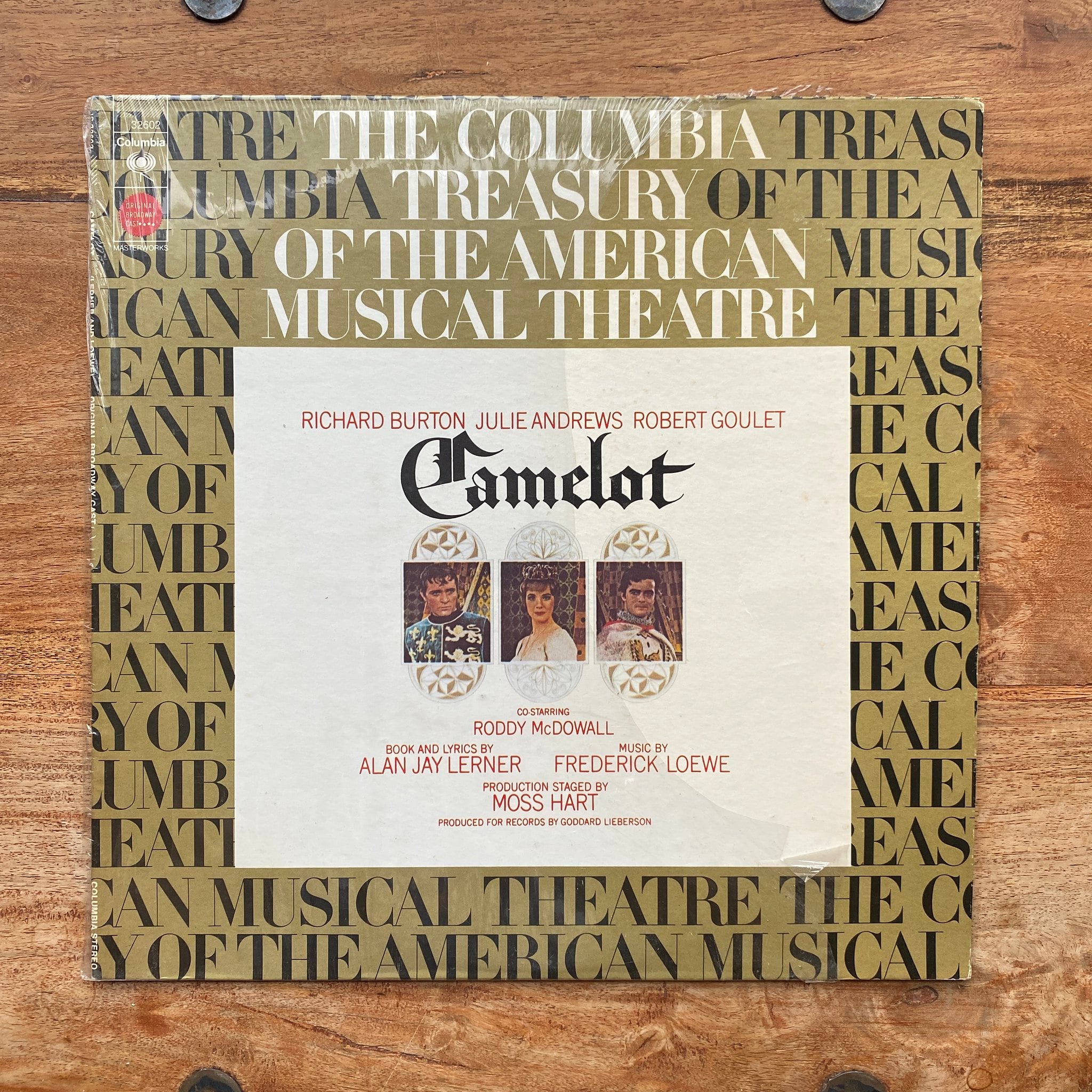
Camelot Records fought the good fight in the music retail wars, carving out space between the bigger chains through sheer determination and a staff that actually knew their inventory (not just the location of different genres, but which albums were worth recommending and which ones were better left on the shelf gathering dust until the next markdown sale). The listening stations got heavy use, and nobody rushed customers who wanted to preview entire albums before committing to purchase.
But what set Camelot apart was their willingness to special order almost anything — import singles, limited releases, obscure compilations that other stores wouldn’t bother tracking down. So you’d end up developing actual relationships with the employees, who’d remember what you liked and occasionally set aside things they thought might interest you.
Structure

Structure was gap-year fashion before anyone called it that — clothes that looked put-together enough for jobs that required effort, but relaxed enough that you didn’t feel overdressed hanging out afterward. The store understood something that a lot of retailers missed: most people wanted to look like they had their act together without appearing to try too hard.
Khakis that actually fit, shirts that worked equally well tucked or untucked, and sweaters that survived multiple washings without losing their shape. Nothing revolutionary, just reliable pieces that formed the foundation of wardrobes that made sense.
Chess King
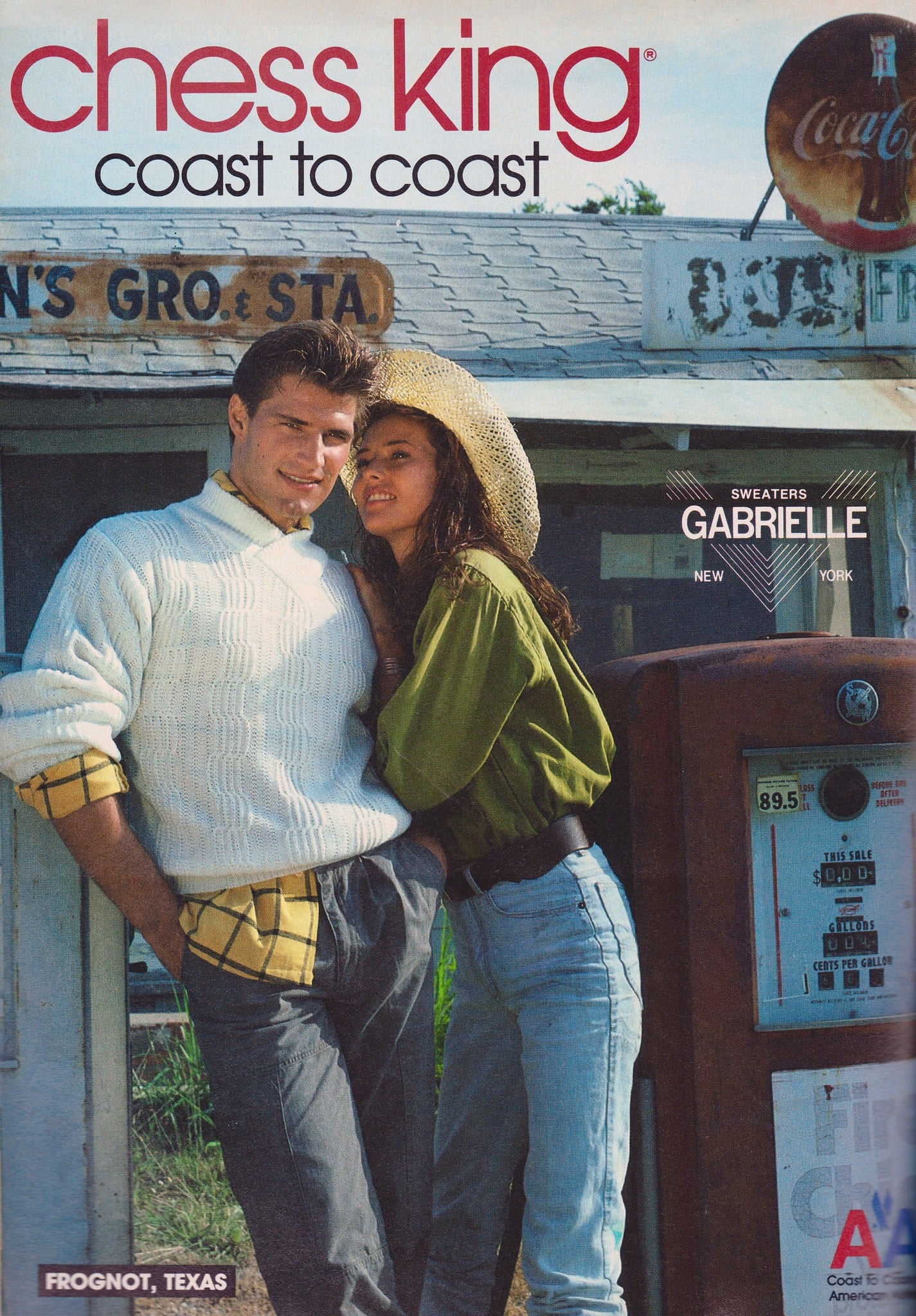
Chess King was fast fashion before the term existed, cramming trend cycles into seasons and somehow making it work through sheer volume and aggressive pricing. The store changed its inventory so frequently that regular customers developed strategies for timing their visits to catch new arrivals before sizes sold out.
Everything was slightly exaggerated — colors a little brighter, cuts a little more dramatic, styles pushed just far enough past mainstream to feel current without crossing into unwearable territory. The clothes weren’t built to last, but they weren’t supposed to. They were built to look right for exactly as long as the trends they represented stayed relevant.
Software Etc.

Software Etc. served customers who remembered when buying computer programs meant walking into a store and examining actual boxes with screenshots and system requirements printed on the back. The staff could explain the difference between various word processors, recommend games based on what hardware you owned, and help navigate the confusing world of compatibility issues that made computing feel like a specialized hobby.
Shelves lined with colorful boxes created a library of possibilities — productivity software, games, educational programs, and utilities that promised to optimize whatever system you were running. Shopping there required patience and questions, but you left understanding exactly what you’d purchased and how to make it work.
More from Go2Tutors!

- The Romanov Crown Jewels and Their Tragic Fate
- 13 Historical Mysteries That Science Still Can’t Solve
- Famous Hoaxes That Fooled the World for Years
- 15 Child Stars with Tragic Adult Lives
- 16 Famous Jewelry Pieces in History
Like Go2Tutors’s content? Follow us on MSN.