Images Of 14 Forgotten Stars Of The Roaring Twenties
The Roaring Twenties produced more movie stars than Hollywood knew what to do with. Silent films created an entire galaxy of faces that once filled theaters from New York to Los Angeles, their names splashed across marquees in electric lights.
But fame in that era proved as fleeting as the films themselves — nitrate stock decomposed, studios folded, and talking pictures arrived like a storm that swept away careers overnight.
Today, while everyone knows Charlie Chaplin and Mary Pickford, dozens of equally magnetic performers have faded into sepia-toned obscurity. These are their stories, rescued from the archives and given the spotlight they once commanded.
Colleen Moore
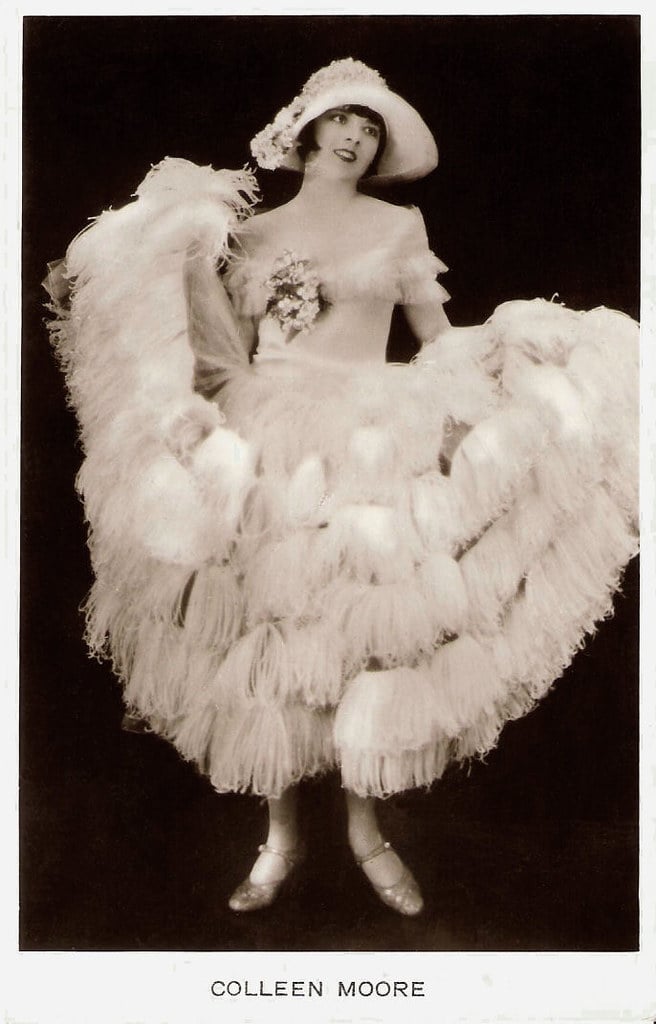
Moore owned the flapper image before anyone else figured out how to bottle it. Dark bob, dancing eyes, and that particular brand of rebellious charm that made parents nervous.
She wasn’t just playing a character — she was defining an entire generation’s idea of what young women could be.
Her films made millions, but talking pictures revealed a voice that didn’t match the image. Hollywood moved on. Moore didn’t fight it.
Emil Jannings
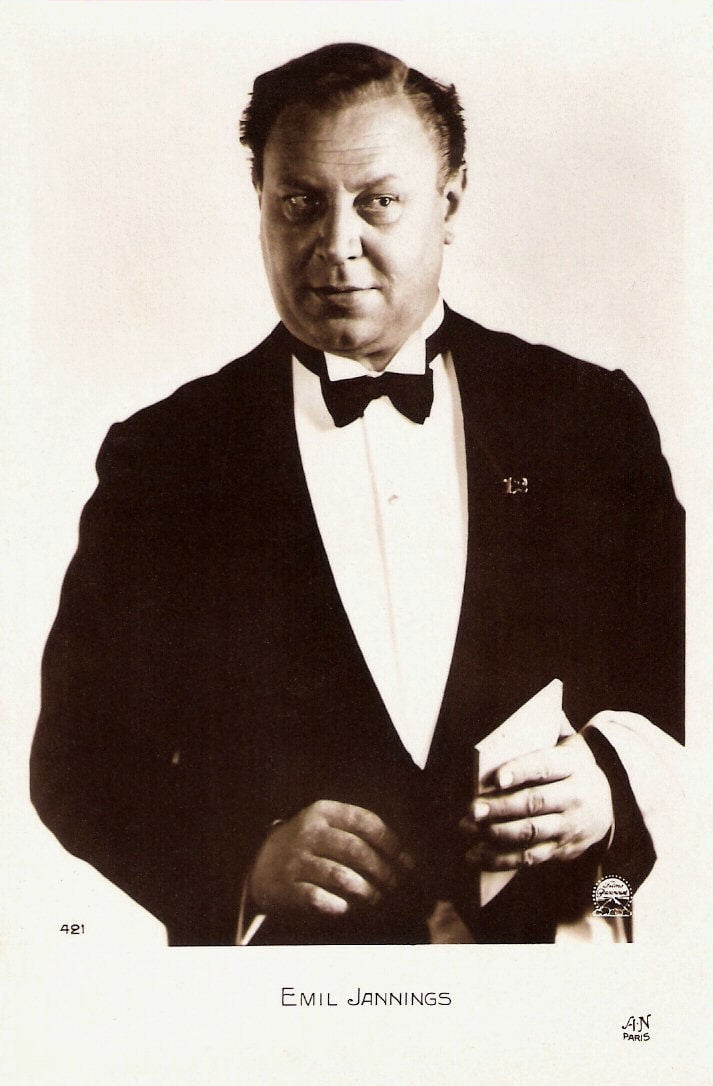
The first actor to win an Academy Award, back when the ceremony lasted fifteen minutes and nobody televised it. Jannings commanded the screen with a presence that filled theaters — German-born, classically trained, and absolutely magnetic in silent films like “The Last Laugh” and “The Way of All Flesh.”
Then sound arrived, and his thick accent became a problem that no amount of talent could solve.
By 1929, he was packing his bags for Germany, leaving behind an Oscar and a career that had seemed unstoppable just months earlier. The irony stings: the first man to win Hollywood’s highest honor became one of its earliest casualties.
Pola Negri
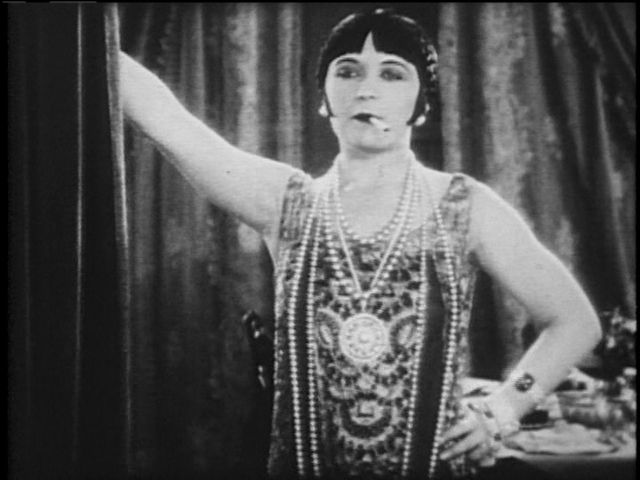
Think of a wildfire that dresses in designer gowns and speaks with a Polish accent — that was Negri’s screen presence, and it’s not entirely a metaphor. She moved through her films like someone who understood that drama wasn’t just something that happened in front of cameras; it was a way of living that made ordinary moments feel charged with possibility.
Audiences couldn’t look away, partly because they never knew what she might do next, but mostly because she carried herself like secrets were currency and she was wealthy beyond measure.
Her personal life generated headlines that overshadowed her films. Affairs with Chaplin and Valentino, feuds with other actresses, and a flair for publicity that made studio heads both grateful and nervous.
When sound films arrived, her accent became a limitation rather than an asset, and Hollywood’s appetite for European mystique had shifted toward something more distinctly American.
John Gilbert
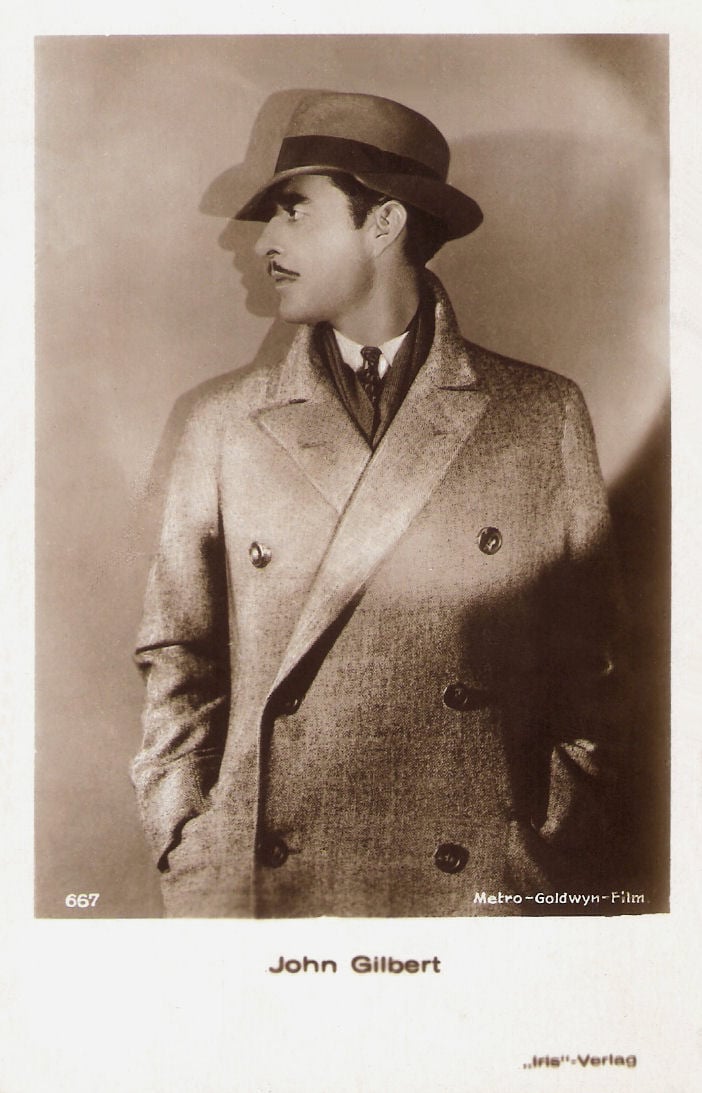
Gilbert could make audiences believe in love with just a glance. Passionate, romantic, and devastatingly handsome — he was everything silent films needed in a leading man.
His affair with Greta Garbo became Hollywood legend, both on-screen and off.
The story goes that his voice was too high for talking pictures, but that’s mostly myth. The real problem was simpler: his style of acting, all grand gestures and intense emotions, suddenly seemed overwrought when paired with dialogue.
Sound films preferred subtlety. Gilbert never adjusted.
Clara Bow
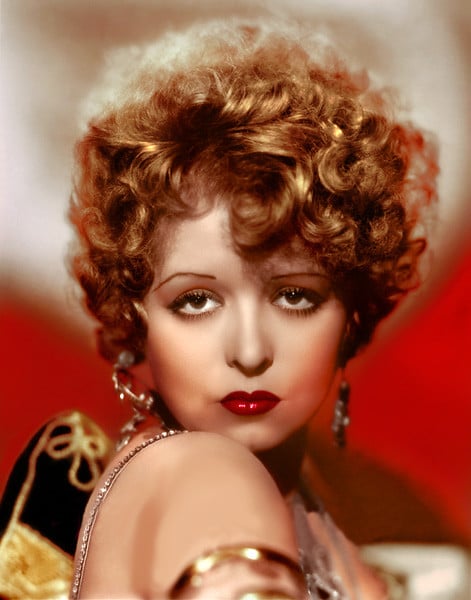
She wasn’t called the “It Girl” for nothing — though explaining exactly what “it” meant became the entertainment industry’s favorite parlor game. Bow had something that translated through camera lenses like electricity through copper wire: an aliveness that made every scene feel immediate and real.
Her personal life scandals eventually overshadowed her talent, and the pressures of fame wore her down in ways that weren’t well understood at the time.
Mental health, media scrutiny, and the relentless demands of stardom proved too much. She retired young, choosing privacy over the spotlight that had made her famous.
Ronald Colman
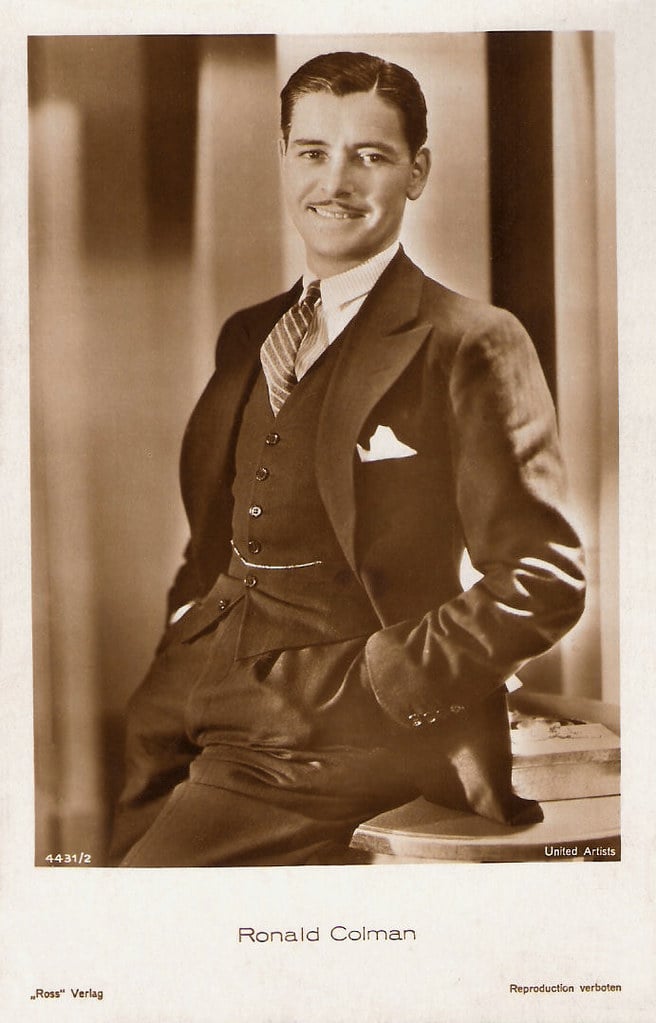
Colman had the kind of voice that could sell anything — smooth, cultured, and distinctly British. He made the transition to sound films look effortless while watching his contemporaries struggle.
His problem was different: he was almost too good at playing the sophisticated gentleman.
Audiences loved him, but Hollywood couldn’t figure out what to do with him once the initial novelty wore off.
He kept working steadily, but the leading man roles gradually shifted to younger actors who seemed more American, more accessible.
Mae Murray
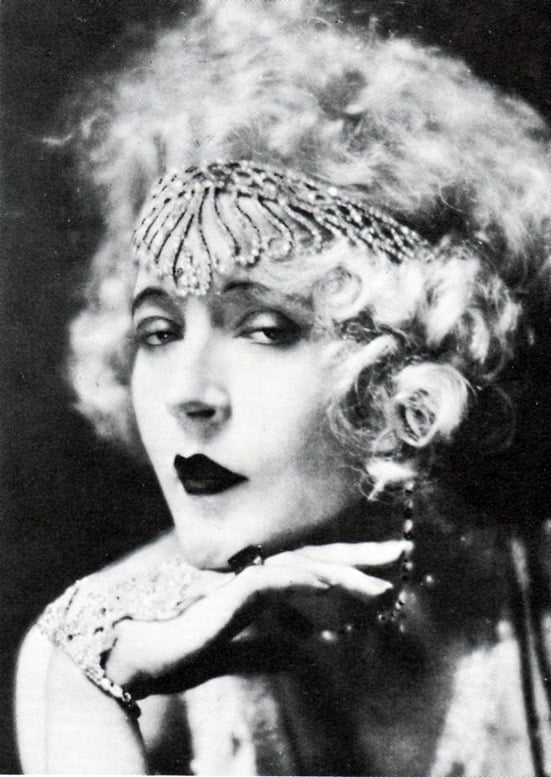
Murray believed in glamour the way other people believe in gravity — as a fundamental force that shapes everything around it. She swept through her films trailing elaborate gowns and impossibly long eyelashes.
Her beauty was the kind that photographers spent hours trying to capture perfectly.
But Murray’s career was built on a very specific vision of femininity that became outdated almost overnight. Sound films demanded more naturalistic performances, and her theatrical style suddenly seemed artificial.
The Wall Street Crash of 1929 also hit her personally — bad investments and expensive tastes left her financially vulnerable just as her earning power diminished.
Rod La Rocque
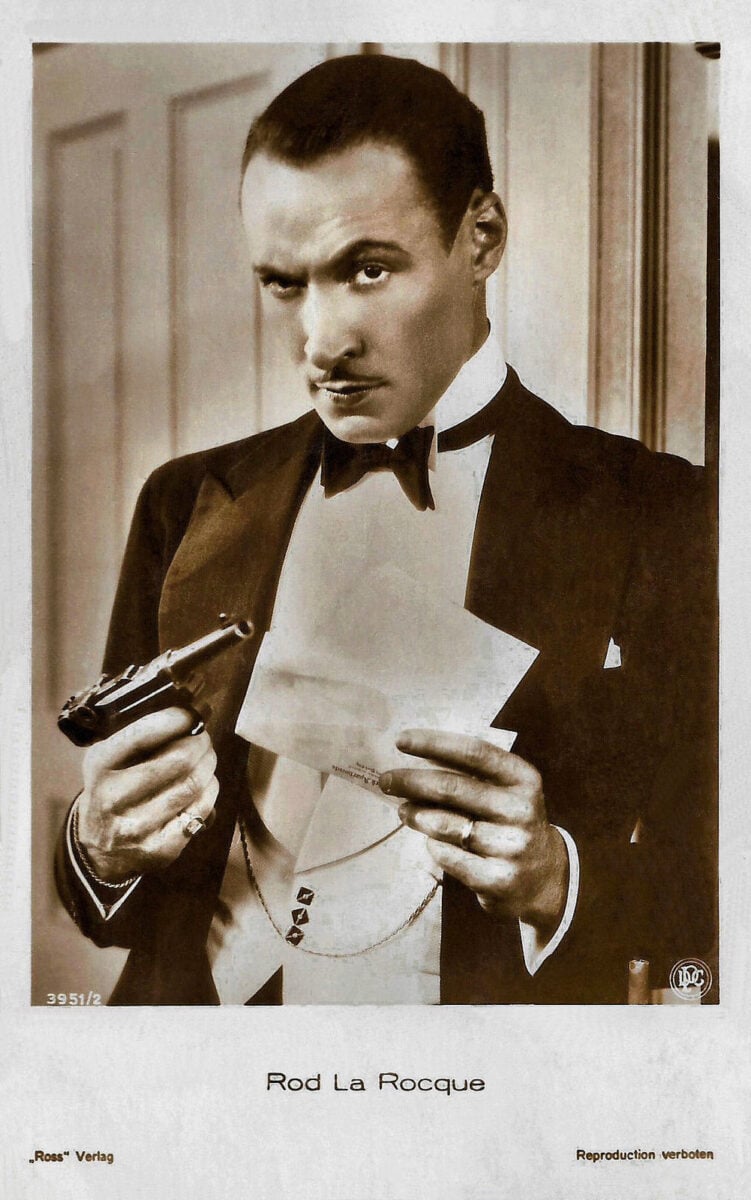
La Rocque specialized in playing sophisticated men with questionable morals. Elegant, dangerous, and always impeccably dressed — he was the template for every smooth-talking villain who would follow.
Audiences loved to hate him, which made him remarkably valuable in an industry that ran on emotional reactions.
Sound films should have been perfect for him. His voice was fine, his acting adaptable, and his screen presence undeniable.
But Hollywood was moving away from the kind of stories that had made him famous.
Nazimova
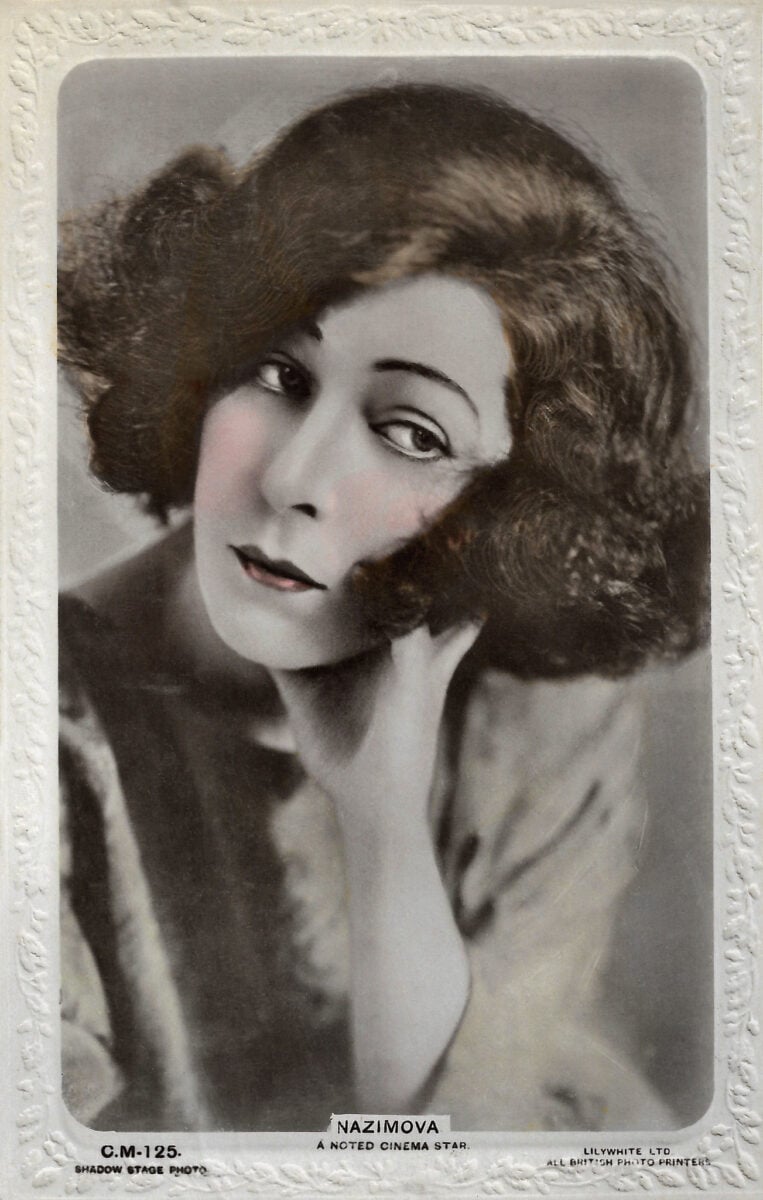
Like a master craftsperson who works in a medium no one quite understands anymore, Nazimova brought something to silent films that couldn’t be replicated or taught — a sense that every gesture meant something beyond what the script required.
Her films felt dense with subtext, layered with meanings that audiences could sense even when they couldn’t articulate them.
As Hollywood became more standardized and risk-averse, there was less room for the kind of experimental, boundary-pushing work that had made her reputation.
She remained respected within the industry but found fewer opportunities to create the kind of films that had established her as an artist rather than just a performer.
Thomas Meighan
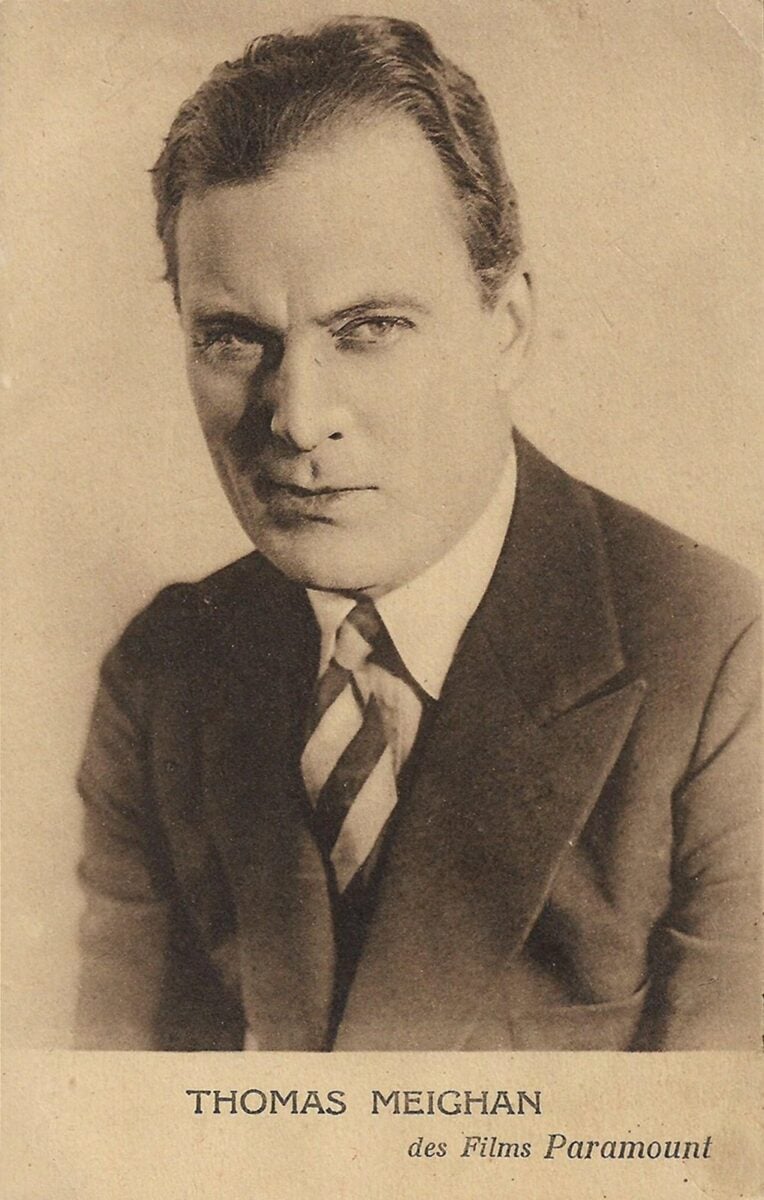
Meighan was reliable in the way that sturdy buildings are reliable — you could count on him to deliver exactly what the role required, no more and no less.
This approach worked perfectly in silent films, where dependability was often more valuable than brilliance.
But sound films changed the game. Suddenly, personality mattered more than reliability, and charisma became more important than competence.
Betty Compson
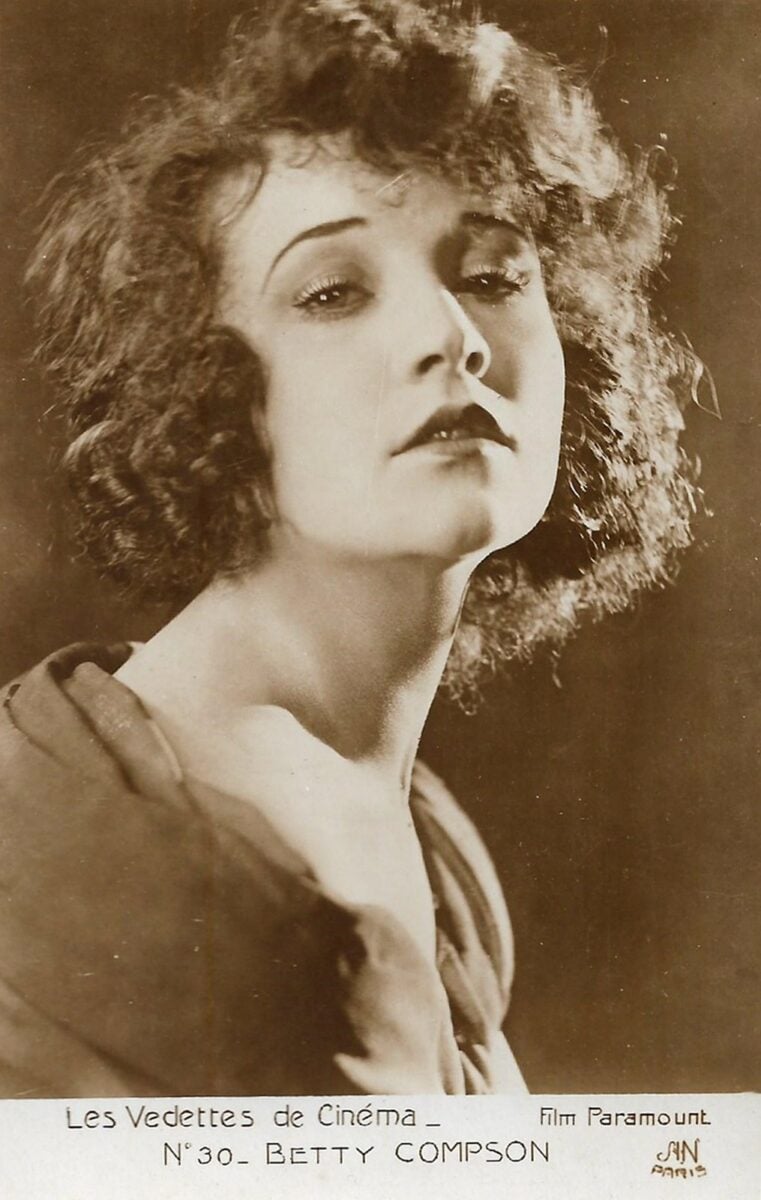
The thing about Compson was her complete lack of pretense — she approached every role like someone who had actual work to do rather than an image to maintain.
Her career spanned the transition from silents to sound, which should tell you something about her adaptability.
But adaptability only takes you so far when the industry decides to move in a different direction.
Her leading roles gradually became supporting ones, and supporting roles eventually became occasional appearances.
Antonio Moreno
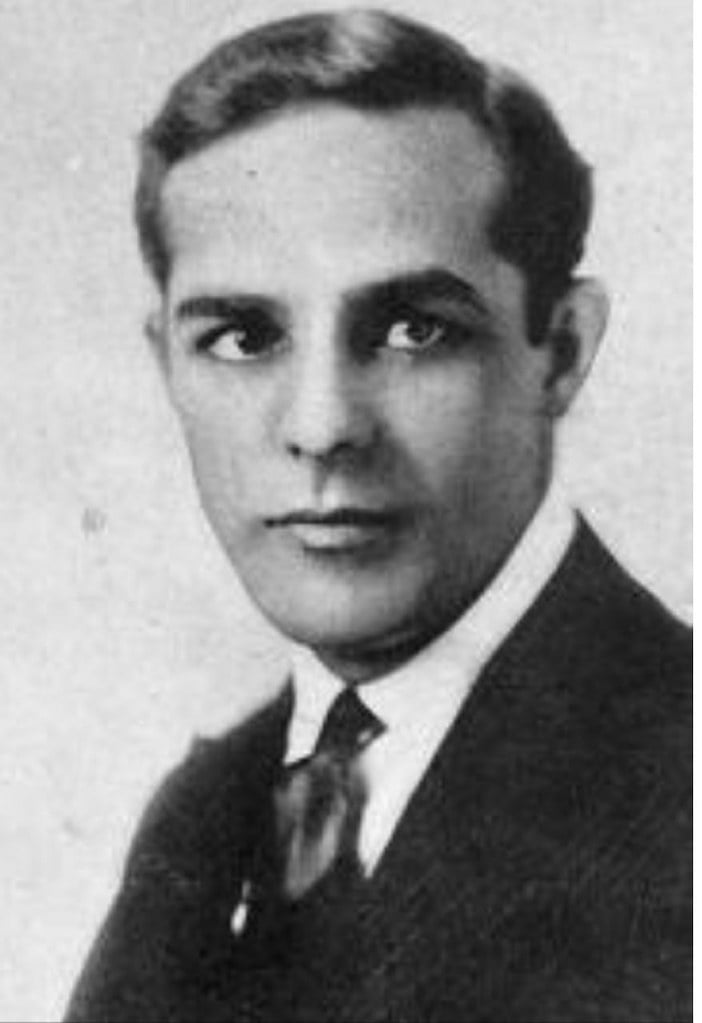
Moreno had the kind of dark good looks that made casting directors reach for words like “smoldering” and “magnetic.” Spanish-born but thoroughly professional, he understood how to use his exoticism as an asset without letting it become a limitation.
He played romantic leads with conviction and villains with style, adapting his persona to whatever the role required.
But Hollywood’s appetite for Latin lovers shifted, and the roles that had sustained his career began going to other actors.
Lya Mara
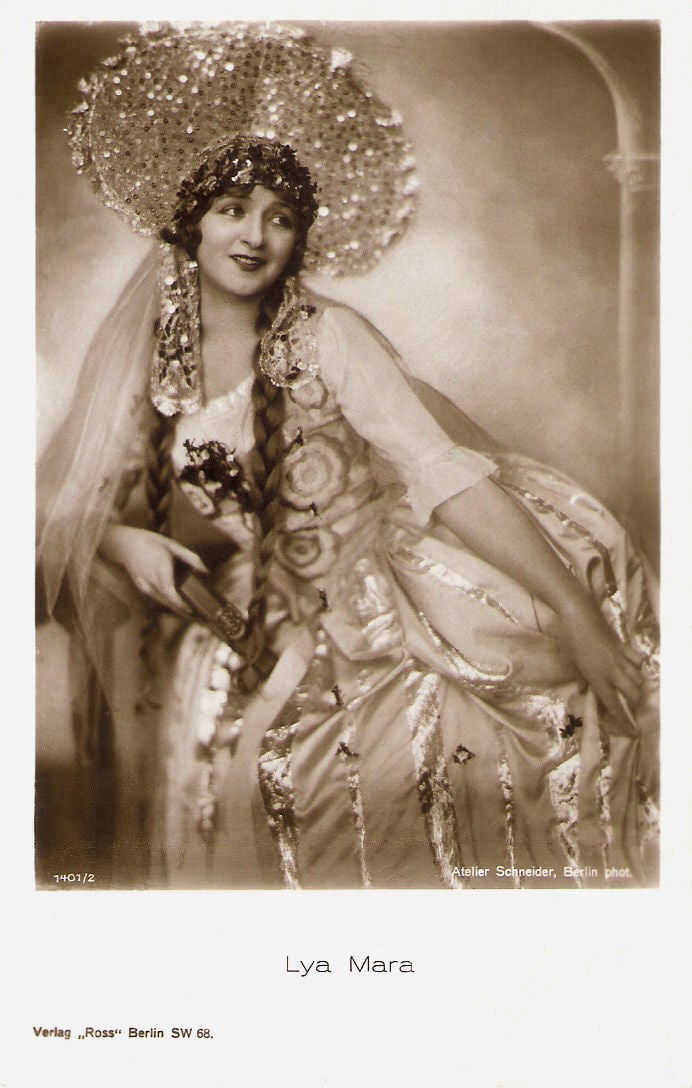
Mara brought something distinctly European to American screens — a sophistication that felt genuine rather than performed.
Her films often cast her as women who had seen the world and drawn their own conclusions about it.
As Hollywood became more insular and focused on distinctly American stories, there was less demand for the kind of international flavor that Mara represented.
She returned to Europe, where her career continued, but her American moment had passed.
Estelle Taylor
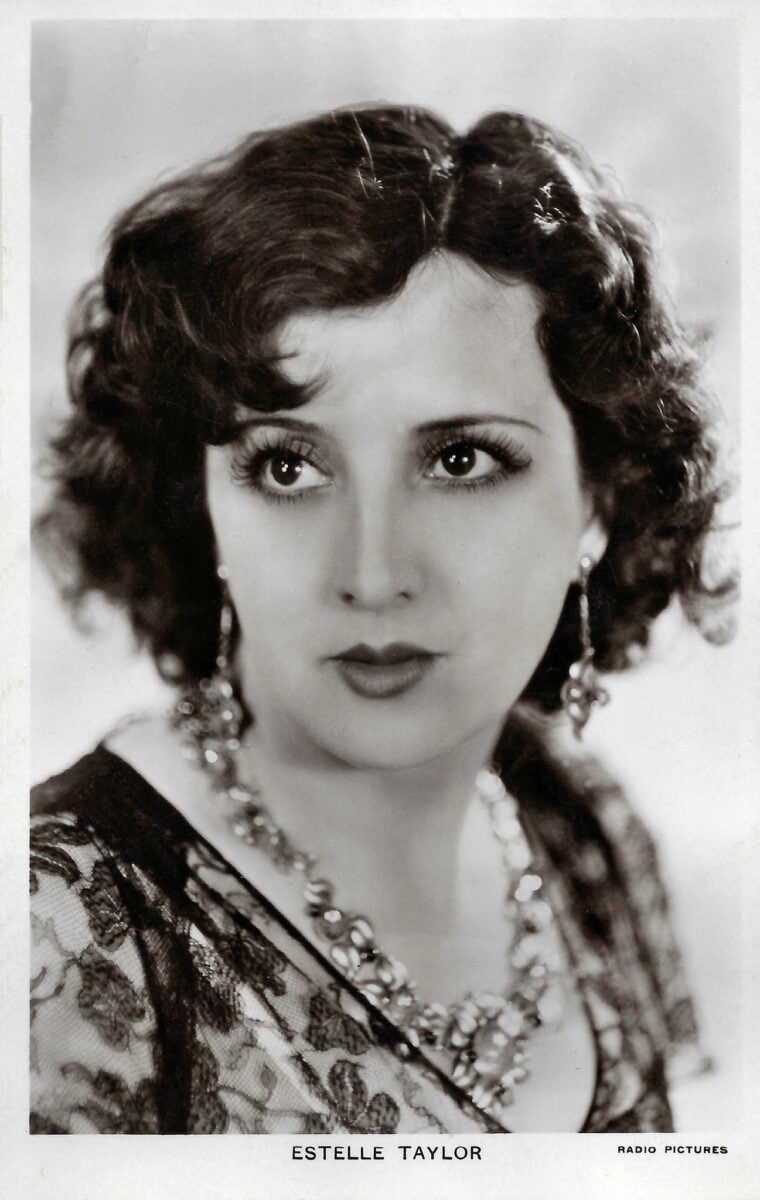
Taylor understood that beauty was a tool, not an ornament — something to be wielded strategically rather than simply displayed.
She played women who used their attractiveness to get what they wanted, characters who understood the power dynamics of desire.
But Hollywood was developing more complicated ideas about female ambition and identity.
Her career gradually shifted toward smaller parts in less prestigious productions.
When The Music Stopped

These performers didn’t just disappear — they were erased by an industry that moved too quickly to look back. Some adapted, some retired, and others kept working in smaller roles while watching their names fade from marquees.
Their films, when they survive at all, play today in archives and art houses to audiences who recognize their talent but can’t quite grasp the magnitude of their original fame.
It’s a reminder that stardom, no matter how bright, is always temporary, and that Hollywood’s memory is shorter than its ambition.
More from Go2Tutors!

- The Romanov Crown Jewels and Their Tragic Fate
- 13 Historical Mysteries That Science Still Can’t Solve
- Famous Hoaxes That Fooled the World for Years
- 15 Child Stars with Tragic Adult Lives
- 16 Famous Jewelry Pieces in History
Like Go2Tutors’s content? Follow us on MSN.



