15 Things You Didn’t Know About Lightning (Including Its Temperature)
Lightning is one of nature’s most spectacular phenomena. These massive electrical discharges light up the sky during storms, captivating humans throughout history with their raw power and brilliant flashes.
While most people have witnessed lightning strikes from a safe distance, there’s much more to these electrical events than meets the eye. Here is a list of 15 fascinating facts about lightning that might surprise even weather enthusiasts.
Lightning Is Hotter Than The Sun’s Surface
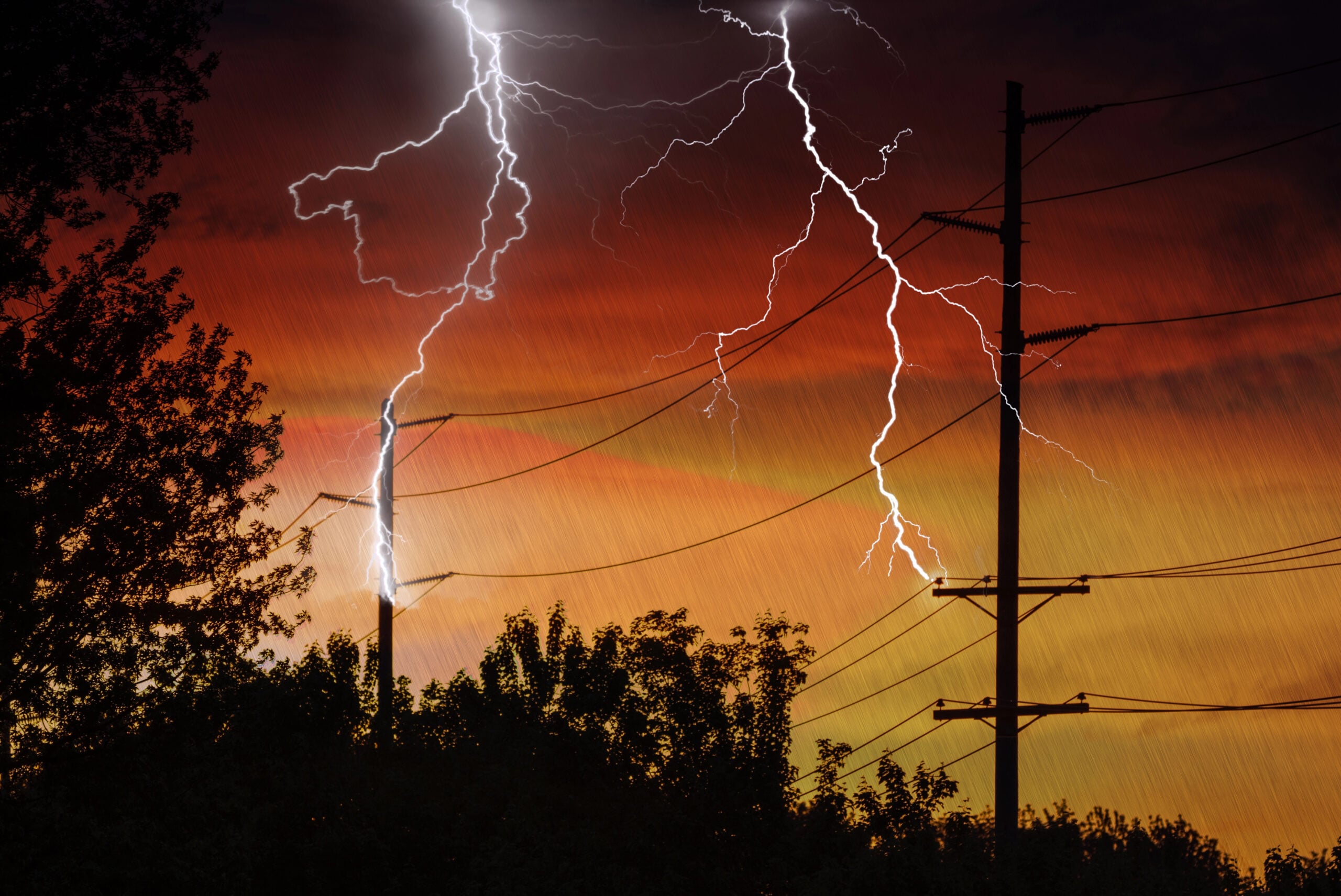
Lightning heats up to around 50,000 degrees Fahrenheit, and is about five times hotter than the surface of the sun. When the hot air inside the lightning bolt expands almost immediately, we hear the thunderous boom.
Lightning Strikes Earth Daily
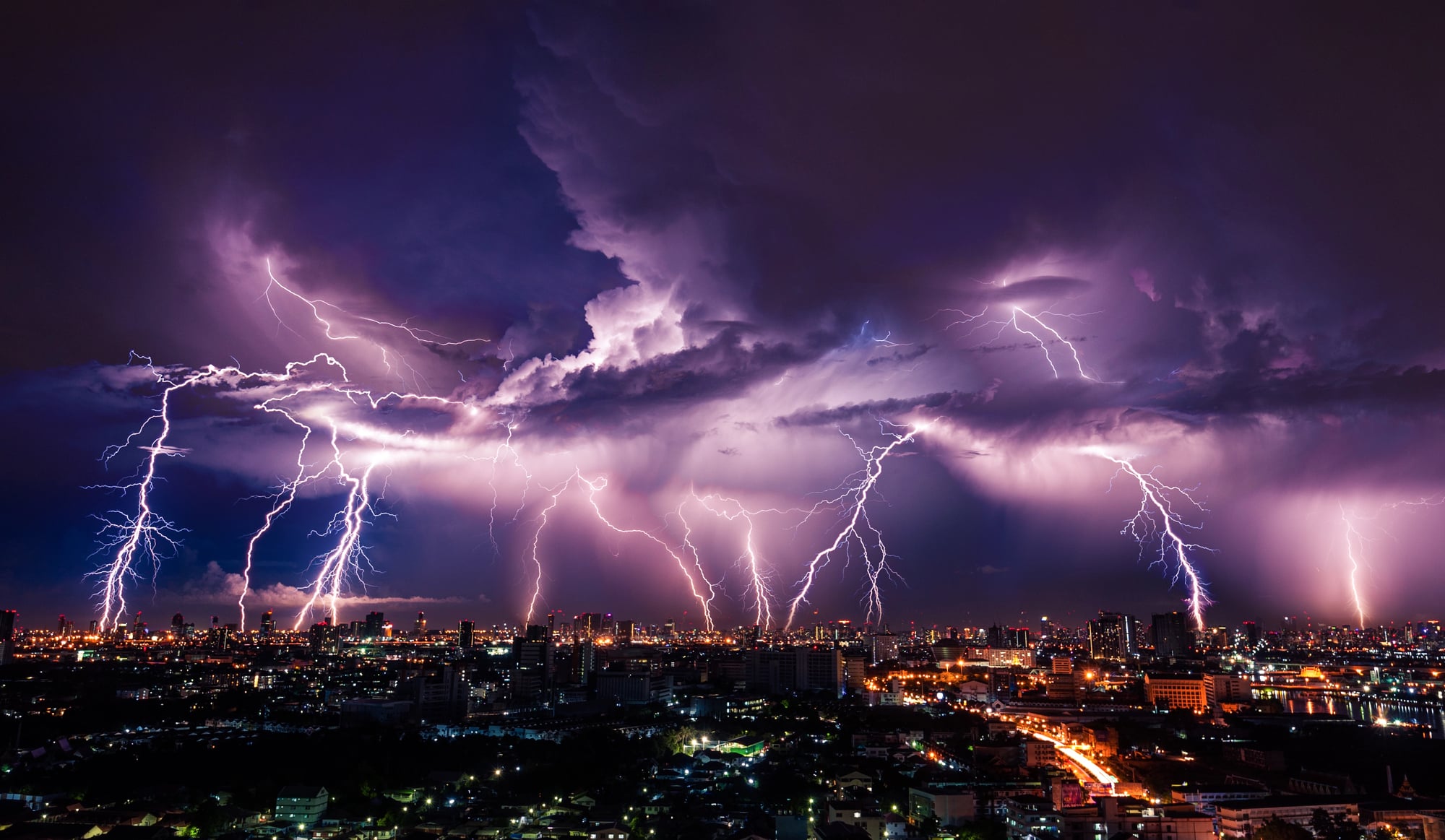
Our Earth is struck by approximately 8 million lightning bolts daily, which is roughly 100 lightning strikes per second. The majority of the strikes occur on land relative to oceans, and the rate is most frequent in the tropical and subtropical regions.
Like Go2Tutors’s content? Follow us on MSN.
Lightning Created Life’s Building Blocks
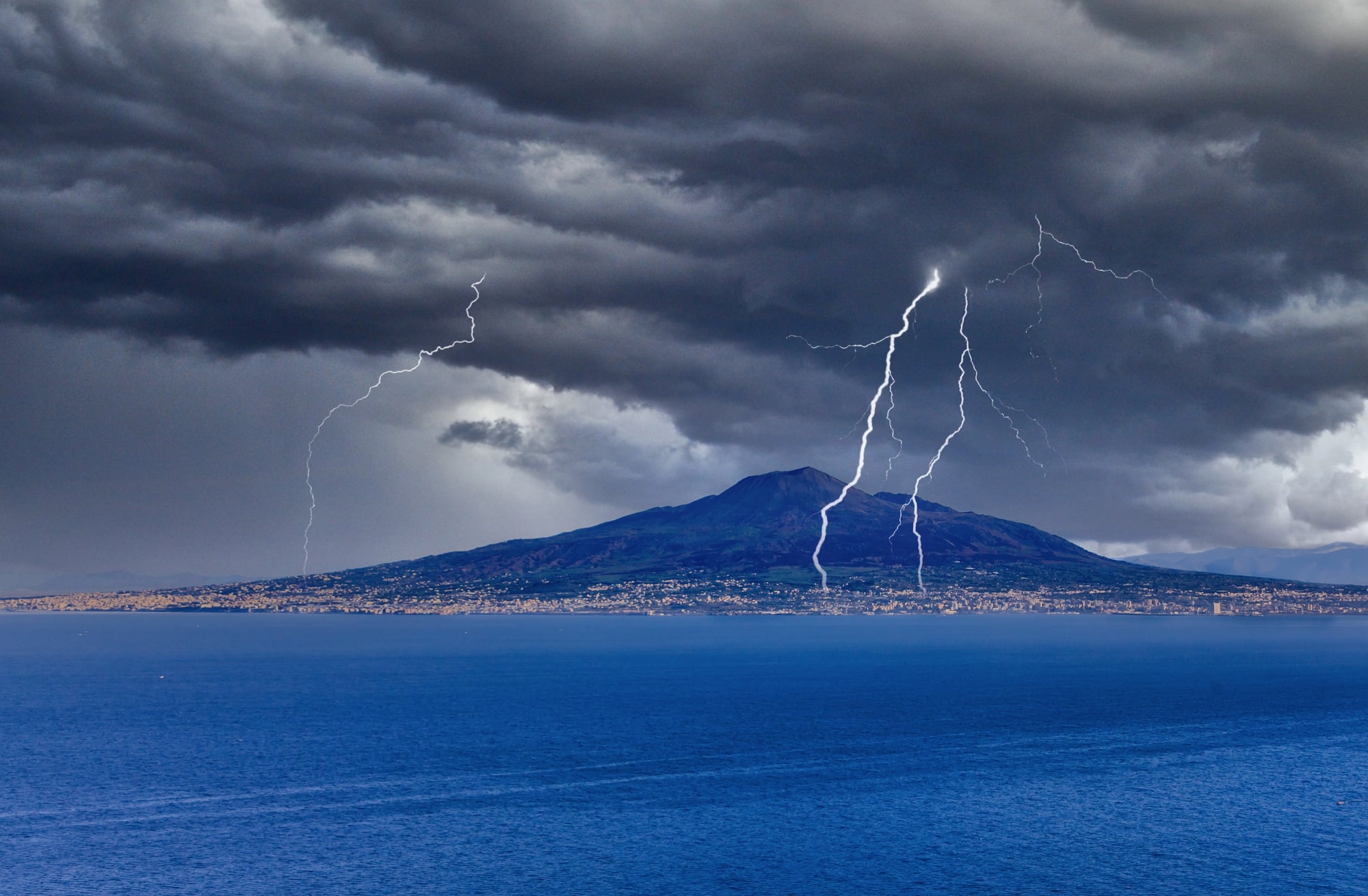
Lightning was considered to be of great importance in Earth’s early history by scientists. The electric discharge might have created amino acids, the building blocks of life, from gases in the atmosphere.
This theory puts lightning as the key to mechanisms that created life on earth.
Florida Is America’s Lightning Capital
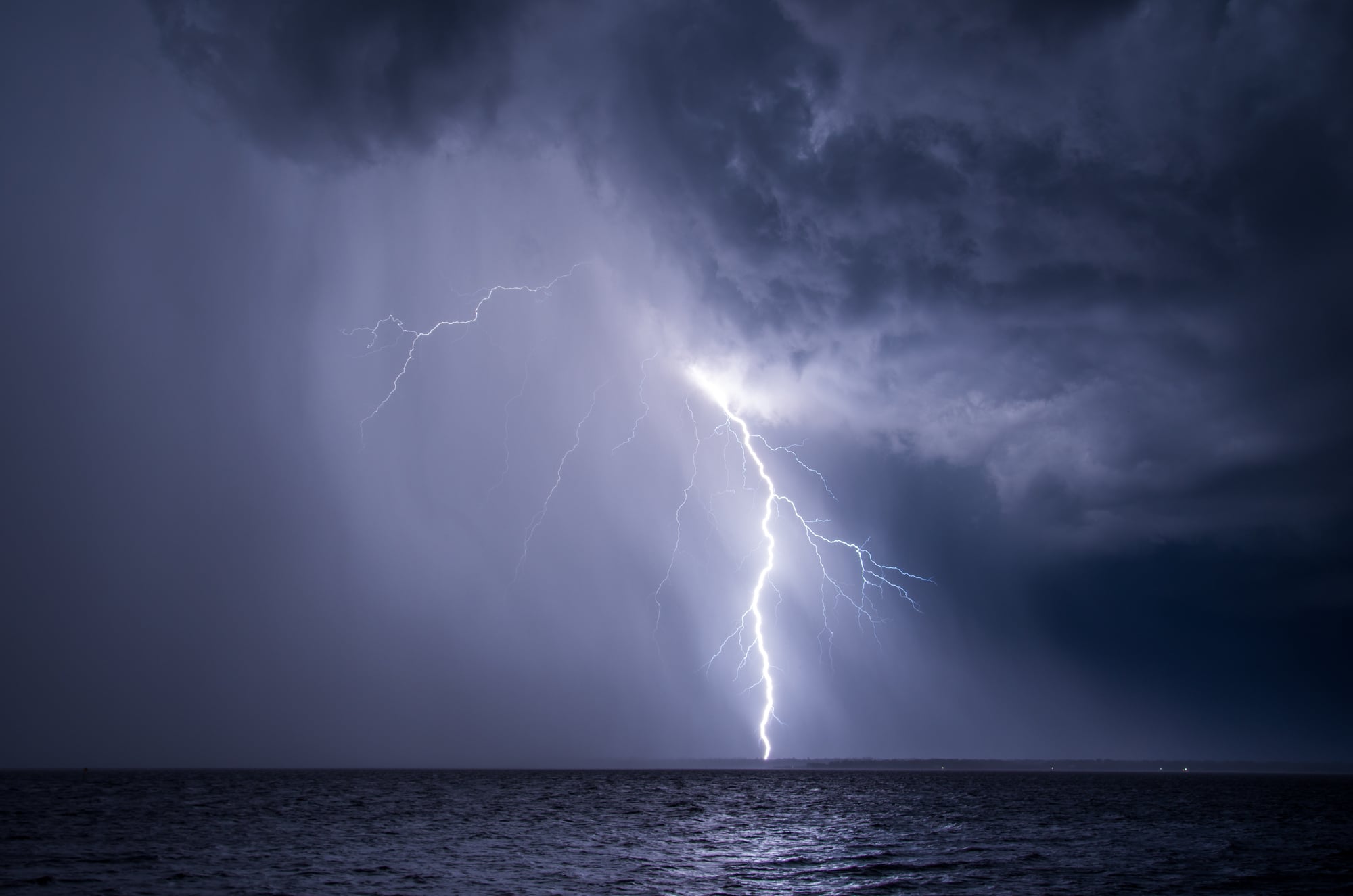
The Sunshine State ironically leads the nation in lightning activity, with Central Florida often called ‘Lightning Alley.’ Tampa Bay specifically experiences about 50 thunderstorm days annually, giving Florida the highest lightning strike density in the United States.
Lightning Comes From Inside And Outside Clouds
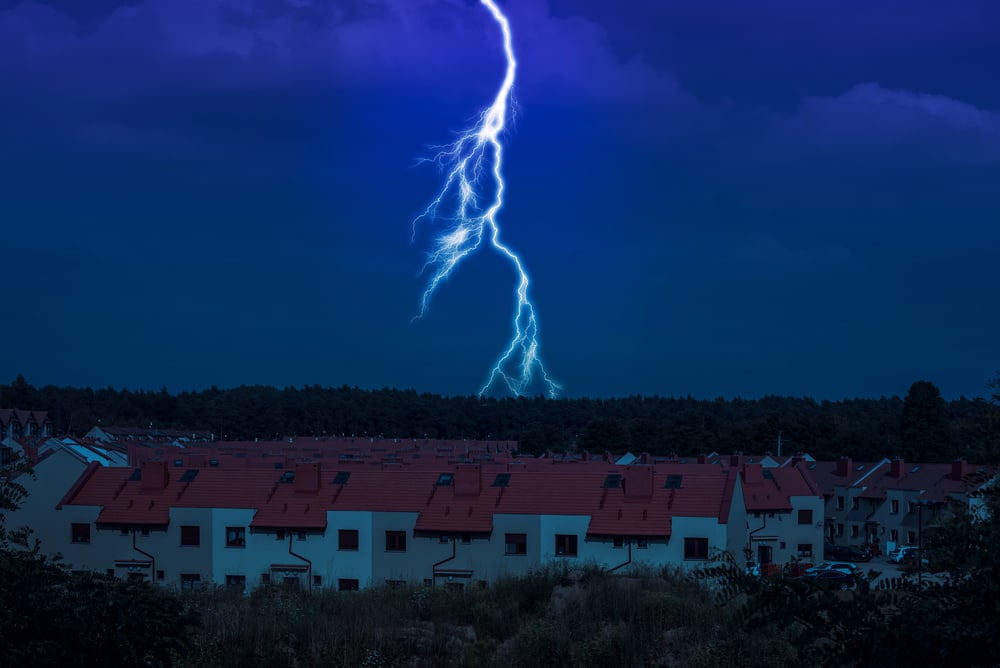
While cloud-to-ground lightning is most recognized, it represents only a small percentage of all lightning. Intra-cloud lightning (occurring within a single cloud) and cloud-to-cloud lightning are actually more common types but often go unnoticed because they don’t reach the ground.
Like Go2Tutors’s content? Follow us on MSN.
Lightning Creates Glass In Sand
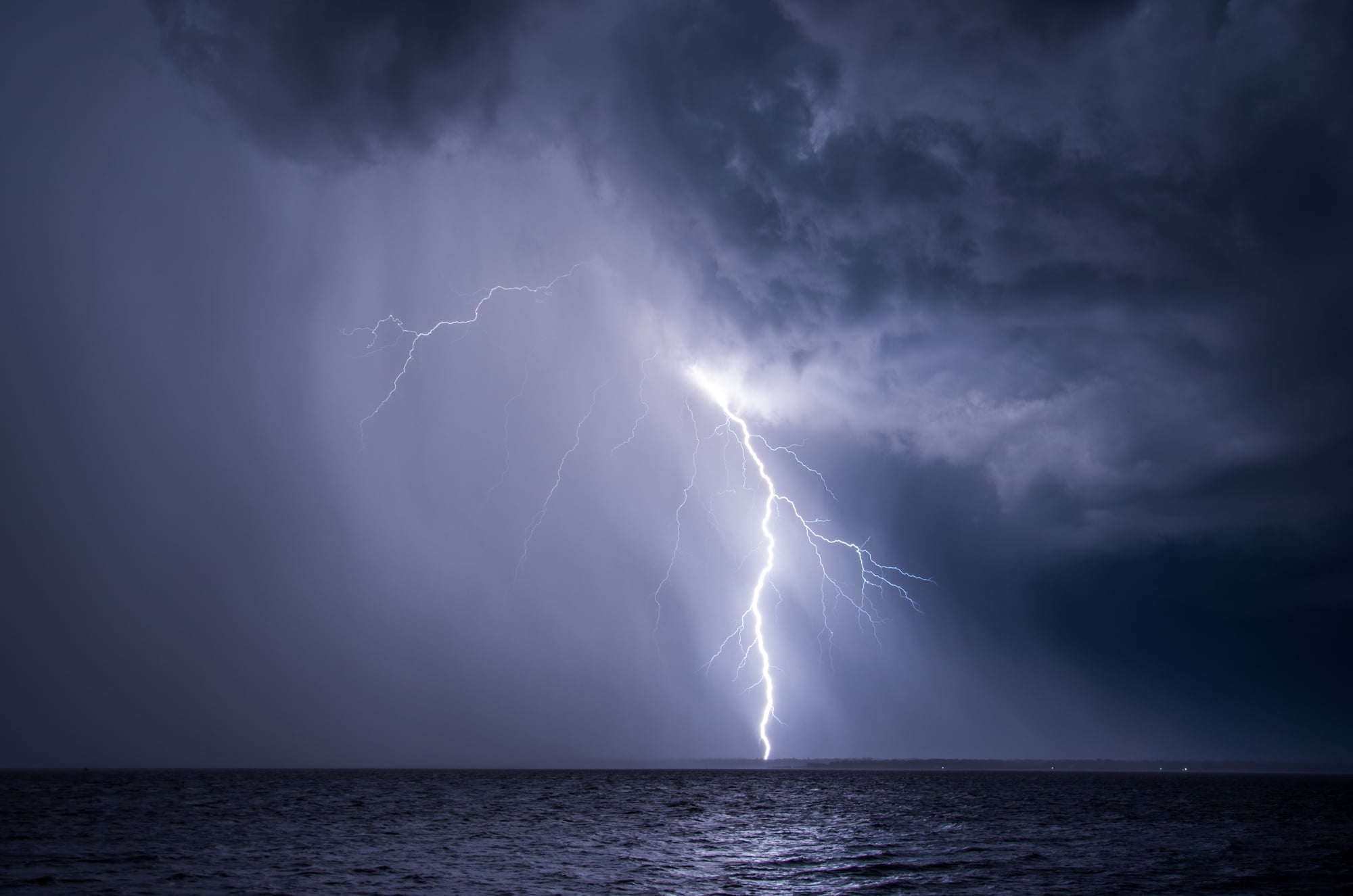
When lightning strikes sandy beaches, it can fuse sand particles together, creating glass tubes called fulgurites. These natural glass formations follow the path of the electrical discharge into the ground and are prized by collectors for their unique branching patterns.
People Can Survive Direct Lightning Strikes

While very hazardous, direct lightning strikes are not necessarily deadly. Approximately 90% of individuals who are struck by lightning survive, though frequently with serious injuries such as burns, cardiac issues, and neurological injury.
Some survivors experience residual health effects for years to come.
Lightning Doesn’t Always Flash
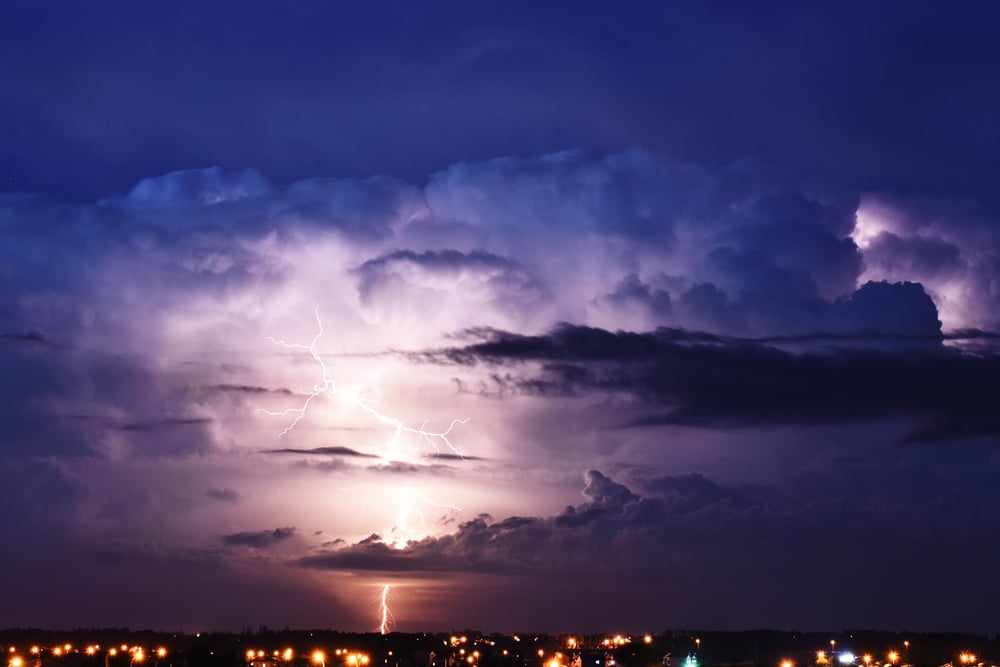
A rare phenomenon called ‘dark lightning’ emits gamma rays rather than visible light. These invisible lightning bursts produce high-energy radiation but don’t create the familiar flash we associate with lightning.
Scientists discovered this type relatively recently, in 2013.
Like Go2Tutors’s content? Follow us on MSN.
Lightning Has Struck The Same Place Repeatedly
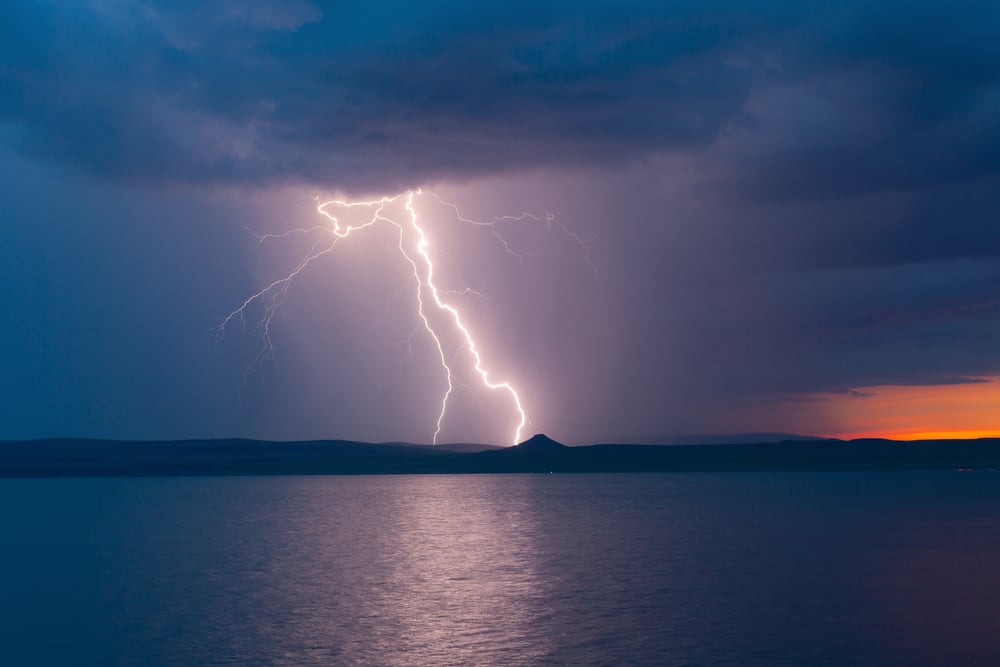
The old saying that ‘lightning never strikes the same place twice’ is completely false. Tall structures like the Empire State Building are struck by lightning approximately 25 times per year.
Any prominent object extending into the sky becomes a natural lightning rod.
Lightning Sometimes Moves Upward
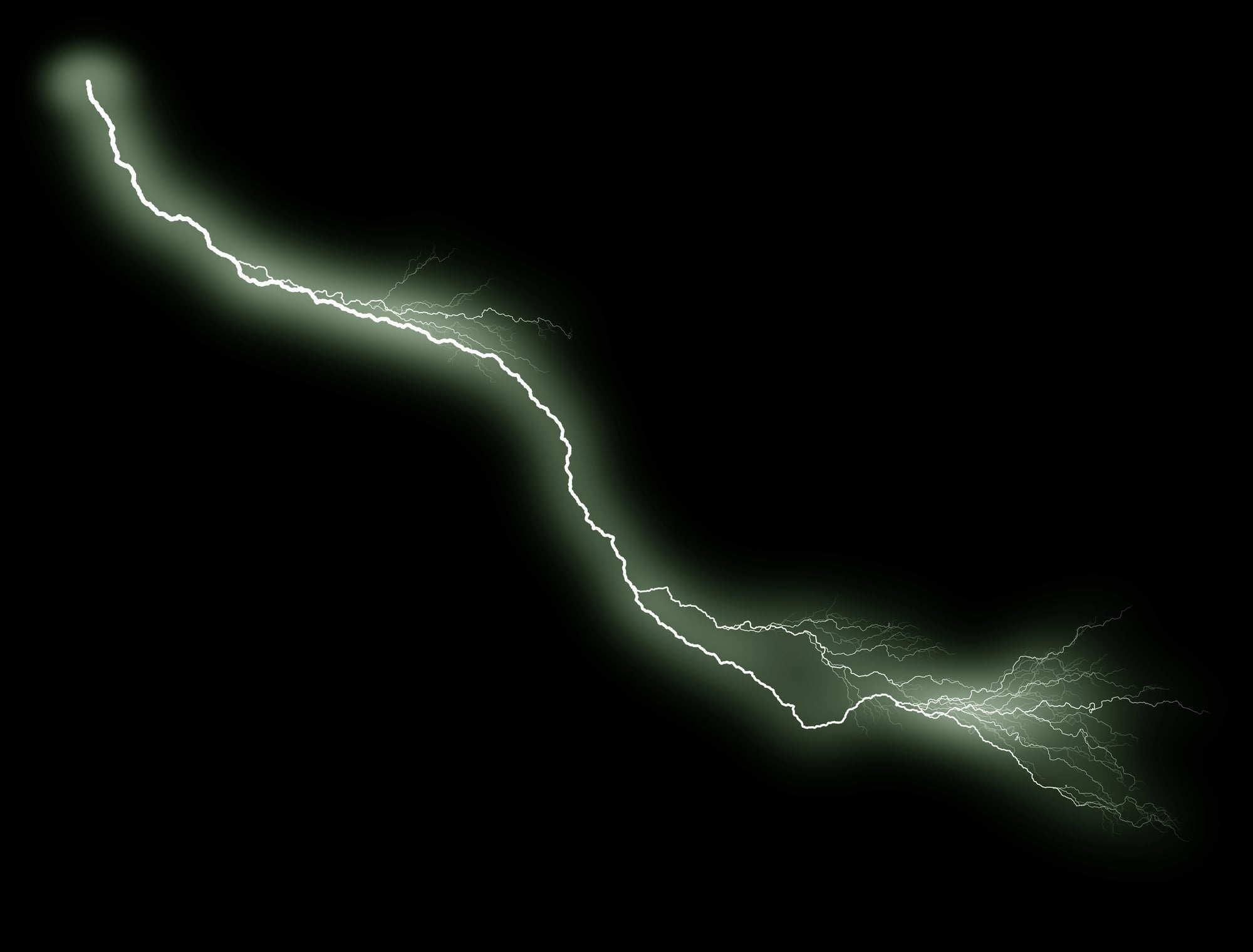
While most lightning travels from clouds to the ground, upward lightning exists too. This rare type begins from tall objects like skyscrapers or radio towers and travels upward into the clouds.
These strikes often look like inverted versions of traditional lightning bolts.
Ball Lightning Remains Mysterious
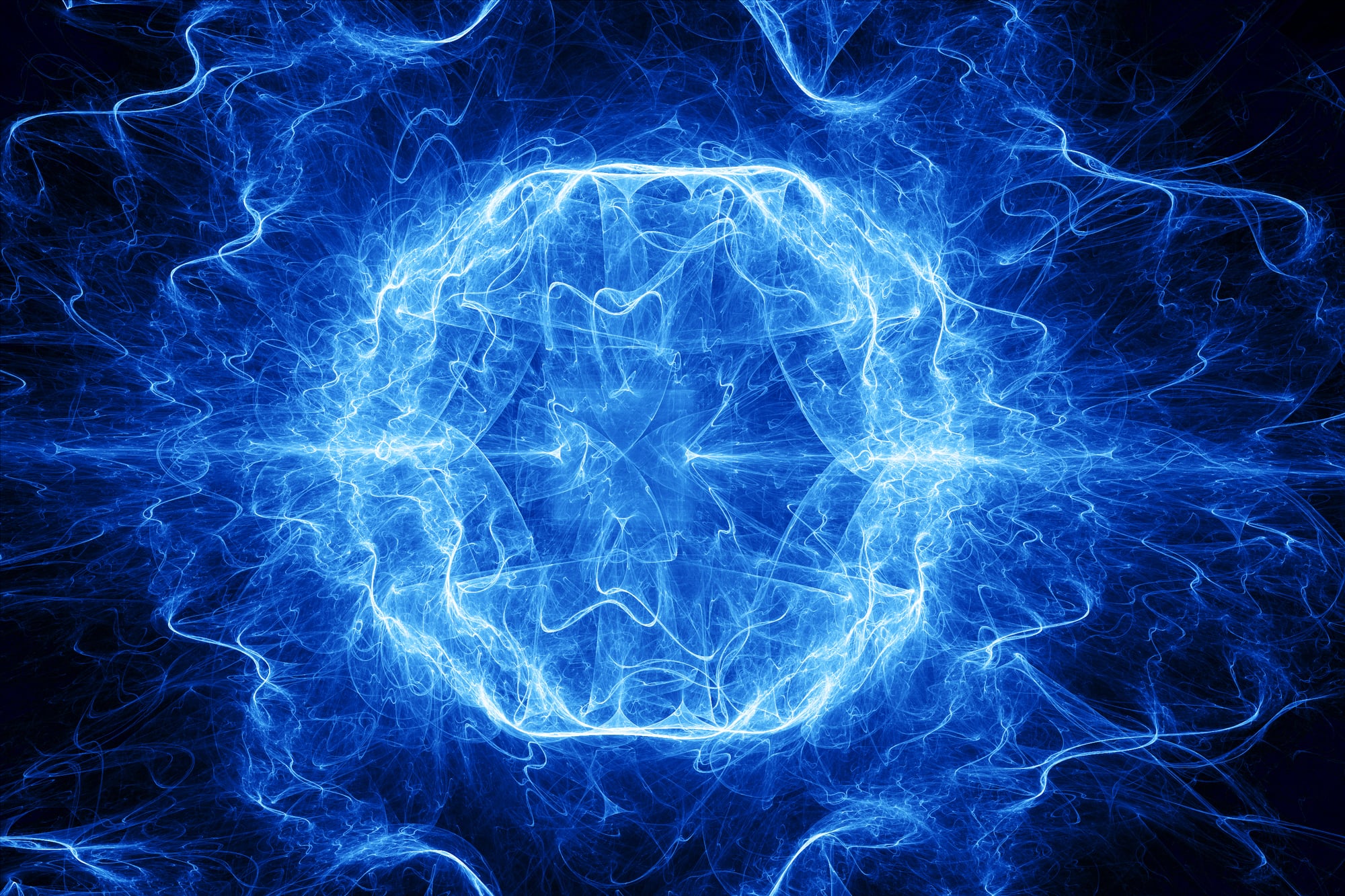
Ball lightning, a rare phenomenon where a glowing sphere appears during thunderstorms, has puzzled scientists for centuries. These luminous orbs can last several seconds or even minutes, float through the air, and sometimes pass through walls.
Despite numerous eyewitness accounts, scientists still debate its exact causes.
Like Go2Tutors’s content? Follow us on MSN.
Lightning Creates Anti-Matter
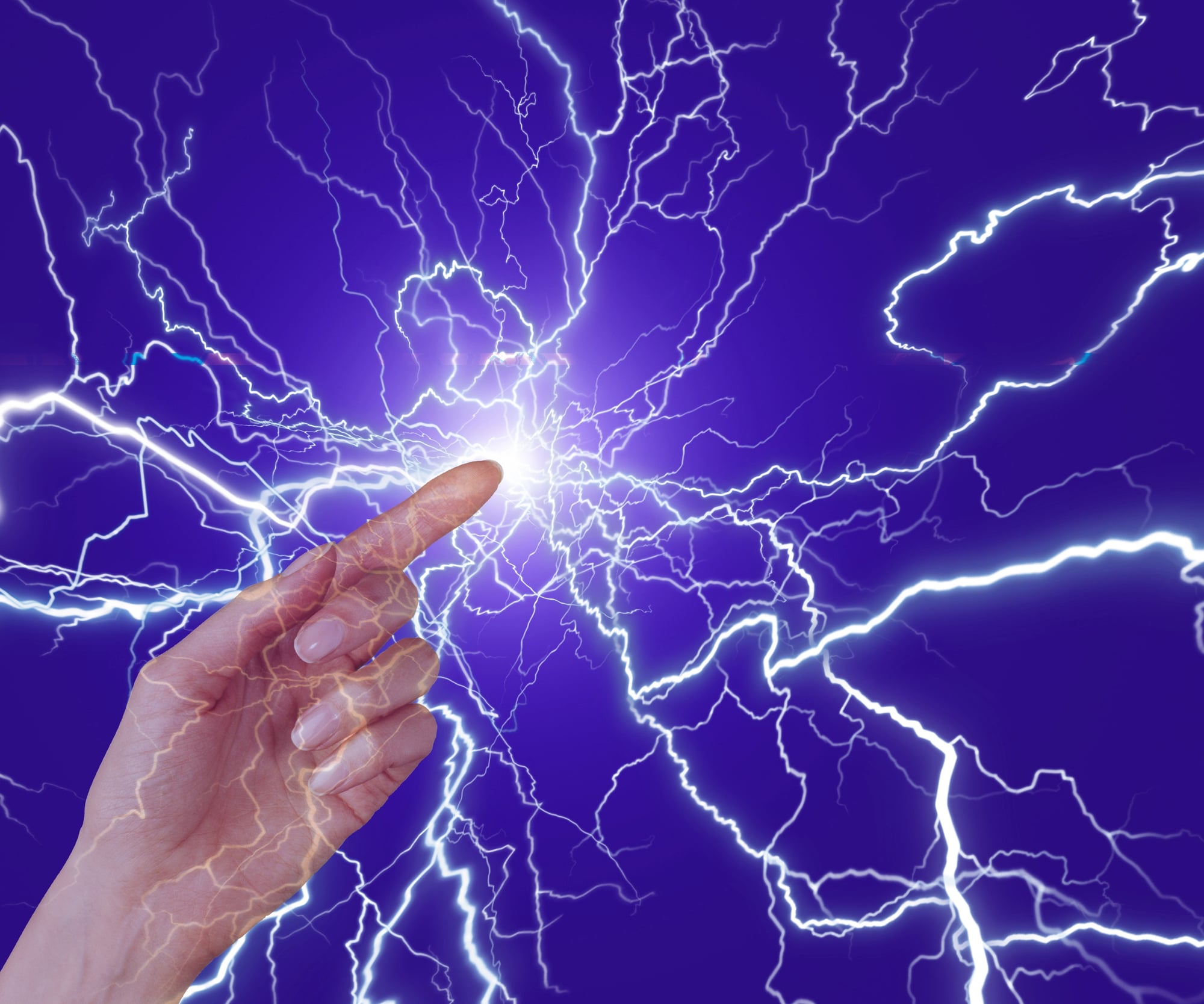
When lightning strikes, the high-energy interactions in the atmosphere can produce positrons, the antimatter equivalent of electrons. NASA’s Fermi Gamma-ray Space Telescope has detected antimatter signatures above thunderstorms, showing that lightning’s power extends beyond what we can see.
Lightning Has Its Own Distinct Smell

People often report a sharp, clean scent in the air after lightning strikes. This distinctive smell comes from ozone, which forms when lightning splits oxygen molecules that then recombine into O₃.
Some describe this scent as similar to chlorine or a ‘fresh’ electrical smell.
Lightning Produces Radio Waves
Each lightning strike generates a broad spectrum of radio waves that can be detected thousands of miles away. These emissions, called ‘sferics,’ interfere with radio communications and create the static you might hear on AM radio during thunderstorms.
Scientists use these signals to track lightning activity globally.
Like Go2Tutors’s content? Follow us on MSN.
Lightning Happens On Other Planets
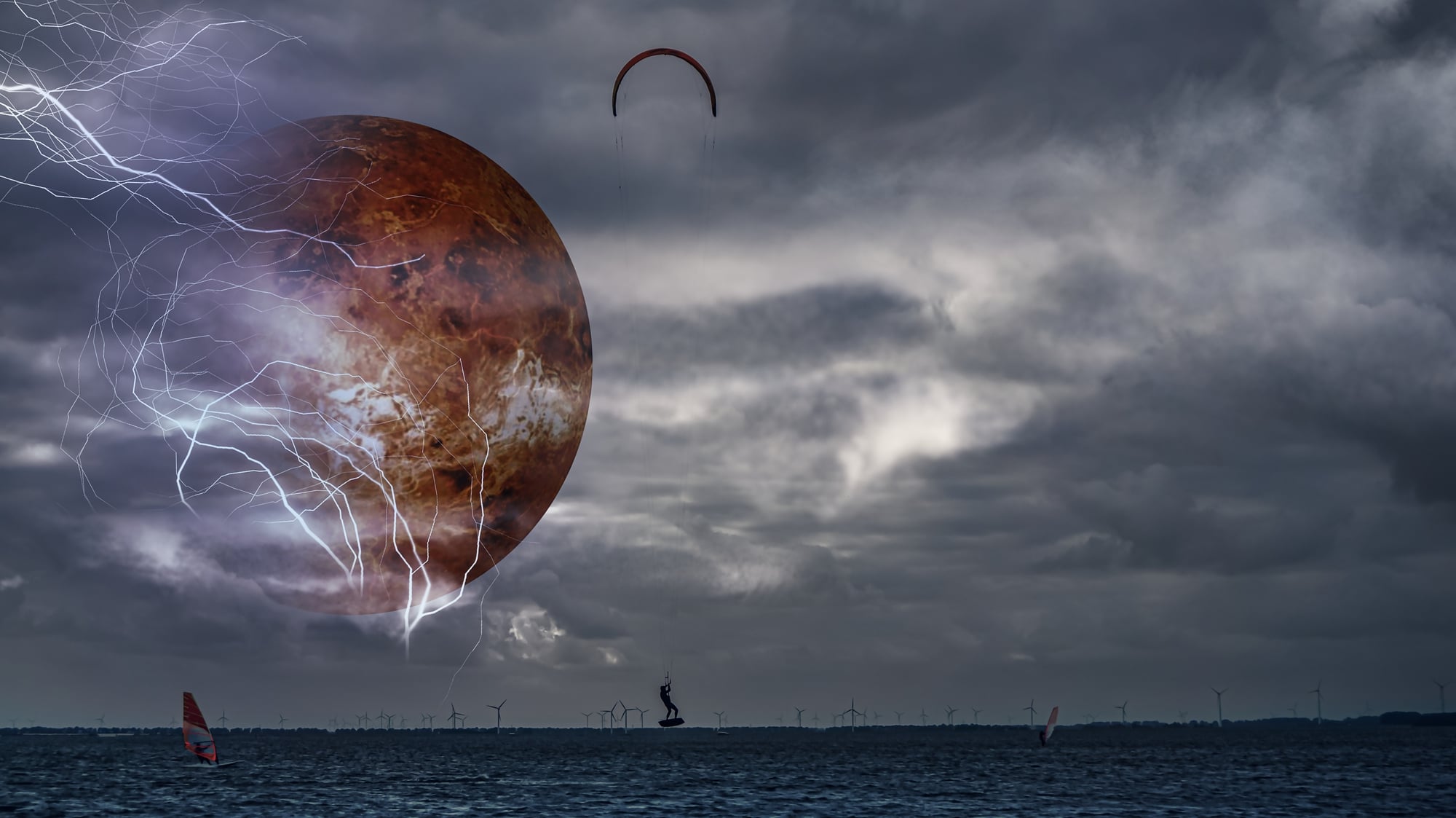
Earth isn’t the only planet with lightning. Scientists have observed lightning storms on Jupiter, Saturn, and Venus.
Jupiter’s lightning appears to be much more powerful than Earth’s, with some bolts generating hundreds of times more energy than lightning strikes on our planet.
Nature’s Electrifying Legacy
Lightning has shaped our planet in countless ways, from potentially sparking the chemical reactions that led to life to influencing human mythology and scientific discovery. Today’s advanced detection systems allow meteorologists to track lightning patterns with unprecedented accuracy, helping protect vulnerable populations and infrastructure from these powerful electrical events.
Yet despite our growing knowledge, lightning continues to fascinate and remind us of nature’s awesome power.
More from Go2Tutors!

- 18 Unexpectedly Valuable Collectibles You Might Have Lying Around
- 20 Little-Known Historical Battles That Had Huge Consequences
- 20 Historical Artifacts That Scientists Can’t Explain
- 15 Inventions That Were Immediately Banned After Being Created
- 20 Actors Who Were Almost Cast in Iconic Roles
Like Go2Tutors’s content? Follow us on MSN.