Incredible Survival Stories That Defy All Logic
When someone walks away from the impossible, it changes how the rest of us think about the boundaries between life and death. These aren’t just close calls or lucky breaks.
These are moments when the human body and spirit refuse to accept what should be final, pushing through circumstances that make trained medical professionals shake their heads in disbelief. Each story forces you to reconsider what you thought you knew about human limits.
Vesna Vulović

Flight attendant Vesna Vulović fell 33,330 feet when her plane exploded mid-flight over Czechoslovakia in 1972. No parachute.
No protective gear. Just a 22-year-old woman plummeting through the atmosphere at terminal velocity.
She landed in snow-covered mountains, pinned inside a section of the aircraft’s fuselage. Broken skull, fractured spine, three broken vertebrae, broken legs, ribs, and pelvis. But alive.
The combination of her low blood pressure (which kept her from losing consciousness and suffering additional trauma), the plane’s pressurized cabin section acting as a protective shell, and landing in deep snow created a perfect storm of survival factors that medical experts still struggle to explain.
Juliane Koepcke
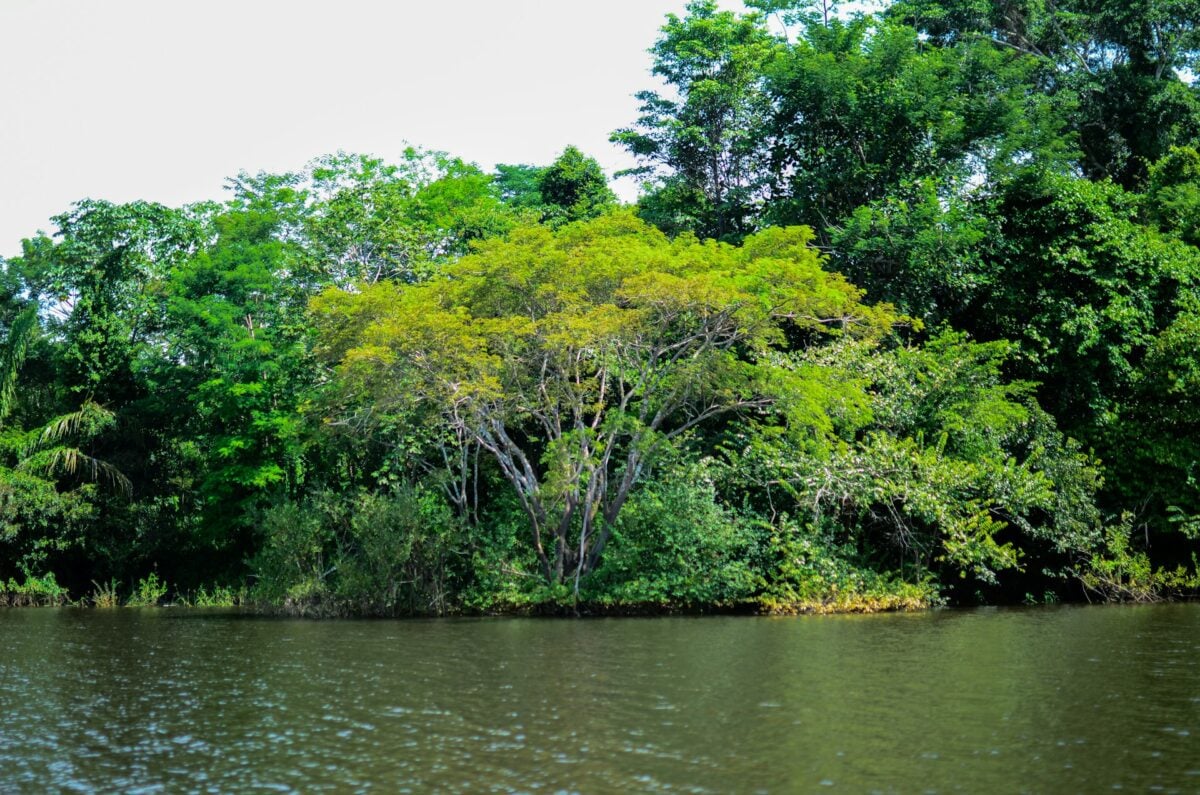
The Amazon rainforest became Juliane Koepcke’s unlikely sanctuary after LANSA Flight 508 disintegrated during a thunderstorm in 1971. She was 17 years old, strapped to her seat, falling two miles through the canopy.
The jungle floor should have been her grave. Instead, it became her classroom.
Maggots had infested a wound on her arm, and rather than panic, she remembered her father’s advice about parasites cleaning dead tissue. She let them work.
For 11 days, she followed water downstream (another lesson from her biologist parents), eating nothing but a bag of candy she’d found in the wreckage. When she finally reached a lumber camp, the workers initially thought she was a river spirit.
Fair enough, considering what she’d just survived.
Aron Ralston

A boulder doesn’t negotiate, and it doesn’t care about your weekend plans. When one shifted and trapped Aron Ralston’s right arm in a Utah canyon slot in 2003, it presented him with a choice that most people never have to make: die slowly of dehydration, or cut off your own arm with a dull multi-tool.
After five days of attempting to move the 800-pound rock (which wasn’t happening), rationing his water supply, and recording goodbye messages to his family, Ralston realized something crucial: he could break his bones first, then cut through the soft tissue. The process took an hour.
Then he rappelled down a 65-foot cliff face, hiked out eight miles, and ran into other hikers who helped him reach medical care. The man literally carved his way out of his own death sentence.
Poon Lim
The ocean is indifferent to human survival, which makes Poon Lim’s 133 days alone on a life raft during World War II feel like an argument between man and sea—and somehow, the man won. His merchant vessel was torpedoed by a German U-boat in 1942, leaving him with basic rations that should have lasted maybe two weeks.
So he learned to fish with a bent nail and wire from the raft. He collected rainwater in a canvas tarp.
When a shark got too close, he killed it with the water jug and dried the meat for food. But here’s the thing that defies explanation: after more than four months at sea, when Brazilian fishermen finally found him, he was able to walk to the hospital unassisted.
The human body wasn’t designed for this, yet there he was, having turned a life raft into a floating homestead through nothing but stubborn resourcefulness and an apparent refusal to die.
Bahia Bakari

When Yemenia Flight 626 crashed into the Indian Ocean in 2009, 152 people died on impact—except for one 14-year-old girl who couldn’t swim. Bahia Bakari found herself alone in the middle of the ocean at night, clinging to a piece of aircraft debris while waves crashed over her head for nine hours.
The water was warm enough to prevent hypothermia, but that’s where logic ends and something else takes over. She had no flotation device, no training for this scenario, and no reason to believe rescue was coming.
Yet she held on through the darkness, through exhaustion, through the weight of being the only survivor of a tragedy that claimed her mother’s life. When a boat finally spotted her the next morning, she was still conscious, still holding on.
The ocean had every advantage, and a 12-year-old beat it anyway.
Mauro Prosperi

Getting lost during the Marathon des Sables, a 156-mile ultramarathon through the Sahara Desert, is the kind of mistake that typically ends a story rather than begins one. But when a sandstorm knocked Mauro Prosperi off course in 1994, he accidentally turned a six-day race into a 10-day solo journey through one of Earth’s most unforgiving environments.
His water ran out on day two. By day four, he was drinking his own urine and eating bats he caught in an abandoned shrine.
When dehydration and despair finally overwhelmed him, he attempted to take his own life by slitting his wrists—but his blood was too thick from dehydration to flow properly. So he kept walking.
And walking. Until Algerian nomads found him 186 miles off course, having lost 40 pounds but somehow still moving forward.
The desert had thrown everything at him, and he’d simply outlasted it through a combination of endurance training and what can only be described as biological stubbornness.
Steven Callahan
Adrift in the Atlantic Ocean for 76 days after his sailboat sank, Steven Callahan turned survival into a science project—because apparently that’s what you do when you’re an experienced sailor facing down the impossible. His 21-foot lifeboat became a floating laboratory where he learned to spear fish, collect rainwater, and repair his raft using the limited supplies he’d managed to salvage.
But the technical skills only explain part of it. The rest comes down to something harder to quantify: his decision to treat each day as a problem to solve rather than a countdown to death.
He maintained a detailed log, tracked his position, and established routines that kept his mind sharp even as his body wasted away. When Caribbean fishermen finally spotted his raft near Guadeloupe, he’d lost a third of his body weight but had created a masterclass in applied survival psychology.
Turns out the ocean respects competence, even when it comes wrapped in a deteriorating life raft.
Nando Parrado

The Andes Mountains don’t care about your rugby team or your plans to return home, which makes what Nando Parrado accomplished after his plane crashed in 1972 feel like a direct challenge to the natural order. Seventy-two days after Uruguayan Air Force Flight 571 went down, Parrado and Roberto Canessa walked out of the mountains to bring help to their remaining teammates.
They had no mountaineering experience, no proper equipment, and no realistic expectation of success. The peaks around them rose over 15,000 feet, temperatures dropped well below freezing at night, and they were already weakened from weeks of surviving on minimal food.
But Parrado had watched his mother and sister die in the crash, and that loss seemed to transform desperation into something approaching supernatural determination. The 10-day trek through some of the world’s most challenging terrain shouldn’t have been possible.
Yet there they were, walking into a remote Chilean village to announce that 14 people were still alive in the wreckage, waiting for rescue.
Ricky Megee

The Australian Outback has a reputation for swallowing people whole, so when Ricky Megee disappeared for 71 days in 2006, most assumed he’d become another cautionary tale about underestimating the desert’s indifference to human survival. Instead, he emerged from the wilderness having lost half his body weight but very much alive, with a story that sounds like fiction.
After being drugged and abandoned (he believes), Megee found himself alone in one of the planet’s most hostile environments with no supplies and no clear sense of direction. So he ate grasshoppers, lizards, frogs, and leeches.
He stayed near a dam for water and built shelter from whatever materials he could find. When search teams finally located him, he was skeletal but coherent, having turned the Outback into his temporary home through what can only be described as adaptive stubbornness.
The desert had done its worst, and somehow it wasn’t enough.
Alcides Moreno

Window washers don’t typically survive 47-story falls, which makes Alcides Moreno’s December 2007 accident in Manhattan something that emergency room doctors are still trying to explain. When the scaffolding collapsed, his brother Edgar fell to his death immediately.
Alcides rode the platform down, somehow remaining on top of it as it crashed through a wooden shed and into an alley. The impact should have been instantly fatal—he was traveling at roughly 124 mph when he hit the ground.
Instead, he spent weeks in a coma with massive internal injuries but eventually walked out of the hospital. The prevailing theory is that the collapsing scaffolding and the wooden shed absorbed just enough impact to reduce the force from “absolutely fatal” to “merely catastrophic.”
But theories don’t capture the statistical impossibility of what happened. Sometimes physics bends just enough to let someone live.
Beck Weathers
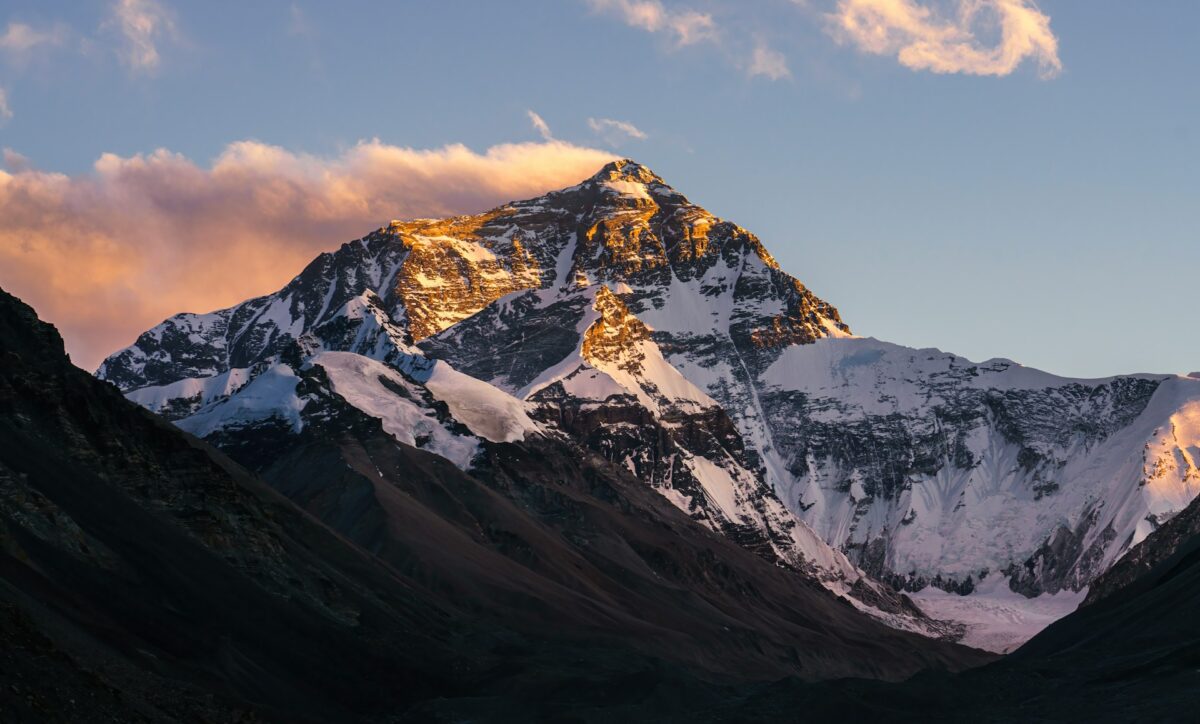
Mount Everest doesn’t offer second chances, which makes Beck Weathers’ resurrection during the 1996 climbing disaster feel like a direct violation of high-altitude rules. Left for dead twice by rescue teams who couldn’t detect a pulse, Weathers lay unconscious in the snow for 22 hours while his body temperature dropped to near-fatal levels.
When he finally regained consciousness, severe frostbite had essentially mummified his hands and face, but something beyond medical explanation had kept his core systems functioning. He walked back to camp under his own power, stunning climbers who’d already begun mourning his death.
The subsequent helicopter rescue from 19,000 feet (at the time, the highest-altitude helicopter rescue in history) was almost anticlimactic compared to his spontaneous return from clinical death. Everest had claimed him, catalogued him, and somehow he’d managed to file an appeal.
Yossi Ghinsberg
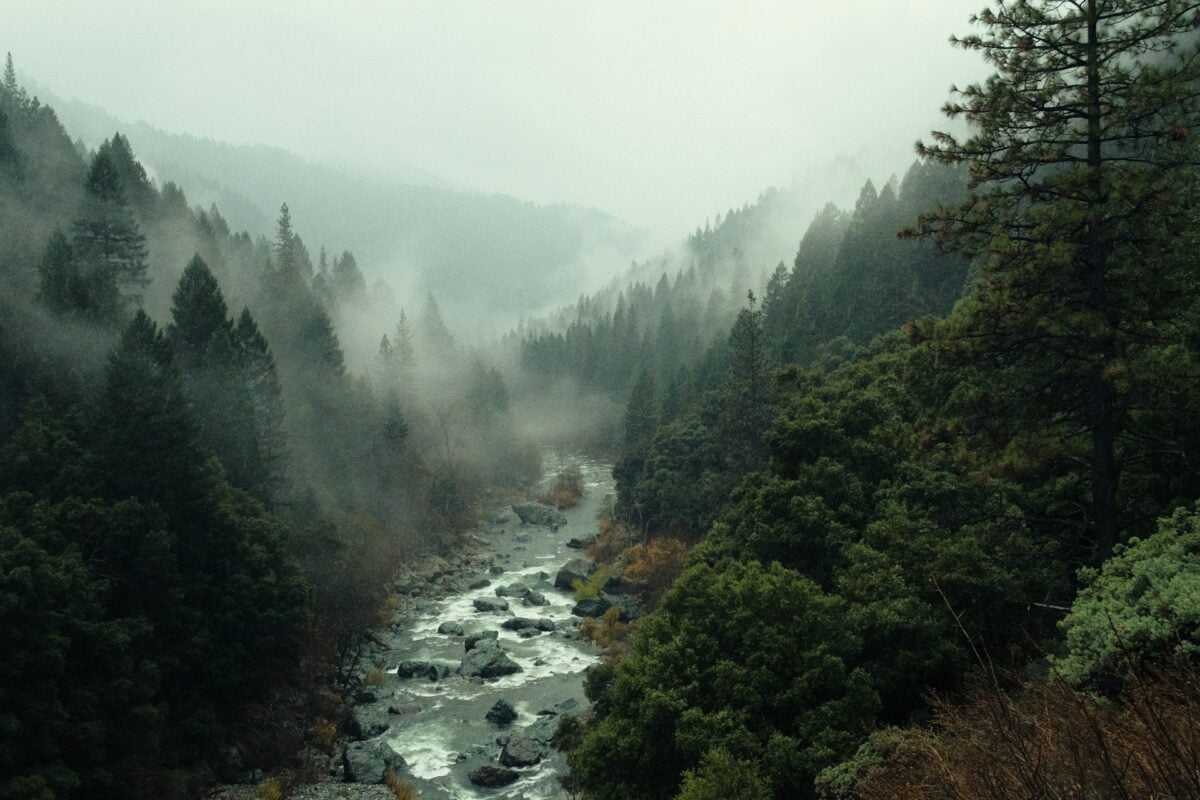
The Amazon rainforest is designed to reclaim everything, so when Yossi Ghinsberg found himself alone and lost in the Bolivian jungle for 20 days in 1981, he was fighting against one of nature’s most efficient recycling systems. His survival came down to constant movement—because stopping meant becoming part of the ecosystem permanently.
He ate raw eggs from bird nests, fruits that might or might not be poisonous, and whatever insects he could catch. Jaguar tracks appeared near his makeshift shelters.
His feet became infected from constant moisture. Hallucinations began after the first week.
Yet he kept walking, following rivers and game trails with no guarantee they led anywhere except deeper into the jungle. When local search teams finally found him, he was barely recognizable but still moving forward.
The rainforest had tried to absorb him for three weeks, and he’d simply refused to be digested.
Harrison Okene
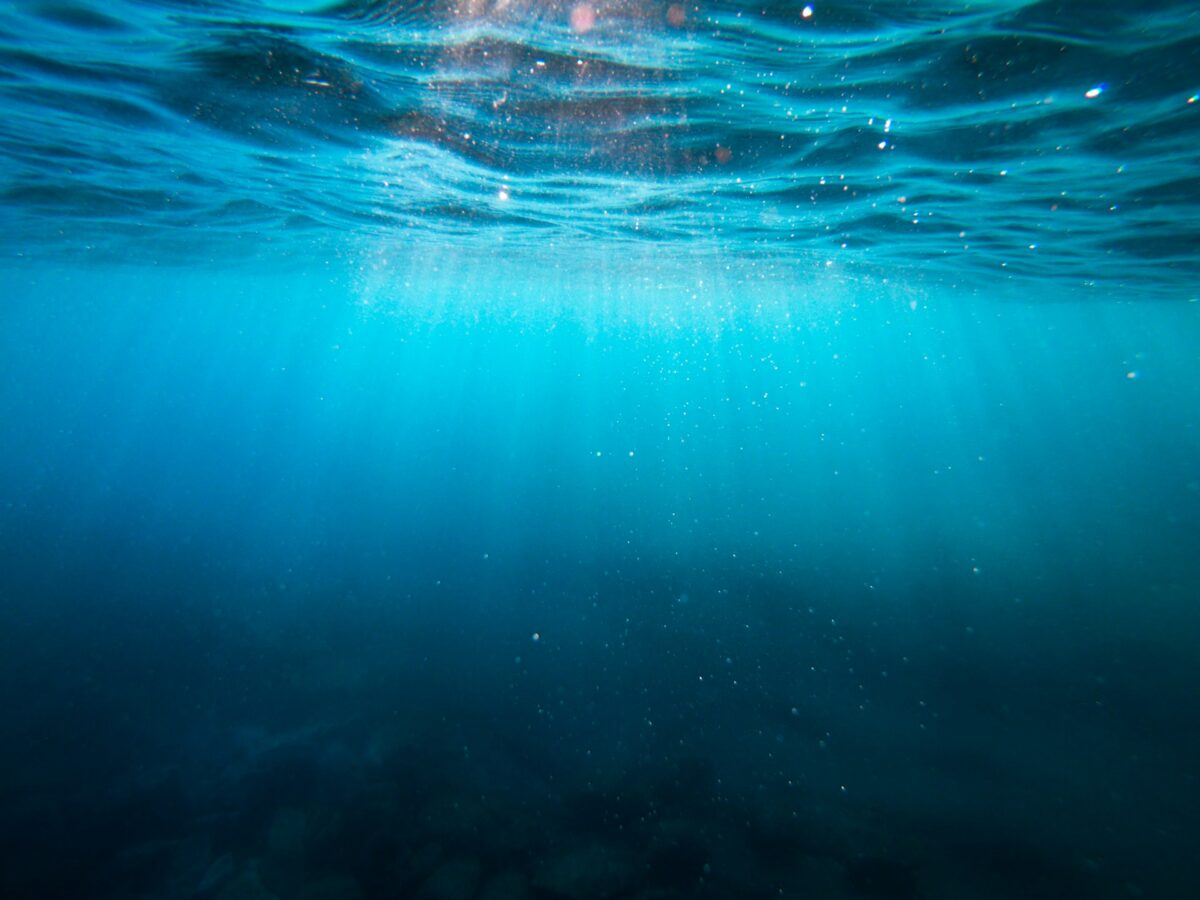
Being trapped in an air pocket 100 feet underwater for 60 hours sounds like the setup for a nightmare, not a survival story. But when the tugboat Jascon-4 capsized off the Nigerian coast in 2013, ship’s cook Harrison Okene found himself in exactly that situation—sitting in a four-foot-high bubble of air while the ocean pressed in from all sides.
The water was freezing, filled with debris, and slowly rising as his air supply mixed with carbon dioxide from his own breathing. He had no food, no fresh water, and no reason to believe anyone was looking for survivors in what appeared to be a total loss.
So he prayed, rationed his movements to conserve oxygen, and waited in complete darkness. When South African divers finally reached the wreck to recover bodies, they found Okene very much alive, having turned a sinking ship into a temporary submarine through nothing but patience and an air pocket that defied every reasonable expectation about maritime disasters.
The Power of Refusal

These stories share something beyond luck or circumstance: a fundamental refusal to accept the obvious conclusion. Whether it’s falling from impossible heights, surviving in environments designed to kill, or enduring isolation that should break the human spirit, each person found a way to continue when continuation seemed impossible.
What they prove isn’t that survival is guaranteed for those who try hard enough—plenty of equally determined people don’t make it. Instead, they demonstrate that the line between possible and impossible isn’t as fixed as it appears.
Sometimes the human body and spirit simply decline to acknowledge the limits that science, logic, and experience say should apply. And occasionally, just occasionally, that refusal is enough.
More from Go2Tutors!

- The Romanov Crown Jewels and Their Tragic Fate
- 13 Historical Mysteries That Science Still Can’t Solve
- Famous Hoaxes That Fooled the World for Years
- 15 Child Stars with Tragic Adult Lives
- 16 Famous Jewelry Pieces in History
Like Go2Tutors’s content? Follow us on MSN.