18 Events That Started With a Dare
History brims with moments where casual challenges unexpectedly changed our world. From scientific discoveries to billion-dollar companies, countless innovations began when someone simply couldn’t resist a dare.
The boundary separating foolish bets from history-making decisions isn’t always clear. Here is a list of 18 fascinating events that originated from dares, challenges, or friendly wagers that transformed into something much bigger.
The Olympic Marathon

The modern Olympic marathon exists because Michel Bréal essentially challenged Pierre de Coubertin to include an endurance race honoring ancient Greek messenger Pheidippides at the first modern Olympics in 1896. It wasn’t officially called a “dare” – yet that’s exactly what it functioned as when the seemingly impossible distance was proposed.
Greek water-carrier Spyridon Louis shocked everyone by winning this grueling event, instantly becoming a national hero.
Coca-Cola’s Creation
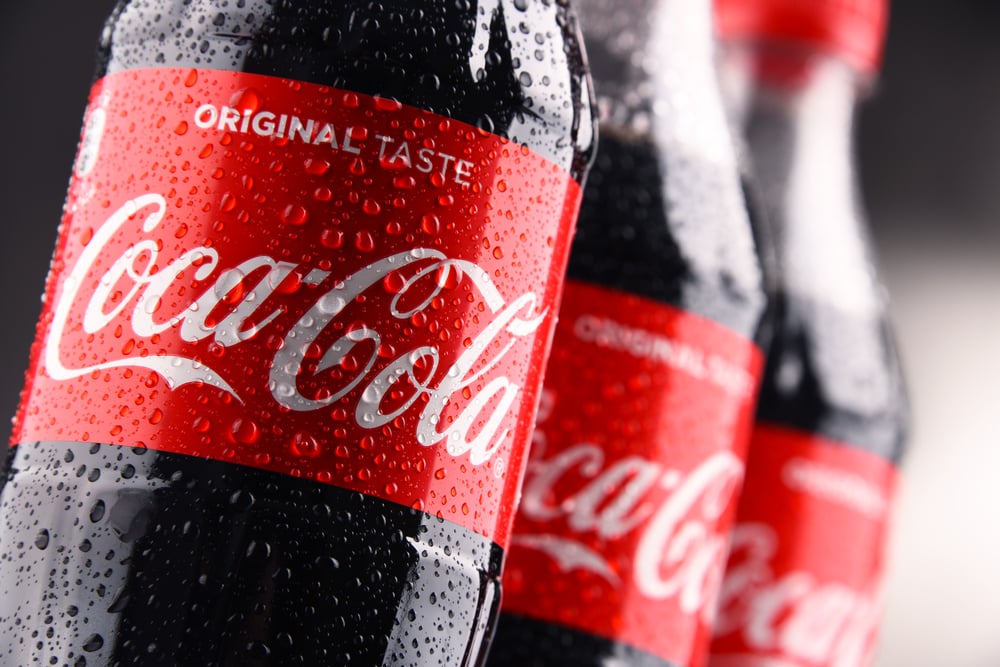
Pharmacist John Pemberton didn’t set out to create a global beverage empire in 1886 – he was responding to local businessmen who’d challenged him to develop a non-alcoholic version of his coca wine. This competitive nudge spurred experiments with various ingredients till he perfected the syrup we now know worldwide.
His five-cent concoction at Jacobs’ Pharmacy transformed from neighborhood curiosity to an international phenomenon.
The First Hot Air Balloon Flight

The Montgolfier brothers wouldn’t have launched their revolutionary hot air balloon in 1783 without King Louis XVI daring them to prove their invention could safely transport living creatures. Though initially suggesting prisoners as passengers – a questionable royal proposal! – they sensibly chose a sheep, a duck, and a rooster instead.
Their successful eight-minute demonstration paved the way for human flight soon after.
Mount Everest Conquered

George Mallory’s famous response about climbing Everest – “Because it’s there” – perfectly captures how nature itself issues silent challenges to humanity. This implicit dare from Earth’s highest peak motivated countless expeditions through terrible conditions and deadly setbacks.
Edmund Hillary and Tenzing Norgay finally succeeded in 1953, forever altering our understanding of human potential and perseverance.
The Super Soaker Invention

NASA engineer Lonnie Johnson hadn’t planned to revolutionize summer fun – until colleagues playfully challenged him to apply his technical brilliance to something less serious than spacecraft. Working on an environmental heat pump system, he accidentally shot water across his bathroom – and immediately recognized its playful potential.
That chance moment grew into a billion-dollar invention that’s drenched children worldwide since the 1990s.
The Four-Minute Mile
Running a mile in under four minutes wasn’t just considered difficult – medical experts deemed it physiologically impossible for decades. This forbidden barrier became an obsession that haunted runners worldwide.
Roger Bannister shattered this myth in 1954 with his 3:59.4 finish – then something remarkable happened. Another runner broke Bannister’s record just 46 days later! The impossible had become merely challenging.
The First Motorcycle
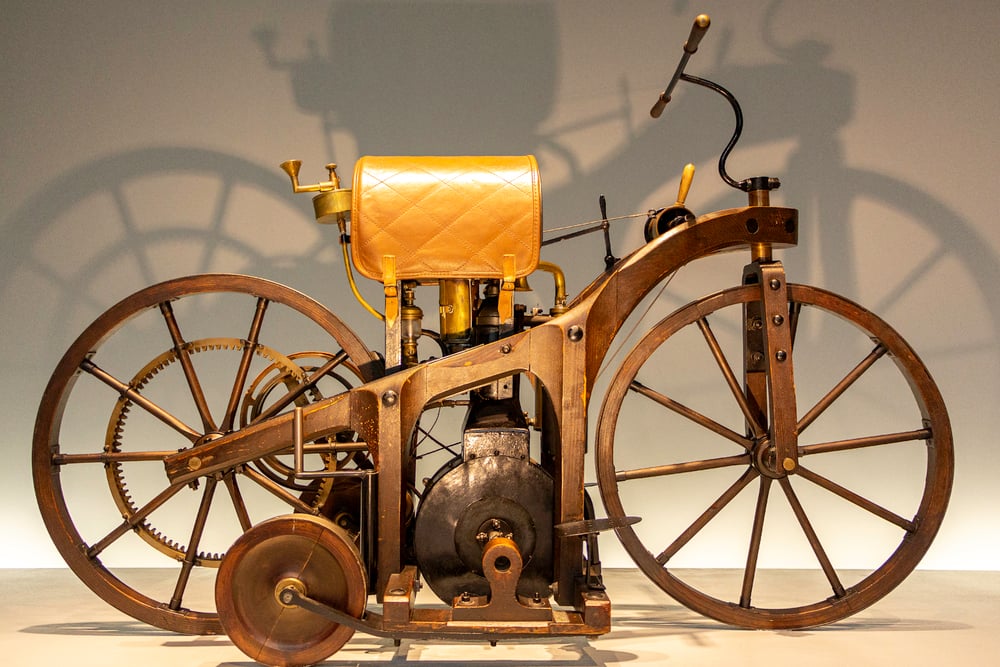
Gottlieb Daimler might never have built the “Reitwagen” without Wilhelm Maybach challenging him to create faster personal transportation. Their 1885 creation – essentially a gasoline engine attached to a wooden bicycle frame – doesn’t resemble modern motorcycles much.
Still, this dare-inspired contraption established fundamental principles that evolved into today’s motorcycles and personal motorized vehicles.
The Ice Bucket Challenge

Few viral phenomena demonstrate the power of friendly dares better than 2014’s Ice Bucket Challenge. What began as friends challenging each other to dump ice water over their heads – while donating to charity – exploded into global awareness.
Celebrities, politicians, and millions worldwide participated in this chilly dare that ultimately raised over $220 million for ALS research and treatment.
The South Pole Race
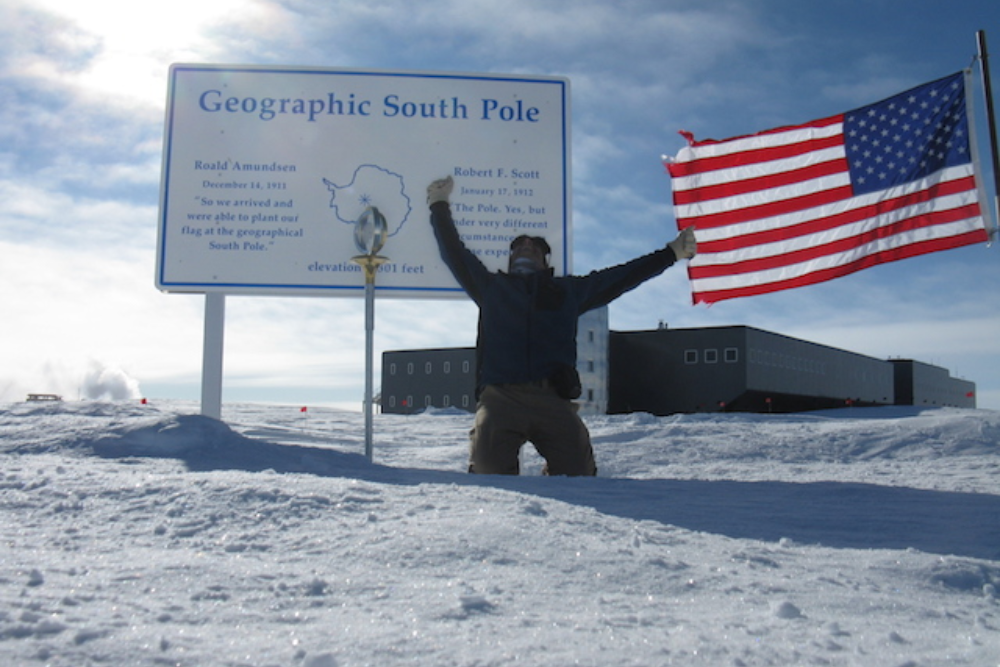
The legendary race between Robert Falcon Scott and Roald Amundsen wasn’t officially declared – though it functioned precisely as a high-stakes international challenge. After learning of Scott’s Antarctic expedition plans, Amundsen secretly redirected his Arctic journey southward.
This deadly serious competition culminated with Amundsen reaching the pole first in December 1911, while Scott’s team perished during their return journey.
The First Computer Bug
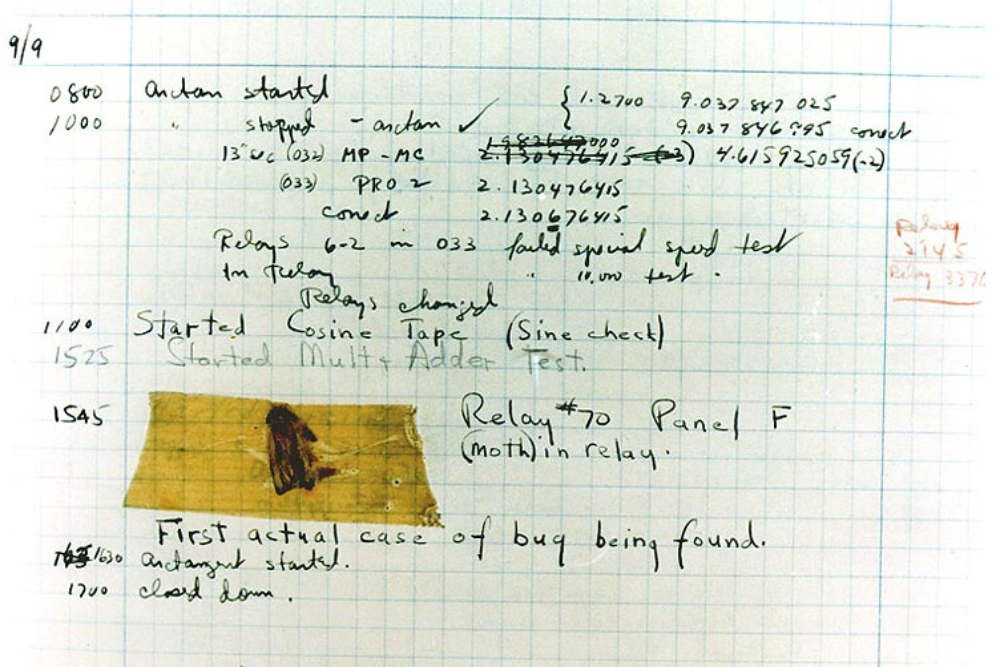
We wouldn’t use the term “computer bug” without a lighthearted challenge among early computing pioneers trying to identify what was causing problems in the Harvard Mark II. When Grace Hopper discovered a moth trapped in a relay in 1947, she taped it into the logbook with the note “First actual case of bug being found.”
This humorous moment permanently enriched our technical vocabulary.
The Mona Lisa Theft
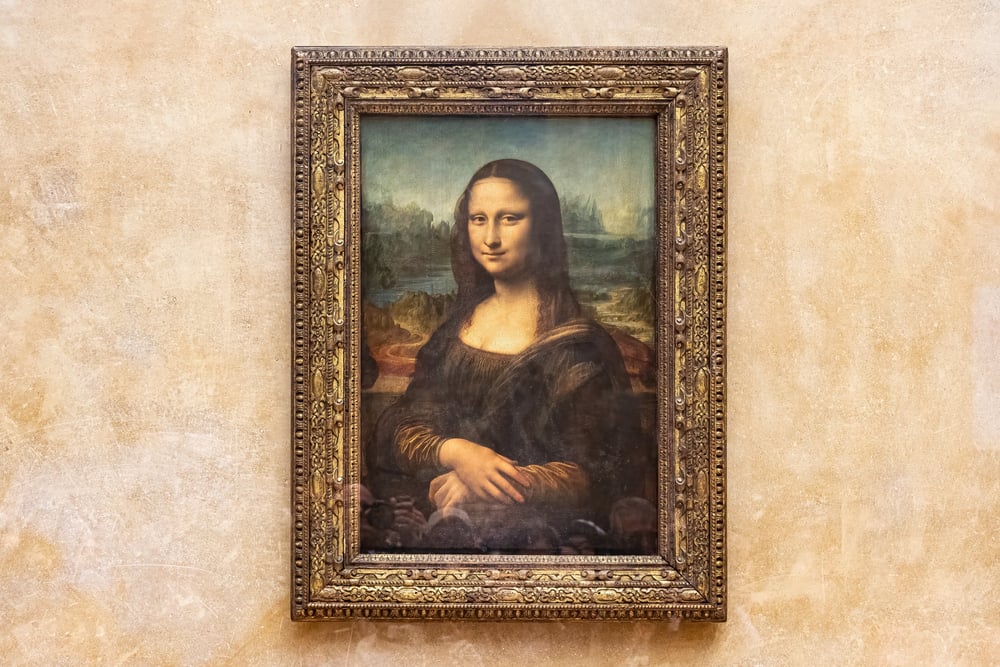
Without friends saying that the Louvre’s security was unbeatable, Vincenzo Peruggia would not have taken the most famous painting in the world in 1911. He just concealed overnight, took the picture out in the morning, and left with it under his coat because he used to work at the museum.
Before the masterpiece was found, a thorough two-year investigation was initiated in response to this bold theft.
The First Solo Flight Across the Atlantic
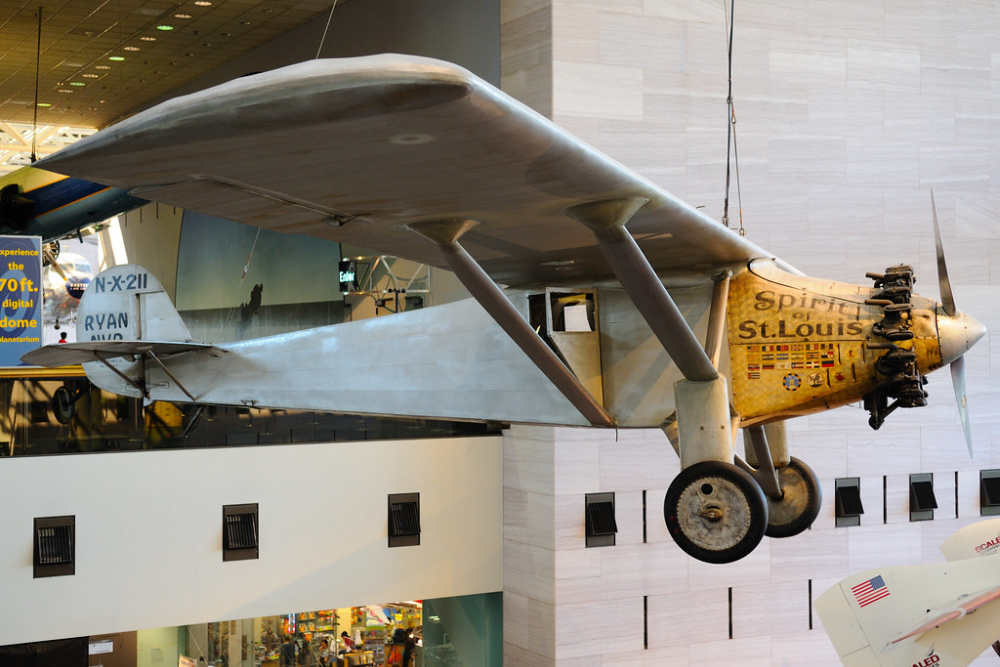
Although Raymond Orteig’s 1919 reward of $25,000 was not formally referred to as a dare, it had the same purpose for early aviation pioneers. In 1927, Charles Lindbergh took on this task by piloting his specially constructed Spirit of St. Louis across the Atlantic by himself.
His perilous 33.5-hour voyage permanently altered the public’s understanding of flying and the potential of commercial aviation.
The Creation of Snapchat
Snapchat might never have existed if Reggie Brown hadn’t casually remarked to Evan Spiegel about wanting photos that would disappear after viewing. This everyday complaint functioned as a design challenge that sparked their “Picaboo” app.
Their solution to this common problem evolved into a social media platform eventually valued in the billions.
The First Winter Olympics

Winter Olympics traditions began because Italian delegates couldn’t stand Nordic countries dominating winter sports. Their challenge to the International Olympic Committee led to the first “International Winter Sports Week” held in Chamonix, France in 1924.
This competitive international rivalry evolved into the global celebration of winter athletics we enjoy today.
The Creation of Vaseline
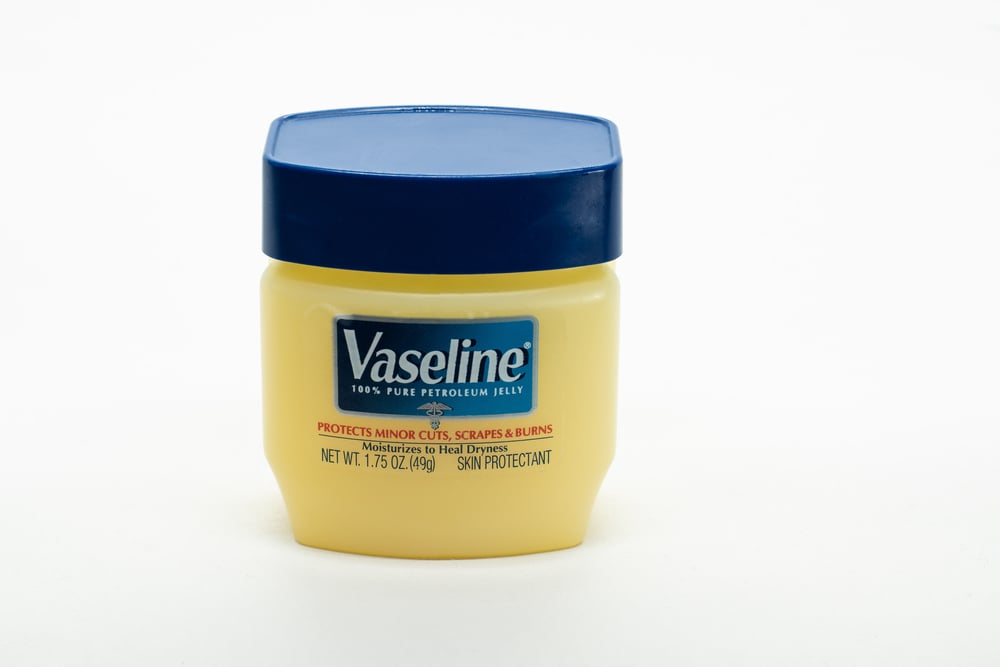
Robert Chesebrough discovered petroleum jelly because oil rig workers challenged him to find uses for the annoying waxy residue building up on their equipment. The workers already used this “rod wax” to heal minor injuries, intriguing the young chemist.
His curiosity about this industrial byproduct resulted in one of history’s most versatile household products, still found in medicine cabinets worldwide.
The First Bungee Jump

Modern bungee jumping began when Oxford University’s aptly-named Dangerous Sports Club members challenged each other to leap from Bristol’s Clifton Suspension Bridge in 1979. These daredevils, inspired by ancient Pentecost Island rituals, attached elastic cords to their ankles and jumped into history.
Their homemade equipment and bold attitudes launched an extreme sport now practiced worldwide.
The Creation of FedEx

Fred Smith originally conceived FedEx for a college assignment where professors basically dared students to develop original business ideas. His proposal for an overnight delivery service earned merely average grades.
One professor reportedly commented that it wasn’t feasible—an academic dismissal that motivated Smith to prove his concept could succeed. That classroom challenge evolved into a company that transformed global logistics forever.
First Human Heart Transplant
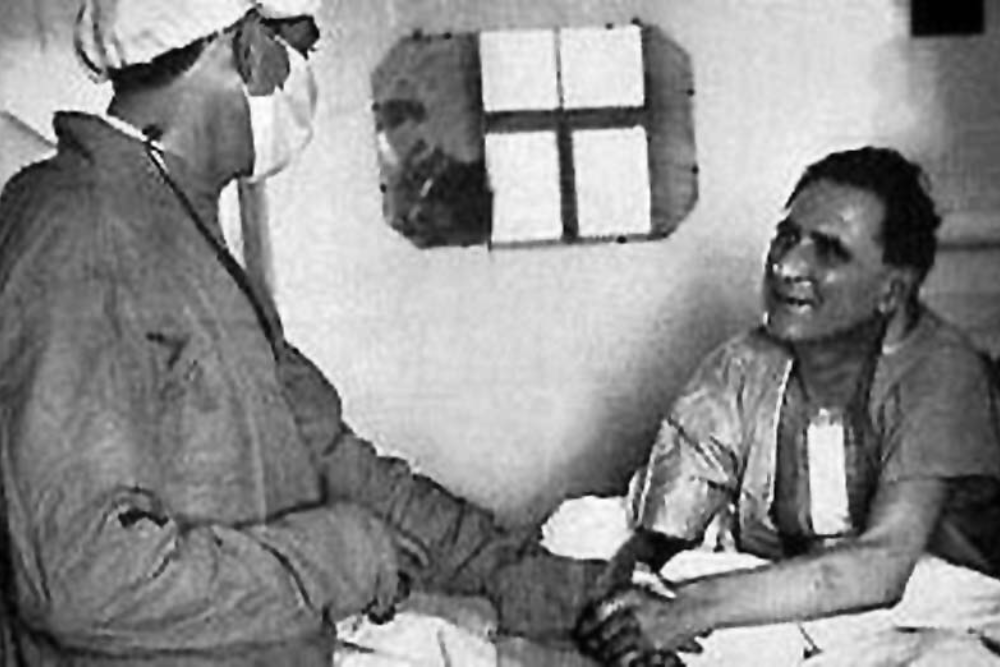
The world’s first human heart transplant happened partly due to professional rivalry resembling high-stakes competition. South African surgeon Christiaan Barnard raced to perform the procedure before American counterparts in December 1967.
Though his patient survived only 18 days, this competitive achievement launched medical techniques that have saved countless lives through organ transplantation.
Transforming Challenges Into History
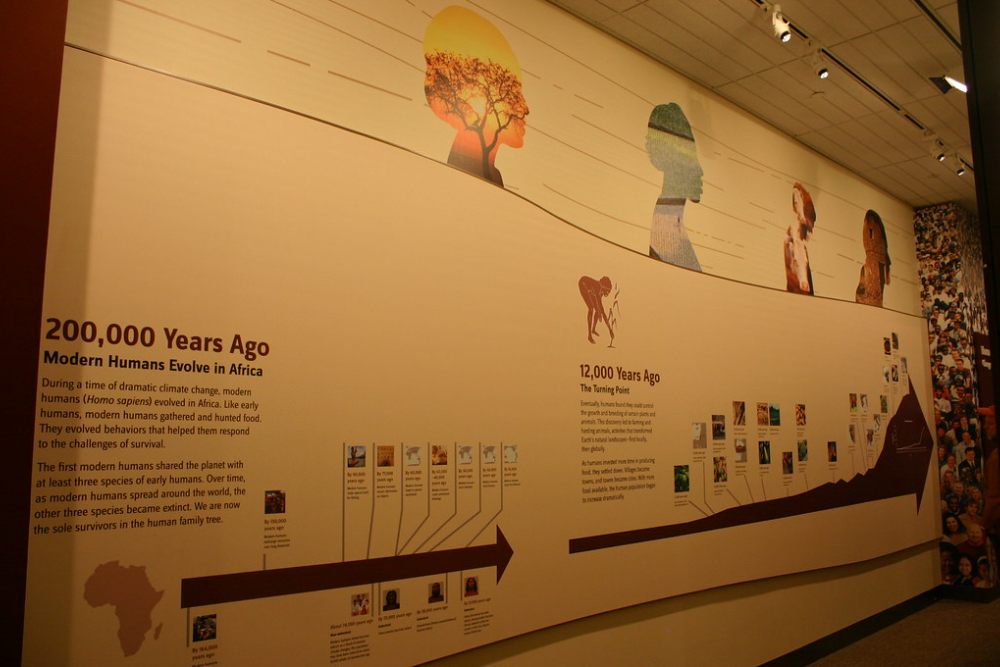
The act of just challenging someone has inspired innumerable inventions throughout human history. These challenges, which are offered out of friendship, rivalry, or curiosity, highlight how human potential frequently goes unrealized until those fateful words are said.
Remember these historical instances that sprang from similar challenges the next time you encounter apparently insurmountable odds. Your answer might inspire the next item on this list, transforming a fleeting challenge into a lasting testament to human success.
More from Go2Tutors!

- The Romanov Crown Jewels and Their Tragic Fate
- 13 Historical Mysteries That Science Still Can’t Solve
- Famous Hoaxes That Fooled the World for Years
- 15 Child Stars with Tragic Adult Lives
- 16 Famous Jewelry Pieces in History
Like Go2Tutors’s content? Follow us on MSN.