15 Forgotten Inventions That Were Squashed by Corporate Pressure
Throughout history, brilliant innovations have emerged that promised to revolutionize industries, improve lives, and advance technology. Yet many groundbreaking inventions never made it to market, not because they failed, but because powerful corporate interests actively suppressed them to protect their bottom lines.
Here is a list of 15 remarkable inventions that were sidelined, bought out, or buried by companies that saw them as threats rather than opportunities.
The Endless Light Bulb

In 1924, a group of leading lightbulb manufacturers formed the Phoebus Cartel, deliberately shortening the lifespan of their bulbs. When engineer Adolphe Chaillet created a lightbulb that could burn for over 100,000 hours, the cartel acquired the patent and quietly shelved it.
The Centennial Bulb in Livermore, California, installed in 1901 before these practices began, has been burning almost continuously for over 120 years, demonstrating what could have been possible.
The Electric Car (1890s Version)

Electric vehicles weren’t invented in the 21st century, they actually dominated the auto market in the early 1900s. Thomas Edison and Henry Ford collaborated on an affordable electric car with a better battery in 1914, but petroleum interests and Ford’s own successful gasoline models led to the project’s abandonment.
The technology was suppressed so effectively that it took nearly a century for electric vehicles to make a serious comeback.
Aerodynamic Carburetor
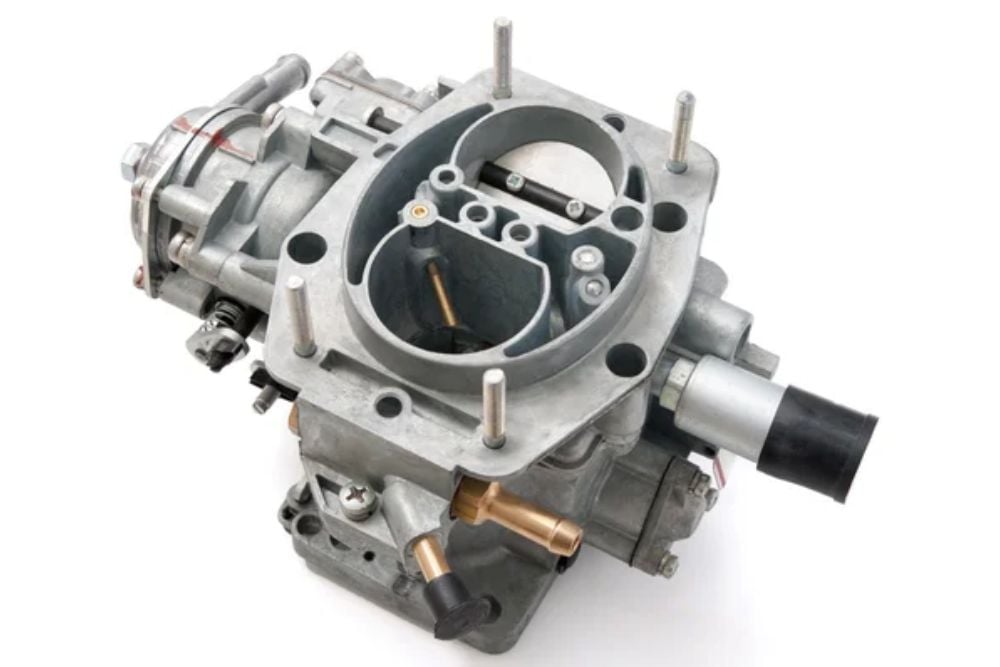
Tom Ogle developed a carburetor in 1977 that could achieve over 100 miles per gallon in conventional vehicles. After demonstrating his invention with a modified Ford Galaxie that drove 200 miles on just 2 gallons of gas, he received death threats and reported being followed.
Several oil companies offered to buy his invention, but Ogle refused to sell. He died under mysterious circumstances in 1981 at age 26, and his revolutionary design disappeared.
The Original Smart Grid
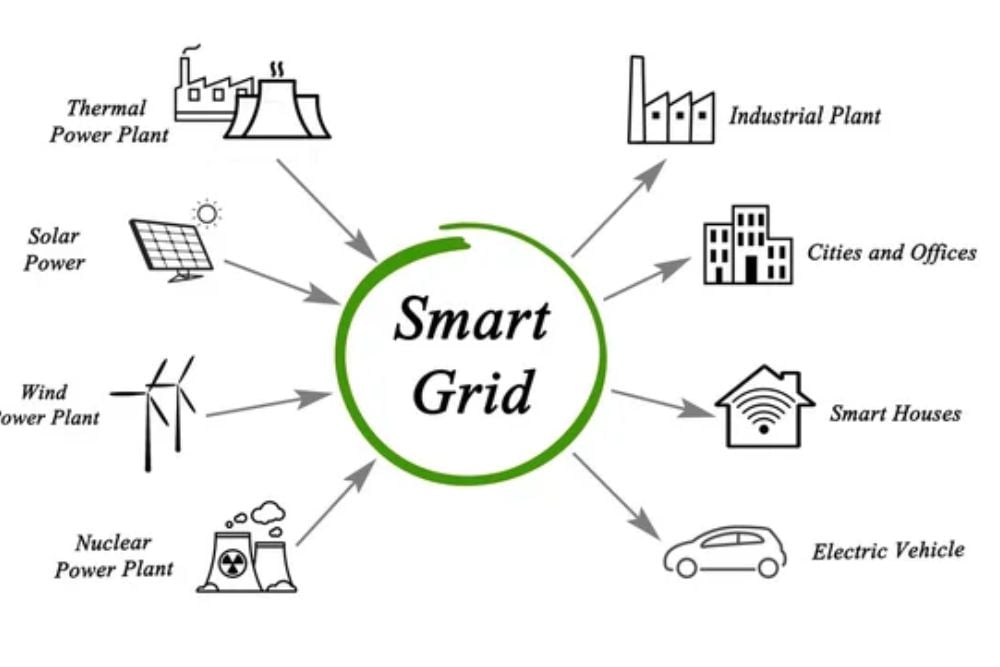
In the early 1900s, Nikola Tesla envisioned and began developing technology for wireless power transmission across the globe. His Wardenclyffe Tower project promised free energy for everyone but was shut down when financial backer J.P. Morgan realized there would be no way to meter and charge for the electricity.
Morgan asked, ‘If anyone can draw it from the air, where do we put the meter?’ and promptly withdrew funding.
The Water-Powered Car
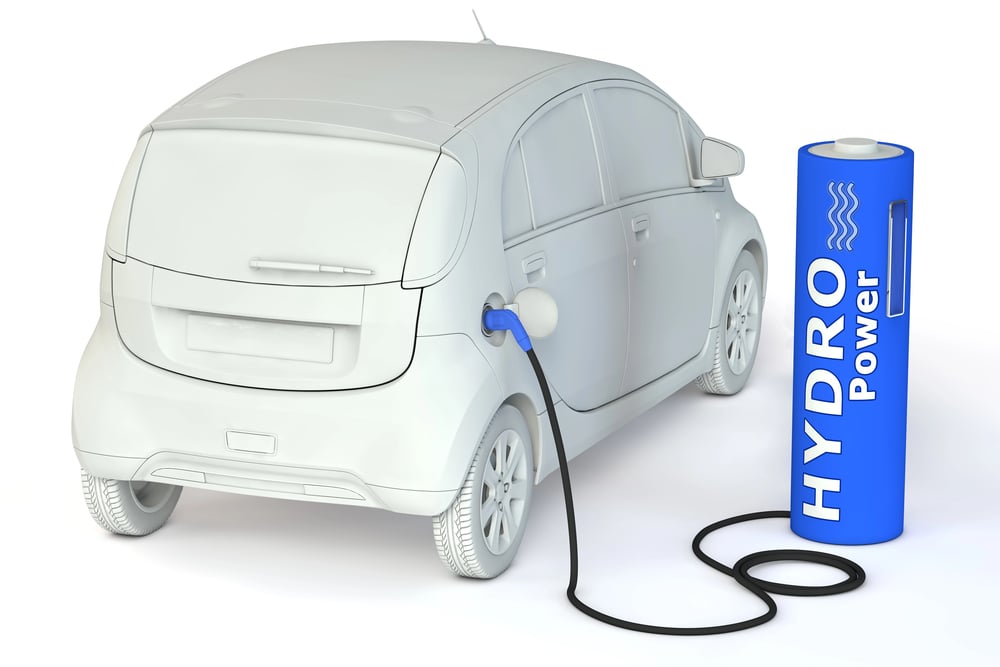
Stanley Meyer claimed to have invented a water fuel cell that could split water into hydrogen and oxygen with far less energy than conventional electrolysis. His device supposedly allowed cars to run purely on water. After receiving patents and demonstrating working prototypes, Meyer was offered $1 billion by oil companies to shelve the technology.
When he refused, he faced lawsuits and died suddenly in 1998 after dining at a restaurant, claiming with his final words that he had been poisoned.
Ultrasonic Clothes Washer

In the 1970s, inventor Theodore Maiman developed an ultrasonic cleaning device that could wash clothes using sound waves instead of water or detergent. The invention promised to save enormous amounts of water and eliminate the need for laundry detergent.
Major appliance manufacturers and detergent companies allegedly collaborated to purchase and suppress the patent, as it would have devastated their core business models.
The Digital Betamax

Sony’s original Betamax tape format was technically superior to VHS but lost the format war in the 1980s. Lesser known is that Sony later developed an advanced digital version of Betamax that offered significantly better quality than both existing formats.
Major film studios pressured Sony to abandon the technology, fearing it would make high-quality home copying too easy, threatening their distribution models. Sony complied and shelved the technology.
The EV1 Electric Car

General Motors created the EV1 in the 1990s, the first mass-produced electric vehicle of the modern era. Despite a devoted following and waiting lists, GM abruptly canceled the program in 2003, recalled all leased vehicles, and had them crushed—over the protests of customers willing to buy them outright.
Oil industry pressure, concerns about maintenance revenue losses, and protection of existing business models were widely considered responsible for killing this pioneering electric vehicle.
Ceramic Engines

In the 1980s, several engineers developed ceramic automobile engines that could operate at higher temperatures, didn’t require cooling systems, and achieved much greater fuel efficiency. These engines could last the lifetime of a vehicle with minimal maintenance.
Auto manufacturers and parts suppliers, whose aftermarket business depended on regular engine maintenance and replacements, allegedly bought up and buried these patents.
The Hemp Decorticator

In 1937, Popular Mechanics hailed hemp as ‘the new billion-dollar crop’ thanks to George Schlichten’s decorticator machine, which efficiently separated hemp fibers for use in paper, textiles, and thousands of other products. That same year, the Marijuana Tax Act effectively criminalized hemp cultivation.
Evidence suggests timber, cotton, and synthetic fiber companies lobbied for hemp prohibition to eliminate a superior and sustainable competitor.
The Compressed Air Car

Several engineers have developed functional vehicles powered by compressed air, most notably the Air Car by ex-Formula One engineer Guy Nègre. These vehicles emit only air, can be refilled in minutes, and are extremely inexpensive to produce and maintain.
Despite working prototypes and announced production plans, major manufacturers have repeatedly acquired and shelved the technology or delayed it indefinitely through licensing agreements.
Self-Adjusting Eyeglasses

British inventor Joshua Silver developed adaptive eyeglasses that users could adjust themselves without an optometrist, potentially bringing clear vision to millions in developing countries at minimal cost. Major eyewear corporations allegedly worked to block the distribution of these glasses in lucrative markets and pressured regulatory bodies to create barriers.
As a result, this life-changing invention remains unavailable in most parts of the world.
The Rife Machine

In the 1930s, Royal Raymond Rife developed a frequency generator that he claimed could destroy pathogens, including cancer cells, by matching their resonant frequencies. After initially promising results and endorsements from medical professionals, pharmaceutical companies reportedly pressured the medical establishment to discredit Rife.
His lab was vandalized, research stolen, and the technology suppressed as it threatened the highly profitable cancer treatment industry.
Karpen’s Perpetual Motion Chair

Romanian inventor Henri Coandă claimed to have developed a chair that generated electricity through temperature differentials, essentially creating an infinitely renewable energy source in the 1950s. After successful demonstrations, energy companies allegedly purchased the patents and buried the technology.
The chair reportedly continued to produce electricity for decades while stored in a Romanian museum’s basement, though the original blueprints mysteriously disappeared.
The Fisherman’s Car

In post-WWII Japan, car designer Shozo Sato created the Takayanagi Motorcycle Company’s “Fisherman’s Car”—a compact, affordable vehicle that could transform into a fishing boat. The amphibious vehicle would have revolutionized both transportation and recreation for coastal communities.
Major automobile manufacturers, seeing a threat to their conventional car sales, reportedly pressured suppliers not to provide parts, effectively killing the innovative design before mass production.
Corporate Gatekeeping Continues

These forgotten innovations remind us that technological progress isn’t always linear or based on merit alone. Corporate interests continually shape which inventions reach consumers, often prioritizing profitability over potential societal benefits. While some suppressed technologies have eventually resurfaced in modified forms decades later, many others remain lost to history, their potential benefits never fully realized.
The next time you hear about a revolutionary invention that mysteriously disappears from the headlines, remember that market forces and corporate self-preservation may be working behind the scenes. The greatest inventions of tomorrow might already exist today, waiting for the right economic conditions to finally break through.
More from Go2Tutors!

- 16 Historical Figures Who Were Nothing Like You Think
- 12 Things Sold in the 80s That Are Now Illegal
- 15 VHS Tapes That Could Be Worth Thousands
- 17 Historical “What Ifs” That Would Have Changed Everything
- 18 TV Shows That Vanished Without a Finale
Like Go2Tutors’s content? Follow us on MSN.



