17 Buildings That Can’t Be Touched by Law
Amazing buildings may be found all over the world that have withstood not only decades or centuries but also the shifting preferences of governments and developers. Because of unique legal protections that preserve their historical, cultural, or religious significance, these architectural gems have managed to survive.
These 17 buildings around the world are protected by special laws that prevent them from being altered, demolished, or used for other purposes.
The White House

One of the most heavily guarded structures in the world is America’s premier address. The White House was built in 1800 but has had several alterations since then.
It is designated as a National Heritage Site and is protected by several federal laws that forbid unapproved structural alterations. The Committee for the Preservation of the White House must approve major interior renovations before even presidential families can redecorate as they like.
Taj Mahal

India’s architectural masterpiece stands as a monument to undying love – while serving as a showcase for the nation’s commitment to preservation. The Archaeological Survey of India maintains iron-clad control over the site, and its UNESCO World Heritage status adds another protective barrier against nearby development.
Courts have recently limited daily visitors to protect the marble from degradation caused by human breath and touch.
Westminster Abbey

This medieval Gothic church has witnessed coronations and royal weddings across ten centuries. British preservation laws protect Westminster Abbey through overlapping designations – including Grade I listed status and Ancient Monument protection – which make even minor alterations nearly impossible without exhaustive approval.
The Abbey’s legal umbrella extends skyward too, restricting aircraft from flying directly overhead.
Notre-Dame Cathedral

After the catastrophic 2019 fire, France’s stringent heritage laws dictated precisely how Notre-Dame could be restored – not reimagined. The cathedral falls under the country’s historic monument legislation, requiring any restoration to maintain the building’s authentic character.
These provisions ensure that even amid reconstruction, the soul of the 850-year-old structure remains faithful to its origins.
The Forbidden City

China’s vast imperial complex enjoys protection under perhaps the world’s most rigorous preservation framework. The nearly 1,000 buildings comprising this former palace must remain unchanged according to national legislation that prohibits any unauthorized modifications to structures or surrounding areas.
Maintenance follows strictly traditional methods – craftspeople still use techniques developed centuries ago.
Parthenon
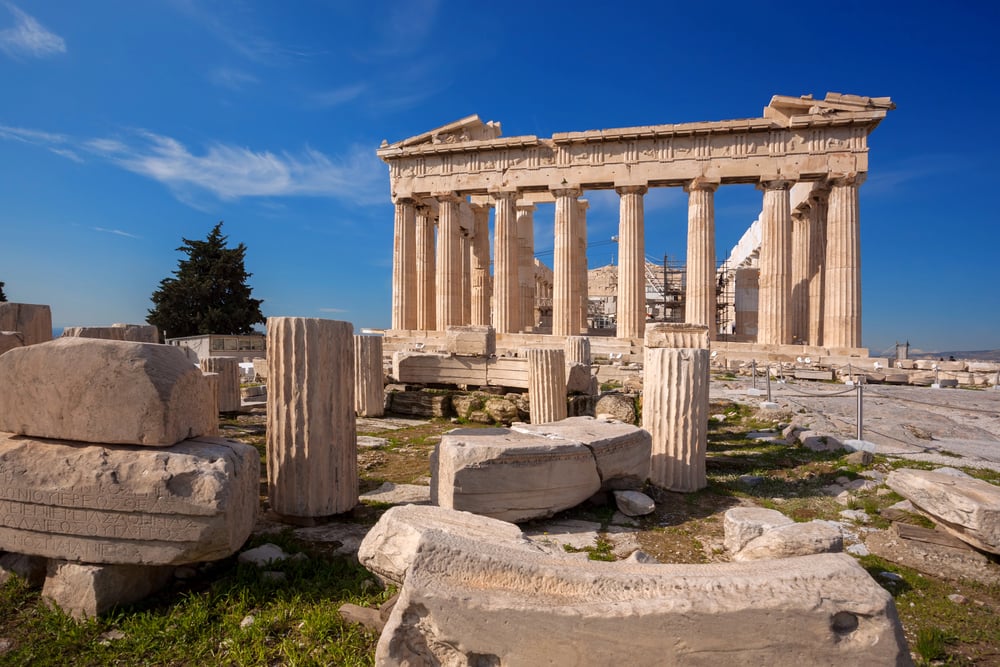
Athens’ ancient temple has survived two-and-a-half millennia – though not without damage – and now receives comprehensive protection under Greek archaeological laws. The entire Acropolis enjoys multiple layers of legal safeguards that restrict development nearby and control restoration approaches.
International agreements further complicate matters by addressing the disputed Parthenon sculptures displayed in museums worldwide.
St. Peter’s Basilica
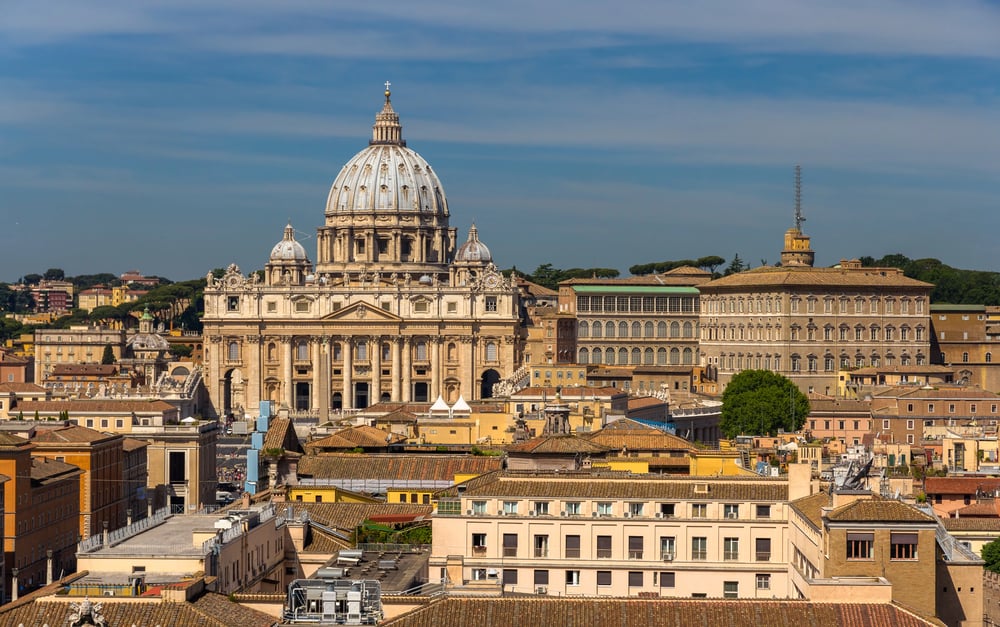
Vatican law creates extraordinary protection for this Renaissance jewel at Catholicism’s heart. As both sacred site and centerpiece of a sovereign state – St. Peter’s exists beyond Italian preservation laws.
The Vatican’s internal regulations ensure maintenance follows guidelines honoring the basilica’s artistic and spiritual significance.
Hagia Sophia
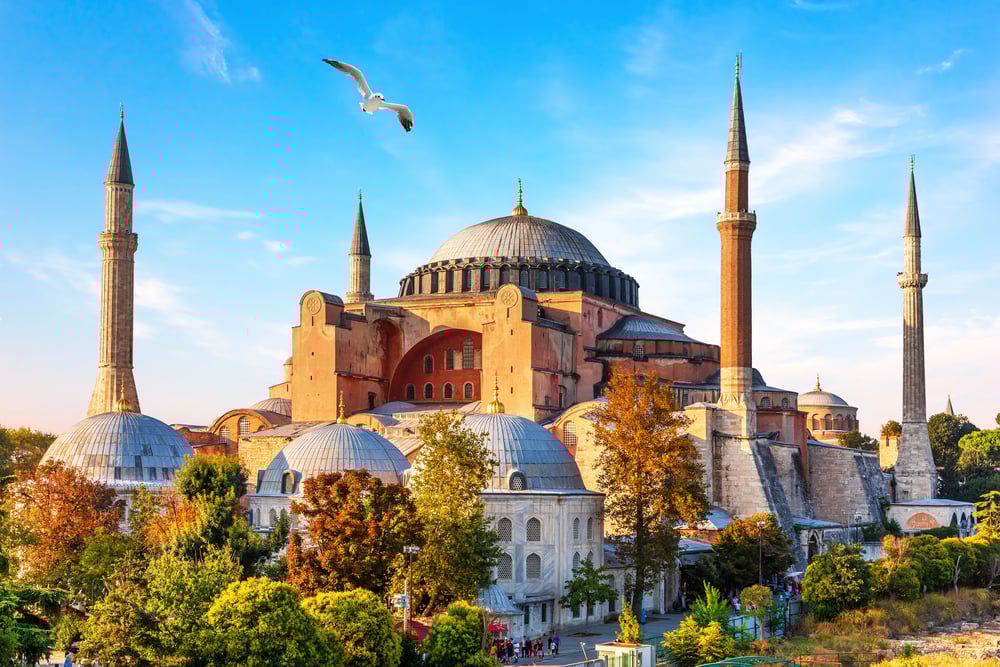
This architectural marvel has survived as church, mosque, museum, and mosque again – all while Turkish cultural heritage laws preserved its physical structure. Despite functional changes throughout its history, legislation protects both Byzantine and Ottoman elements from substantial alteration.
UNESCO continues monitoring the site to ensure modifications don’t compromise its historical integrity.
Angkor Wat

Cambodia’s crowning architectural achievement enjoys protection through both domestic legislation and international oversight. The expansive Angkor Archaeological Park operates under the nation’s strictest heritage laws, with special provisions covering the main temple complex.
A dedicated authority oversees everything from water management to tourism, safeguarding ancient stones from modern intrusions.
The Palace of Versailles

France’s monument to royal extravagance benefits from comprehensive legal protection that’s evolved over centuries. The palace and its elaborate gardens are classified as historic monuments under French law, strictly regulating alterations or renovations.
Protection extends to Versailles’ views – height restrictions on surrounding buildings preserve the palace’s historic sightlines exactly as they’ve been for generations.
The Alhambra
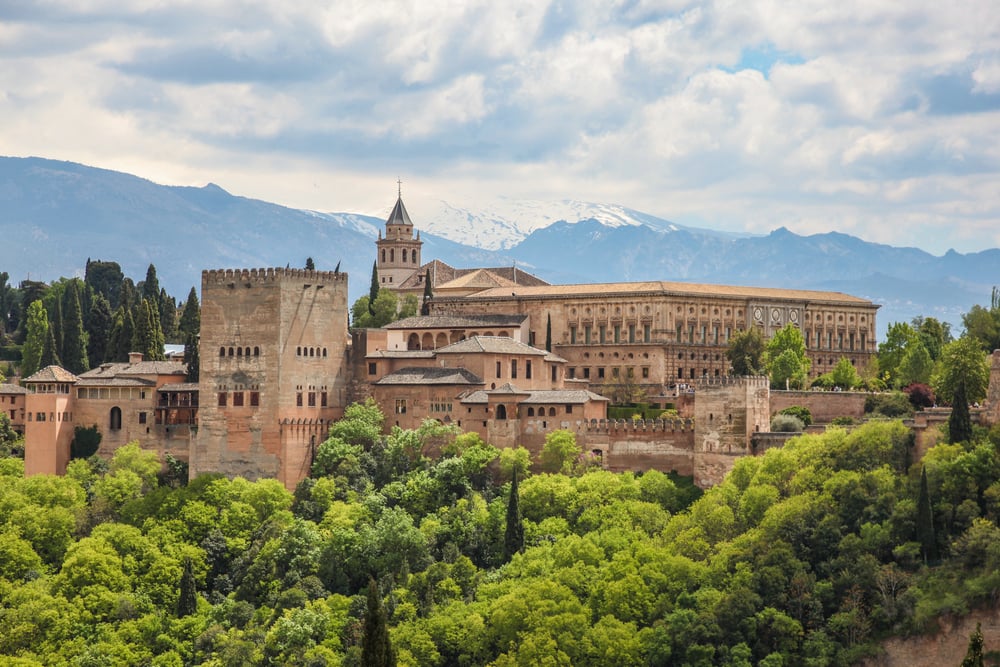
Spain’s Moorish palace complex enjoys protection under some of Europe’s oldest preservation statutes. The Alhambra received legal protection in the 19th century, establishing precedents for architectural conservation throughout Europe.
Today, multiple laws control everything about the complex, from daily visitor counts to the materials and techniques used in restoration work.
The Great Wall of China

This colossal structure stretching thousands of miles has dedicated legislation focusing solely on its preservation. China’s Great Wall Protection Ordinance specifically criminalizes brick removal, unauthorized climbing, and construction that impacts the wall’s visual integrity.
Remote sections theoretically receive identical legal protection as tourist-heavy segments, though enforcement varies significantly across the structure’s vast length.
Machu Picchu

Peru’s iconic Incan citadel operates under national laws strictly limiting daily visitors and development. Legal protections include extensive buffer zones extending miles beyond the actual ruins, regulating agricultural practices and building heights throughout the region.
Recent legislation has tightened these controls, mandating guided tours and specific visitor pathways to minimize impact on the fragile stone structures.
Neuschwanstein Castle
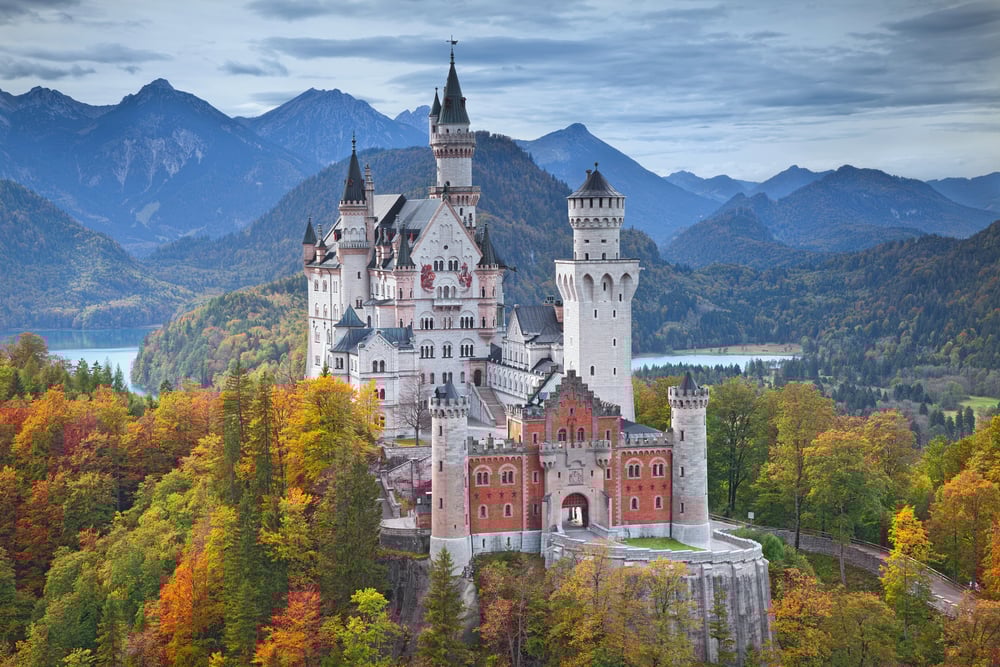
Germany’s fairytale castle receives protection through Bavaria’s monument preservation system. Despite its relative youth at just over 150 years old, the castle enjoys extraordinary safeguards due to its cultural significance and architectural uniqueness.
Protection extends to the surrounding Alpine landscape, preventing developments that would alter the castle’s iconic mountain backdrop that appears in countless photographs.
The Sydney Opera House
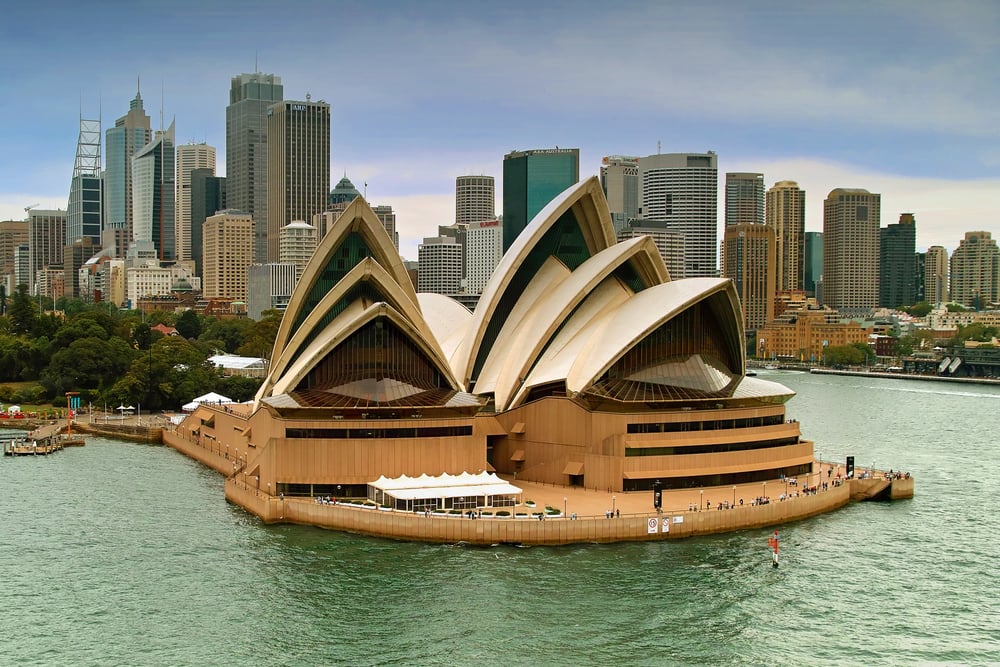
Australia’s modernist masterpiece was among the first 20th-century buildings receiving UNESCO World Heritage protection. State and federal laws protect both exterior and interior elements, with specific provisions governing everything from surface colors to fixture designs.
Legal protections even extend to the acoustic properties of performance spaces, which cannot be substantially modified despite technological advances.
The Statue of Liberty
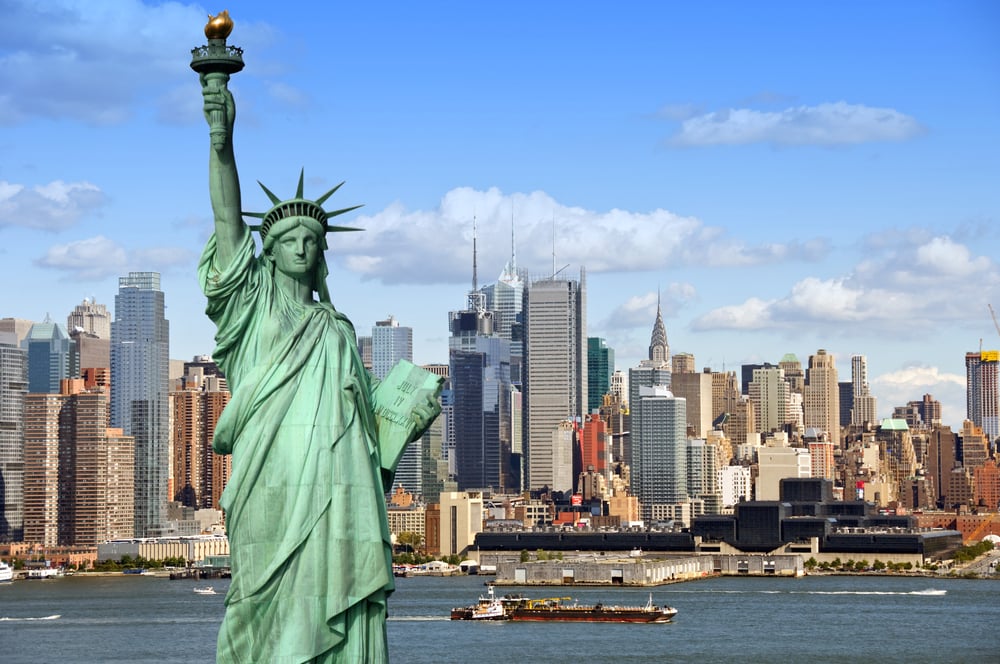
This freedom symbol stands firmly within the protection of overlapping federal statutes. As both National Monument and a UNESCO World Heritage site, the statue enjoys comprehensive legal safeguards extending to the entirety of Liberty Island.
Security concerns prompted strengthened protections following 9/11, further restricting access to the monument’s structural elements and interior spaces.
The Kremlin
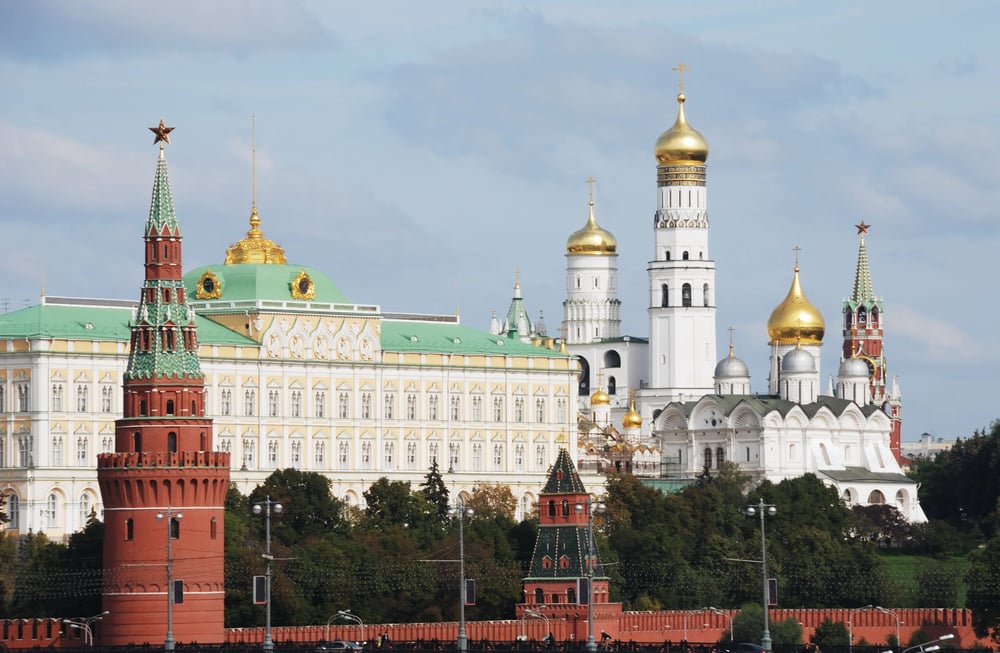
Russia’s power hub blends preserved ancient buildings with operational government buildings. The Kremlin is designated as a State Historical and Cultural Museum-Preserve by special federal legislation, with special consideration given to its historic palaces and cathedrals.
Because of this, buildings must serve as contemporary government offices while preserving every aspect of its historical authenticity, creating a special legal scenario.
Preserving Our Shared Heritage
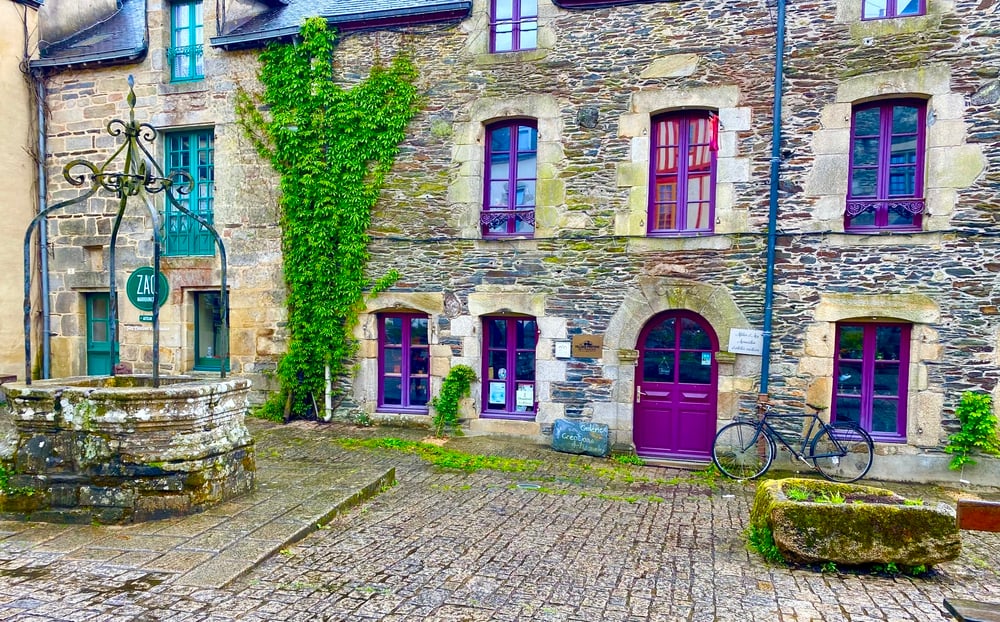
These protected structures represent our collective cultural inheritance transcending borders and political systems. The legal frameworks shielding these buildings reflect our understanding that certain places deserve permanence in an impermanent world.
As conservation technologies advance and cultural values shift, preservation laws continue adapting, ensuring future generations will experience these landmarks much as we do today, connecting past, present, and countless tomorrows.
More from Go2Tutors!

- The Romanov Crown Jewels and Their Tragic Fate
- 13 Historical Mysteries That Science Still Can’t Solve
- Famous Hoaxes That Fooled the World for Years
- 15 Child Stars with Tragic Adult Lives
- 16 Famous Jewelry Pieces in History
Like Go2Tutors’s content? Follow us on MSN.