16 Controversial Decisions by U.S. Presidents That Were Later Proven Right
Presidential decisions often face intense scrutiny, especially when they challenge conventional wisdom or popular opinion. History has a way of revealing which controversial choices were actually brilliant moves disguised as political disasters.
These presidential decisions sparked outrage, protests, and fierce opposition at the time, yet decades later proved to be exactly what the country needed.
The Louisiana Purchase
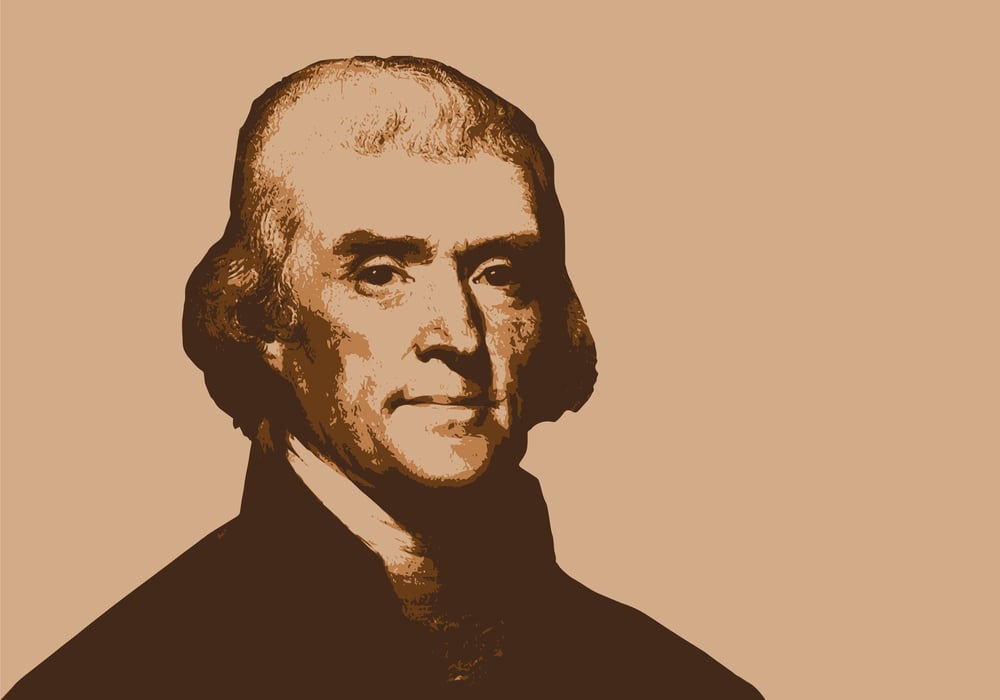
Jefferson’s $15 million gamble nearly broke the federal budget. Critics screamed about constitutional overreach and fiscal irresponsibility.
The price tag seemed astronomical for unexplored wilderness. Turns out buying 828,000 square miles for roughly three cents an acre was the bargain of the millennium.
The purchase doubled the nation’s size and secured access to the Mississippi River. Not a bad return on investment.
Lincoln’s Suspension of Habeas Corpus
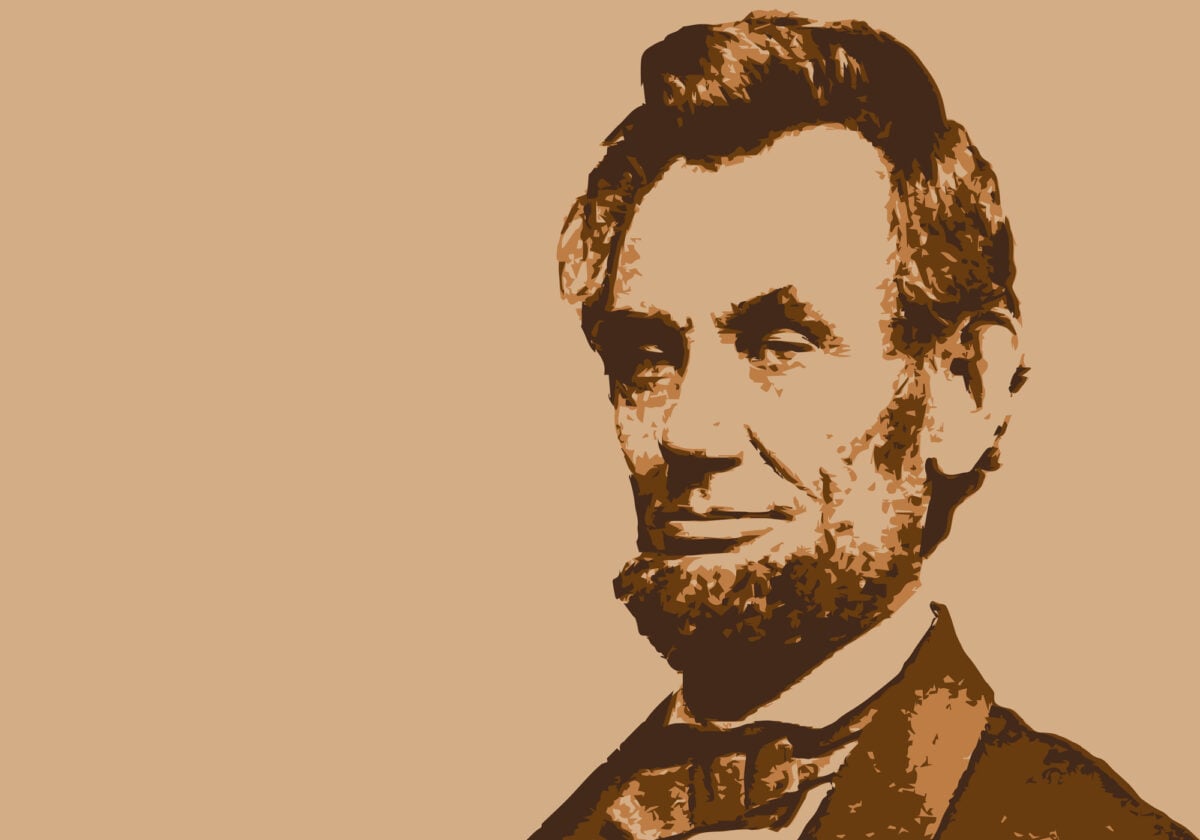
The Constitution felt like a luxury Lincoln couldn’t afford during the Civil War, so he suspended habeas corpus and allowed military tribunals to operate on American soil (something that would make constitutional scholars break out in hives today, and rightfully so). Congress wasn’t in session, the nation was literally tearing itself apart, and Lincoln decided that preserving the Union mattered more than strict constitutional interpretation — which, depending on your perspective, was either the pragmatic choice of a wartime leader or a dangerous precedent that would haunt American jurisprudence for generations.
The backlash was immediate and fierce. Even so, it worked. But here’s the thing about emergency powers during existential crises: sometimes they prevent the complete collapse of the system they’re temporarily suspending.
And Lincoln’s controversial moves — including the detention of suspected Confederate sympathizers and the shutdown of opposition newspapers — helped keep the Union intact during its darkest hour, which meant there was still a Constitution left to restore once the crisis passed.
Seward’s Folly
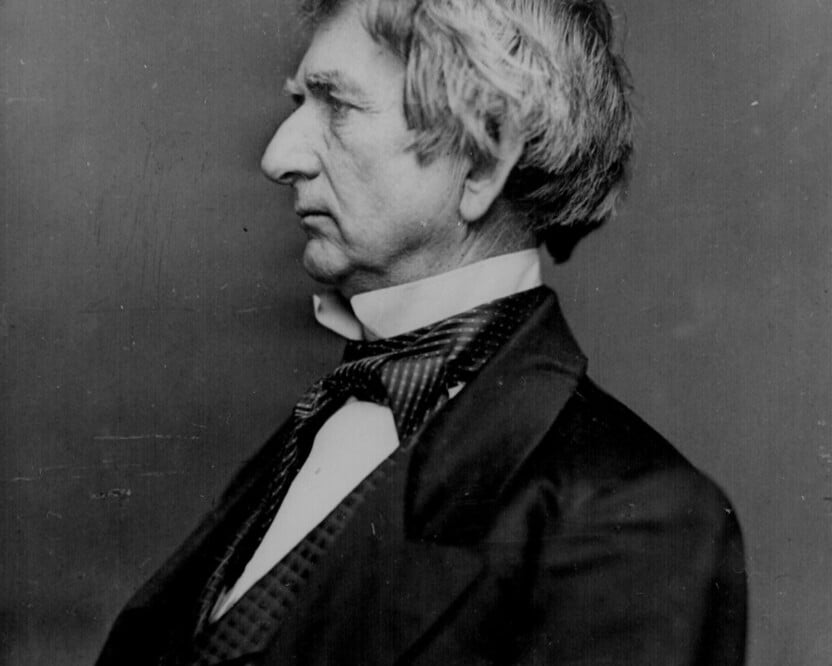
There’s something almost theatrical about the way bad ideas reveal themselves as strokes of genius. Secretary of State William Seward convinced Andrew Johnson to purchase Alaska from Russia in 1867, and the public response was immediate and brutal.
“Seward’s Folly” became the newspaper headline that captured the national mood — $7.2 million for a frozen wasteland that seemed as useful as buying property on the moon. The territory felt impossibly remote, a place where the sun disappeared for months and the ground stayed frozen year-round.
Americans couldn’t imagine what anyone would do with all that ice and wilderness. The purchase looked like the kind of decision that gets made in back rooms by men who’ve never felt genuinely cold.
But wilderness has a way of hiding its treasures until someone needs them badly enough to look.
FDR’s Court-Packing Plan
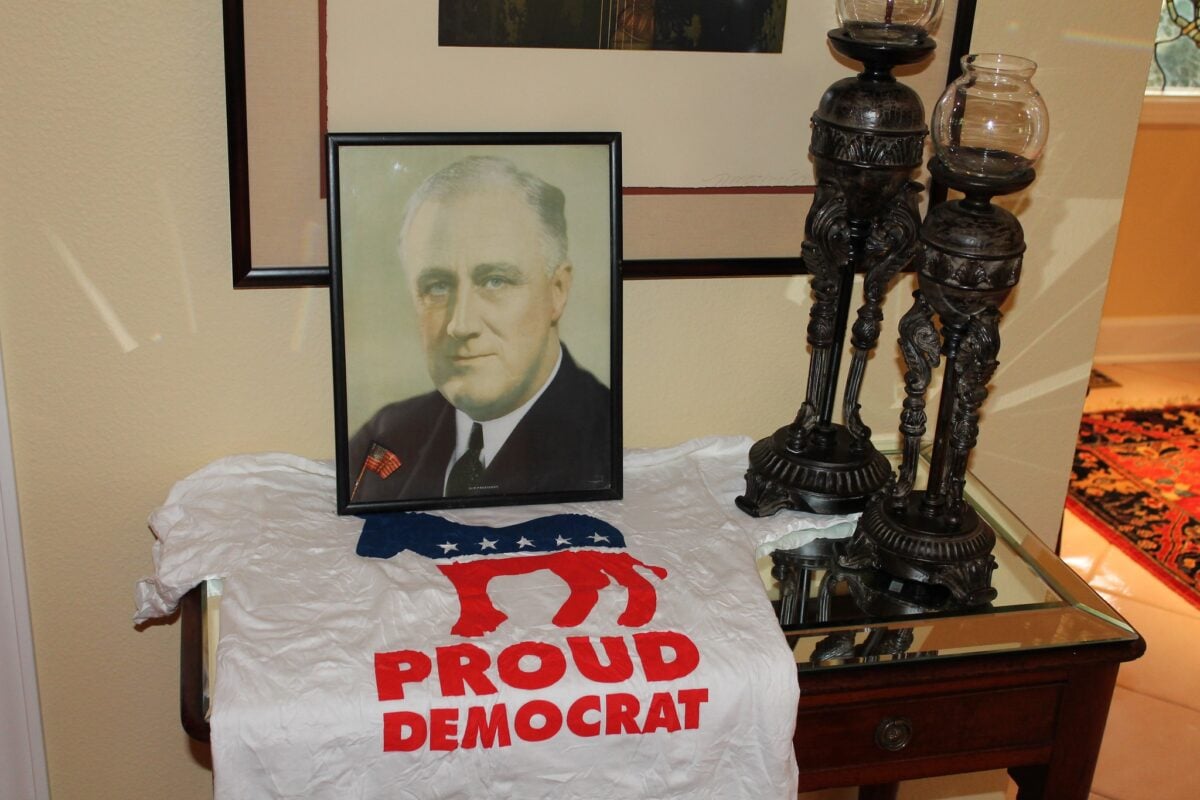
Roosevelt’s threat to expand the Supreme Court was pure political hardball. The plan was transparent, heavy-handed, and violated every norm about judicial independence.
Critics called it a power grab that would destroy the separation of powers. The threat worked perfectly.
The Court started upholding New Deal legislation instead of striking it down. Roosevelt never had to follow through on packing the Court because the justices got the message.
Sometimes the most effective moves are the ones that never actually happen.
Truman’s Decision to Desegregate the Military
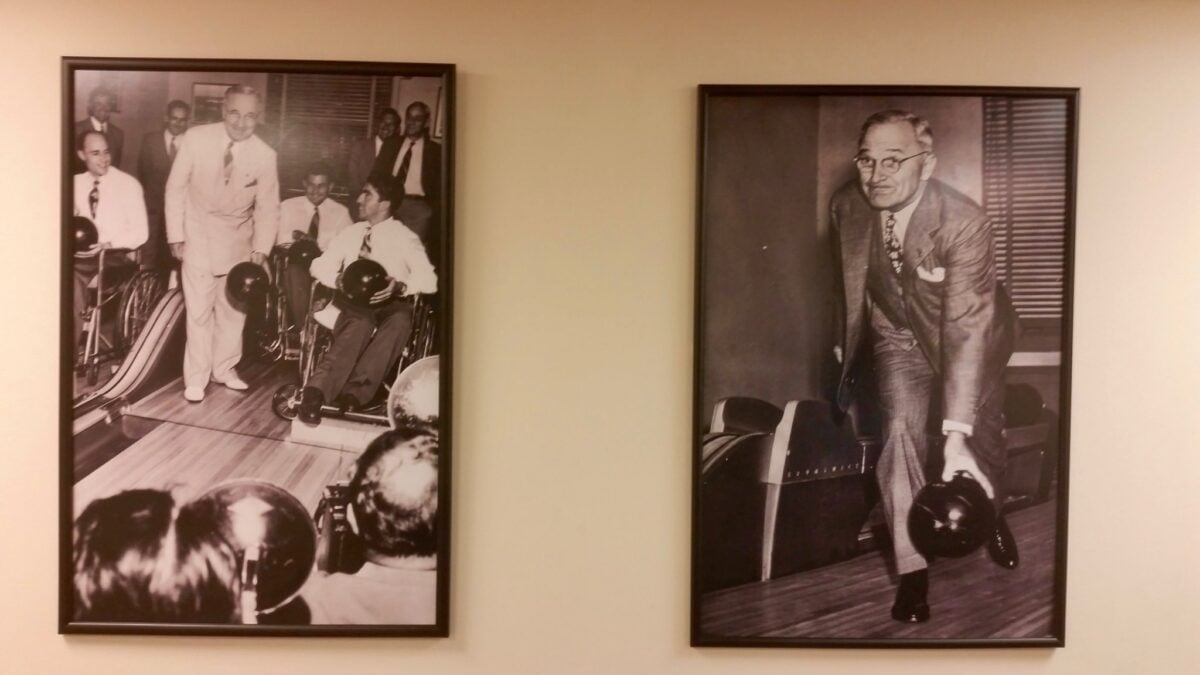
Truman signed Executive Order 9981 in 1948, knowing it would cost him the South and probably the election (and indeed, it nearly did — Strom Thurmond’s Dixiecrat revolt peeled away four Southern states, and Truman only won by the narrowest of margins against Thomas Dewey, though that’s another story entirely about polling failures and the dangers of overconfidence). Military leaders warned that integration would destroy unit cohesion and weaken national defense, while Southern Democrats threatened to bolt from the party entirely — which they eventually did, setting in motion the political realignment that would reshape American politics for the next half-century.
So Truman went ahead anyway, because sometimes doing the right thing matters more than doing the politically safe thing. And the military adapted faster than anyone expected, becoming one of the most successfully integrated institutions in American society decades before the civilian world caught up.
Jefferson’s Embargo Act
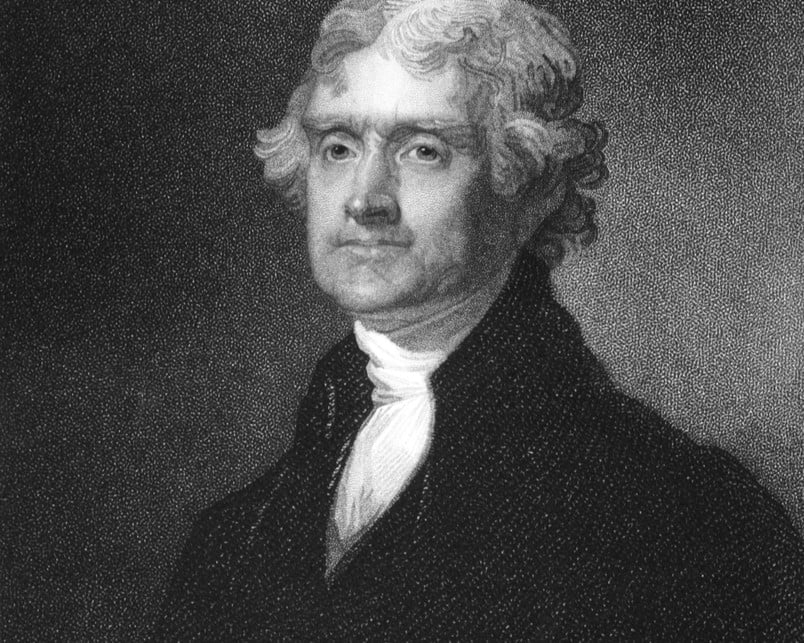
Like watching someone choose the most painful path toward an inevitable destination, Jefferson’s 1807 trade embargo seemed designed to hurt America more than its enemies. The policy shut down American ports and prohibited trade with both Britain and France, effectively strangling the nation’s own economy in an attempt to pressure European powers to respect American neutrality.
New England merchants watched their fortunes evaporate overnight. Ships sat empty in harbors while goods rotted in warehouses.
The economic damage was immediate and severe, and Jefferson became about as popular as a tax collector at a tea party. The embargo felt like cutting off the nation’s nose to spite its face.
Yet the forced isolation pushed American manufacturing into existence almost overnight, breaking the country’s dependence on European imports and laying the foundation for industrial independence.
Eisenhower’s Interstate Highway System
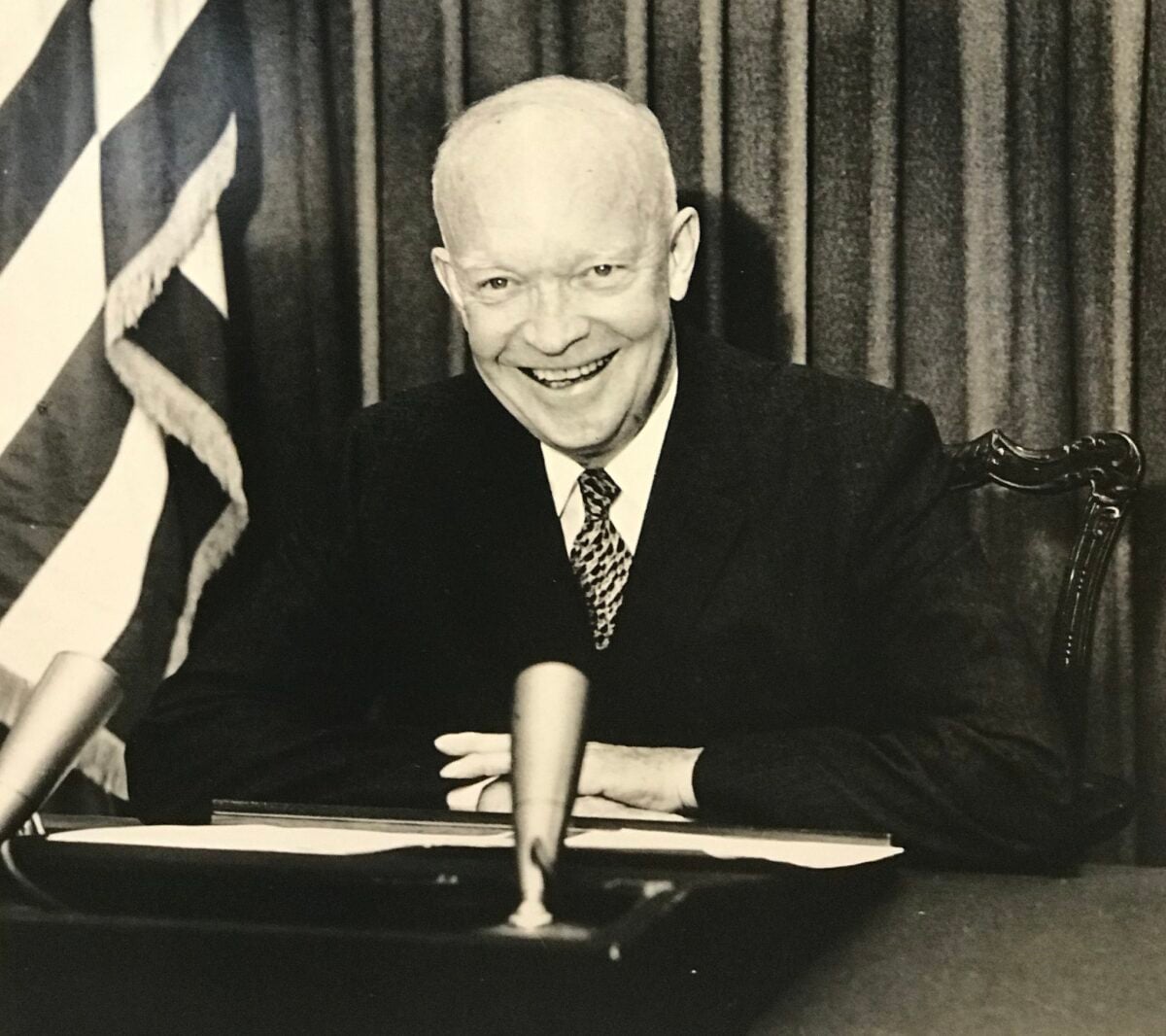
The largest public works project in human history was dismissed as wasteful government spending. Critics questioned whether America needed 41,000 miles of new roads when perfectly good highways already existed.
The $25 billion price tag seemed outrageous. The interstate system transformed American commerce and culture in ways nobody predicted.
Suburbs became possible. Cross-country travel became routine.
The economy got the infrastructure it needed for the next century of growth. Eisenhower basically built the roads that made modern America work.
Nixon’s Opening to China
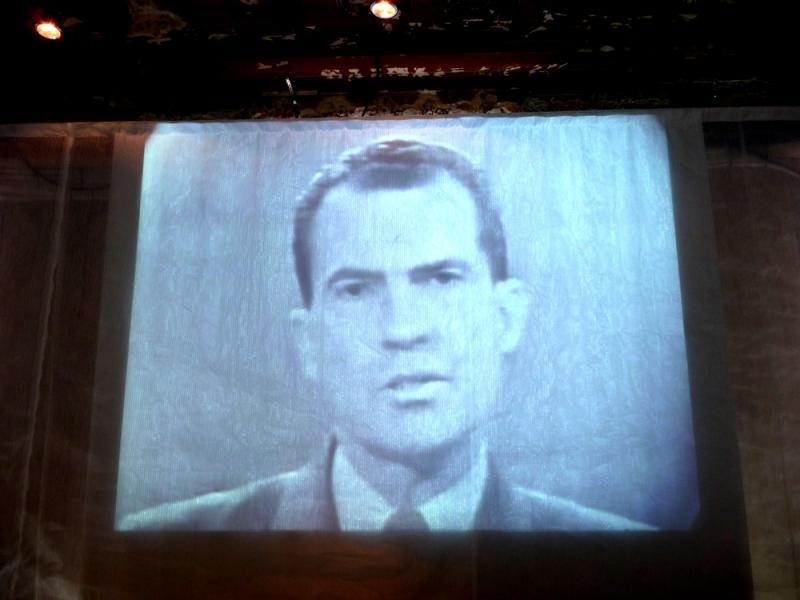
Nixon’s 1972 trip to Beijing looked like a betrayal of everything America stood for during the Cold War, and in many ways it was — here was a president who built his career on anti-communist rhetoric suddenly shaking hands with Mao Zedong and treating the world’s largest communist nation like a potential ally rather than an existential enemy (which, to be fair, made perfect strategic sense once you accepted that the Soviet Union was the real threat and that triangular diplomacy could play Moscow and Beijing against each other). Conservative Republicans felt blindsided by their own president’s apparent abandonment of ideological purity, while foreign policy experts worried about legitimizing a regime responsible for the deaths of millions of its own people.
But Nixon understood something that his critics missed: geopolitics isn’t about moral purity, it’s about strategic advantage. And bringing China into the global community — while simultaneously isolating the Soviet Union — was the kind of move that only works if you’re willing to ignore the short-term political costs in favor of long-term strategic benefits.
The opening to China reshaped global politics and gave America crucial leverage against the Soviet Union for the remainder of the Cold War.
Jackson’s Opposition to the National Bank
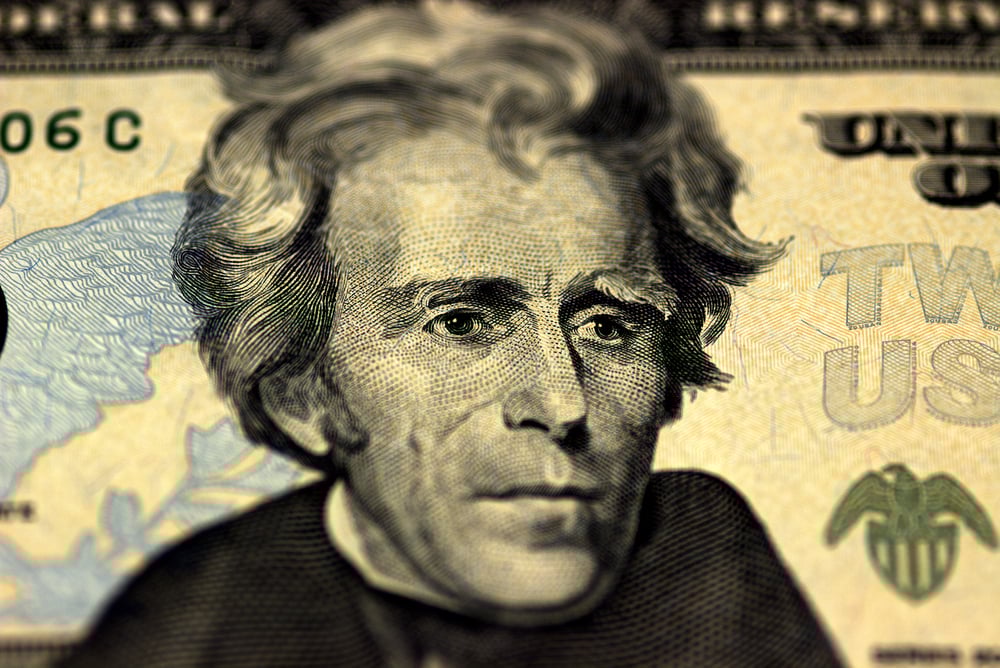
There’s an almost mythic quality to Jackson’s war against the Second Bank of the United States — the frontier president taking on the financial establishment with the kind of righteous anger that makes for great political theater but questionable economic policy. Jackson viewed the bank as a corrupt institution that served wealthy elites at the expense of ordinary Americans, and his decision to withdraw federal deposits and refuse to renew the bank’s charter sparked a financial crisis that his opponents blamed entirely on presidential overreach.
The immediate aftermath seemed to prove the critics right. The Panic of 1837 brought widespread bank failures and economic hardship that lasted for years.
Jackson’s policies appeared to have destabilized the entire financial system in service of populist ideology. But Jackson’s instincts about concentrated financial power proved remarkably prescient.
The bank had indeed become a tool for wealthy insiders to manipulate credit and currency for private gain.
Lincoln’s Emancipation Proclamation
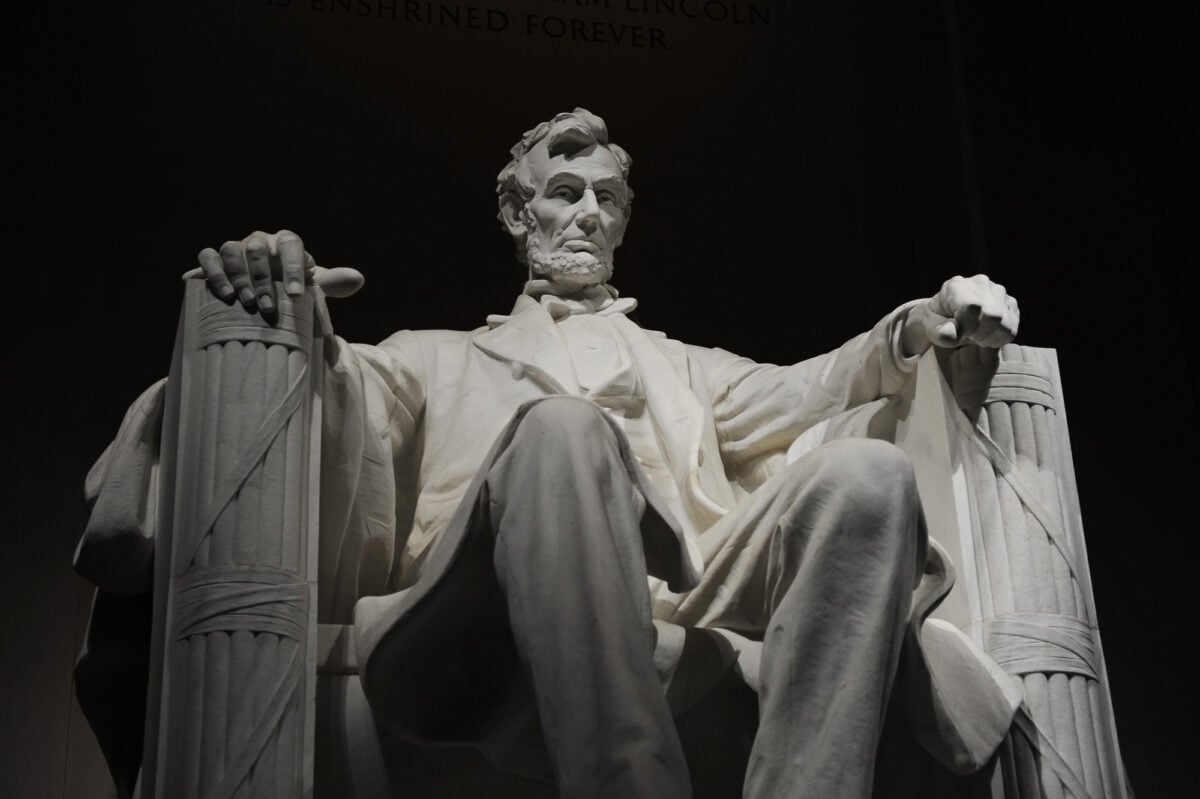
Lincoln’s strategic timing was either brilliant or terrible, depending on your perspective. The proclamation freed enslaved people only in rebelling states while leaving slavery intact in loyal border states.
Abolitionists called it insufficient. Democrats called it unconstitutional.
The limited scope was exactly what made it work. Lincoln avoided alienating the border states while reframing the war as a moral crusade.
European powers couldn’t support the Confederacy without appearing to defend slavery. The proclamation turned military necessity into moral triumph.
Wilson’s Federal Reserve System
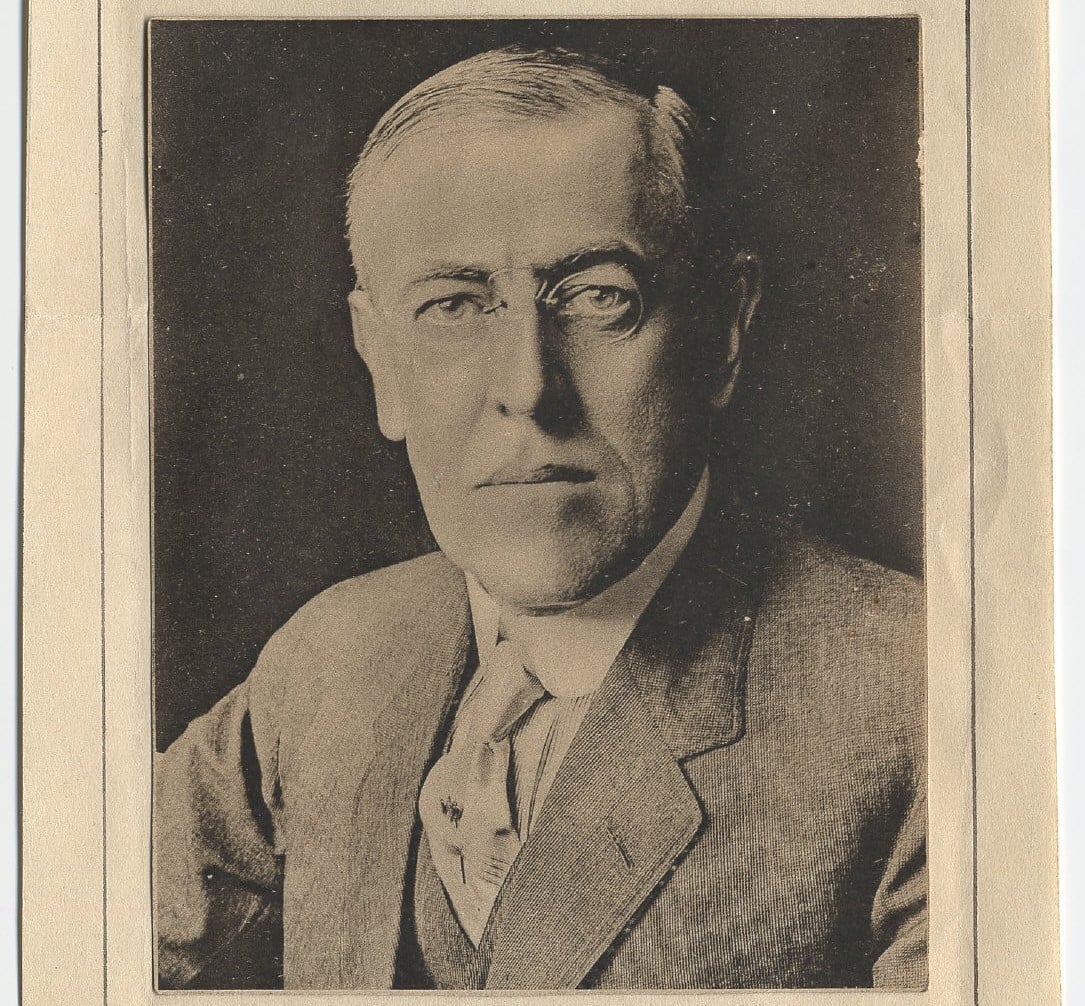
Creating a central banking system in 1913 violated every principle of limited government that Americans held sacred, and Wilson knew it — the country had fought against centralized banking since Hamilton and Jefferson first squared off over the issue, and here was Wilson essentially handing control of the nation’s money supply to a quasi-private institution that would operate with minimal oversight and maximum power over credit and currency (which, granted, was exactly what a modern economy needed, but try explaining that to farmers who remembered the Panic of 1893). Populists saw it as a gift to Wall Street bankers, while conservatives worried about government overreach into private markets.
So Wilson pushed it through anyway, because sometimes you have to build the institutions that the next crisis will require, even if the current political moment can’t see the need. And the Federal Reserve — for all its flaws and controversial decisions over the decades — gave America the monetary flexibility to survive the Great Depression, finance two world wars, and manage the complex economic challenges of the modern era.
Polk’s Mexican-American War
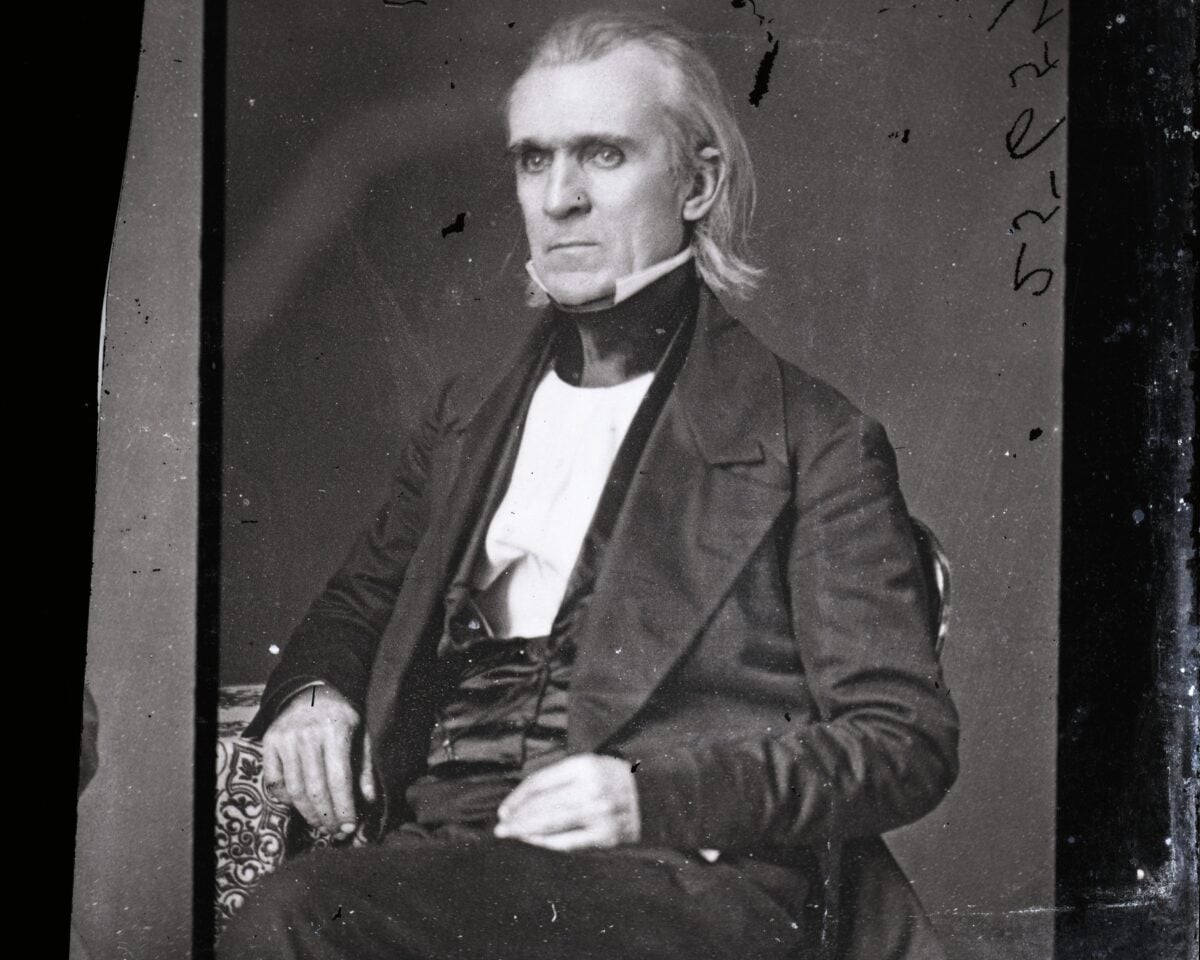
Like watching someone pick a fight they’re guaranteed to win, Polk’s decision to provoke war with Mexico in 1846 felt both inevitable and morally questionable. The president wanted California and Texas, Mexico wasn’t interested in selling, and Polk decided that military conquest was simpler than diplomatic negotiation.
Critics saw it as aggression disguised as manifest destiny. The war felt like bullying — a larger, more powerful nation taking what it wanted from a weaker neighbor.
Abraham Lincoln, then a young congressman, famously challenged Polk to identify the exact spot where American blood had been shed on American soil. But the territorial gains reshaped the continent and secured America’s position as a Pacific power.
Reagan’s Military Buildup

Reagan’s defense spending increases looked like dangerous escalation to a world already nervous about nuclear war. The military buildup seemed designed to bankrupt America before it could bankrupt the Soviet Union.
Critics called it reckless warmongering. The strategy worked exactly as intended.
The Soviet Union couldn’t match American defense spending and eventually collapsed under the economic strain. Reagan won the Cold War by forcing the Soviets to compete in an arms race they couldn’t afford.
Sometimes the best way to avoid a fight is to make it clear you’ll win.
Washington’s Neutrality Proclamation
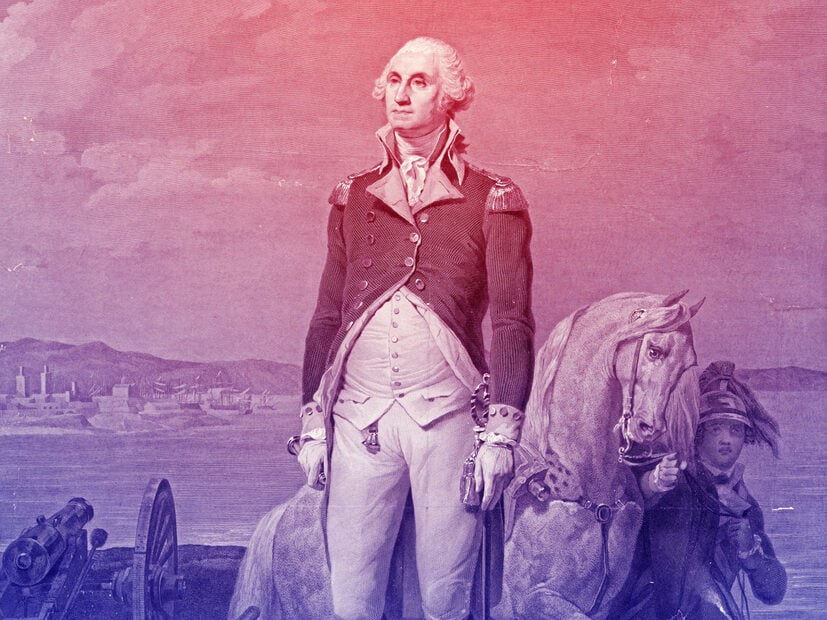
Washington’s 1793 declaration of neutrality in European conflicts seemed cowardly to Americans who supported revolutionary France, and naive to those who understood that Britain still controlled the seas around North America — either way, it felt like a refusal to take sides when moral clarity demanded choosing between monarchy and republicanism (or, alternatively, between order and chaos, depending on how you felt about the French Revolution’s tendency toward guillotines and mob rule). Jefferson’s supporters wanted America to honor its alliance with France, while Hamilton’s faction worried that any involvement in European wars would destroy the fragile new nation before it had time to establish itself.
But Washington understood something that his contemporaries missed: America was too weak to survive getting dragged into European power struggles, and neutrality wasn’t cowardice — it was strategic patience. The young nation needed time to build its strength before it could afford to have opinions about foreign wars.
The neutrality precedent kept America out of European conflicts for more than a century and allowed the country to develop its own strength without getting consumed by other people’s wars.
Jefferson’s Kentucky and Virginia Resolutions
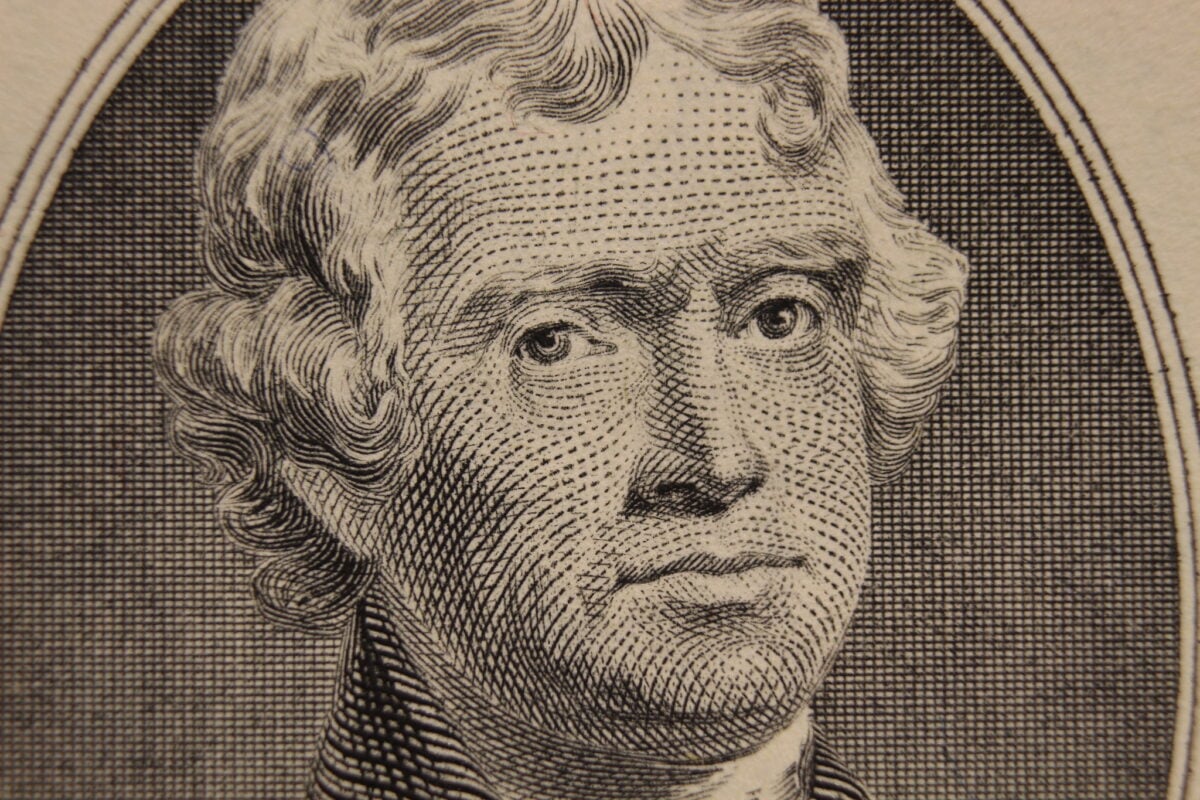
Jefferson and Madison’s response to the Alien and Sedition Acts sparked a constitutional crisis that almost tore the young nation apart. The resolutions argued that states could nullify federal laws they deemed unconstitutional — a theory that would later justify secession and civil war.
The immediate crisis passed when Jefferson won the presidency and repealed the offensive laws. But the principle of state resistance to federal overreach became a crucial check on government power.
Sometimes constitutional theories that look dangerous in the abstract become essential safeguards in practice.
Monroe’s Latin American Policy
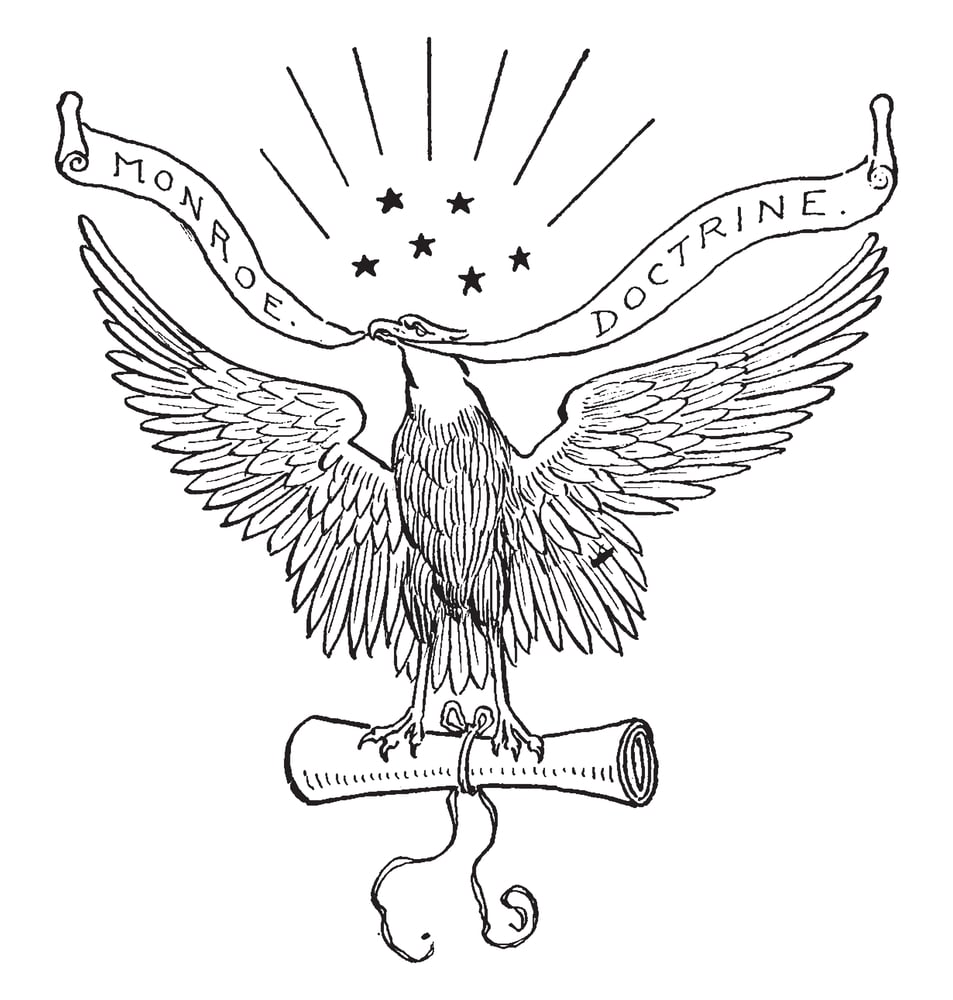
The Monroe Doctrine was a bluff that could have backfired spectacularly, and everyone knew it — America in 1823 lacked the naval power to enforce its declaration that European powers should stay out of Latin America, and if Britain or France had decided to call Monroe’s bluff, the young nation would have been exposed as militarily impotent and diplomatically naive. Critics worried that the policy would provoke exactly the kind of European intervention it was designed to prevent, while others questioned whether America had any business making grand pronouncements about an entire hemisphere.
So Monroe made the declaration anyway, because sometimes you have to claim the authority you want to have before you actually have it. And the doctrine worked, partly because Britain found it convenient to support American opposition to European colonialism (which served British trading interests), and partly because the other European powers were too distracted by their own problems to test American resolve.
The Monroe Doctrine became the foundation of American hemispheric influence and helped establish the United States as a regional power with global ambitions.
The Long View of Leadership

Presidential courage often looks like presidential folly until history provides the proper context. These decisions required leaders willing to endure immediate criticism for the sake of long-term benefits that wouldn’t become apparent for years or even decades.
The best presidential decisions frequently violate the political wisdom of their time because they’re designed to solve problems that most people can’t yet see coming.
More from Go2Tutors!

- The Romanov Crown Jewels and Their Tragic Fate
- 13 Historical Mysteries That Science Still Can’t Solve
- Famous Hoaxes That Fooled the World for Years
- 15 Child Stars with Tragic Adult Lives
- 16 Famous Jewelry Pieces in History
Like Go2Tutors’s content? Follow us on MSN.