11 Record-Breaking Apps That Vanished
The digital landscape is littered with the ghosts of once-promising applications that shot to stardom only to fade into obscurity almost immediately. These digital phenomena captured our collective attention, dominated download charts, and seemed destined for greatness—until they weren’t. Their meteoric rise and equally dramatic fall offers fascinating glimpses into our digital behavior and the fickle nature of viral success.
Here is a list of 11 apps that broke download records but vanished almost as quickly as they appeared.
Flappy Bird

This deceptively simple game created by Vietnamese developer Dong Nguyen became a global sensation in early, earning a reported daily at its peak. The creator famously pulled the app from stores at the height of its popularity, claiming he couldn’t handle the attention and pressure.
Many devices with Flappy Bird installed were later sold for thousands of dollars on secondary markets after its removal.
Pokémon GO

While still technically available, Pokémon GO’s initial download frenzy was unprecedented, breaking seven Guinness World Records and reaching downloads faster than any app in history. The augmented reality game had people wandering neighborhoods en masse during summer, but it lost nearly of its paying users within months as technical issues and repetitive gameplay diminished its appeal.
Like Go2Tutors’s content? Follow us on MSN.
HQ Trivia
This live trivia gameshow app reached concurrent players in and handed out millions in prize money. Founded by Vine creators, HQ Trivia became a cultural phenomenon with appointment-based gameplay sessions that brought friends and coworkers together.
Internal conflicts, management issues, and changing audience interests led to its shutdown in, marking the end of a brief but intense chapter in mobile entertainment.
Draw Something
This social drawing game reached downloads in just days, becoming the fastest-growing mobile game ever at that time. Gaming giant Zynga purchased the app’s developer OMGPOP for at its peak in.
The acquisition proved disastrous when user numbers plummeted shortly afterward, leading Zynga to close OMGPOP studios barely a year later.
Miitomo
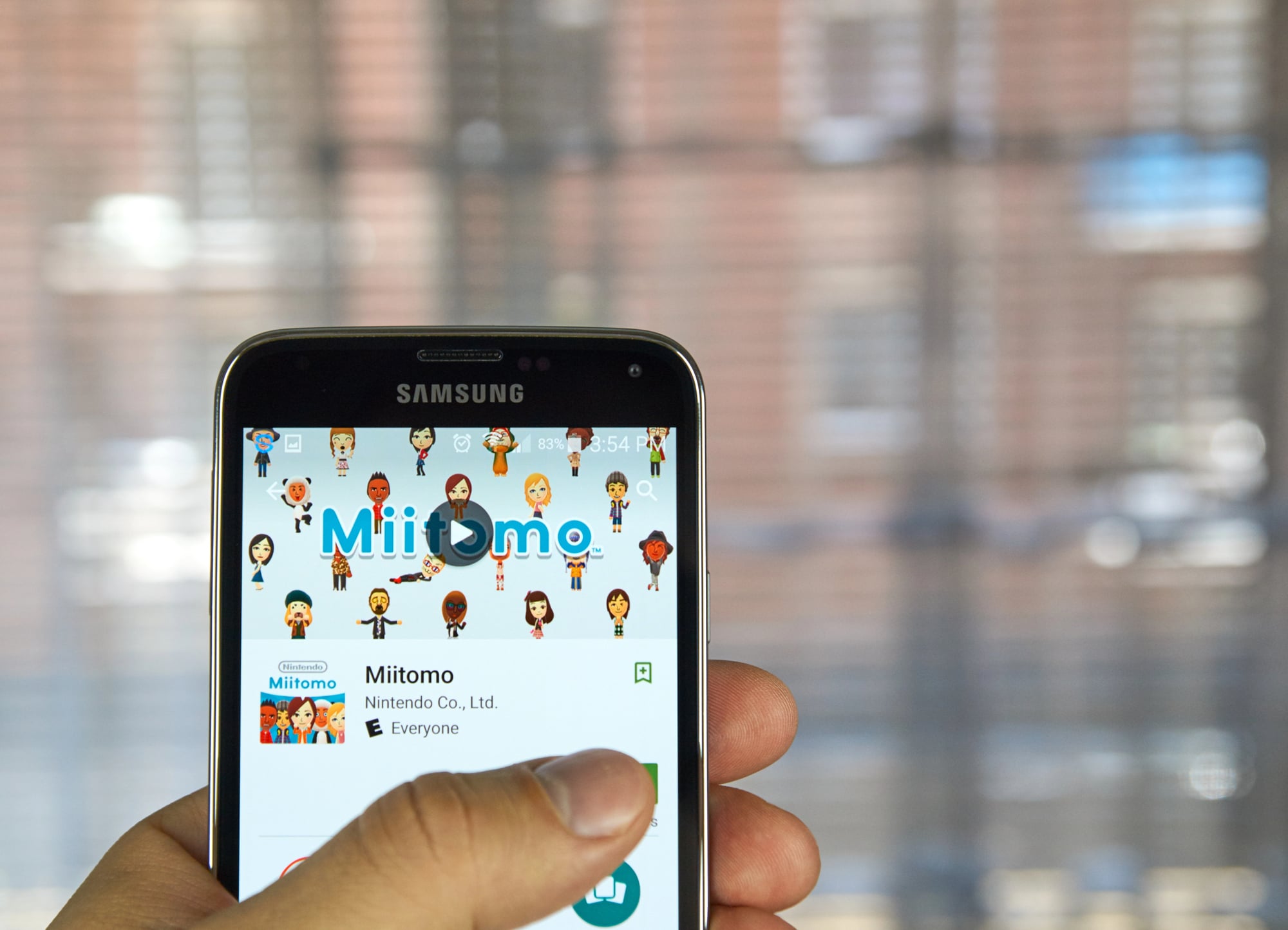
Nintendo’s first mobile app launched to tremendous fanfare in, accumulating users in its first month as fans eagerly embraced the gaming giant’s mobile debut. The social app featured customizable avatars and quirky friendship interactions but suffered from limited functionality and repetitive content.
Nintendo shut down Miitomo after just two years, having learned valuable lessons that informed their more successful mobile offerings later.
Like Go2Tutors’s content? Follow us on MSN.
Vine

While not exactly vanished—its cultural impact remains enormous—Vine’s lifespan as an active app was surprisingly brief given its massive popularity. The six-second video platform reached active users and spawned countless internet celebrities before Twitter shut it down in.
Many Vine creators successfully migrated to YouTube, Instagram, and later TikTok, proving the format’s appeal outlasted the app itself.
Sarahah
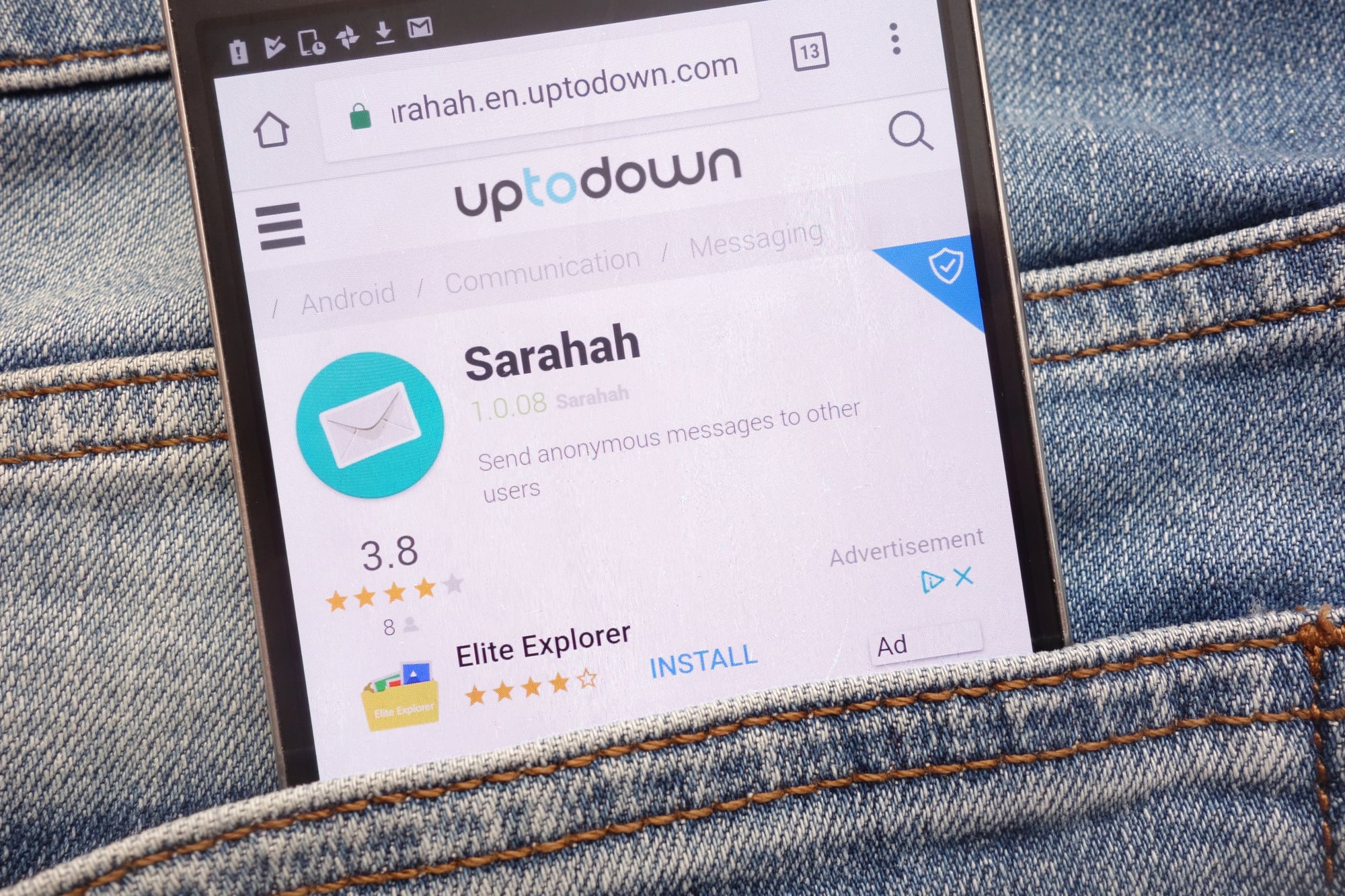
This anonymous feedback app originated in Saudi Arabia and exploded globally in, reaching users and topping download charts in over countries. Sarahah allowed users to receive anonymous comments, ostensibly for constructive feedback.
The app faced growing criticism for enabling cyberbullying and was removed from app stores within months of its viral success.
Vero
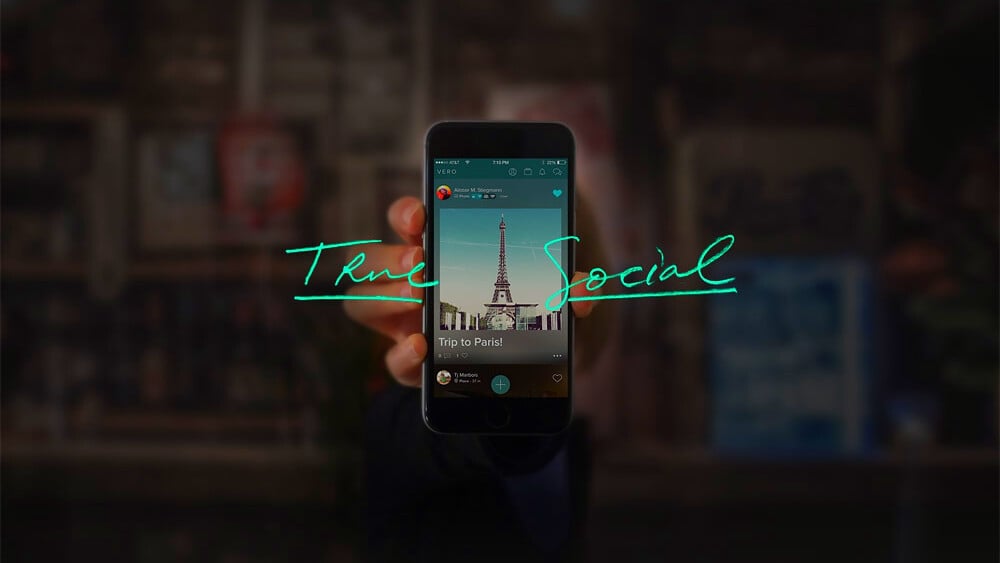
Marketed as the ‘true social’ alternative to algorithm-driven networks, Vero briefly claimed the download spot in amid Facebook privacy concerns. The chronological feed and subscription-based business model initially attracted users seeking an ethical social platform.
Technical glitches during its sudden growth spurt and questions about its founder’s business history quickly dampened enthusiasm, relegating Vero to niche status after its moment in the spotlight.
Like Go2Tutors’s content? Follow us on MSN.
Trivia Crack

This knowledge-testing game became the most downloaded app in over countries in, amassing over users. The colorful question-and-answer game with its distinctive character wheel was briefly unavoidable in social circles and workplaces.
While technically still available, Trivia Crack’s active user base declined dramatically after its initial surge as competitors flooded the market and player interest waned.
Houseparty

This group video chat application saw unprecedented growth during early pandemic lockdowns in, adding over users in a single month. Epic Games acquired Houseparty at the peak of its popularity only to shut it down in.
The app struggled to maintain relevance as larger platforms incorporated similar functionality and pandemic restrictions eased.
Quibi
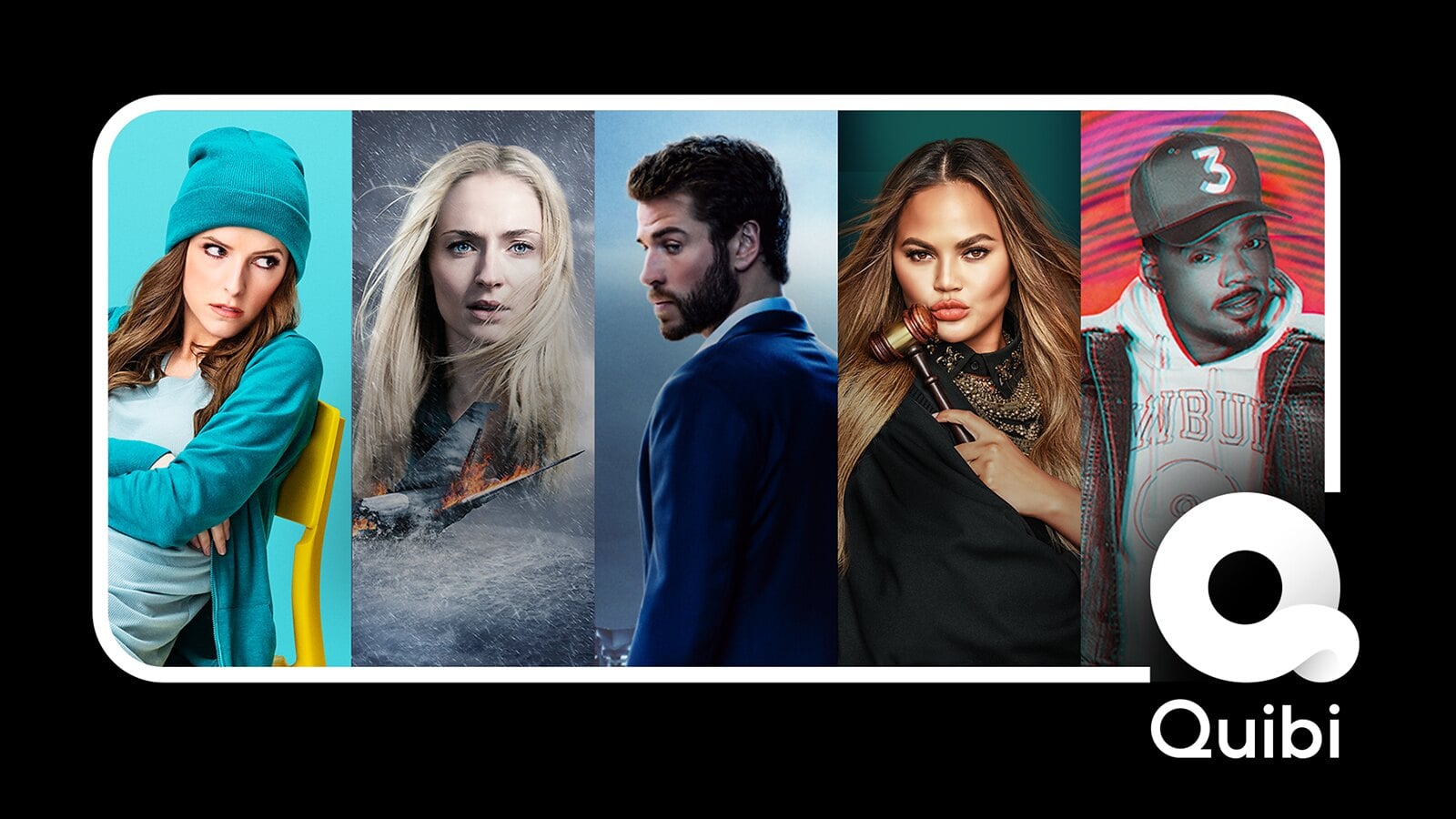
Though not technically a mobile app but a short-form video streaming service, Quibi deserves mention for its spectacular rise and fall. Launched with in funding and Hollywood backing, Quibi aimed to revolutionize mobile entertainment with high-quality, short-form content.
The service shut down just six months after launch, unable to convert initial curiosity into sustained subscriptions despite massive download numbers in its first week.
Like Go2Tutors’s content? Follow us on MSN.
Digital Butterflies

The lifecycle of viral apps mirrors nature in many ways—brief, brilliant moments of activity followed by inevitable decline. These digital phenomena captured our collective imagination temporarily, setting download records that seemed to predict long-term success.
Their rapid disappearance demonstrates how quickly digital audiences move on to the next innovation, leaving behind valuable lessons about sustainability in the app economy.
More from Go2Tutors!

- 18 Unexpectedly Valuable Collectibles You Might Have Lying Around
- 20 Little-Known Historical Battles That Had Huge Consequences
- 20 Historical Artifacts That Scientists Can’t Explain
- 15 Inventions That Were Immediately Banned After Being Created
- 20 Actors Who Were Almost Cast in Iconic Roles
Like Go2Tutors’s content? Follow us on MSN.