Photos of Beaches with the Warmest Water in the World
Nothing quite compares to stepping into ocean water that feels like a warm bath. While many of us have shivered through beach visits where the water temperature made swimming feel more like an endurance test, there are stunning coastal destinations around the globe where the ocean maintains temperatures that invite you to stay in for hours.
These aren’t just tropical postcards come to life – they’re real places where the combination of geography, climate, and ocean currents creates some of the most inviting swimming conditions on Earth.
Persian Gulf Beaches, UAE
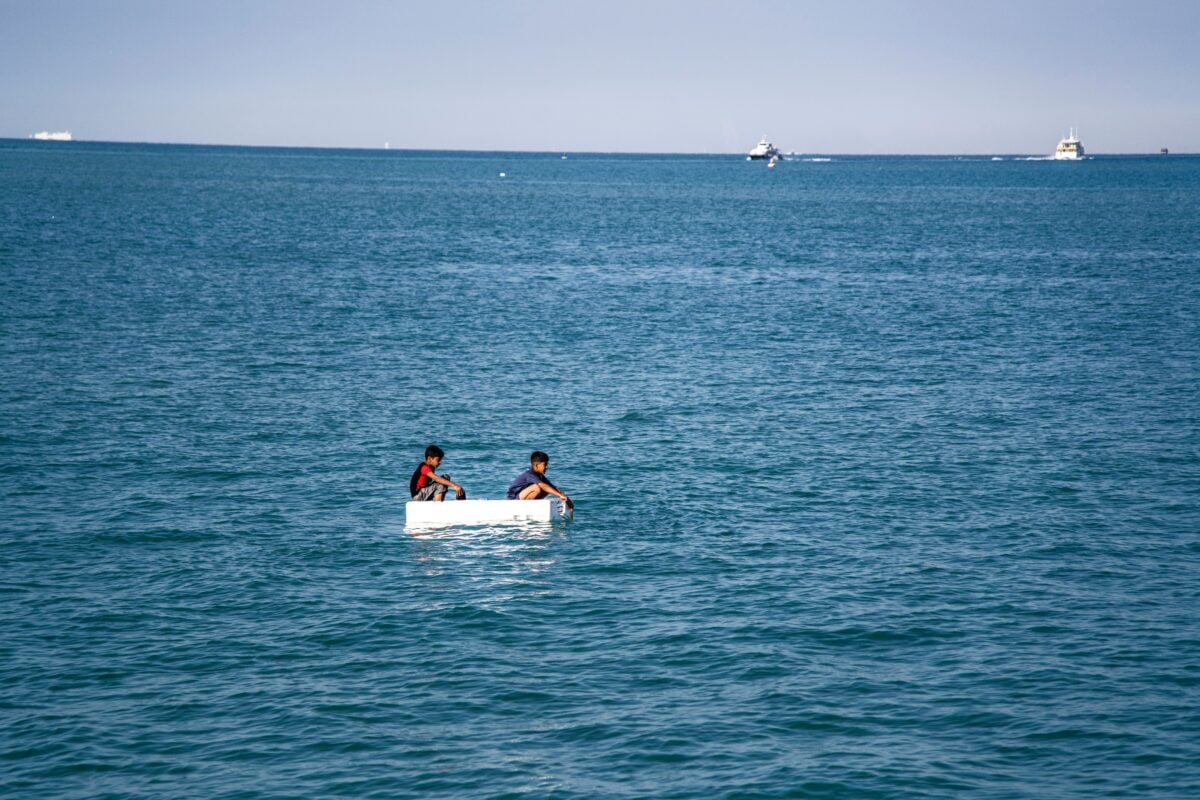
The Persian Gulf doesn’t mess around with lukewarm water. Summer temperatures here regularly hit 95°F (35°C), which is genuinely hot by ocean standards.
Dubai’s beaches showcase this phenomenon perfectly. The shallow gulf traps heat like a massive solar collector, and the desert climate ensures that cooling rarely happens.
You can swim here in December and still find the water warmer than most Mediterranean beaches in July.
Red Sea Coast, Egypt
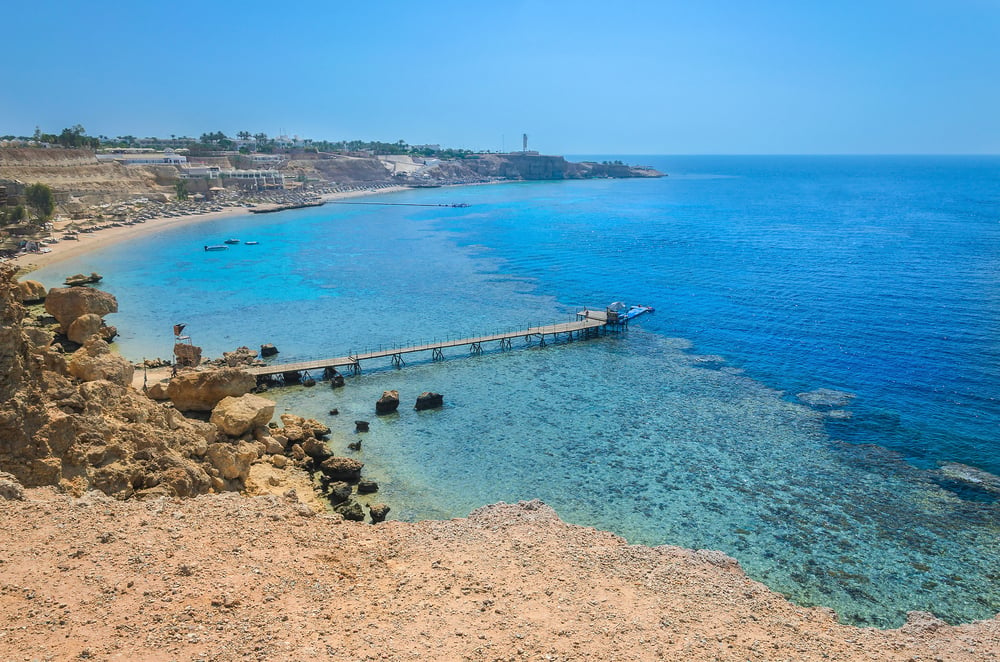
The Red Sea maintains water temperatures that hover between 79-86°F (26-30°C) year-round, making it one of the most consistently warm bodies of water on the planet. And here’s the thing about consistency: it matters more than people realize (especially when you’re planning a vacation around swimming rather than just looking at water from the shore).
The sea sits in a geological rift that traps warm water, while the surrounding desert climate ensures minimal cooling even during winter months. So you get these incredible coral reefs thriving in water that feels like stepping into a heated pool, except the pool happens to be filled with some of the most diverse marine life you’ll ever encounter.
Maldives Lagoons
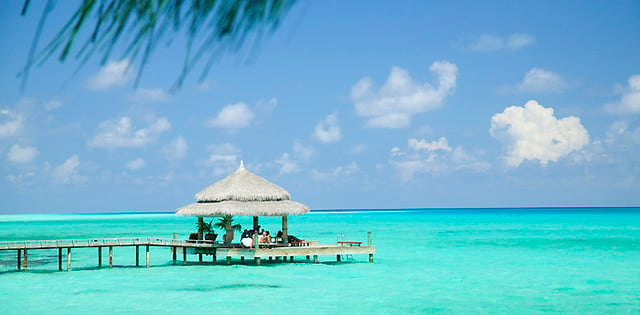
Picture water so warm that getting in feels less like swimming and more like slipping into silk. The Maldives sits directly on the equator, where Indian Ocean currents circulate warm water through shallow lagoons year-round.
These aren’t deep ocean beaches where cold currents can sneak up from below. The coral atolls create protected, shallow areas where water temperatures stay locked between 80-86°F (27-30°C).
The consistency is almost unnatural – which makes sense when you consider these islands exist purely because of specific oceanic conditions.
Caribbean Coast, Colombia

Colombia’s Caribbean coastline benefits from something most people overlook: the warm Caribbean Current that flows directly from equatorial waters. This isn’t just tropical warmth – it’s engineered warmth, created by ocean circulation patterns that funnel the warmest water from the central Atlantic directly to these shores.
Cartagena’s beaches regularly see water temperatures exceeding 82°F (28°C), and unlike many Caribbean destinations, the Colombian coast maintains this warmth even during what passes for “winter” in the region. The combination of consistent trade winds and shallow continental shelf means the water stays warm without becoming stagnant, which is saying something when you’re dealing with temperatures this high.
Bahrain Coast
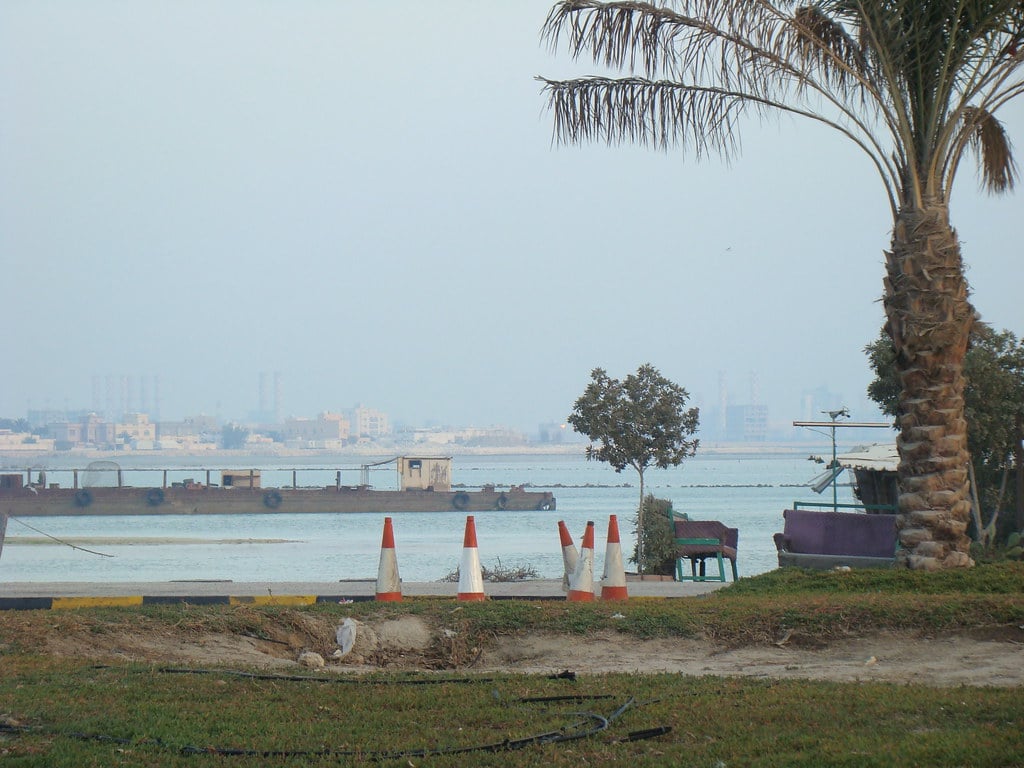
Bahrain sits in the perfect storm of warm water conditions. The shallow Persian Gulf, desert climate, and minimal tidal variation create water that often feels warmer than the air temperature.
Summer water temperatures here can reach 96°F (36°C).
That’s not a typo. The gulf’s shallow depth means solar heating penetrates all the way to the seafloor, while the surrounding desert prevents any meaningful cooling.
Swimming here in August feels like entering a natural hot tub that stretches to the horizon.
South China Sea, Philippines
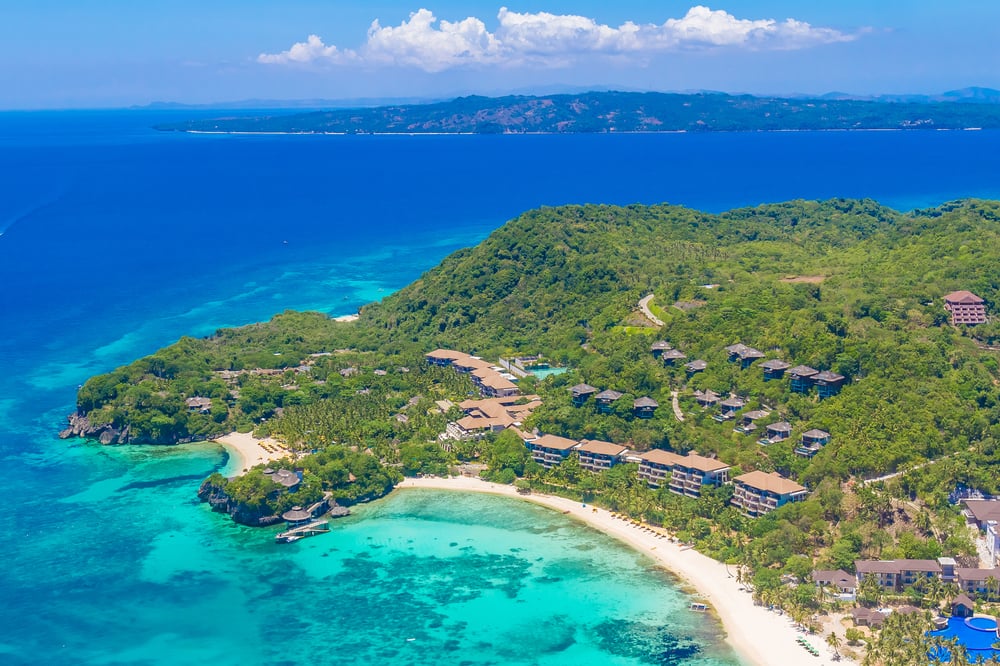
The Philippines occupies a sweet spot where warm Pacific currents converge with shallow tropical seas, creating water temperatures that rarely drop below 79°F (26°C) even during the coolest months. But what makes these waters particularly special isn’t just the heat – it’s the way thousands of islands create protected bays and lagoons where warm water gets trapped and concentrated.
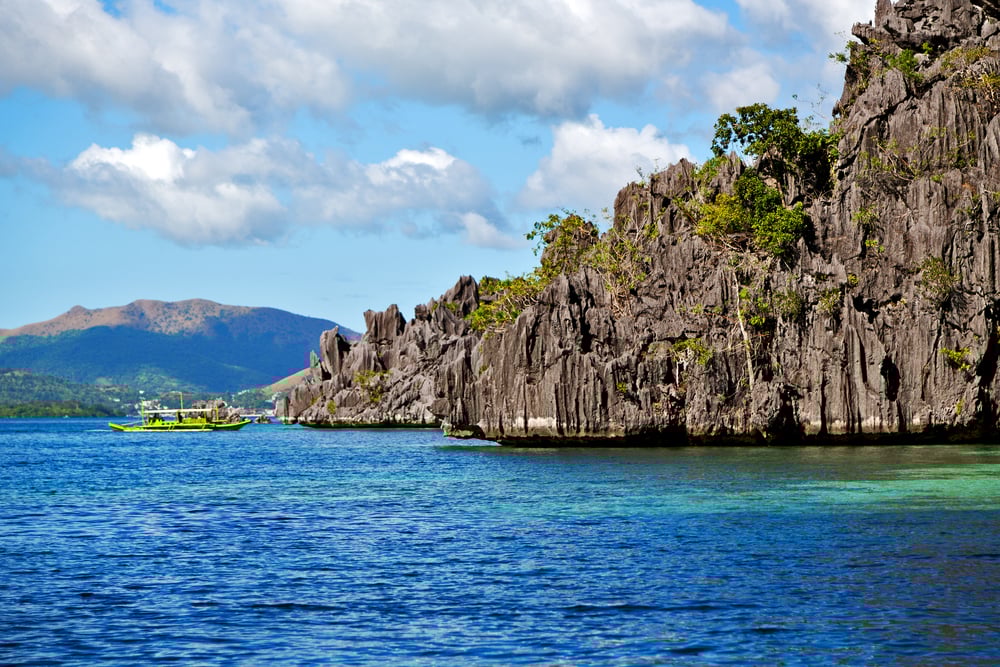
Boracay’s famous white sand beaches sit in water that maintains temperatures around 84°F (29°C) year-round, while Palawan’s limestone karst landscape creates hidden lagoons where the water feels almost soup-like in its warmth. And then there are places like Siargao, where the combination of shallow reefs and consistent tropical sun creates water so inviting that leaving becomes a genuine struggle.
Kuwait Bay
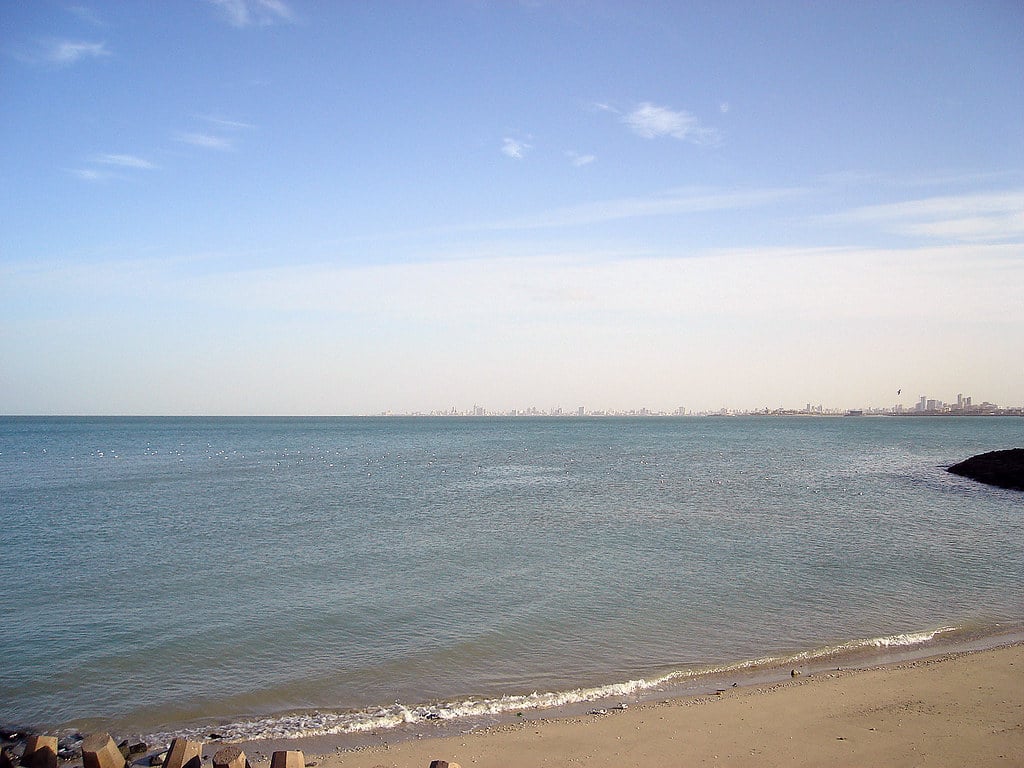
Kuwait Bay takes warm water to an extreme. This shallow inlet of the Persian Gulf can reach water temperatures of 97°F (36°C) during summer months – temperatures that would qualify as fever-inducing if they were measuring body heat.
The bay’s enclosed nature and minimal depth create a natural heating system. Desert winds blow across the surface without cooling it, while the seafloor absorbs and radiates heat back upward.
Swimming here feels surreal, like floating in liquid sunlight.
Java Sea, Indonesia
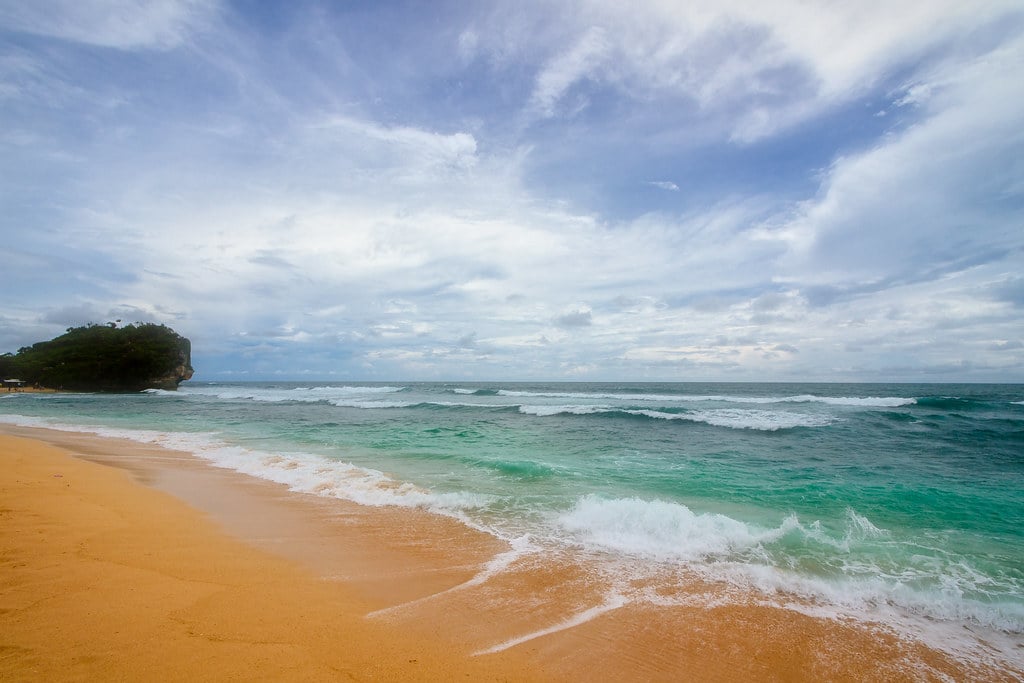
Indonesia’s Java Sea represents everything warm water should be – consistently heated by equatorial sun, shallow enough for complete thermal penetration, and protected by thousands of islands that prevent cold water intrusion. Water temperatures here hover around 85°F (29°C) throughout the year, with virtually no seasonal variation because the sea sits directly on the thermal equator where ocean temperatures remain stable regardless of weather patterns above the surface.
The combination of coral reefs, volcanic islands, and warm currents from the Pacific creates beaches where entering the water feels less like swimming and more like being embraced by liquid warmth that matches your body temperature so perfectly that you forget where you end and the ocean begins.
Arabian Sea Coast, Oman
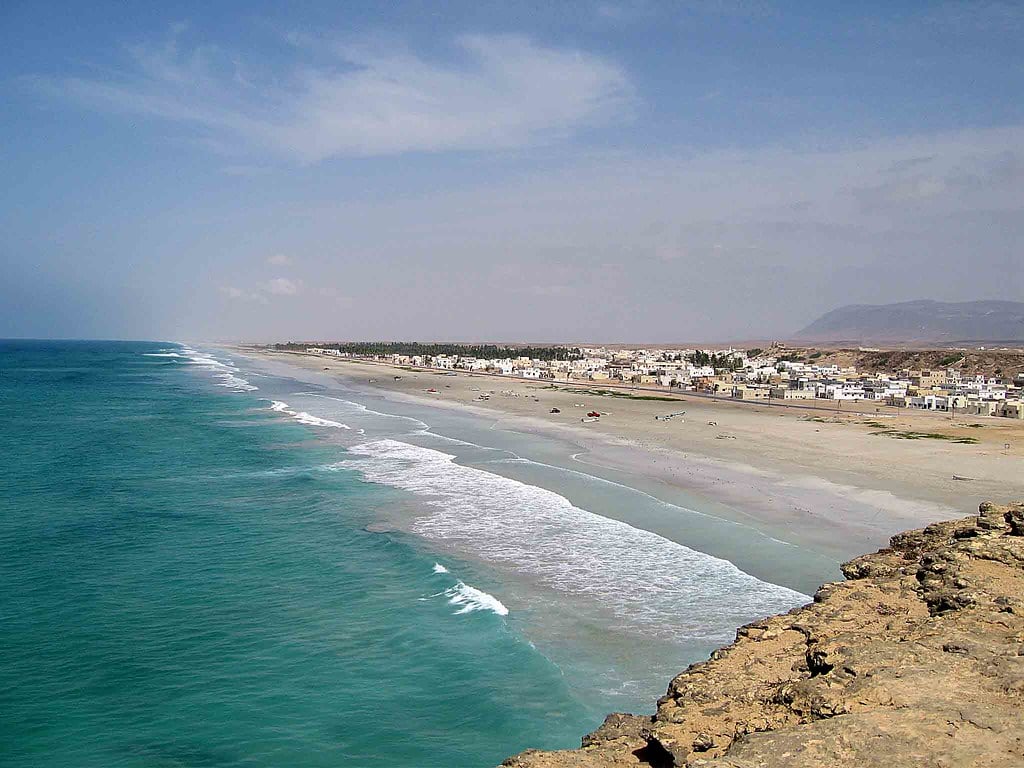
Oman’s coastline benefits from the warmest currents in the Arabian Sea. Water temperatures regularly exceed 84°F (29°C), and the desert climate ensures these temperatures persist even during winter months.
The Musandam Peninsula creates protected bays where warm water concentrates. These aren’t just statistics – they translate into swimming conditions where hypothermia becomes literally impossible, even during extended water time.
Tampa Bay, Florida
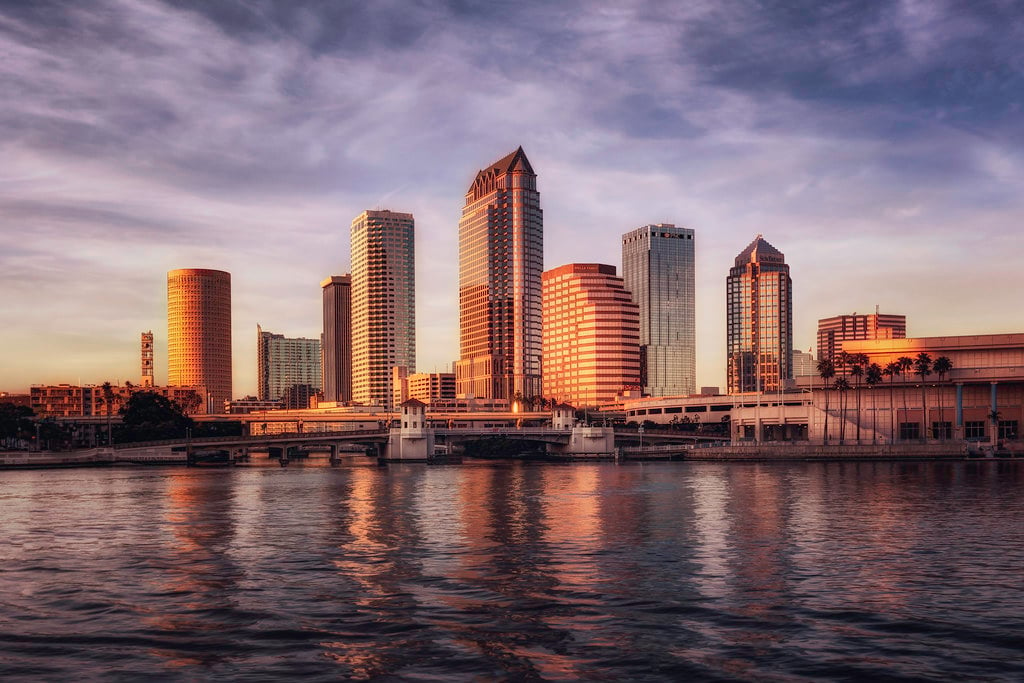
Tampa Bay represents the warmest consistently swimmable water in the continental United States, with summer temperatures reaching 89°F (32°C) and winter temperatures rarely dropping below 65°F (18°C). The bay’s shallow depth and protection from cold Gulf currents create a microclimate that feels more Caribbean than North American.
And what’s particularly interesting about Tampa Bay is how it maintains warmth through what Floridians optimistically call “winter” – those few months when the rest of the country remembers that seasons exist, Tampa Bay water often stays warm enough for comfortable swimming while beaches in the Carolinas are empty except for the occasional dedicated surfer in a wetsuit. The combination of shallow water, urban heat island effects from the surrounding city, and protection from deeper, cooler Gulf waters creates swimming conditions that rival many tropical destinations.
Andaman Sea, Thailand
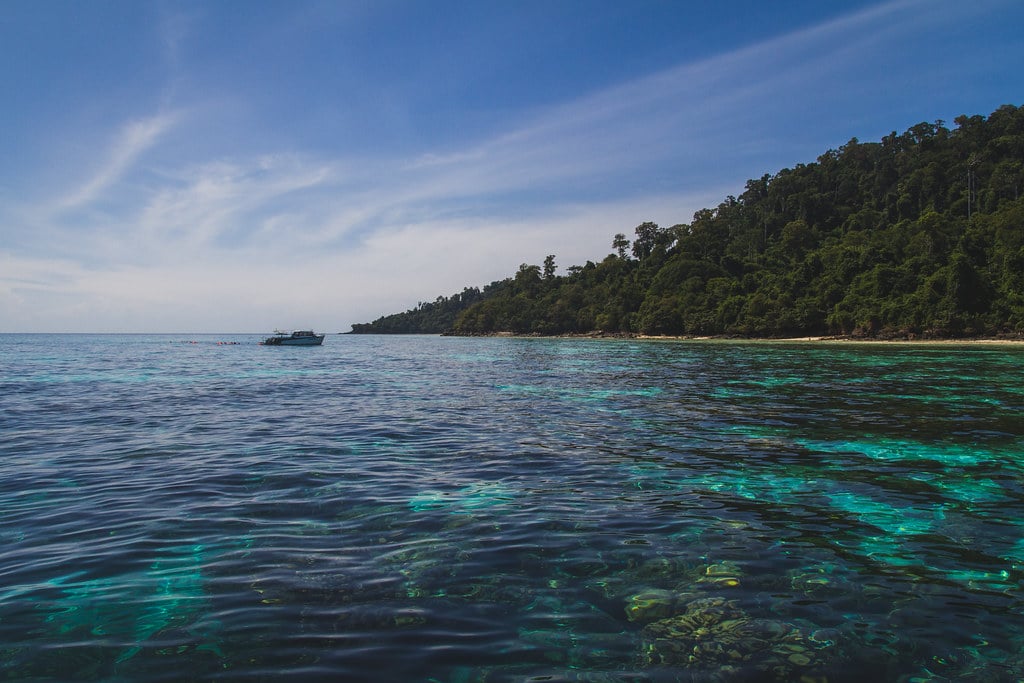
Thailand’s Andaman Sea coast showcases water temperatures that hover between 82-86°F (28-30°C) year-round. The sea sits in a protected basin where warm Indian Ocean currents circulate without significant cooling.
Phuket and Krabi beaches benefit from this thermal consistency. The limestone karst landscape creates sheltered bays where water temperature feels almost artificially maintained.
Even during monsoon season, when air temperatures cool, the water retains its warmth like a massive thermal battery.
Coral Triangle, Raja Ampat
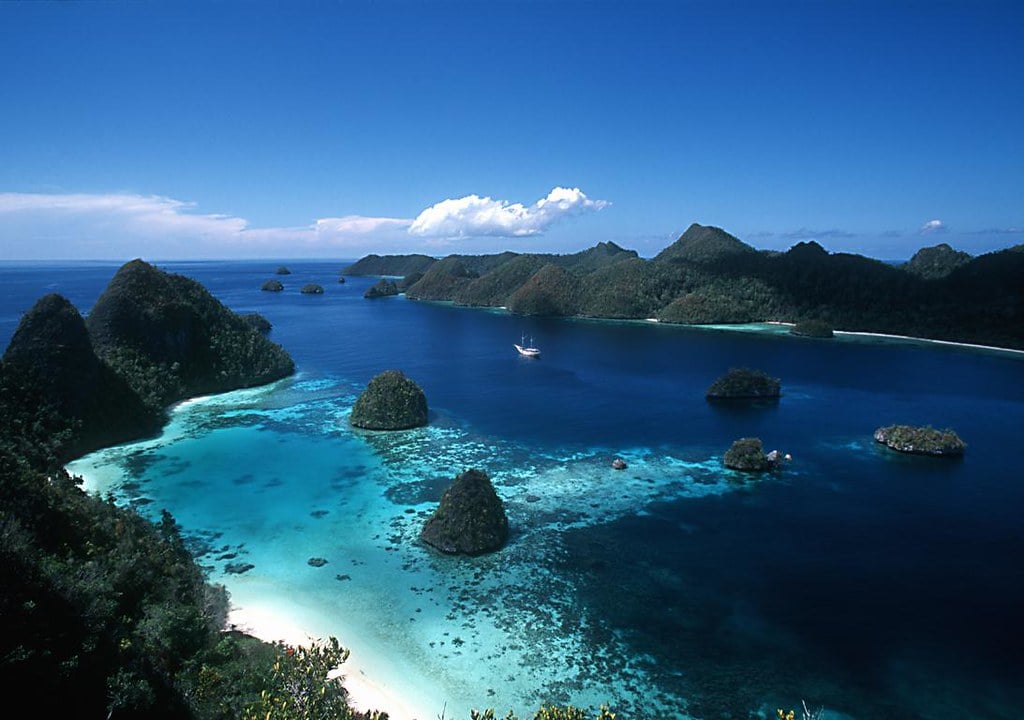
Raja Ampat sits in the heart of the Coral Triangle, where warm Pacific currents converge to create some of the most consistently heated water on Earth. Temperatures here maintain 82-84°F (28-29°C) throughout the year with almost mechanical precision.
This isn’t just warm water – it’s perfectly calibrated warm water. The convergence of multiple warm currents creates thermal stability that supports the planet’s richest marine biodiversity while providing swimming conditions that feel custom-designed for human comfort.
Great Barrier Reef Lagoon, Australia
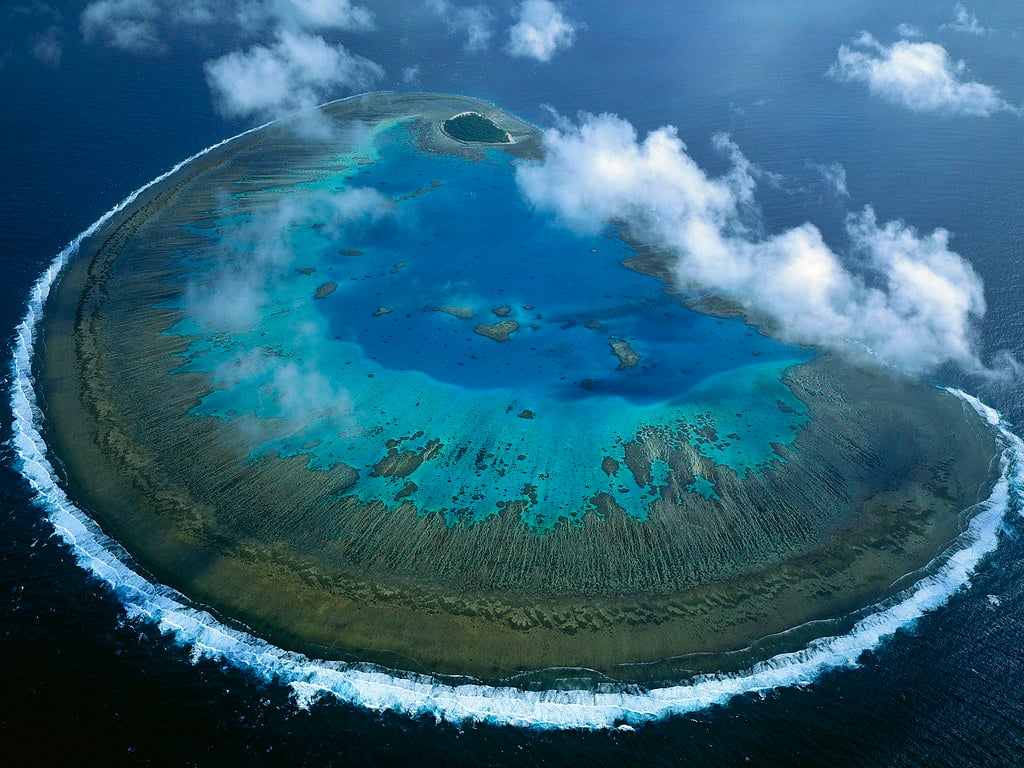
The Great Barrier Reef creates natural lagoons where warm Coral Sea water gets trapped and concentrated between coral formations and the Australian coast. Water temperatures here range from 77-86°F (25-30°C) depending on season and specific location.
The reef acts like a massive solar collector, absorbing tropical sun and radiating heat into the surrounding water. Swimming in these lagoons feels like entering an aquarium designed specifically for human enjoyment – warm, clear, and teeming with life that thrives in the same temperatures that make swimming irresistible.
Beyond the Temperature Reading
The warmest ocean water transforms how you experience being near the sea. There’s no gradual adjustment period, no mental preparation for cold shock, no rushing to get deeper before you lose nerve.
Just the simple pleasure of stepping from warm sand into water that welcomes rather than challenges you. These destinations remind you that swimming in the ocean can feel like coming home rather than conquering nature.
More from Go2Tutors!

- The Romanov Crown Jewels and Their Tragic Fate
- 13 Historical Mysteries That Science Still Can’t Solve
- Famous Hoaxes That Fooled the World for Years
- 15 Child Stars with Tragic Adult Lives
- 16 Famous Jewelry Pieces in History
Like Go2Tutors’s content? Follow us on MSN.



