15 American Foods That Visitors from Other Countries Find Disgusting
Food is one of those deeply personal things that connects us to home, memory, and comfort. What tastes like childhood to one person can seem utterly baffling to another.
Americans have developed some unique culinary traditions over the centuries — combinations that make perfect sense if you grew up with them, but can leave international visitors scratching their heads or politely pushing food around their plates. These aren’t necessarily bad foods, but they represent a distinctly American approach to eating that doesn’t always translate across cultures.
American Cheese
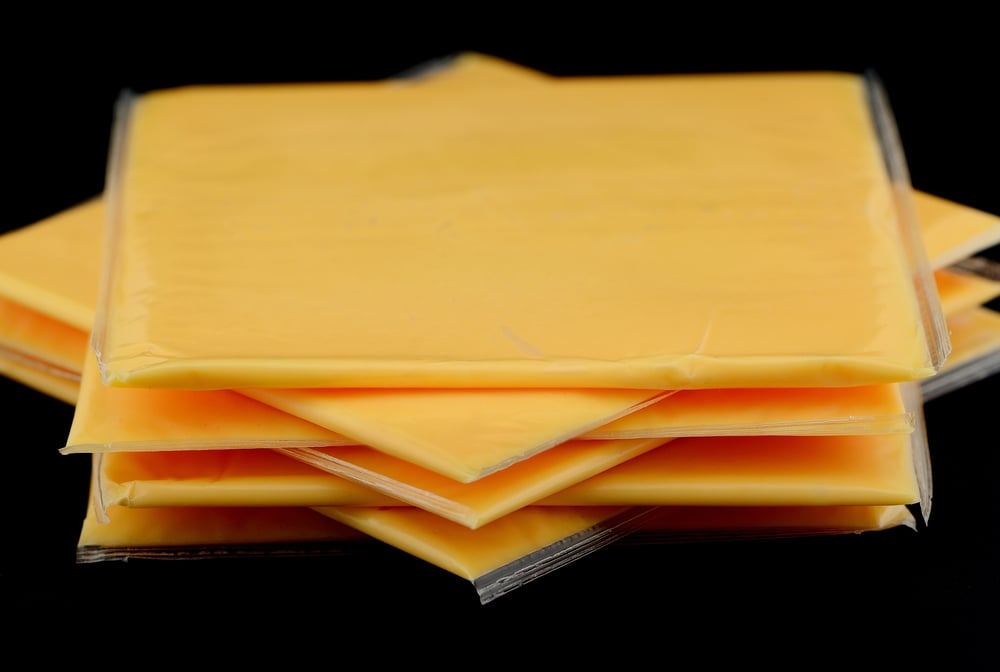
American cheese isn’t cheese. It’s a “pasteurized processed cheese product” that melts into orange plastic perfection on burgers and grilled cheese sandwiches.
Europeans, in particular, find this deeply offensive to their centuries-old cheese-making traditions. The texture throws people off more than the taste.
Real cheese has character — it crumbles, ages, develops personality. American cheese just exists in a state of perpetual, uniform mildness.
Root Beer
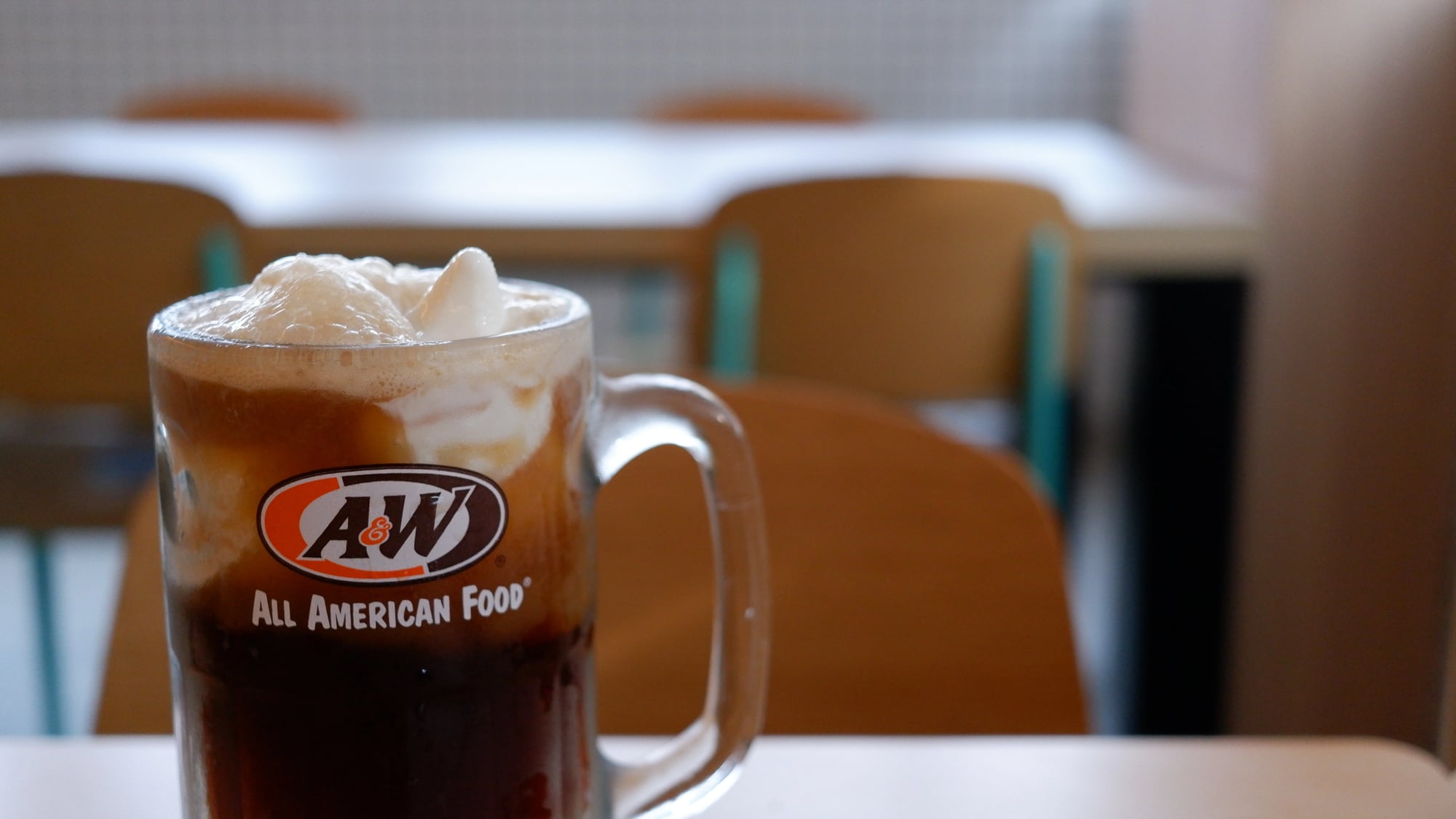
Root beer tastes like medicine to most international visitors. The sassafras and wintergreen flavoring that Americans associate with childhood and ice cream floats reminds everyone else of cough syrup or toothpaste.
It’s one of those distinctly North American flavors (along with its cousin, birch beer) that simply doesn’t exist anywhere else in the world. When your palate hasn’t been trained from childhood to associate these flavors with refreshment, the medicinal quality becomes impossible to ignore.
And then there’s the fact that it’s called “beer” but contains no alcohol — which confuses visitors from countries where beer means beer, period. The sweetness combined with the herbal bite creates a combination that registers as fundamentally wrong to taste buds calibrated for cola, lemonade, or actual beer.
Peanut Butter And Jelly Sandwiches
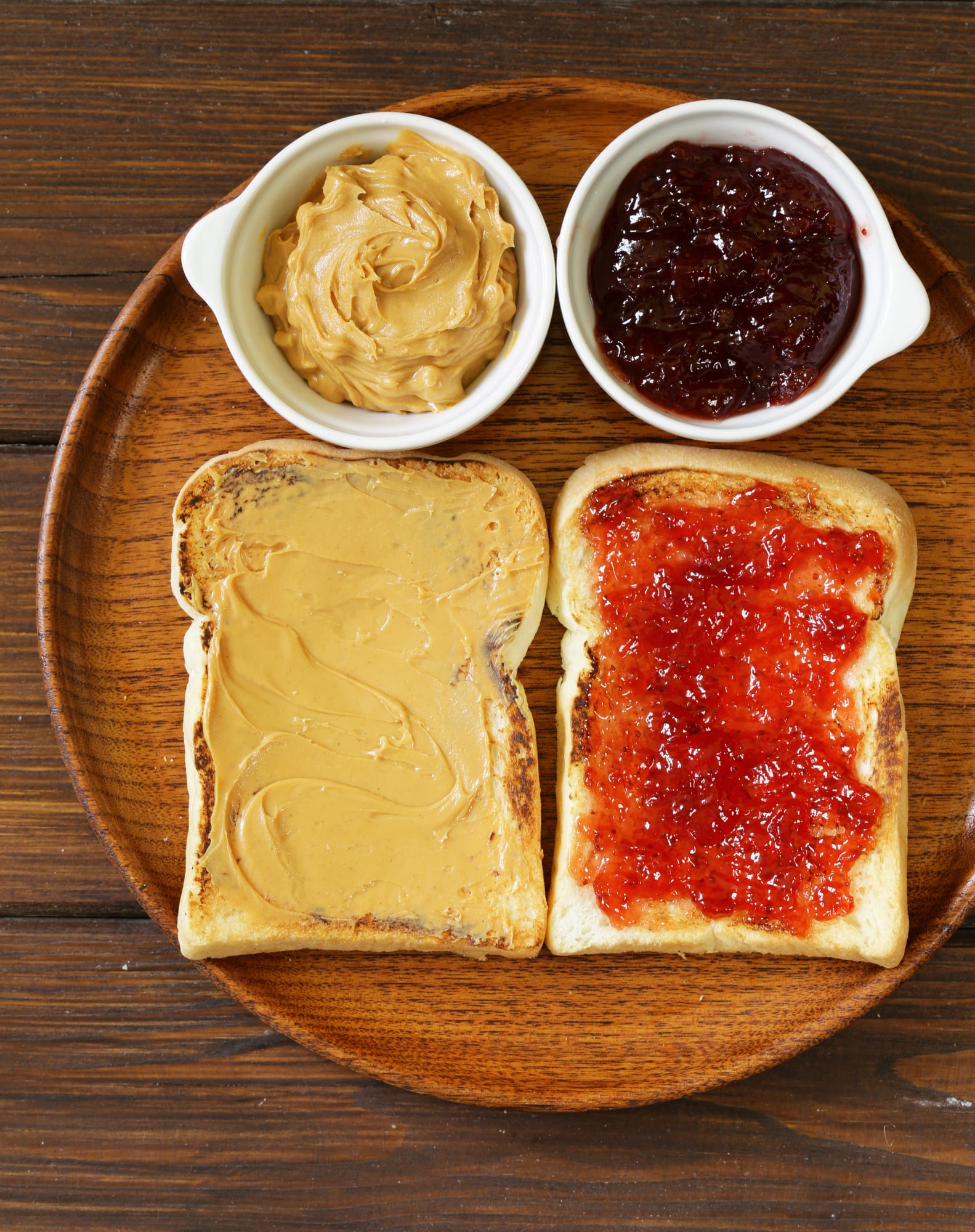
Americans treat peanut butter like a neutral base ingredient, but most of the world sees it as an occasionally acceptable snack food at best. The idea of eating it daily, especially combined with grape jelly on wonder bread, strikes many visitors as bizarre.
The texture combination bothers people most. Sticky peanut butter, artificially flavored jelly, and soft white bread create a mouth feel that’s uniquely American — and uniquely off-putting to those not raised on it.
Twinkies
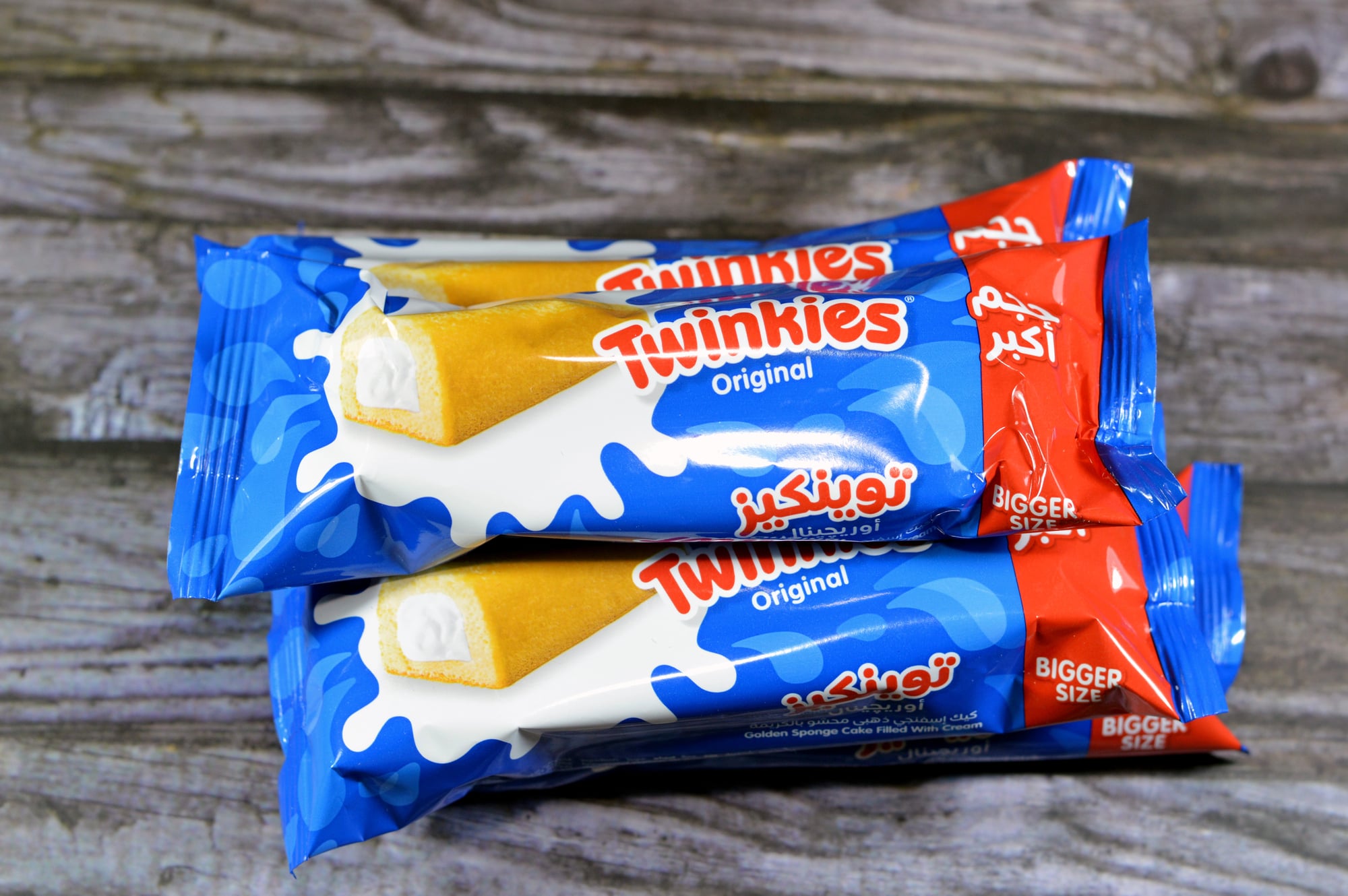
There’s something almost archaeological about a Twinkie — it exists outside of time, unchanged and unchanging, like a small yellow monument to industrial food production. The sponge cake feels synthetic in a way that transcends normal processed food; it’s cake-adjacent rather than actual cake.
The cream filling has the consistency of sweetened petroleum jelly and a flavor that suggests vanilla the way a photograph suggests reality. International visitors often approach Twinkies with curiosity (thanks to their reputation in American media) only to discover that they taste exactly like what they are: a collection of chemicals arranged to approximate dessert.
The experience is less about eating something delicious and more about consuming a piece of American food culture — which explains why they’re fascinating to try once and deeply unappealing to eat regularly.
Spray Cheese
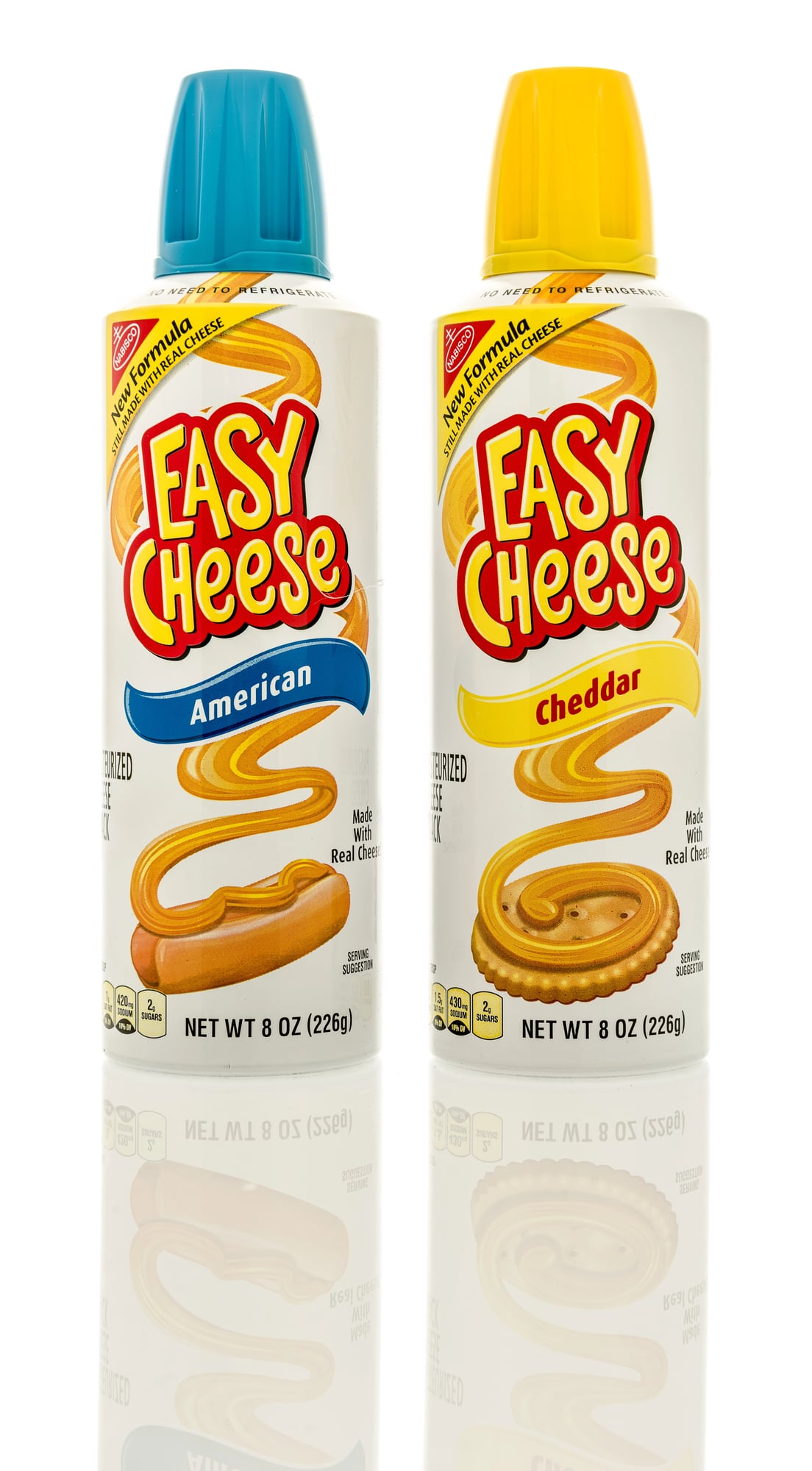
Spray cheese represents everything international visitors find bewildering about American food innovation. Taking cheese — a simple, ancient food — and turning it into an aerosol product seems like solving a problem that didn’t exist.
The fact that Americans spray this directly into their mouths or onto crackers with apparent enthusiasm suggests a relationship with food that prioritizes convenience and novelty over any traditional understanding of what cheese should be.
Corn Dogs
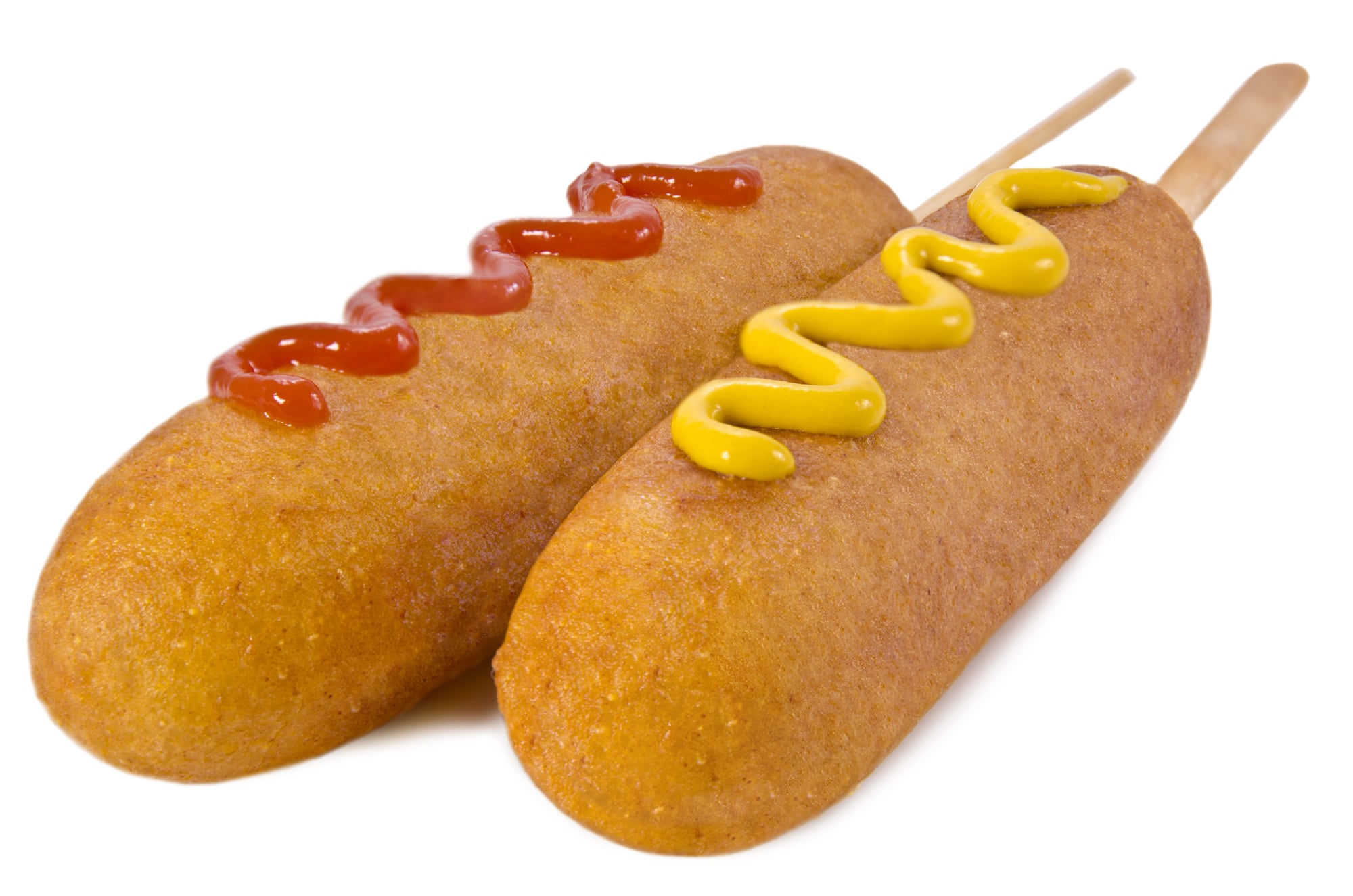
The corn dog is peak American fair food excess: a hot dog coated in cornmeal batter, deep-fried, and served on a stick. To visitors from countries with strong sausage traditions, it represents everything wrong with American approaches to meat.
You’re essentially taking processed meat of questionable quality and wrapping it in more processed food, then frying the whole thing. The cornmeal coating adds sweetness where none belongs, creating a flavor profile that confuses more than it satisfies.
Sweet Tea
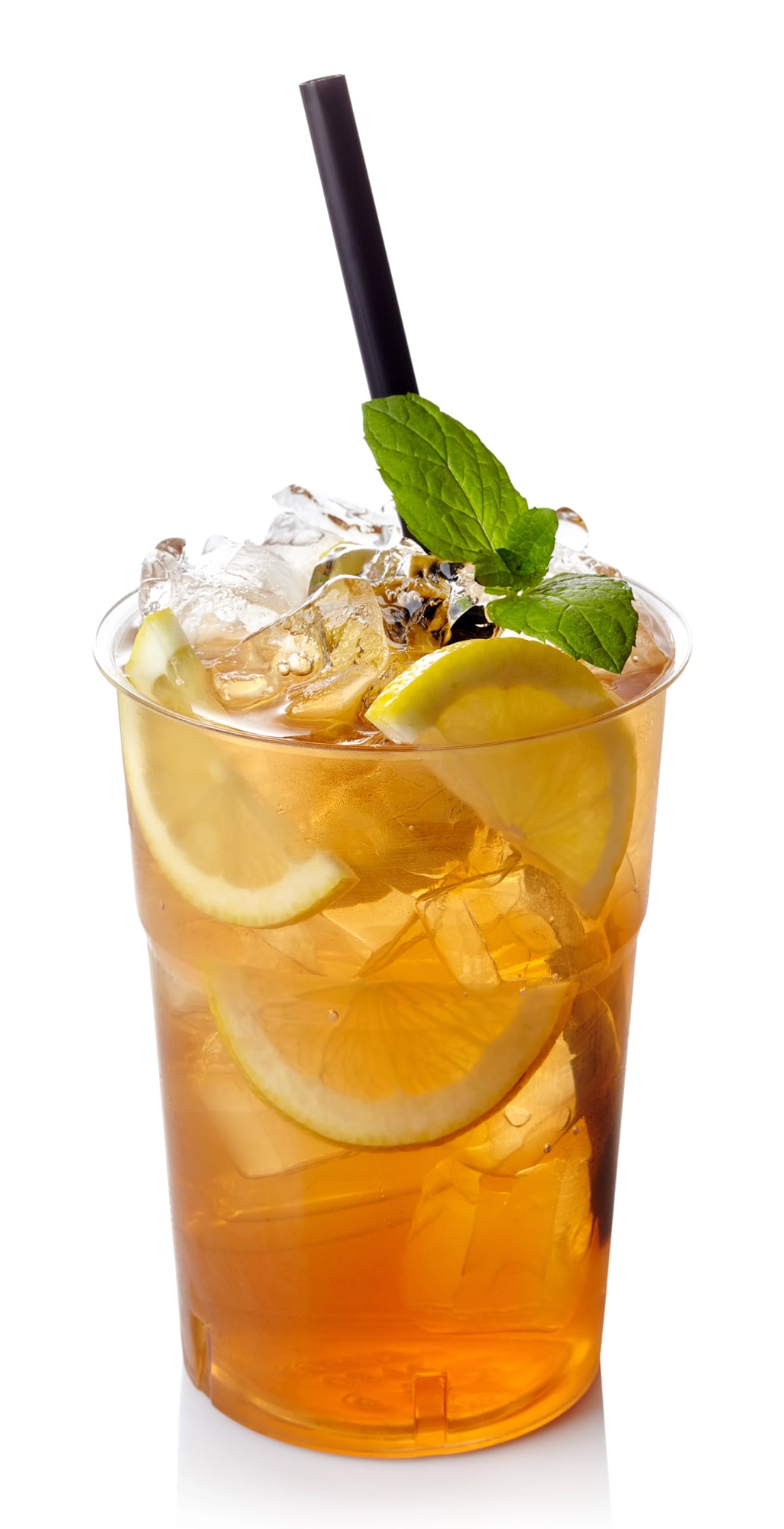
Sweet tea isn’t just sweetened iced tea — it’s tea that’s been transformed into liquid candy through the addition of what seems like impossible amounts of sugar. The sweetness is so aggressive it overpowers any actual tea flavor, creating something that tastes more like sugar water with a faint herbal suggestion.
Visitors from countries with established tea cultures find this particularly jarring. Tea is supposed to be subtle, contemplative, something that reveals complexity over time.
Sweet tea is the opposite: immediate, overwhelming, and uncompromising in its sugariness. The fact that it’s served ice-cold in enormous glasses makes it feel more like a soft drink that happens to contain tea rather than tea that happens to be sweet.
Ranch Dressing
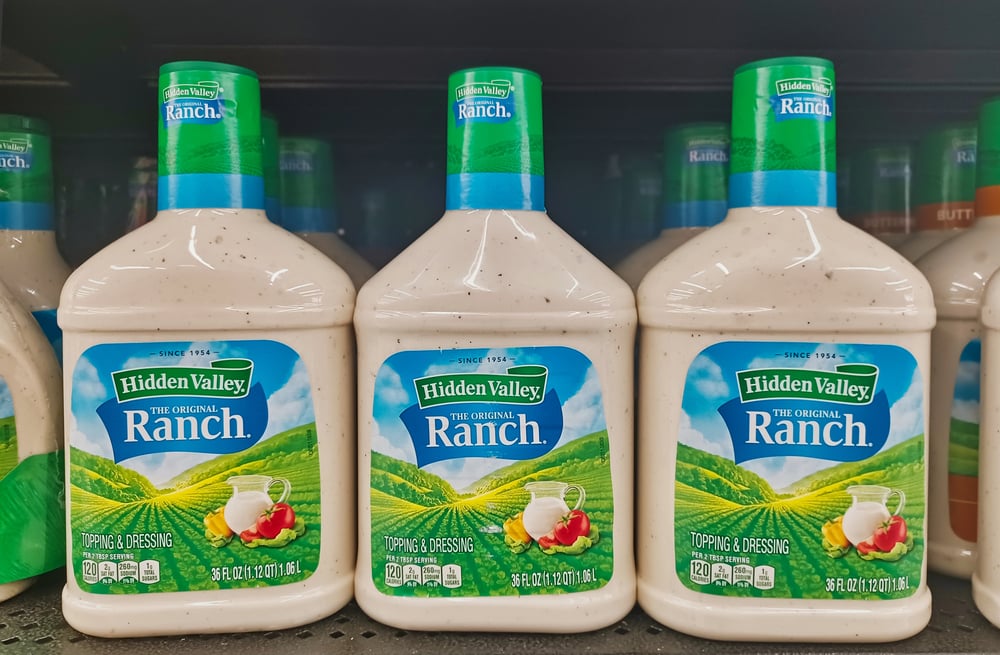
Ranch dressing has achieved a level of American ubiquity that borders on the absurd. It’s served with pizza, vegetables, chicken wings, salads, and apparently anything else that can be dipped.
This creamy, herb-flecked condiment has become the default flavor enhancer for an entire nation. International visitors are baffled by both the taste and the application.
The flavor is aggressively tangy and rich, masking rather than complementing whatever it’s paired with. The idea of putting the same sauce on everything suggests a palate that’s either very specific in its preferences or completely overwhelmed by options.
Marshmallow Fluff
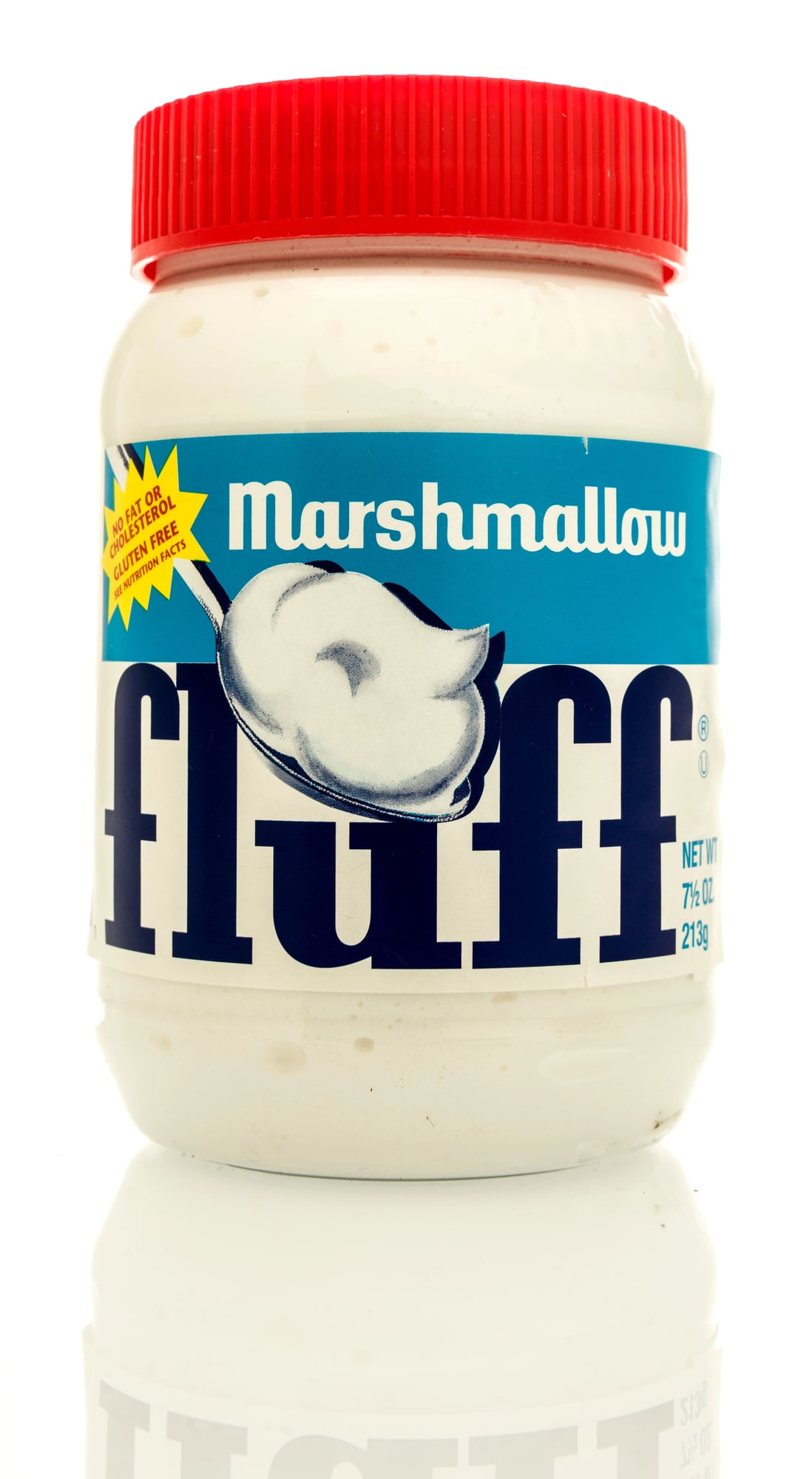
Marshmallow Fluff exists in a category of food that seems designed to test the limits of what humans will eat. It’s marshmallow that’s been stripped of structure and turned into a spreadable substance with the consistency of sweetened petroleum jelly and roughly the same nutritional value as eating straight sugar.
The fact that it’s commonly paired with peanut butter (in the regional delicacy known as a Fluffernutter sandwich) creates a combination that reads as actively hostile to anyone not raised in New England. It’s sweet beyond reason, sticky beyond comfort, and exists purely because industrial food processing made it possible — not because anyone was asking for marshmallow in spreadable form.
Chicken And Waffles
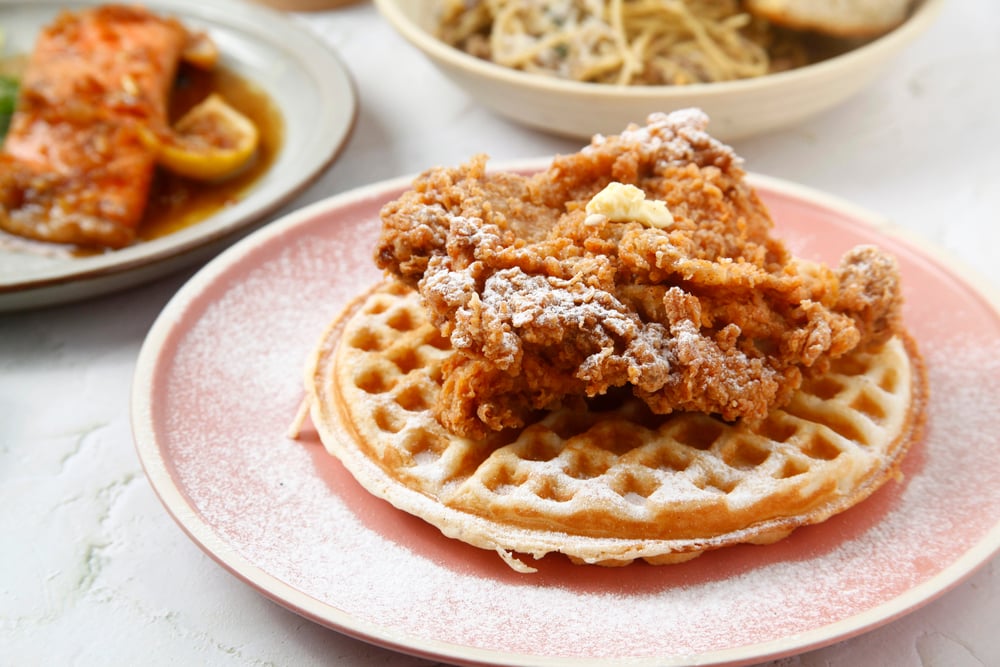
Chicken and waffles violate fundamental rules about when different foods should be eaten. It’s breakfast and dinner on the same plate, sweet and savory in direct conflict, with maple syrup acting as the confused mediator between fried chicken and Belgian waffle.
The combination works for Americans who grew up understanding it as comfort food, but international visitors often can’t get past the conceptual confusion. Is it breakfast? Dinner? Dessert?
The answer is yes, which is exactly the problem.
Biscuits And Gravy
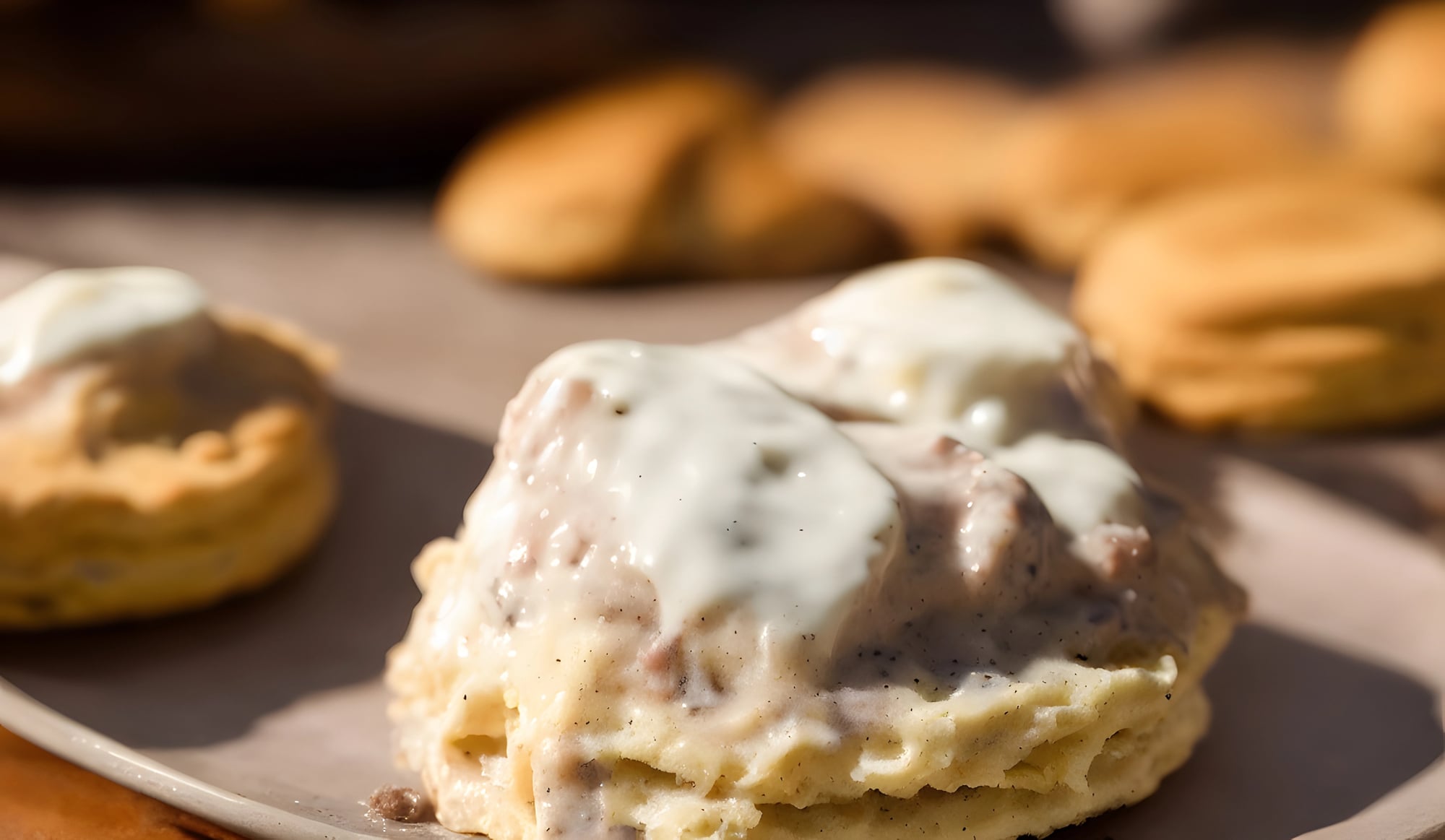
The American biscuit bears no resemblance to what the rest of the English-speaking world calls a biscuit, and covering it in sausage gravy creates something that looks like a mistake and tastes like salt, fat, and flour in roughly equal proportions.
Bologna Sandwiches
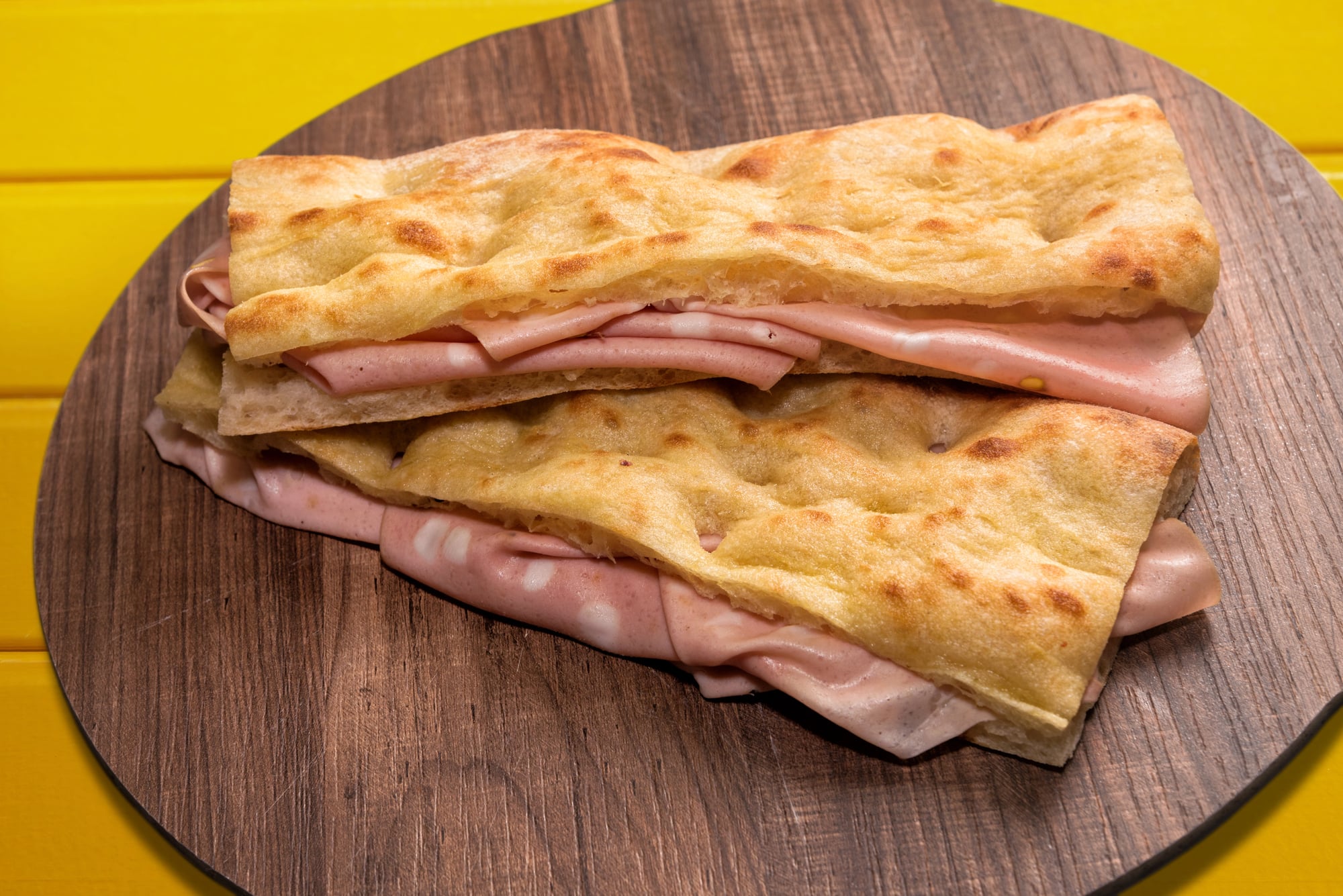
Bologna represents processed meat at its most processed: a uniform pink cylinder that’s been mechanically separated, reformed, and flavored into something that resembles meat while being nothing like actual meat. Served sliced thin on white bread with yellow mustard, it’s poverty food masquerading as a meal.
Visitors from countries with strong charcuterie traditions are particularly horrified. They understand sausage, salami, and preserved meats — foods with history, technique, and regional character.
Bologna has none of those things; it’s industrial efficiency applied to animal protein, resulting in something safe, consistent, and completely devoid of character.
Velveeta
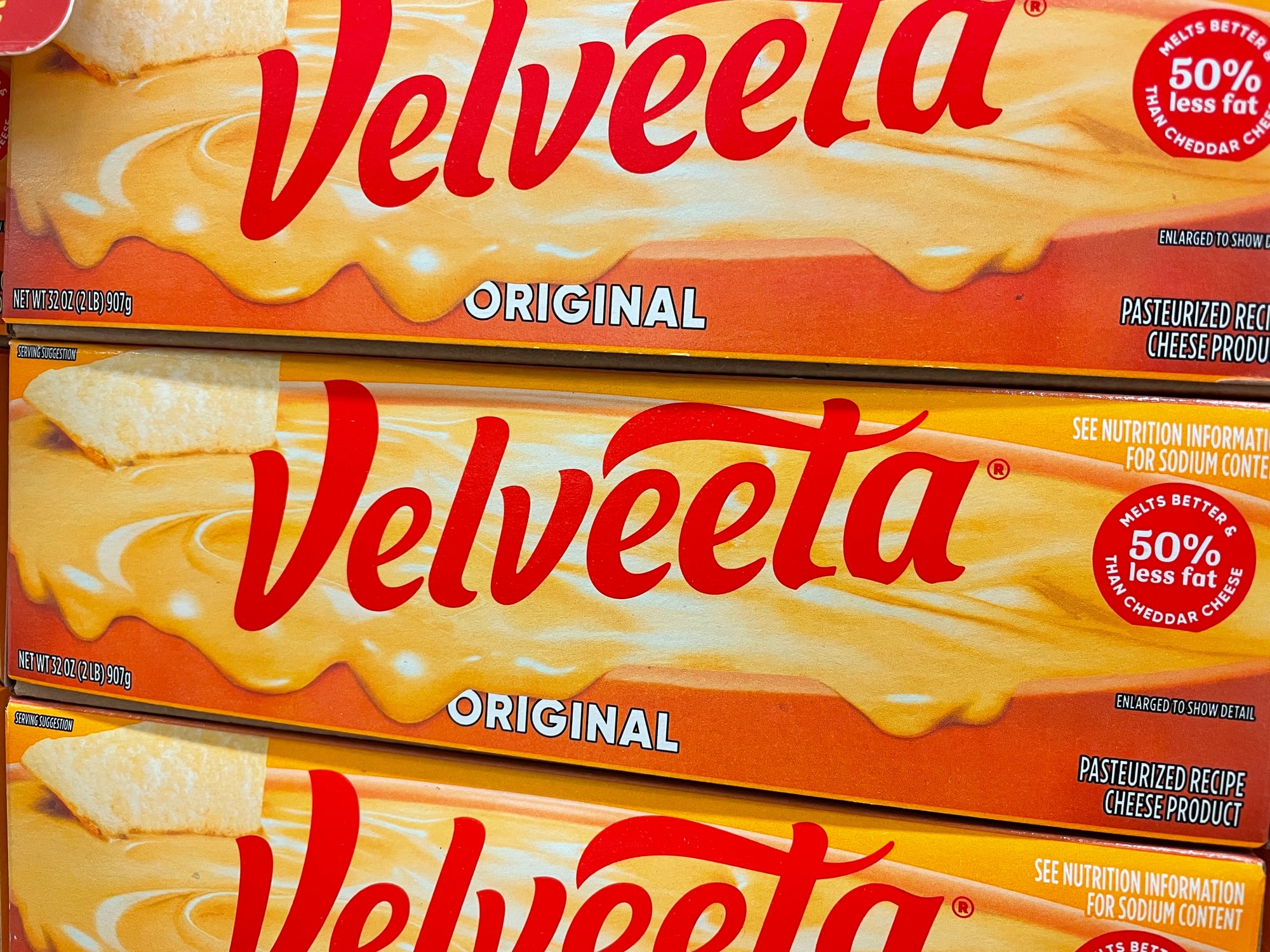
Velveeta markets itself as cheese but reads more like orange plastic that happens to melt. It’s the foundation of countless American comfort foods — mac and cheese, queso dips, grilled cheese sandwiches — despite having a texture and flavor that suggests cheese the way margarine suggests butter.
The appeal seems to be its reliability: Velveeta melts smoothly, doesn’t break or separate, and provides consistent results in cooking. These are admirable qualities in a manufacturing material, less appealing in something you’re supposed to eat.
International visitors often can’t get past the artificial flavor and petroleum-like consistency.
Snow Cones
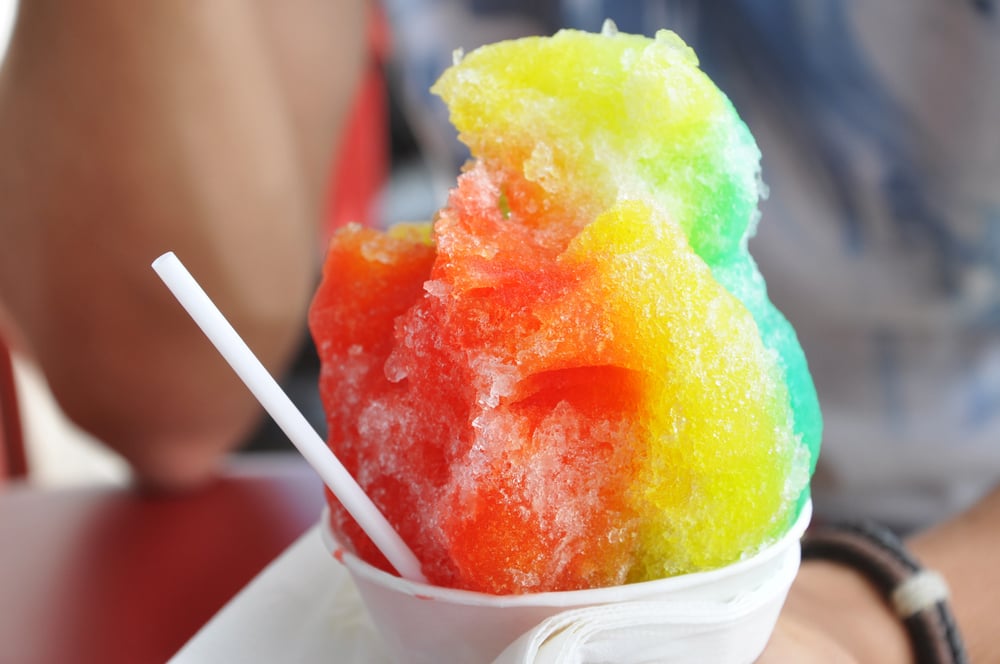
Snow cones are exactly what they sound like: shaved ice doused in artificially flavored syrup that stains everything it touches in colors that don’t exist in nature. The flavors — blue raspberry, tiger’s blood, wedding cake — seem designed more for their novelty than their palatability.
The experience is less about eating something delicious and more about consuming pure sugar in frozen form while trying to avoid staining your clothes with neon-bright syrup. International visitors often find the whole concept baffling: taking flavorless ice and adding chemicals to make it taste like artificial fruit seems like a solution in search of a problem.
Miracle Whip
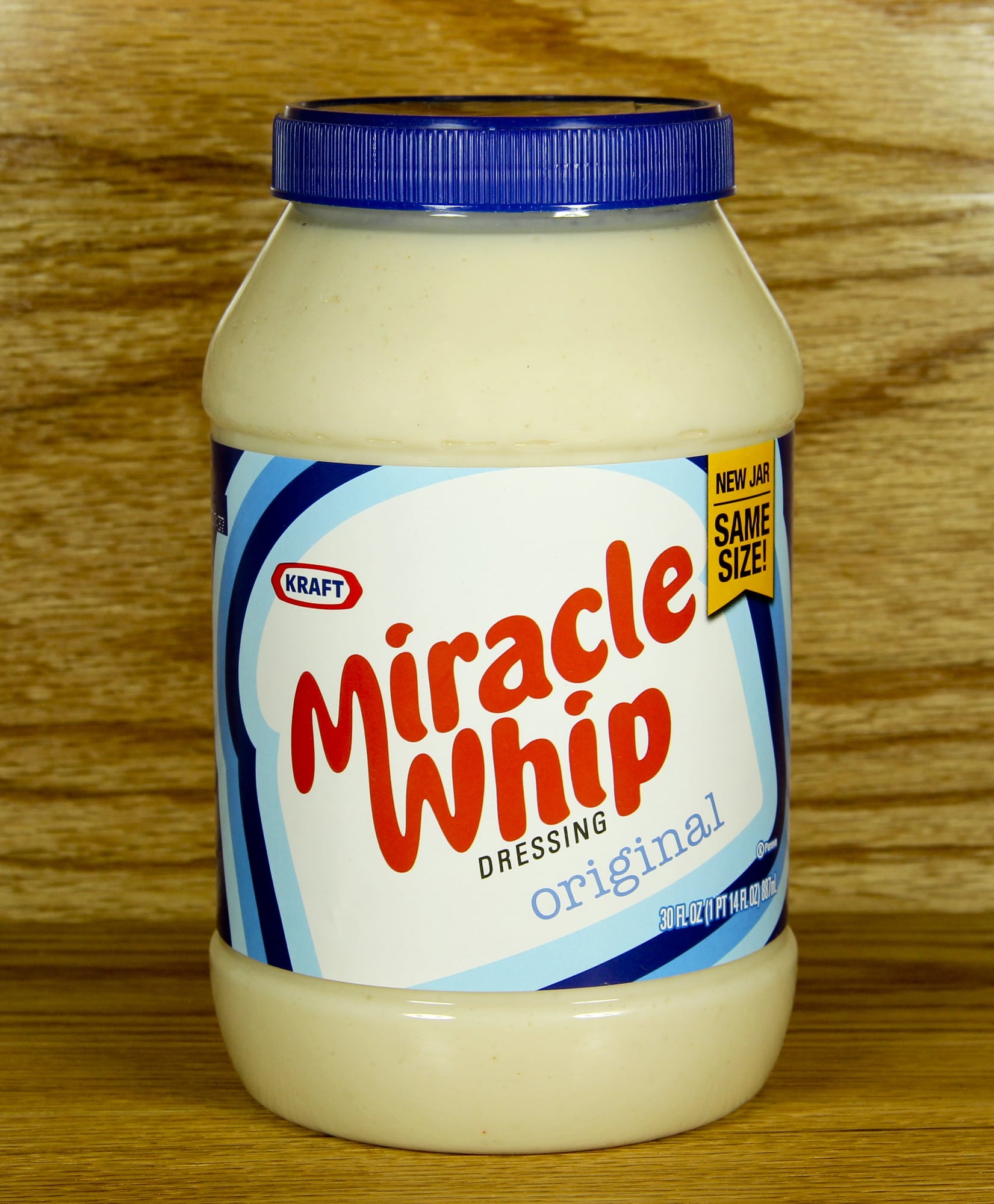
Miracle Whip occupies the strange middle ground between mayonnaise and salad dressing, succeeding at being neither. It’s sweeter than mayo, tangier than most dressings, and has a texture that suggests both without committing to either.
The name alone suggests American food marketing at its most optimistic — calling something a “miracle” when it’s really just modified mayonnaise with extra sugar and vinegar. International visitors often can’t figure out what it’s supposed to be used for, since it’s not quite right for any of the applications where they’d normally use mayonnaise.
The Comfort In The Unfamiliar
Food prejudice runs both ways, and these reactions say as much about cultural expectations as they do about American cuisine. What seems normal when it’s woven into childhood memories can appear strange when encountered fresh as an adult.
The foods that international visitors find most off-putting often represent uniquely American innovations — taking traditional concepts and reshaping them through industrial food production, convenience culture, and a particular approach to combining sweet and savory flavors. These aren’t necessarily worse foods, just different ones, shaped by a food culture that values innovation and convenience in ways that don’t always translate across borders.
More from Go2Tutors!

- The Romanov Crown Jewels and Their Tragic Fate
- 13 Historical Mysteries That Science Still Can’t Solve
- Famous Hoaxes That Fooled the World for Years
- 15 Child Stars with Tragic Adult Lives
- 16 Famous Jewelry Pieces in History
Like Go2Tutors’s content? Follow us on MSN.



