15 Tiny Countries With Big Historical Impacts
Small nations have often punched far above their weight throughout history, shaping our world in ways that defy their geographic limitations. These tiny countries prove that land mass and population aren’t always indicators of global influence or historical significance.
Here is a list of 15 tiny countries that have made outsized impacts on world history, culture, and politics despite their diminutive size.
Vatican City
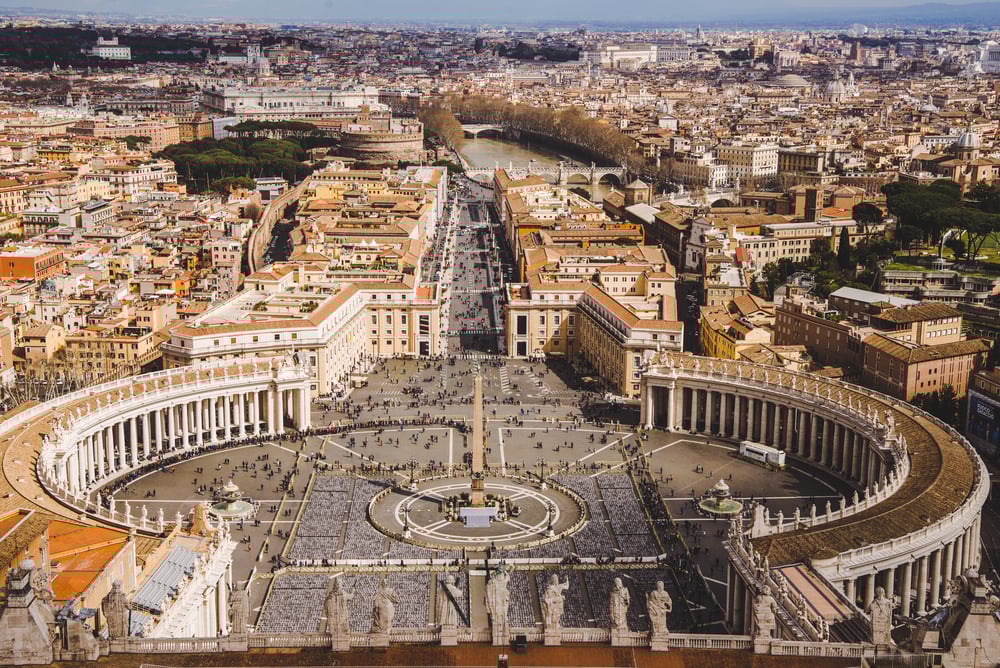
At just 0.19 square miles, Vatican City stands as the smallest sovereign state in the world by both area and population. This tiny enclave within Rome has wielded enormous religious and political power as the headquarters of the Catholic Church for centuries.
The decisions made within its walls have influenced everything from European power struggles to global ethical debates, making it perhaps the most influential micro-state in human history.
Monaco

This glamorous Mediterranean principality covers less than one square mile yet has developed an outsized reputation for luxury and wealth. Since establishing its famous Monte Carlo casino in 1863, Monaco transformed from a relatively poor principality into a playground for the global elite.
Its innovative economic model based on tourism, banking, and zero income tax revolutionized how small states could thrive in the modern world.
Singapore

This island city-state of just 281 square miles transformed from a developing nation to an economic powerhouse in a single generation. After gaining independence in 1965, Singapore’s pragmatic governance and strategic location turned it into one of the world’s busiest ports and financial centers.
Its development model has been studied and emulated by countries worldwide seeking rapid economic growth while maintaining political stability.
Luxembourg
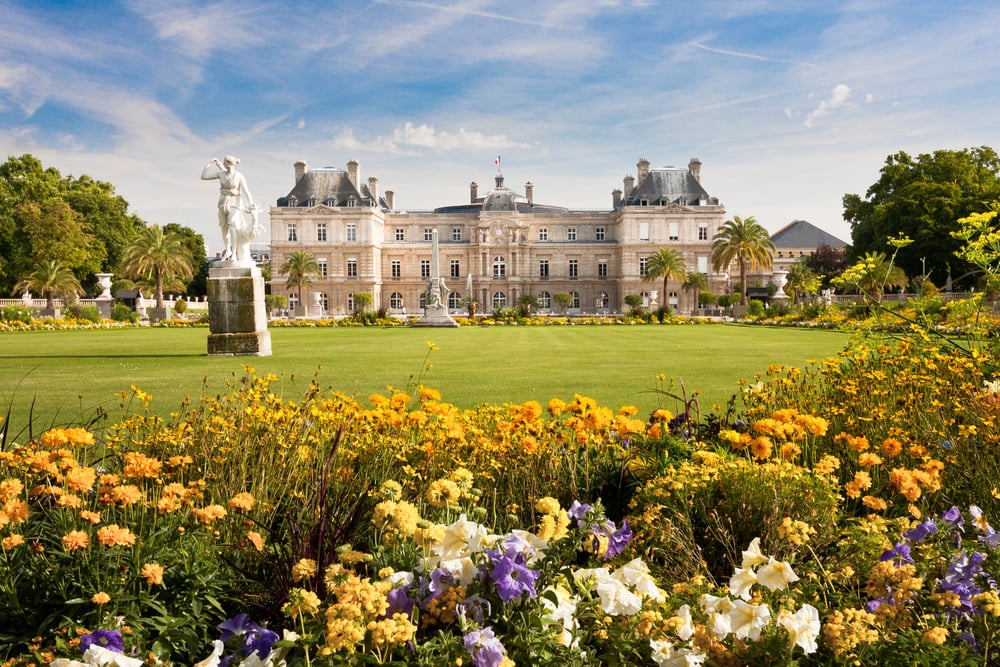
Despite spanning only 998 square miles, Luxembourg has been a significant player in European politics and finance for centuries. As a founding member of the European Union, this tiny nation has helped shape the direction of the entire continent.
Its transformation from an industrial economy based on steel to one of the world’s leading financial centers demonstrates how small countries can reinvent themselves to maintain relevance.
Malta

These Mediterranean islands covering just 122 square miles have found themselves at the crossroads of history repeatedly due to their strategic location. Malta withstood the Great Siege of 1565 against the Ottoman Empire and later played a crucial role during World War II, earning the entire nation a George Cross for bravery.
Its ancient temples predate Egypt’s pyramids, making this tiny nation home to some of humanity’s earliest architectural achievements.
Qatar
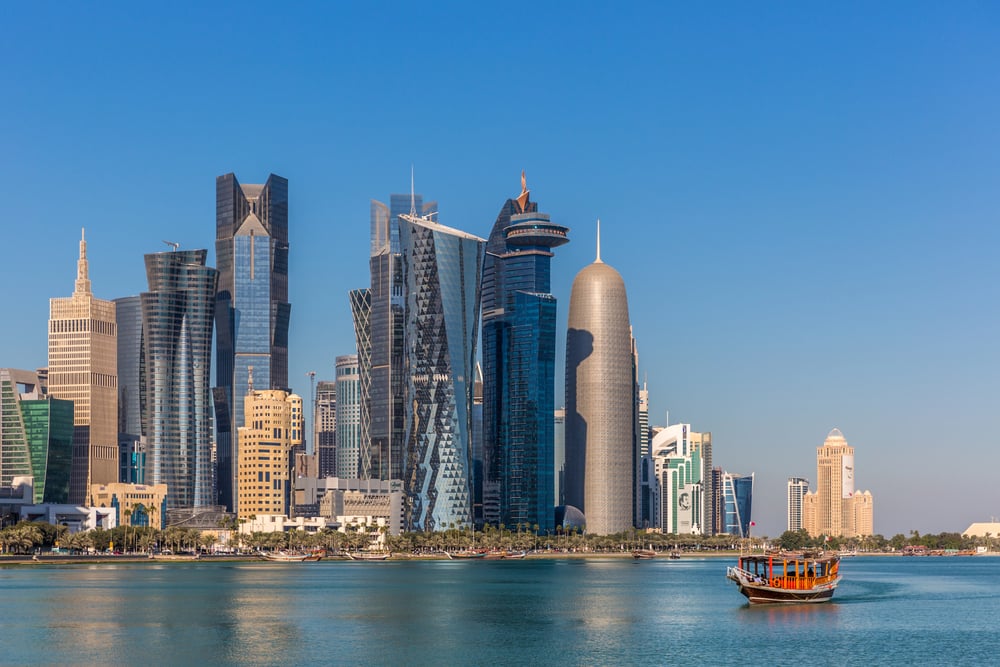
This Persian Gulf peninsula of roughly 4,500 square miles has leveraged its vast natural gas reserves to become one of the world’s wealthiest nations. Qatar’s strategic use of its sovereign wealth fund has allowed it to build enormous global influence through media ownership, sports investments, and international diplomacy.
Its successful bid to host the 2022 World Cup showcased how even small nations can command the world stage through strategic investments.
Liechtenstein

Nestled between Switzerland and Austria, this 62-square-mile principality has thrived as one of the world’s wealthiest countries despite having no natural resources or airports. Liechtenstein reinvented itself from an agricultural backwater to a sophisticated financial center and manufacturing hub.
Its unique constitutional monarchy has provided remarkable stability, allowing the country to avoid participation in both World Wars while maintaining its sovereignty.
Bahrain
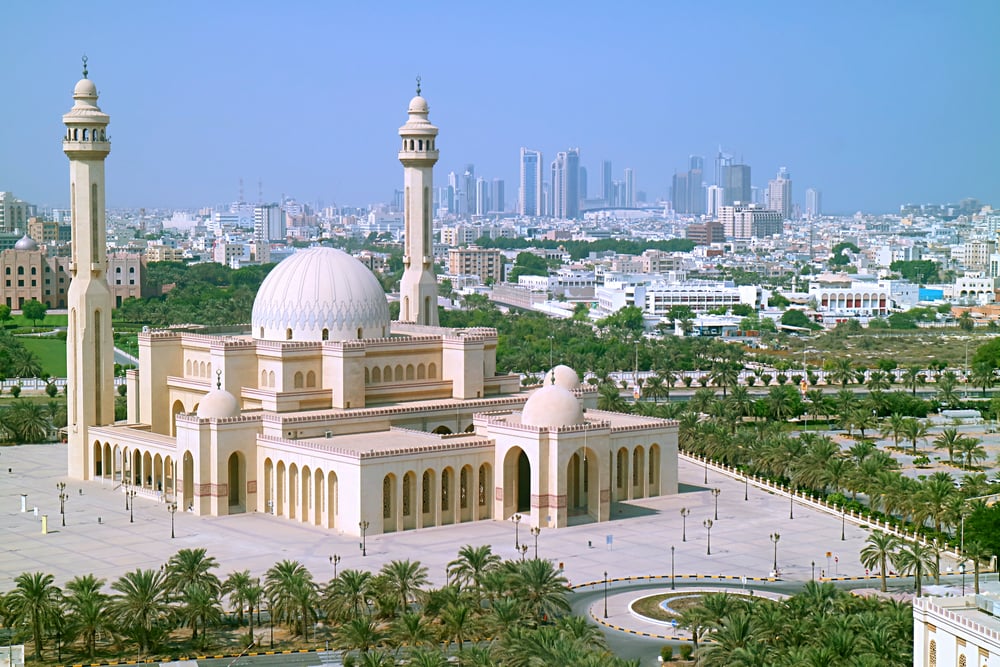
This archipelago kingdom comprising only 295 square miles has served as a crucial commercial hub in the Persian Gulf for thousands of years. Bahrain led the Arab world in education and was the first Gulf state to discover oil, using these early revenues to diversify its economy before its neighbors.
Its strategic location has made it a valued ally to major powers, hosting important naval bases that have shaped military strategy in the region.
San Marino
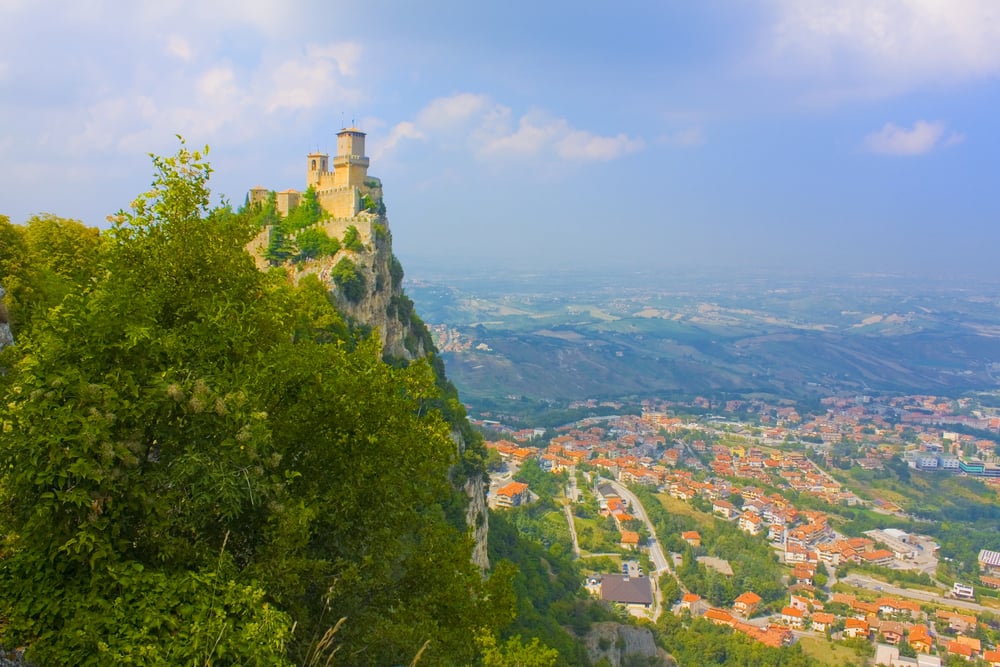
Claiming to be the world’s oldest republic, this 24-square-mile microstate has maintained its independence since 301 CE. San Marino’s mountainous location and diplomatic skill allowed it to avoid the unification movements that created modern Italy.
During World War II, this tiny nation sheltered over 100,000 refugees, a number several times larger than its own population, demonstrating how even the smallest countries can provide humanitarian leadership.
Brunei
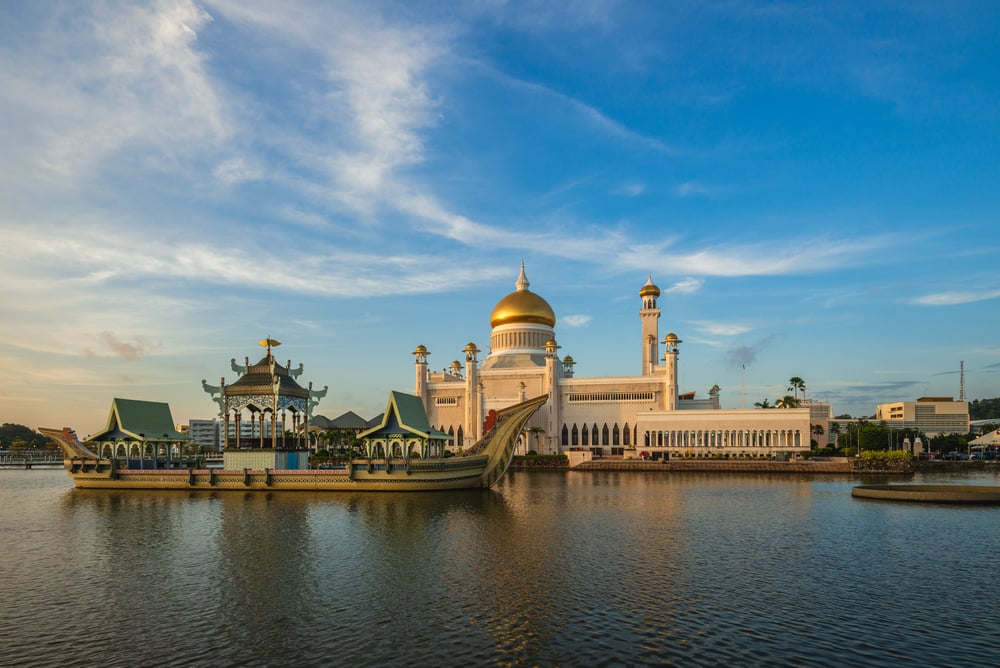
This oil-rich sultanate on Borneo covers just 2,226 square miles but once controlled an empire spanning much of the South China Sea. Brunei’s natural resource wealth made it one of the richest nations on earth, allowing its sultan to become one of the world’s wealthiest individuals.
Its preservation of rainforests and strict Islamic governance offer alternative development models to its Southeast Asian neighbors.
Nauru
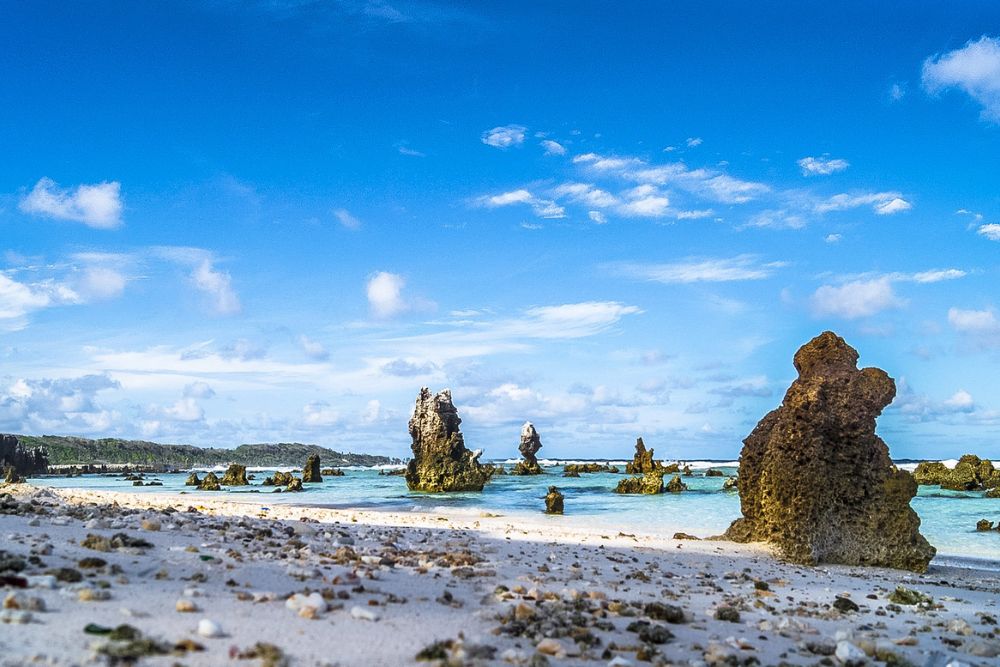
The world’s smallest island nation at only 8 square miles once had the highest per capita income globally due to its rich phosphate deposits. Nauru’s story represents both remarkable wealth creation and cautionary environmental degradation.
After mining depleted its natural resources, the country briefly became a tax haven and detention center location, showing how tiny nations must continually reinvent their economic models.
Cyprus
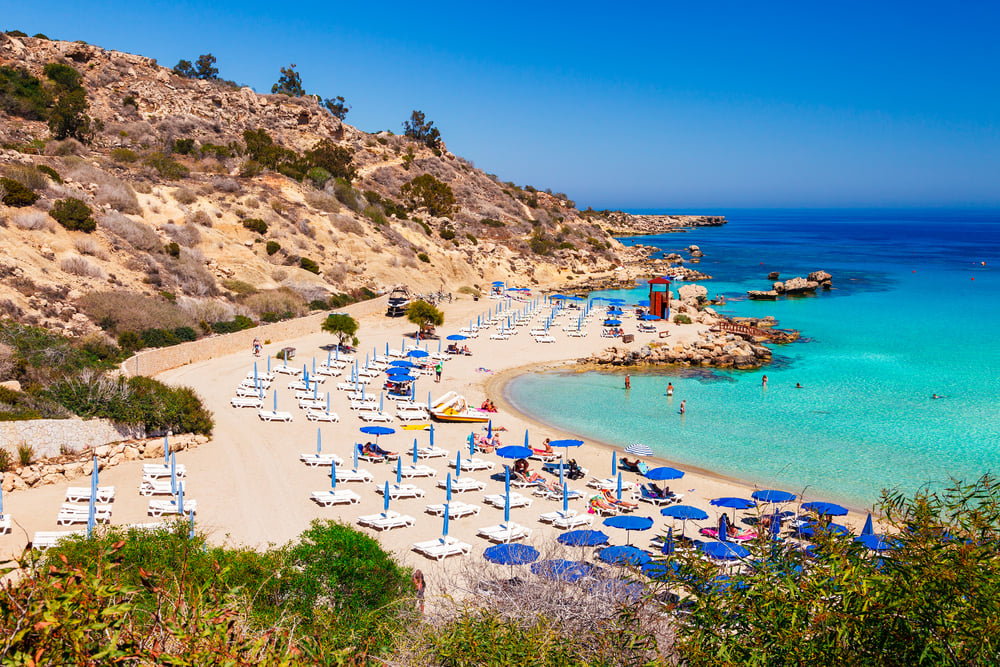
This Mediterranean island of 3,572 square miles has been a strategic prize fought over by empires for millennia due to its location connecting three continents. Cyprus has played a pivotal role in ancient trade networks and modern geopolitics alike.
Its divided status between Greek and Turkish communities serves as a microcosm of larger regional tensions and international diplomacy challenges.
Montenegro

This Balkan nation of just 5,333 square miles has influenced European affairs far beyond its size. Montenegro maintained independence from the Ottoman Empire when larger neighbors fell, and later became the smallest Allied nation in World War I.
Its 2006 peaceful independence referendum demonstrated how small regions could achieve sovereignty through democratic processes in the post-Cold War era.
Djibouti

Located on the Horn of Africa with just 9,000 square miles of territory, this tiny nation controls one of the world’s most strategic shipping lanes at the Bab-el-Mandeb Strait. Djibouti hosts military bases for several major powers including the United States, China, France, and Japan, making this small country crucial to global security interests and anti-piracy operations.
Its strategic importance shows how geography can amplify a small nation’s global significance.
Iceland
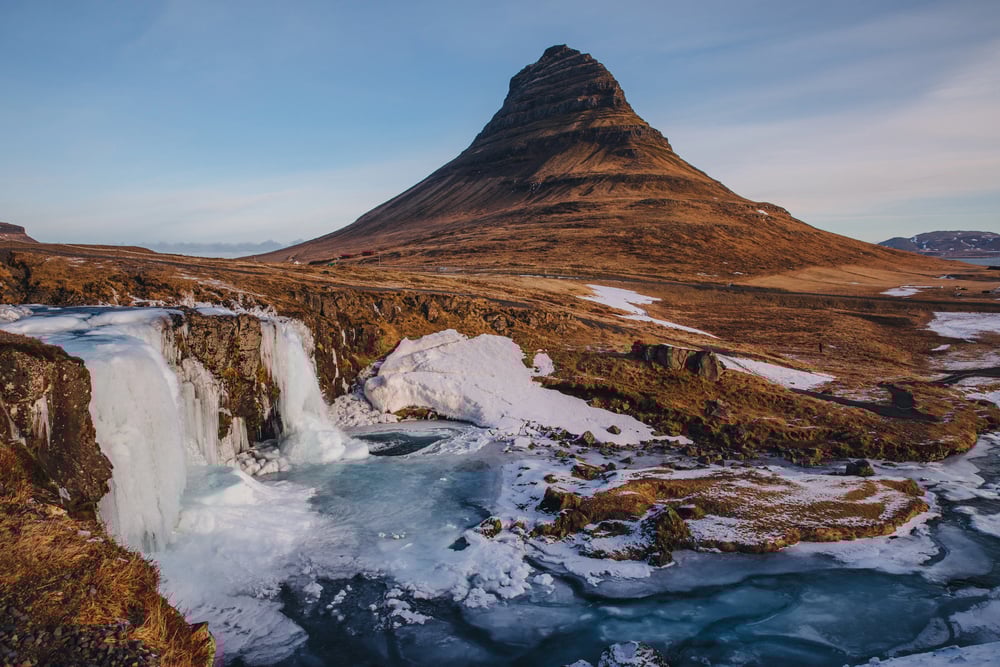
This isolated North Atlantic island of 40,000 square miles has contributed remarkably to both medieval literature and modern environmental leadership. Iceland’s preservation of Norse sagas provided invaluable insights into Viking culture when such traditions were lost elsewhere.
Its pioneering use of geothermal energy and stance on whaling and fishing rights have influenced international environmental policies far beyond what its population of 360,000 might suggest.
Small Giants on the World Stage

Throughout history, these miniature nations have demonstrated that geographical size doesn’t determine historical significance. From shaping religious doctrine to pioneering economic models, tiny countries have often driven innovation precisely because their limited resources demanded creative solutions.
As global challenges become increasingly complex, these small but mighty nations continue to offer valuable case studies in adaptation, specialization, and outsized influence. Their stories remind us that impact isn’t measured in square miles but in the scale of ideas and the courage to implement them.
More from Go2Tutors!

- The Romanov Crown Jewels and Their Tragic Fate
- 13 Historical Mysteries That Science Still Can’t Solve
- Famous Hoaxes That Fooled the World for Years
- 15 Child Stars with Tragic Adult Lives
- 16 Famous Jewelry Pieces in History
Like Go2Tutors’s content? Follow us on MSN.



