Things People Think Are Universal But Are Not
You grow up believing certain things just work the same everywhere. The way you greet someone.
How you show respect. What makes someone polite or rude? Then you travel, or meet people from different places, and reality hits.
What feels like human nature turns out to be learned behavior. What seemed obvious was just familiar.
Nodding Your Head

In most places, moving your head up and down means yes. In Bulgaria and parts of Greece, that same gesture means no.
And shaking your head side to side—what you’d use to say no—means yes instead. The movements look identical.
The meanings flip completely. Bulgarians visiting other countries often confuse everyone without realizing it. The gesture feels automatic until you discover it isn’t.
Personal Space

Americans stand about two feet apart during normal conversation. Move closer and people get uncomfortable.
In many Middle Eastern countries, that distance feels cold and unfriendly. People stand much closer when they talk.
In Japan, personal space extends even further than in America. What reads as warm in one place feels invasive somewhere else.
Your comfort zone isn’t everyone’s comfort zone.
Making Eye Contact

Parents in many Western countries teach kids to look people in the eye. It shows confidence and honesty.
In parts of Asia, Africa, and Latin America, prolonged eye contact with elders or authority figures signals disrespect. Children learn to look down or away.
Two people from different backgrounds can completely misread each other. One person thinks the other is shifty. The other thinks the first person is aggressive.
The Meaning of Time

Show up 15 minutes late to a German business meeting and you’ve insulted everyone there. Punctuality matters that much.
In many Latin American and Middle Eastern countries, arriving 30 minutes after the stated time is normal. The meeting starts when enough people show up.
Clock time and social time run on different schedules. Neither approach is wrong.
Both work within their own context.
Talking to Strangers

Americans chat with strangers in elevators, at bus stops, in grocery store lines. Small talk fills the silence.
Many Europeans find this bizarre and intrusive. Why would you talk to someone you don’t know?
The silence isn’t awkward there. It’s respectful. You mind your business.
They mind theirs. Friendliness looks different depending on where you learned it.
The Thumbs Up

Hold your thumb up in most Western countries and you’re saying “good job” or “okay.” Do the same thing in parts of the Middle East, West Africa, or Greece and you’ve just made an obscene gesture.
The meaning shifts completely based on location. Your friendly signal becomes an insult.
Travelers learn this one the hard way.
The Color of Mourning

Black clothing means someone died in many Western countries. Funerals demand dark colors.
In China, India, and other parts of Asia, white serves that purpose instead. Black can even be considered inappropriate at funerals in some places.
The color carries the cultural weight, not any inherent connection to grief. Different societies just picked different colors.
Table Manners and Etiquette

Finishing all the food on your plate shows appreciation in America. In China, cleaning your plate suggests your host didn’t serve enough food.
You leave a little behind to show you’re satisfied. Slurping soup is rude in Western countries but polite in Japan—it shows you’re enjoying the meal.
Burping after dinner offends people in most places but compliments the chef in parts of the Middle East. Every rule has a different rule somewhere else.
What Sounds Rude

Speaking directly and getting to the point is valued in Germany and the Netherlands. Beating around the bush wastes time.
In Japan, Korea, and many other Asian countries, that same directness comes across as harsh and disrespectful. You soften statements.
You imply rather than state. You read between the lines. What sounds honest in one place sounds brutal in another.
The Wedding Ring Finger

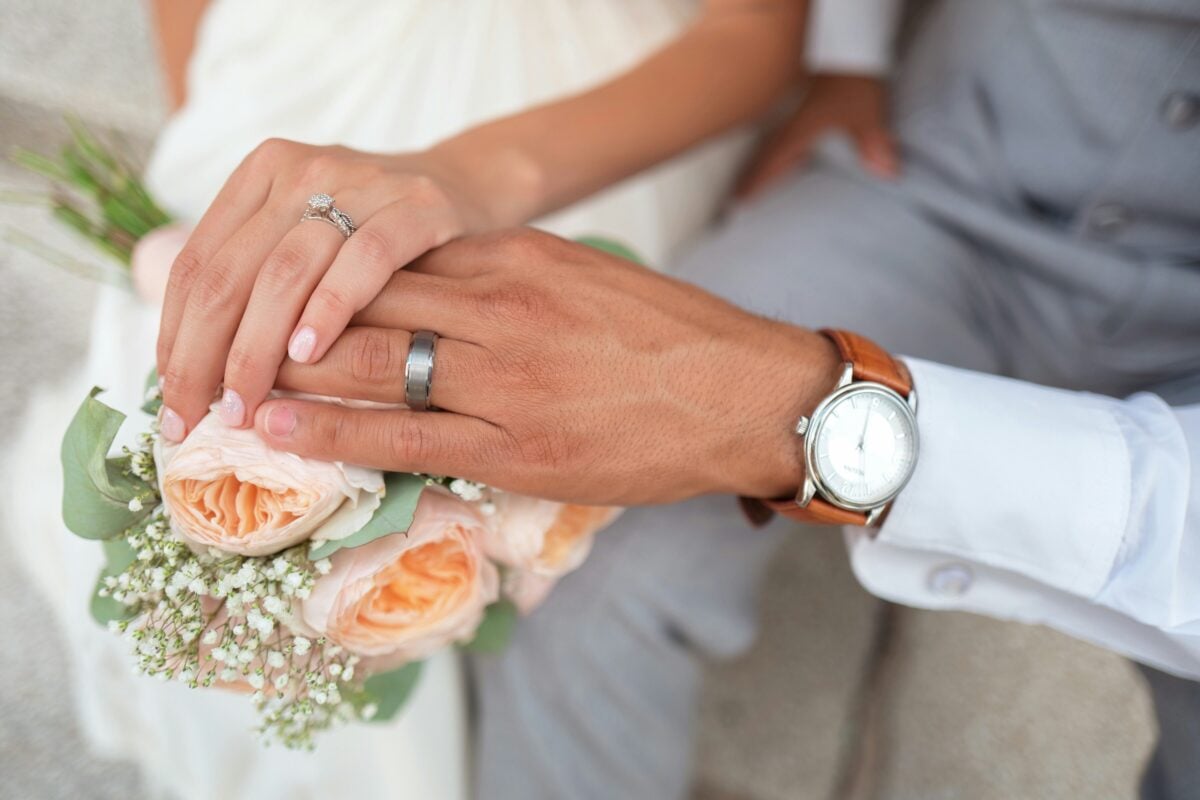
Most Western countries put the wedding ring on the left hand’s fourth finger. Germany, Russia, India, and many other places use the right hand instead.
The tradition varies even within regions. Some Orthodox Christians wear it on the right.
Catholics often use the left. The finger and hand both change depending on culture and religion.
Smiling at Everyone

Americans smile at strangers all the time. It’s friendly.
It’s polite. In Russia and many Eastern European countries, smiling without reason looks fake or foolish.
You smile when something genuinely makes you happy. Forcing a smile seems dishonest.
Service workers in Russia rarely smile at customers because doing so would feel artificial. The expectations around facial expressions differ drastically.
Celebrating Birthdays

Many Western countries make birthdays a big deal. You get presents.
People sing to you. The birthday person receives special treatment.
In parts of Asia, birthdays weren’t traditionally individual celebrations. Family celebrations happened around different events instead.
Even where birthdays are now recognized, the customs vary. In some places, the birthday person brings cake for others instead of receiving it.
The Meaning of Silence

Americans fill pauses in conversation. Silence feels awkward.
You jump in with something to say. In Finland and Japan, silence during conversation is completely normal.
It gives people time to think. Rushing to fill every gap seems impolite.
The comfortable length of a pause before someone speaks again changes by thousands of percentage points across cultures.
Lucky and Unlucky Numbers

The number 13 scares many Westerners. Buildings skip the 13th floor.
Airlines avoid row 13. In Chinese culture, the number four causes the same anxiety because it sounds like the word for death.
Meanwhile, the number eight brings luck because it sounds like prosperity. Hotels charge more for rooms with eights in the number.
Different digits carry different weight depending on language and history.
Marriage and Love
Hollywood sells the idea that romantic love must come before marriage. You fall in love, then you commit.
Many cultures around the world arrange marriages first. Love develops after, if at all.
The relationship builds on different foundations. Family compatibility.
Social status. Economic stability.
Both systems produce lasting marriages and both produce divorces. The order of operations just differs.
When Strangers Become Friends

Some folks in the U.S. say “friend” fast – just a chat or two. That term slips right off their tongues.
Over in Germany, people wait much longer before saying it. There, the idea carries more weight. It’s not given away without thought.
Russians see things much the same way. Friends and people you know aren’t lumped together.
Who counts as a close buddy shifts a lot depending on place. Someone seen as a pal in America could be no more than a familiar face somewhere else.
Reading the Room

You figure you get life – until suddenly you don’t. Each belief about people acting a certain way? Full of exceptions.
Reality stretches beyond what you’ve seen. Hand motions, when things happen, shades, digits – they shift meaning depending on where you are.
One thing everyone agrees on? There’s no one thing everyone agrees on. We’ve got something in common – being unlike each other.
More from Go2Tutors!

- The Romanov Crown Jewels and Their Tragic Fate
- 13 Historical Mysteries That Science Still Can’t Solve
- Famous Hoaxes That Fooled the World for Years
- 15 Child Stars with Tragic Adult Lives
- 16 Famous Jewelry Pieces in History
Like Go2Tutors’s content? Follow us on MSN.



