15 Tiny Nations With Outsized Influence On History
Size has never been destiny. Some of history’s most consequential moments emerged from places you could drive across in an afternoon, nations that barely register as dots on world maps yet somehow managed to reshape entire continents. These aren’t the usual suspects — not the sprawling empires or industrial giants — but the geographic underdogs that punched so far above their weight it defies logic.
Geography textbooks love to focus on square miles and population counts, as if influence could be measured in census data. But the real story lives in those moments when a tiny republic changes the course of philosophy, or a city-state invents banking, or a cluster of islands becomes the unlikely birthplace of democracy. The smallest players often write the biggest chapters.
Venice
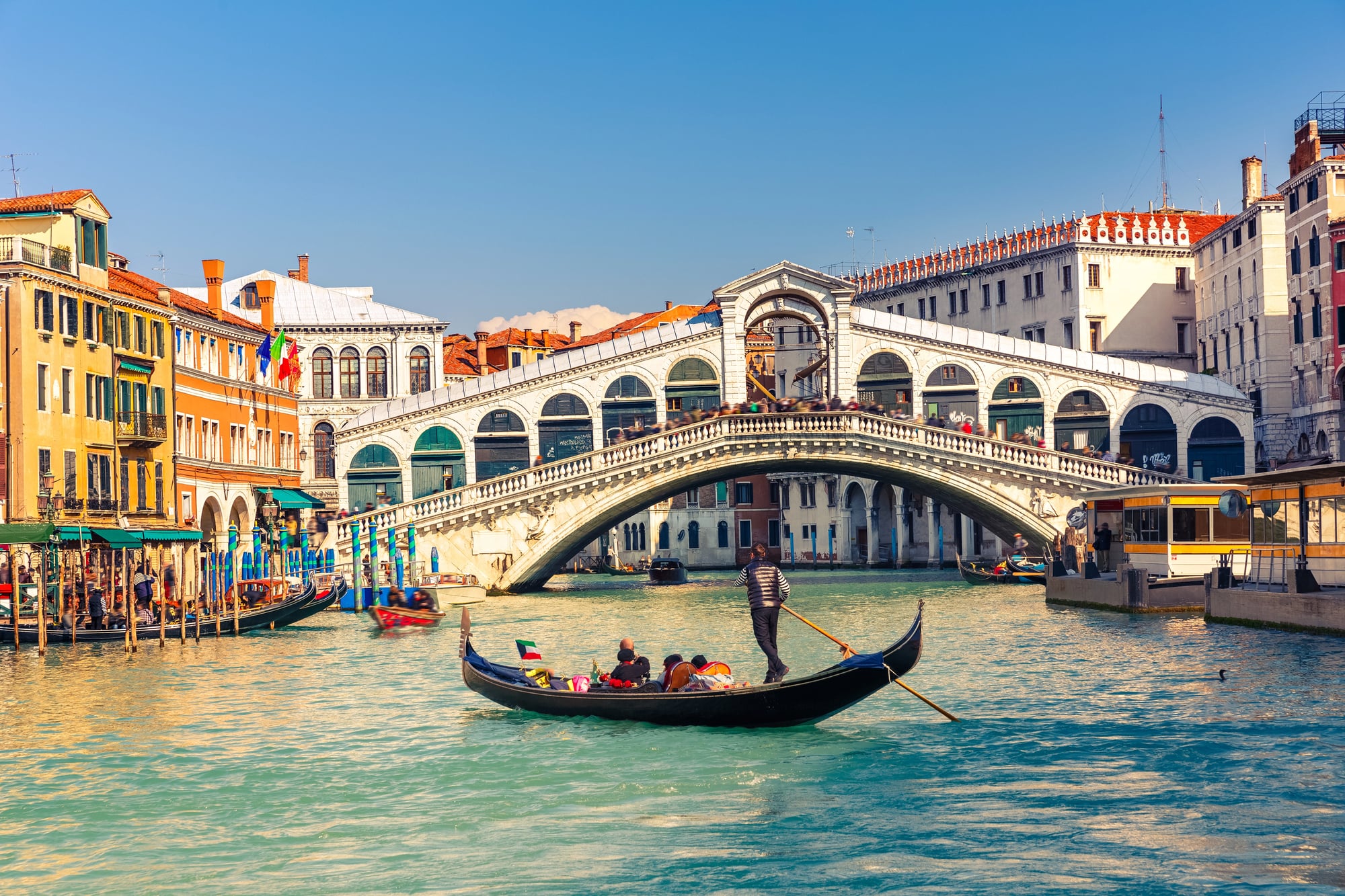
Venice built an empire on water and audacity. The city had no farmland, no natural resources, no armies to speak of — just a collection of marshy islands and an unshakeable belief that trade routes mattered more than territory.
By the 13th century, Venetian merchants had turned the Mediterranean into their private lake. They didn’t conquer lands; they bought and sold them. When the Fourth Crusade needed financing, Venice didn’t just provide ships — they redirected the entire crusade to Constantinople, toppling the Byzantine Empire in the process. One city-state had redrawn the map of Europe through nothing more than clever bookkeeping and strategic debt collection.
Singapore
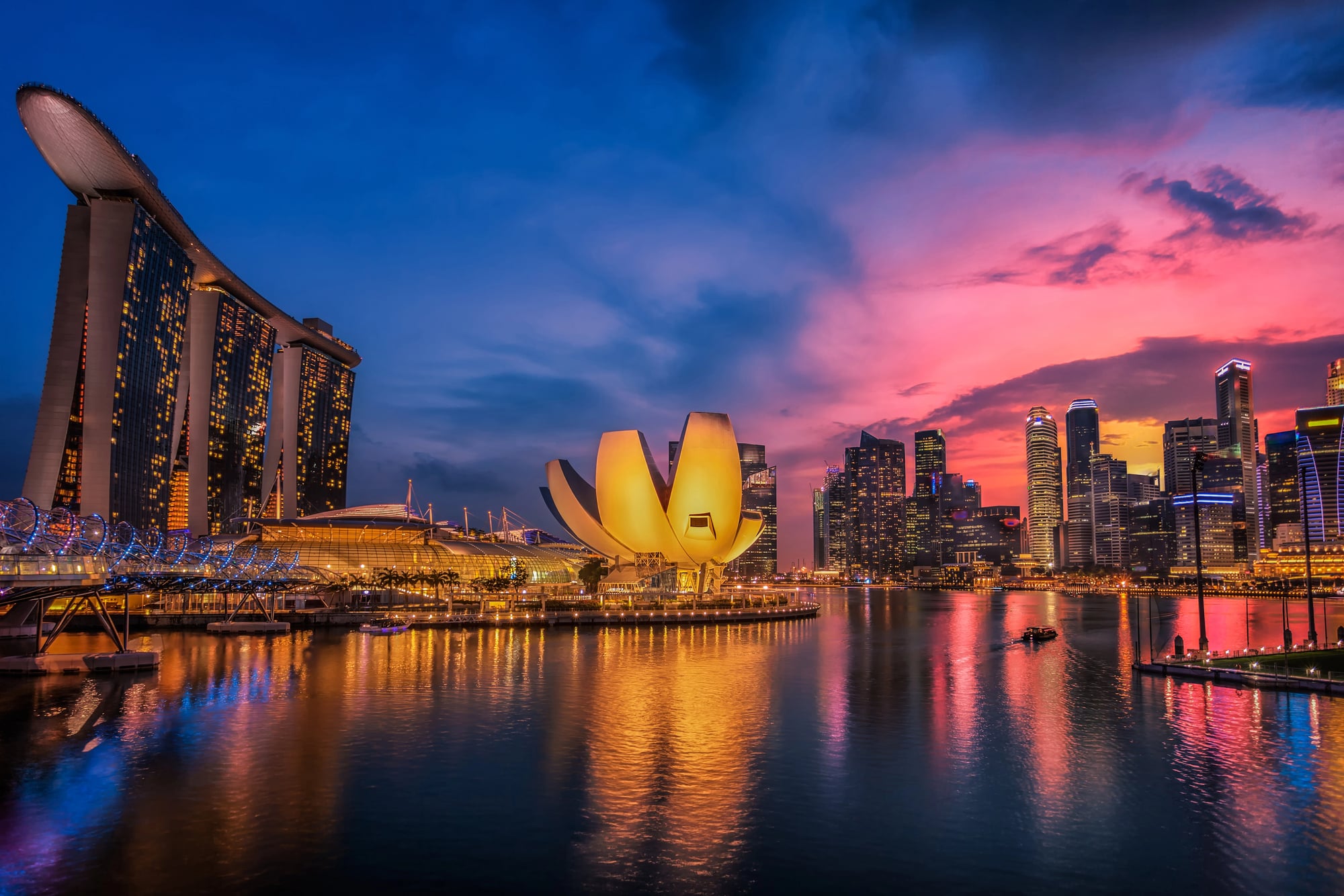
Singapore’s transformation from colonial backwater to global powerhouse reads like economic fiction, except the numbers don’t lie. When Lee Kuan Yew took control in 1965 (after Malaysia essentially kicked Singapore out of their federation, which has to rank among history’s worst breakup decisions), he inherited a tiny island with no resources, ethnic tensions, and a population that spoke four different languages.
What Singapore lacked in size, it made up for in location — sitting right at the chokepoint where the Indian Ocean meets the South China Sea, which means every container ship heading between Asia and Europe had to pass through Singaporean waters. And here’s where the small-nation advantage kicked in: Singapore could pivot faster than larger countries, could implement policies without navigating massive bureaucracies, could essentially turn the entire country into a business-friendly experiment. By the 1990s, this dot on the map had become the financial hub of Southeast Asia, and today it processes more trade than countries fifty times its size.
Luxembourg
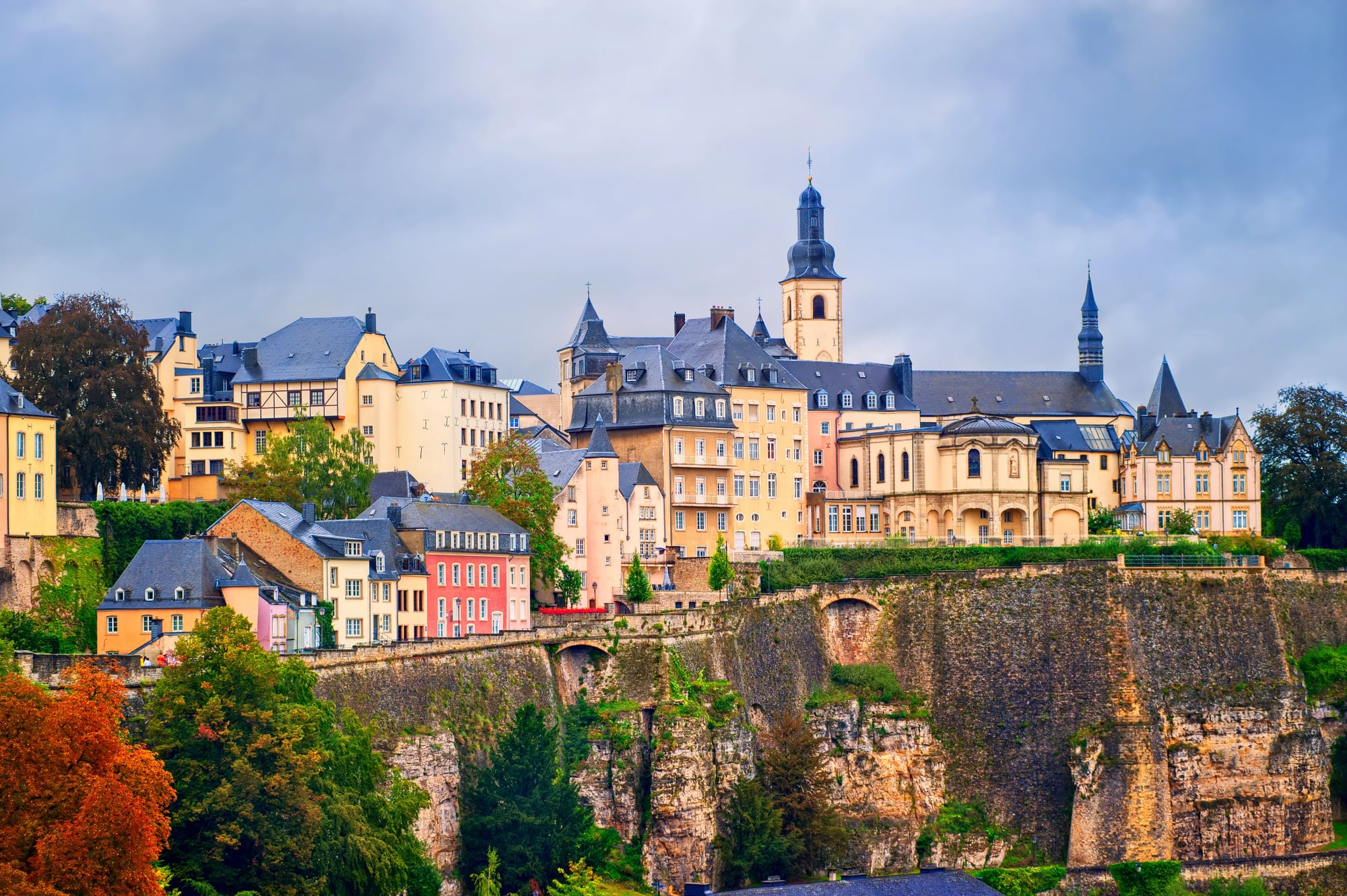
Money finds its way to small places with big ideas. Luxembourg figured this out better than anyone.
This postage stamp of a country — smaller than Rhode Island, with fewer people than a mid-sized city — became the quiet center of European finance. Not through natural resources or strategic location, but through something more valuable: regulatory creativity. Luxembourg wrote banking laws that made it irresistible to international corporations looking for tax efficiency and financial privacy.
The result borders on absurd. Luxembourg has more banks per capita than anywhere else on Earth. Its GDP per capita consistently ranks in the global top three. A country you could walk across in a day manages more investment funds than Germany.
Athens
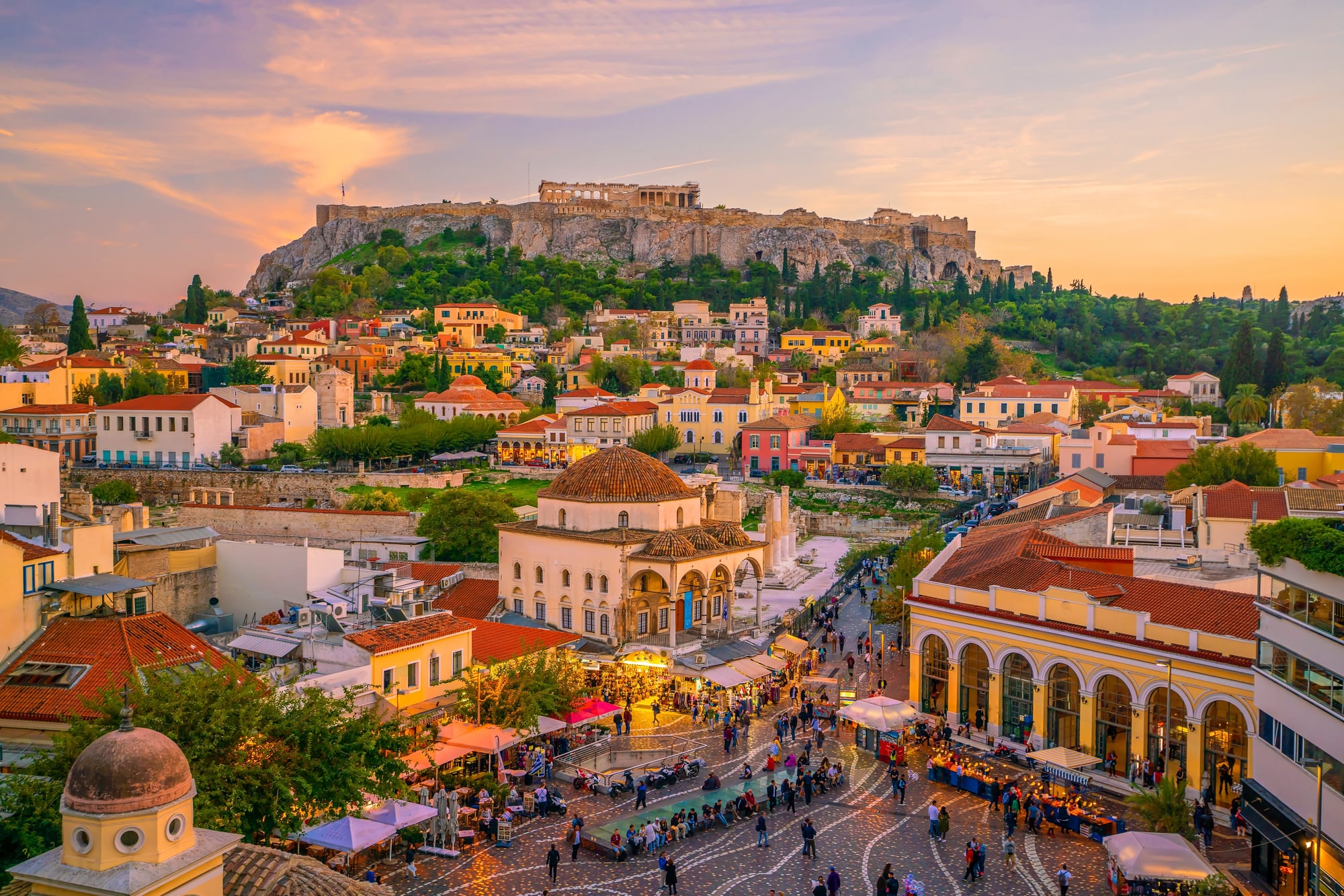
Democracy arrived in the world through a city that could barely defend itself from its neighbors. Athens in the 5th century BCE was smaller than modern-day Portland, constantly threatened by Sparta, frequently broke, and politically chaotic in ways that would make contemporary parliaments look orderly.
But something about that chaos — the endless debates in the agora, the citizen assemblies that argued over everything from military strategy to public works projects — created a new way of thinking about power. Not just who should wield it, but whether anyone should wield it permanently. The Athenian experiment lasted barely two centuries before falling apart (democracy, it turned out, was terrible at making quick military decisions), but the idea had escaped into the world.
Every modern parliament, every constitution that begins with “We the People,” every election where ordinary citizens choose their leaders traces back to those argumentative Athenians who couldn’t agree on anything except that everyone deserved a voice.
Netherlands
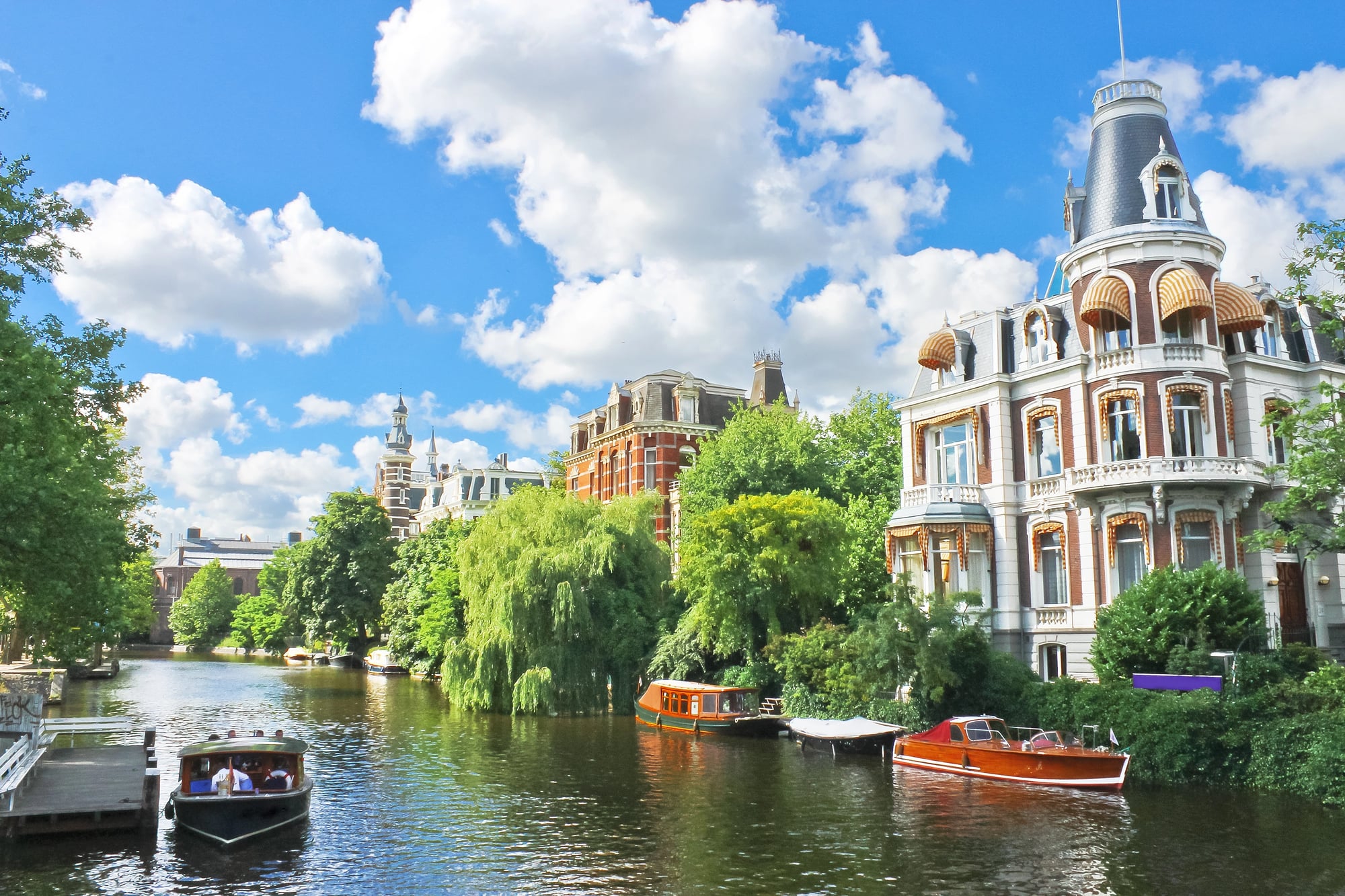
The Dutch turned stubbornness into a superpower. When Philip II of Spain decided to crush Protestant rebellion in the Low Countries, he probably expected quick work — after all, Spain controlled half the known world, while the Dutch had a collection of soggy provinces and an unfortunate habit of building their cities below sea level.
Instead, the Dutch invented modern capitalism. Faced with a war they couldn’t afford, they created the first stock exchange, the first multinational corporation (the Dutch East India Company), and the first government bonds that ordinary citizens could buy. They turned public debt into a financial instrument, which sounds boring until you realize it meant small countries could suddenly fund large ambitions.
The Dutch Golden Age followed: Rembrandt painting in Amsterdam while Dutch merchants controlled trade routes from Manhattan to Jakarta. A country smaller than West Virginia had become the economic center of Europe, all because they figured out how to make money work harder than armies.
Vatican City
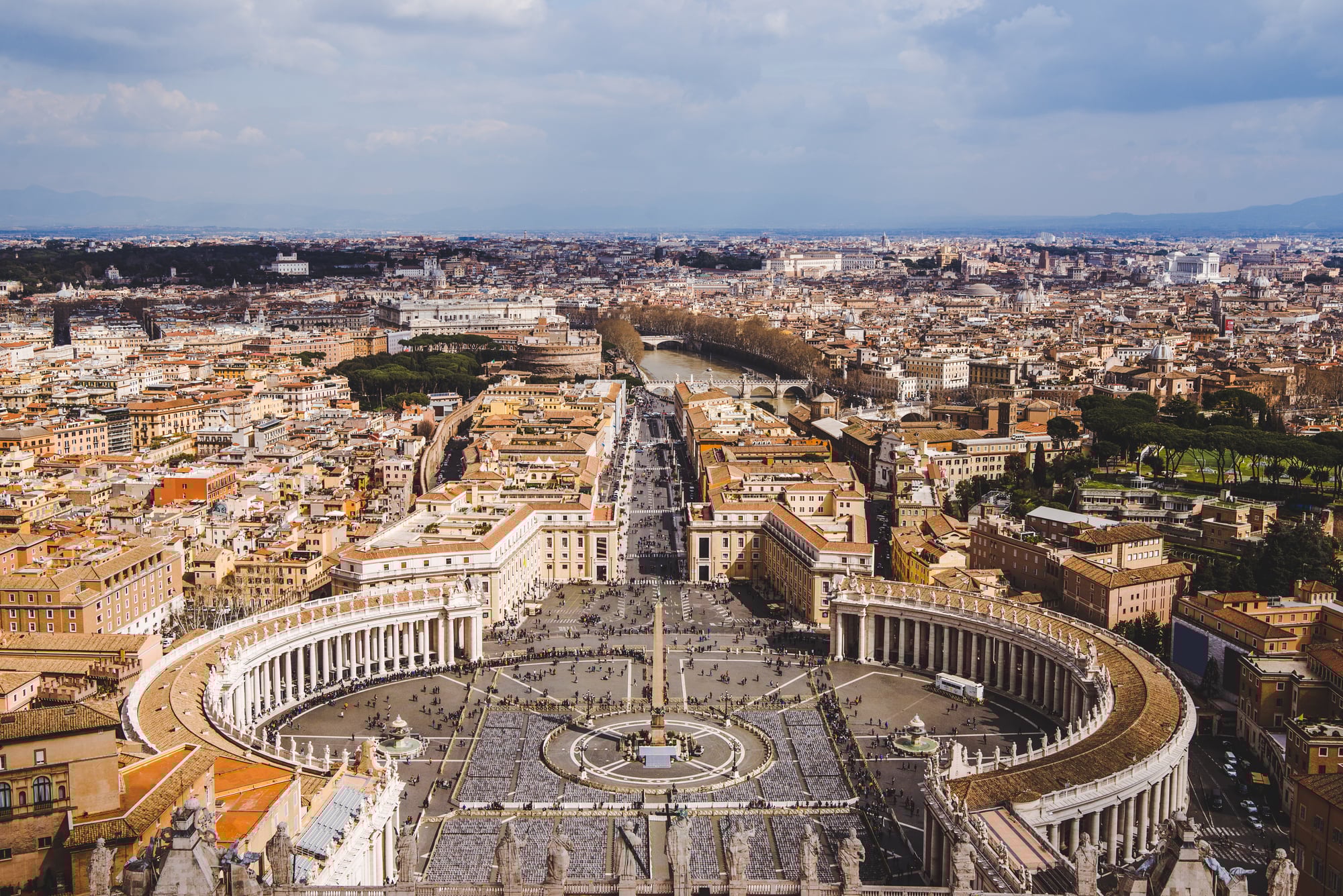
Political power flows from the strangest sources. The Vatican covers 110 acres — you could fit it inside most shopping centers — yet for centuries it has been wielding influence that actual empires would envy, and the mechanism is surprisingly practical when you strip away the mysticism.
Information travels differently when you’re running a global network of believers. Papal nuncios weren’t just religious envoys; they were intelligence operatives, carrying news between capitals faster than any government network could manage (this was back when crossing continents took months, remember, so a reliable communication system was the equivalent of controlling the internet). When the Pope had opinions about royal marriages, trade agreements, or territorial disputes, those opinions reached every court in Europe simultaneously.
And then there’s the money angle, which gets overlooked but probably mattered more than theology: the Catholic Church was history’s first truly international bank, moving currency between countries, financing everything from cathedral construction to military campaigns. Kings needed papal approval not just for the legitimacy, but for the credit rating.
Iceland
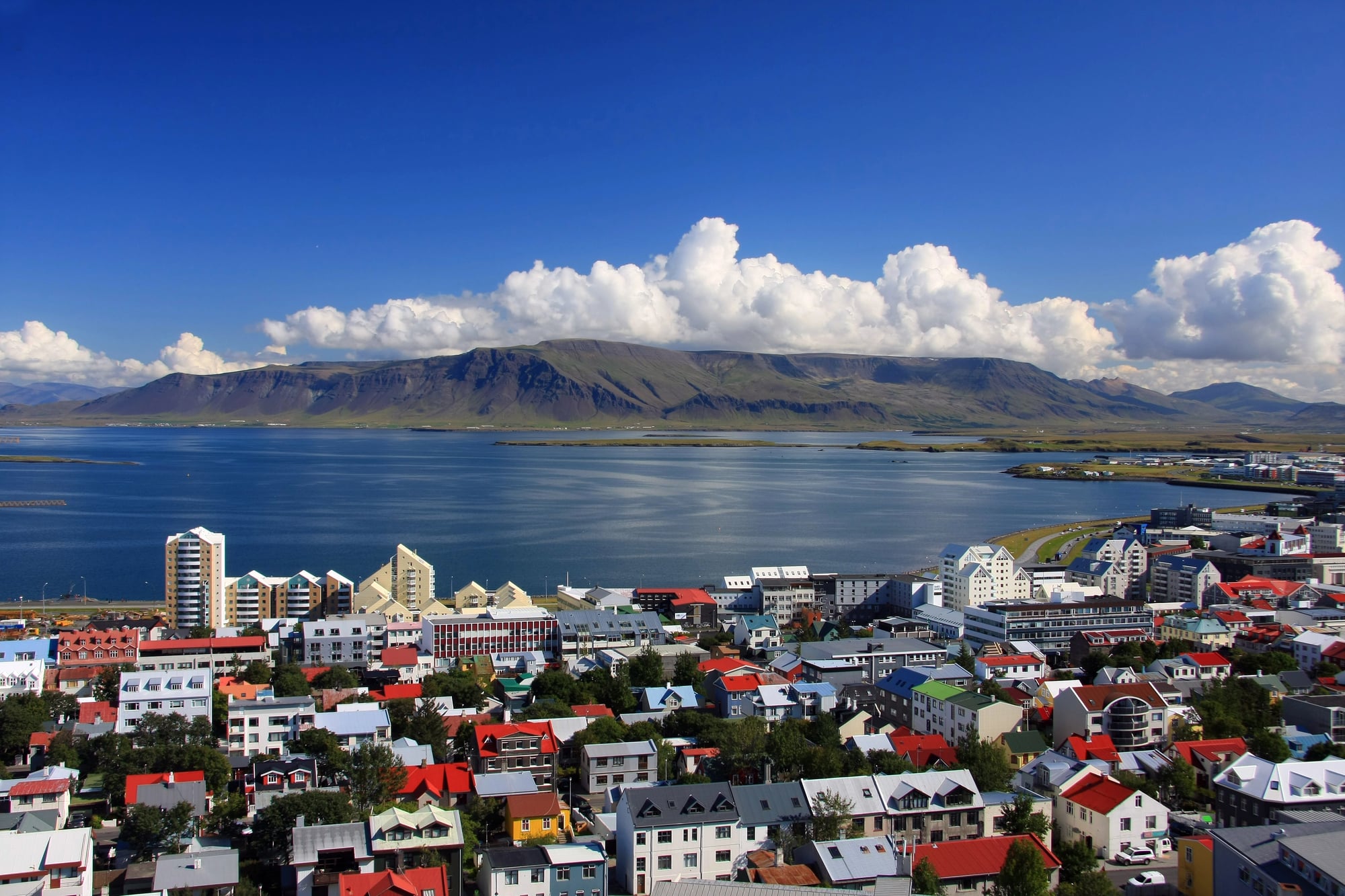
Iceland’s influence on history arrives in waves, separated by centuries of silence. The first wave happened early: between 930 and 1262 CE, this windswept island in the North Atlantic created the world’s first parliament — the Althing — which met annually in an outdoor assembly where free men could bring grievances, settle disputes, and make laws through collective argument rather than royal decree.
More importantly for the rest of us, medieval Iceland produced the saga literature that preserved Norse mythology and history. Without Icelandic storytellers writing down the old tales during those dark winter months, we’d have no Thor, no Odin, no Ragnarok — the entire Norse mythological framework that influences everything from Wagner’s operas to Marvel movies originated in the oral traditions that Icelanders bothered to write down when the rest of Europe was forgetting its own folklore.
The second wave came in 2008, when Iceland’s three major banks collapsed so spectacularly that the country’s entire financial system evaporated in a matter of weeks. Iceland’s response — letting the banks fail, prosecuting executives, and rebuilding from scratch — became a model for how small countries could survive financial catastrophe without destroying their social fabric.
Switzerland
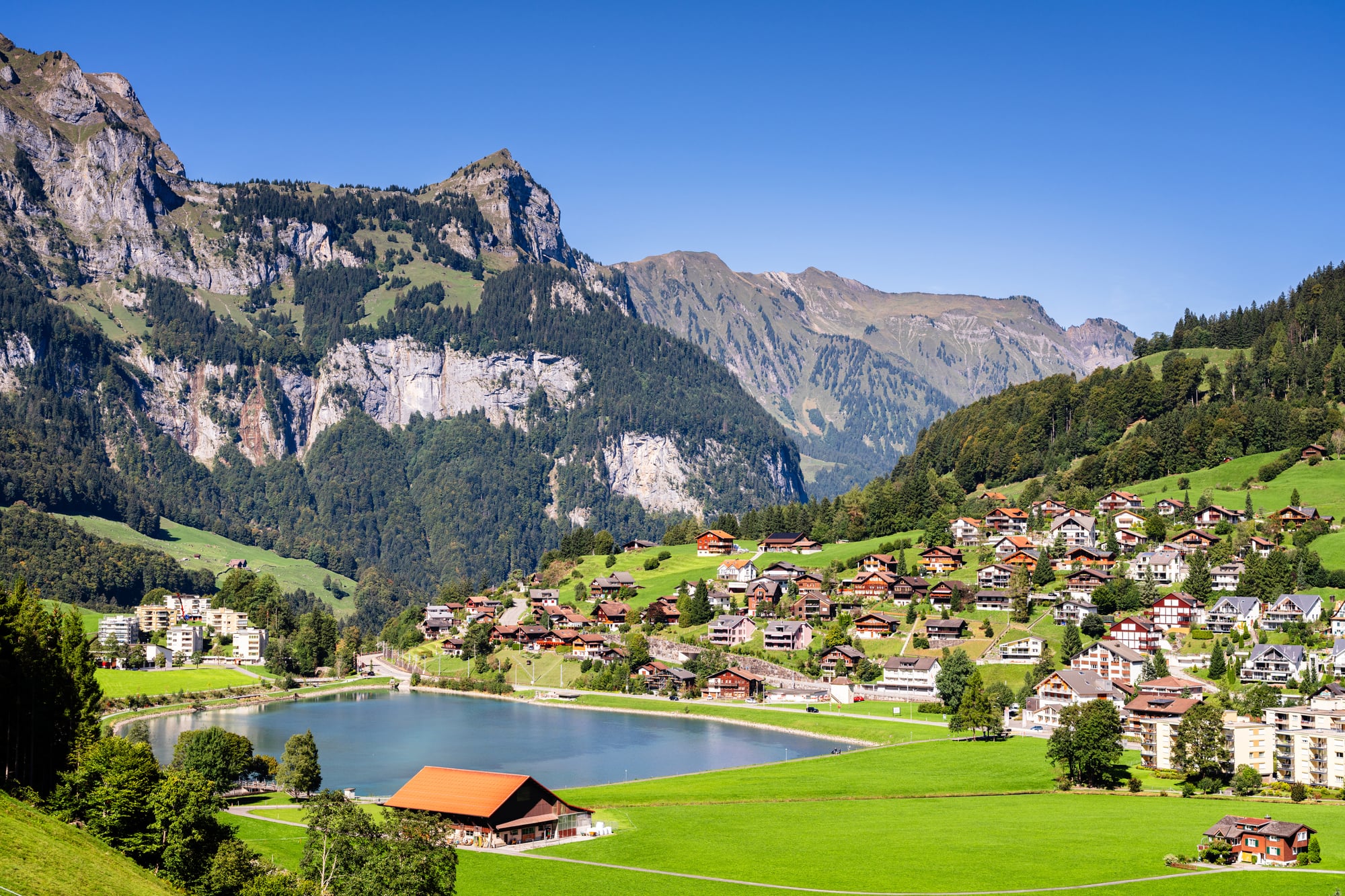
Neutrality as foreign policy sounds passive until you realize how aggressively Switzerland has pursued it. This landlocked collection of mountain cantons turned geographic isolation into geopolitical advantage by becoming indispensable to everyone while belonging to no one.
The Swiss didn’t just avoid wars; they made wars more efficient. Swiss banks financed both sides of conflicts, Swiss diplomats hosted peace negotiations, and Swiss manufacturers sold precision instruments to whoever could pay for them. During World War II, when the rest of Europe was choosing sides, Switzerland chose profits — a morally complex decision that nonetheless kept them independent while larger nations fell.
But Switzerland’s real influence came through institutions. The Red Cross, the World Health Organization, countless international treaties and trade agreements — Switzerland became the place where global problems got solved, not through military might but through bureaucratic competence and carefully maintained trustworthiness.
Monaco
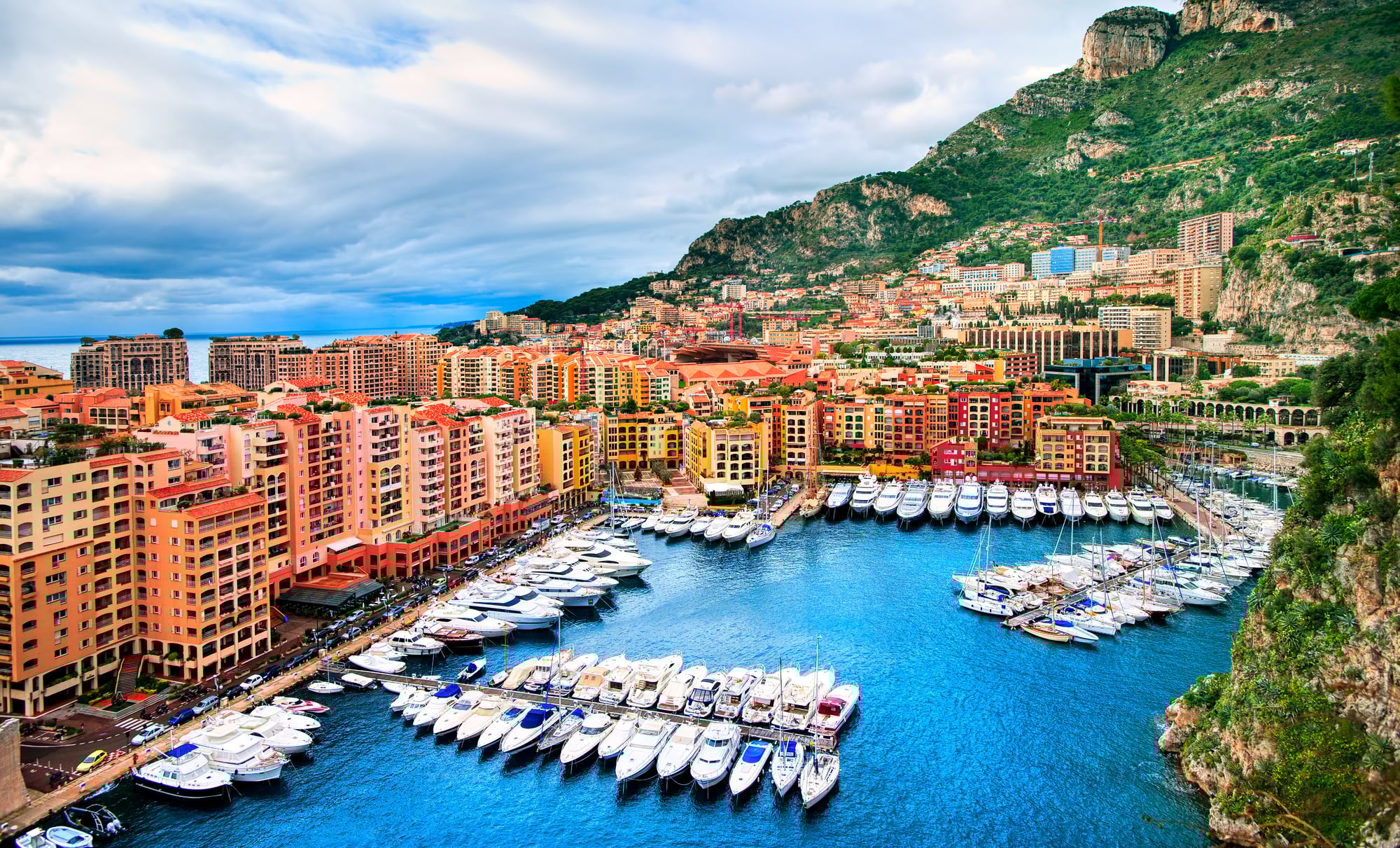
Monaco turned vice into virtue and built a country around it. When Prince Charles III legalized gambling in 1856, he wasn’t just trying to save his family’s finances (though the House of Grimaldi was essentially broke); he was creating a new model for how tiny nations could survive in a world of expanding empires.
The Monte Carlo Casino became more than a gambling hall — it was Europe’s unofficial neutral ground, where Russian nobles could lose fortunes to British aristocrats while French diplomats negotiated deals at adjacent tables (and the Monégasque government collected taxes on all of it, naturally). Monaco had essentially turned itself into a luxury service provider for the continent’s elite, which proved surprisingly sustainable.
Today’s Monaco operates on the same principle with different tools: tax advantages instead of roulette wheels, yacht harbors instead of opera houses, but the underlying strategy remains unchanged. A country smaller than New York’s Central Park continues to attract more wealth per square mile than anywhere else on Earth, simply by making itself useful to people with money and power.
San Marino
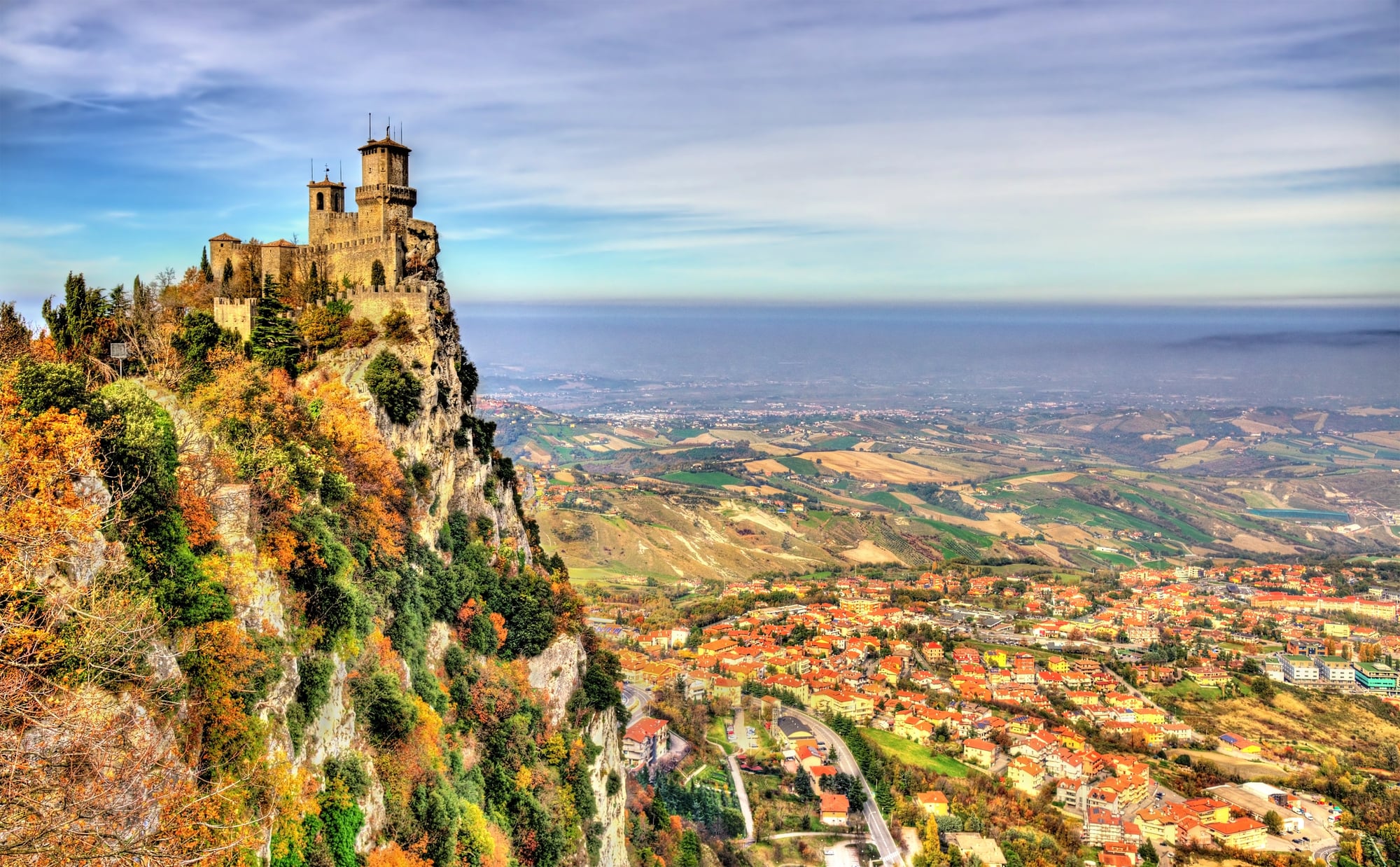
Survival through obscurity has worked for San Marino longer than any other strategy has worked for anyone else. Founded in 301 CE by a Christian stonemason who wanted to escape religious persecution, this 24-square-mile enclave perched on Mount Titano has outlasted the Roman Empire, the Byzantine Empire, the Holy Roman Empire, the Papal States, Mussolini’s Italy, and every other political entity that once surrounded it.
San Marino’s secret wasn’t military strength or economic power — it was being too small to bother conquering and too poor to be worth the effort. When Napoleon’s armies swept across Europe, they marched around San Marino because occupying it would have required more soldiers than the entire country contained. During Italian unification, the new Italian state left San Marino alone partly out of respect for its ancient independence, but mostly because absorbing it would have been administratively annoying.
The result is a living fossil of medieval governance: the world’s oldest surviving republic, still run by two elected captains regent who serve six-month terms, still using political institutions that predate most European languages. San Marino proves that sometimes the best way to influence history is to avoid participating in it.
Malta
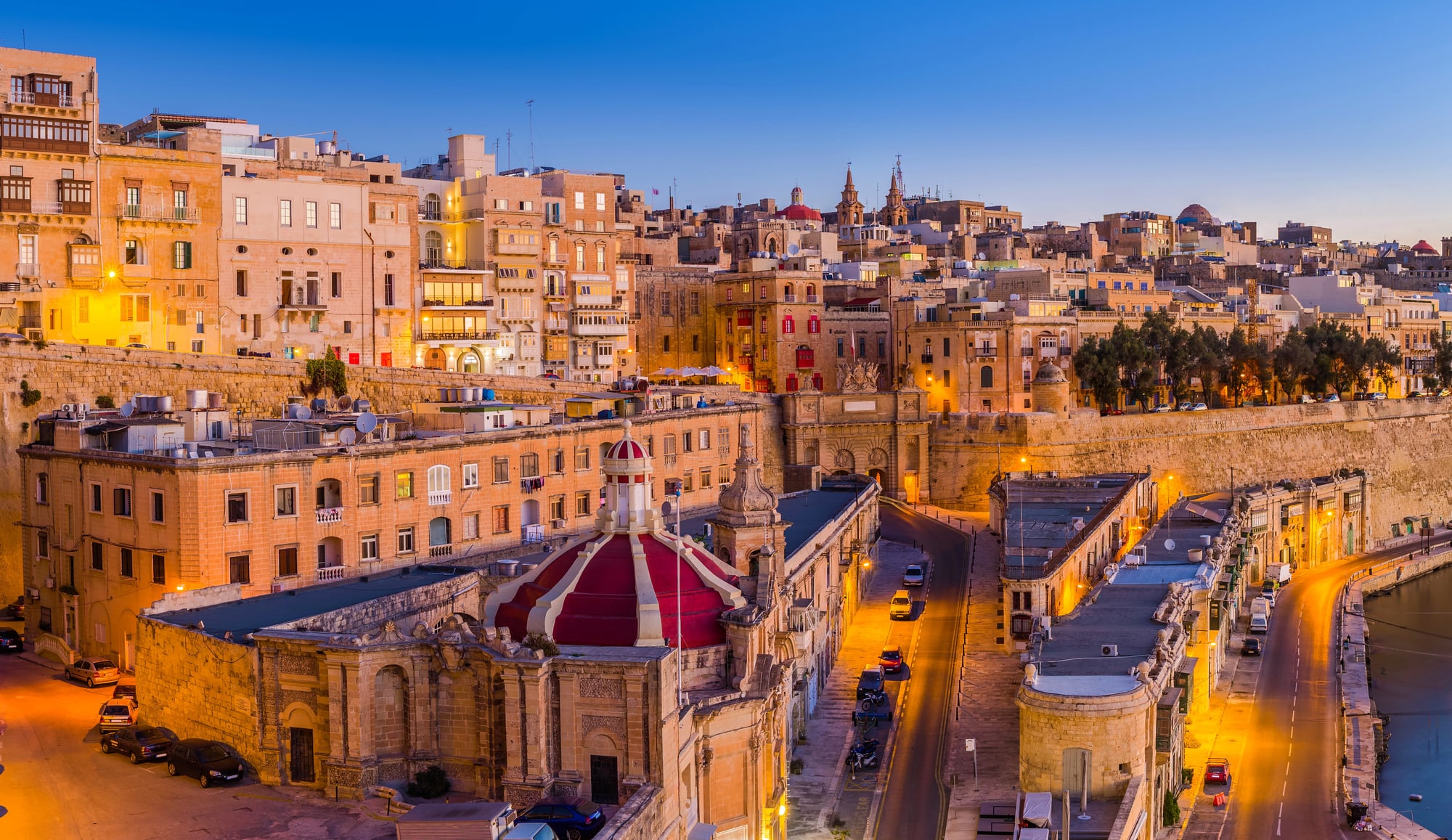
Strategic location beats strategic planning when you’re sitting in the middle of everyone else’s shipping lanes. Malta’s 122 square miles of limestone and harbors have been conquered by Phoenicians, Romans, Arabs, Normans, Spanish, French, and British — not because Malta was particularly valuable, but because controlling Malta meant controlling access between the eastern and western Mediterranean.
The Knights of Malta figured this out in 1565 when they held off a massive Ottoman siege that should have ended with Turkish control of the central Mediterranean. Instead, 700 knights and 8,000 Maltese defenders managed to stop Suleiman the Magnificent’s expansion into Europe, which probably saved Italy from Ottoman invasion and definitely established Malta as the place where Islamic expansion into Christian Europe finally stalled.
During World War II, Malta became the most bombed place on Earth — more explosives fell on this tiny island than on London during the entire Blitz — because both sides understood that whoever controlled Malta controlled the Mediterranean supply lines. The island’s resistance earned it Britain’s George Cross, making Malta the only entire country ever awarded a military decoration.
Estonia
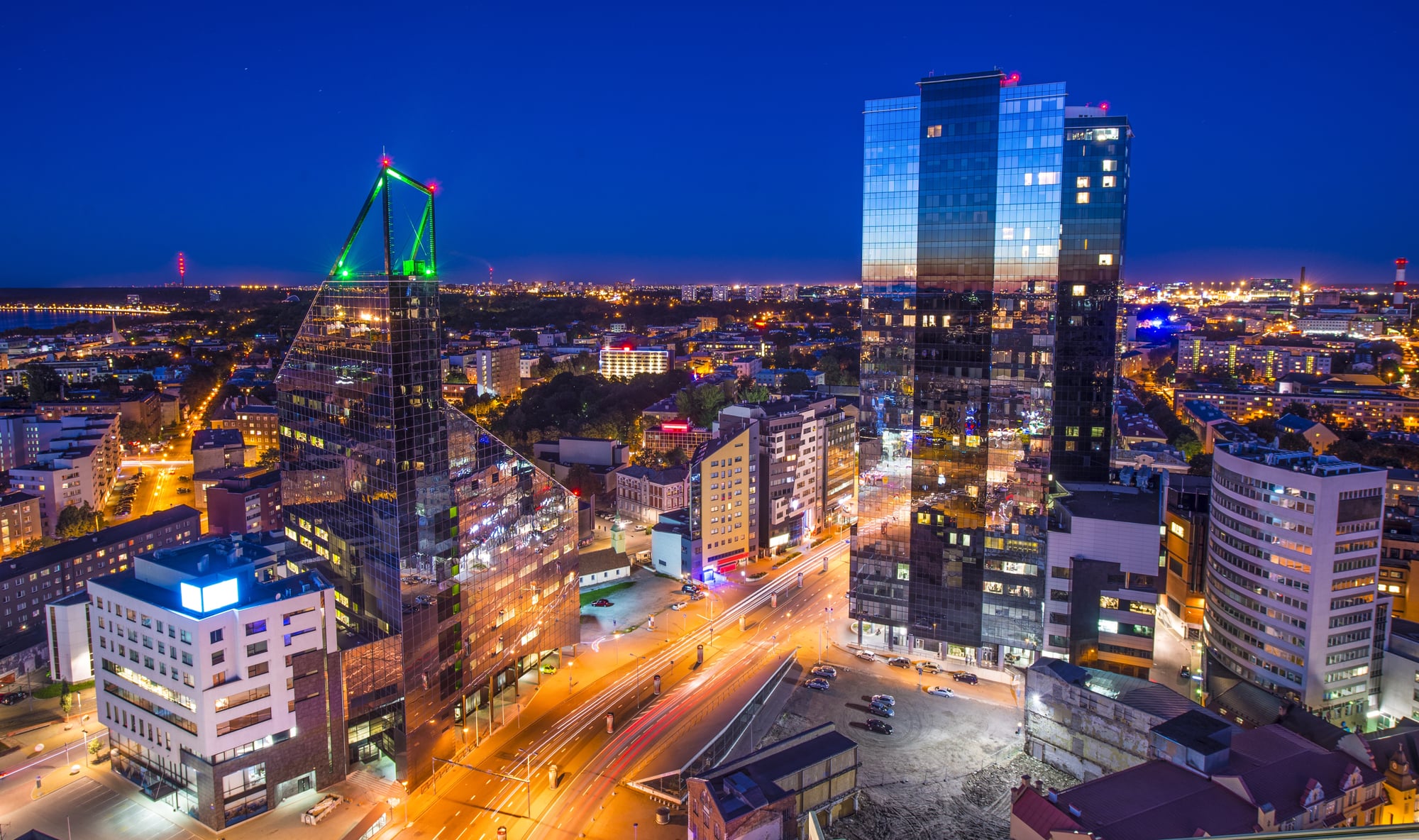
Estonia’s contribution to history arrived through software rather than warfare. This Baltic nation spent most of the past millennium being conquered by Germans, Danes, Swedes, and Russians — not exactly the résumé of a global influencer. But when Estonia finally achieved independence in 1991, it decided to leapfrog directly into the digital age.
Estonia became the world’s first country to make internet access a legal right, the first to hold elections online, and the first to offer digital residency to non-citizens. More importantly for everyone else, Estonia incubated Skype — the video calling service that changed how the world communicates. A country with 1.3 million people created the technology that made global remote work possible, which seems particularly prescient now that half the world’s workforce has discovered they can do their jobs from anywhere with decent wifi.
Estonian digital governance became the model that other small nations copied when they realized they could use technology to punch above their weight in ways that military spending never allowed.
Israel
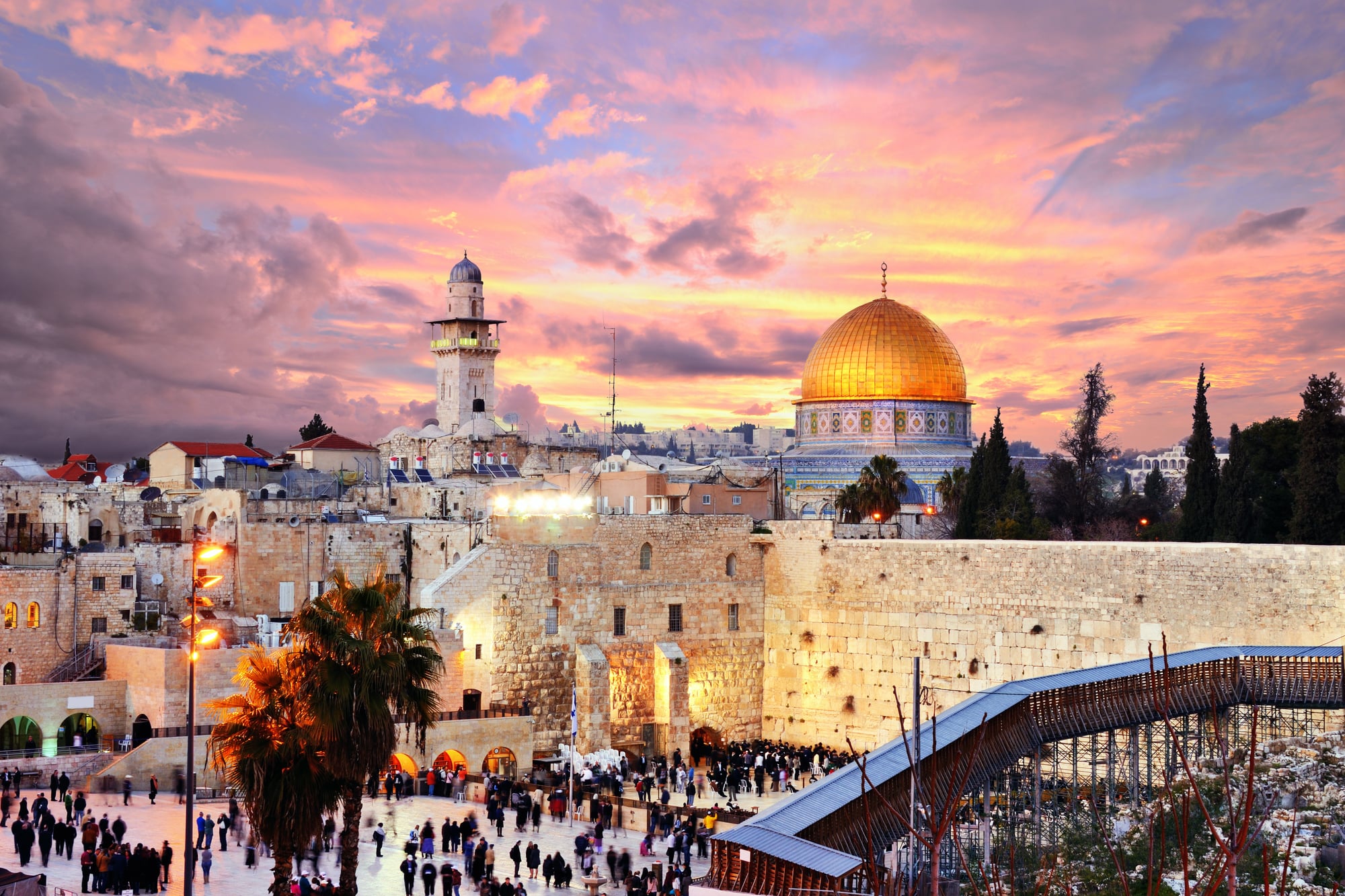
Israel’s influence on modern history extends far beyond its size or age as a nation. Established in 1948 on a slice of contested Mediterranean coastline smaller than New Jersey, Israel has since become the epicenter of conflicts, innovations, and ideological debates that shape global politics.
The Israeli model of turning survival pressure into technological advancement has become the template for how small nations can maintain relevance in a world dominated by superpowers. When you’re surrounded by hostile neighbors and can’t afford to lose a single war, military technology becomes a matter of national existence — which explains why Israeli defense companies export cutting-edge systems to armies worldwide, and why Israeli cybersecurity firms protect infrastructure from Silicon Valley to Singapore.
Israel’s agricultural technology turned desert into farmland using techniques now employed across Africa and Asia. Israeli medical research contributes disproportionately to global pharmaceutical development. Israeli startup companies get acquired by American tech giants at rates that make other countries wonder what they’re doing wrong.
Portugal
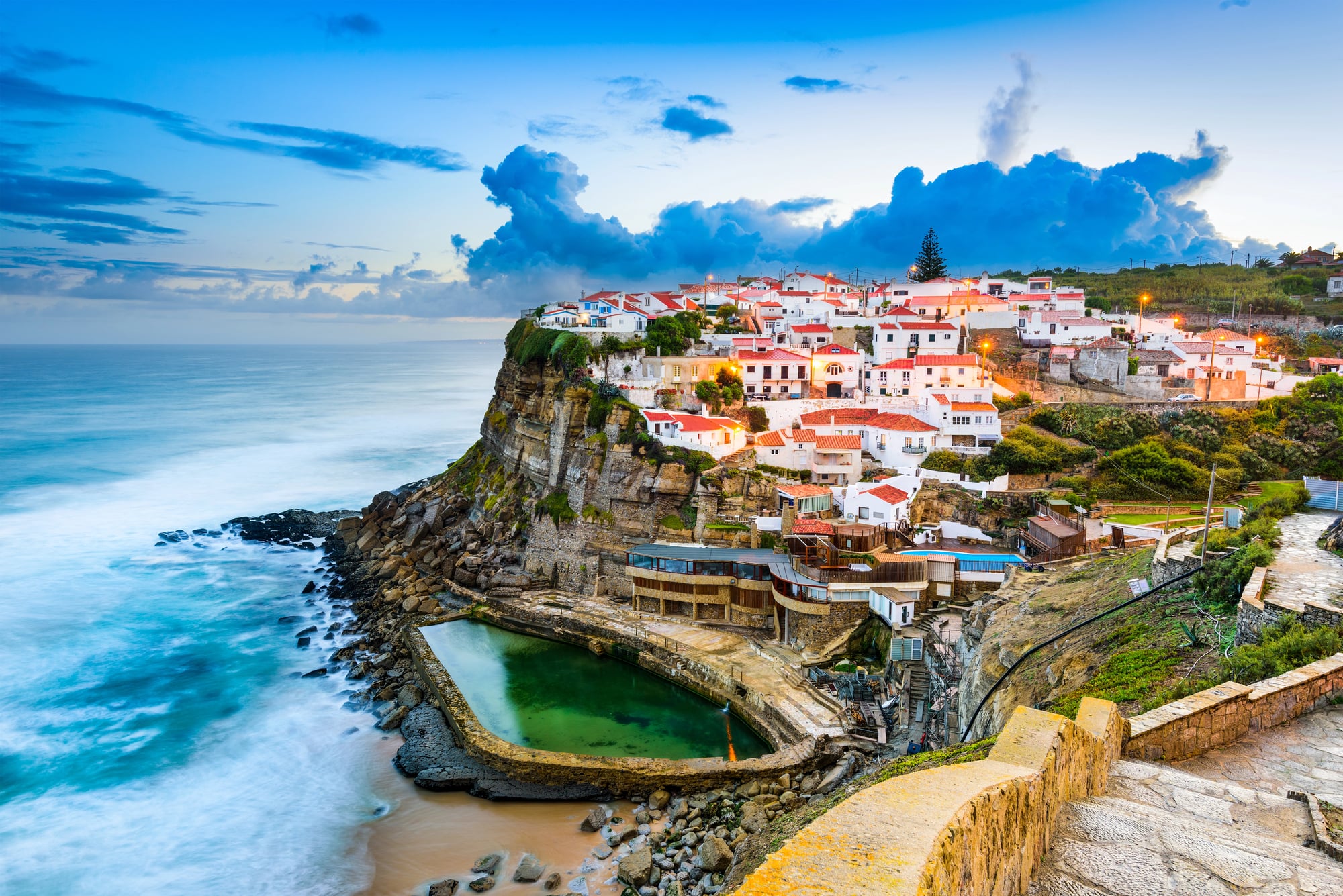
Portugal’s size suggests it should have been a footnote in European history — a small Atlantic kingdom wedged between Spain and the sea, with no obvious advantages beyond harbors and persistent curiosity about what lay beyond the horizon. Instead, Portuguese navigators essentially created the modern world by figuring out how to sail places no one had sailed before.
Vasco da Gama’s route around Africa to India broke Venice’s monopoly on Eastern trade and shifted Europe’s economic center from the Mediterranean to the Atlantic. Portuguese colonies stretched from Brazil to Macau, creating the first truly global empire — not through military conquest alone, but through a combination of seamanship, cartography, and willingness to sail into waters that existed only on theoretical maps.
The Portuguese language now spans four continents. Portuguese legal systems influenced colonial governance from Angola to East Timor. Portuguese architectural styles shaped cities from Salvador to Goa. A country that could fit inside Oregon managed to spread its cultural DNA across half the planet.
Denmark
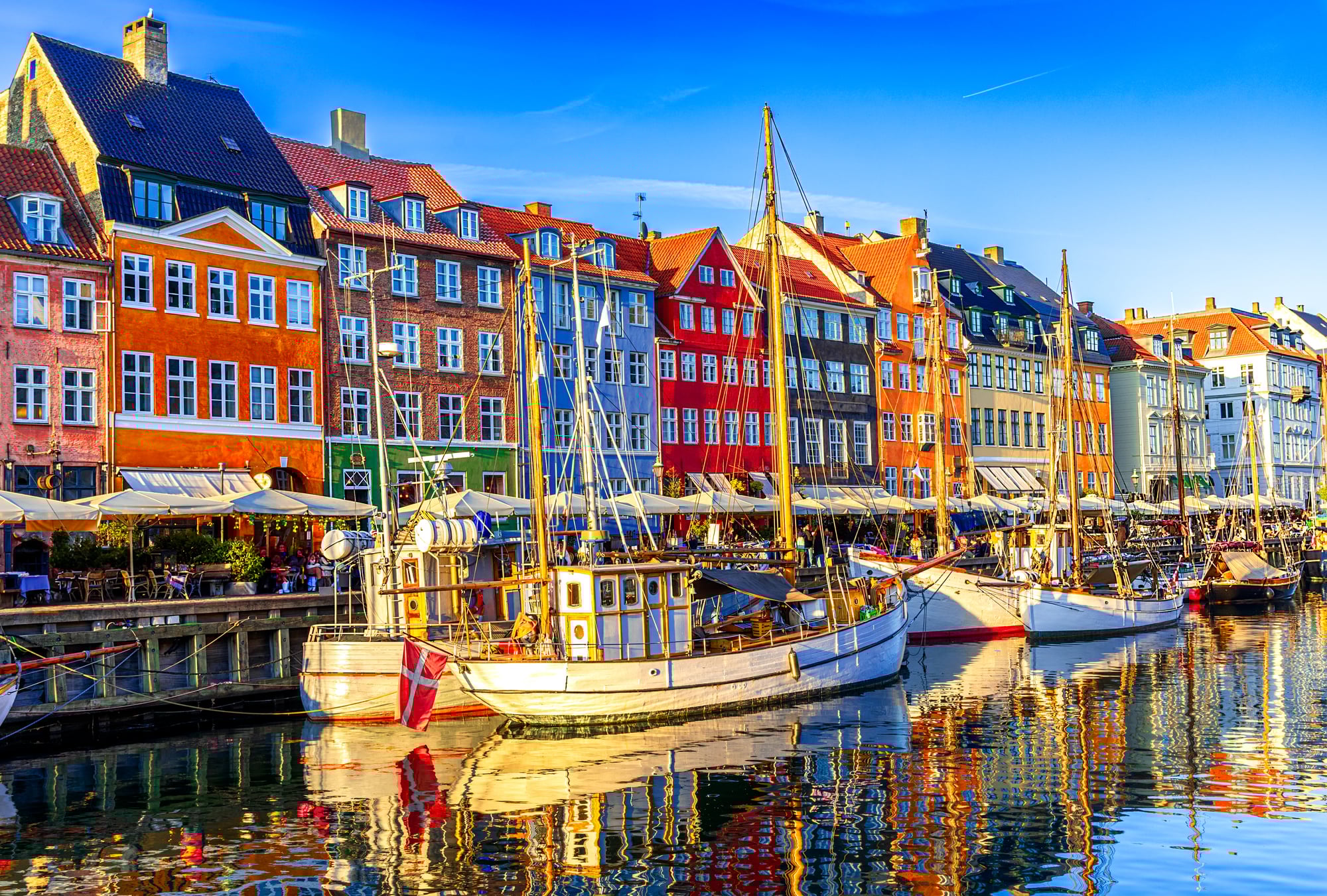
Denmark’s historical influence operates through quiet persistence rather than dramatic gestures. This Scandinavian kingdom, roughly the size of West Virginia, has been shaping global culture and politics for over a millennium — first through Viking expansion, then through more subtle forms of soft power that continue today.
Danish Vikings didn’t just raid; they settled and governed, establishing kingdoms in England, founding cities in Ireland, and creating trade networks that connected Greenland to Constantinople. The Danish legal concept of the “thing” (public assembly) influenced governance structures across Northern Europe and eventually contributed to parliamentary democracy.
Modern Denmark pioneered the welfare state model that other European countries later adopted. Danish design principles — clean lines, functional beauty, democratic accessibility — changed how the world thinks about furniture, architecture, and urban planning. Danish companies like Lego didn’t just create toys; they changed how children learn through play. Danish energy policy made wind power economically viable decades before other nations took renewable energy seriously.
The Weight Of Small Places
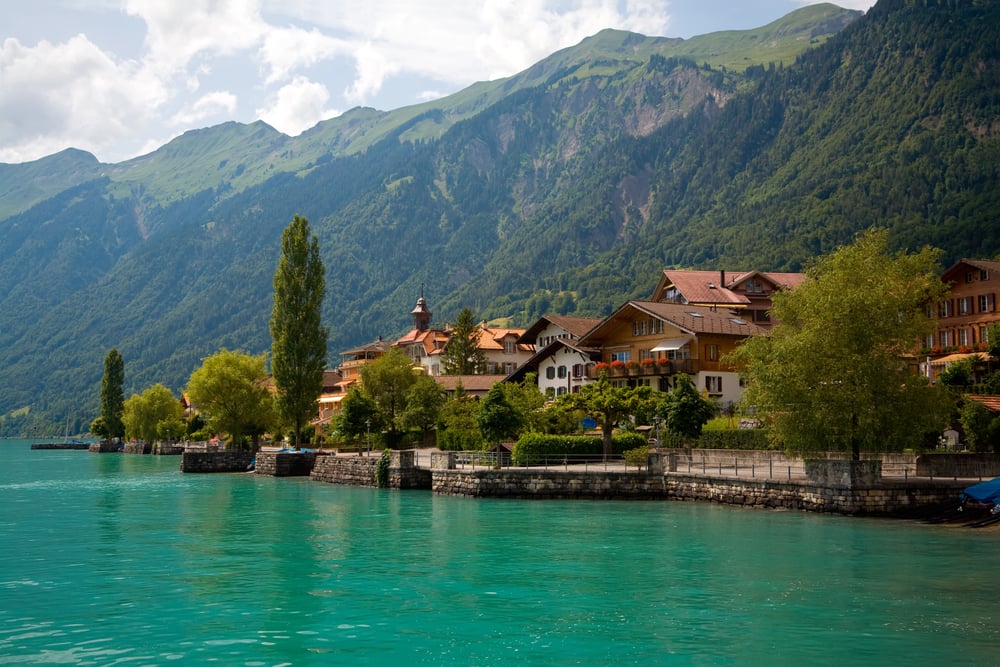
History’s most enduring changes often emerge from places too small to sustain empires but too creative to accept limitations. These tiny nations succeeded not despite their size but because of it — small enough to pivot quickly, focused enough to excel in specific areas, nimble enough to survive what destroyed their larger neighbors.
The lesson isn’t that small is inherently better, but that influence flows through unexpected channels. Military might and territorial control matter less than innovation, strategic thinking, and the willingness to try approaches that larger, more established powers consider too risky or too radical. In a world that still measures importance by square miles and population counts, the most interesting developments continue to emerge from the places that refuse to accept geographic destiny.
More from Go2Tutors!

- The Romanov Crown Jewels and Their Tragic Fate
- 13 Historical Mysteries That Science Still Can’t Solve
- Famous Hoaxes That Fooled the World for Years
- 15 Child Stars with Tragic Adult Lives
- 16 Famous Jewelry Pieces in History
Like Go2Tutors’s content? Follow us on MSN.