Strange Symbols Carved Deep Inside Ancient Cave Walls
There’s something unsettling about finding human marks in places where humans weren’t supposed to be. When archaeologists discover symbols carved into cave walls thousands of feet underground, in chambers that haven’t seen sunlight since the last ice age, it raises questions that don’t have comfortable answers.
These aren’t the tourist-friendly cave paintings you see in textbooks — they’re something else entirely.
The Naica Mine Symbols
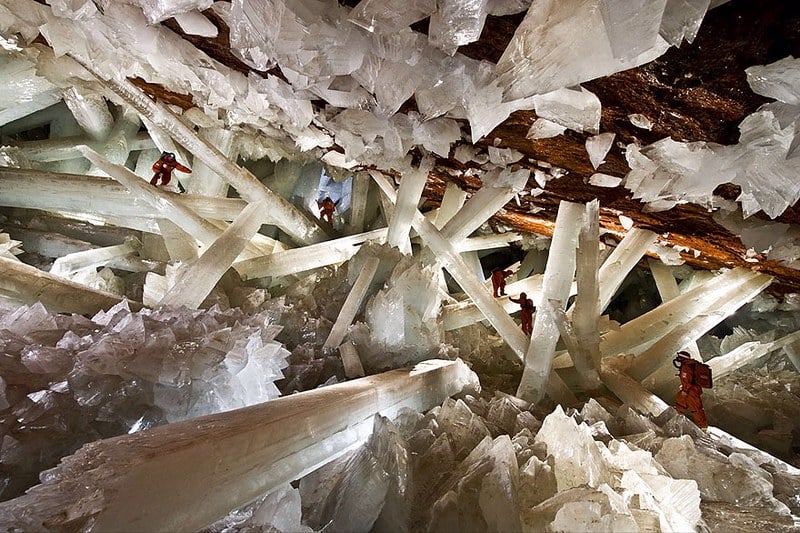
The silver miners in Naica, Mexico weren’t looking for ancient mysteries when they broke through into the crystal caves. They found symbols carved into limestone walls, hidden behind formations that took millennia to grow.
The marks were deliberate. Geometric patterns that repeated with mathematical precision, etched deep enough to survive flooding that happened long before recorded history.
Movile Cave’s Hidden Messages
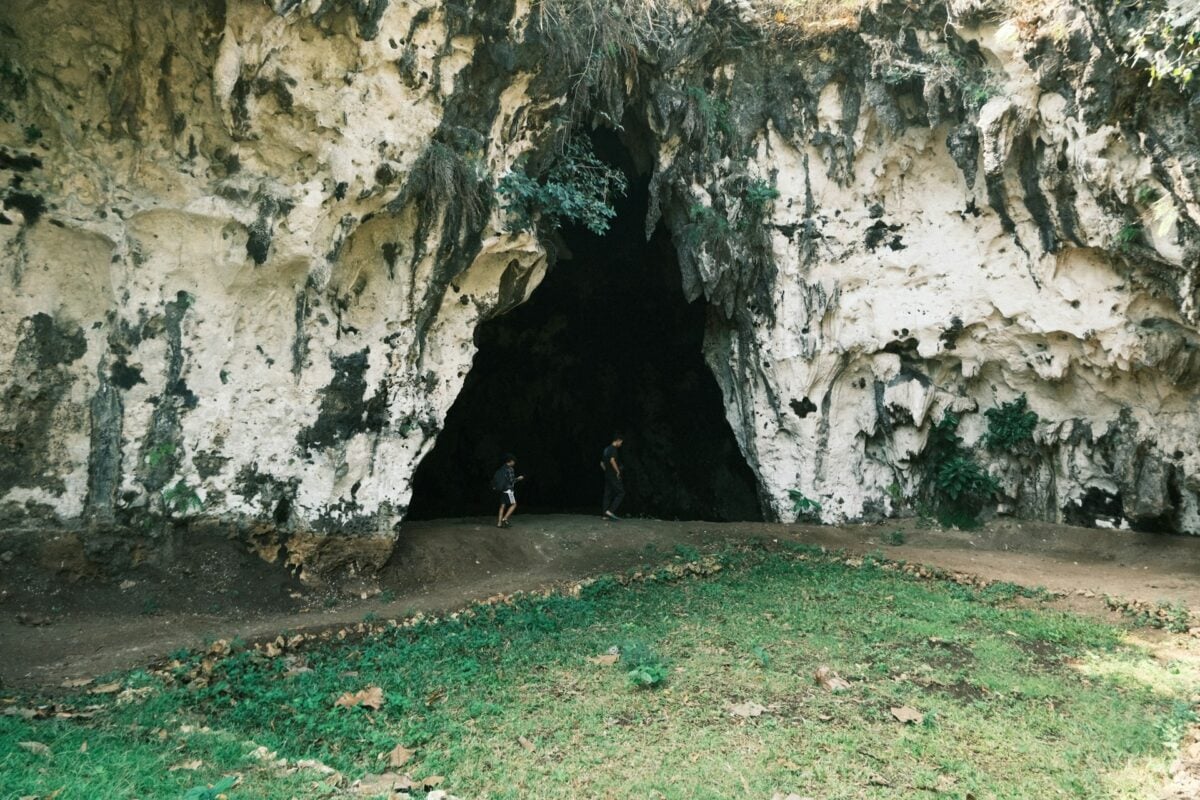
Movile Cave in Romania was sealed for approximately 5.5 million years until scientists accidentally broke into it in 1986. The discovery revealed unique ecosystems — blind spiders and transparent fish — that had evolved in complete isolation.
Researchers exploring the furthest chambers documented the cave’s geological formations and microbial life. While early reports suggested symbolic markings, subsequent scientific analysis confirmed these features were mineral formations and natural cave structures rather than intentional human carvings.
The cave’s true significance lies in its pristine ecosystem and what it reveals about adaptation in extreme isolation, not in prehistoric human activity.
The Waitomo Glowworm Cave Etchings
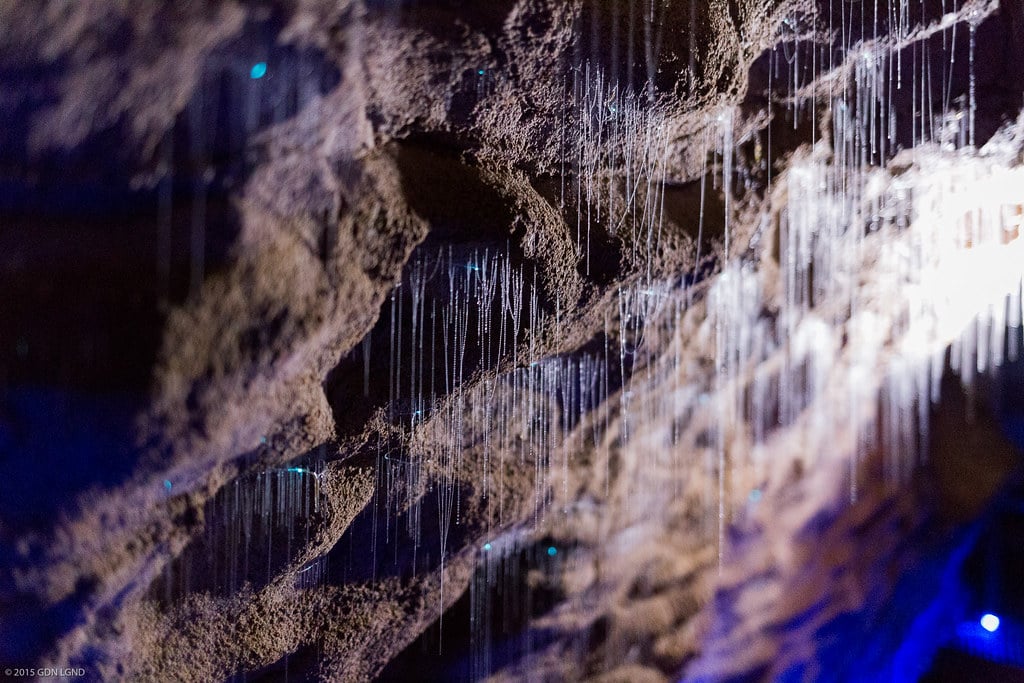
Ancient symbols in tourist destinations hide in plain sight, camouflaged by the spectacle everyone came to see. The glowworm displays in New Zealand’s Waitomo caves draw millions of visitors annually, but few notice the deliberate markings carved into walls just beyond the illuminated pathways.
These aren’t Maori in origin — they predate known indigenous settlement by centuries. The symbols feel like interrupted conversations, carved by hands that knew something we’ve forgotten.
They cluster in specific chambers where the acoustic properties amplify even whispered sounds, as if the location itself was chosen for its ability to carry meaning beyond the visual. Each mark was made with tools that left distinctive wear patterns, suggesting a consistency of purpose that spanned generations.
The Lechuguilla Cave Hieroglyphs
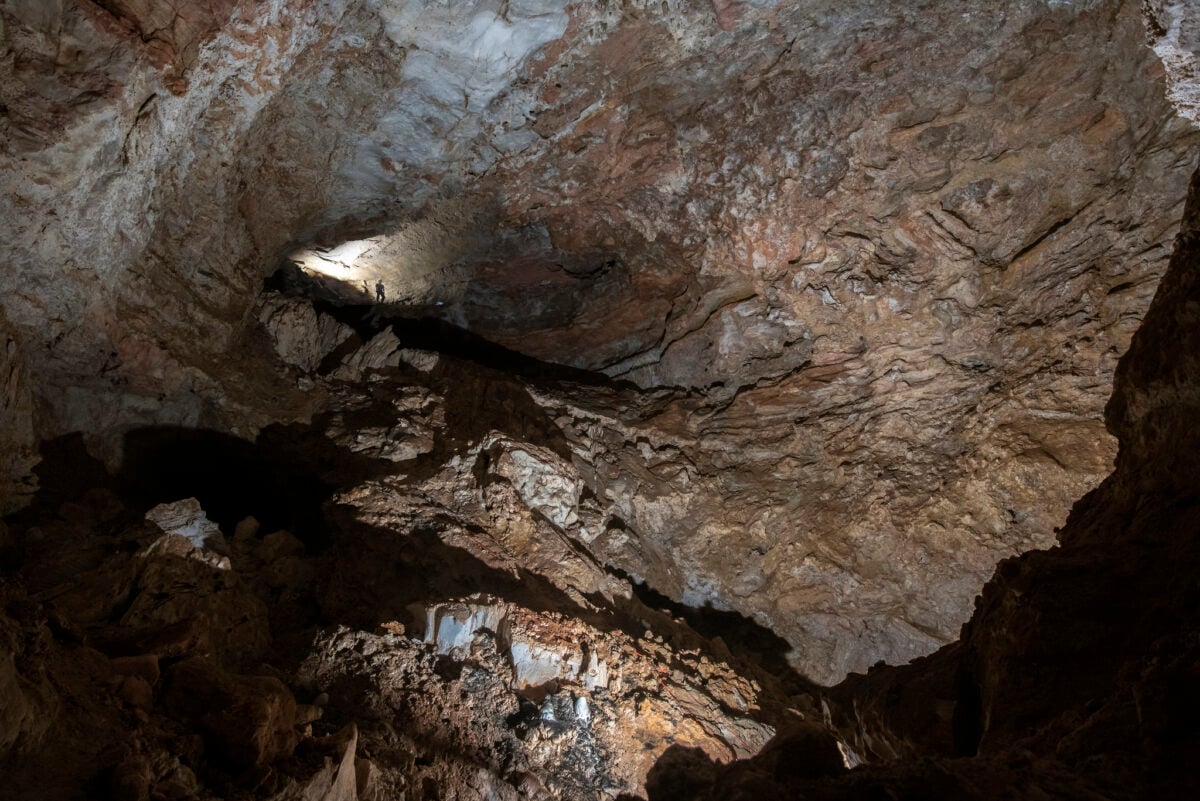
Ancient symbol systems in Lechuguilla Cave shouldn’t exist according to conventional timelines. The cave system in New Mexico remained sealed until 1986, protected by formations that take hundreds of thousands of years to develop.
Yet the symbols are there, carved with precision that suggests advanced planning rather than casual marking. The hieroglyphs appear in clusters throughout the deepest chambers, always positioned where they’d be visible to someone moving through the passages.
Which is saying something, considering these chambers were pitch black until cavers brought artificial light. Fair enough if ancient peoples somehow accessed these depths, but explaining how they navigated without leaving other archaeological evidence becomes considerably more challenging.
The Son Tra Cave Network
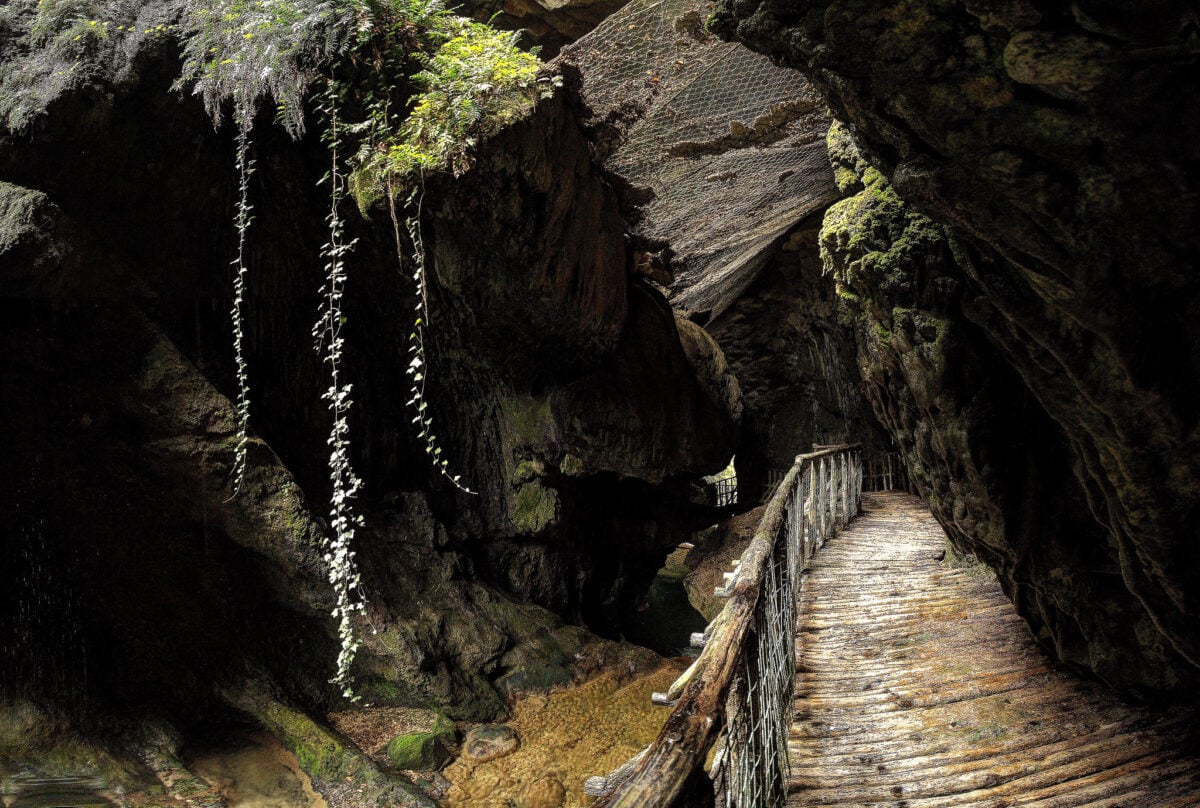
Vietnam’s Son Tra peninsula hides cave systems that contained symbols predating known human habitation of the region. The markings were discovered during military surveys in the 1990s, carved into walls in chambers that required technical climbing to reach.
The symbols show no relationship to known Vietnamese, Chinese, or Khmer writing systems — they exist independently, following their own internal logic.
The Postojna Cave Inscriptions
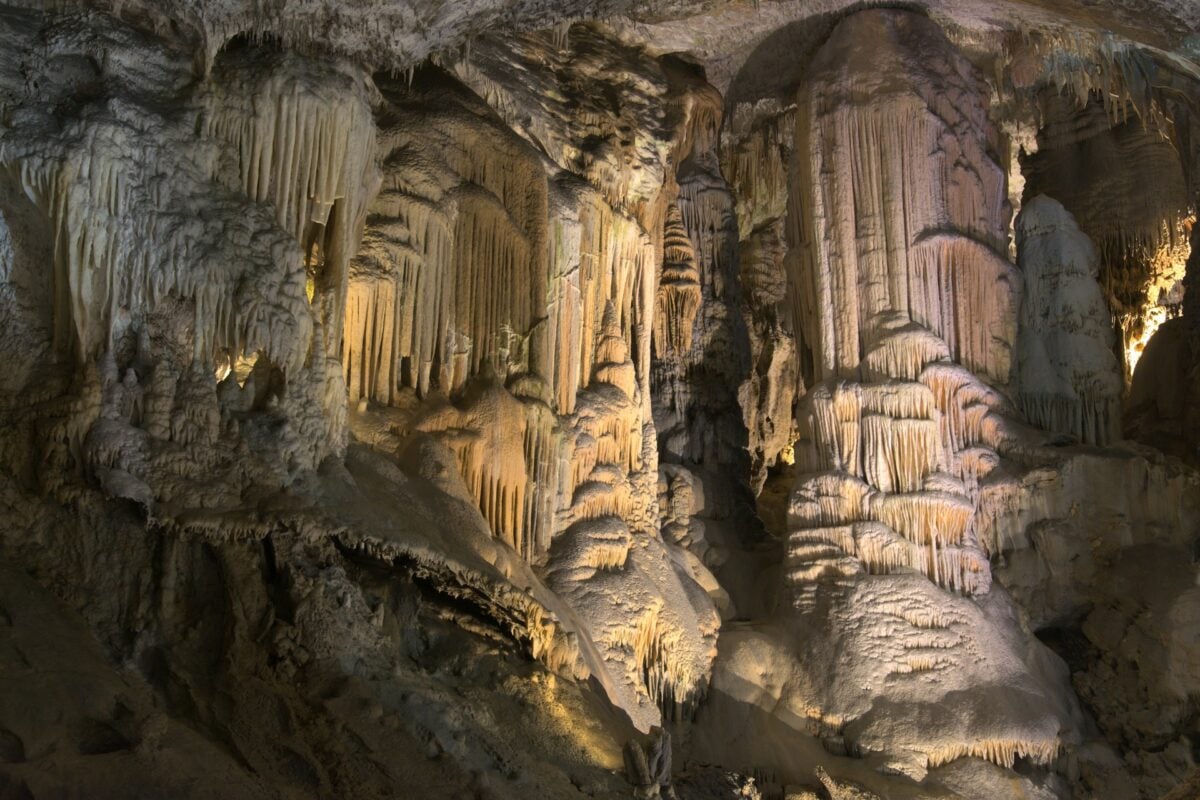
Postojna Cave in Slovenia has been a tourist destination since the 1800s, but the oldest symbols weren’t tourist graffiti. Deep in the restricted sections, researchers found carvings that predate the Roman presence in the region.
The symbols appear to be numeric, counting something with obsessive precision across multiple chamber walls. The consistency suggests institutional knowledge — not individual expression, but systematic record-keeping by people who understood mathematics well enough to maintain accuracy across vast underground distances.
These weren’t casual marks made by lost travelers; they were deliberate documentation of something considered important enough to carve in stone and preserve in darkness.
The Krubera Cave Depths
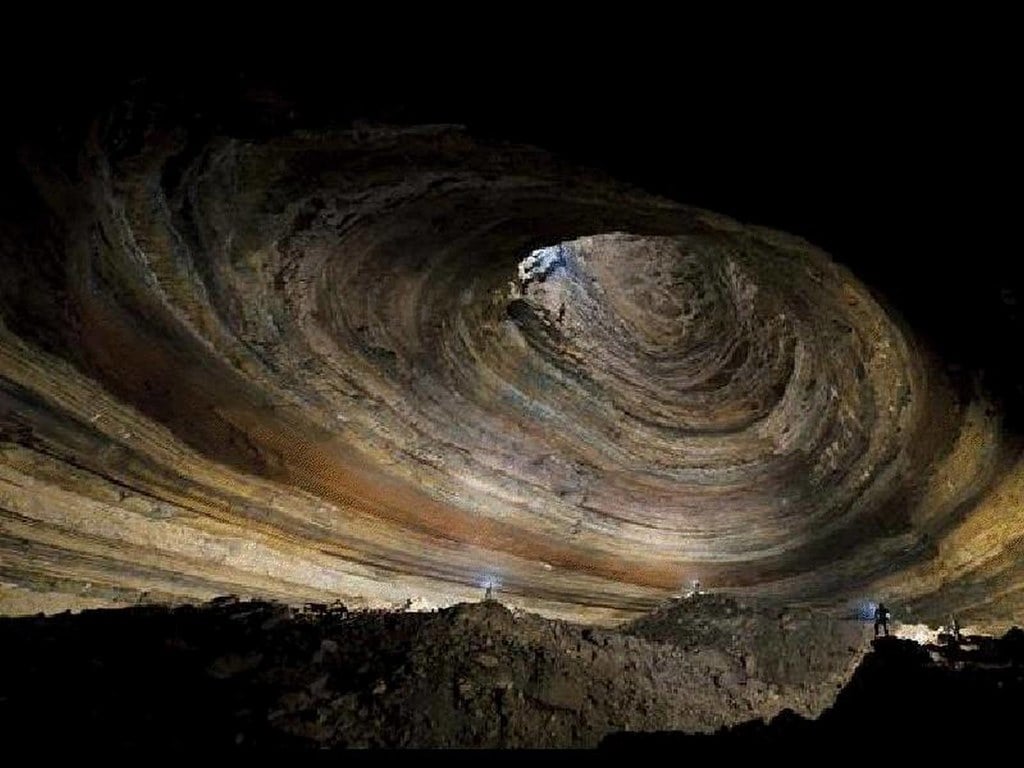
Krubera Cave in Georgia holds records as the world’s deepest known cave, plunging over 7,000 feet below the surface. The symbols found at extreme depths challenge basic assumptions about ancient human capabilities (and motivations for that matter, since reaching these depths requires modern technical equipment and considerable risk tolerance).
The markings cluster around underground rivers and pools, always positioned where fresh water was accessible to whoever was doing the carving. And yet the effort required to reach these locations with primitive tools and lighting would have been extraordinary — assuming it was possible at all, which remains an open question that conventional archaeology prefers not to address directly.
So the symbols remain where they were found: impossibly deep, impossibly old, impossibly precise in their execution. But the carvings are there regardless of how inconvenient they are to existing theories.
The Carlsbad Caverns Mystery
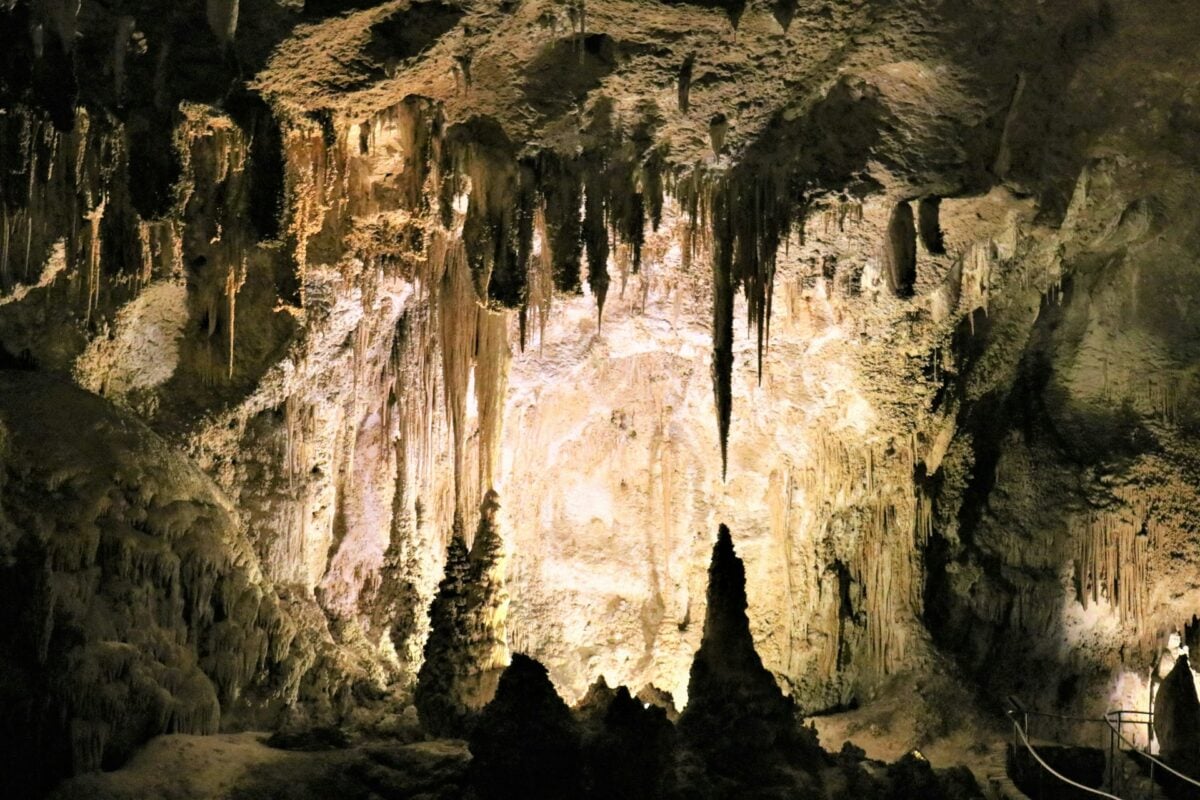
The famous bat exodus at Carlsbad Caverns in New Mexico draws crowds every evening, but the cave’s ancient symbols remain largely unknown to the public. These markings exist in chambers far from the main tourist routes, carved into walls that require specialized equipment to reach safely.
The symbols follow spiral patterns that mirror the flight paths bats have used for millennia.
The Mammoth Cave Astronomical Maps
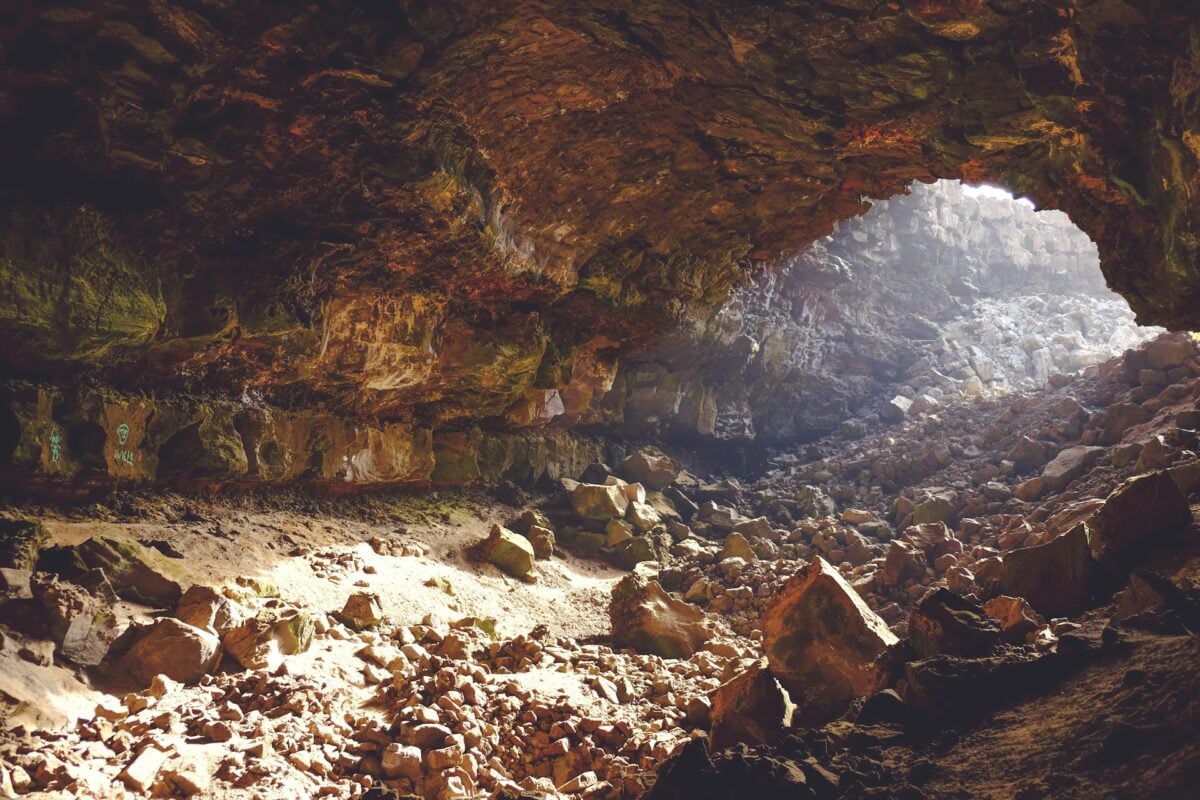
Mammoth Cave in Kentucky contains the longest known cave system in the world, with over 400 mapped passages stretching underground. Hidden within these passages are symbol clusters that appear to map astronomical events — star positions, lunar cycles, seasonal changes — carved by people who somehow correlated surface observations with underground locations.
The precision of these astronomical references suggests sophisticated understanding of celestial mechanics by cultures that weren’t supposed to possess such knowledge. The symbols track equinoxes and solstices with mathematical accuracy that rivals modern calculations, carved into chamber walls where sunlight never penetrated and seasonal changes would be imperceptible to underground observers.
The Clearwater Cave Chronicles
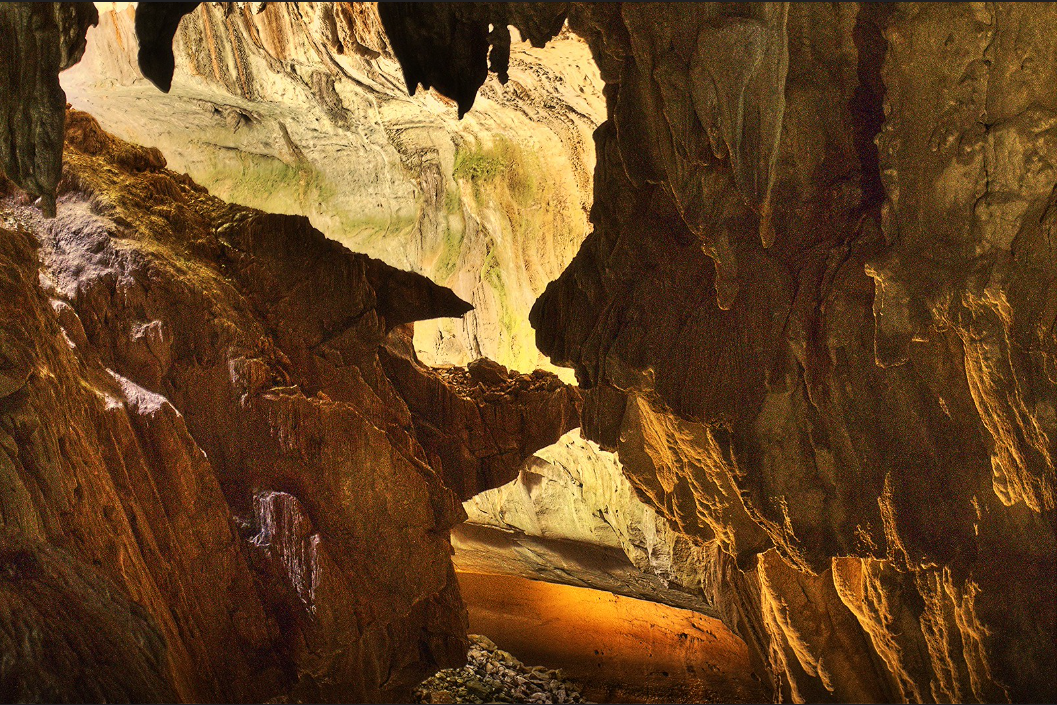
Malaysia’s Clearwater Cave system, part of the Mulu cave network, contains symbols that document what appears to be historical events spanning centuries. The markings follow consistent stylistic rules and seem to record significant occurrences through standardized pictographic systems.
The symbols progress chronologically through different chambers, suggesting long-term use as a record-keeping location.
The Wind Cave Sacred Geometry
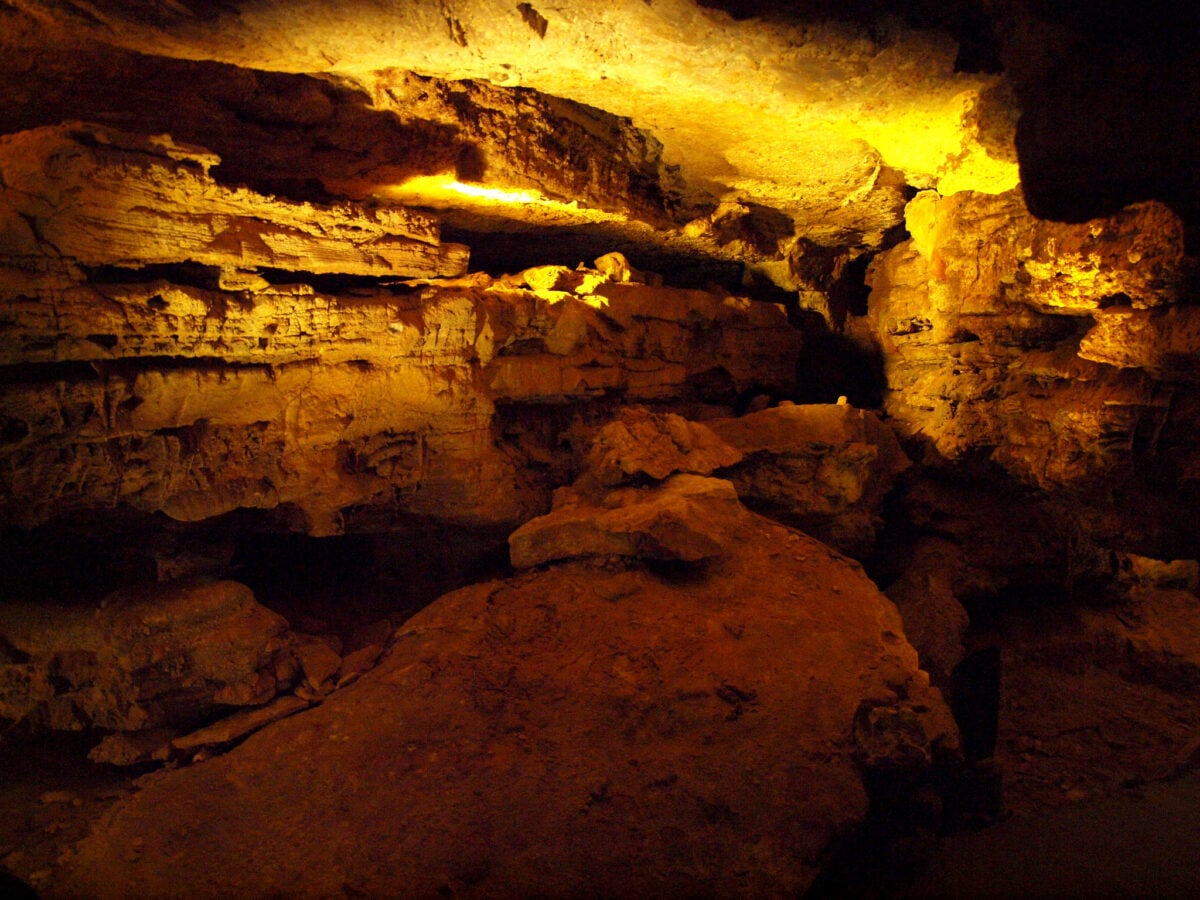
Wind Cave in South Dakota, sacred to the Lakota people, contains pre-Columbian symbols that demonstrate advanced geometric understanding. The carvings use precise mathematical ratios and proportional relationships that create complex patterns across multiple chamber walls.
These weren’t decorative additions — they were calculated constructions that required planning and measurement tools. The sacred geometry appears to serve ritual purposes, but the mathematical sophistication suggests educational functions as well.
The symbols could have been teaching tools, preserving mathematical knowledge in permanent form for future generations who understood the symbolic language.
The Jenolan Caves Time Markers
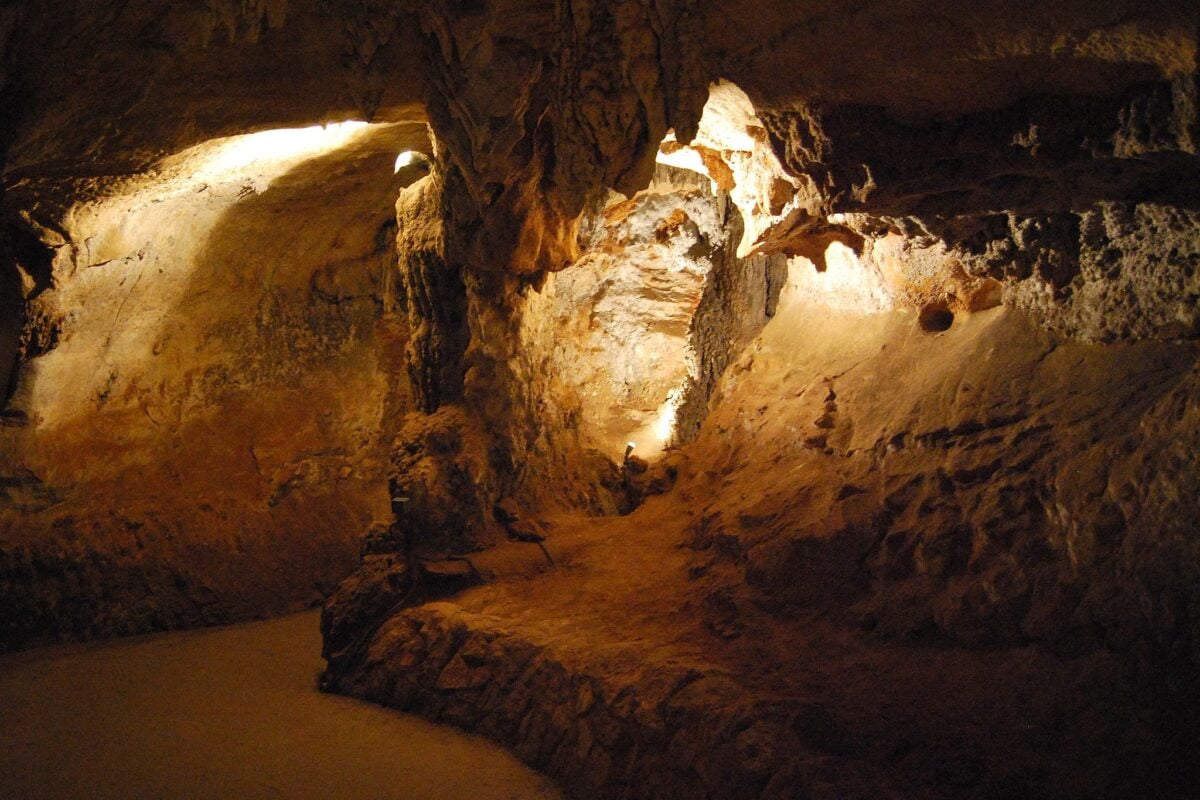
Australia’s Jenolan Caves contain some of the continent’s oldest known human markings, predating Aboriginal oral histories by significant margins. The symbols appear to function as temporal markers, documenting cycles and changes over extended periods.
The consistency of the marking system suggests institutional preservation of knowledge across generations.
The Aggtelek Cave Archive
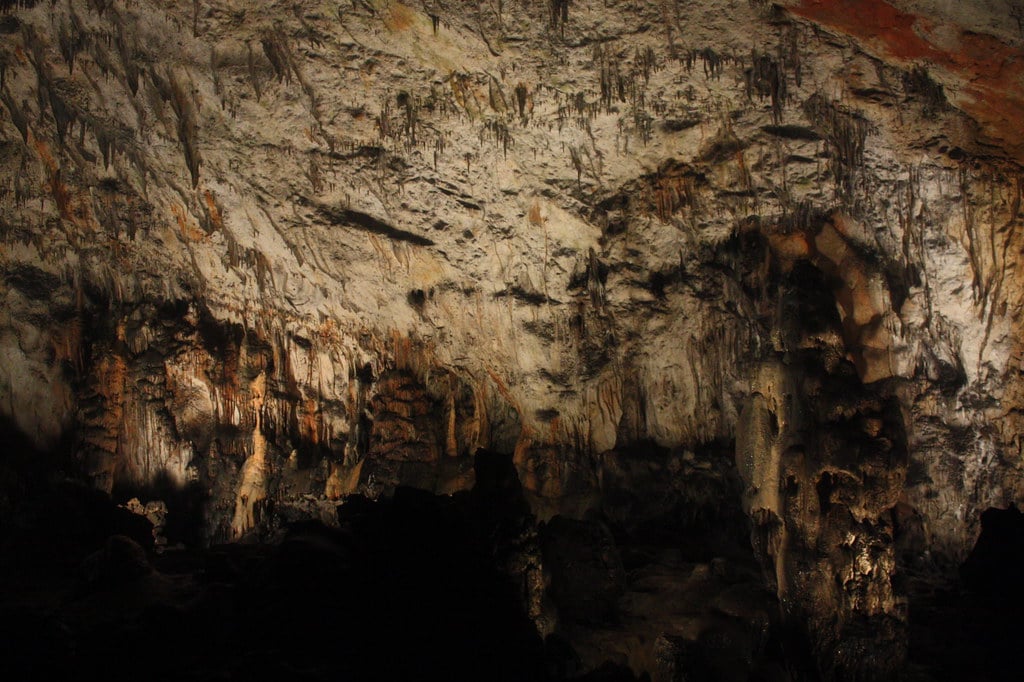
Hungary’s Aggtelek Cave system contains symbols that function as a prehistoric archive, documenting information through standardized marking systems that span multiple chambers. The symbols show evidence of systematic organization — different types of information carved in designated locations following consistent rules.
The archive appears to preserve technical knowledge: construction methods, agricultural techniques, astronomical observations, mathematical calculations. The level of organization suggests these caves served as libraries, preserving essential information in permanent form for societies that lacked written language systems.
Echoes in Stone
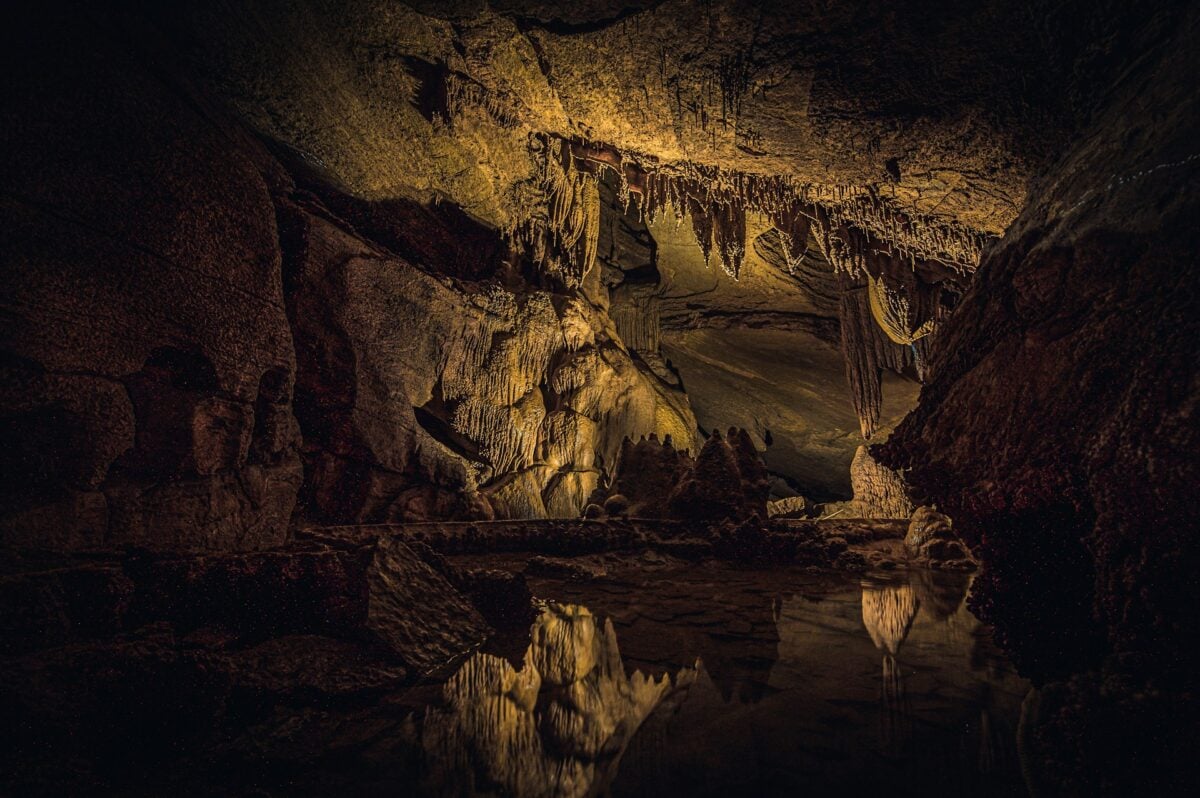
These symbols speak across millennia from chambers where human voices once carried meaning through darkness. They represent knowledge systems we’re only beginning to understand, carved by people who considered the information important enough to preserve in stone and hide in the deepest places they could reach.
The effort required to create these markings — to transport tools and lighting into remote underground chambers — suggests dedication to preservation that transcends casual documentation. The symbols wait in darkness, holding conversations we haven’t learned to join yet.
More from Go2Tutors!

- The Romanov Crown Jewels and Their Tragic Fate
- 13 Historical Mysteries That Science Still Can’t Solve
- Famous Hoaxes That Fooled the World for Years
- 15 Child Stars with Tragic Adult Lives
- 16 Famous Jewelry Pieces in History
Like Go2Tutors’s content? Follow us on MSN.