15 Inventions That Almost Never Happened
Sometimes the most revolutionary ideas come within a whisker of never existing at all. A single “no” from an investor, a moment of doubt from an inventor, or just plain bad timing — and the world would look completely different today.
These aren’t stories about overnight success or brilliant eureka moments. These are tales of persistence against impossible odds, of ideas that nearly died before they could change everything.
The Post-it Note

Spencer Silver spent five years trying to convince someone at 3M that his weak adhesive had value. Nobody wanted glue that barely stuck.
The company saw it as a failed attempt at creating a super-strong adhesive, which is exactly what it was. Silver kept pitching it anyway, convinced that “removable adhesive” wasn’t an oxymoron but an opportunity.
Art Fry finally saw the potential when he needed bookmarks that wouldn’t fall out of his hymnal during choir practice. Even then, it took four more years of internal lobbying before 3M agreed to test-market the product.
The initial launch flopped. People didn’t understand what Post-it Notes were for until 3M started giving them away for free.
Velcro
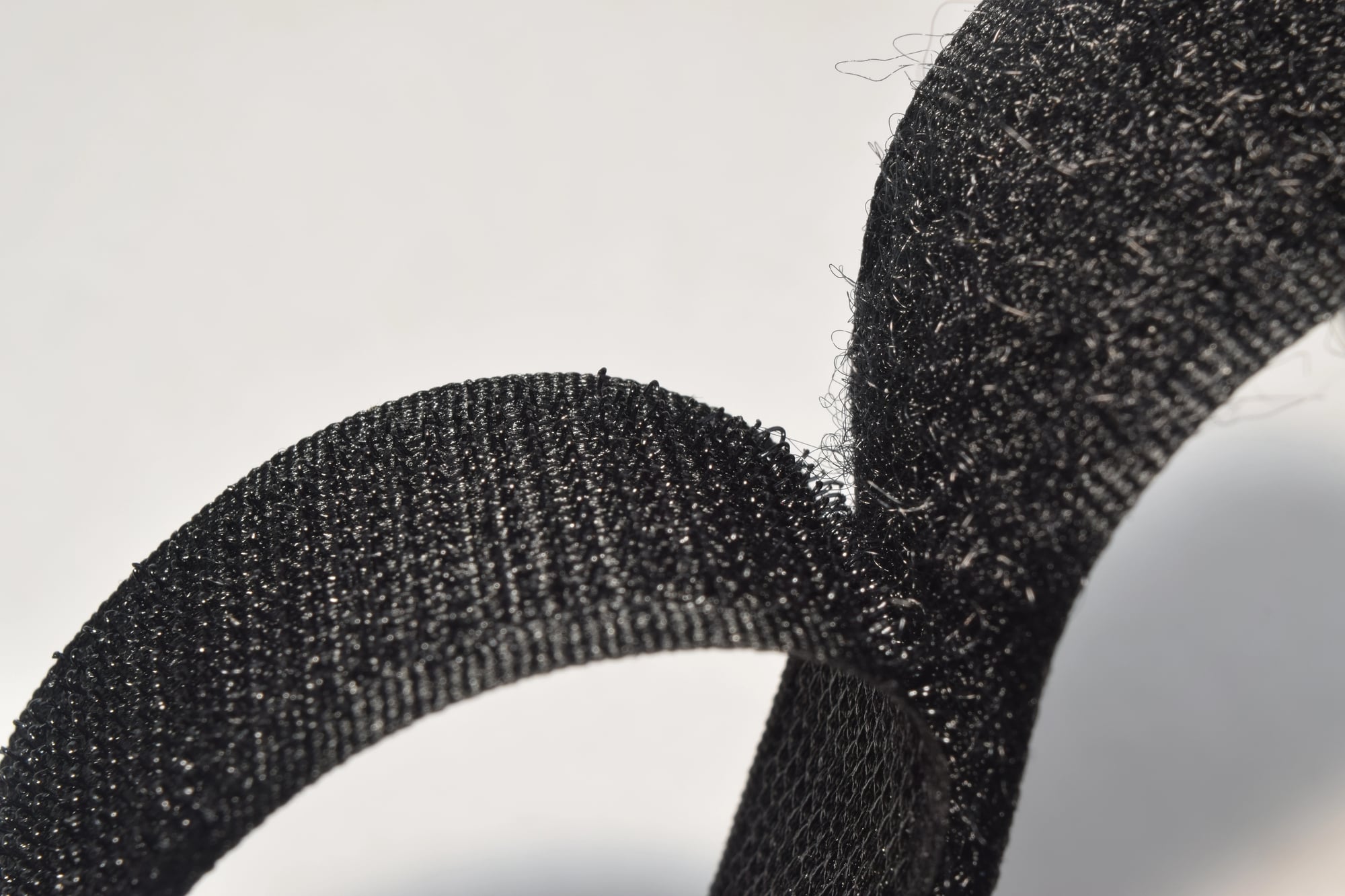
George de Mestral came back from a hunting trip in 1941 covered in burrs, and instead of just picking them off, he got curious. Under a microscope, he saw tiny hooks that grabbed onto the loops in fabric.
Brilliant insight, terrible timing. World War II put everything on hold.
When de Mestral finally got back to his idea after the war, textile manufacturers thought he was wasting their time — why would anyone want fabric that stuck to itself?
It took him eight years to find someone willing to help him develop the concept, and even longer to figure out how to mass-produce it. NASA eventually made Velcro famous by using it in the space program, but de Mestral had been trying to give the idea away for over a decade.
The Microwave Oven
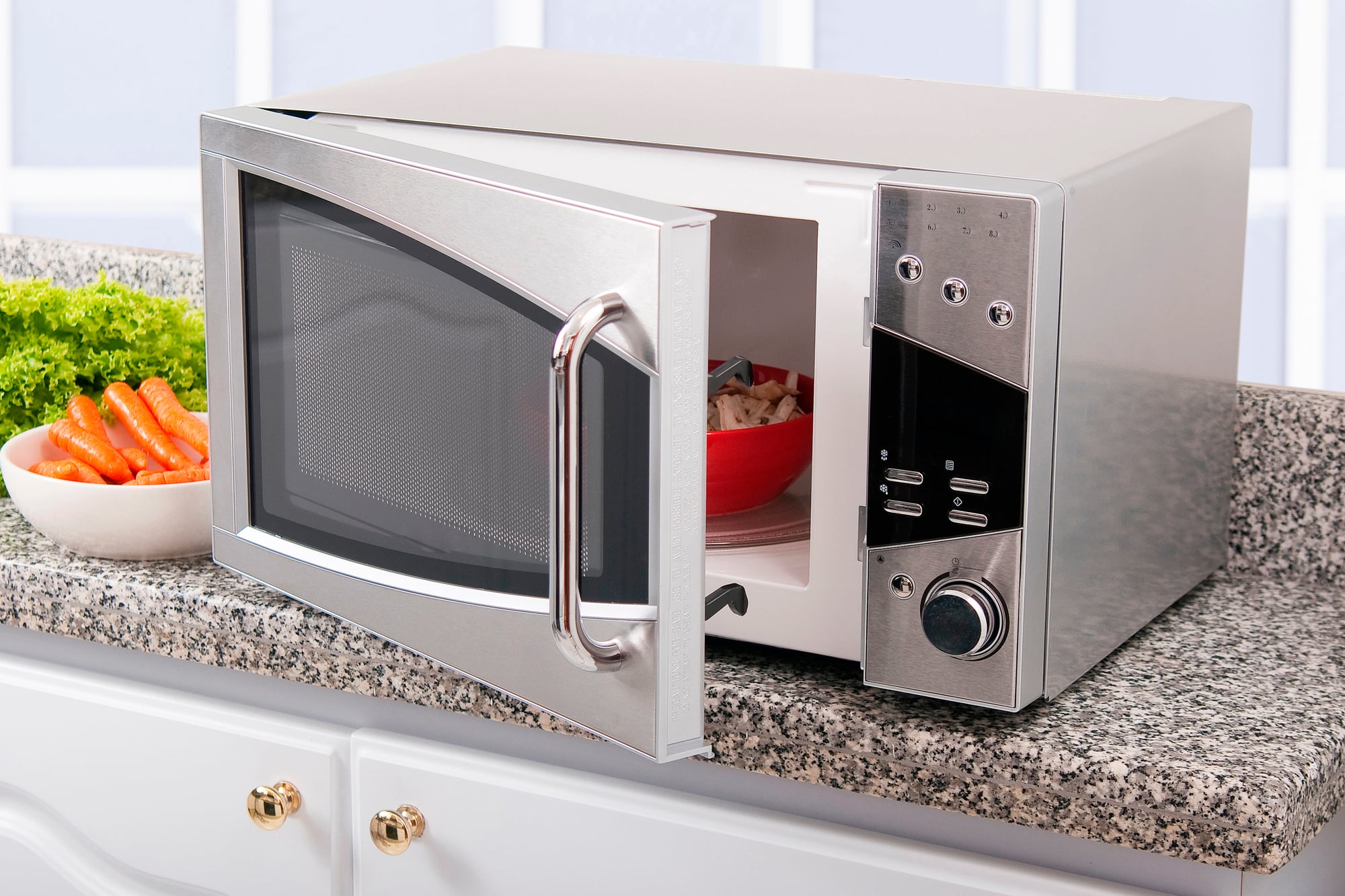
Percy Spencer was testing a military radar system when he noticed the chocolate bar in his pocket had melted. Most people would have cursed the ruined candy and moved on.
Spencer grabbed some popcorn kernels.
But here’s the thing about accidental discoveries: they only matter if someone recognizes their significance (which Spencer did) and if the timing is right (which it wasn’t). Raytheon built the first microwave oven in 1947 — it was six feet tall, weighed 750 pounds, and cost $5,000.
Restaurants wouldn’t buy it because it was too expensive and complicated. Home cooks were terrified of radar waves in their kitchens.
And the food industry had spent decades convincing people that proper cooking took time and skill — why would anyone want to heat food in 30 seconds?
It took 20 years of redesign and price cuts before microwaves became common, which means Spencer’s moment of curiosity in 1945 didn’t actually change how people cooked until the mid-1960s.
So often, the gap between a brilliant insight and its acceptance is measured not in months but in decades, not in immediate recognition but in stubborn persistence against a world that isn’t ready for the idea yet.
Super Glue
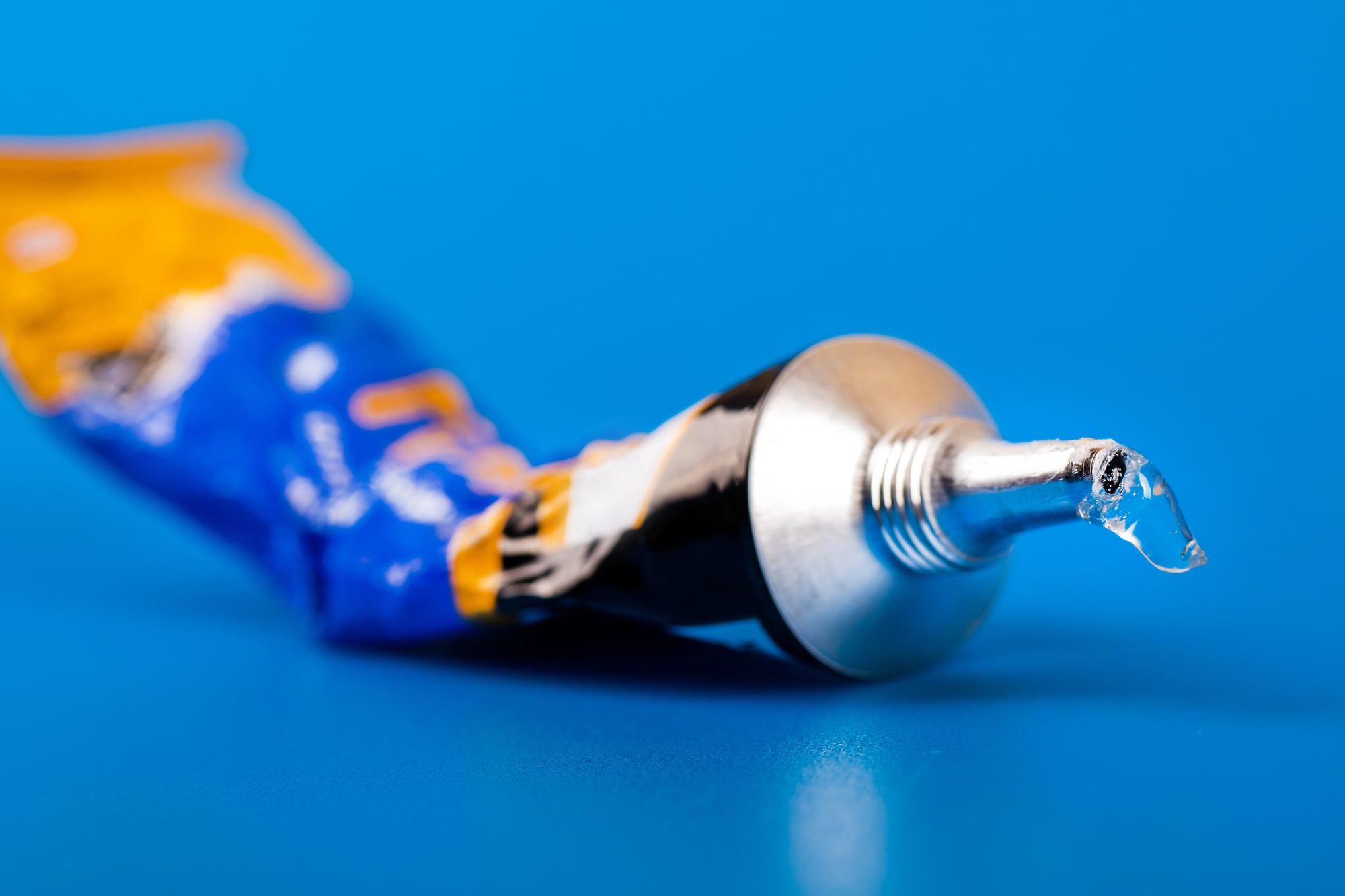
Super Glue is the perfect metaphor for innovation. Permanent, immediate, and born from someone trying to solve a completely different problem.
Harry Coover was developing clear plastic gun sights during World War II when he stumbled onto cyanoacrylate. The stuff stuck to everything it touched, ruined his equipment, and made his project impossible to complete.
Coover shelved it as a failed experiment. Nine years later, he was working on heat-resistant jet canopies when he rediscovered the same compound.
This time, instead of seeing it as a problem, he saw it as a solution to a different question entirely.
The Slinky
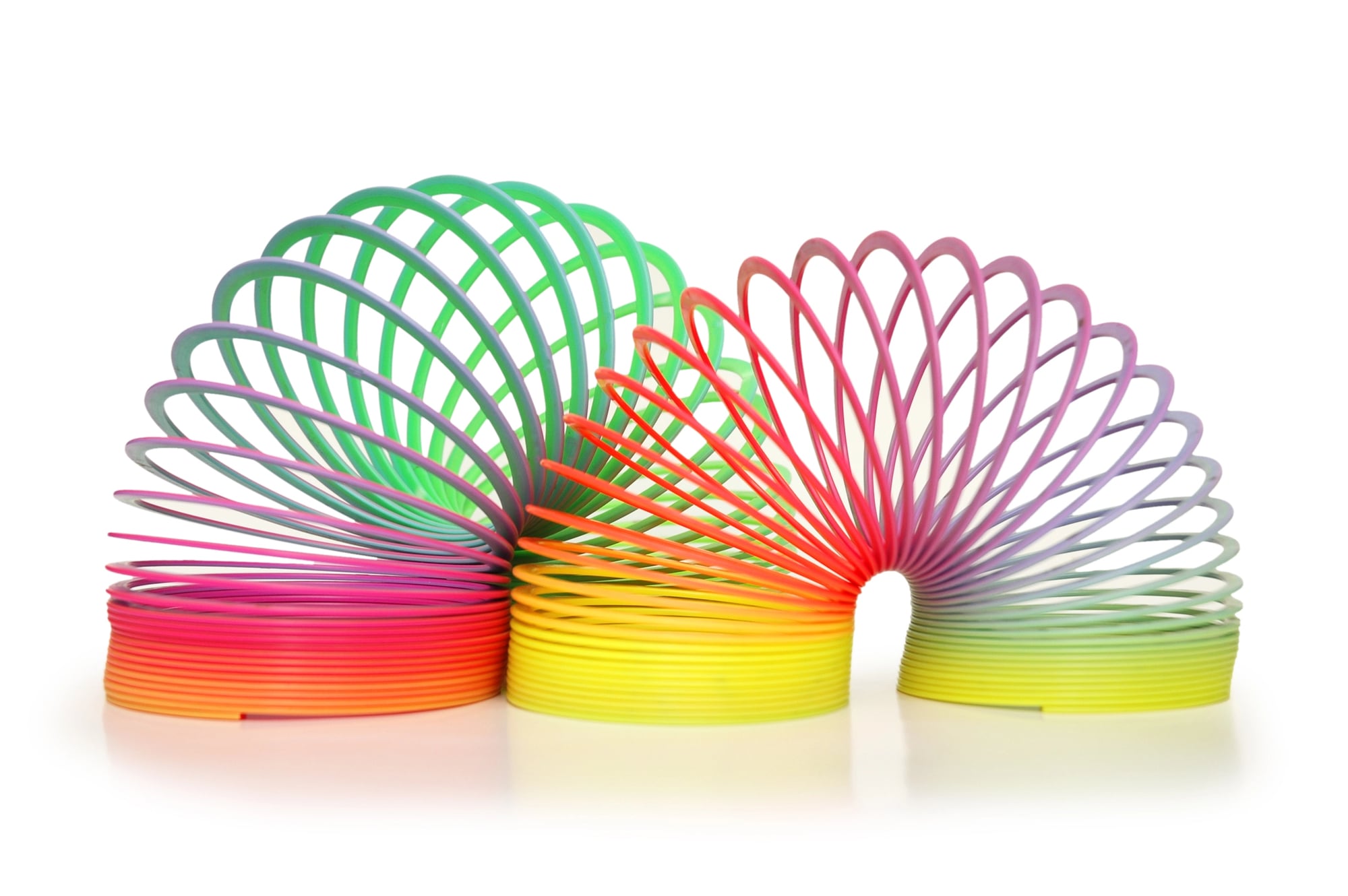
Richard James was working on springs to stabilize sensitive ship equipment when one fell off his desk. Instead of hitting the ground and staying there, it “walked” down a stack of books, step by step.
His wife Betty thought he was ridiculous for getting excited about a fallen spring.
The first toy store that agreed to carry the Slinky nearly canceled the order when early sales were dismal. James had to go to the store himself and demonstrate the toy to get people interested.
Even then, success was hardly guaranteed — James eventually abandoned the company to join a religious cult, leaving Betty to run the business alone for decades.
Bubble Wrap
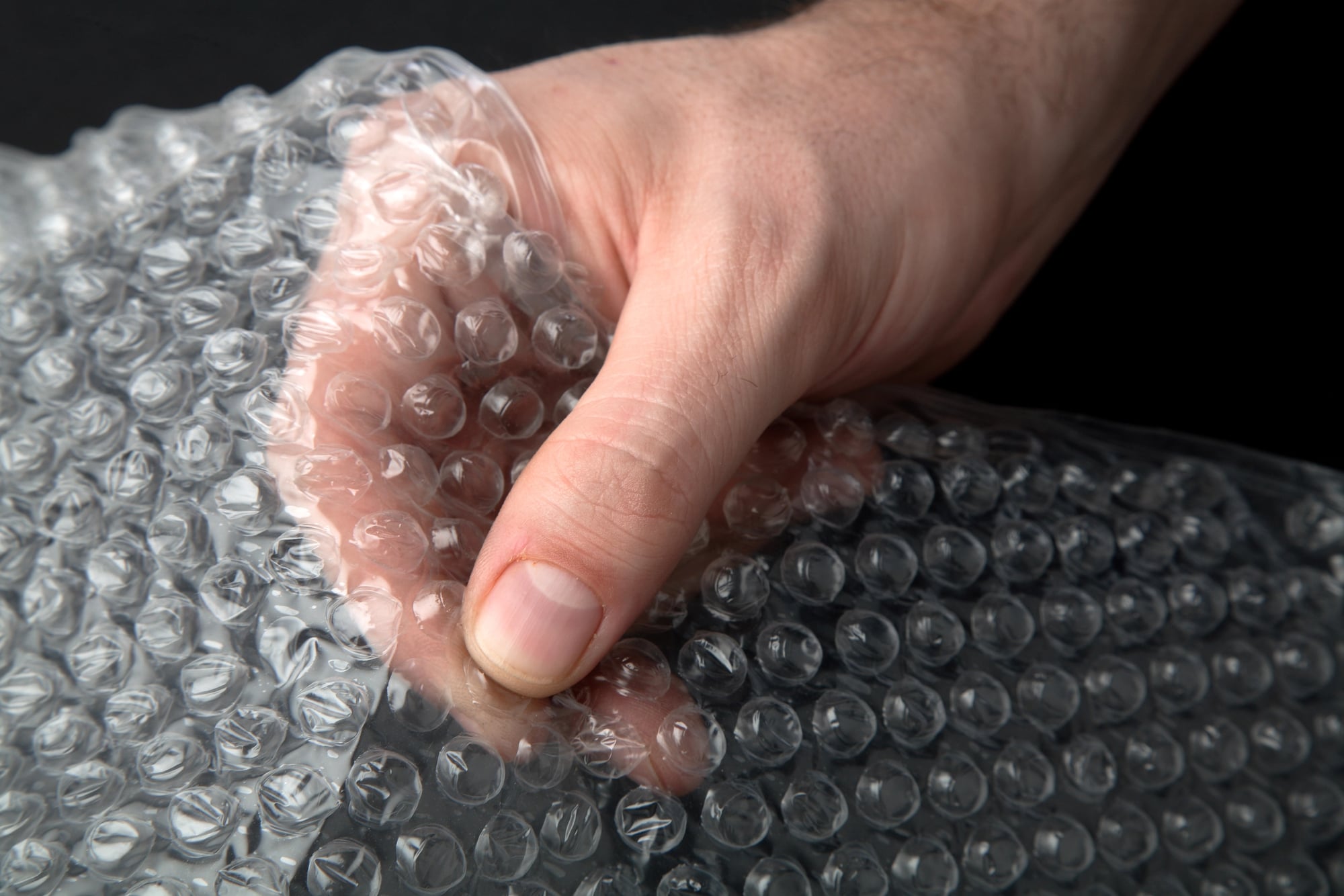
Bubble Wrap exists because two engineers couldn’t make wallpaper work. Alfred Fielding and Marc Chavannes were trying to create textured wall coverings by sealing shower curtains together (which sounds like a terrible idea for wallpaper when you think about it).
The result was sheets of plastic with air bubbles trapped inside, and nobody wanted to put it on their walls. Shocking.
They tried marketing it as greenhouse insulation. That didn’t work either.
Finally, IBM started using it to ship computers, and Fielding and Chavannes accidentally stumbled into the packaging industry.
Sometimes the best ideas succeed not because you find the right solution, but because you finally find the right problem.
Kevlar
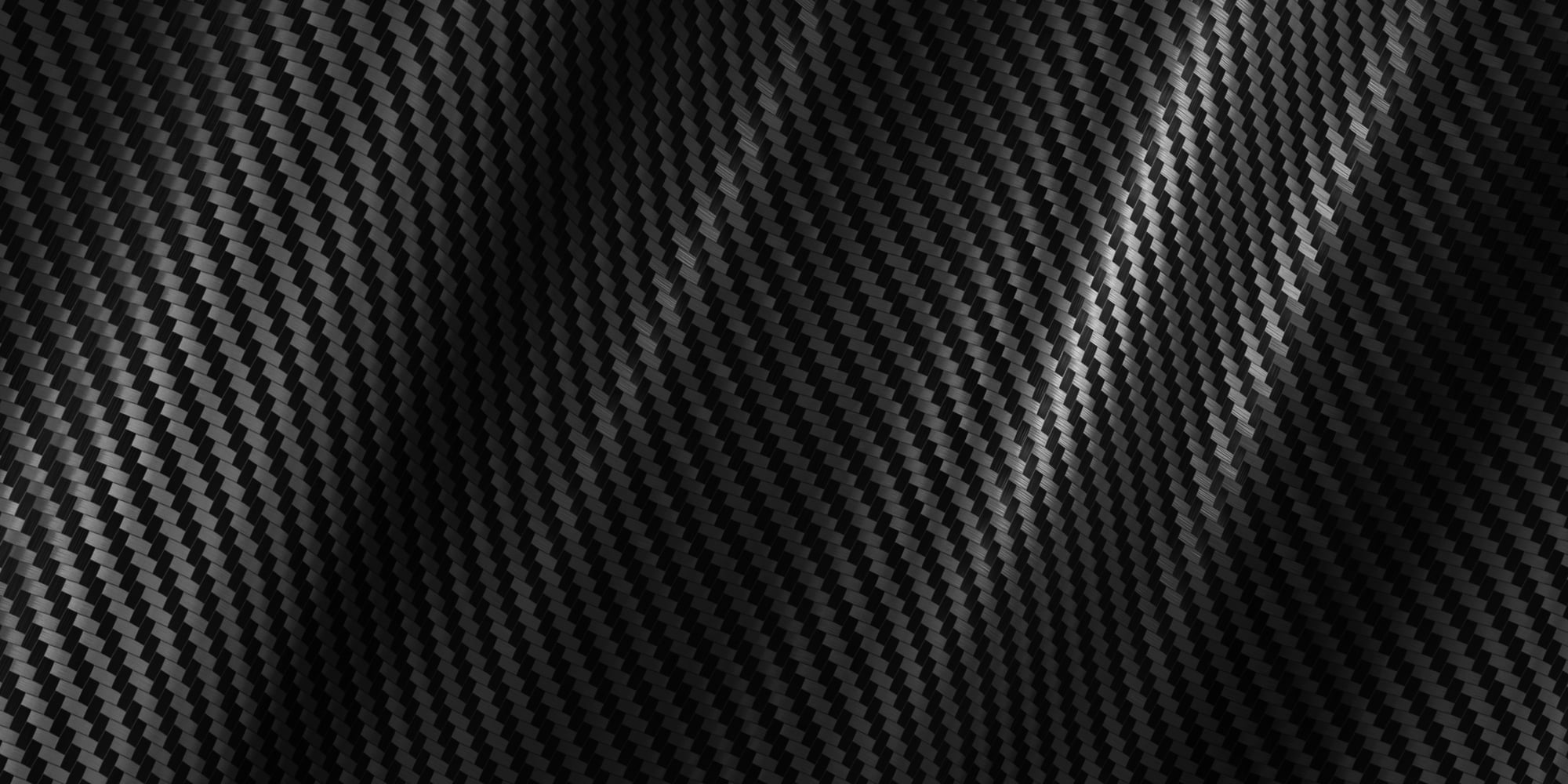
Stephanie Kwolek was researching lightweight fibers for tires when she created a solution that looked like cloudy, thin soup — exactly the kind of batch that chemists typically throw away and start over (which is what her colleagues advised her to do).
But something about the solution seemed different, so instead of discarding it, she decided to spin it anyway, despite protests from the technician who didn’t want to risk clogging the expensive equipment.
The resulting fiber was stronger than steel by weight, though it would take years before anyone figured out what to do with it.
DuPont had invented one of the most important materials of the 20th century, but finding applications for it — bulletproof vests, cut-resistant gloves, suspension bridge cables — required an entirely separate round of innovation.
And Kwolek’s colleagues had been perfectly willing to pour the whole thing down the drain because it didn’t look right. Which really makes you wonder what other breakthroughs have been discarded because they didn’t match expectations.
The Pacemaker
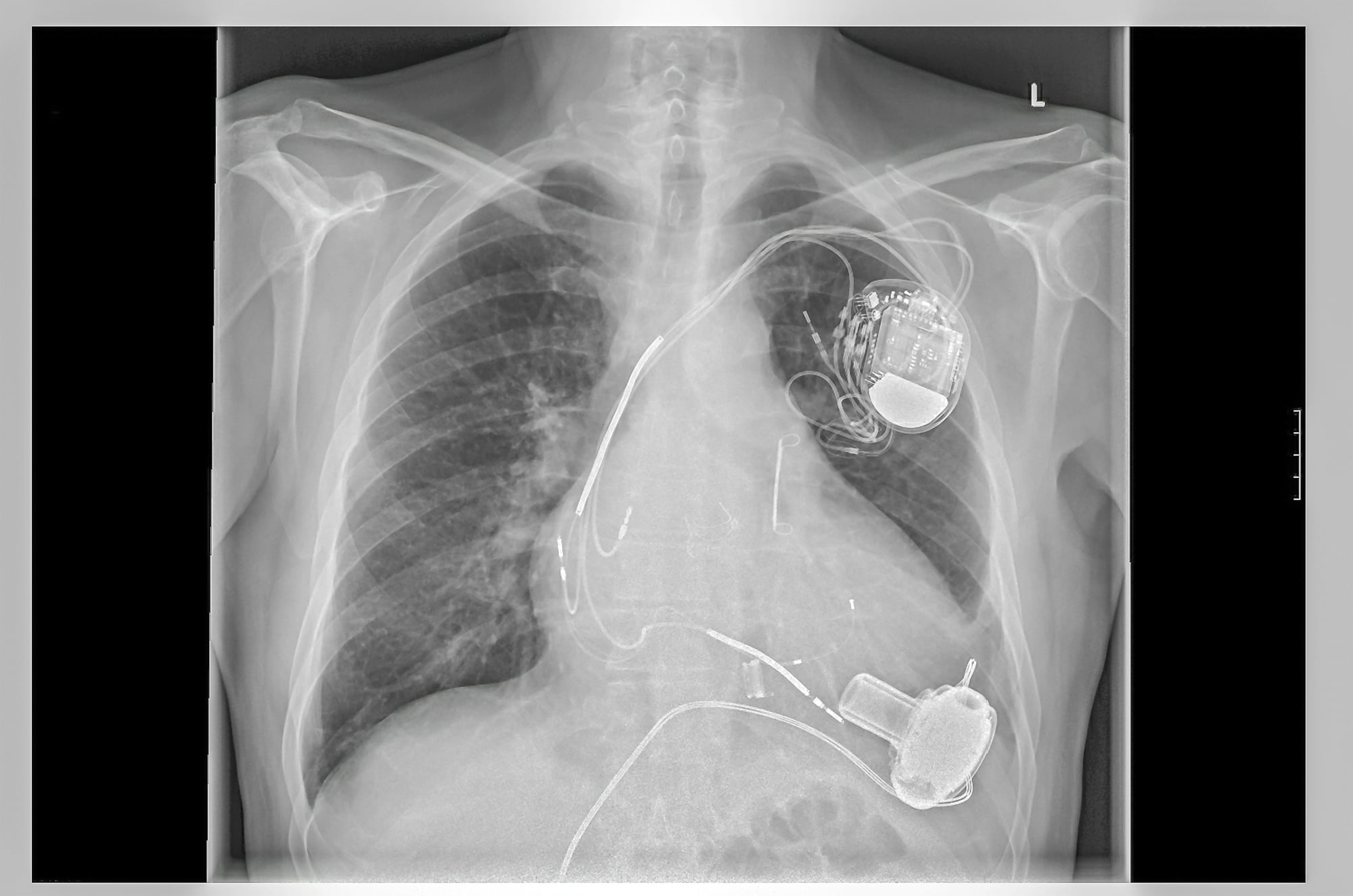
Wilson Greatbatch was building a heart rhythm recording device when he grabbed the wrong resistor from his parts box. The circuit he accidentally created produced electrical pulses instead of recording them.
Most engineers would have corrected the mistake and continued with their original project.
Greatbatch realized he was holding something that could regulate a heartbeat. Even so, it took him two years to build a working prototype and another decade to develop a battery that could power the device reliably inside the human body.
The first pacemakers had to be plugged into wall outlets, which limited their usefulness somewhat.
Teflon
Roy Plunkett was trying to develop a new refrigerant gas in 1938 when he opened a pressurized tank that should have been full of gas but appeared empty.
Instead of assuming the gas had leaked out, he cut open the tank.
Inside was a white, waxy substance that had somehow polymerized under pressure.
The new material was chemically inert, had an incredibly low friction coefficient, and could withstand extreme temperatures. It was also completely useless for refrigeration, which was the whole point of Plunkett’s research.
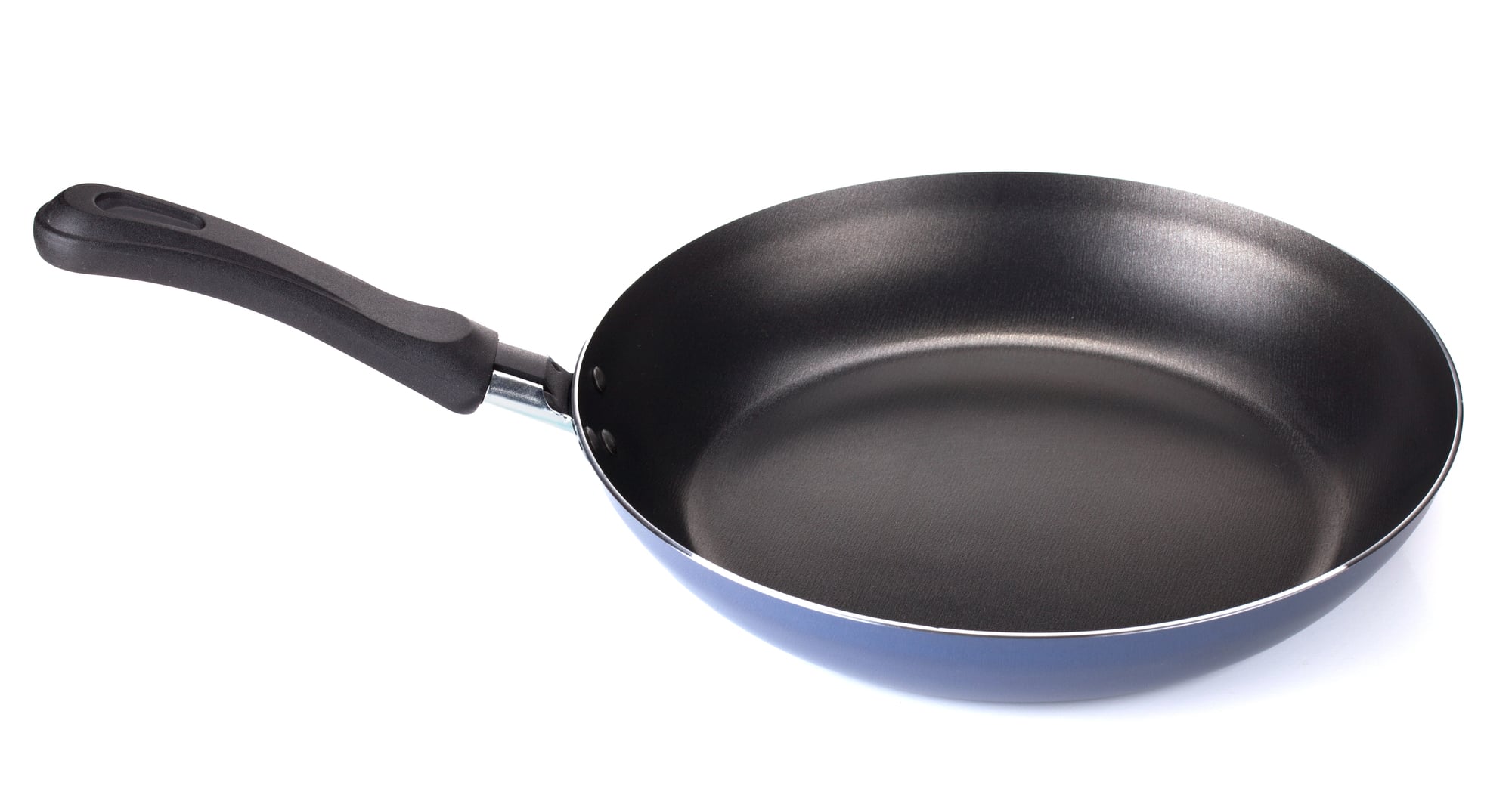
DuPont patented it but had no idea what to do with it. The military used Teflon in the Manhattan Project, but it didn’t reach consumer kitchens until the 1960s — and even then, early Teflon pans were so expensive that most people couldn’t afford them.
Safety Glass

Édouard Bénédictus knocked a glass flask off his lab bench in 1903. The flask shattered but held together instead of scattering sharp pieces everywhere.
Bénédictus discovered that the flask had contained cellulose nitrate, which had evaporated and left a thin plastic film coating the inside of the glass.
He patented safety glass in 1909, convinced it would revolutionize the automotive industry. Car manufacturers ignored it completely.
Safety glass was more expensive than regular glass, and early cars were already expensive enough.
It wasn’t until World War I, when gas mask lenses needed to be shatterproof, that anyone paid attention to Bénédictus’s invention. Windshields didn’t become standard until the 1930s.
The Popsicle

Eleven-year-old Frank Epperson left a cup of soda powder mixed with water on his porch overnight in 1923. The temperature dropped, the mixture froze with the stirring stick still in it, and Epperson had accidentally invented the Popsicle.
He called it the “Epsicle” and patented the idea in 1924 — one year later.
By then, Epperson was an adult with kids of his own, who convinced him that “Popsicle” sounded better than “Epsicle.”
Even with the patent, Epperson struggled financially and eventually sold his rights to the Joe Lowe Company.
Sometimes being first doesn’t matter if you can’t figure out how to scale the idea or if you’re not in the right position to capitalize on it.
Silly Putty
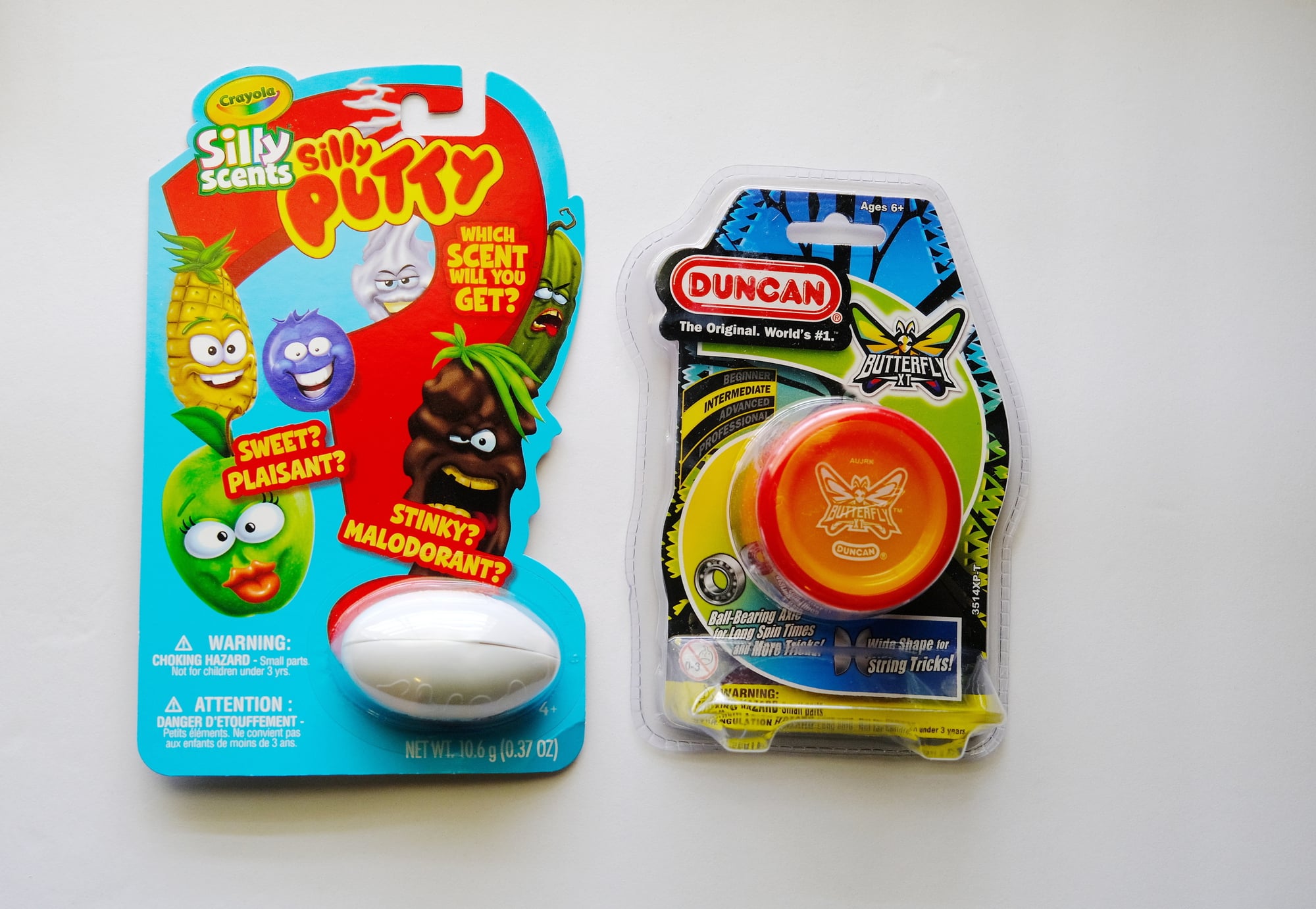
James Wright was trying to develop synthetic rubber during World War II when he mixed boric acid with silicone oil.
The result bounced, stretched, and copied text from newspapers, but it was useless as rubber.
General Electric sent samples to engineers around the world, asking if anyone could find a practical application. Nobody could.
Six years later, a toy store owner named Ruth Fallgatter saw Wright’s “nutty putty” at a party and thought kids might like it.
She started selling it in plastic eggs, and it became one of the most popular toys of the 1950s.
The same substance that couldn’t solve any serious engineering problems turned out to be perfect for something nobody had been trying to create.
X-rays

Wilhelm Röntgen was experimenting with cathode rays in 1895 when he noticed that a fluorescent screen across his lab was glowing, even though it was too far away to be affected by the cathodes and was blocked by cardboard.
Instead of ignoring the anomaly, Röntgen spent weeks figuring out what was causing it.
He discovered that cathode ray tubes produced invisible radiation that could pass through most materials.
When he placed his wife’s hand between the tube and a photographic plate, he created the first X-ray image — showing her bones and wedding ring in startling detail.
Medical professionals were initially skeptical of X-rays, partly because they couldn’t understand how they worked and partly because the idea of seeing inside living bodies seemed too fantastical to be real.
Scotchgard
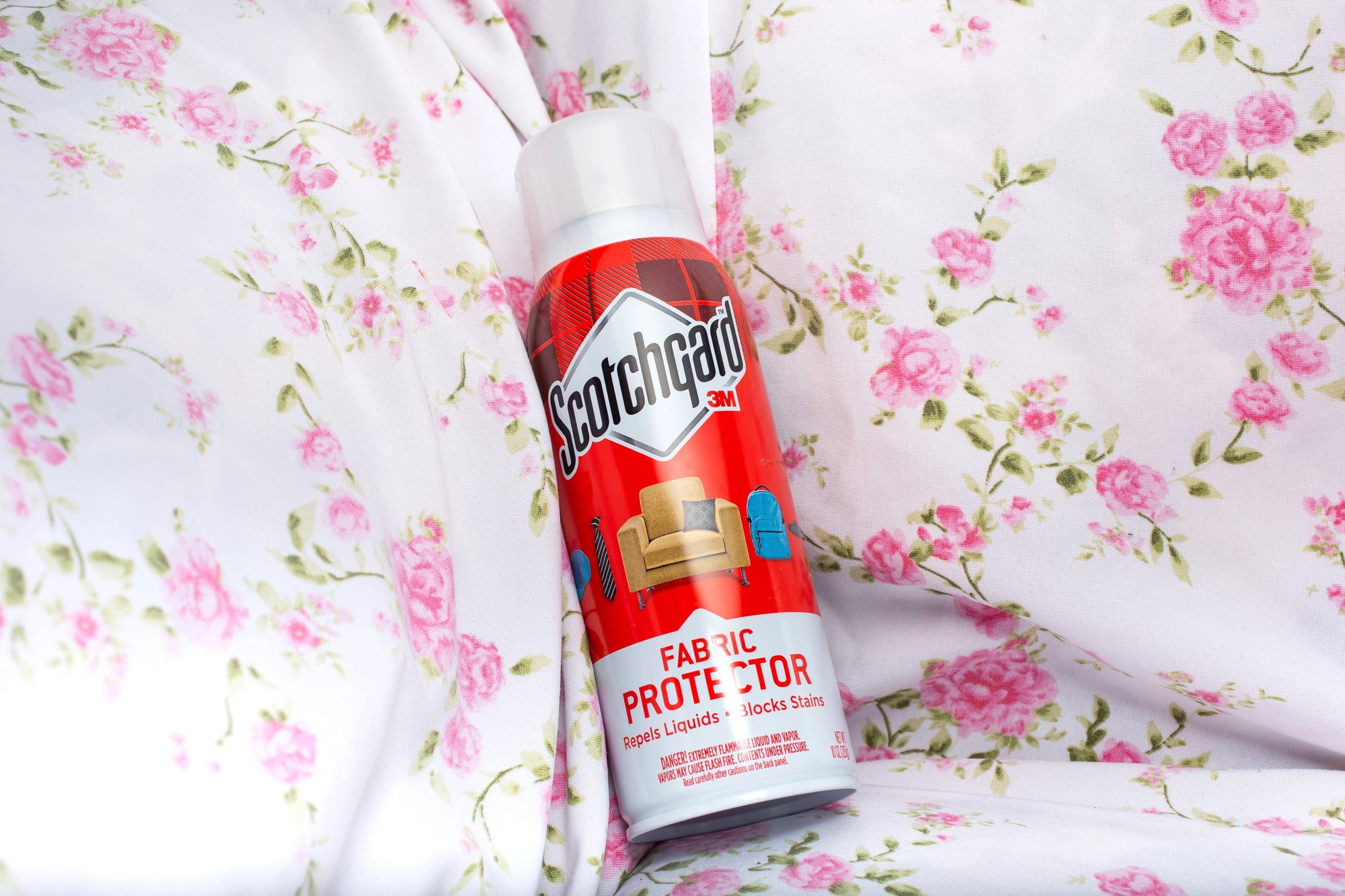
Patsy Sherman was working on fluorochemical compounds for 3M when a lab assistant accidentally spilled some of the mixture on her tennis shoe.
They tried to clean it off with soap, water, alcohol, and other solvents, but nothing worked.
The treated area of the shoe also repelled dirt and stains while the rest of the shoe got progressively dirtier.
Sherman realized she had created a fabric protector, but convincing 3M to develop it as a commercial product took years of internal lobbying.
The company was focused on industrial applications, not consumer goods.
When Scotchgard finally reached the market in 1956, it became one of 3M’s most successful products, but Sherman’s spilled experiment had happened in 1952.
Four years is a long time to wait for validation of an accidental breakthrough.
Penicillin
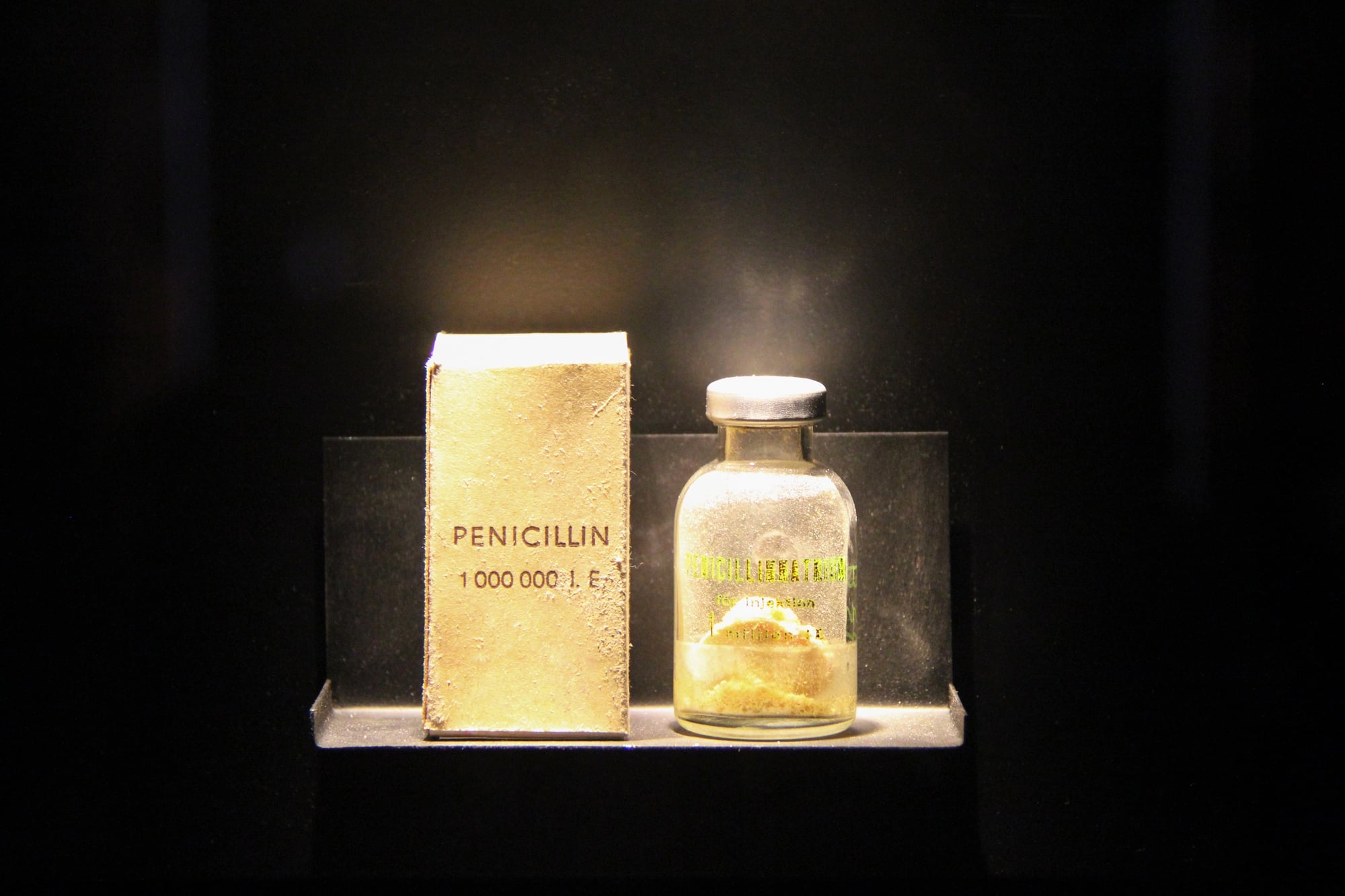
Alexander Fleming left a bacterial culture uncovered when he went on vacation in 1928.
When he returned, mold had contaminated the culture — exactly the kind of sloppy lab work that produces useless results and wasted time.
Fleming nearly threw the culture away before noticing that bacteria around the mold had died.
Fleming published his findings but couldn’t figure out how to purify penicillin or produce it in useful quantities.
For over a decade, his discovery sat in medical journals while researchers focused on other approaches to fighting infection.
It wasn’t until World War II created desperate demand for antibiotics that Howard Florey and Ernst Chain figured out how to mass-produce penicillin. Fleming’s moment of curiosity in 1928 didn’t save lives until the 1940s.
When Almost Becomes Always

The thread that connects these stories isn’t genius or luck — it’s the strange persistence of ideas that refuse to die. Someone spills a chemical, drops a spring, grabs the wrong resistor, and suddenly the world tilts toward a different future.
But only if they notice. Only if they care enough to investigate.
And only if they can survive the long gap between discovery and acceptance, between insight and application, between “this is interesting” and “this changes everything.”
The most remarkable thing about these inventions isn’t that they almost never happened — it’s that they happened at all.
More from Go2Tutors!

- The Romanov Crown Jewels and Their Tragic Fate
- 13 Historical Mysteries That Science Still Can’t Solve
- Famous Hoaxes That Fooled the World for Years
- 15 Child Stars with Tragic Adult Lives
- 16 Famous Jewelry Pieces in History
Like Go2Tutors’s content? Follow us on MSN.