16 Items Every Kitchen Junk Drawer Had in the ’70s
There’s something oddly comforting about a well-stocked junk drawer. Not the organized kind that lifestyle magazines celebrate, but the real deal — the chaotic catch-all that somehow contained exactly what you needed, buried beneath layers of rubber bands and mysterious keys.
The 1970s kitchen junk drawer was a marvel of unintentional efficiency, a place where the essential and the inexplicable coexisted in perfect harmony.
Before smartphones and same-day delivery, that drawer served as the household’s Swiss Army knife. Every family had one, usually located to the left of the sink or somewhere within arm’s reach of the breakfast table.
Open it today and you’d find a time capsule of analog life, back when fixing things mattered more than replacing them.
Rubber Bands
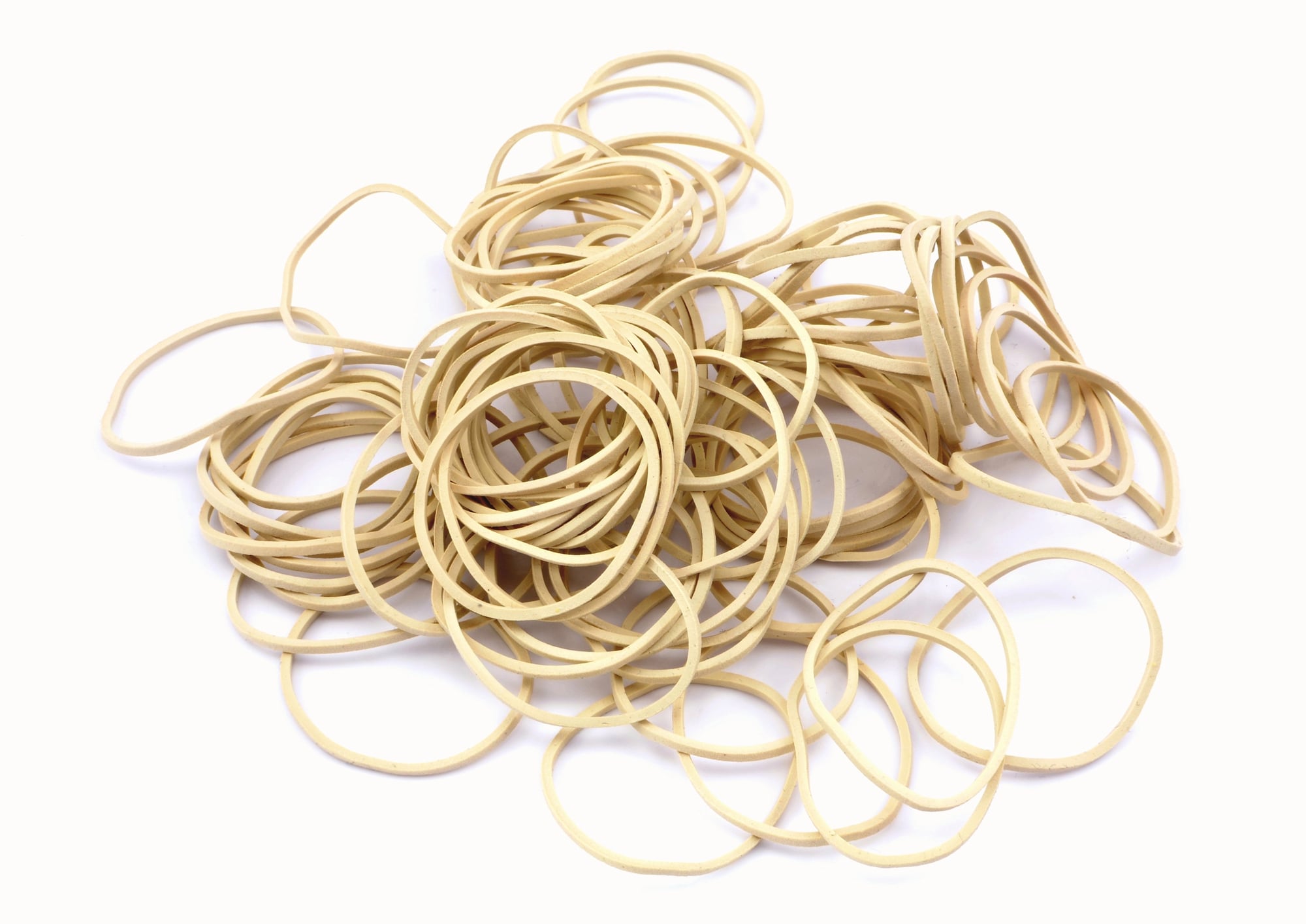
Rubber bands accumulated like dust. Nobody bought them deliberately — they appeared from newspaper deliveries, broccoli bundles, and office supply raids.
The drawer held dozens in various stages of decay. Some snapped the moment you touched them.
Twist Ties
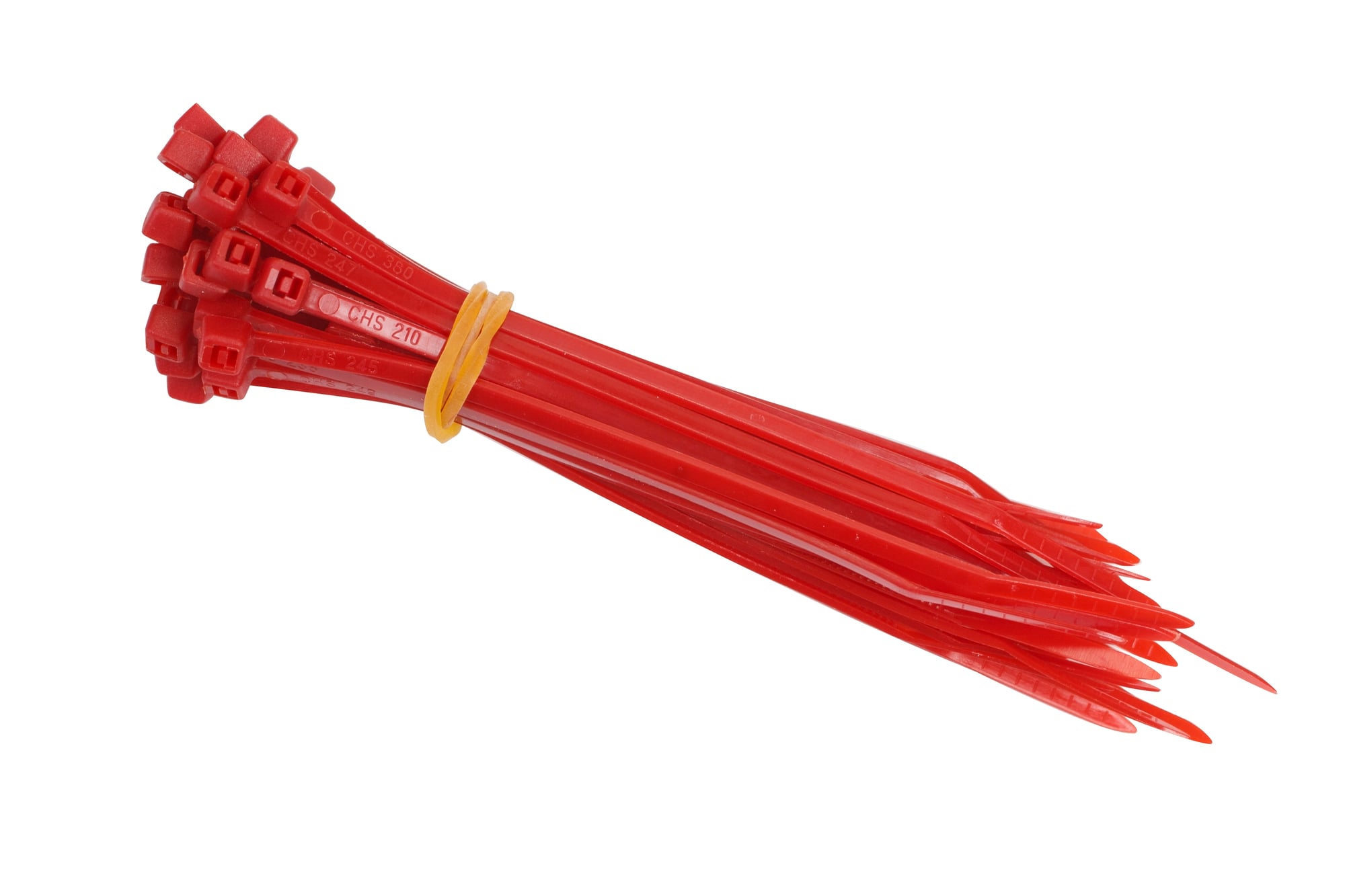
Every loaf of bread contributed to the collection. So did garbage bags, electrical cords, and toy packaging.
Twist ties were the duct tape of small repairs: loose cabinet handles, wobbly chair legs, anything that needed a temporary fix until someone remembered to do it properly.
Round Of String
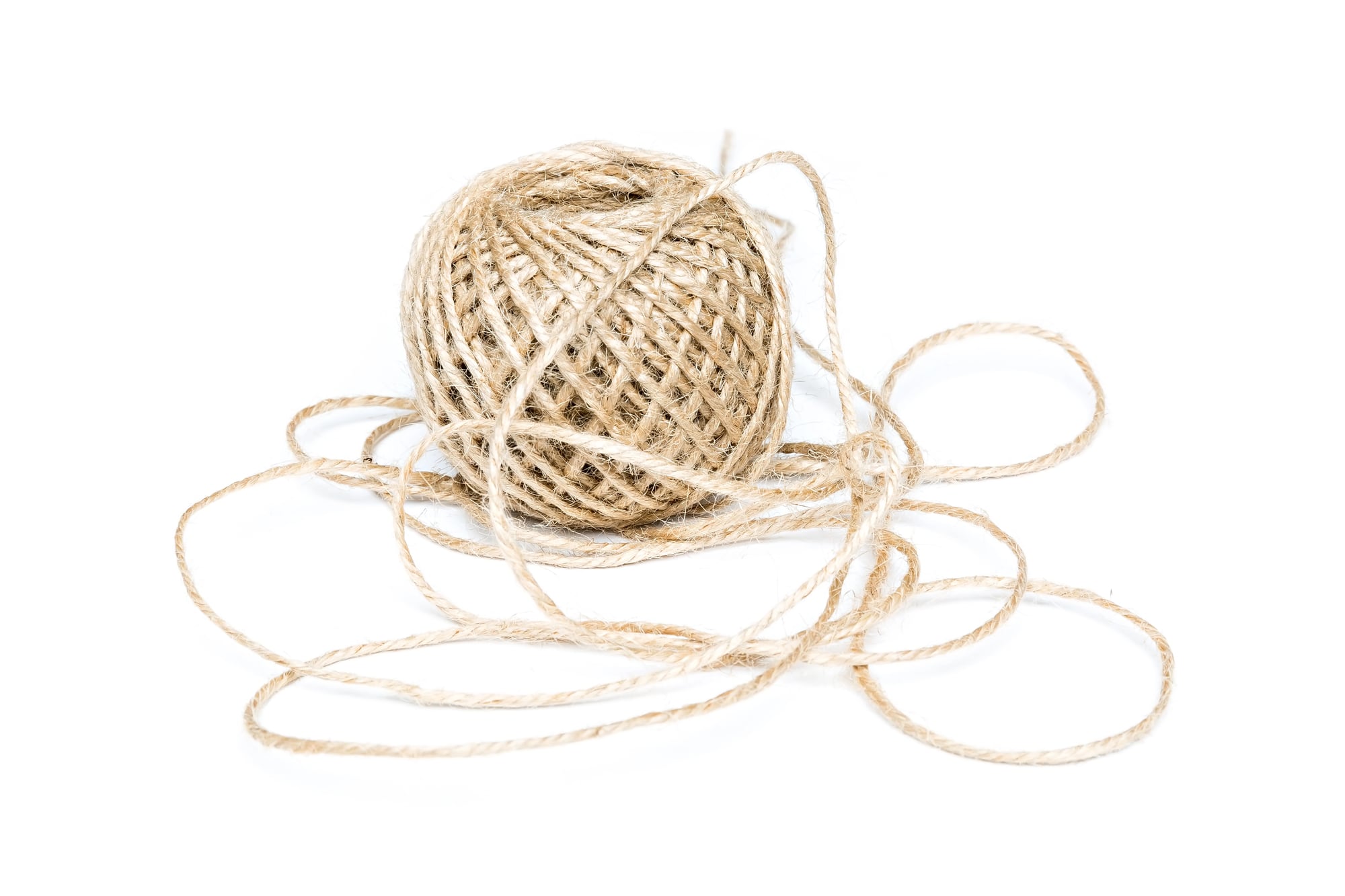
Not yarn, not rope — string. That scratchy, beige stuff that came wrapped in a perfect sphere until the first use turned it into a tangled mess.
It lived in kitchen drawers because mothers understood something the rest of the world forgot: string fixes everything that twist ties cannot, and string never breaks when you need it most (though it becomes impossibly knotted when you don’t, which is the nature of string and perhaps life itself — always available for the wrong job, stubbornly elusive for the right one).
Some families kept the string in an old coffee can with a ring punched in the plastic lid. Smart families.
And those who didn’t spent half their time digging through drawer debris just to find the loose end, which had inevitably worked its way to the very bottom, wrapped around a broken pencil or yesterday’s paper clip.
Box Of Matches
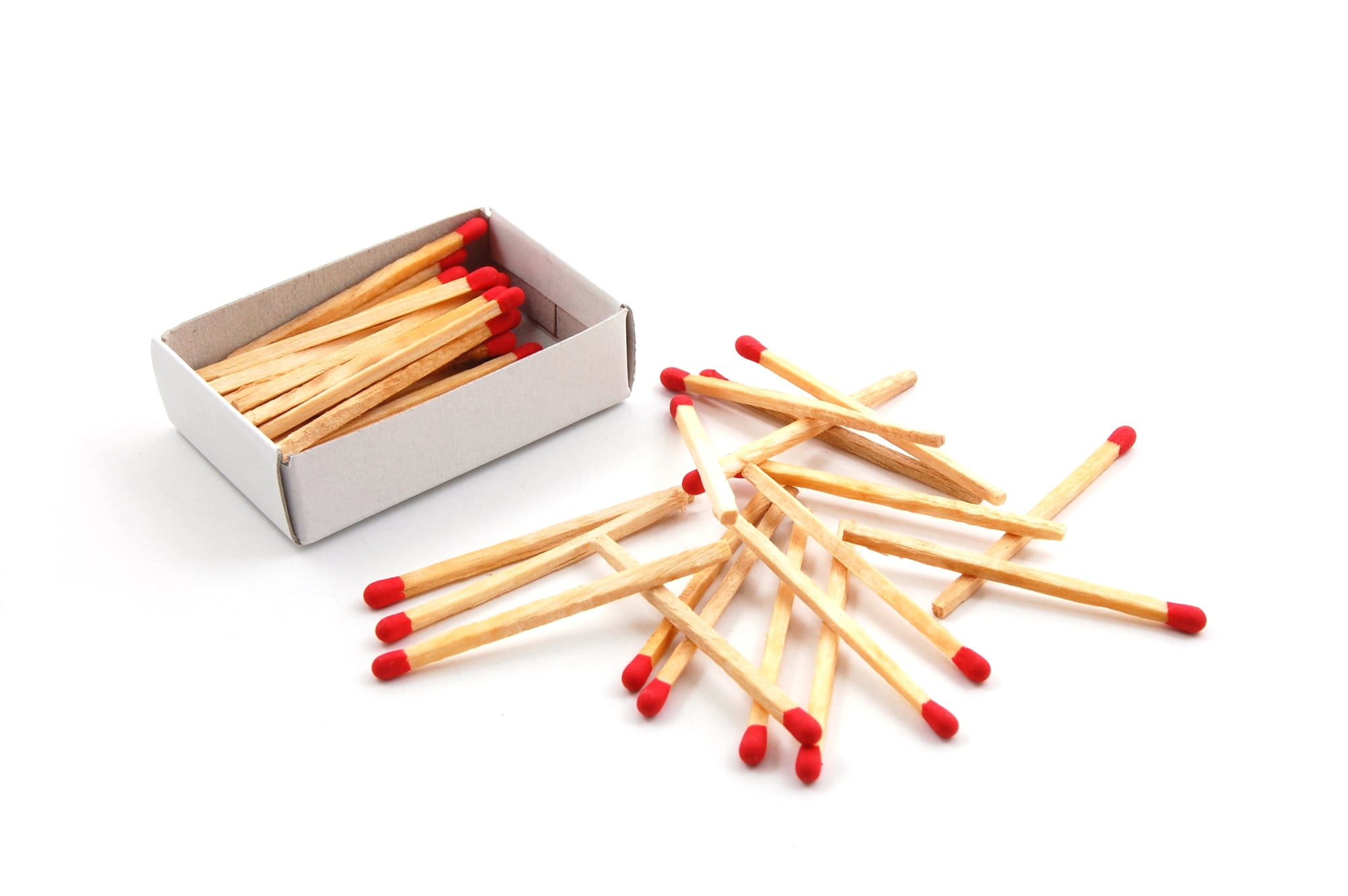
Strike-anywhere matches in a cardboard box, usually damp from kitchen humidity. Half the striking strips were worn smooth.
These weren’t for candles or fireplaces — they lit pilot lights, burned splinters from fingers, and started controlled fires in the backyard when leaf burning was still legal.
Candle Stubs

Leftover pieces from dinner parties and power outages. Birthday candles that escaped the trash.
Emergency lighting before flashlights became reliable. The wax collected lint and formed strange sculptures with whatever else lived in the drawer’s depths.
Assorted Screws And Nails
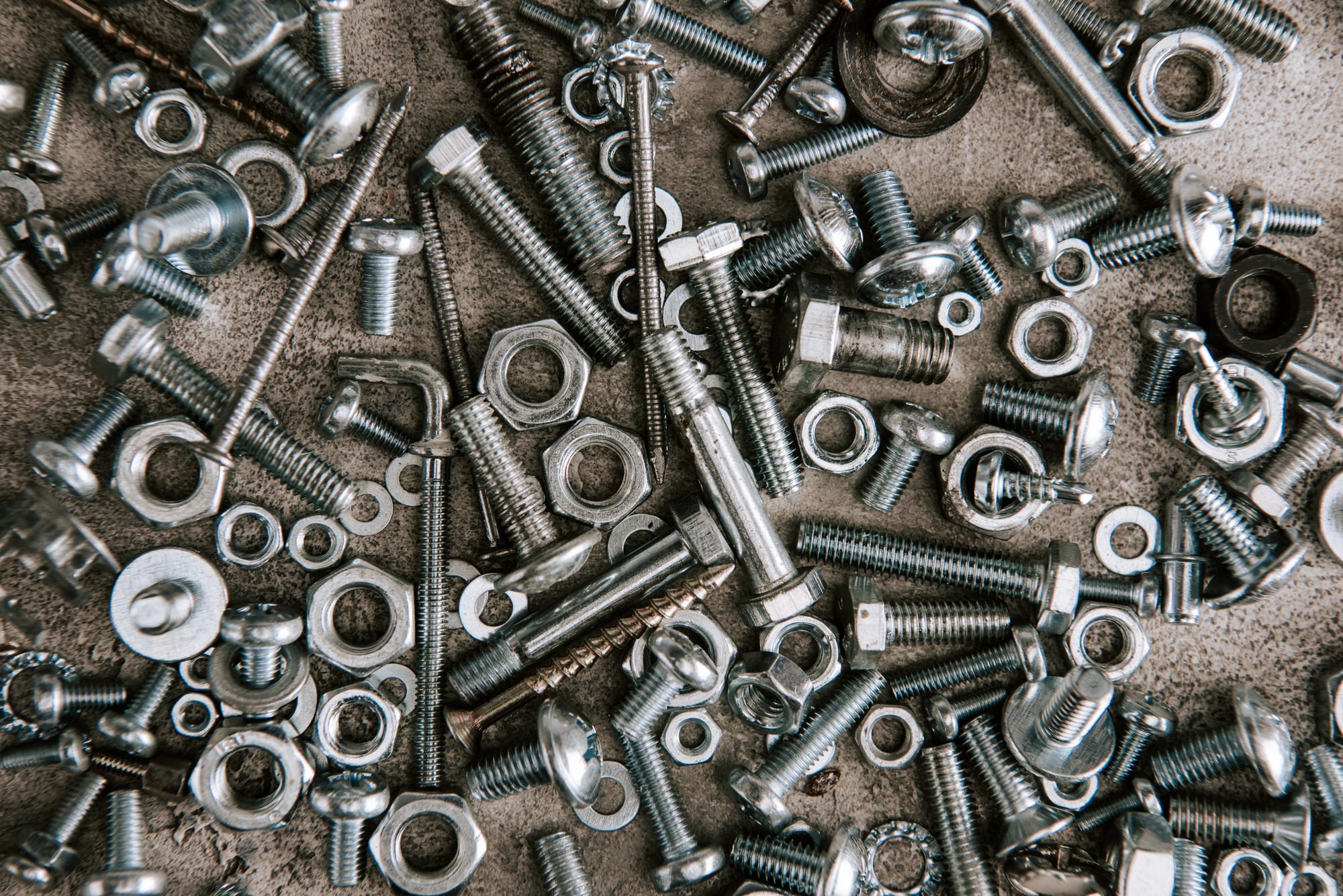
A hardware store in miniature. Screws without their matching pieces.
Nails bent from missed hammer strikes. Picture hanging hardware that never quite worked.
Nobody remembered where these came from, but throwing them away felt wrong — someone might need a three-quarter inch Phillips head screw someday (and they always did, just never the one that was actually in the drawer, which explains why hardware stores stayed in business despite every kitchen containing enough loose fasteners to assemble a small shed, though admittedly a shed that would collapse the moment anyone looked at it sideways).
So the screws stayed, rattling around like metallic disappointment, occasionally useful but mostly just proof that good intentions and poor organization make strange bedfellows.
And yet every family kept collecting them, because the alternative — actually organizing a proper toolbox — seemed impossibly adult.
Safety Pins
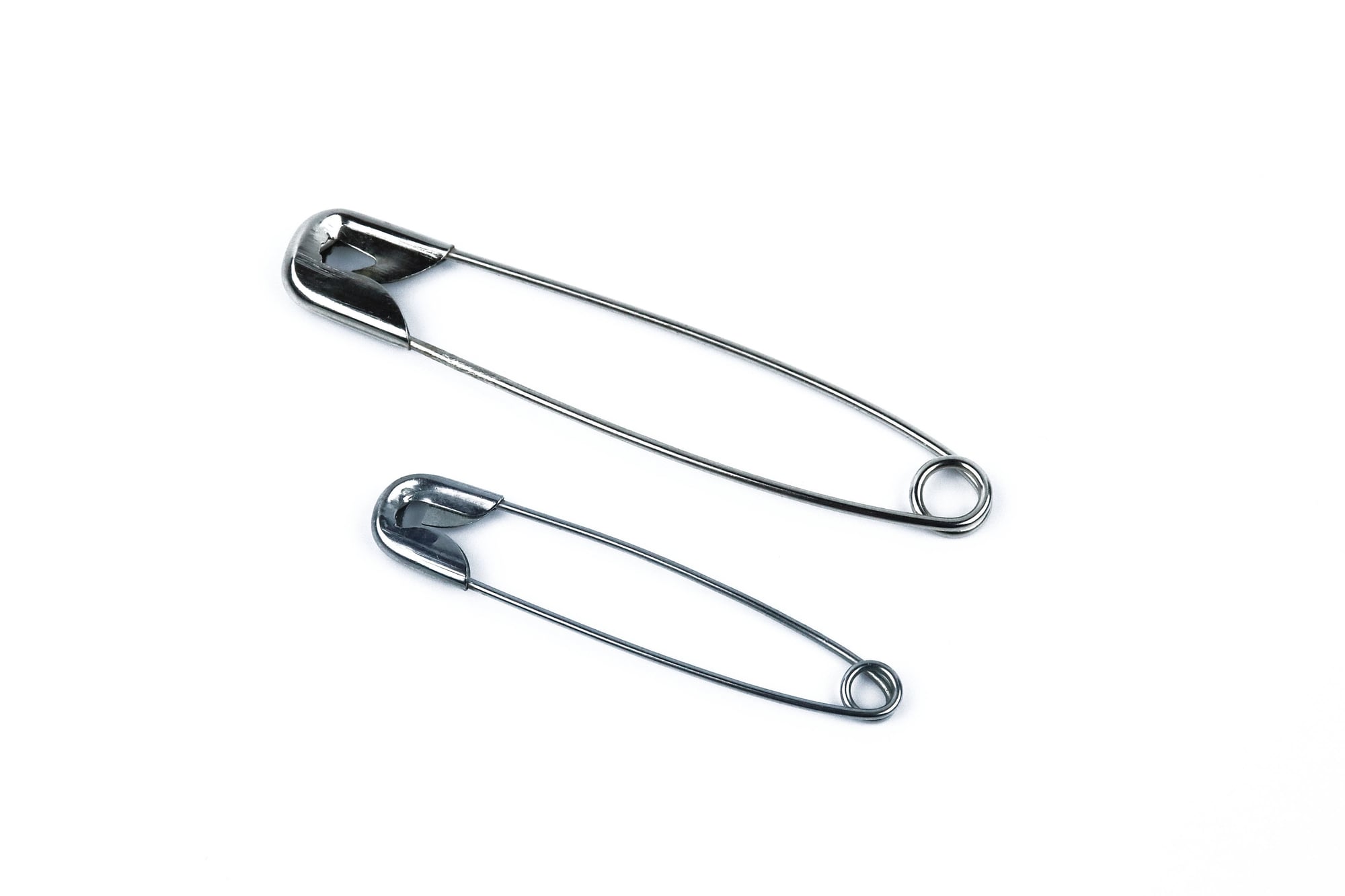
Safety pins were the universal fastener. Clothes, curtains, broken zippers, loose buttons — they held the household together literally and figuratively.
The drawer usually contained every size except the one you needed right now.
Pencil Stubs
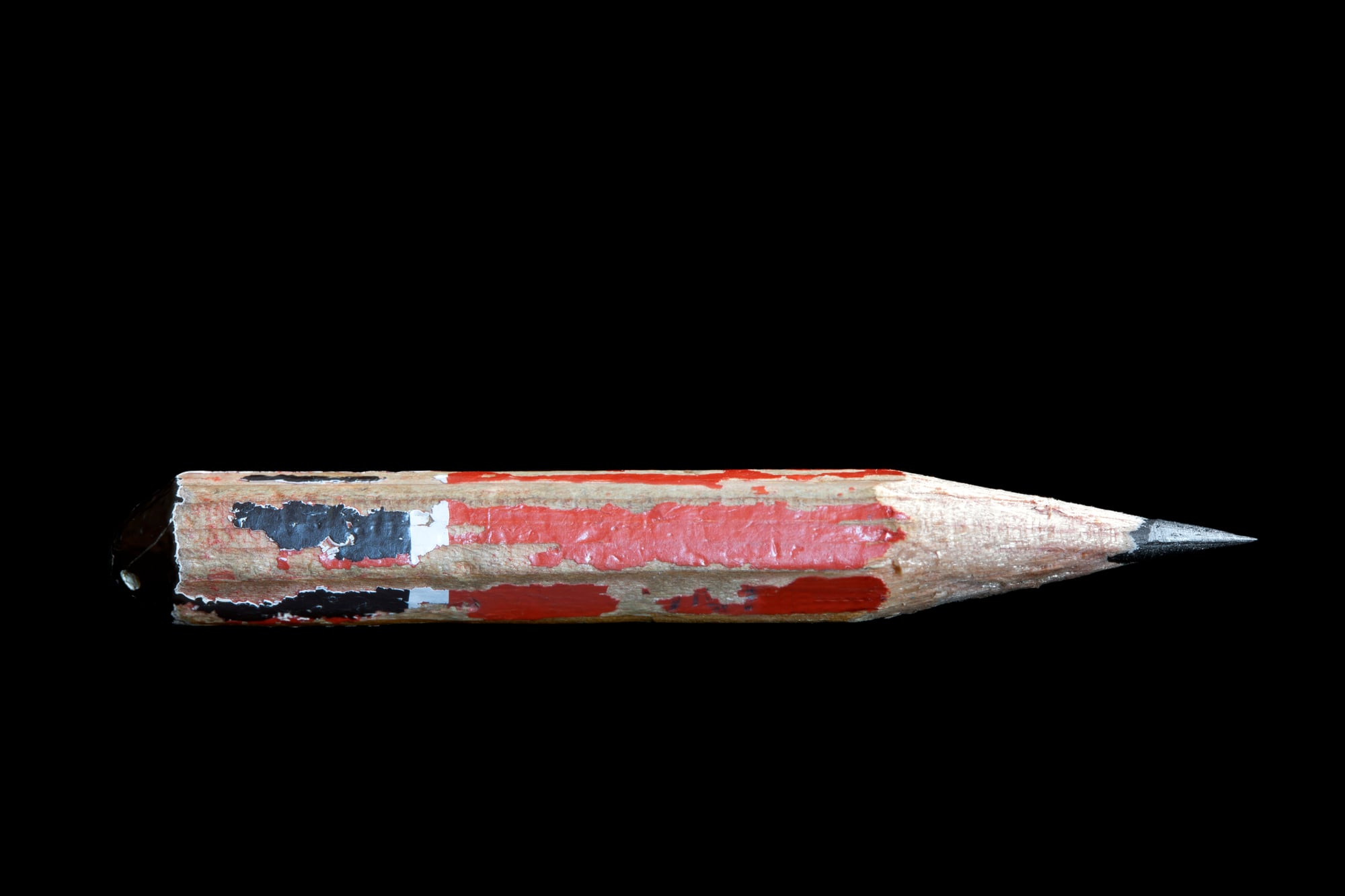
Writing instruments worn down to almost nothing. Golf pencils from miniature courses.
Stubby yellow ones from school supply multipacks. These survived because throwing away a functional pencil felt wasteful, even when sharpening it became impossible.
Paper Clips
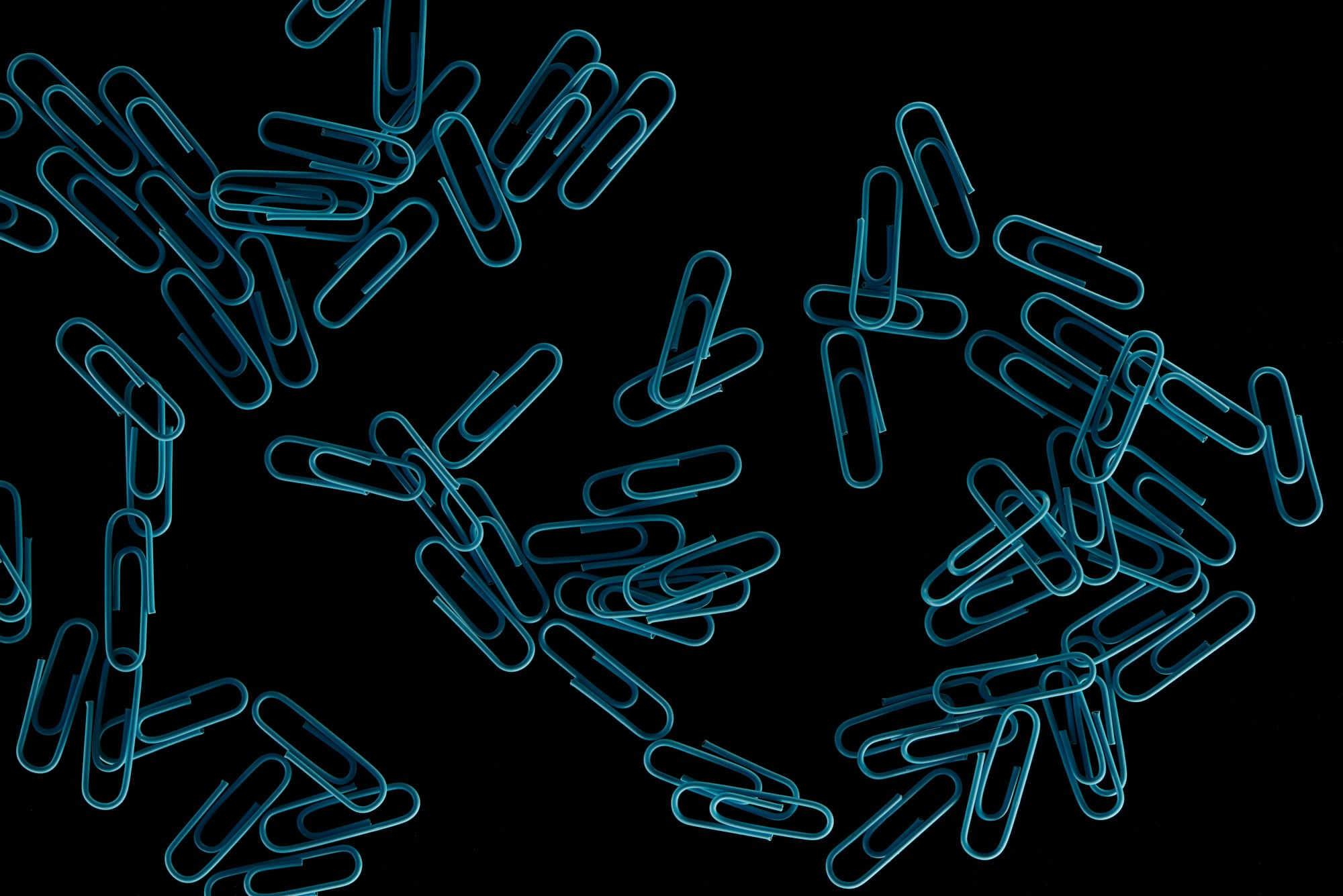
The large ones straightened into temporary tools. The small ones linked into chains during phone conversations.
Some families had the multicolored plastic-coated variety, which served no practical purpose but made the drawer feel slightly more optimistic.
Batteries
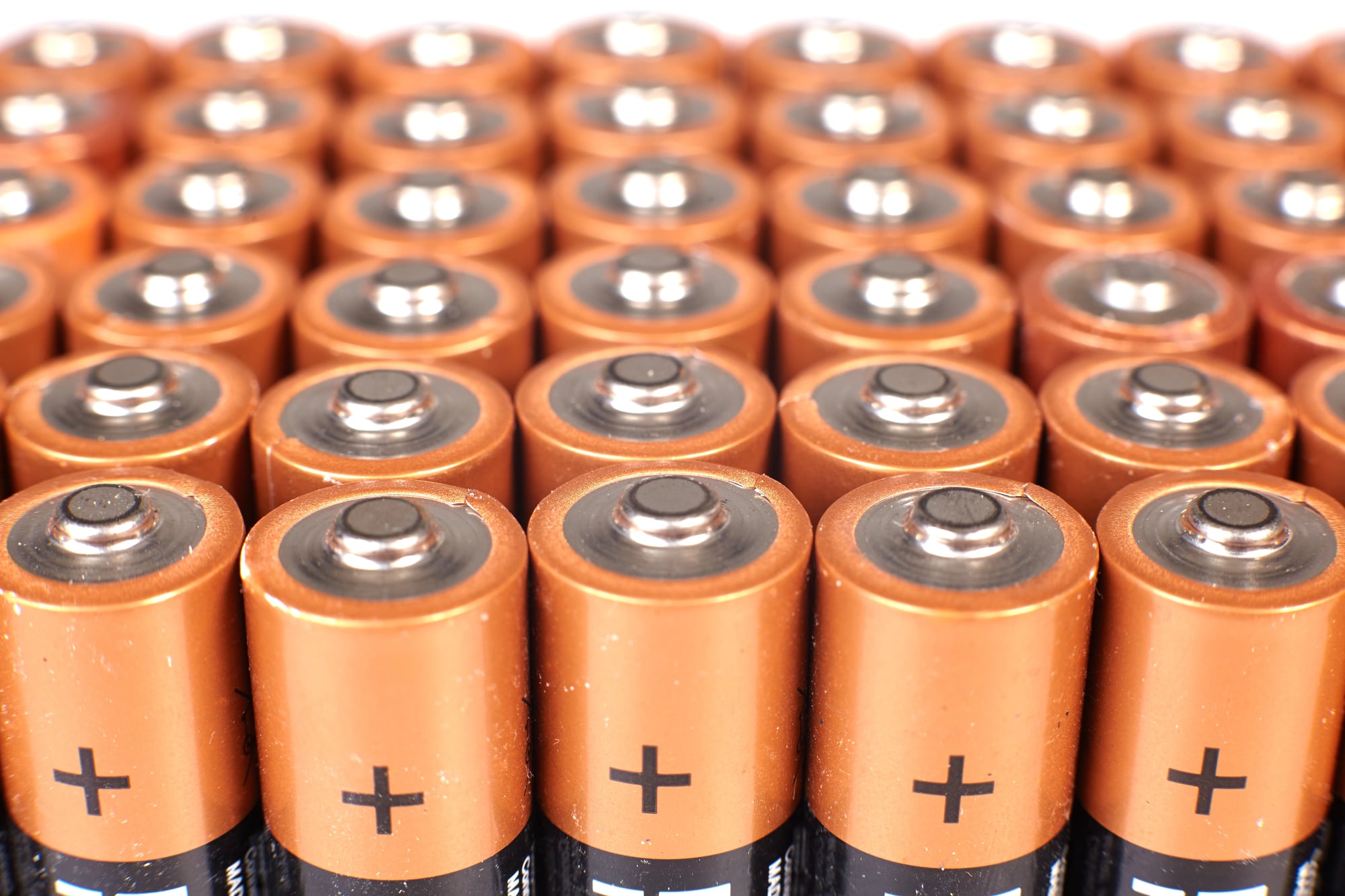
Dead batteries lived next to questionable ones that might still work. The drawer became a battery graveyard because testing them required finding a working device, and working devices were usually in use.
So they accumulated, slowly leaking their contents onto everything else.
Rubber Cement

That brush-in-bottle adhesive that dried into satisfying rubbery bits you could peel off your fingers. It fixed photos in albums, attached things to other things temporarily, and provided endless entertainment for children who discovered they could spread it on their palms and pretend they were shedding skin.
Single Keys
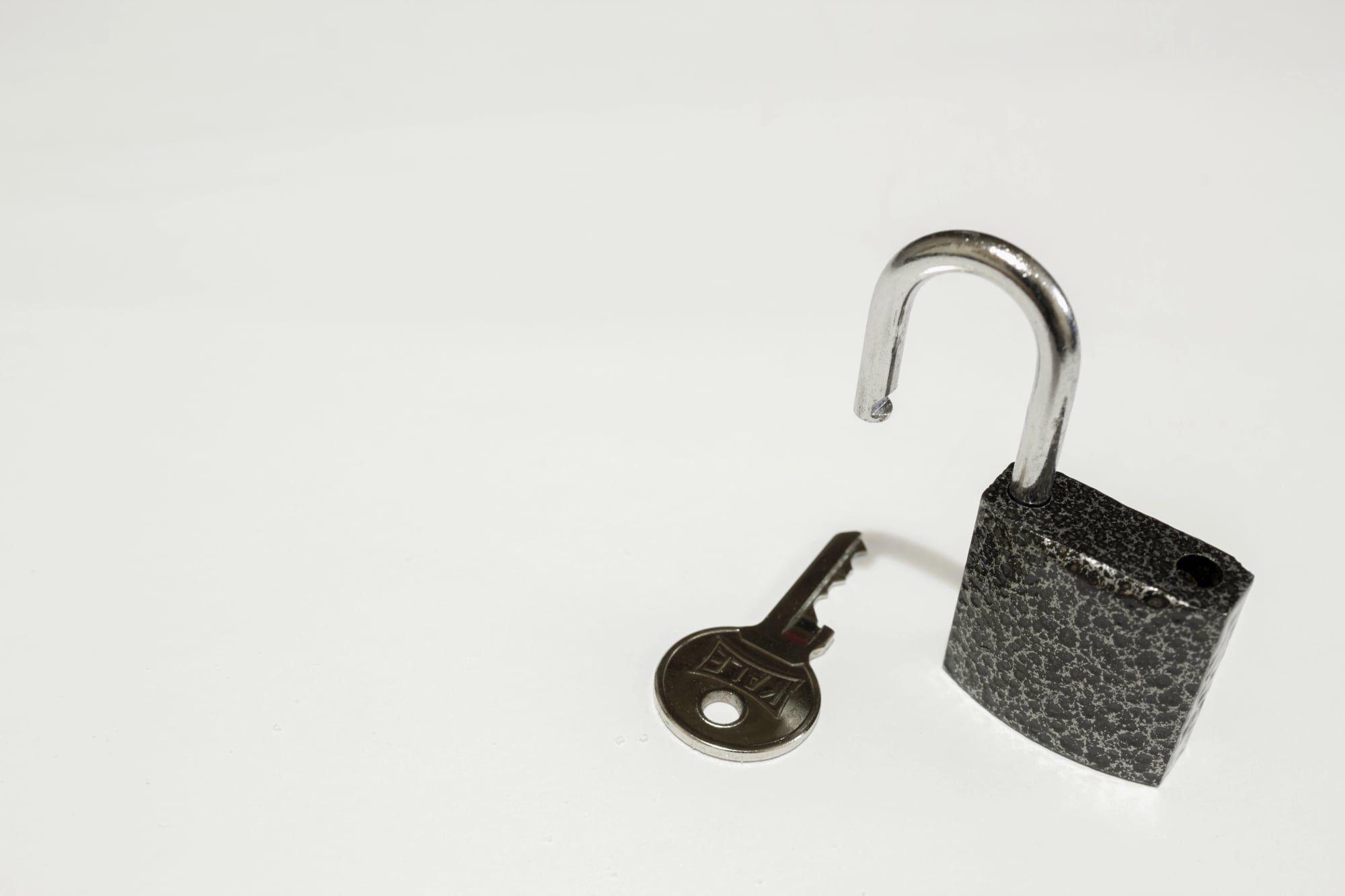
Keys without purpose. Former house keys, old car keys, keys to locks that no longer existed.
Every family kept them because throwing away a key felt like burning bridges. These keys represented possibility and mystery — they opened something, somewhere.
Measuring Tape
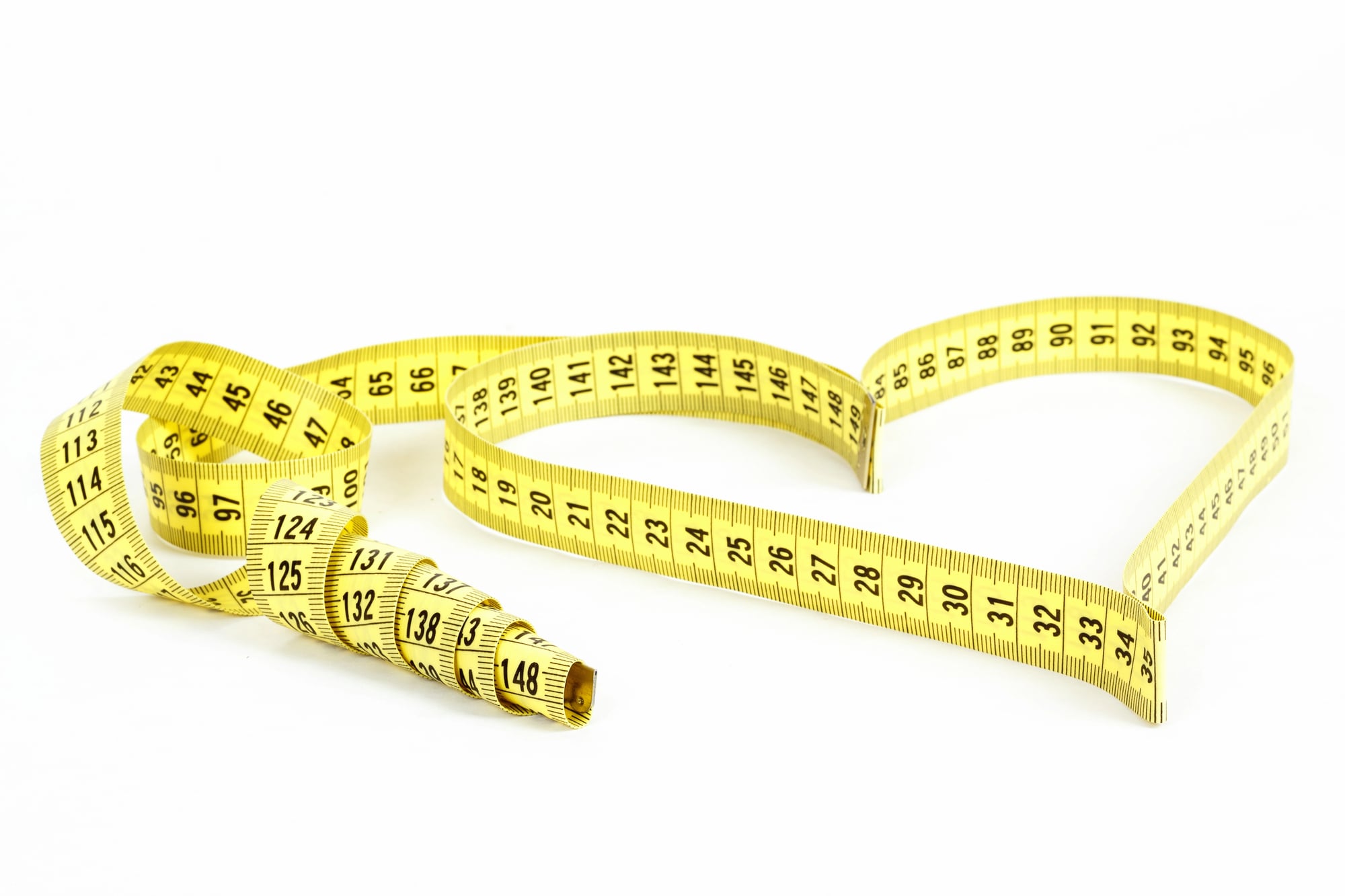
Not the professional kind contractors used, but the floppy cloth version that came in sewing kits. Marked in both inches and centimeters, though most people ignored the metric side entirely.
It measured everything from waist sizes to furniture dimensions, usually inaccurately.
Pencil Sharpener
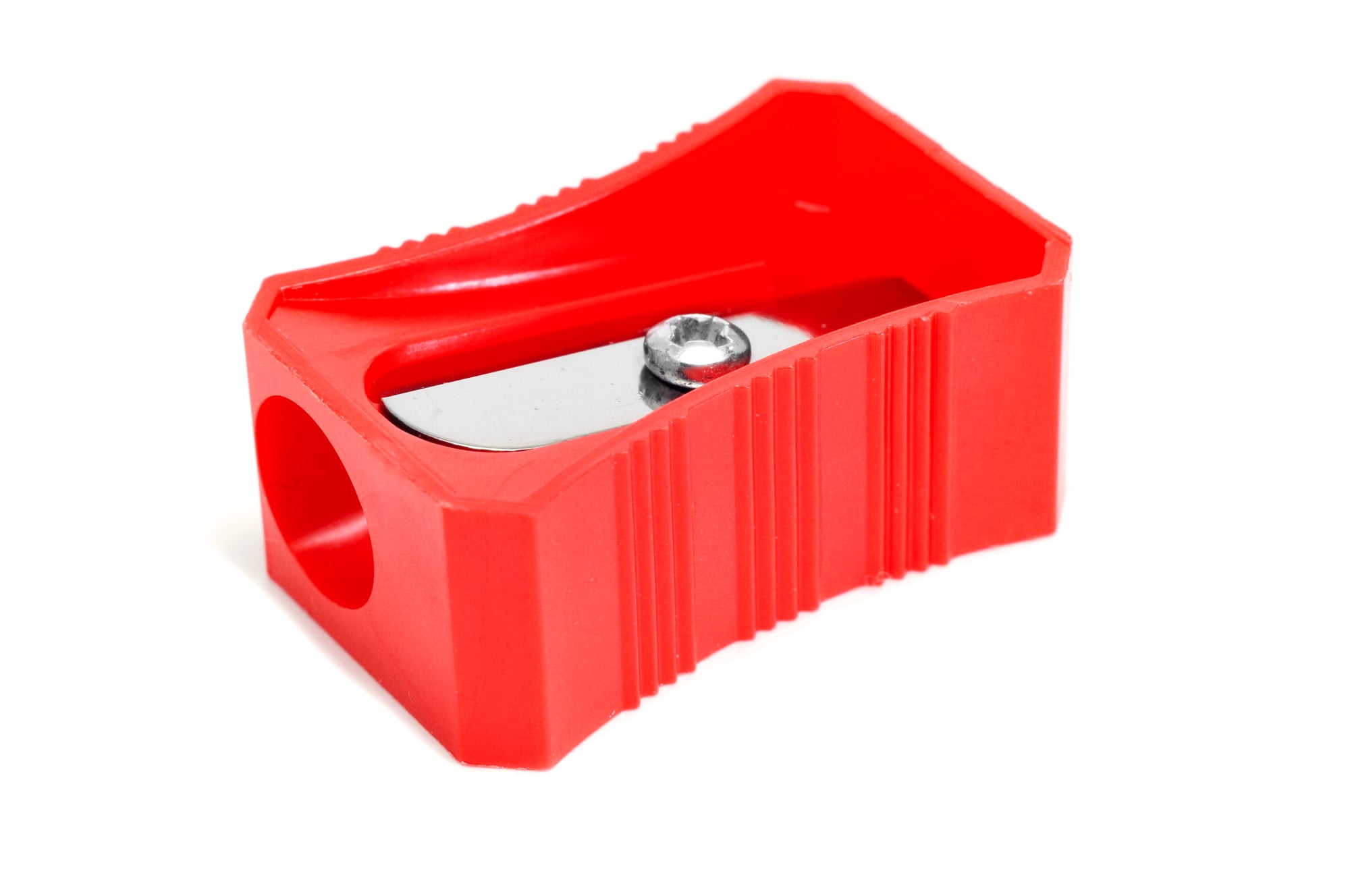
The small metal kind that fit in your palm. Schools required them, but they worked better at home where you could actually find them.
The shavings always ended up scattered through the drawer, creating a woodsy smell that mixed with rubber and old adhesive.
Bottle Opener
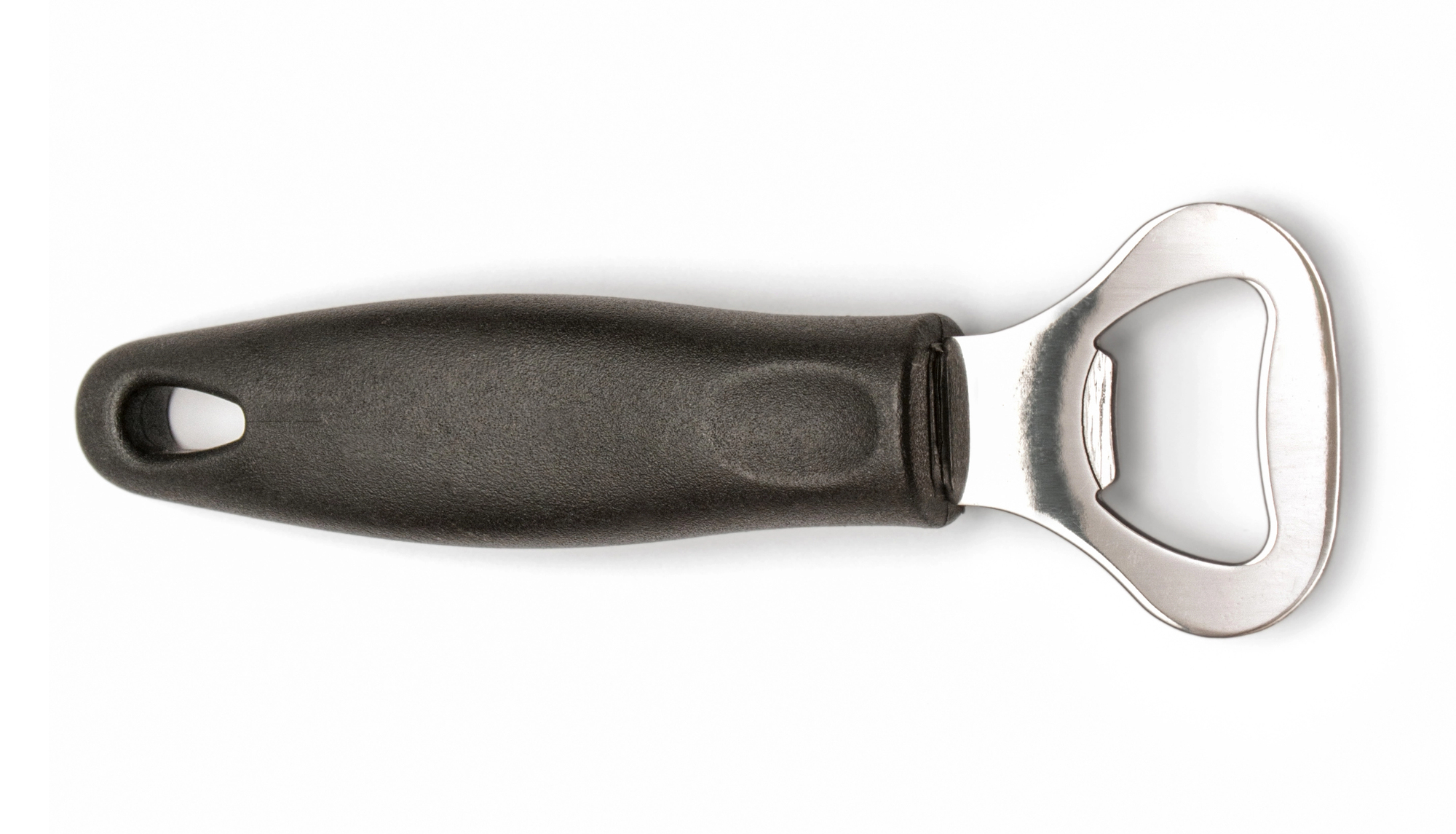
Before twist-off caps dominated the market, bottle openers were essential kitchen tools. The flat metal kind lived in drawers, not on keychains.
They opened bottles and occasionally served as tiny pry bars for stubborn lids and packaging.
Flashlight
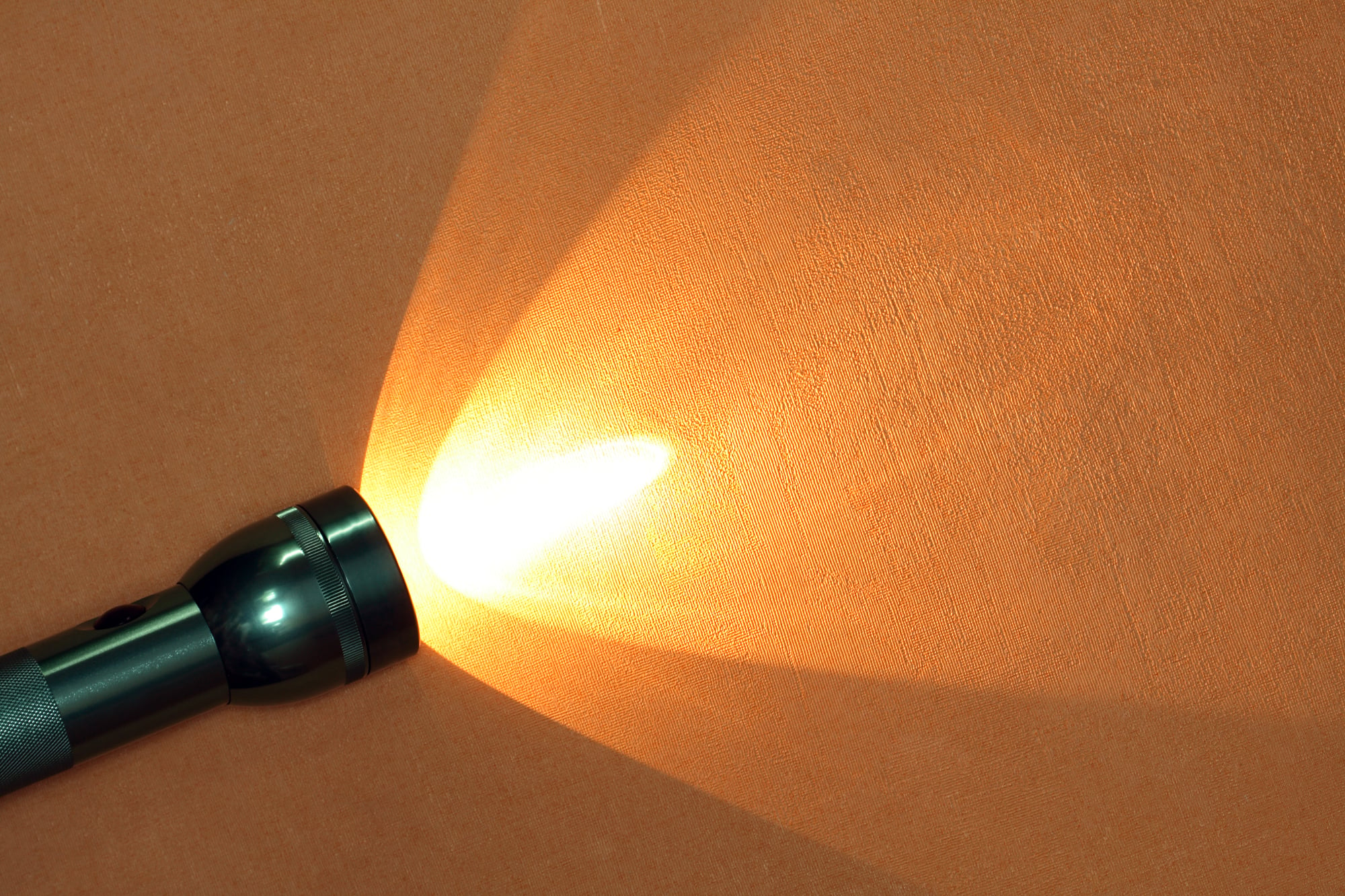
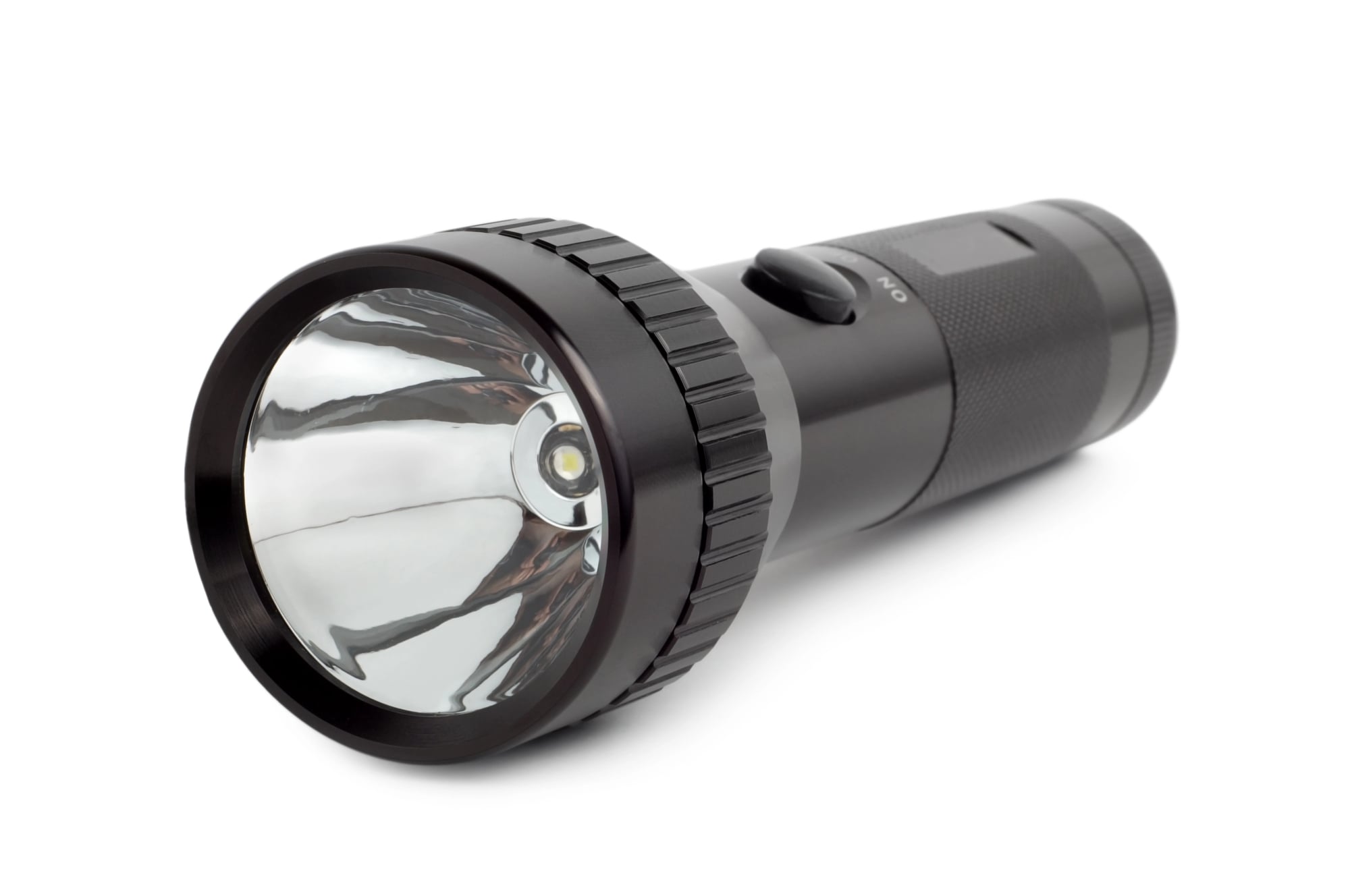
Usually dead or dying, but still there just in case. The kind that took two D batteries and cast a weak yellow beam when it worked at all.
Power outages revealed whether anyone had remembered to replace the batteries, which they never had.
The Archaeology Of Daily Life
These drawers weren’t organized — they were lived in. Each item told a story of small problems solved and daily life maintained.
The 1970s junk drawer was democracy in action: every object earned its place through utility, not aesthetics. Open one today and you’re looking at the fossil record of a time when people fixed things instead of replacing them, when solutions came from what you had on hand rather than what you could order online.
More from Go2Tutors!

- The Romanov Crown Jewels and Their Tragic Fate
- 13 Historical Mysteries That Science Still Can’t Solve
- Famous Hoaxes That Fooled the World for Years
- 15 Child Stars with Tragic Adult Lives
- 16 Famous Jewelry Pieces in History
Like Go2Tutors’s content? Follow us on MSN.