15 Times Art and Competition Collided in the Weirdest Ways
At first look, the realms of competition and art may appear to be very different. While one emphasizes winning at all costs, the other promotes individual expression. However, these worlds have clashed throughout history in intriguing, strange, and occasionally completely ridiculous ways, producing moments that defy easy classification.
Here is a list of 15 instances where competition and art came together to produce some of the most bizarre cultural events in history.
Olympic Art Competitions

Official art competitions were held during the Olympic Games from to in addition to sporting activities. In addition to athletes, artists such as painters, sculptors, architects, writers, and musicians also competed for gold medals in categories like “music composition” and “architectural design.”
Because the majority of competitors were professionals and athletes were still expected to be amateurs, the Olympics canceled these long-forgotten competitions, which gave out medals for artistic accomplishments.
The Cola Wars Murals
In the s, Coca-Cola and Pepsi took their infamous rivalry to literal walls, commissioning massive murals in major cities worldwide. Both companies hired renowned artists to create distinctive advertising art that captured urban landscapes.
This corporate battle transformed city blocks into competitive canvases and inadvertently preserved a unique period in commercial art that art historians now study as examples of late -century corporate patronage.
Venice Biennale National Pavilions

The world’s oldest contemporary art exhibition transforms into a strange form of artistic Olympics every two years. Nations compete for prestige through their pavilions, with unofficial but widely acknowledged winners and losers.
Countries pour millions into architectural statements and boundary-pushing installations, creating a peculiar form of cultural diplomacy through art. The strange competitive atmosphere has led to notorious moments like the time Germany and France symbolically swapped pavilions in as a political statement.
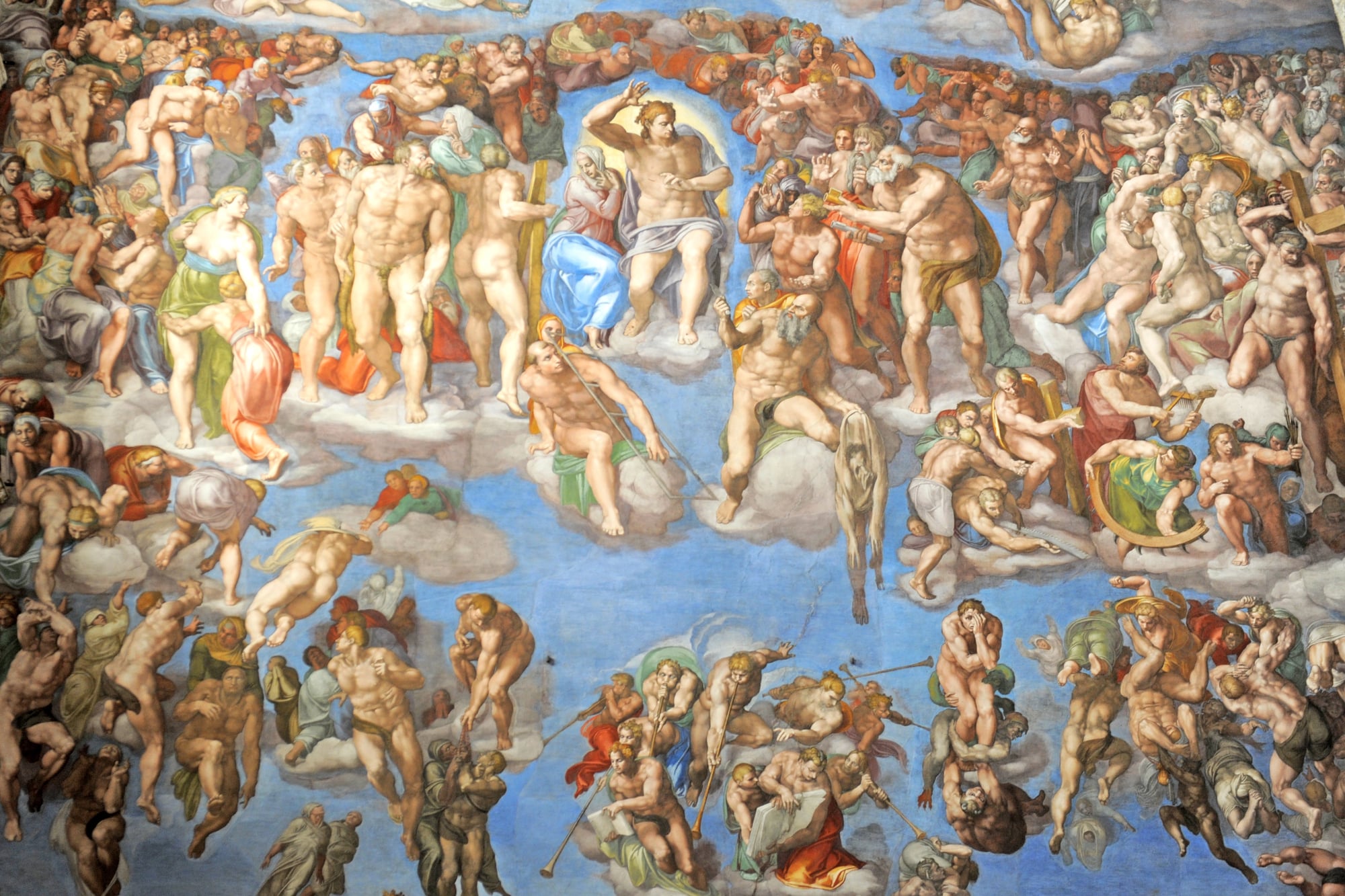
Michelangelo vs. Leonardo
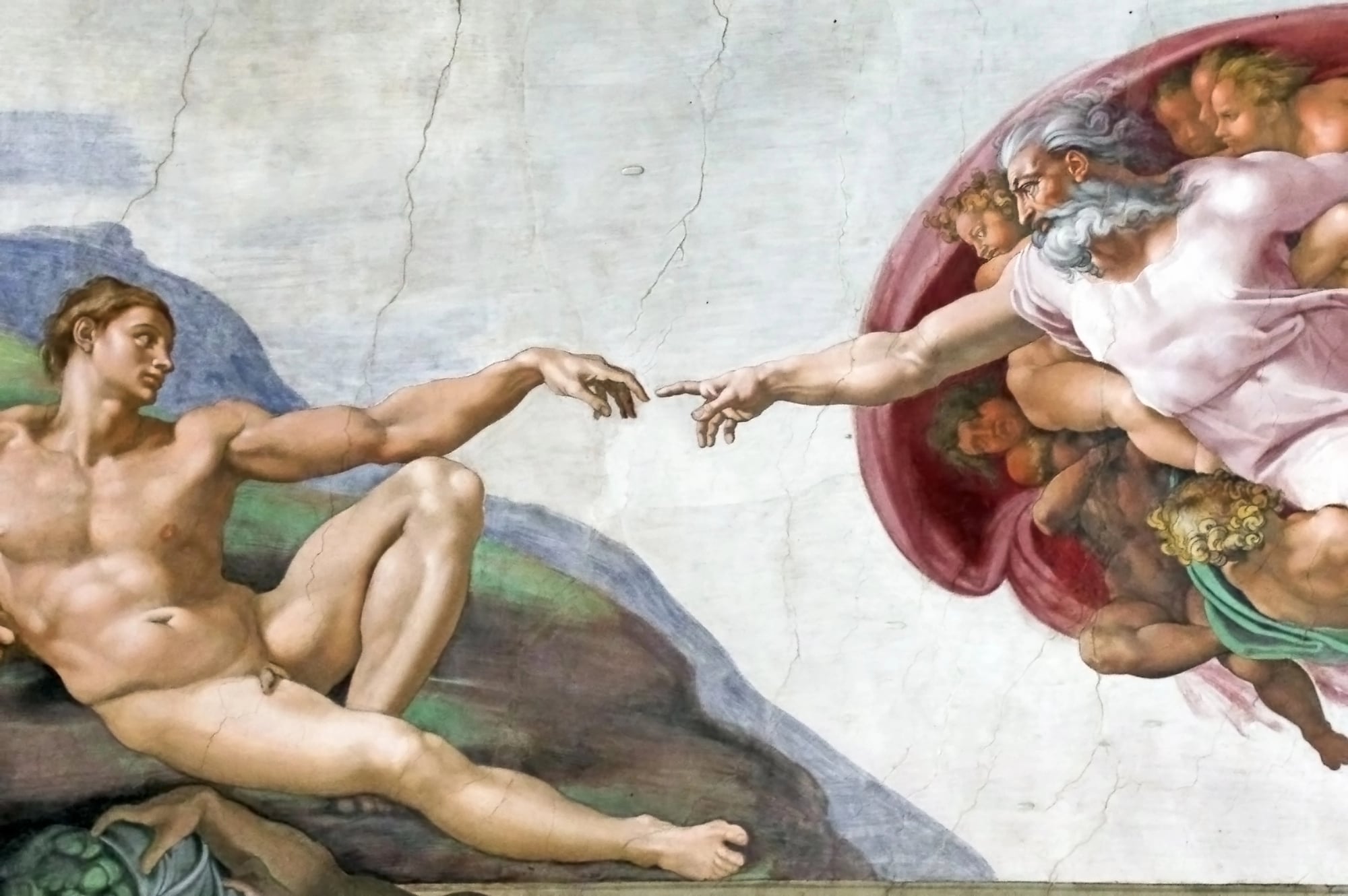
Renaissance Florence witnessed one of history’s greatest artistic rivalries when the city commissioned both masters to paint battle scenes on opposing walls of the same government chamber. The two artists actively worked to outdo each other with innovative techniques and dramatic compositions.
Neither completed their murals, but the preparatory drawings transformed Western art forever, influencing generations of artists who studied the innovative approaches developed during this competition.
Bone Wars
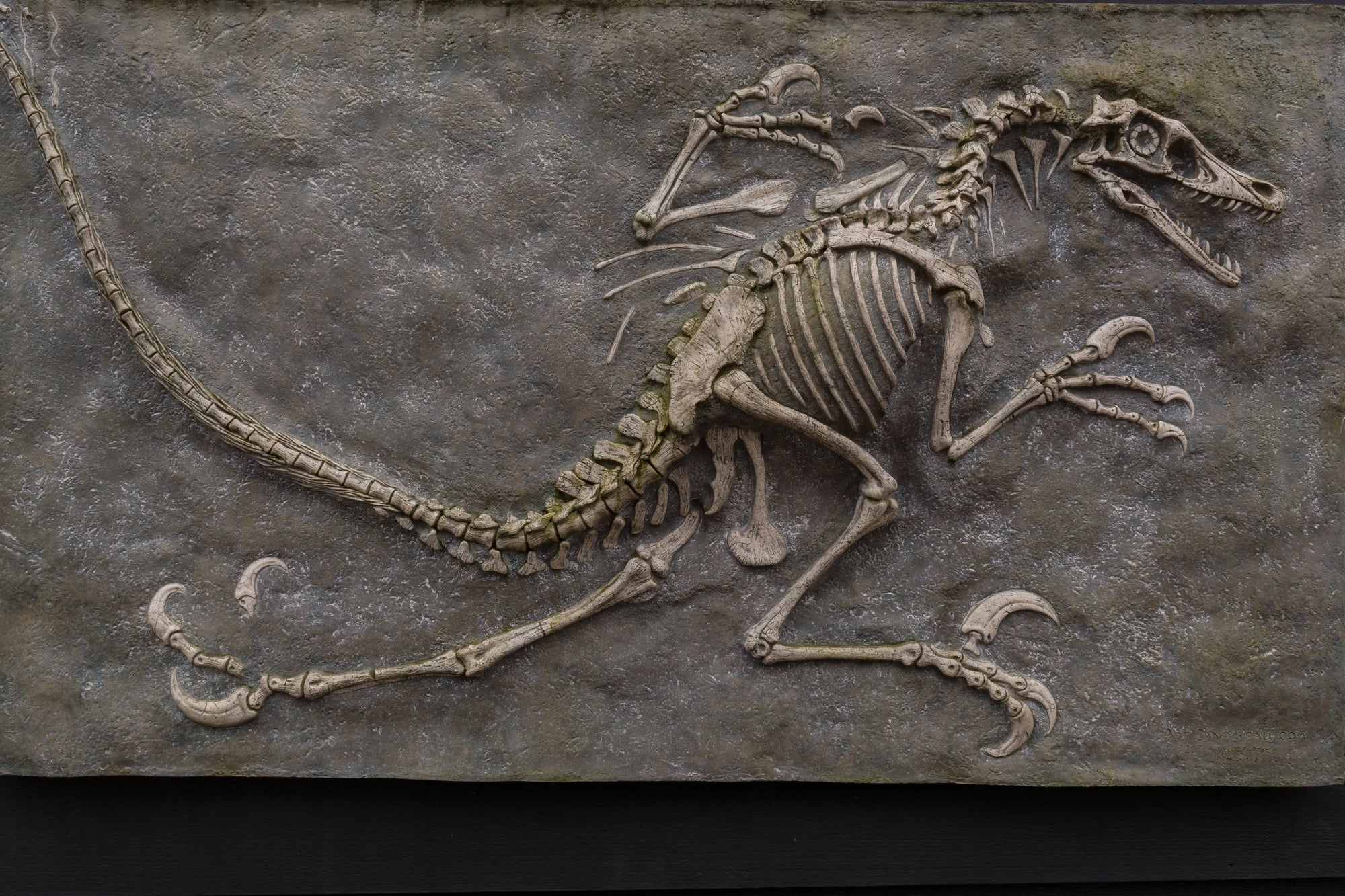
Two -century paleontologists, Edward Cope and Othniel Marsh, turned dinosaur discovery into a bitter -year competition known as the ‘Bone Wars.’ Their rivalry involved sabotage, theft, and public humiliation campaigns in scientific journals.
The strange contest resulted in the discovery of over new dinosaur species and revolutionized museum exhibition design as each man sought increasingly dramatic ways to display their finds and attract public attention to their collections.
Salon des Refusés
When the official Paris Salon rejected thousands of avant-garde paintings in , Emperor Napoleon III authorized a separate exhibition for rejected works. This ‘Exhibition of Rejects’ included now-masterpieces like Manet’s ‘Déjeuner sur l’herbe’ and became a pivotal moment in art history.
The competitive parallel exhibition ultimately outshone the official Salon in historical importance, demonstrating how competition can emerge even within systems of rejection and dramatically alter cultural trajectories.
Meiji Era Art Competitions
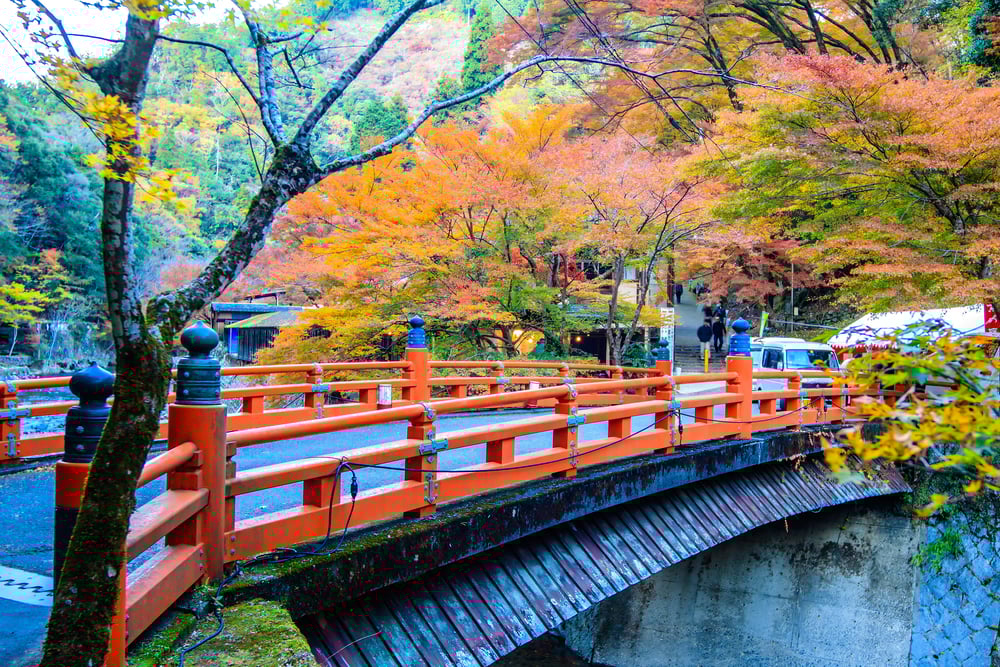
Japan’s rapid modernization in the late -century included government-sponsored art competitions that pitted traditional Japanese styles against Western techniques. These strange cultural contests offered substantial prizes and shaped the country’s artistic identity during a transformative period.
Artists often created hybrid works that combined elements from both traditions to appeal to judges from different backgrounds, inadvertently pioneering new artistic forms through competitive pressure.
Soviet Realism Contests
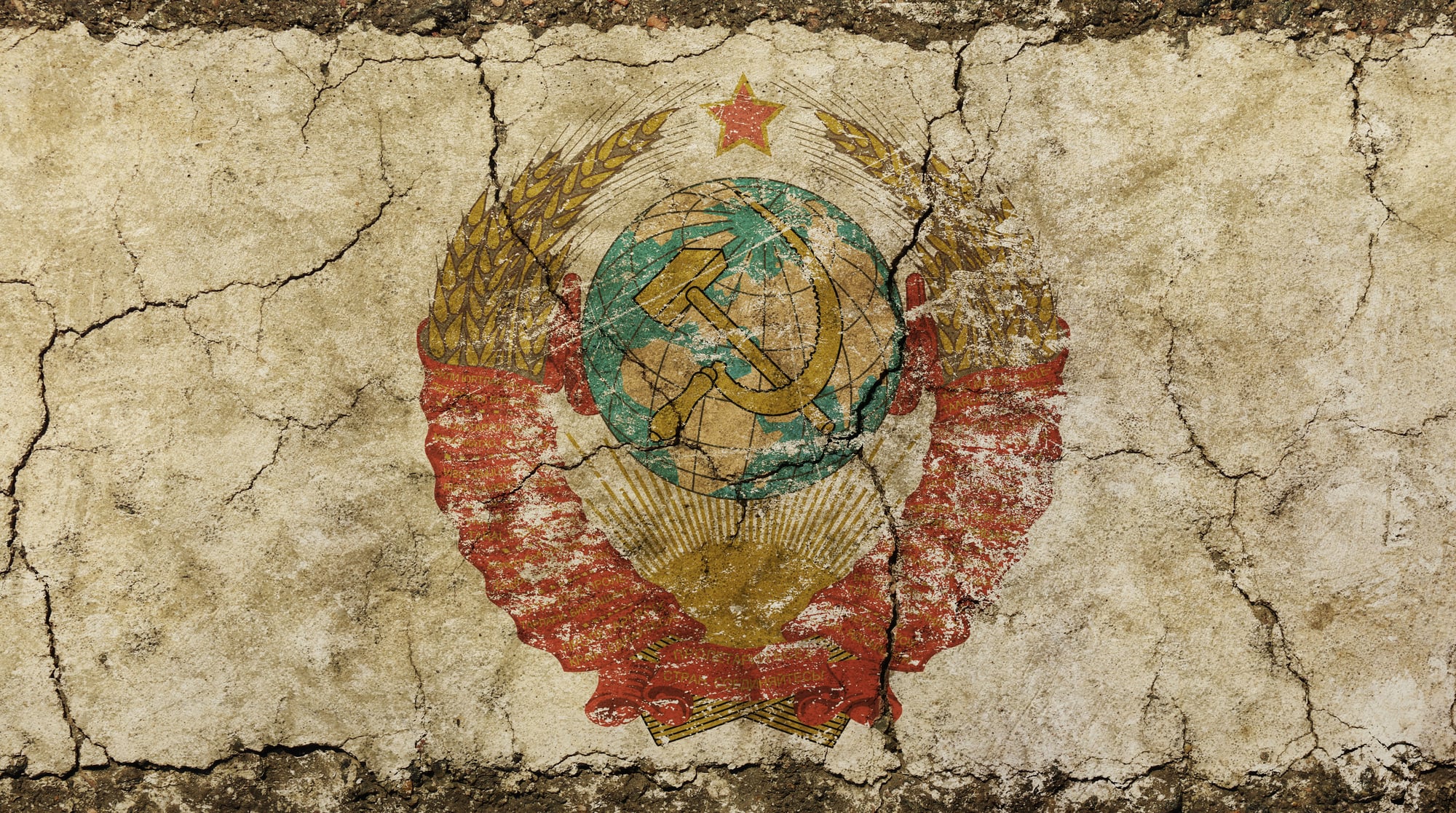
The Soviet Union regularly held highly competitive art contests with life-changing stakes for the winners. Artists competed to create the most stirring depictions of workers, farmers, and revolutionary heroes.
The winners received apartments, studios, and financial security, while losers faced potential career destruction. This peculiar system produced technically brilliant works that paradoxically celebrated competition within an ostensibly anti-competitive political system.
The Warhol-Basquiat Collaborations
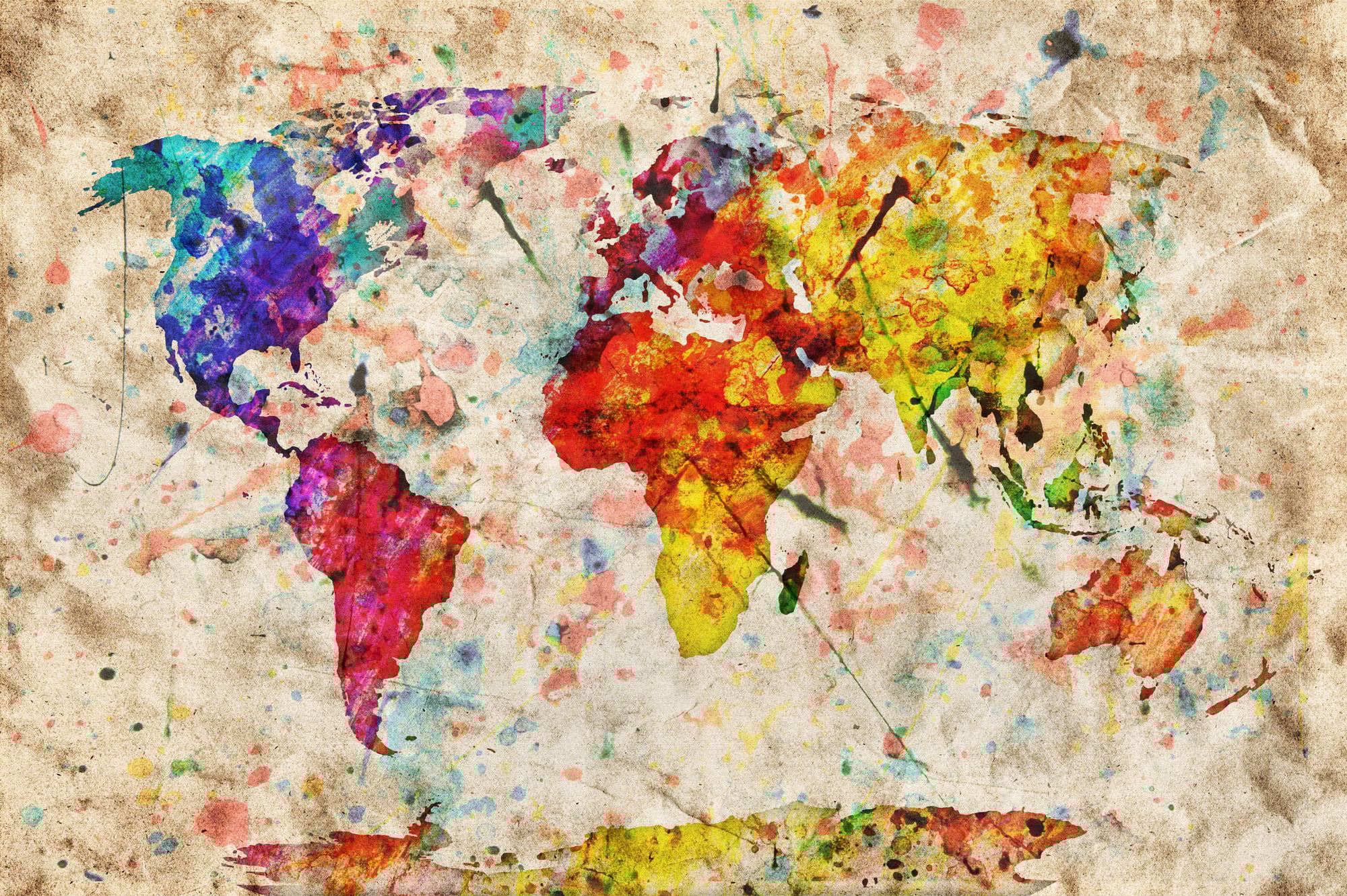
When art dealer Bruno Bischofberger suggested that Andy Warhol and Jean-Michel Basquiat collaborate in the s, he inadvertently sparked a strange artistic competition. The two artists created canvases together, often trying to outdo or cover over each other’s contributions.
Their friendly yet intense rivalry produced works that visibly display the competitive tension between two distinct artistic voices attempting to share canvas space while maintaining their individual identities.
Chinese Pottery Villages
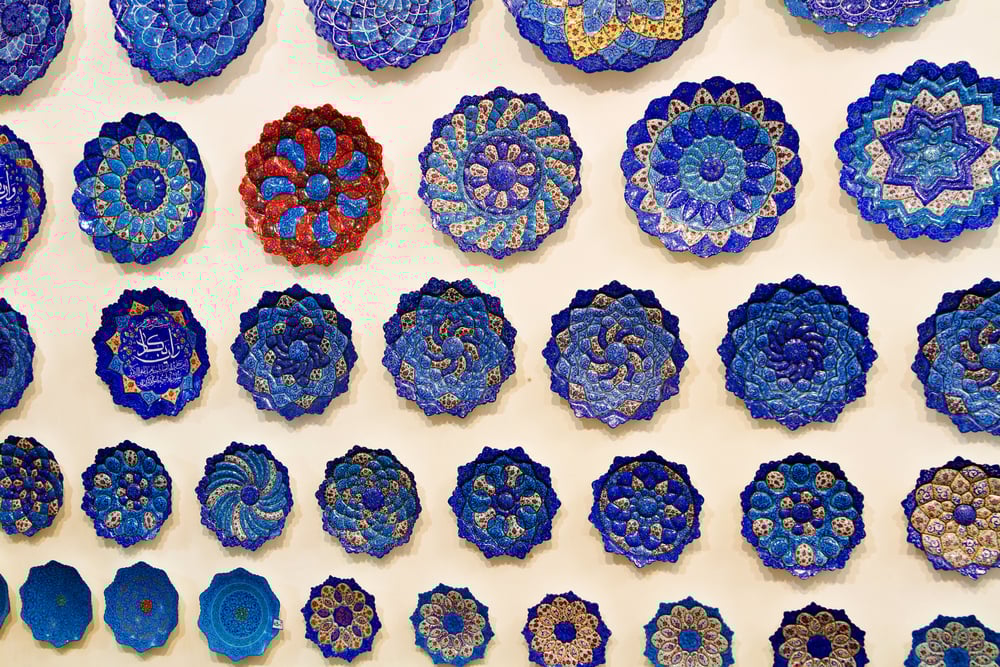
For centuries, neighboring pottery villages in China’s porcelain regions engaged in heated competition over techniques, designs, and imperial patronage. These rivalries led to remarkable innovations like the development of rare glazes that competitors kept secret for generations.
One village might spend decades attempting to replicate another’s signature blue pigment, creating a slow-motion artistic arms race that advanced ceramic technology through competitive secrecy and espionage.
The Prix de Rome
This intense French academic art competition sent winners to study in Rome for years at government expense. Participants were locked in separate studio cells for days to create their contest entries, with guards ensuring no outside assistance.
The bizarre competition format resembled artistic imprisonment but launched the careers of figures like composer Claude Debussy. Many losers, including Édouard Manet and Edgar Degas, later became more influential than the winners who followed academic rules.
Art Basel Miami Pageantry

The modern art market transforms into competitive performance during events like Art Basel Miami, where galleries compete for attention through increasingly elaborate displays and events. The strange competitive atmosphere has evolved beyond the artwork itself as galleries hire celebrities, host extravagant parties, and create Instagram-worthy installations to attract collectors.
This contemporary collision of art and competition has transformed traditional exhibitions into multi-sensory spectacles where social media metrics often matter more than critical reception.
The Benin Bronzes Auctions

When British forces looted the Kingdom of Benin in , they initiated a bizarre competitive market for the stolen artworks. Western museums and collectors competed to acquire these masterpieces through high-profile auctions that revealed the troubling intersection of art appreciation and colonial conquest.
The strange competitive dynamic continues today as museums debate repatriation while maintaining collections assembled through this historical competition for cultural artifacts.
Turner Prize Controversies
Britain’s most famous art prize consistently generates bizarre competitive moments, like when nominee Helen Marten won and immediately announced she would share the money with her fellow nominees. This competition has seen everything from pickled sharks to empty rooms with lights turning on and off compete for the prestigious award.
The annual controversy surrounding entries and winners maintains public interest through a competitive spectacle rather than artistic merit alone.
Virtual Reality Art Races

A new frontier in the collision between art and competition emerged with VR art platforms hosting timed creation contests. Artists compete to build immersive D environments within strict time limits while viewers watch the process live.
These digital competitions combine the pressure of performance art with the technical demands of programming and design, creating a hybrid competitive form that couldn’t have existed before current technology. Winners often receive both cash prizes and coveted digital real estate within popular VR platforms.
When Creation Meets Contest
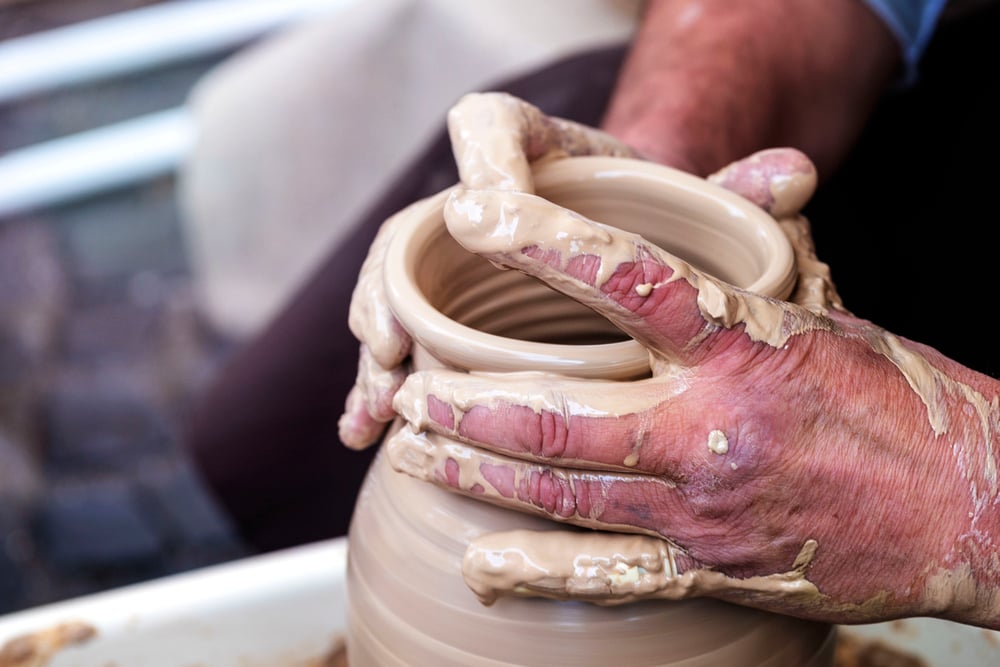
The strange intersections of art and competition reveal something fundamental about human creativity. Even in realms designed for pure expression, our competitive instincts find ways to emerge, sometimes producing remarkable innovations that neither art nor competition alone could generate.
From Olympic aesthetic competitions to digital creation races, these weird collisions continue to evolve, suggesting that the tension between creative expression and competitive drive remains a uniquely fertile ground for cultural development.
More from Go2Tutors!

- The Romanov Crown Jewels and Their Tragic Fate
- 13 Historical Mysteries That Science Still Can’t Solve
- Famous Hoaxes That Fooled the World for Years
- 15 Child Stars with Tragic Adult Lives
- 16 Famous Jewelry Pieces in History
Like Go2Tutors’s content? Follow us on MSN.