15 bestselling books in global history
Books have the remarkable ability to transcend borders, languages, and generations. Some stories capture the human imagination so completely that they sell hundreds of millions of copies worldwide, becoming cultural touchstones that shape how we see ourselves and our world.
From centuries-old classics that laid the foundation for modern literature to contemporary tales that sparked global phenomena, these literary giants have achieved something extraordinary: they’ve connected with readers across every continent and culture. Here’s a list of 15 bestselling books that have achieved legendary status in publishing history.
Don Quixote
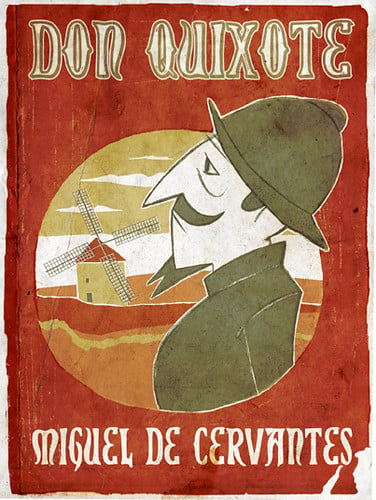
Miguel de Cervantes’ masterpiece has sold approximately 500 million copies since its publication in 1605. Making it the bestselling novel of all time. This Spanish classic tells the story of an aging nobleman who becomes so obsessed with chivalric romances that he decides to become a knight-errant himself—complete with rusty armor and a loyal squire named Sancho Panza. What makes this book truly special is that it’s considered ‘the first modern novel’ by many literary scholars, and the tale of Don Quixote tilting at windmills has become a universal metaphor for fighting impossible battles.
A Tale of Two Cities
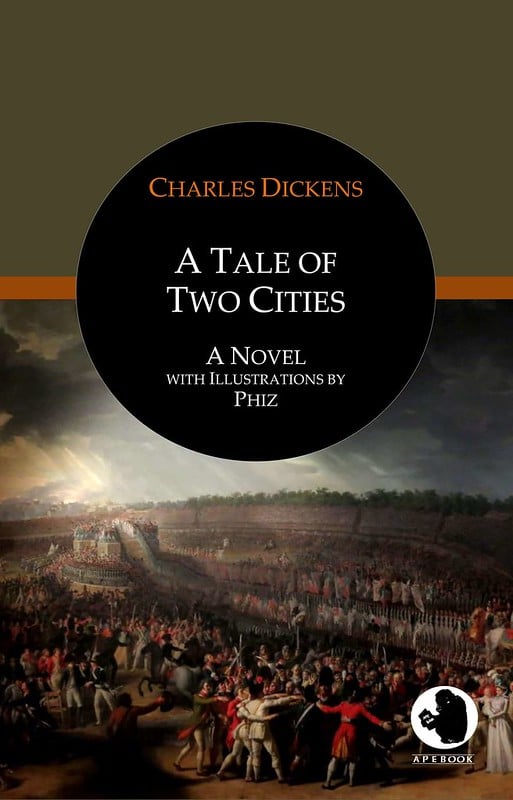
Charles Dickens knew how to craft a story that would stick with readers forever. A Tale of Two Cities has sold over 200 million copies worldwide since its publication in 1859. The novel opens with one of the most famous lines in literature: ‘It was the best of times, it was the worst of times.’ Set during the French Revolution, the story weaves together love, sacrifice, and redemption in ways that feel just as relevant today—the plot follows French aristocrat Charles Darnay and his complex relationship with Lucie Manette during one of history’s most turbulent periods.
The Lord of the Rings
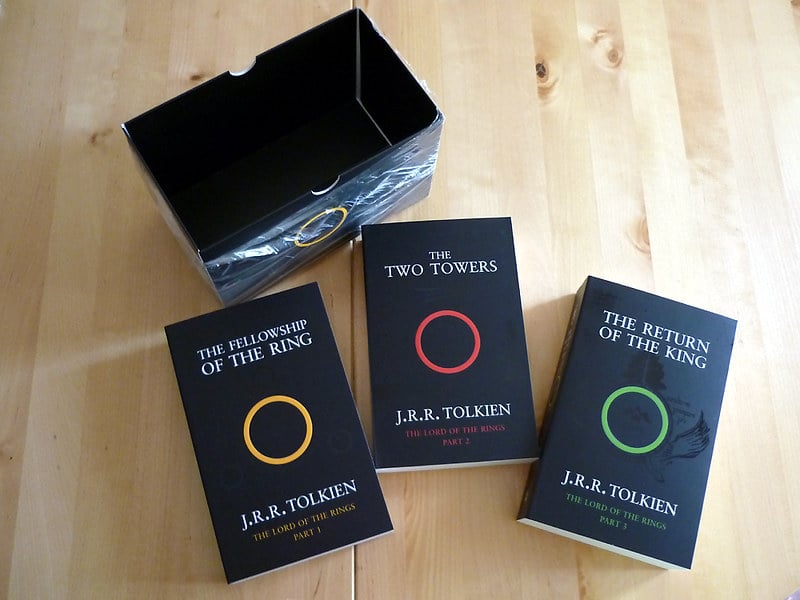
J.R.R. Tolkien created more than just a story when he wrote The Lord of the Rings. This epic fantasy has sold approximately 150 million copies globally since its release in 1954. Originally conceived as a single volume, the tale of Frodo’s quest to destroy the One Ring has become the blueprint for modern fantasy literature, and Tolkien’s world-building was so detailed that it inspired countless novels, films, games, and TV series. Fun fact: what started as a sequel to The Hobbit evolved into a mythology so rich that readers still discover new details with each reading.
Harry Potter and the Philosopher’s Stone
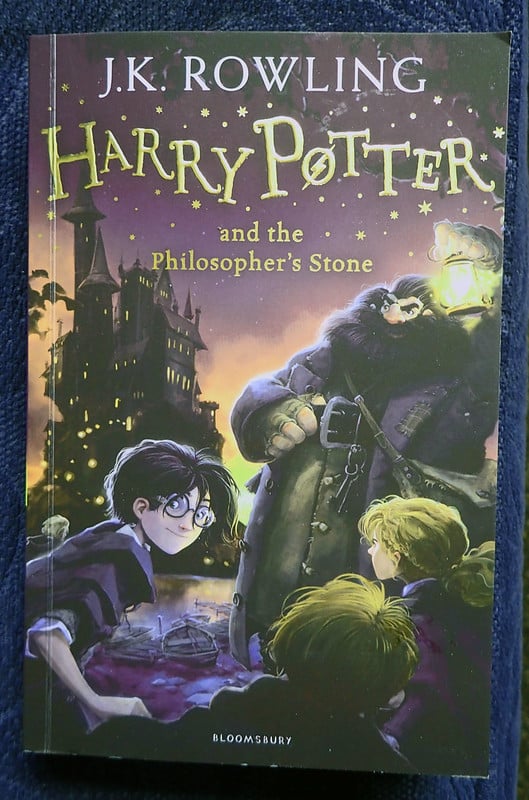
J.K. Rowling’s introduction to the wizarding world changed everything. The first Harry Potter book has sold more than 120 million copies and remains one of the bestselling individual books of all time. Published in 1997, it introduced readers to a boy who discovers he’s a wizard on his 11th birthday. This colorful and quirky story took the world by storm, creating a global phenomenon that extends far beyond books, and the success of this single volume launched a seven-book series that became the bestselling book series in history.
And Then There Were None
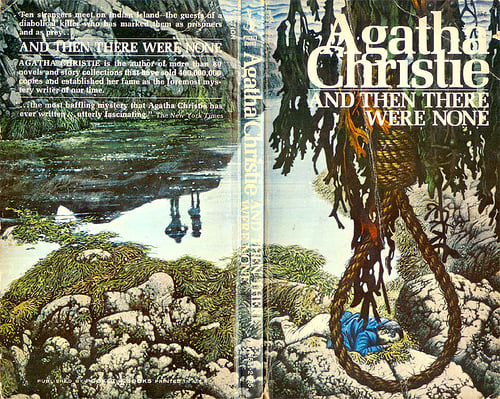
Agatha Christie mastered the art of the murder mystery. And Then There Were None has sold more than 100 million copies since its release in 1939, placing ten strangers on an island where they’re picked off one by one according to a sinister nursery rhyme. Christie’s plotting is so tight and her red herrings so cleverly placed that readers have been trying to solve the mystery alongside her characters for over 80 years. The eccentric millionaire who brings them together creates a puzzle that keeps readers guessing until the final page.
Alice’s Adventures in Wonderland
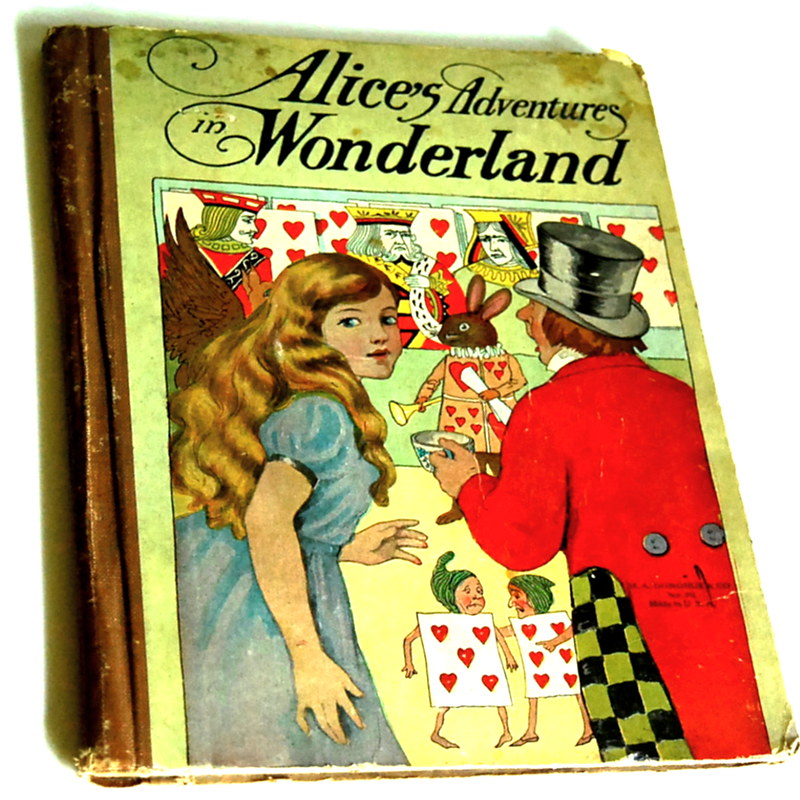
Lewis Carroll’s whimsical tale has been delighting readers for more than 150 years, and Alice’s Adventures in Wonderland has sold approximately 100 million copies worldwide. The story begins when curious Alice falls down a rabbit pit and finds herself in a world where logic doesn’t apply and impossible things happen before breakfast—Carroll’s nonsense verse and absurd characters like the Cheshire Cat and Mad Hatter have become part of our cultural vocabulary. What makes this book timeless is how it captures the confusion and wonder of childhood while offering plenty of wit for adult readers.
The Little Prince
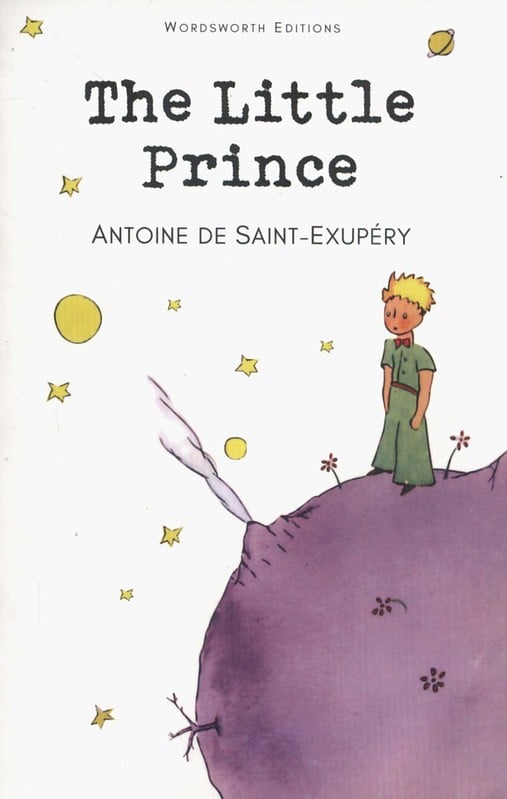
Antoine de Saint-Exupéry created something magical with this deceptively simple story. The Little Prince has sold more than 145 million copies worldwide and has been translated into 253 languages. The novella follows a pilot stranded in the desert who meets a young prince from another planet. The story explores themes of loneliness, friendship, sadness, and love through the prince’s journey across the universe, seeking wisdom while discovering the unpredictable nature of adults—its famous line ‘All grown-ups were once children, but only a few of them remember it’ resonates with readers of every age.
The Da Vinci Code
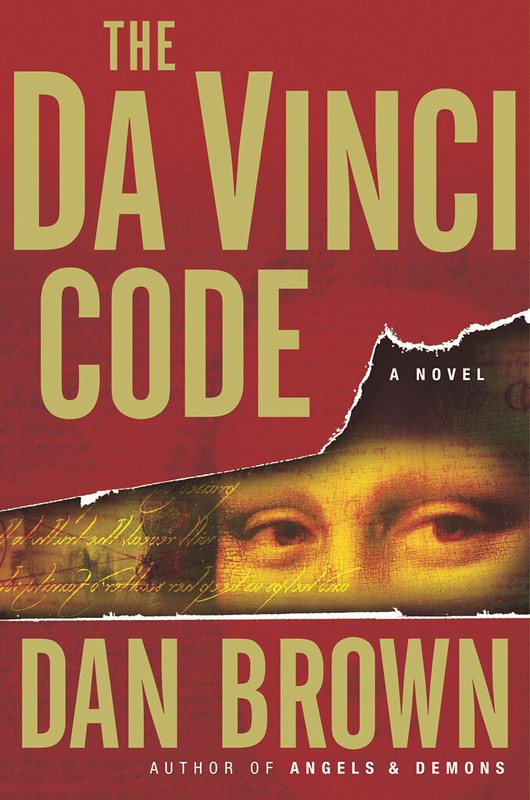
Dan Brown’s thriller became a cultural phenomenon that sparked conversations in bookstores, churches, and classrooms around the world. The Da Vinci Code has sold over 80 million copies globally since its publication in 2003, following symbologist Robert Langdon as he unravels a conspiracy involving the Catholic Church and secret societies. Brown’s blend of art history, religious mystery, and breakneck pacing created a page-turner that had readers questioning everything they thought they knew about Leonardo da Vinci’s paintings. The controversy it generated only fueled more sales. Books can still shake up society, apparently.
Think and Grow Rich
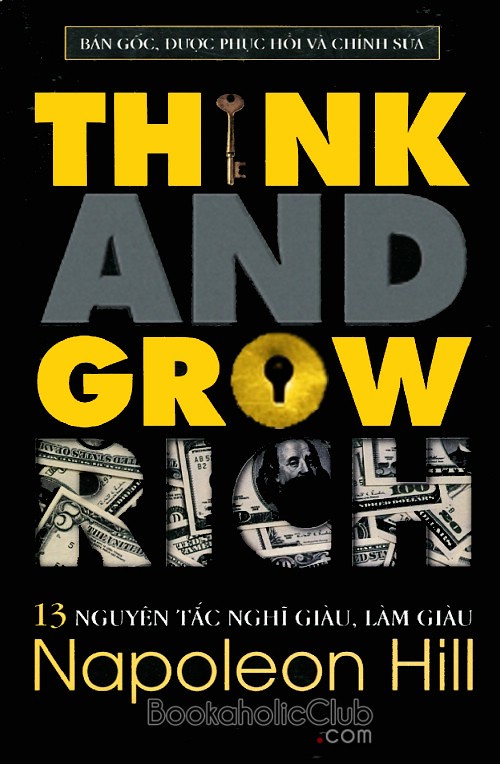
Napoleon Hill’s self-help classic has been changing lives since 1937, and Think and Grow Rich has sold over 70 million copies while continuing to influence entrepreneurs and dreamers worldwide. Hill spent 20 years studying successful people like Andrew Carnegie and Henry Ford to distill the principles of wealth-building. The book’s core message that thoughts become things resonated during the Great Depression and still appeals to people chasing their dreams today. Its 13 principles of success have been quoted, referenced, and adapted countless times, making it one of the most influential business books ever written.
The Alchemist
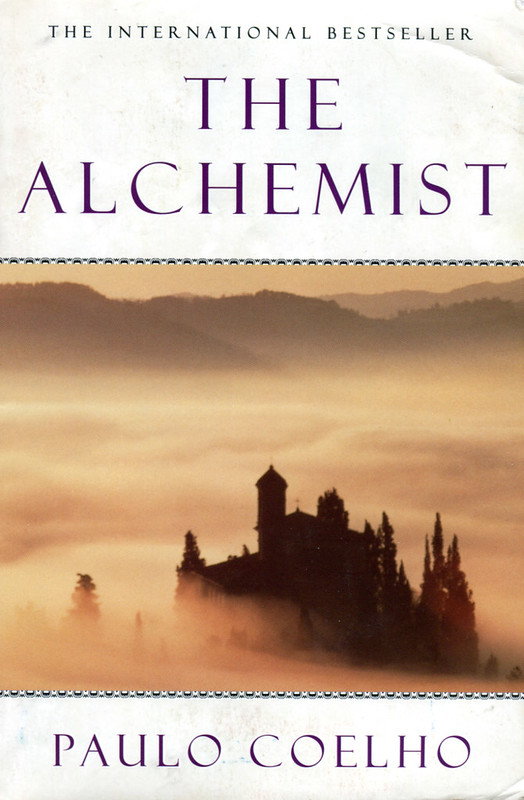
Paulo Coelho’s philosophical novel proves that profound truths can come in small packages. The Alchemist has sold approximately 65 million copies worldwide. The story follows a young shepherd named Santiago who travels from Spain to Egypt in search of treasure, only to discover that the real treasure was the journey itself—Coelho’s visionary blend of spirituality, magical realism, and folklore has topped bestseller lists in 74 countries. The book’s message about following your personal legend and listening to your heart has inspired millions of readers to pursue their dreams.
Gone with the Wind
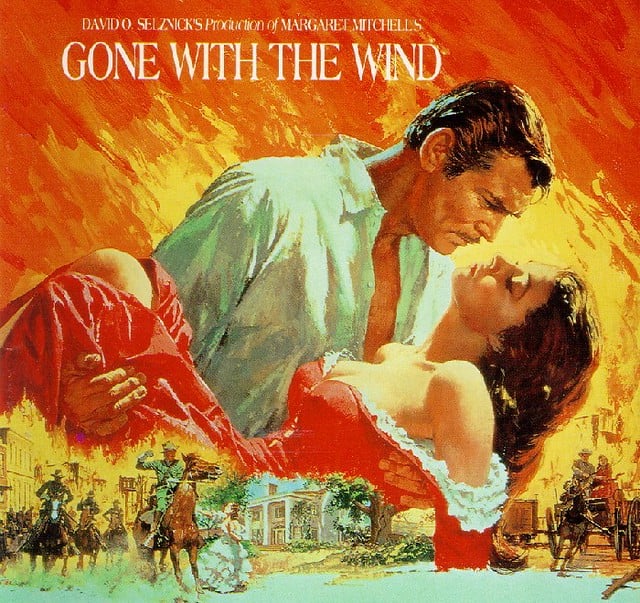
Margaret Mitchell’s epic historical romance swept readers off their feet when it was published in 1936. Gone with the Wind has sold over 40 million copies and won the Pulitzer Prize for Fiction. The novel follows Scarlett O’Hara’s determination to survive and thrive during the Civil War and Reconstruction era—Mitchell’s portrayal of the antebellum South sparked controversy even at the time, but her compelling characters and sweeping narrative kept readers turning pages. Scarlett’s famous declaration that ‘tomorrow is another day’ became one of literature’s most quoted lines.
The Catcher in the Rye
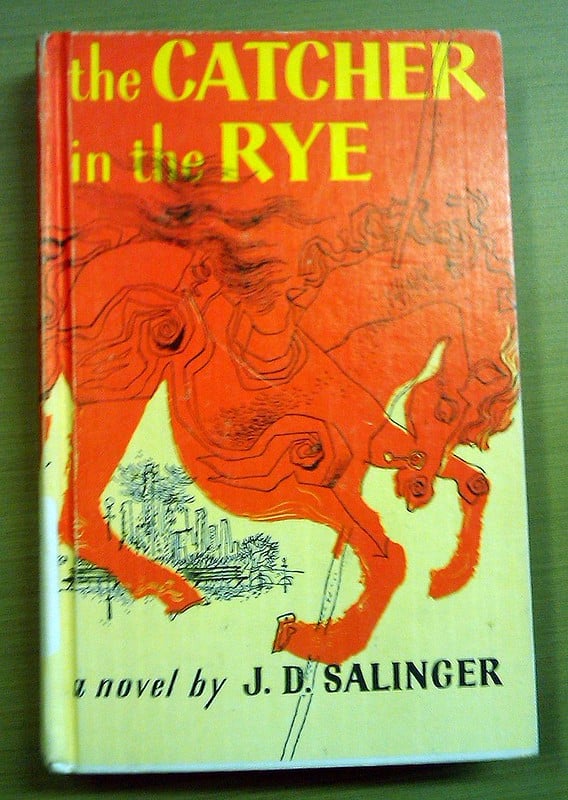
J.D. Salinger created a voice that spoke directly to disaffected youth everywhere, and The Catcher in the Rye has sold over 65 million copies since its publication in 1951. Holden Caulfield’s weekend wandering through New York City after being expelled from prep school struck a nerve with readers who felt like outsiders. Salinger’s authentic teenage voice and Holden’s criticism of adult ‘phoniness’ made this book both beloved and banned. Despite decades of controversy, or perhaps because of it, the novel continues to find new generations of readers who see themselves in Holden’s alienation.
To Kill a Mockingbird
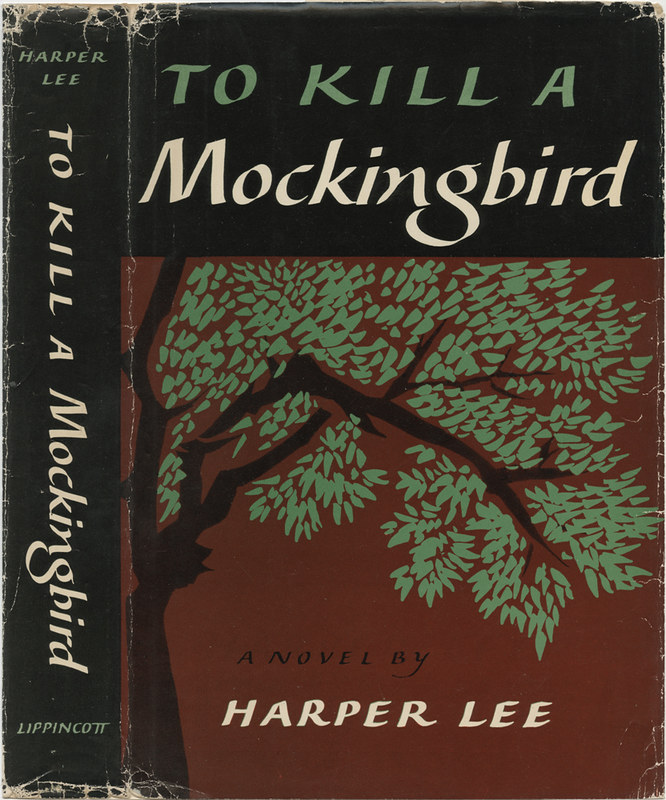
Harper Lee’s only novel (during her lifetime) packed a powerful moral punch that still reverberates today. To Kill a Mockingbird has sold over 40 million copies since 1960—the story of young Scout Finch watching her father defend a Black man falsely accused of rape in Depression-era Alabama became required reading in schools across America. Lee’s ability to tackle serious themes like racism and injustice through a child’s eyes made complex moral issues accessible to readers of all ages. The book won the Pulitzer Prize and was adapted into an Academy Award-winning film.
The Common Sense Book of Baby and Child Care
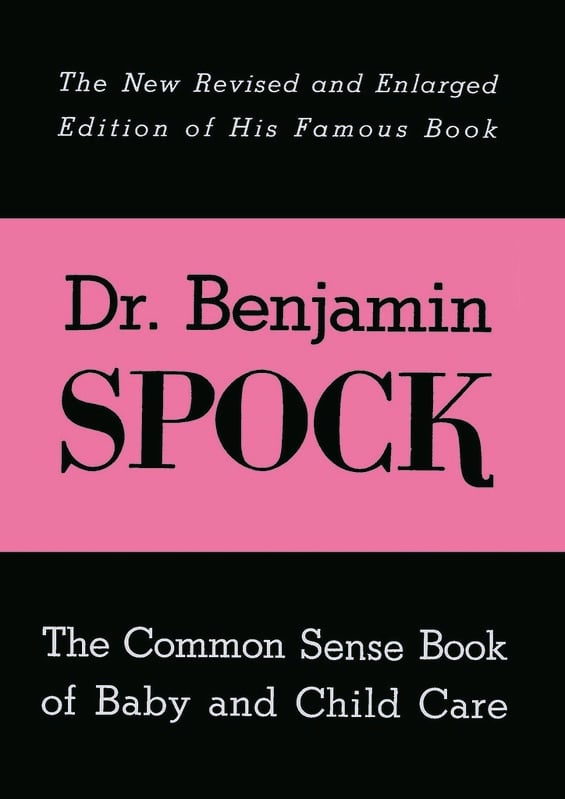
Dr. Benjamin Spock revolutionized parenting with a single book, and The Common Sense Book of Baby and Child Care has sold millions of copies since its publication in 1946. Spock’s core message encouraging parents to trust their own common sense was considered revolutionary at the time—before Spock, parenting books were rigid and authoritarian, but he told parents it was okay to show affection and follow their instincts. Multiple generations of parents raised their children using Spock’s advice, making him one of the most influential figures in 20th-century childcare, and the book’s impact extended far beyond individual families to shape how society thinks about child development.
The Bridges of Madison County
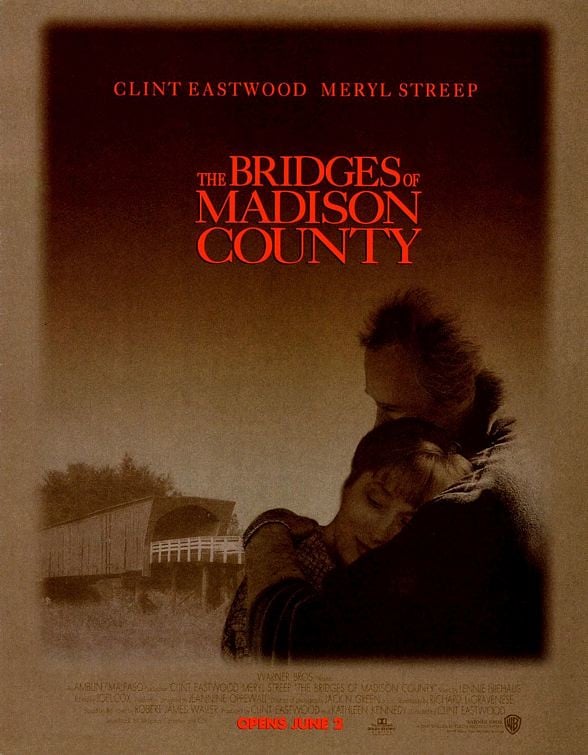
Robert James Waller’s romantic novel became an unexpected cultural phenomenon in the 1990s. The Bridges of Madison County has sold over 50 million copies worldwide since its publication in 1992. The story of a four-day love affair between a lonely farmwife and a traveling photographer in rural Iowa touched something deep in readers’ hearts—critics dismissed it, but readers embraced its emotional directness and unashamed romanticism. The novel’s success led to a movie starring Meryl Streep and Clint Eastwood, proving that sometimes the simplest love stories are the most powerful.
Literary Legends That Shaped Our World
— Photo by HenryStJohn
These 15 books represent more than just impressive sales figures—they’re cultural landmarks that have influenced how we think, dream, and relate to each other. From Cervantes’ groundbreaking novel that invented modern fiction to Rowling’s magical world that reunited families around reading, each of these works has left an indelible mark on human culture. Their success proves that great stories are universal, crossing language barriers and generational gaps to speak directly to the human experience. In our digital age, where attention spans seem shorter than ever, these books remind us that the right story, told well, can still captivate millions of readers and change the world one page at a time.
More from Go2Tutors!

- 16 Historical Figures Who Were Nothing Like You Think
- 12 Things Sold in the 80s That Are Now Illegal
- 15 VHS Tapes That Could Be Worth Thousands
- 17 Historical “What Ifs” That Would Have Changed Everything
- 18 TV Shows That Vanished Without a Finale
Like Go2Tutors’s content? Follow us on MSN.