The First Day Of School in Every Decade from the ’50s to the ’90s
That first day back to school carries a weight that never quite leaves you. The mixture of anticipation and dread, fresh supplies and familiar faces, new clothes and old anxieties.
But looking back across the decades, that universal experience shifted in ways both subtle and dramatic. From the rigid formality of the 1950s to the more relaxed atmosphere of the 1990s, each decade brought its own flavor to those September mornings that marked the end of summer freedom.
What you wore, how you got there, what you carried, and what waited for you in the classroom — all of it reflected the broader changes happening in American society. The evolution of that first day tells a story about changing expectations, shifting technology, and the slow transformation of childhood itself.
The 1950s
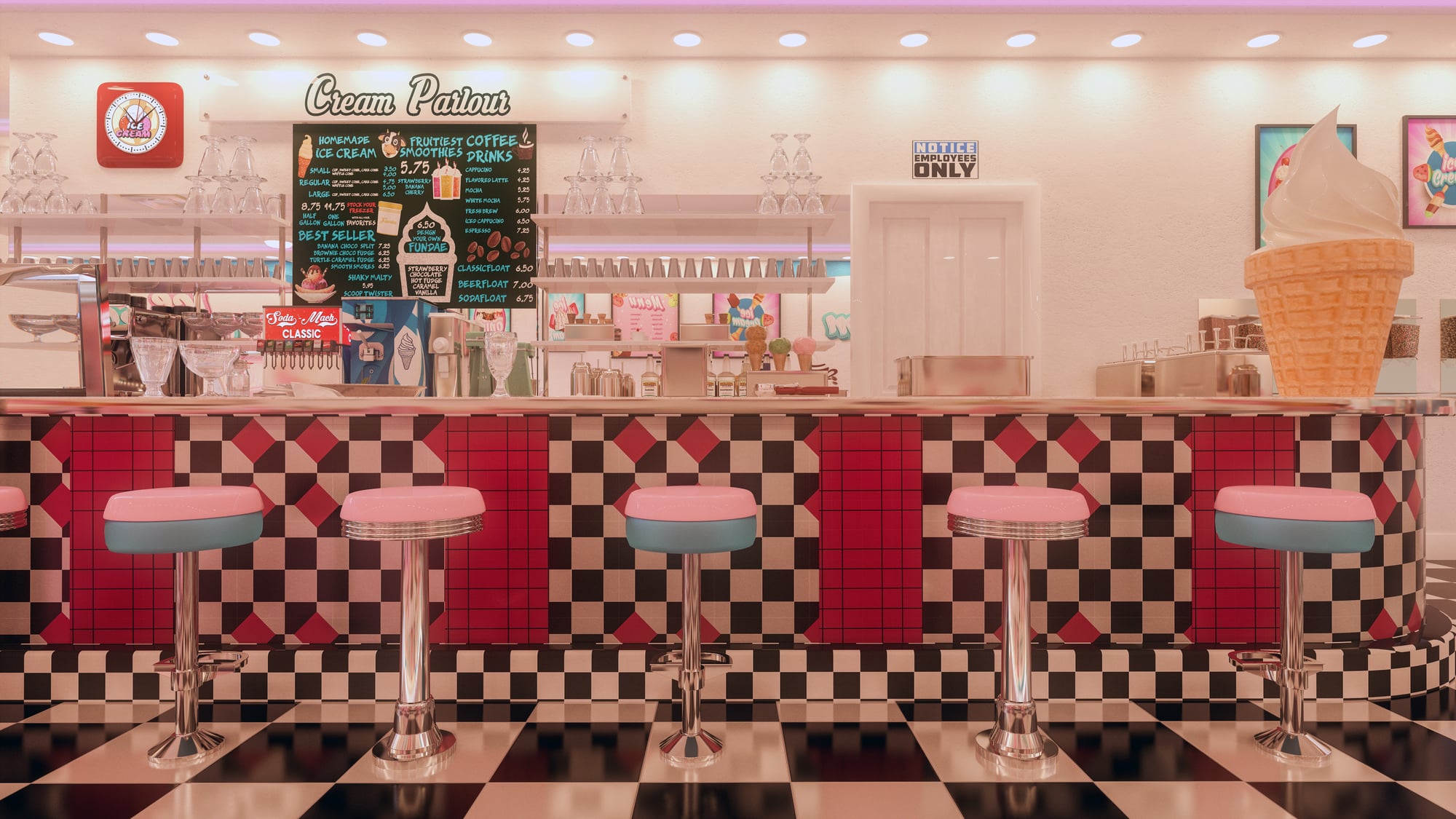
Walking into school in September 1950 meant stepping into a world of rigid order and unquestionable authority. Boys wore pressed slacks and button-down shirts, their hair slicked back with Brylcreem.
Girls appeared in carefully ironed dresses that fell below the knee, white socks pulled high, saddle shoes polished to perfection.
The classroom itself announced its priorities before anyone spoke a word. Desks sat in perfect rows facing forward, bolted to the floor to prevent any notion that learning might be collaborative.
The American flag occupied the corner, the pledge of allegiance began each day, and the teacher’s desk commanded the room like a fortress. Students stood when adults entered and spoke only when spoken to.
The 1960s
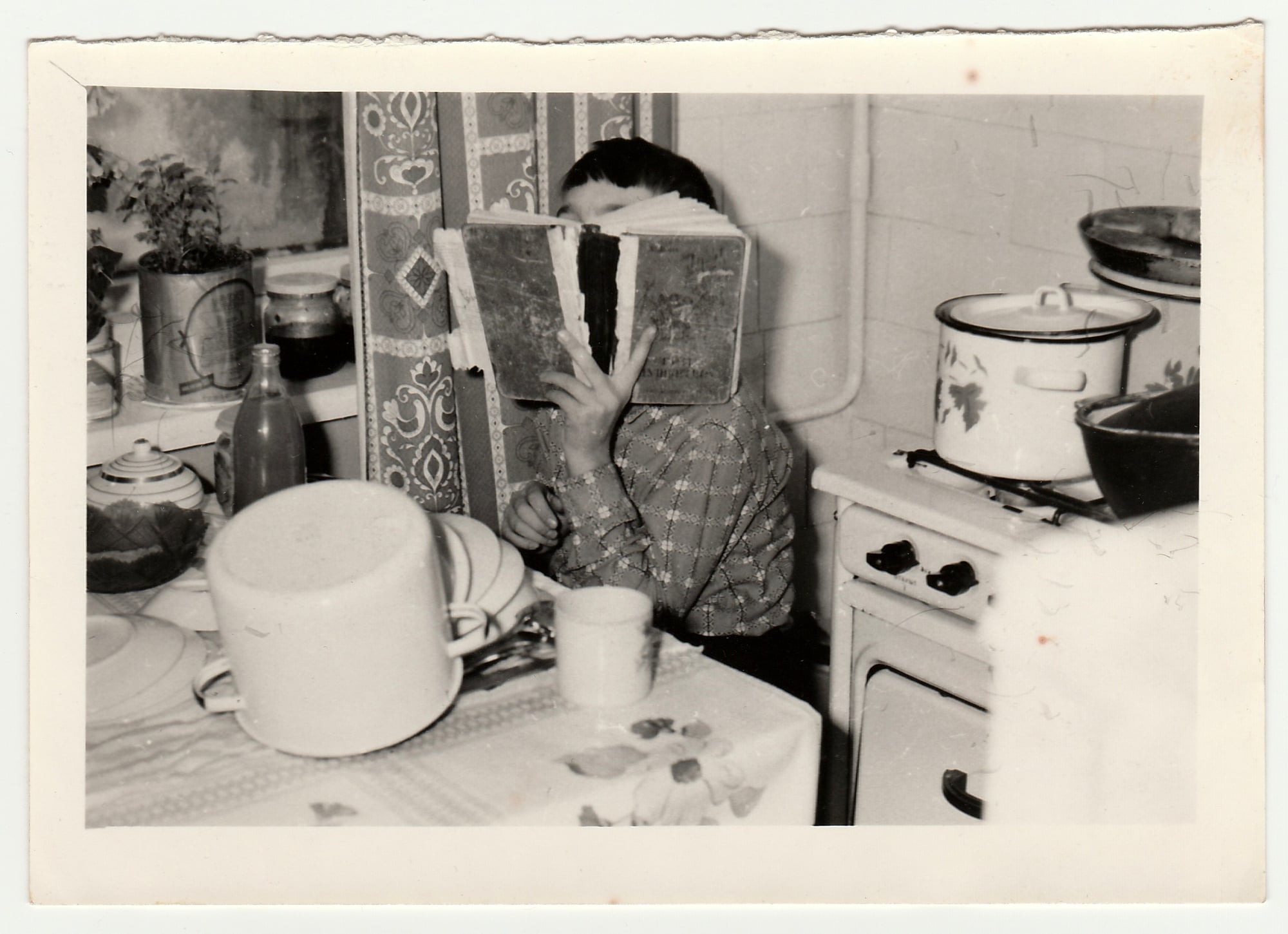
The decade that would reshape everything started quietly enough in the classroom, though change hummed beneath the surface like a radio picking up distant signals you couldn’t quite tune in (but somehow still affected the reception of everything else playing). By mid-decade, those perfectly pressed uniforms began to loosen — not dramatically, not rebelliously yet, but in small ways that suggested the world outside was shifting.
Girls’ skirts crept slightly higher, boys let their hair grow a fraction longer, and the absolute silence that once defined a proper classroom started to crack around the edges. And yet the fundamental structure held: teachers still ruled from the front, textbooks still contained unquestionable truth, and the principal’s office remained a place of genuine terror.
So the first day of school in, say, 1967 carried a strange tension between old and new, between the way things had always been done and the faint but growing sense that maybe they didn’t have to stay that way forever.
The 1970s
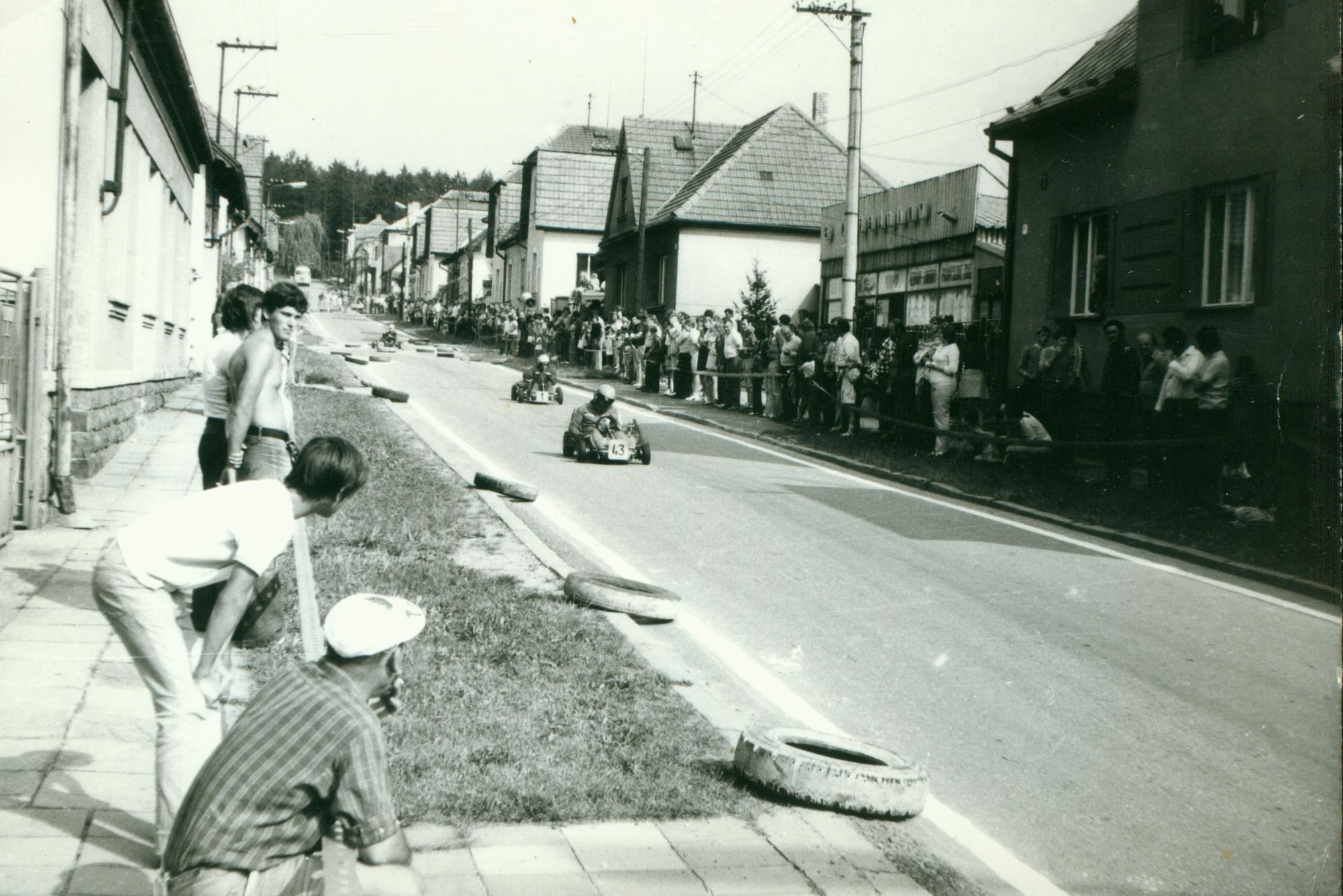
School buildings in the 1970s wore their age like a faded denim jacket — comfortable, broken-in, but showing the wear. Those modernist brick structures from the post-war boom had settled into themselves, their optimistic geometric lines now housing a more relaxed approach to education.
The first day meant walking into classrooms where desks might actually form circles, where teachers sometimes sat cross-legged on the floor, where discussions were encouraged rather than merely tolerated.
The dress code still existed, but its enforcement had grown spotty. Hair touched collars, jeans appeared with increasing frequency, and the rigid formality that once defined student-teacher relationships had softened into something more recognizably human.
The changes weren’t universal — plenty of schools clung to the old ways — but even the most traditional institutions couldn’t entirely ignore the shifting winds.
The 1980s
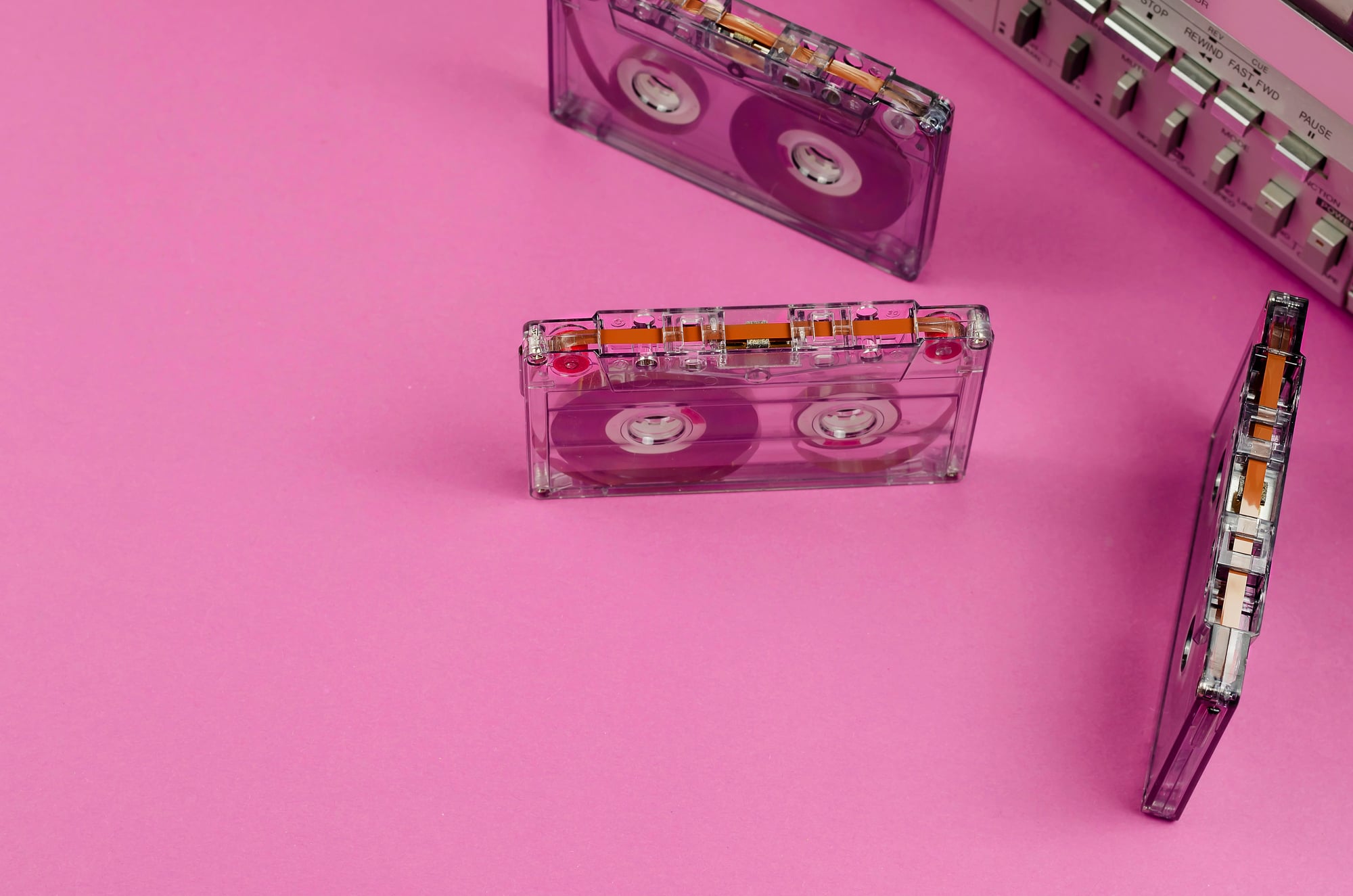
School became a performance in the 1980s, and everyone knew their role. Students arrived that first day dressed like they’d raided a neon paint factory, their backpacks branded with cartoon characters or rock band logos.
The hallways buzzed with more than just nervous energy — they hummed with the sound of Walkmans dominating music through foam headphones that had become as essential as pencils.
Technology started showing up in classrooms with the determination of a door-to-door salesman who wouldn’t take no for an answer. Computer labs sprouted in converted storage rooms, their Apple IIe machines glowing green against dark screens.
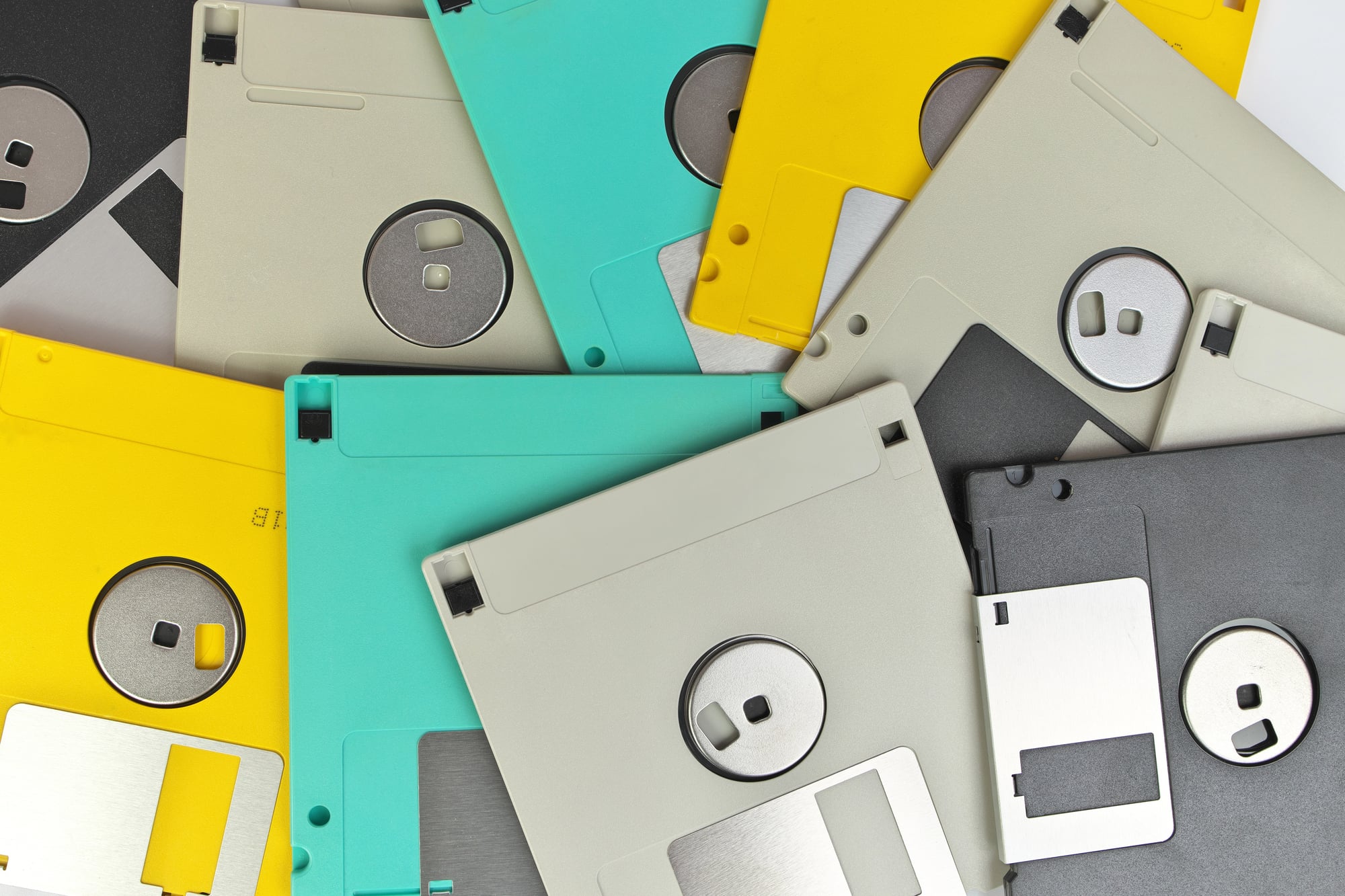
Teachers who had spent decades writing on chalkboards suddenly found themselves expected to understand floppy disks and DOS commands. The first day of school increasingly meant orientation to machines as much as textbooks.
The 1990s
The last decade before everything changed carried itself with the confidence of someone who doesn’t know what’s coming next. Kids showed up that first day in oversized flannel shirts and Doc Martens, their backpacks heavy with binders organized by color-coded systems their parents couldn’t fathom.
The rigid hierarchies of earlier decades had dissolved into something more fluid, though not necessarily easier to navigate.
Teachers had stopped being distant authority figures and become something closer to coaches — still in charge, still demanding respect, but more likely to know students’ names by the end of the first week.
Classroom discussions happened naturally now, group projects were standard, and the idea that learning might actually be interactive rather than passive had taken root in ways that would have scandalized educators from the 1950s.
Looking Back At September Mornings

Each of these first days carried the same fundamental promise — that this year would be different, better, more successful than the last. The details shifted with the decades, but that September morning mixture of hope and anxiety remained constant.
The clothes changed, the technology evolved, the rules relaxed, but the essential experience of standing at the threshold of a new school year stayed remarkably, reassuringly human.
More from Go2Tutors!

- The Romanov Crown Jewels and Their Tragic Fate
- 13 Historical Mysteries That Science Still Can’t Solve
- Famous Hoaxes That Fooled the World for Years
- 15 Child Stars with Tragic Adult Lives
- 16 Famous Jewelry Pieces in History
Like Go2Tutors’s content? Follow us on MSN.