Clever Animal Strategies Humans Copied
Animals figured out survival millions of years before humans showed up. They developed ways to fly, swim faster, stick to walls, and stay cool in scorching heat.
Engineers and scientists eventually noticed these solutions and started borrowing them. The results changed everything from how trains move to how buildings stay cool.
Velcro Came from a Dog Walk
George de Mestral took his dog hiking in the Alps in 1941. When he got home, burrs covered his pants and his dog’s fur.
Instead of just pulling them off, he looked at them under a microscope. The hooks on the burrs grabbed onto loops in fabric and fur.
That observation led to Velcro—a fastener now used in everything from shoes to space suits.
Kingfishers Made Trains Quieter
Japanese bullet trains had a problem. When they exited tunnels at high speed, they created loud sonic booms that bothered nearby residents.
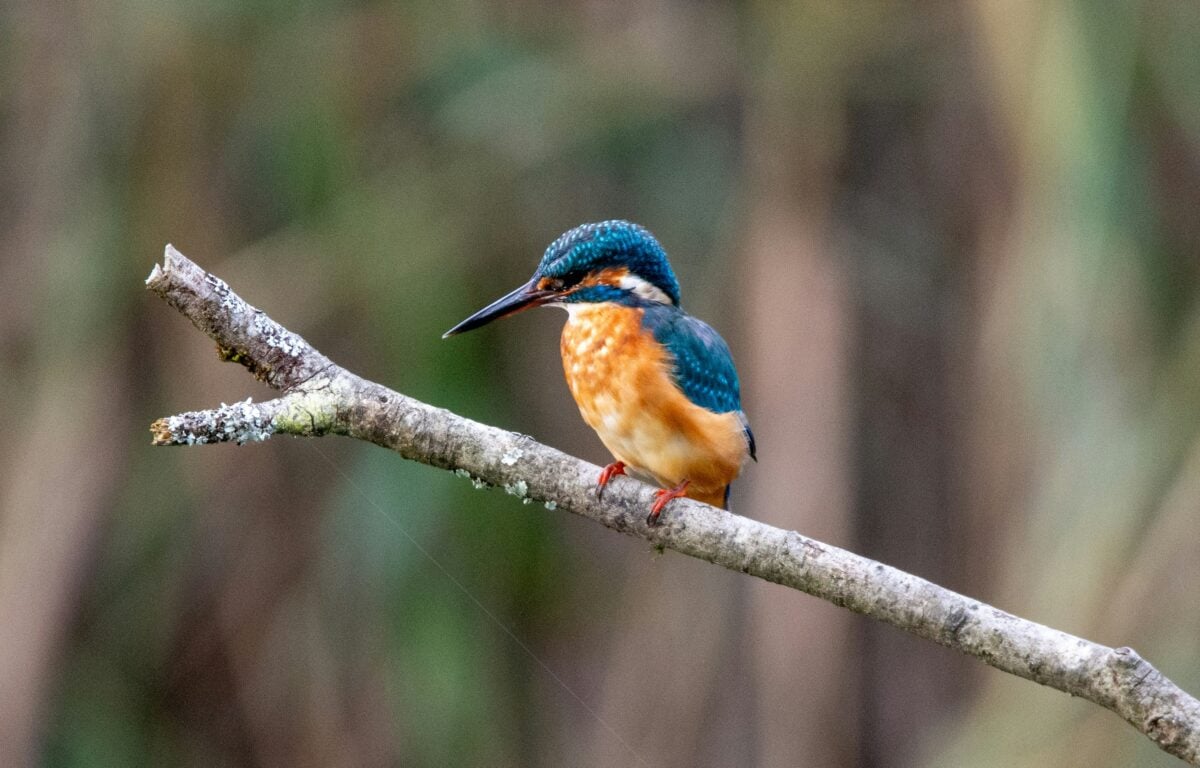
Engineers studied kingfishers—birds that dive into water without making a splash. The solution came from copying the bird’s beak shape.
The redesigned nose of the train cut through air more smoothly, reduced noise, and actually made the trains faster while using less energy.
Shark Skin Inspired Faster Swimsuits
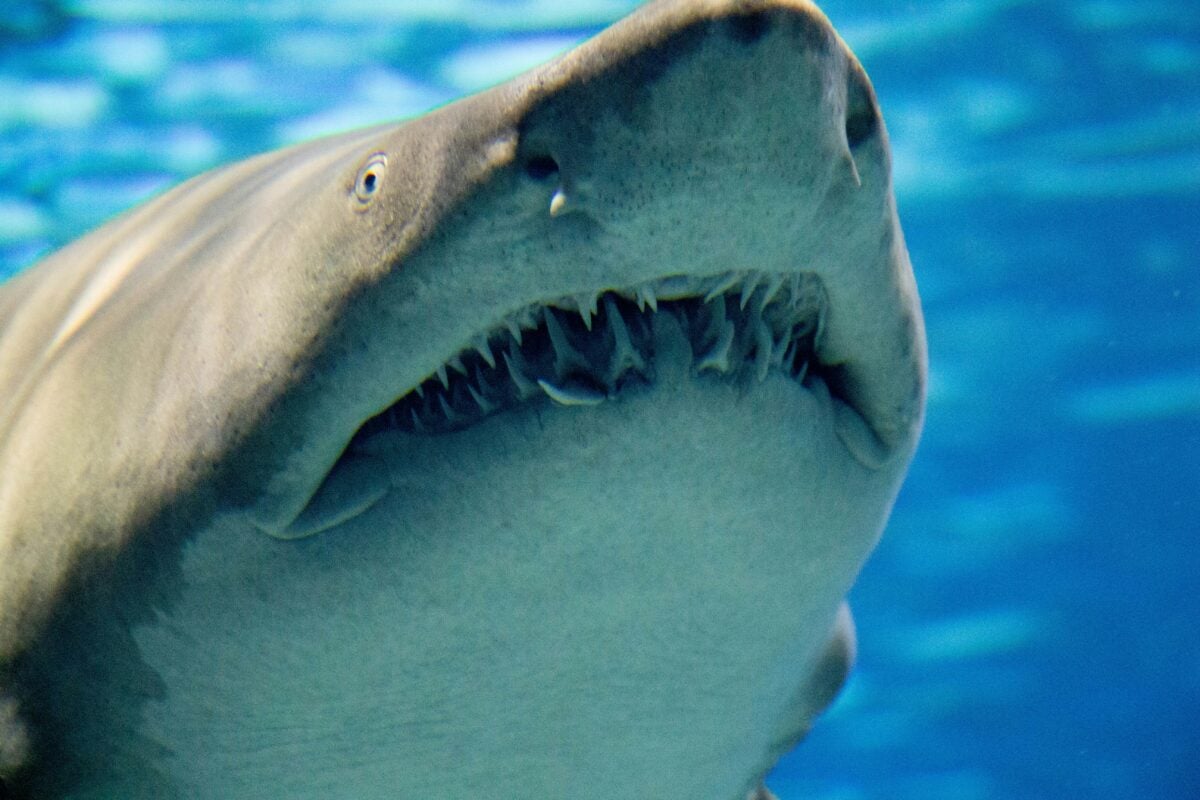
Sharks move through water with remarkable efficiency. Their skin isn’t smooth—it has tiny scales called dermal denticles that reduce drag.
Swimsuit manufacturers copied this texture, creating suits with similar patterns. Olympic swimmers wore these suits and broke records.
The technology also found its way into yacht hulls and airplane surfaces.
Termites Taught Us About Air Conditioning
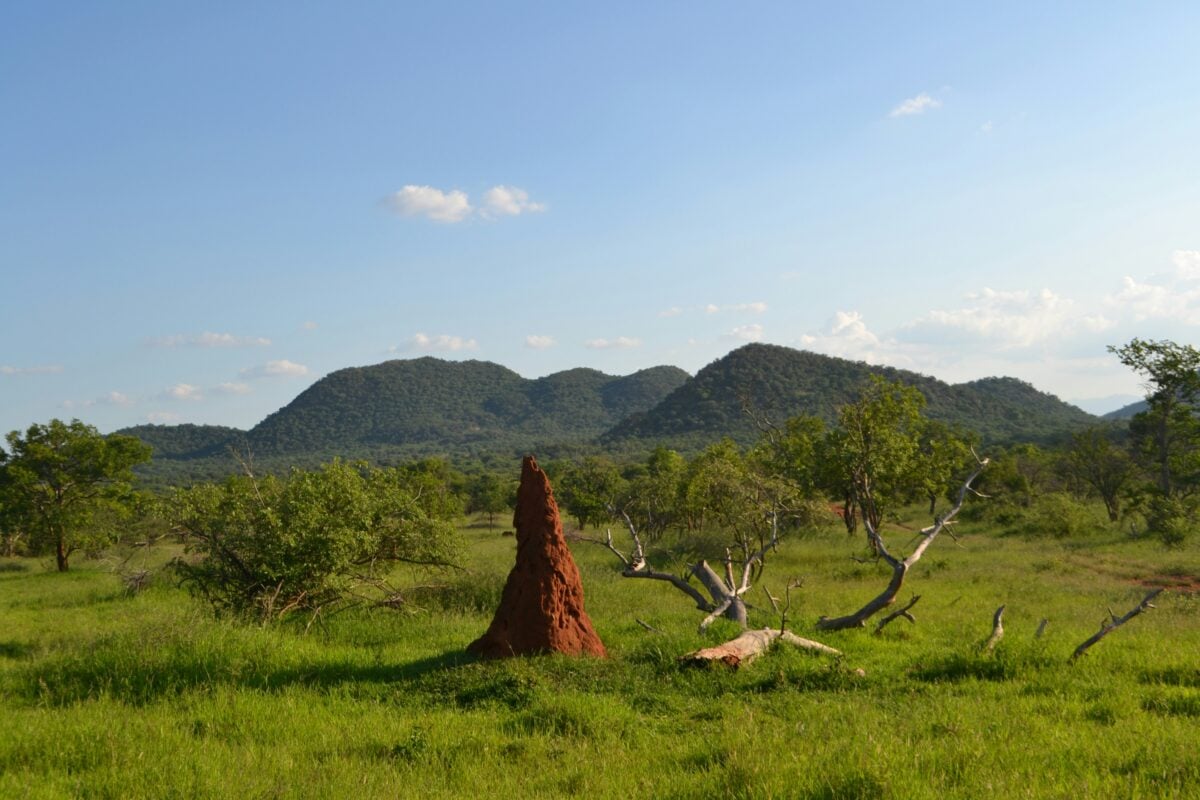
Termites in Africa build mounds that stay cool inside even when outside temperatures hit 40°C. They create a system of vents and tunnels that lets hot air rise and escape while pulling cooler air from underground chambers.
Architects copied this design for the Eastgate Centre in Zimbabwe. The building uses 90% less energy for cooling than conventional buildings its size.
Bats and Dolphins Gave Us Sonar
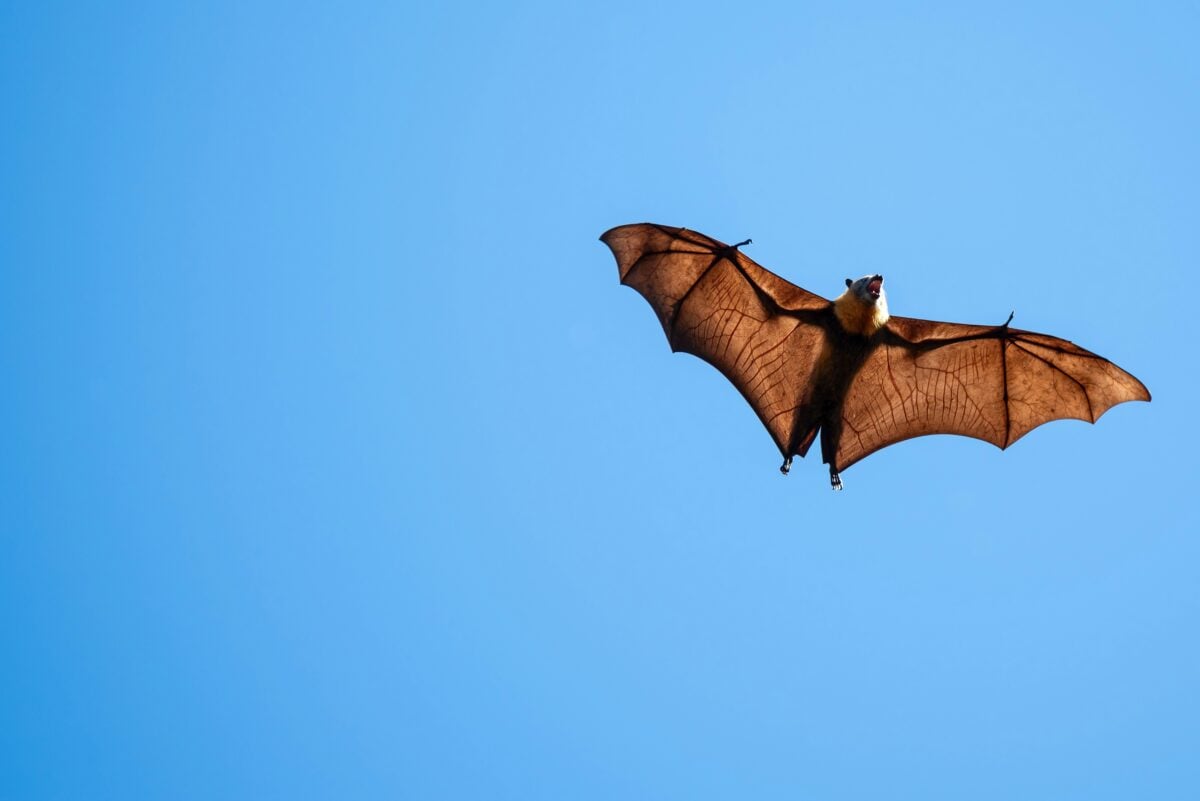
These animals navigate in complete darkness using echolocation. They send out sound waves and listen for the echoes that bounce back.
Humans adapted this for submarines, ships, and medical ultrasound machines. Blind people now use similar devices to navigate cities.
The technology helps doctors see inside the human body without surgery.
Gecko Feet Created Super Adhesives
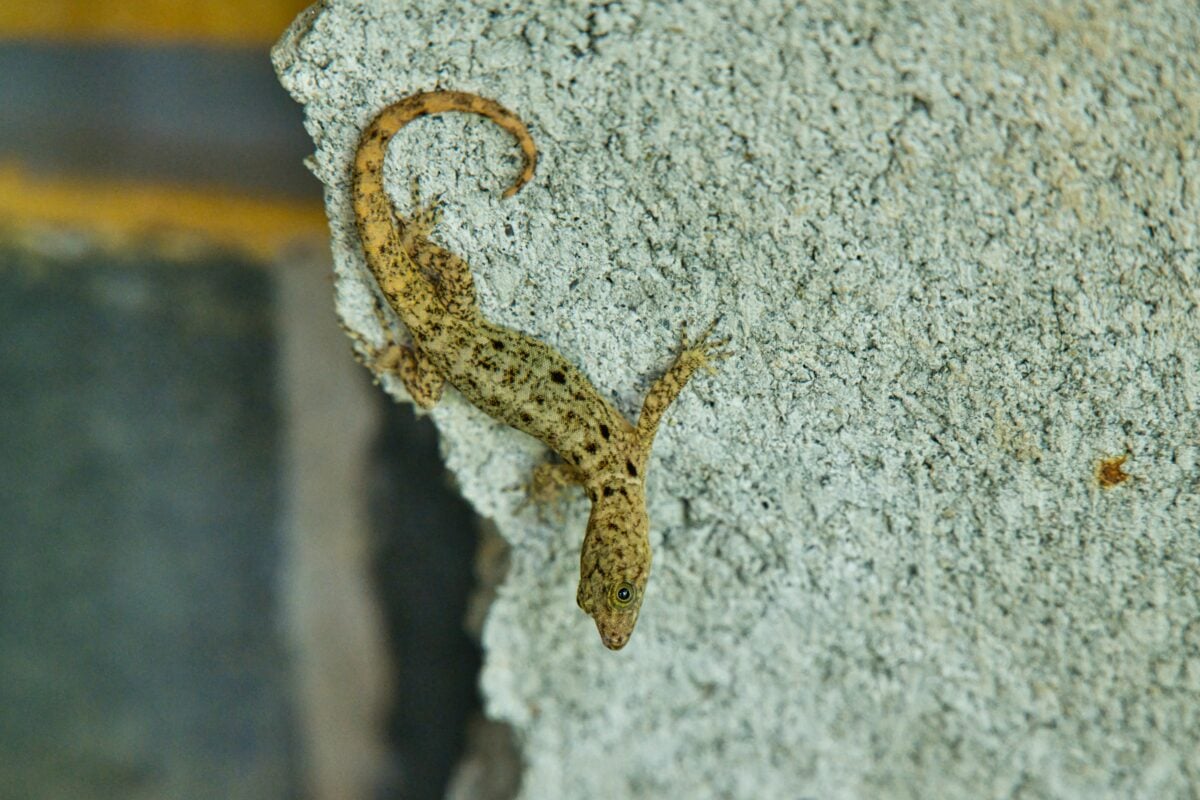
Geckos can walk up walls and across ceilings. Scientists discovered millions of tiny hairs on their feet that create molecular bonds with surfaces.
Researchers developed adhesives based on this principle—ones that stick and release without leaving residue. These adhesives work in space, underwater, and on dusty surfaces where traditional glues fail.
Humpback Whales Improved Wind Turbines
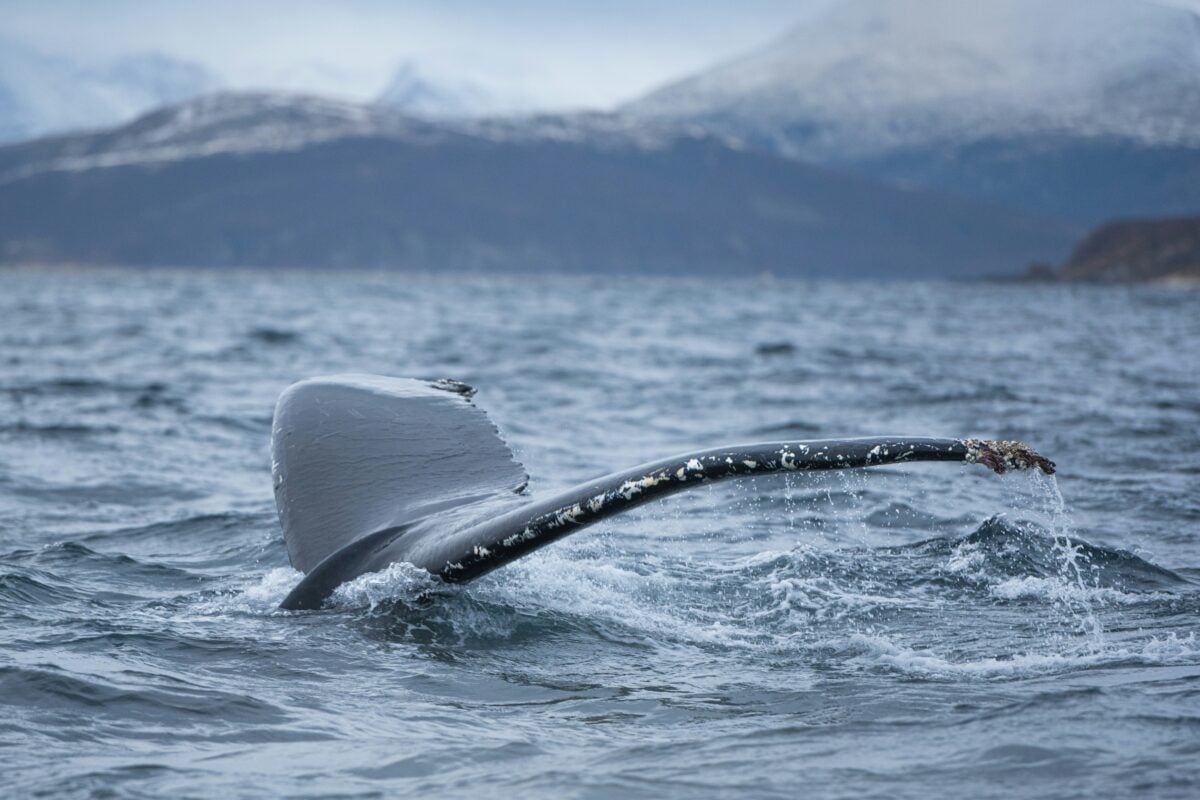
The bumps on a humpback whale’s flippers looked wrong to scientists at first. Smooth edges should work better, right?
Wrong. Those bumps, called tubercles, actually reduce drag and increase lift.
Wind turbine manufacturers now put similar bumps on turbine blades. The change increased efficiency by about 20% and made turbines work better in slow winds.
Lotus Leaves Inspired Self-Cleaning Surfaces
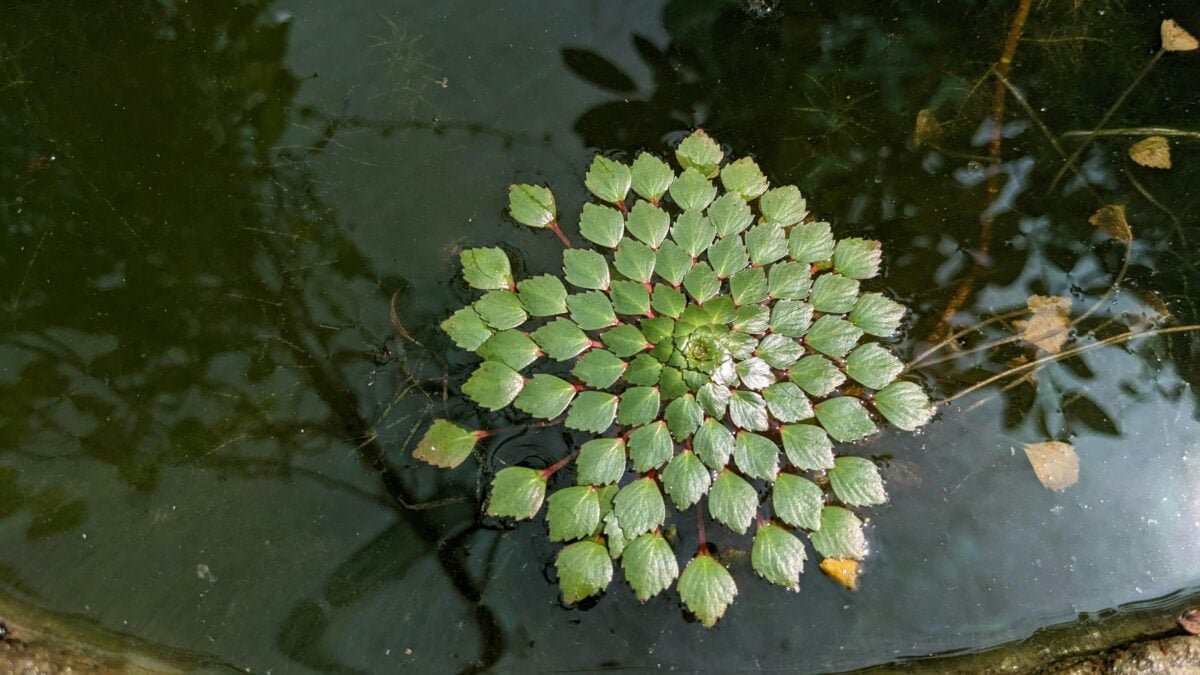
Lotus flowers stay clean even in muddy ponds. Their leaves have a microscopic texture that makes water bead up and roll off, carrying dirt with it.
This led to self-cleaning paints, fabrics, and glass. Buildings now stay cleaner longer.
Outdoor gear repels water and stains more effectively. The technology even helps solar panels stay clean and efficient.
Birds Showed Us How to Fly
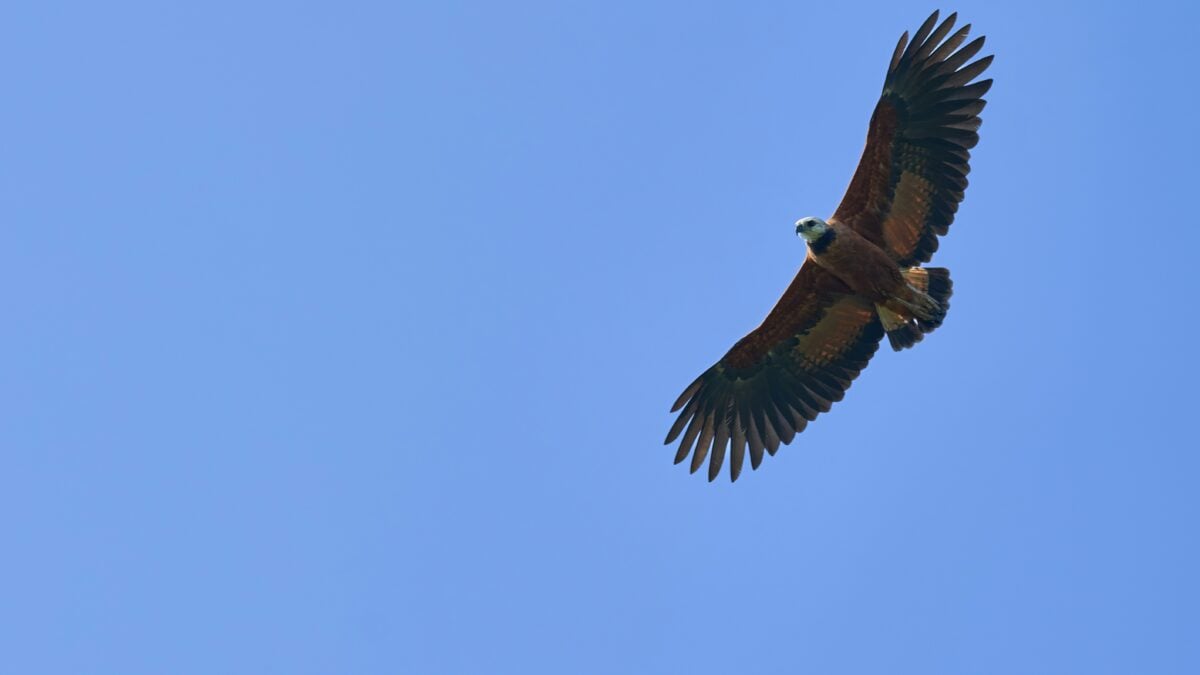
This one seems obvious, but it took humans thousands of years to crack it. Birds don’t just flap their wings randomly.
They adjust wing angles, catch air currents, and use precise muscle control. The Wright brothers studied birds extensively before their first flight.
Modern aircraft still use principles borrowed from bird flight—from wing shape to the way they bank and turn. Aircraft designers continue studying birds today.
They watch how eagles spread their wing feathers to reduce turbulence. They examine how geese fly in V-formations to save energy.
Each observation leads to more efficient aircraft designs.
Military Camouflage Borrowed from Cuttlefish
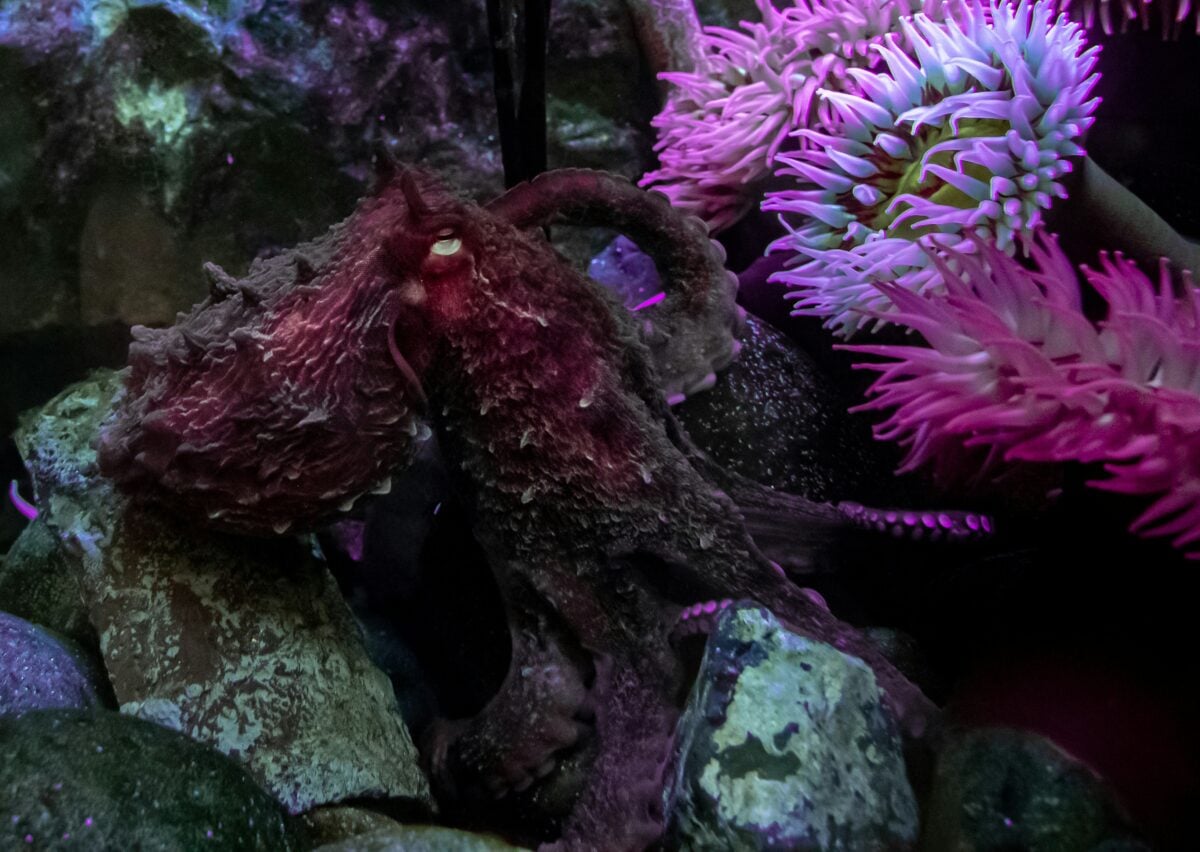
Cuttlefish change their skin color and texture in seconds to blend with surroundings. Military researchers wanted similar abilities.
They developed fabrics and materials that shift patterns based on the environment. These materials work better than traditional camouflage because they adapt.
Some experimental uniforms can even change appearance from woodland to desert patterns.
Spider Silk Led to Stronger Materials
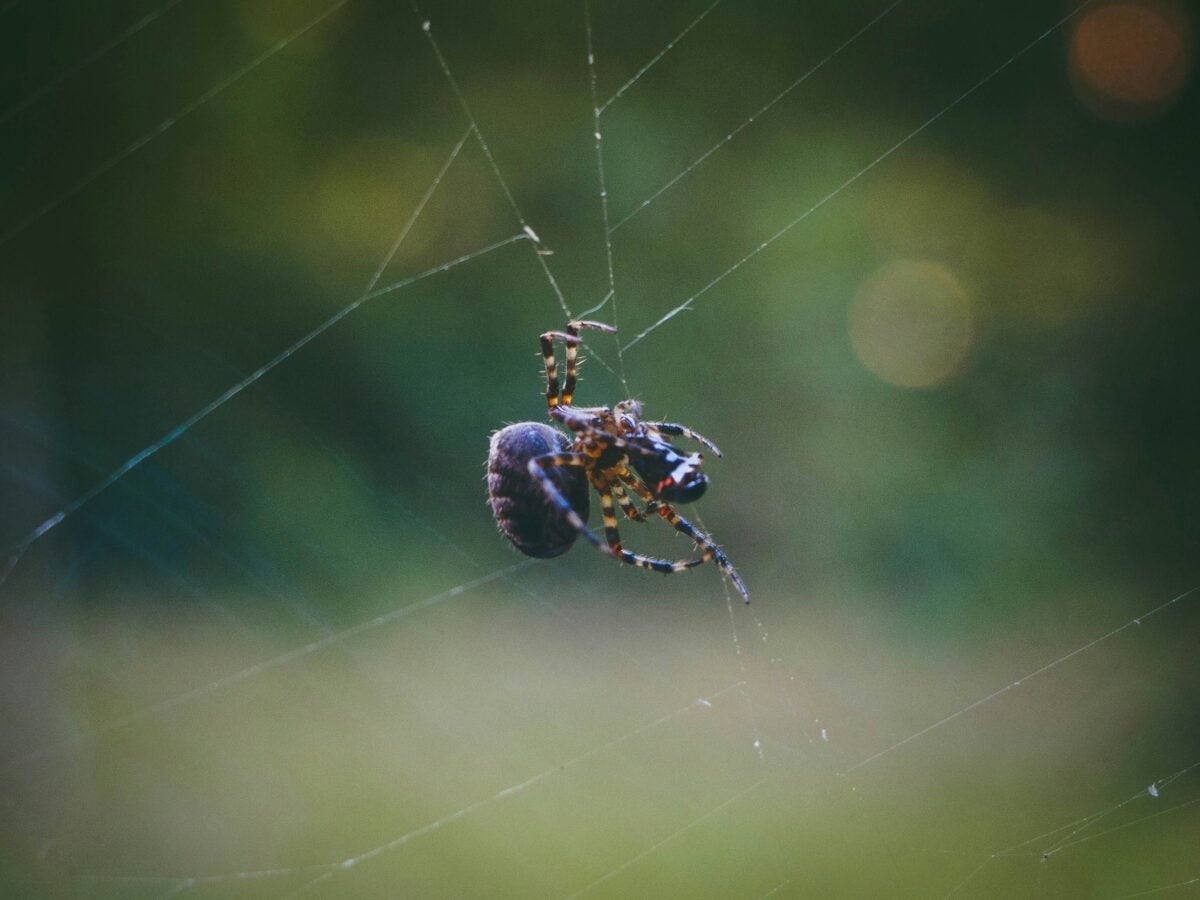
Spider silk is stronger than steel by weight and more elastic than rubber. Scientists spent decades trying to recreate it.
They finally succeeded by inserting spider genes into bacteria and goats, which then produce silk proteins. The resulting material has applications in everything from body armor to medical sutures.
It’s biodegradable, lightweight, and incredibly tough.
Beetles Taught Us to Collect Water
The Namib Desert beetle survives in one of Earth’s driest places by collecting fog on its back. The beetle’s shell has hydrophilic bumps surrounded by hydrophobic valleys.
Water droplets form on the bumps and roll down into the beetle’s mouth. Engineers created fog-catching nets based on this design.
These nets now provide drinking water in dry regions around the world.
Cat Eyes Made Roads Safer at Night
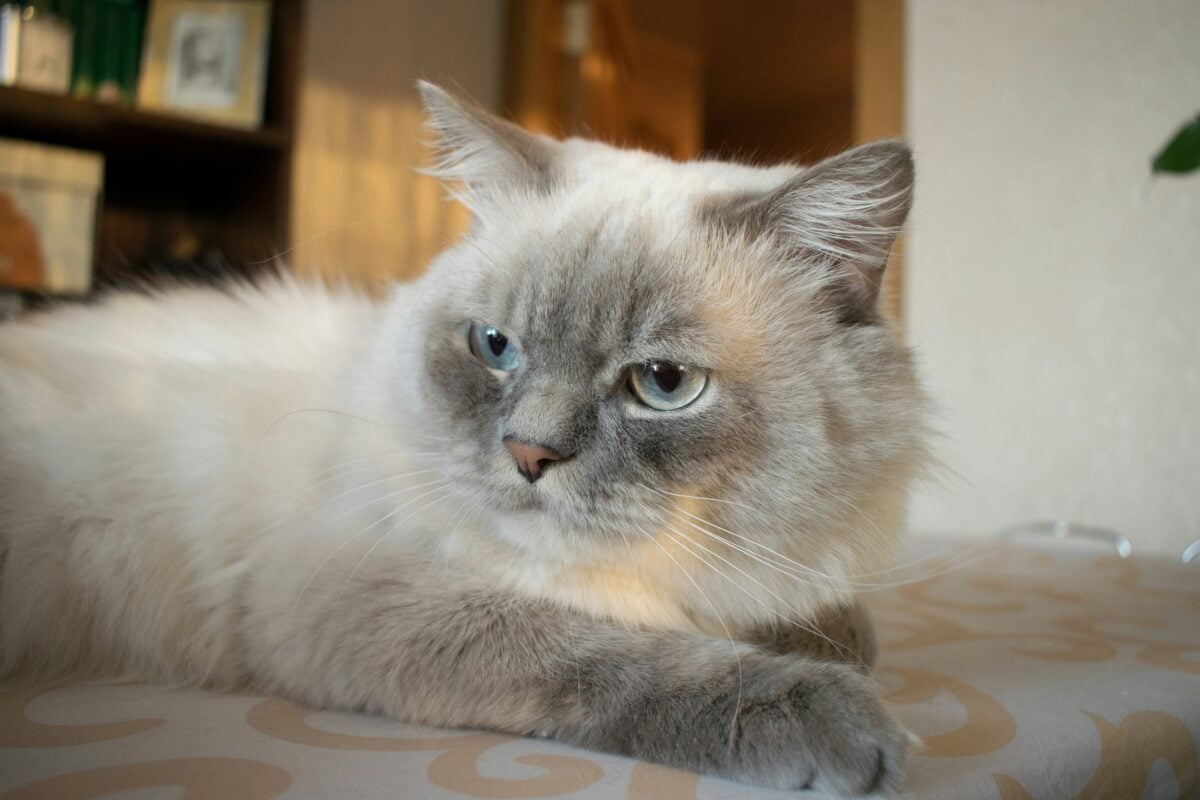
Percy Shaw got the idea for glowing road studs when he saw a cat’s eyes flash under his car lights one late evening in ’33. Because cats have a special film behind their retinas, light zips right back out – great for seeing in pitch black.
He built bump-up road dots fitted with shiny lenses mimicking that trick. Since then, these glow-in-the-dark guides have kept millions safe by outlining turns and sides of roads once the sun goes down.
Cats spot things in dimmer settings – about six times darker than people require. Because of this edge, they chase prey when the sun’s rising or falling.
Shaw figured out how that trick might let motorists notice streets more clearly after dark.
Nature as the First Engineer
Animals never made these tricks on purpose for people. These came from endless tests across ages – nature’s own slow way of figuring things out, way older than anything we’ve done.
Each change fixed one real challenge for staying alive. Today, when builders check how nature works, they find fixes that actually do the job.
The idea’s got a label – biomimicry. Saves effort, cash too, since nature’s already run the tests on these forms.
Even better? These fixes usually work smoothly without harming resources.
Creatures don’t have room for wasted power. They build light, smart, fitting right into surroundings rather than fighting them.
The next big leap could come by watching how ants find their way, while flies handle what they see. Octopuses slip through cracks, hinting at new ideas.
Millions of answers hide in nature, just waiting to be seen.
More from Go2Tutors!

- The Romanov Crown Jewels and Their Tragic Fate
- 13 Historical Mysteries That Science Still Can’t Solve
- Famous Hoaxes That Fooled the World for Years
- 15 Child Stars with Tragic Adult Lives
- 16 Famous Jewelry Pieces in History
Like Go2Tutors’s content? Follow us on MSN.