Famous Art Movements With Quirky Beginnings
Art history likes to present itself as a series of grand movements and serious manifestos. The textbooks make it all sound deliberate and profound.
But the truth is messier and more entertaining. Many of the art movements that shaped modern culture started in ways that were accidental, petty, or downright bizarre.
The Insult That Launched Impressionism
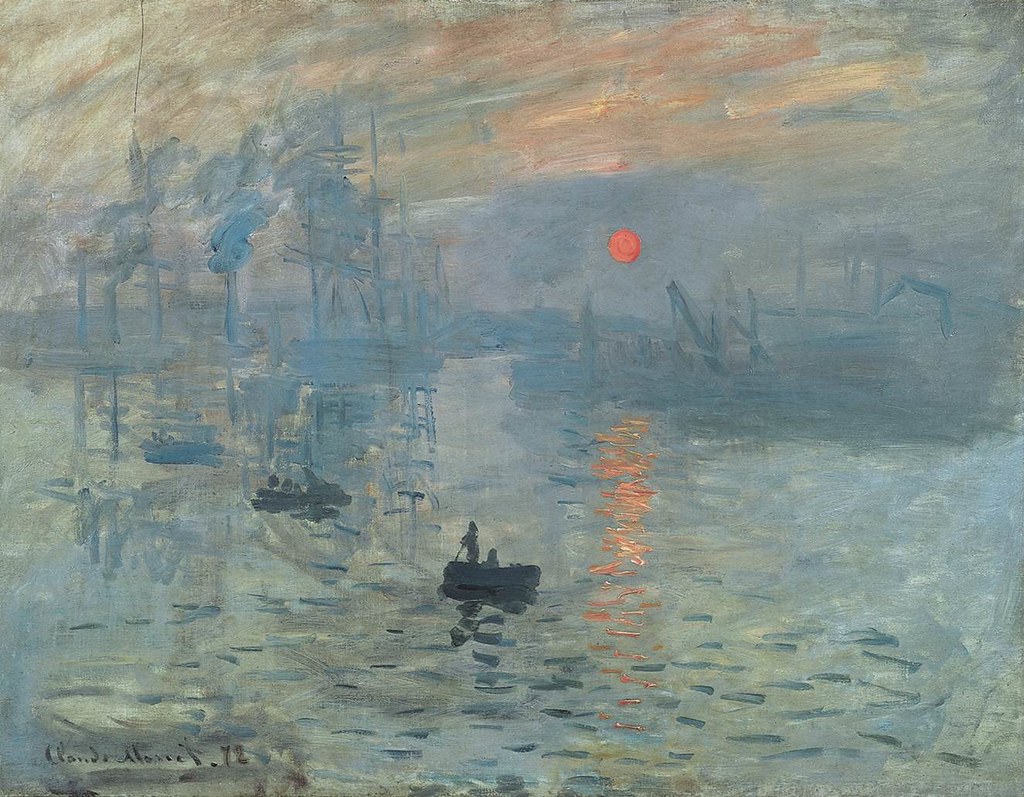
Critics didn’t mean to name one of the most beloved art movements in history. Louis Leroy saw Claude Monet’s painting “Impression, Sunrise” at an 1874 exhibition and wrote a scathing review.
He used the word “impressionist” as mockery, suggesting these artists only painted mere impressions rather than finished works. The artists embraced the insult.
They kept the name and wore it as a badge. What started as a put-down became shorthand for a movement that changed how people see light, color, and everyday moments.
Monet and his friends turned rejection into revolution simply by refusing to care what the establishment thought.
Picasso’s Mask Collection
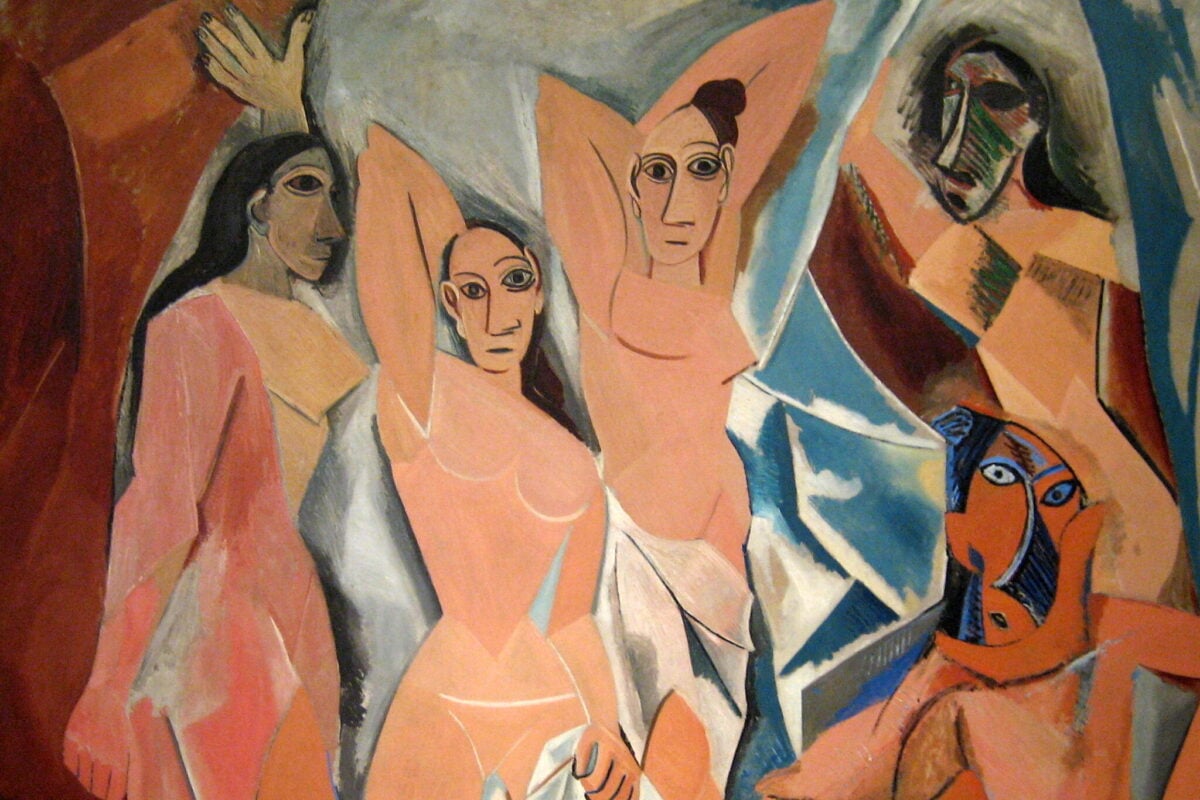
Cubism traces back to Pablo Picasso wandering through an ethnographic museum in Paris. He saw African masks and sculpture, and something clicked.
The way these pieces broke down human faces into geometric shapes fascinated him. He started experimenting with similar techniques in his paintings.
His most famous early Cubist work, “Les Demoiselles d’Avignon,” shocked viewers with its angular faces and fractured perspectives. Art historians spent decades debating whether he stole from African art or honored it.
Either way, a casual museum visit spawned one of the most influential movements of the twentieth century.
War Refugees in a Cabaret
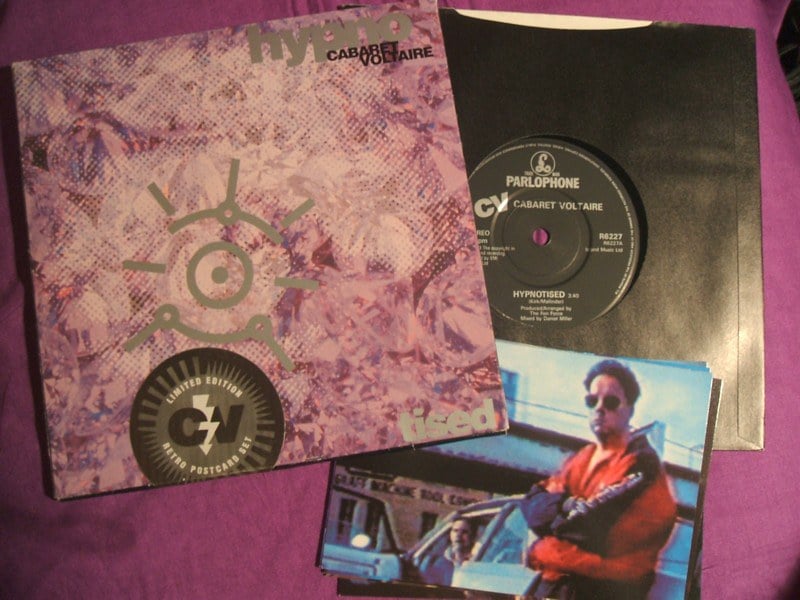
Dadaism was born in Zurich during World War One at a place called Cabaret Voltaire. Artists and writers fleeing the war gathered there to perform nonsense poetry, bizarre skits, and experimental sound pieces.
They rejected logic and reason because the “rational” world had just launched the most destructive war in history. Hugo performed poems in made-up languages while wearing a cardboard costume that made it impossible to walk.
Emmy Hennings sang macabre songs. Marcel Janco created masks from paper and glue.
They called it Dada, a word they supposedly chose at random from a dictionary. The whole point was to make no sense at all.
Surrealism Started with Dream Journals
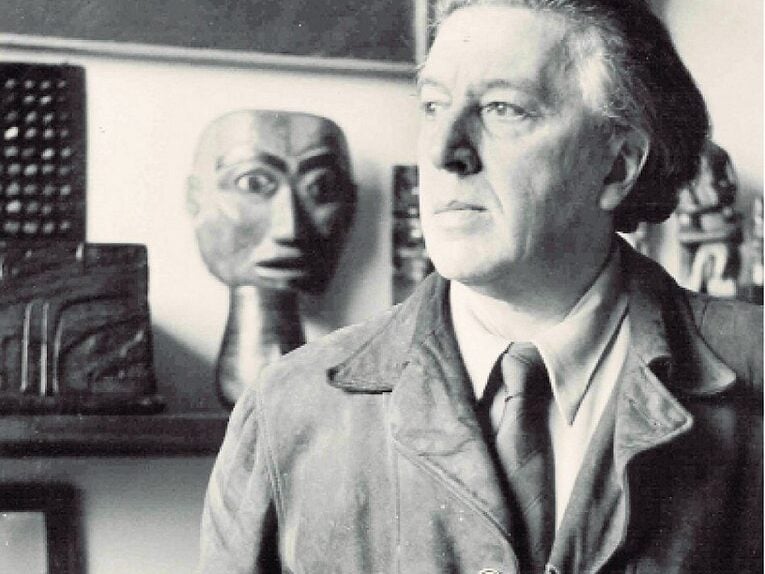
André Breton was studying medicine and psychiatry when he discovered Sigmund Freud’s work on dreams and the unconscious mind. He became obsessed with finding ways to tap into the unconscious while making art.
His solution was automatic writing—letting words flow without conscious control or editing. Breton gathered other artists who shared his interest in dreams, desire, and the irrational.
They wrote manifestos, conducted experiments, and created paintings that looked like dreams made visible. Salvador Dalí’s melting clocks and René Magritte’s impossible scenarios all trace back to a psychiatry student who wanted to paint what he saw when he fell asleep.
Wild Beasts at the Salon

Henri Matisse and André Derain painted with colors that didn’t match reality. Skin in shades of green, trees in purple, shadows in bright red.
When they exhibited these works at the 1905 Salon d’Automne, critic Louis Vauxcelles walked through the room and saw a traditional Renaissance-style sculpture surrounded by these wild paintings. He wrote that the sculpture looked like “Donatello among the wild beasts.”
He used the French word “fauves,” and just like with Impressionism, an insult became a movement. Matisse and his friends called themselves Fauvists and kept painting with those impossible colors.
The name stuck because the critics had a point—these paintings were wild.
Campbell’s Soup as Fine Art
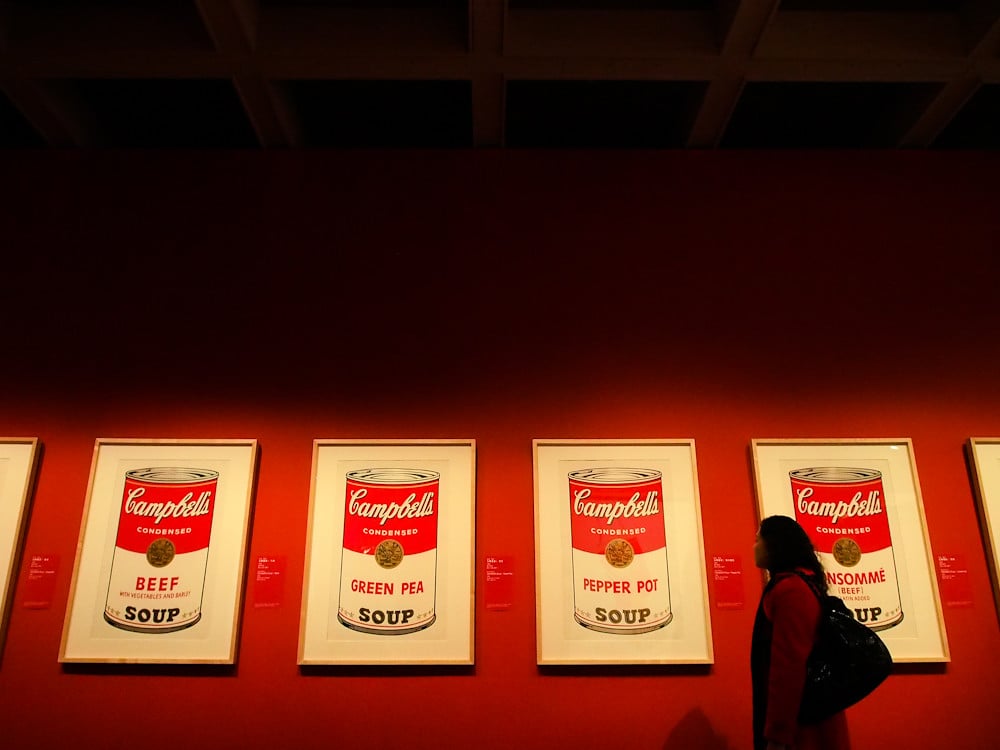
Andy Warhol was a successful commercial illustrator who wanted to break into the fine art world. He decided to paint the most ordinary, mass-produced things he could think of.
Campbell’s soup cans, Brillo boxes, dollar bills, Coca-Cola bottles. The art establishment was horrified.
This wasn’t art—it was advertising. But Warhol understood something important.
The boundary between commercial and fine art was arbitrary. By treating soup cans like sacred subjects, he forced people to question what made something worthy of a museum.
Pop Art turned shopping into philosophy.
The CIA’s Favorite Artists
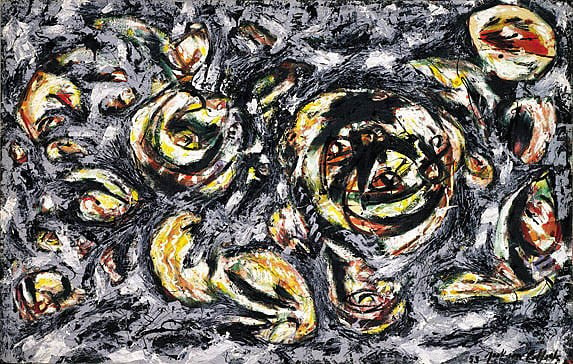
Abstract Expressionism has a strange footnote in its history. During the Cold War, the CIA secretly funded exhibitions of Abstract Expressionist paintings in Europe. They saw artists like Jackson Pollock and Mark Rothko as proof that America valued freedom and individualism, unlike the Soviet Union’s rigid social realism.
The artists had no idea about the CIA involvement. They were just making huge canvases covered in drips, splatters, and color fields.
The government used their work as propaganda while the artists thought they were making deeply personal, apolitical statements. The irony is almost too perfect.
Arte Povera’s Trash Philosophy
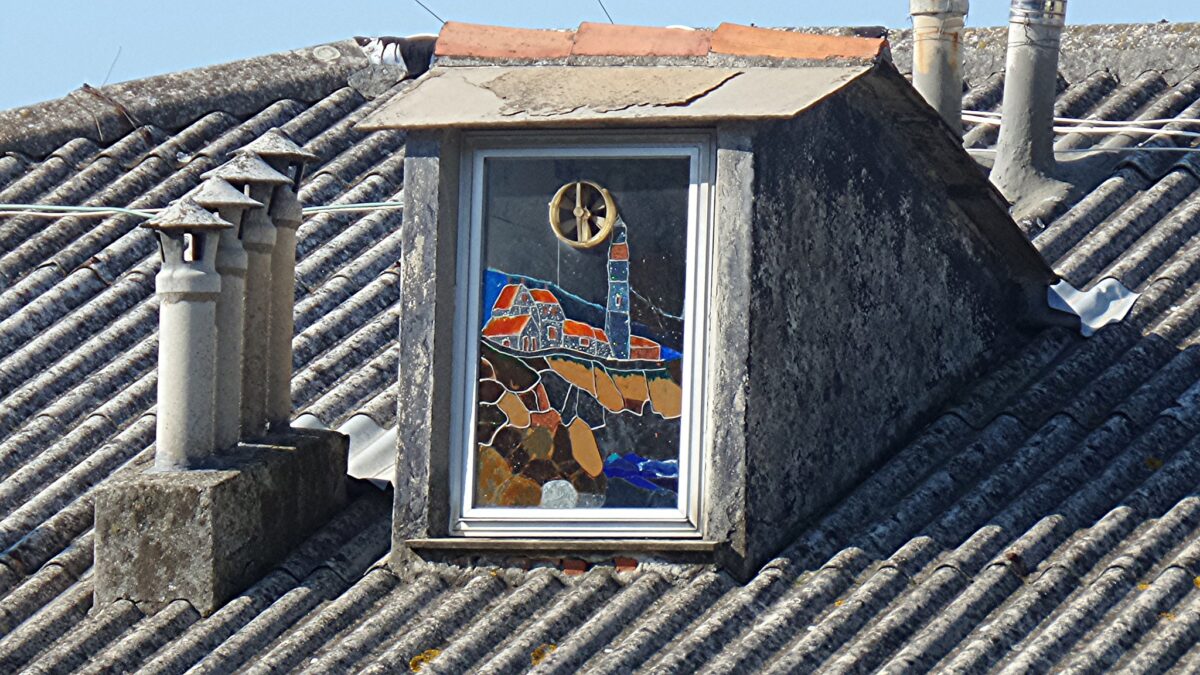
Italian artists in the late 1960s started making art from twigs, newspapers, rope, sand, and other everyday materials. Art critic Germano Celant coined the term Arte Povera, meaning “poor art.”
He meant it as a compliment—these artists rejected expensive materials and commercial galleries. They wanted to make art from things that had no monetary value.
Giovanni Anselmo made sculptures from lettuce that would rot. Michelangelo Pistoletto created mirrors that incorporated the viewer.
The movement lasted less than a decade, but it questioned every assumption about what art materials should be.
Fluxus and the Anti-Art Prank
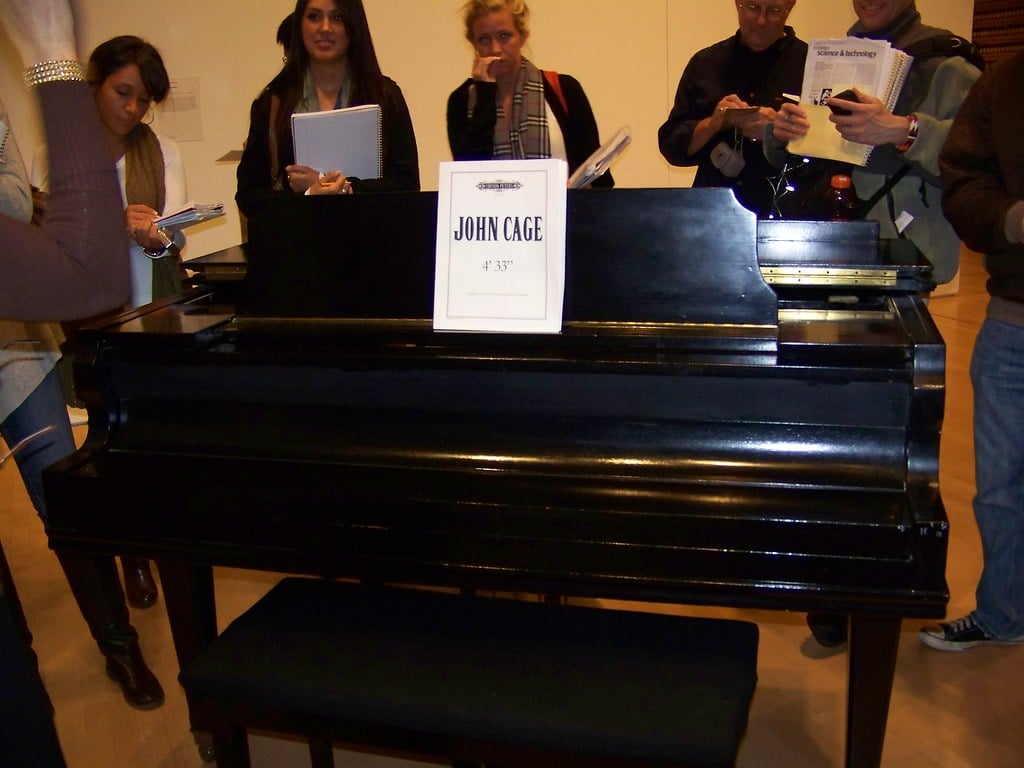
George Maciunas wanted to create art that was cheap, simple, and accessible to everyone. He organized concerts where musicians performed pieces like “4’33″” by John Cage—four minutes and thirty-three seconds of silence.
Yoko Ono invited audiences to cut pieces off her clothing with scissors. Nam June Paik destroyed pianos on stage.
These weren’t performances in the traditional sense. They were pranks, provocations, and experiments.
Fluxus artists mailed art to people in boxes. They sold tickets to non-events.
They turned the entire art world into one big joke. And somehow, museums now collect Fluxus works and treat them with reverence, which would probably amuse the artists.
Suprematism’s Square
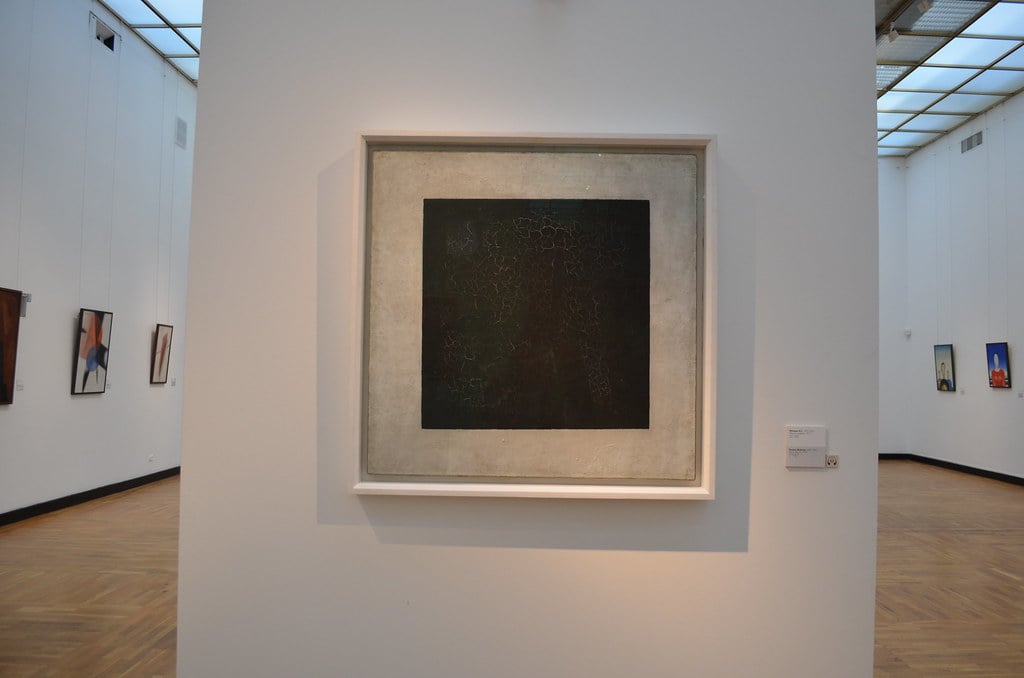
Kazimir Malevich painted a black square on a white background and called it “Black Square.” That was it. No shading, no detail, no recognizable subject.
Just a geometric shape. He believed this was the purest form of art because it represented pure feeling with no reference to the physical world.
He founded Suprematism, an art movement dedicated to basic geometric forms. Russian avant-garde artists followed his lead, creating paintings of circles, triangles, and rectangles in primary colors.
The less recognizable the better.
De Stijl’s Grid Obsession
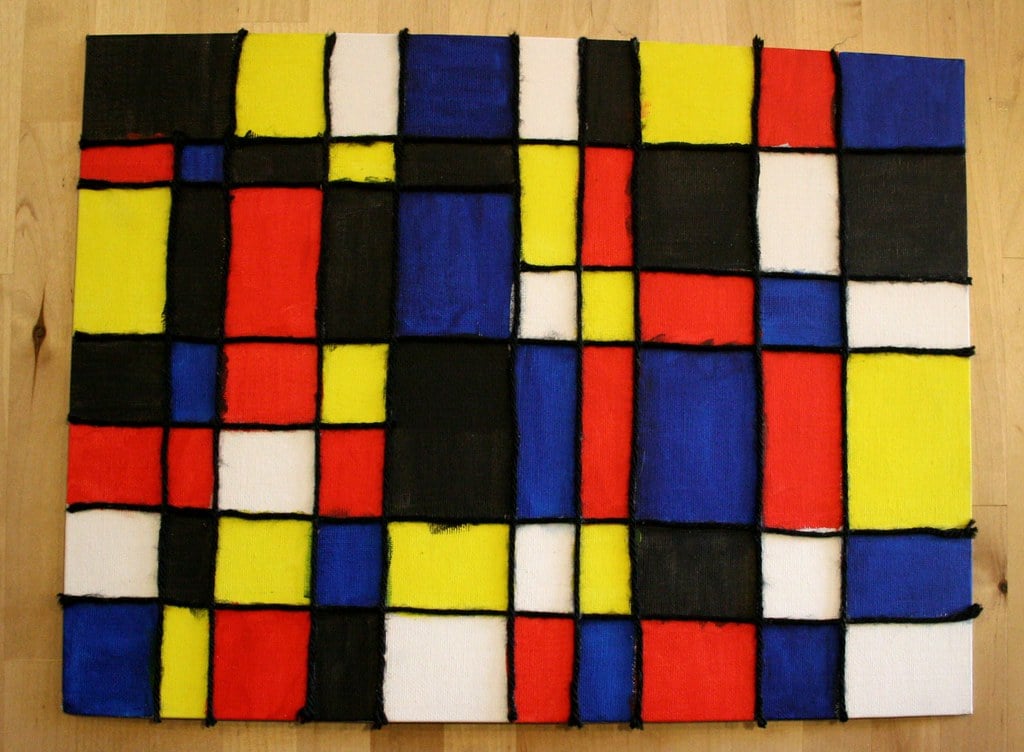
Piet Mondrian and Theo van Doesburg created an art movement based on rigid rules. Only straight lines.
Only primary colors plus black and white. Perfect right angles.
Everything is reduced to a grid. They believed this geometric abstraction represented universal harmony and spiritual order.
They applied their grid philosophy to paintings, architecture, furniture, and typography. De Stijl artists argued passionately about whether diagonal lines should be allowed.
They eventually split over this question. An entire friendship ended because of angles.
Bauhaus: When Craft Met Art
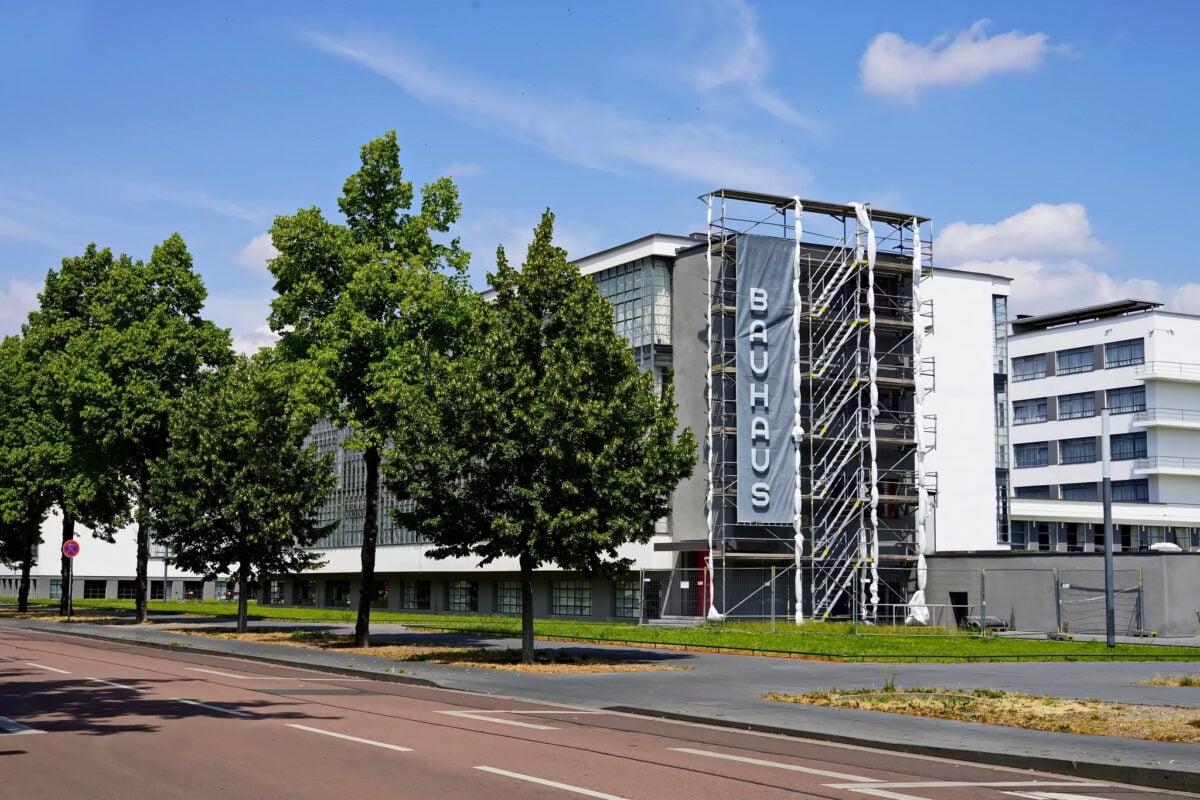
Walter Gropius founded the Bauhaus school in Germany with a strange premise: fine artists and craftspeople should work together. Painters, sculptors, weavers, furniture makers, and architects all learned in the same building and collaborated on projects.
The art establishment thought this was ridiculous. Craft was craft, art was art, and mixing them degraded both.
But Bauhaus designers created iconic chairs, buildings, and typefaces that still influence design today. They proved that a weaver could be as much an artist as a painter, and that functional objects deserved the same attention as gallery pieces.
Futurism’s Newspaper Manifesto
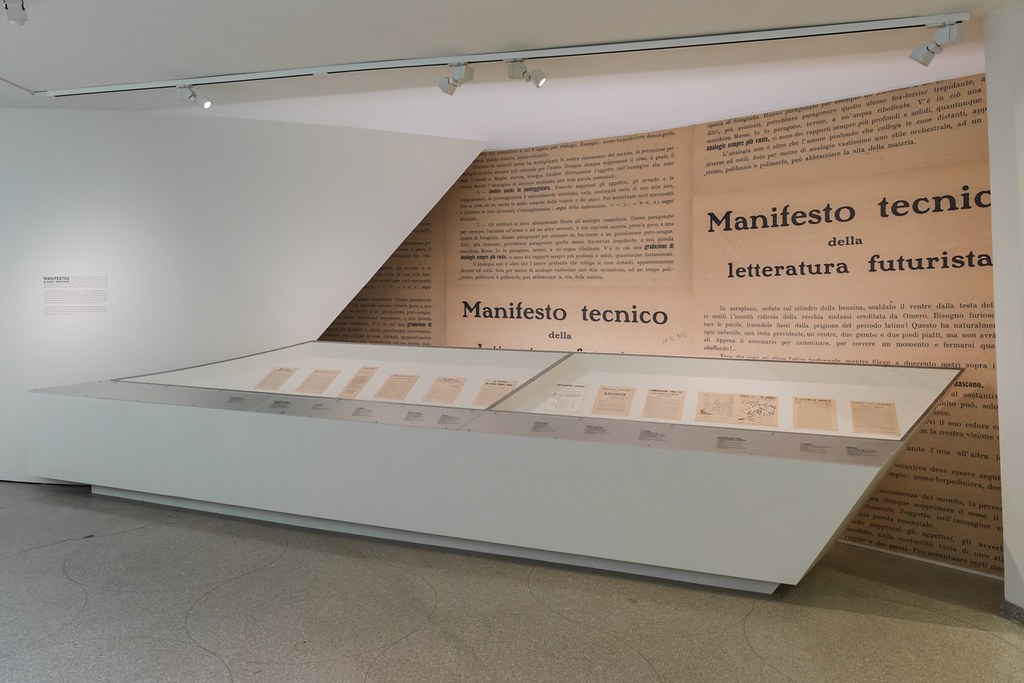
Filippo Tommaso Marinetti published the first Futurist manifesto on the front page of a French newspaper in 1909. He didn’t wait for galleries or critics.
He just wrote a wild proclamation about speed, violence, technology, and the beauty of machines, then paid to have it printed in Le Figaro. The manifesto declared that race cars were more beautiful than ancient Greek sculpture.
It praised war as the “world’s only hygiene.” It was aggressive, provocative, and designed to get attention.
Italian artists rallied around these ideas, creating paintings that tried to capture movement and speed. The whole movement started because one writer had access to a printing press and strong opinions.
Where Accidents Become History
Fights with critics sometimes spark what later gets called an art movement. Strange meetings with ordinary things can set it off too.
People running from war might gather somewhere, sharing ideas that stick. One person’s stubborn fixations may shift how others see everything.
Names usually start as jokes thrown by skeptics. Written statements explaining it all appear only once the moment has passed.
Out of odd starts came today’s art – slurs turned badges, jokes now framed on walls, night thoughts spilled onto canvas. Picture those who shifted sightlines; they began by smashing guidelines never taught, or grabbing what others tossed aside like trash and treating it like treasure.
Strange roots count, simply put: they whisper that making art asks no one’s okay.
More from Go2Tutors!

- The Romanov Crown Jewels and Their Tragic Fate
- 13 Historical Mysteries That Science Still Can’t Solve
- Famous Hoaxes That Fooled the World for Years
- 15 Child Stars with Tragic Adult Lives
- 16 Famous Jewelry Pieces in History
Like Go2Tutors’s content? Follow us on MSN.