Smart Things Homeowners Do Before Vacationing
Most people spend weeks planning a vacation and about fifteen minutes thinking about what they leave behind. That’s a problem, because an unattended home is a sitting target — not just for burglars, but for burst pipes, power surges, and the kind of slow-building disasters that turn a good trip into an expensive homecoming.
A bit of planning before you leave changes all of that. Here are 17 smart things homeowners do before heading out of town — habits that make every trip a little easier to enjoy.
Lock every entry point
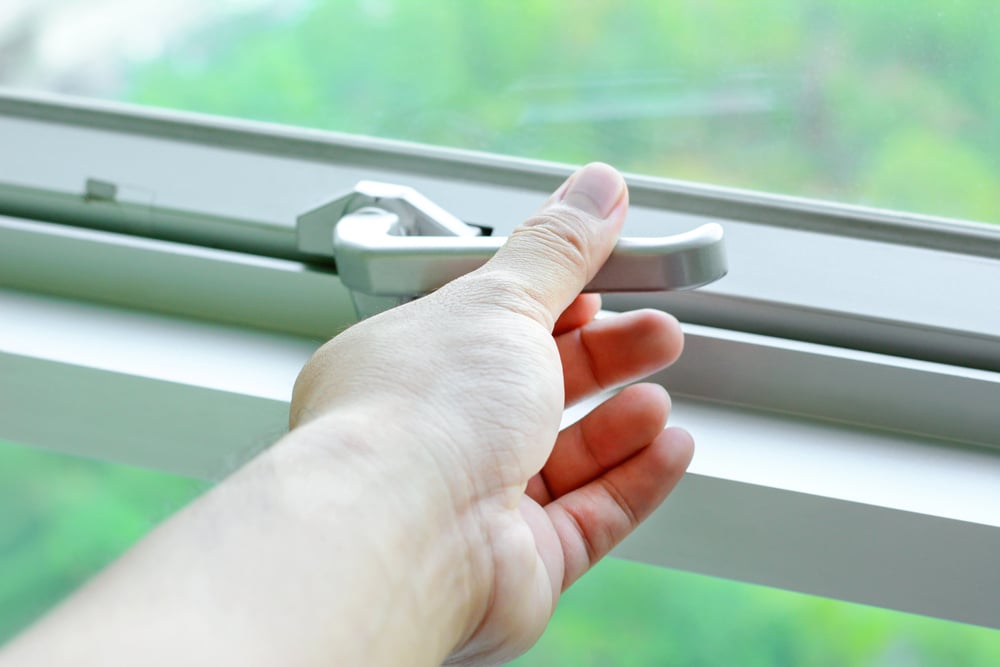
It sounds obvious, but around 30 percent of home break-ins happen through an unlocked door or window. Before leaving, go room by room — every window, every door, every basement access point — and check that everything is secured.
Don’t forget the garage side door, pet doors, and any sliding doors, which are notoriously easy to force open if left unlatched.
Stop the mail and deliveries
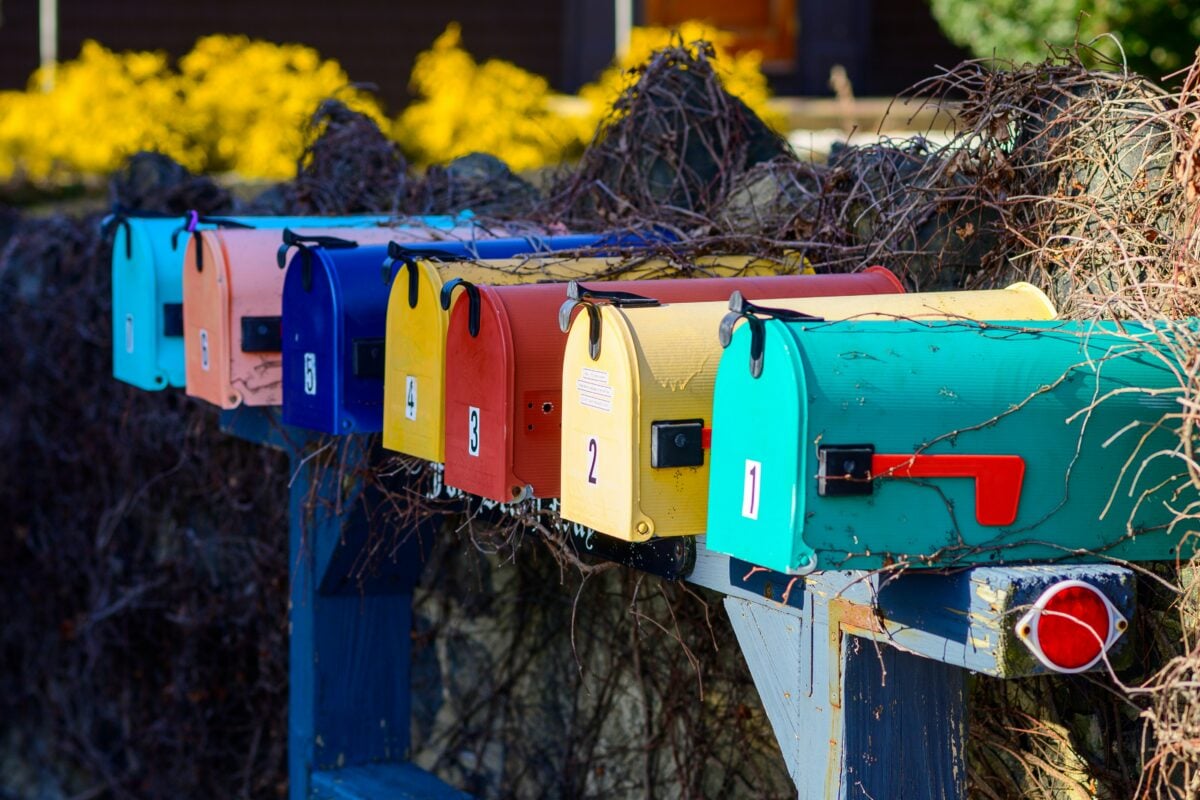
A mailbox stuffed with envelopes and a pile of packages on the front porch is one of the clearest signals that nobody’s home. Contact the U.S. Postal Service online to hold your mail — you can request this up to 30 days in advance — and pause any newspaper or subscription box deliveries for the duration of your trip.
If you’re only gone a few days, asking a trusted neighbor to collect anything that arrives works just as well.
Set lights on timers
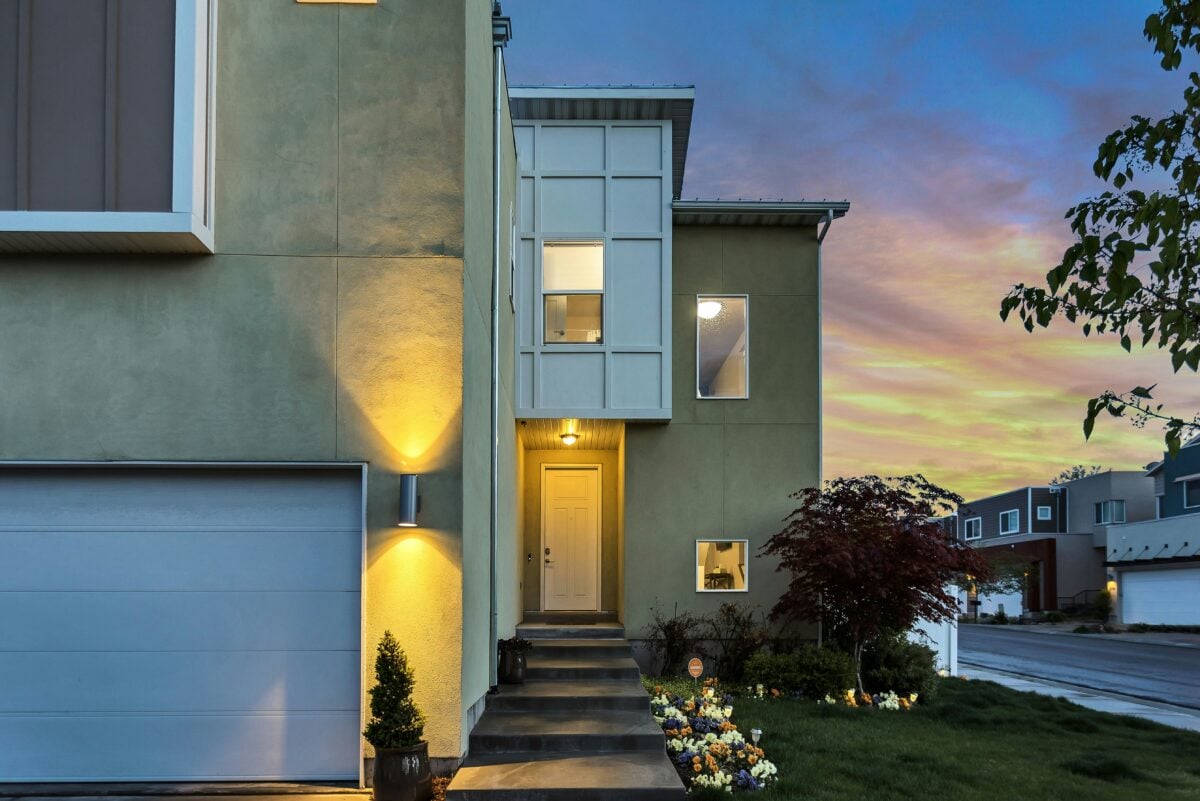
A house that’s dark every night of the week is an obvious vacancy signal. Smart bulbs and inexpensive plug-in light timers allow you to program indoor lights to turn on and off at varied intervals — giving the impression that someone is moving around inside.
Setting different patterns in different rooms makes this more convincing than a single lamp on a fixed schedule.
Disconnect the garage door opener
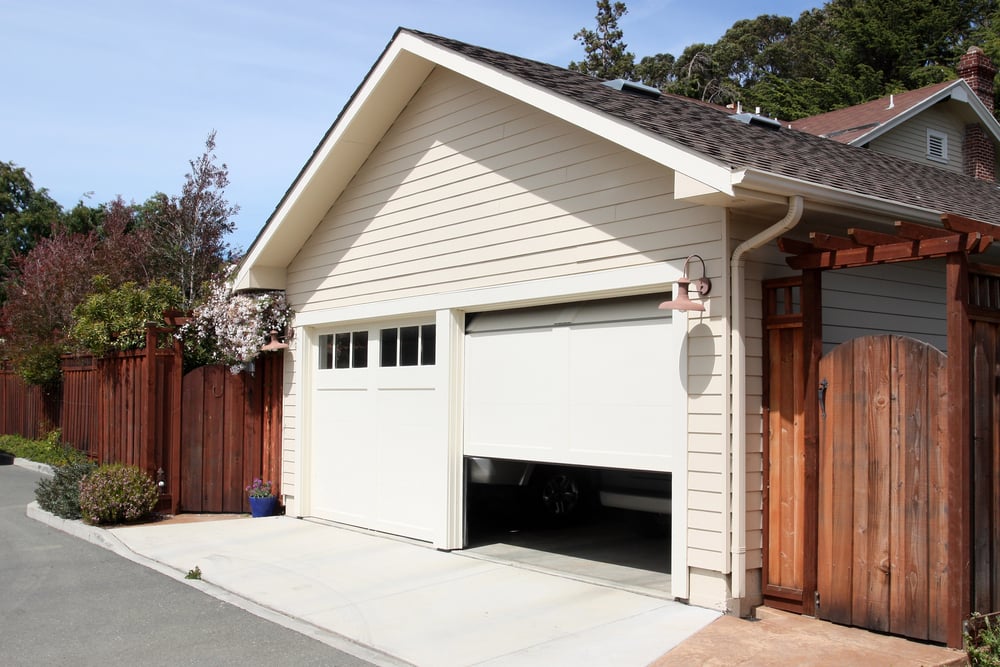
Even a locked garage door has a vulnerability: the automatic opener. Thieves can sometimes intercept or clone the radio signal, and a garage that opens gives them direct access to the house.
Unplugging the opener before you leave — and sliding a padlock through the door track for extra security — closes that gap entirely.
Turn off the main water supply

A burst pipe while you’re away can cause tens of thousands of dollars in water damage before anyone notices. Turning off the main water valve before leaving eliminates that risk for any trip longer than a day or two. Once you’ve shut it off, open a faucet briefly to release any remaining pressure in the lines.
Unplug non-essential electronics
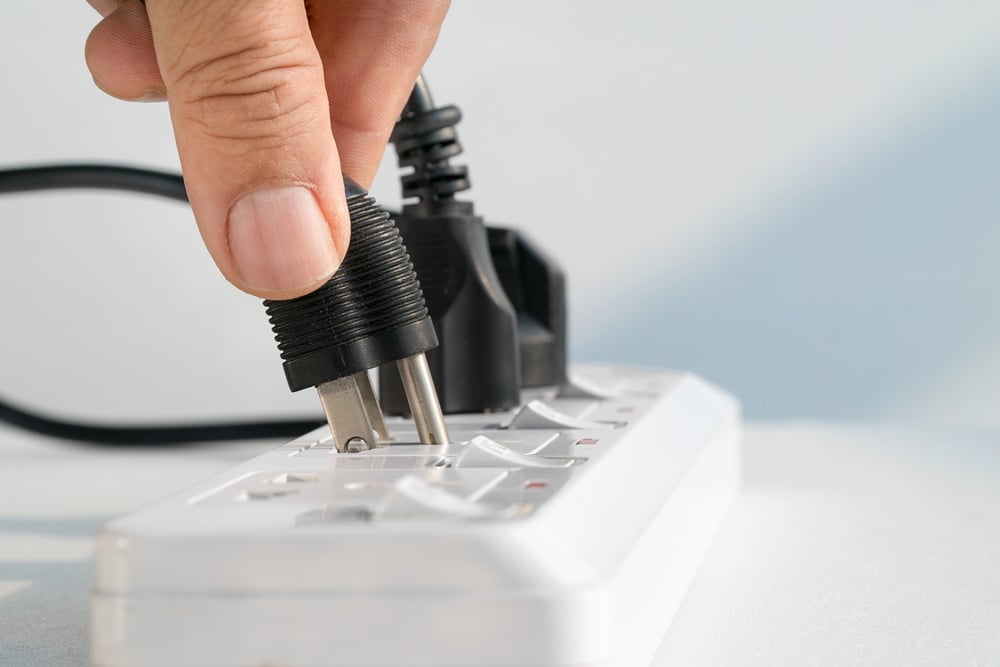
Power surges happen without warning, and any device that’s plugged in is vulnerable. Unplugging televisions, computers, kitchen appliances, and chargers before leaving reduces the risk of fire or damage from an electrical surge while also trimming phantom power consumption.
A few minutes of unplugging can prevent a surprisingly expensive problem.
Adjust the thermostat
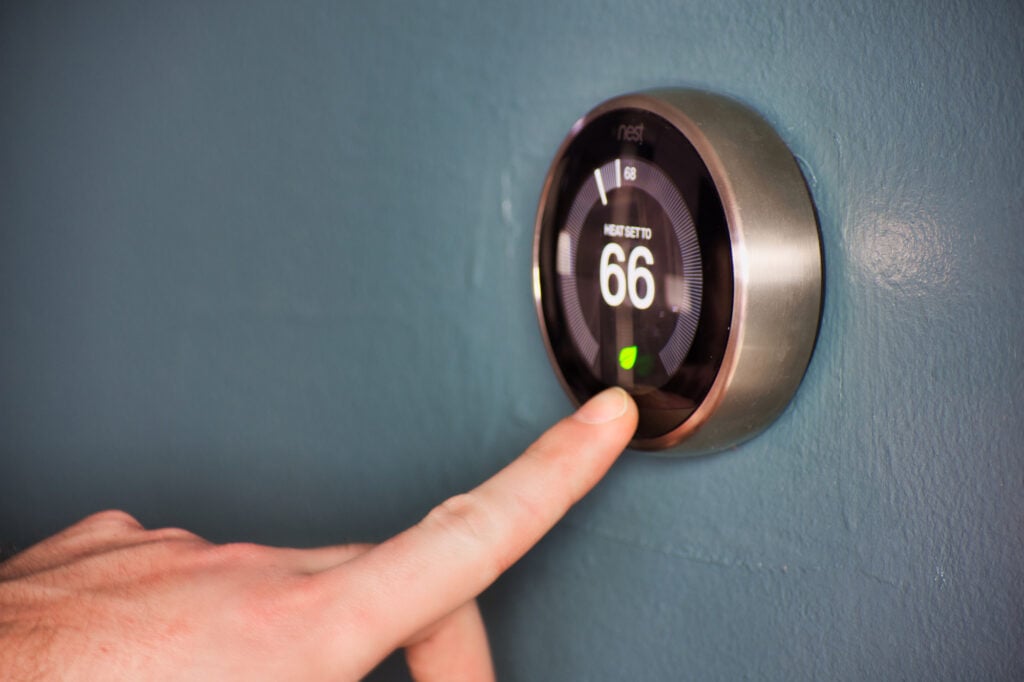
Running the air conditioning or heating at full capacity while the house is empty wastes money. Setting the thermostat to an energy-saving range — around 55°F in winter to prevent frozen pipes, or 85°F in summer to prevent mold — keeps the house protected without unnecessary expense.
Smart thermostats let you adjust this remotely if you change your mind mid-trip.
Tell a trusted neighbor

A neighbor who knows you’re away can keep an eye on anything unusual — a car parked in the driveway for hours, an unfamiliar person at the door, or a package sitting in the rain. Leaving them a contact number so they can reach you if something seems off is the low-tech version of remote monitoring, and it works.
Having someone park their car in your driveway occasionally while you’re away is an added bonus that creates the impression of an occupied home.
Secure valuables in a home safe
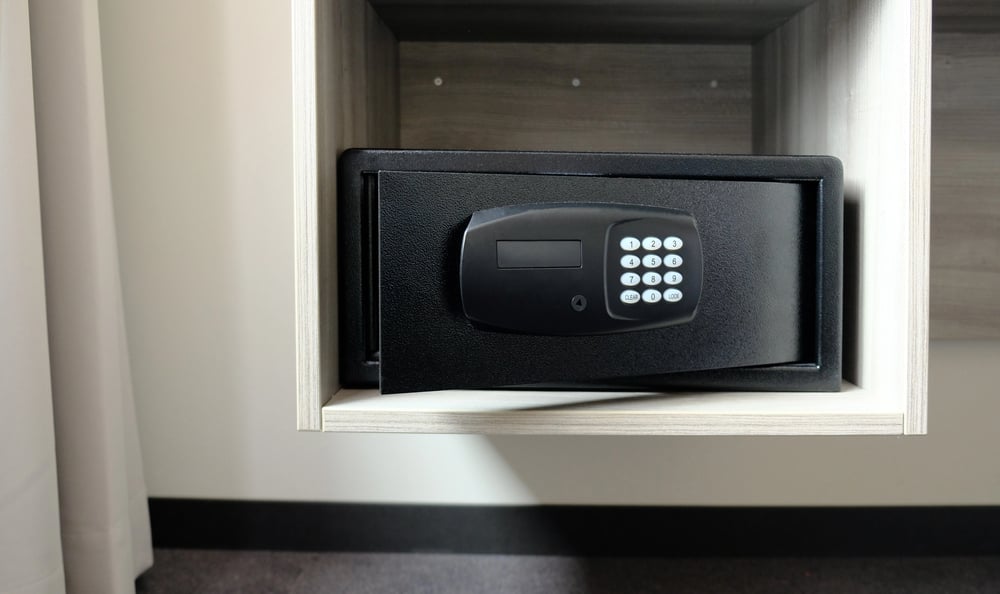
Leaving jewelry, important documents, and small electronics visible on counters or dressers is an invitation if someone does get inside. A home safe bolted to the floor or a locked closet for larger items provides a meaningful layer of protection.
For insurance purposes, keeping a documented list of valuable items — with photos and serial numbers — makes any future claim considerably easier to process.
Don’t post your trip on social media

It’s tempting to share vacation photos in real time, but publicly announcing that you’re away from home is the digital equivalent of leaving a note on the door. Some burglars have been known to monitor social media platforms, and a post showing you at a beach resort tells them exactly what they need to know.
Save the photos for when you’re back.
Check your homeowner’s insurance
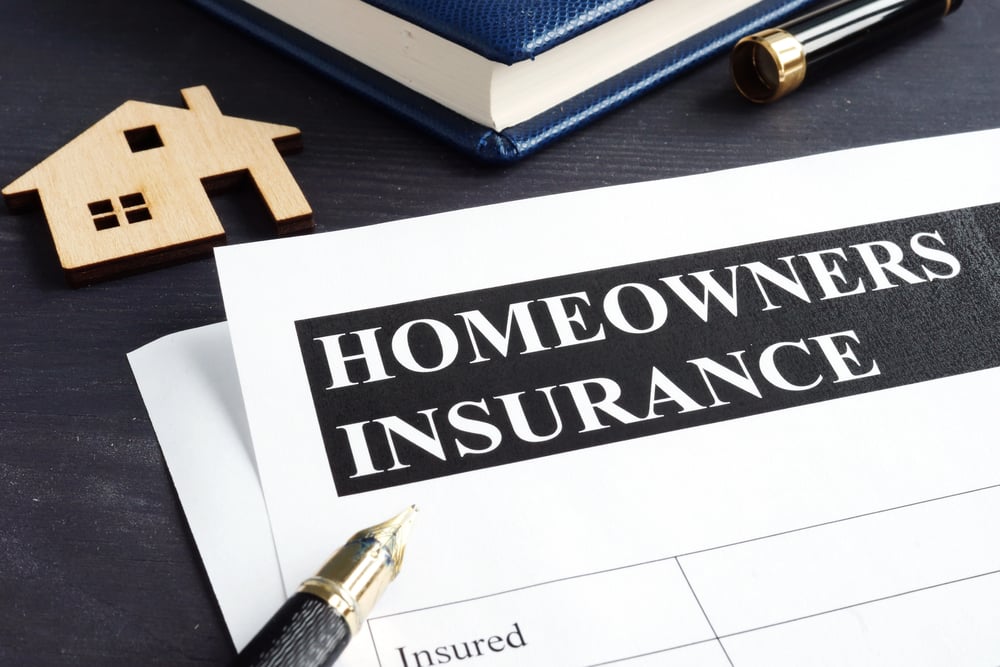
Before leaving, confirm that your policy is current and that coverage levels reflect the value of what you own. Some policies have gaps around specific weather events, vandalism, or certain categories of theft — and finding that out after a loss is far worse than finding it out before you leave.
A quick call or login to your insurer’s portal takes fifteen minutes and provides considerable peace of mind.
Remove hidden spare keys
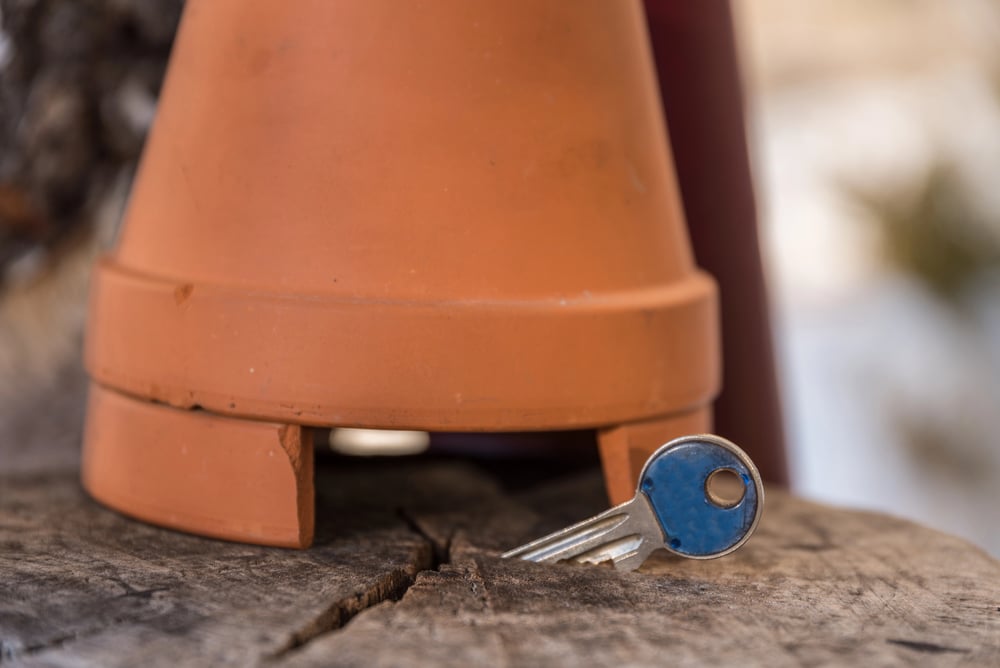
The fake rock, the spot under the doormat, the ledge above the door frame — burglars know every standard hiding place. Collect any spare keys left outside the home before you leave and give them directly to a trusted neighbor or friend instead.
If you have a smart lock with individual PIN codes, switch it to vacation mode to disable all codes until you return.
Trim overgrown shrubs
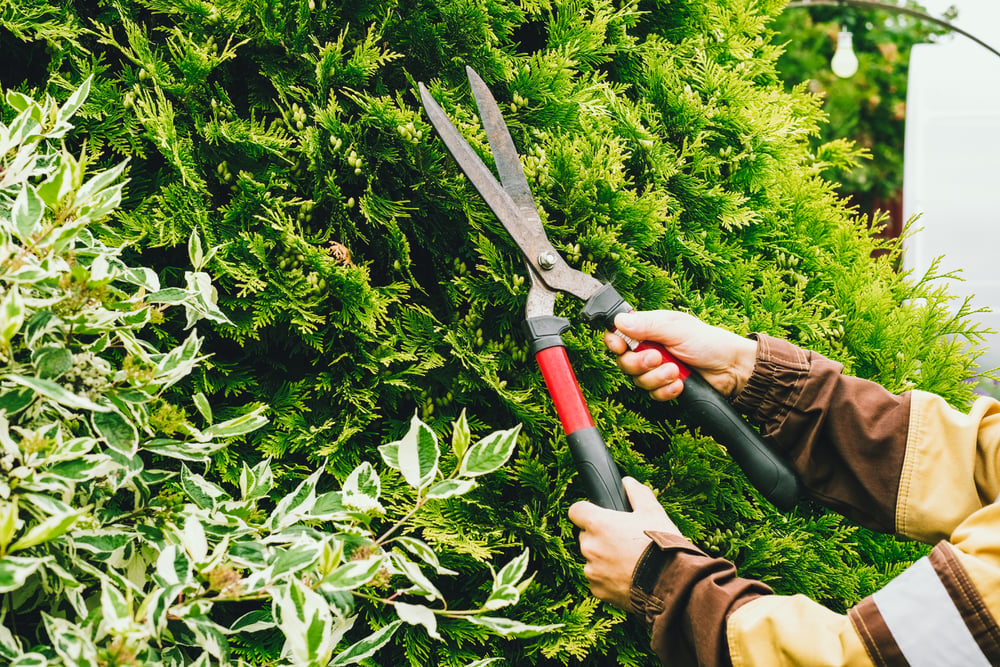
Overgrown bushes and hedges near doors and windows give potential intruders cover to work unobserved. Trimming landscaping before a trip removes those hiding spots and makes the property look actively maintained — which itself is a deterrent.
A tidy front yard signals that someone is keeping an eye on things, even when they’re not.
Empty the refrigerator of perishables

Returning from a week away to a refrigerator full of spoiled food is an unpleasant welcome home that’s easy to prevent. Eat through perishables in the days before you leave, donate anything you won’t finish, and leave the fridge at its normal setting.
If you’re gone for two weeks or more, emptying it entirely and leaving the door slightly ajar prevents mold from forming inside.
Test smoke and carbon monoxide detectors
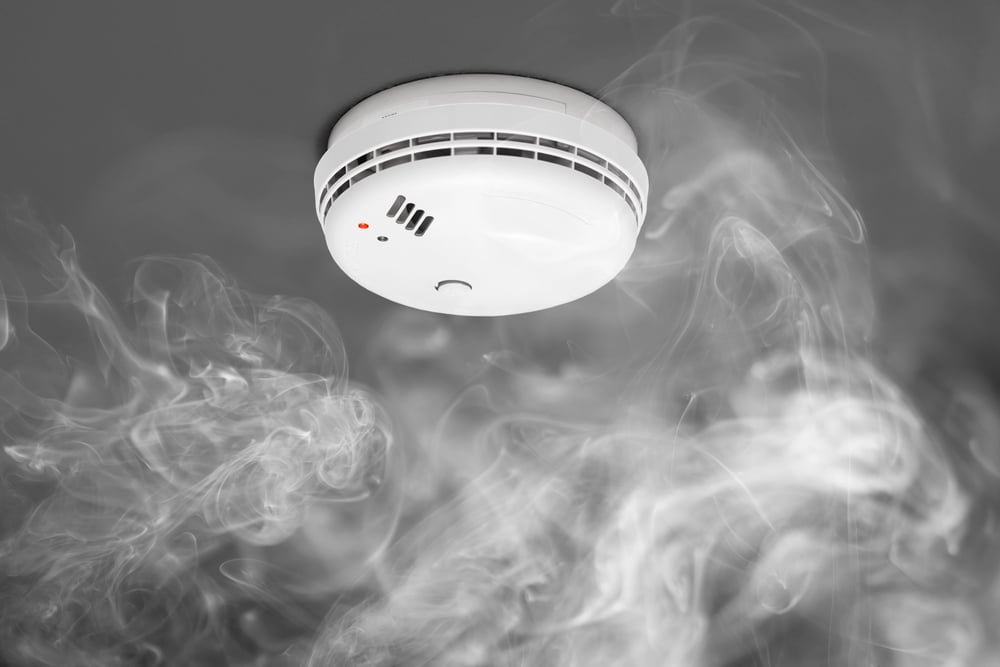
Before leaving, test every smoke and carbon monoxide detector in the house and replace any batteries that are running low. A house sitter or neighbor checking in won’t know to check these, and a detector with a dead battery provides no protection at all.
Some modern detectors have app connectivity that sends alerts to your phone — these are particularly useful during extended trips.
Set up or activate a home security system
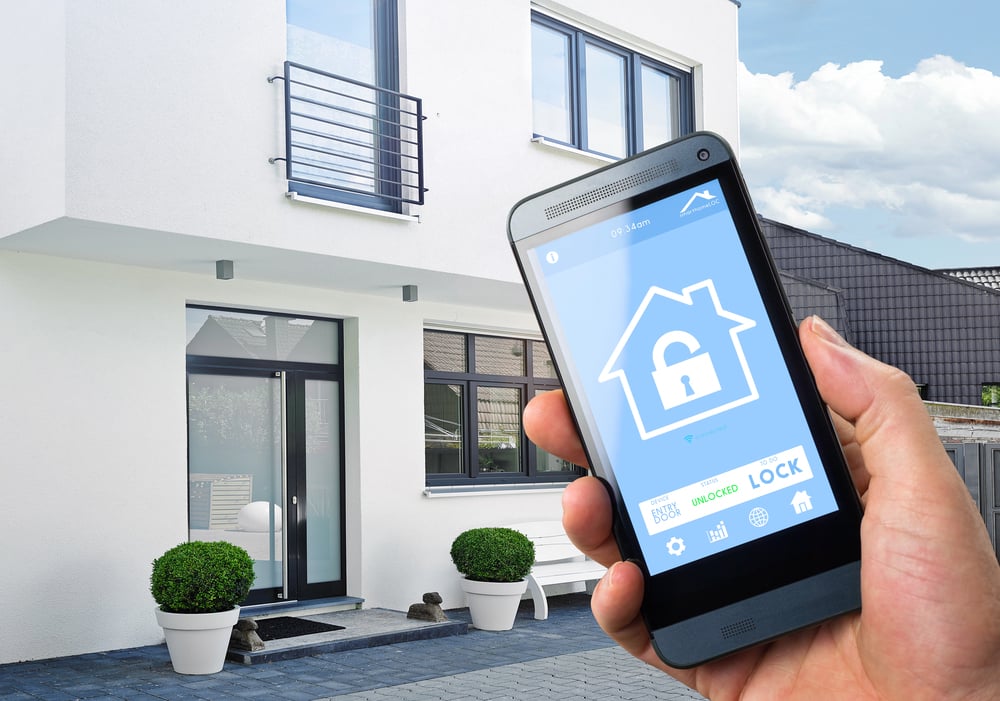
If you have a security system, confirm it’s fully armed and that your monitoring company knows you’ll be away. If you’re considering adding one, even a basic system with door and window sensors provides meaningful deterrence.
Research consistently shows that homes without security systems face a significantly higher burglary risk than those with visible security measures in place.
Do a final walk-through before you leave

In the rush to get out the door, it’s easy to miss something. A deliberate walk-through of every room — checking windows, confirming appliances are off, verifying locks — takes five minutes and catches the things that a distracted pre-trip mind tends to overlook.
Some homeowners take a short video of the walk-through on their phone, which doubles as a record of the home’s condition before they left.
A good trip starts before you leave the driveway
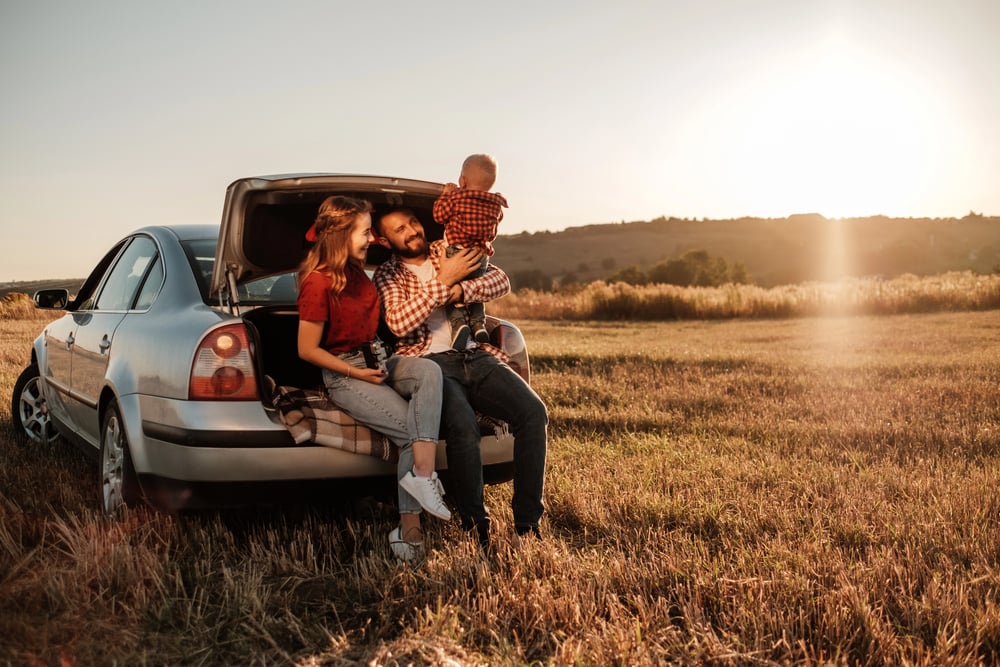
The best vacations are the ones where home doesn’t follow you. None of these steps take long individually, but together they create the kind of protection that lets you actually switch off — which is, after all, the whole point of leaving in the first place.
More from Go2Tutors!

- The Romanov Crown Jewels and Their Tragic Fate
- 13 Historical Mysteries That Science Still Can’t Solve
- Famous Hoaxes That Fooled the World for Years
- 15 Child Stars with Tragic Adult Lives
- 16 Famous Jewelry Pieces in History
Like Go2Tutors’s content? Follow us on MSN.