17 Unusual Coffee Drinks To Order Abroad
Travel opens doors to experiences you never knew existed, and coffee culture is no exception. While your neighborhood café might pride itself on the perfect latte, venture beyond familiar borders and you’ll discover beverages that challenge everything you thought you knew about coffee.
Some traditions stretch back centuries, rooted in local customs and ingredients that reflect the soul of a place. Others represent modern innovation, where baristas experiment with flavors that would make purists cringe—and yet somehow work perfectly.
These aren’t just drinks with exotic names designed to impress tourists. Each one tells a story about the people who created it, the climate they live in, and what they value in their daily rituals.
Fair warning though—ordering some of these might earn you curious looks, even from locals who’ve never been brave enough to try them.
Turkish Coffee

Small cup, big reputation. Turkish coffee doesn’t mess around with filters or fancy equipment.
Finely ground beans get boiled with water and sugar in a special pot called a cezve. The grounds settle at the bottom—drink around them or embrace the gritty reality.
The brewing process is almost ceremonial, with careful attention to foam formation and heat control. UNESCO even recognized it as an Intangible Cultural Heritage of Humanity, which is saying something for a drink that fits in a thimble-sized cup.
Vietnamese Egg Coffee

This shouldn’t work, but it absolutely does—and the fact that someone in Hanoi thought to whisk raw egg yolk with condensed milk and pour it over strong coffee (creating what looks like a savory tiramisu in a cup) speaks to the kind of culinary bravery that happens when necessity meets creativity.
The texture is rich, almost custard-like, with the coffee cutting through the sweetness just enough to remind you that this is still, technically, a morning beverage. The drink emerged in the 1940s when milk was scarce, so a resourceful café owner substituted beaten eggs instead.
Turns out scarcity breeds innovation—and now you can find this concoction throughout Vietnam, though the original café in Hanoi still draws crowds who want to experience the genuine article. And yes, it’s served hot, which means you’re essentially drinking coffee-flavored eggnog for breakfast.
Café De Olla

Clay pots hold secrets that metal never will. Mexican café de olla tastes different because of the vessel—the clay imparts an earthy undertone that frames the cinnamon and piloncillo perfectly.
It’s coffee that remembers where it came from. Street vendors and small cafés still prepare it the traditional way, heating everything together until the spices bloom.
The result is warm and slightly sweet, with a complexity that develops as it cools. You taste the craft, not just the caffeine.
Romano

Romans don’t claim ownership of this drink, despite the name—and Romano coffee is really just espresso with a lemon peel twist, which sounds like something a confused bartender might create during a slow afternoon shift.
But lemons and coffee share more common ground than you’d expect: both are acidic, both wake you up, and both have that sharp quality that cuts through morning fog (literal or metaphorical). The citrus oils release when you twist the peel, and that bright aroma mingles with the dark roast in ways that shouldn’t make sense but somehow do.
Italian baristas will serve this without judgment, though they might raise an eyebrow if you ask for extra lemon. Some things have limits, even in a country that invented putting fish on pizza.
Pharisäer

Germans take their coffee seriously, but Pharisäer breaks all the rules. This drink layers rum, coffee, whipped cream, and typically gets served with a side of moral complexity—the name translates to “Pharisee,” referencing the biblical hypocrites, because this beverage was created to sneak alcohol past disapproving church authorities.
The story goes that 19th-century islanders on Nordstrand would add rum to their coffee and top it with whipped cream to hide the smell during religious gatherings. The pastor eventually caught on, declaring the congregation a bunch of Pharisees.
The name stuck, the drink survived, and now it’s a proud tradition rather than a secret vice.
Café Bombón

Spain’s answer to the layered drink craze happened long before anyone thought to Instagram their beverages. Equal parts espresso and sweetened condensed milk create distinct layers in a clear glass—dark coffee floating above pale, thick milk that hasn’t been stirred.
The visual impact hits first, then the taste follows through with intense sweetness balanced by strong coffee. Valencia claims to be the birthplace, though variations exist throughout Spain.
Either way, it’s engineering and indulgence in a single cup.
Bicerin

Turin keeps some traditions close to the chest, and Bicerin is one of them—this layered drink combines espresso, hot chocolate, and milk in precise ratios that create distinct bands of color, like geological strata you can drink.
The name means “small glass” in Piedmontese dialect, which undersells what’s actually a carefully orchestrated symphony of caffeine, cocoa, and cream that requires genuine skill to prepare correctly. Historical cafés in Turin still serve the original version, and watching a barista layer the components is part performance art, part chemistry lesson.
The drink supposedly inspired the invention of Nutella (both originated in the same region), though Bicerin predates the hazelnut spread by about 200 years. Alexandre Dumas wrote about it, which means this beverage has actual literary credentials—not something you can say about most coffee drinks.
Ca Phe Sua Da

Vietnam does iced coffee with an intensity that makes other countries look timid. Dark roast coffee drips slowly through a metal filter directly onto sweetened condensed milk, then gets poured over ice that dilutes nothing and somehow amplifies everything.
The brewing process takes patience—rushing ruins the extraction. The result is bold, sweet, and completely refreshing in tropical heat.
French colonial influence left its mark here, but Vietnamese ingenuity made it better.
Marocchino

Italy has strong opinions about coffee, and the Marocchino represents regional pride—this drink originated in Piedmont and consists of espresso, cocoa powder, milk foam, and sometimes a dusting of cinnamon, served in a small glass that shows off the layered construction.
The name supposedly references the color of Moroccan leather, though asking an Italian barista to explain the etymology might earn you a lecture you didn’t bargain for. The proportions matter enormously here: too much milk and it becomes a cappuccino, too little cocoa and it’s just espresso with foam.
Getting it right requires understanding that some drinks exist in very specific spaces—not quite this, not quite that, but exactly what they need to be. And yes, ordering one after 11 AM will mark you as a tourist, but sometimes being a tourist isn’t the worst thing you can be.
Café Con Leche Condensada

Cuba perfected the art of making limited ingredients taste luxurious. This drink combines strong espresso with sweetened condensed milk—no fresh milk, no apologies.
The result is rich, sweet, and completely unapologetic about its intensity. Cuban coffee culture prizes strength over subtlety, and this drink delivers both caffeine and comfort in equal measure.
The condensed milk adds body and sweetness that fresh milk can’t match. Simple ingredients, maximum impact.
Espresso Con Panna

Whipped cream on coffee isn’t revolutionary, but doing it right requires restraint—and Italian espresso con panna achieves that delicate balance between indulgence and restraint, where a dollop of fresh whipped cream floats on top of a perfectly pulled shot without overwhelming the coffee’s natural character.
The cream should be barely sweetened (or not sweetened at all), and it should complement rather than compete. This drink works because it understands proportions: enough cream to add richness, not so much that you forget you’re drinking coffee.
Some cafés serve it with a small spoon, others expect you to drink it as-is, letting the cream mix naturally as you sip. Both approaches work, though purists prefer the latter—it maintains the espresso’s integrity while adding just enough luxury to feel special.
Café Noisette
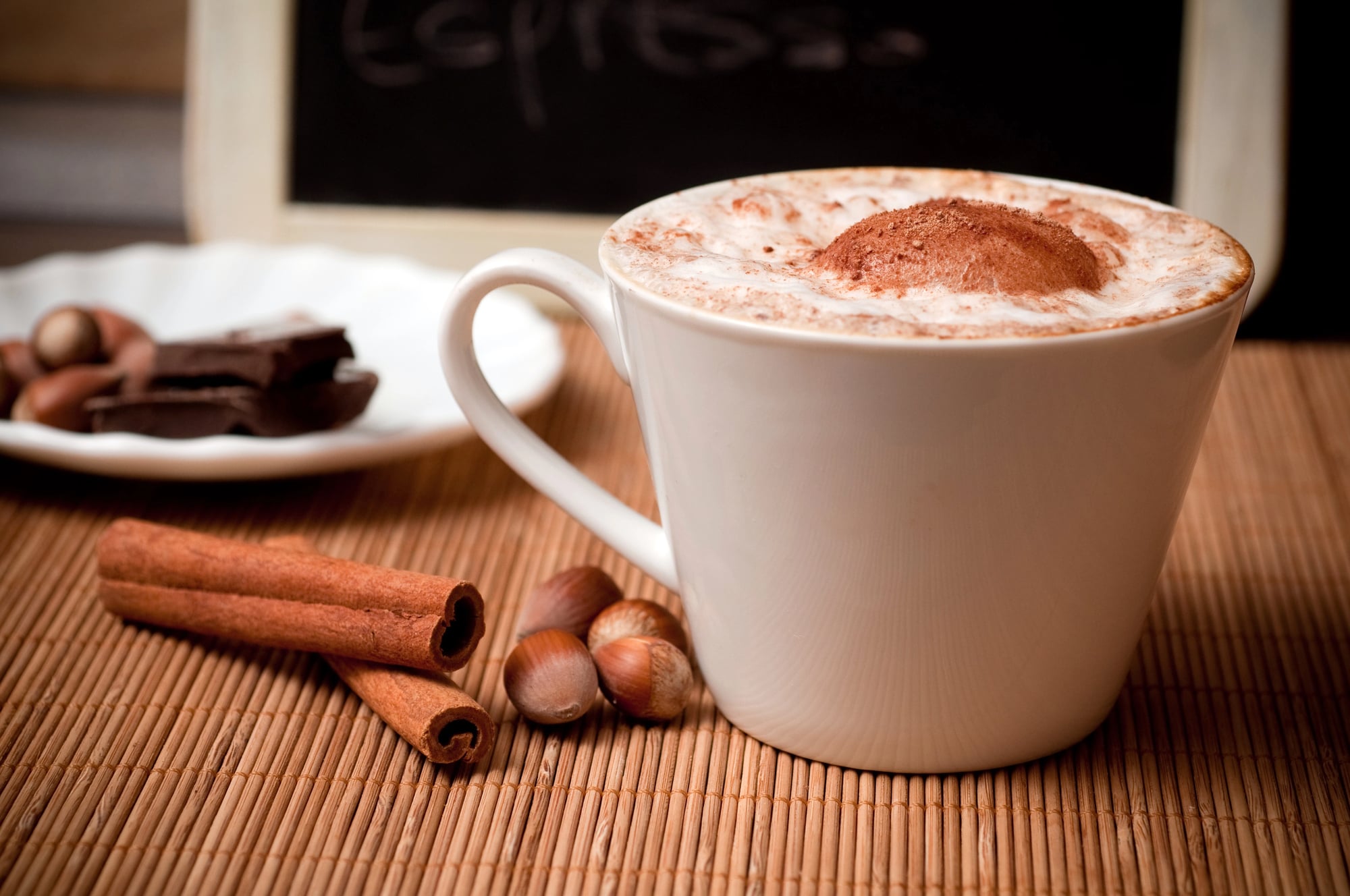
French coffee culture operates on precision, and café noisette proves the point. This drink is essentially espresso with a small amount of milk—just enough to change the color to hazelnut brown, which is what noisette means.
The milk doesn’t get steamed or frothed. It gets added cold, creating a drink that’s stronger than a macchiato but gentler than straight espresso.
Parisian cafés serve it in small cups, and drinking one makes you feel like you understand something essential about French restraint.
Galão

Portugal’s relationship with coffee runs deep, and the Galão represents their approach to the morning ritual—equal parts espresso and steamed milk served in a tall glass, creating something that’s stronger than a latte but more approachable than a cortado.
The milk gets textured but not dense, maintaining a lighter foam that integrates smoothly rather than sitting as a distinct layer. Portuguese café culture moves at its own pace, and the Galão reflects that unhurried approach: it’s designed to be savored rather than gulped, consumed while reading the newspaper or watching the street from a sidewalk table.
The glass presentation keeps the drink warmer longer than ceramic cups, which matters when you’re taking your time. And taking your time, it turns out, is exactly the point.
Café Crema

Switzerland doesn’t do anything halfway, and their Café Crema proves it. This drink uses more water than espresso but less than American coffee, creating something that fills a full cup while maintaining proper coffee intensity.
The crema layer stays intact, which requires precise extraction timing and water temperature. Swiss coffee shops serve this as their default coffee drink, not espresso.
It’s designed for people who want to sit and drink a full cup without diluting the coffee experience. Engineering meets tradition, with predictably excellent results.
Cortado

Spain’s Cortado cuts espresso with warm milk in equal proportions, creating a drink that’s exactly what it claims to be—”cortado” means “cut” in Spanish.
The milk doesn’t get heavily steamed or foamed, just warmed enough to temper the espresso’s edge. This isn’t a drink that tries to be impressive.
It’s coffee for people who want coffee, with just enough milk to smooth the rough edges. Spanish cafés serve it in small glass cups, usually around mid-morning when people need something between breakfast and lunch.
Café Cubano

Cuban coffee doesn’t apologize for its intensity. Café Cubano combines espresso with demerara sugar that gets whipped into a foam called espumita.
The sugar isn’t just added—it’s incorporated during brewing, creating a drink that’s simultaneously bitter and sweet. The preparation ritual matters as much as the result.
Cuban baristas whip the first few drops of espresso with sugar until it becomes light and foamy, then add the rest of the coffee. The result is strong enough to wake the dead and sweet enough to make you forget you need waking.
Irish Coffee

Ireland’s contribution to coffee culture isn’t subtle. Irish whiskey, brown sugar, black coffee, and whipped cream create a drink that’s equal parts morning beverage and evening indulgence.
The cream floats on top—drinking it means experiencing both elements separately and together. The drink originated in Shannon Airport in the 1940s, created to warm passengers on cold transatlantic flights.
It worked then, and it works now. Some traditions survive because they solve real problems, not just because they taste good.
More Than Just Caffeine

These drinks represent something larger than morning routines or afternoon breaks. They’re expressions of place, climate, history, and the kind of creativity that emerges when people take simple ingredients seriously.
Ordering them abroad isn’t just about trying something new—it’s about understanding how different cultures approach the same basic human need for warmth, energy, and a few minutes of pause in an otherwise relentless day. So next time you’re staring at a menu written in an unfamiliar language, skip the safe choice.
Order something that sounds strange, that makes the barista smile, that requires explanation or special equipment. The worst that happens is you learn something new about coffee.
The best that happens is you learn something new about the place you’re visiting—and maybe about yourself.
More from Go2Tutors!

- The Romanov Crown Jewels and Their Tragic Fate
- 13 Historical Mysteries That Science Still Can’t Solve
- Famous Hoaxes That Fooled the World for Years
- 15 Child Stars with Tragic Adult Lives
- 16 Famous Jewelry Pieces in History
Like Go2Tutors’s content? Follow us on MSN.