Texas Facts That’ll Blow You Away
Everything really is bigger in Texas, but not always in the ways you’d expect. Sure, the state spans 268,596 square miles, but the real surprises come when you dig into the details that make Texas unlike anywhere else in America.
The State Could Swallow Entire Countries
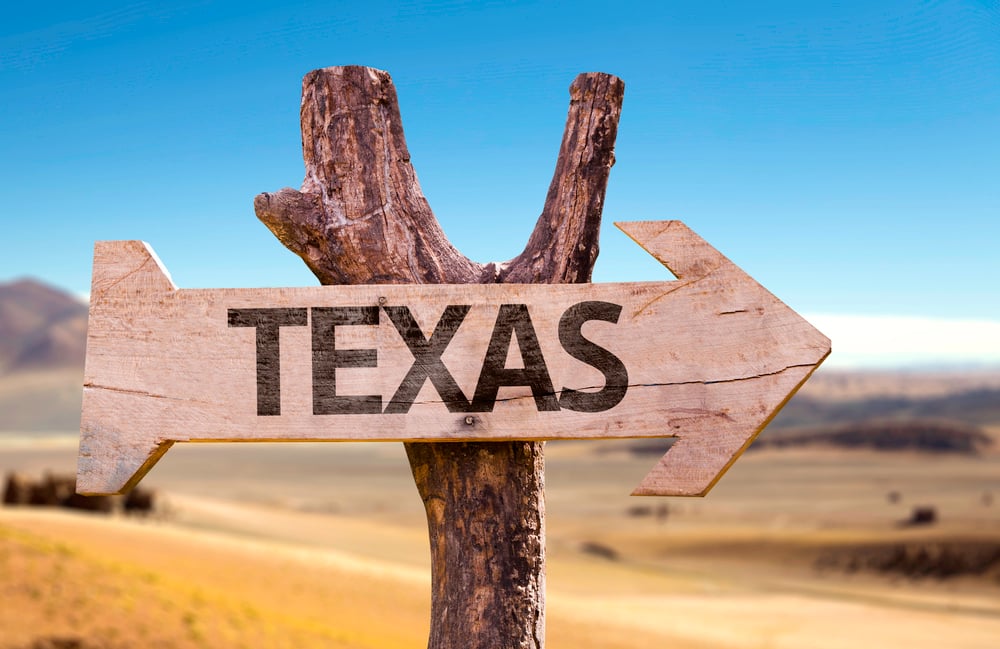
Drop France, Belgium, and the Netherlands into Texas and you’d still have room left over. At 268,596 square miles, Texas is larger than any European country except Russia.
If it were its own nation, it would rank as the 40th largest country in the world. The drive from the westernmost point in El Paso to the Louisiana border near Orange takes about 12 hours of non-stop driving.
That’s roughly the same distance as driving from Chicago to New York City.
Texas Was Its Own Country For Nearly A Decade
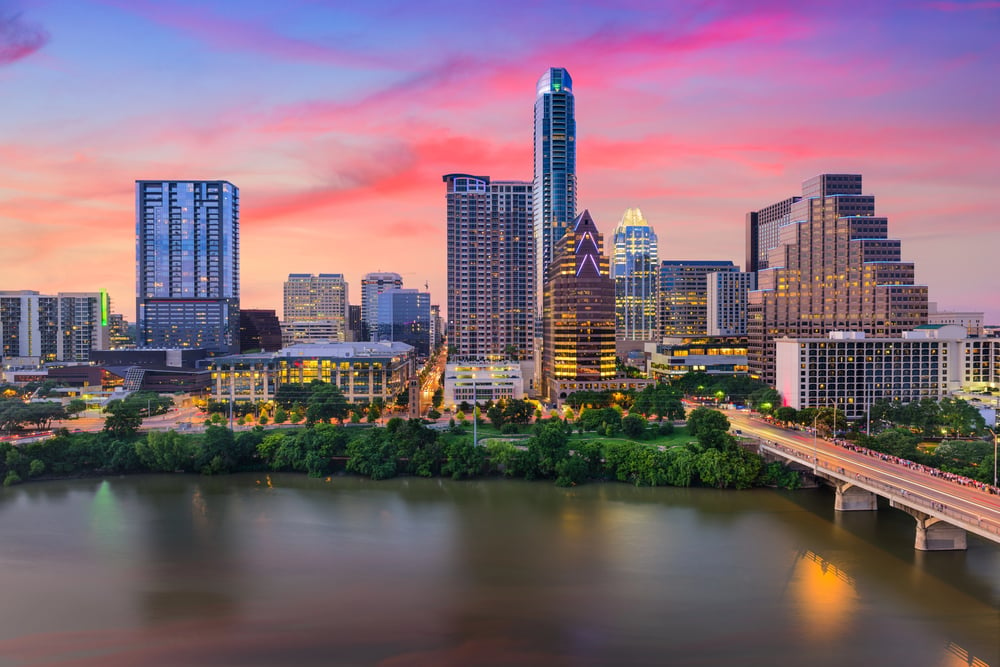
Between 1836 and 1845, Texas functioned as an independent republic with its own president, congress, and currency. The Republic of Texas had diplomatic recognition from major powers including France, Britain, and the Netherlands.
When it joined the United States in 1845, it did so through annexation rather than the typical territorial process. Texas retained the right to fly its flag at the same height as the U.S. flag because of this unique entry into the union.
The King Ranch Is Bigger Than Rhode Island
Spanning 825,000 acres, the King Ranch near Corpus Christi covers more land than the entire state of Rhode Island. Founded in 1853, this working cattle ranch still operates today and has been passed down through six generations of the King family.
The ranch has its own gas station, school, and zip code. It takes several days to drive all the internal roads on the property.
Dr Pepper Was Invented Here Before Coca-Cola
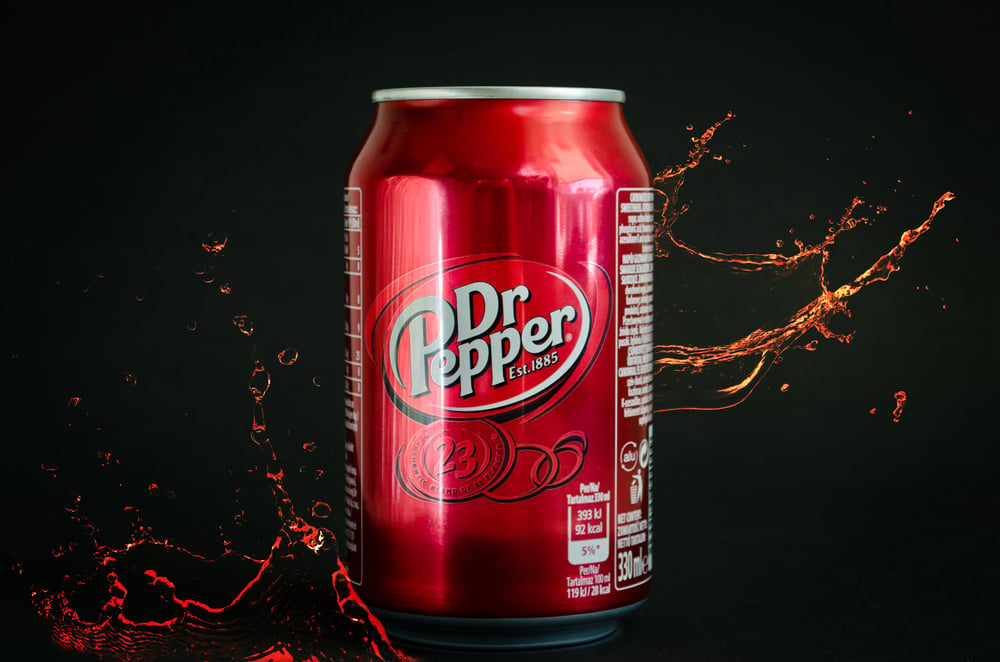
While most people assume Coca-Cola was America’s first major soft drink, Dr Pepper actually came first. Charles Alderton created the drink in Waco in 1885, a full year before Coca-Cola appeared in Atlanta.
The Dr Pepper Museum in Waco sits on the original site where the drink was invented, and the city still celebrates its role in soft drink history.
Texas Produces More Wind Power Than Any Other State
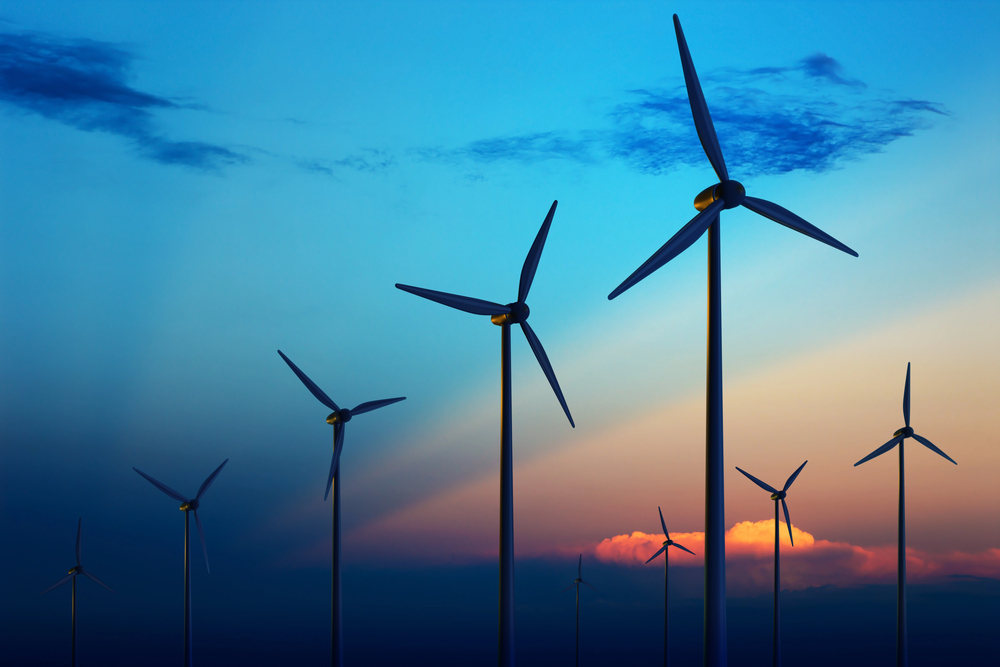
The oil and gas reputation might suggest Texas shuns renewable energy, but the state leads the nation in wind power generation. Texas produces more wind energy than the next three states combined.
On particularly windy days, wind power can supply more than 60% of the state’s electricity needs. The state has over 150 wind farms and more than 13,000 wind turbines.
Six Flags Have Flown Over Texas
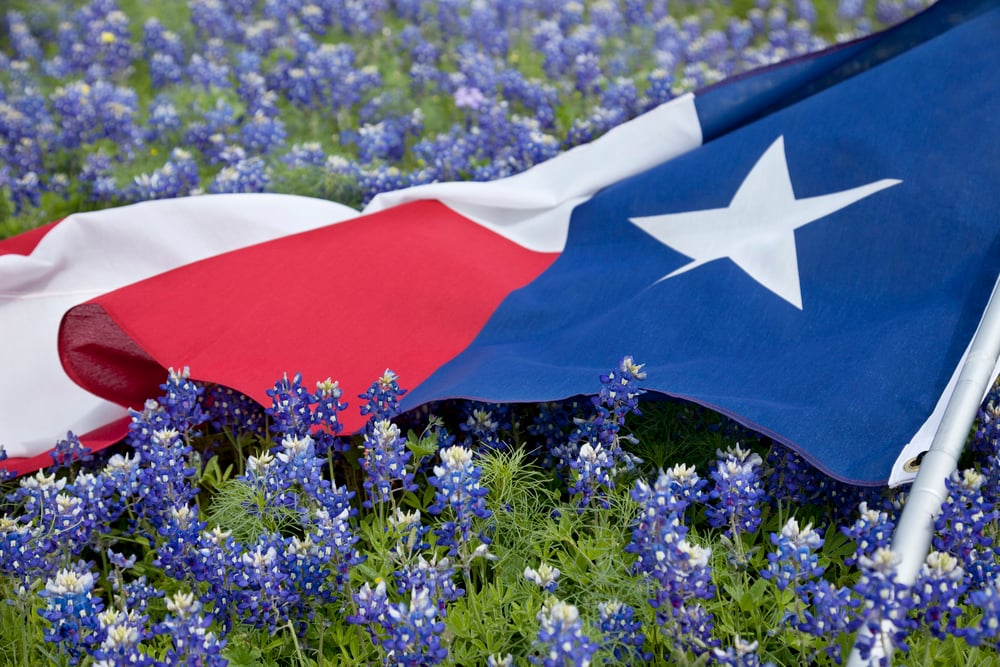
The famous Six Flags theme parks actually take their name from the six different nations that have governed Texas throughout history. Spain, France, Mexico, the Republic of Texas, the Confederate States, and the United States have all claimed sovereignty over Texas territory.
This unique history explains why Texas has such a distinct cultural identity compared to other states.
The Capitol Building Is Taller Than The U.S. Capitol
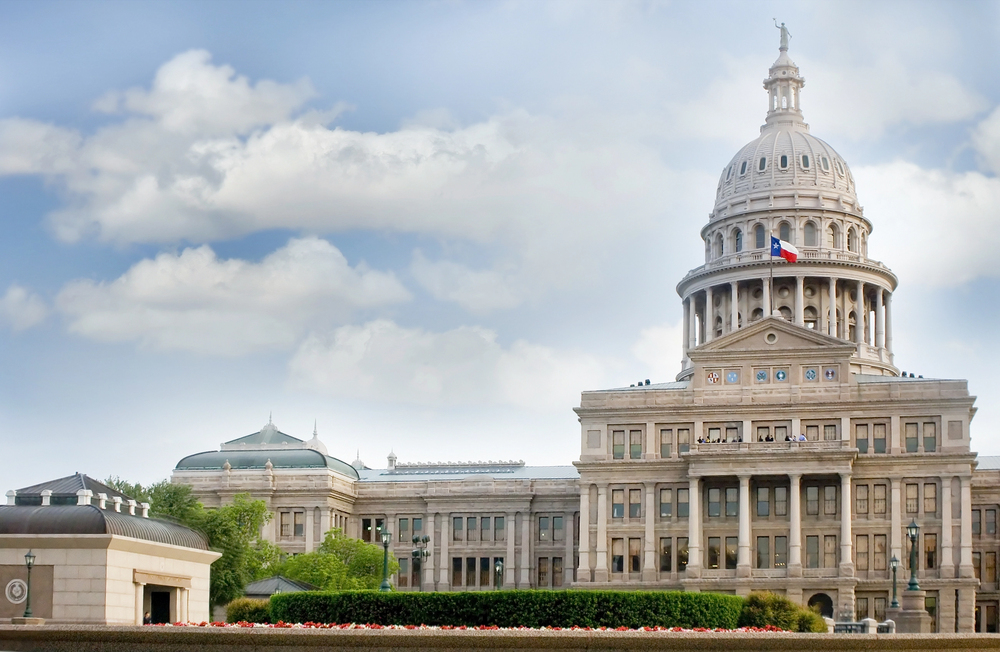
Standing at 308 feet, the Texas State Capitol in Austin rises seven feet taller than the nation’s Capitol in Washington, D.C. When it was completed in 1888, it was the seventh largest building in the world.
The building used 15,000 carloads of materials during construction and features 392 rooms. The dome is topped with a 16-foot statue called the Goddess of Liberty.
More Species Of Bats Live In Texas Than Anywhere Else In The U.S.
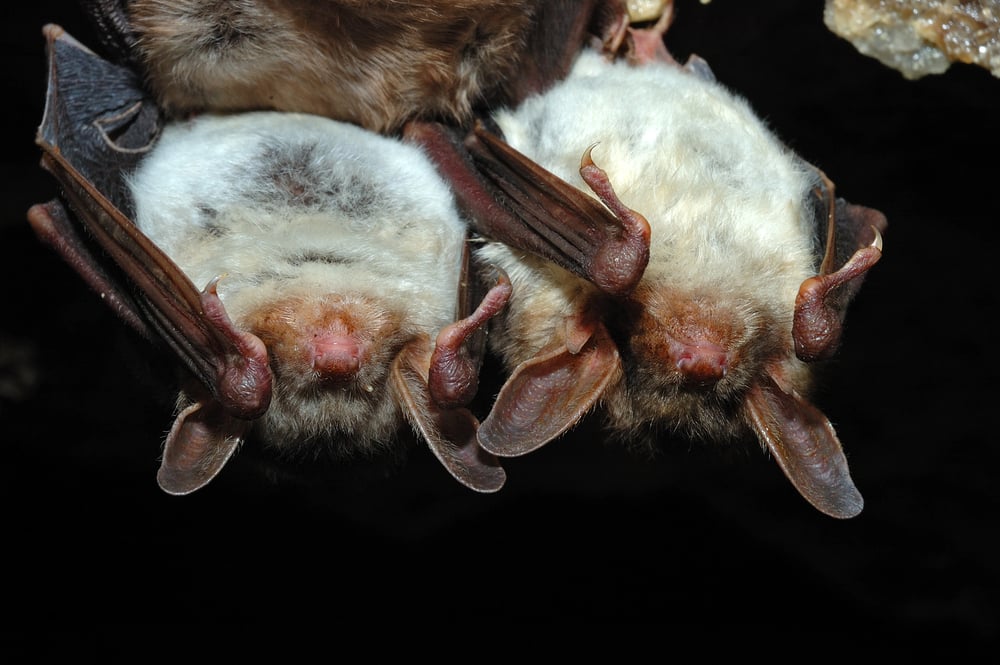
Texas hosts 32 of the 47 bat species found in the United States. The Congress Avenue Bridge in Austin houses the largest urban bat colony in North America, with roughly 1.5 million Mexican free-tailed bats emerging each night from March through October.
The Bracken Cave near San Antonio hosts an even larger colony of about 15 million bats, making it the largest bat colony in the world.
El Paso Is Closer To Five Other State Capitals Than To Its Own
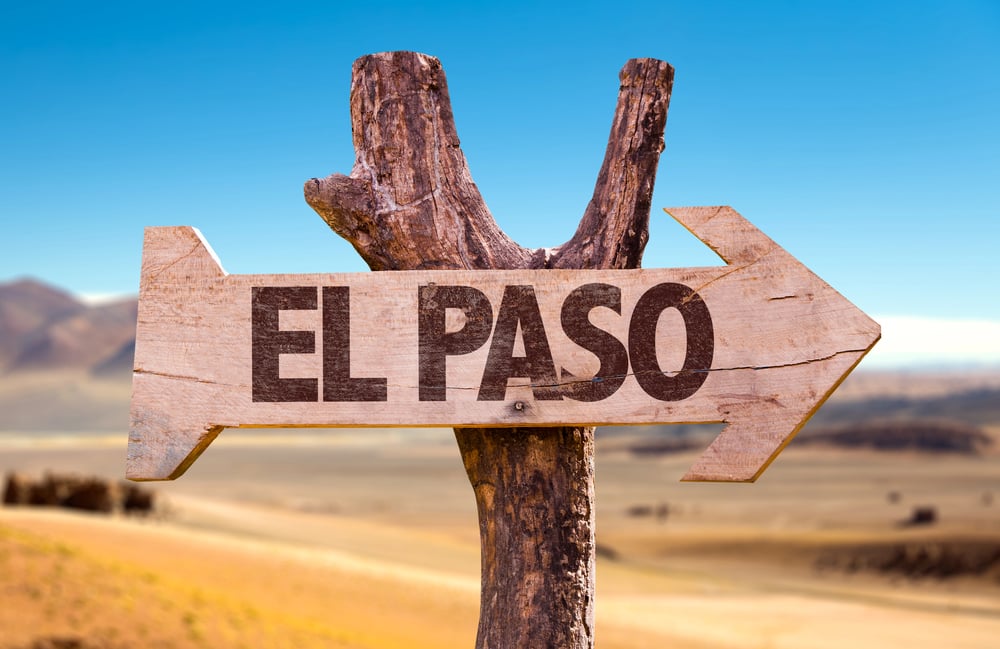
El Paso sits so far west that it’s closer to the capitals of New Mexico, Arizona, Chihuahua (Mexico), California, and Colorado than it is to Austin. The geographical quirk highlights just how massive Texas really is.
El Paso residents are actually on Mountain Time while the rest of Texas observes Central Time, making it feel even more disconnected from the rest of the state.
Texas Has Its Own Power Grid
Unlike the other 47 contiguous states, Texas operates on its own electrical grid called ERCOT (Electric Reliability Council of Texas). This independent grid covers about 90% of the state’s electric load and connects very little with the national grids.
The decision to maintain a separate grid dates back to the 1930s when Texas wanted to avoid federal regulation. This independence has both advantages and drawbacks, as became evident during the 2021 winter storm crisis.
The Alamo Wasn’t Originally A Fortress
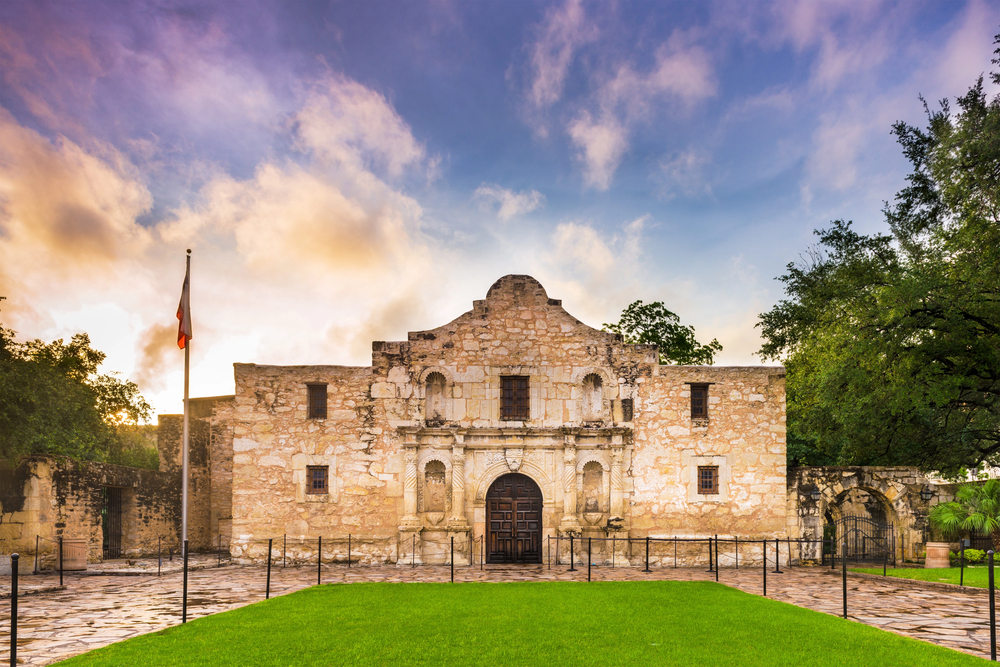
The famous site of the 1836 battle started as a Spanish mission called Mission San Antonio de Valero, founded in 1718. It served as a mission for about 70 years before being secularized.
The complex only became a military outpost in the early 1800s. The word “Alamo” actually comes from the Spanish word for cottonwood tree, as the mission sat in a grove of cottonwood trees.
Texas Has Three Cities In The Top Ten Largest U.S. Cities
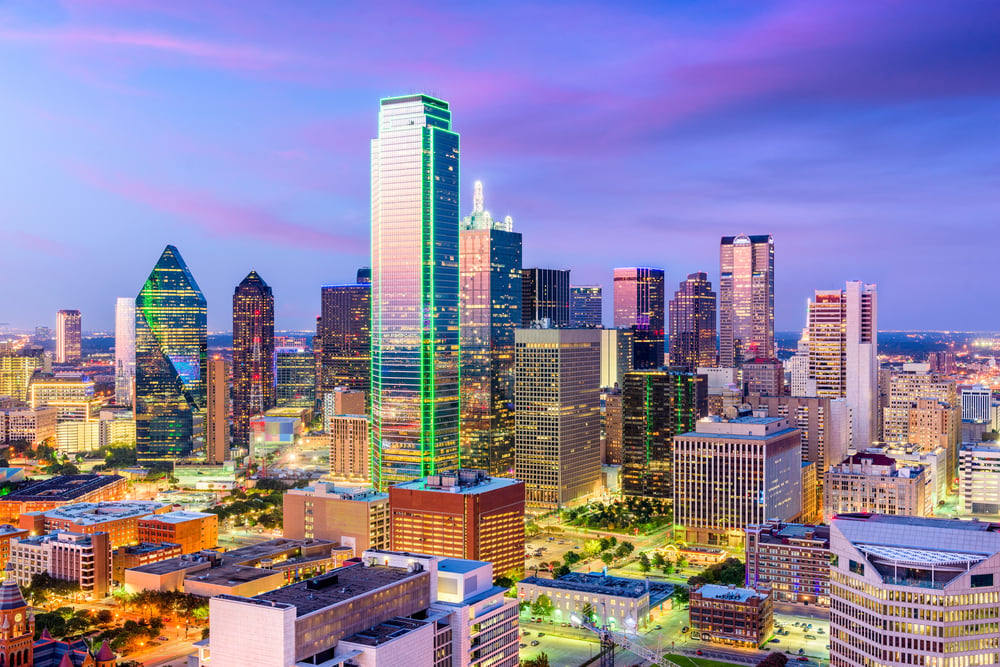
Houston ranks as the fourth largest city in America, San Antonio comes in seventh, and Dallas sits at ninth. When you include Fort Worth as part of the Dallas-Fort Worth metroplex, the concentration of major urban centers becomes even more impressive.
Combined, the four largest Texas cities have a population greater than the entire state of Virginia.
The JFK Assassination Changed How We Protect Presidents
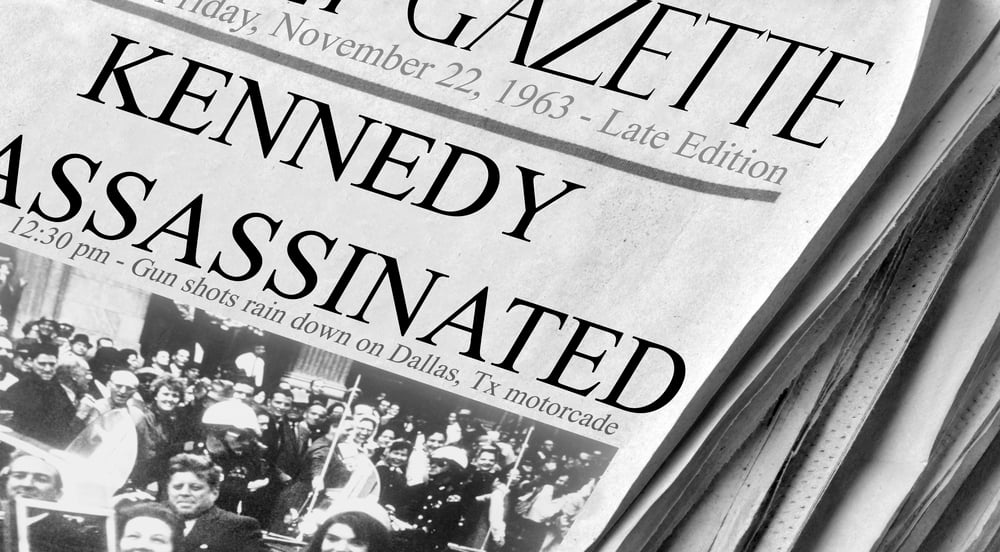
The assassination of President John F. Kennedy in Dallas on November 22, 1963, fundamentally transformed Secret Service protocols. Before that day, presidents regularly rode in open-top cars and interacted closely with crowds.
The tragedy led to bulletproof vehicles, metal detectors at events, and the extensive security measures we see today. The Sixth Floor Museum at Dealey Plaza now occupies the building from which Lee Harvey Oswald fired the fatal shots.
Texas Barbecue Is Actually Four Different Styles
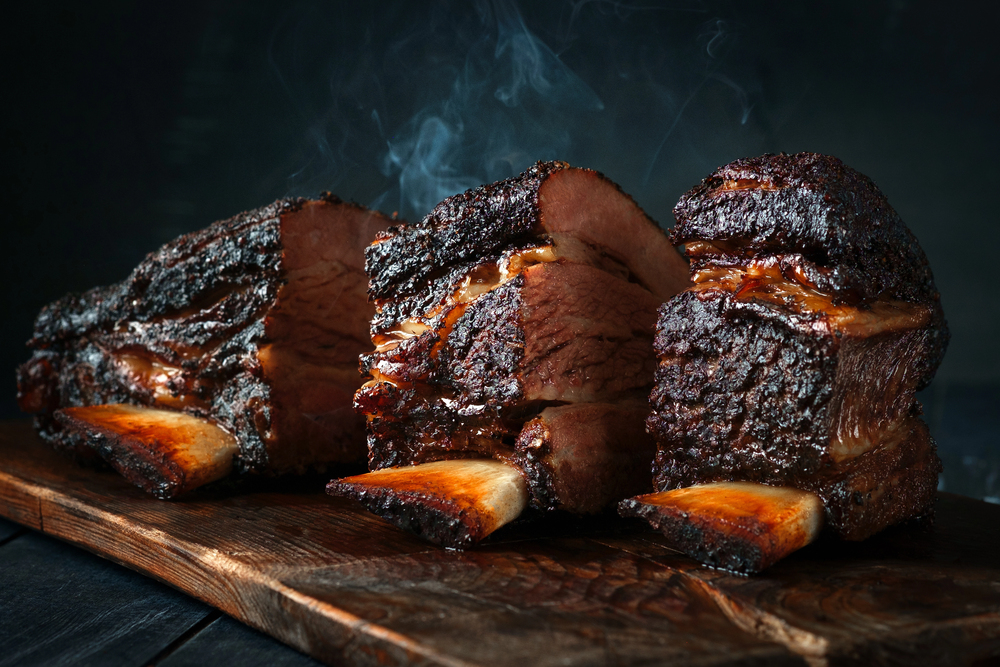
Texas barbecue isn’t monolithic. The state features four distinct regional styles based on the settlement patterns of different immigrant groups.
Central Texas barbecue, influenced by German and Czech immigrants, focuses on simple salt and pepper rubs and post-oak smoke. East Texas barbecue has Southern roots with its use of sweet, thick sauces.
South Texas barbecue shows Mexican influences with its use of mesquite and the inclusion of barbacoa. West Texas cowboy-style barbecue uses direct heat and whatever wood is available in the sparse landscape.
The State Animal Is The Longhorn, But It Almost Went Extinct
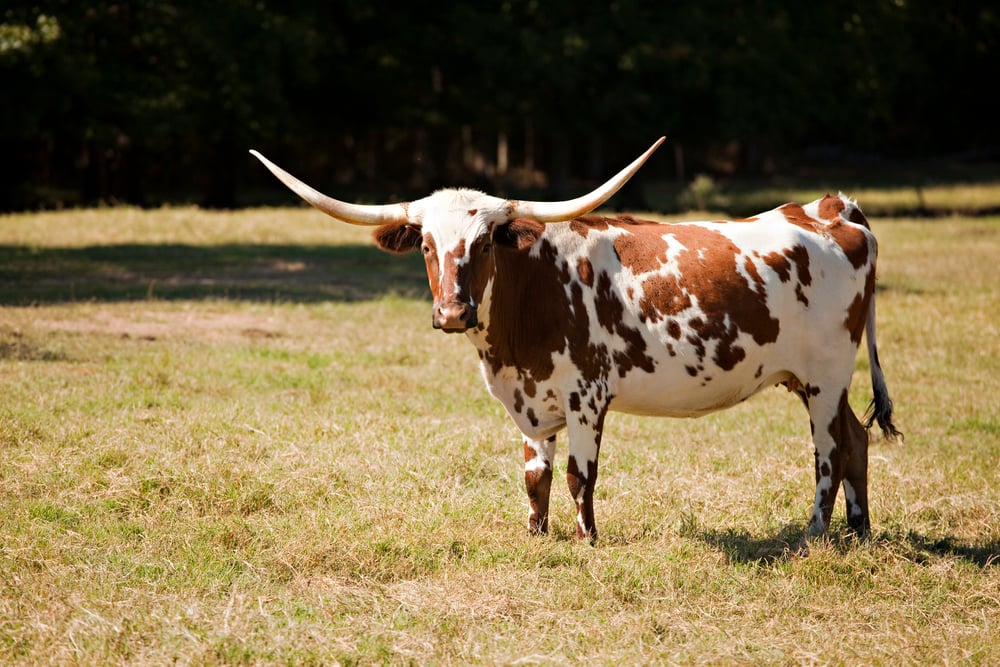
The Texas Longhorn became the official state large mammal in 1995, but these iconic cattle nearly disappeared in the early 1900s. By the 1920s, fewer than 3,000 longhorns remained as ranchers favored breeds that fattened faster.
The federal government stepped in to save the breed, and today over 250,000 registered Texas Longhorns exist. Their distinctive horns can span more than seven feet from tip to tip.
Texas continues to surprise even those who’ve lived there for decades.
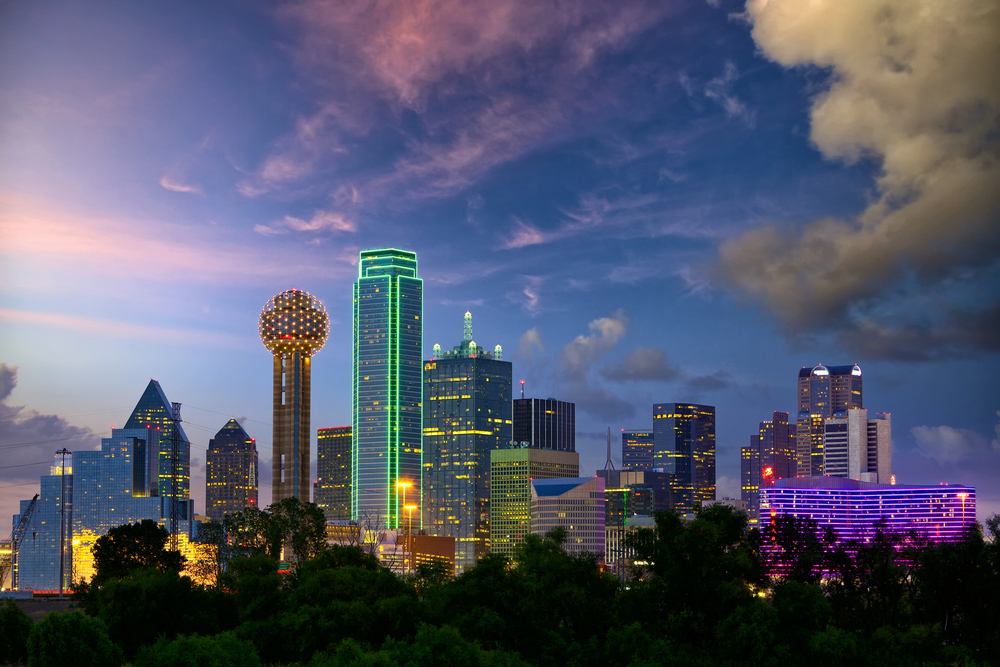
The state’s size allows for incredible diversity in landscape, culture, and even climate. From the piney woods of East Texas to the desert mountains near El Paso, from the Gulf Coast beaches to the High Plains, Texas contains enough variety to feel like several different states rolled into one.
These facts only scratch the surface of what makes Texas such a unique place in the American landscape.
More from Go2Tutors!

- The Romanov Crown Jewels and Their Tragic Fate
- 13 Historical Mysteries That Science Still Can’t Solve
- Famous Hoaxes That Fooled the World for Years
- 15 Child Stars with Tragic Adult Lives
- 16 Famous Jewelry Pieces in History
Like Go2Tutors’s content? Follow us on MSN.