Drive-in Movie Traditions from the ’60s That Kids Today Will Never Experience
There’s something almost mythical about drive-in theaters now — these sprawling lots where families would park their cars in neat rows, windows rolled down, speakers hanging from door frames like mechanical fruit. The 1960s represented the golden age of drive-in culture, when nearly 4,000 outdoor theaters dotted the American landscape.
Today, fewer than 300 remain, and with them have vanished dozens of rituals and experiences that defined summer nights for an entire generation. Kids today stream movies on tablets in the backseat, but they’ll never know the particular anticipation of waiting for darkness to fall so the show could begin.
They’ll never experience the strange intimacy of watching a giant screen from the privacy of a family car, or the peculiar democracy of a parking lot where everyone — from teenagers on dates to families with crying babies — could enjoy the same movie under the same sky.
The Speaker Ritual
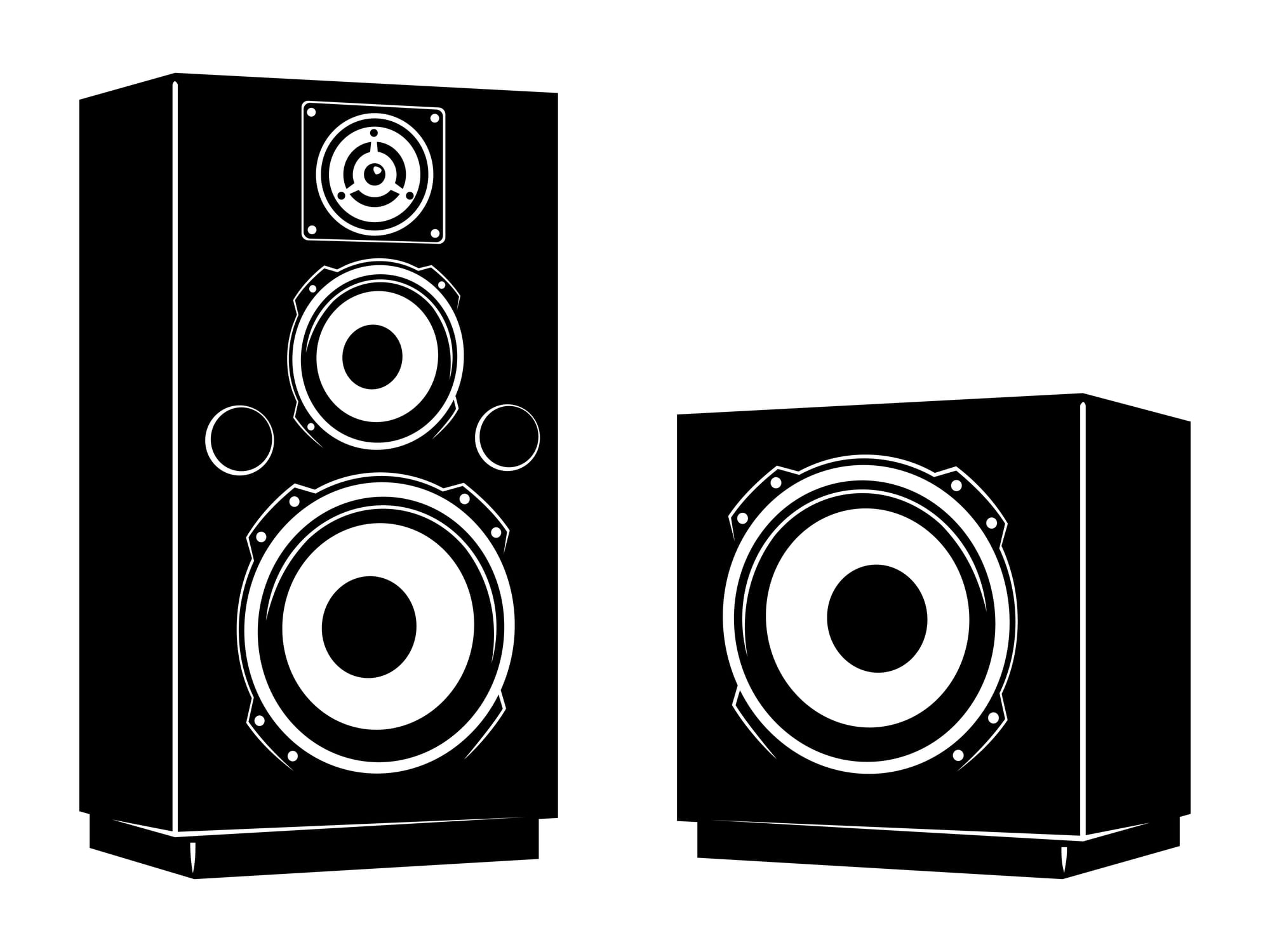
Every car got two speakers. You’d pull into your spot and immediately scan the metal posts for the least-damaged pair.
Some had cracked housings, others produced sound like they were drowning. Finding good speakers meant the difference between hearing dialogue clearly and spending two hours asking “What did he say?”
The ritual was always the same: roll down the driver’s side window, lift the heavy metal speaker from its hook, and carefully balance it on the window ledge. Too far in and it would fall onto your lap during action scenes.
Too far out and it would crash to the gravel when you forgot and tried to roll up the window.
Intermission Entertainment
Drive-ins didn’t just show movies. They created entire evenings of entertainment that stretched far beyond the main feature.
The intermission wasn’t dead time — it was when the real fun began, and smart theater owners knew exactly how to fill those crucial minutes between features. The screen would light up with cartoons, local advertisements, and those unforgettable dancing hot dogs and popcorn boxes that urged everyone to visit the snack bar.
But what made intermissions special was how they turned a passive movie experience into something interactive. Kids would pile out of cars to play on swings and slides that most drive-ins installed right in front of the screen.
Parents could stretch their legs without missing anything important. And teenagers? They had their own agenda entirely.
These intermissions lasted exactly long enough for a trip to the concession stand, a bathroom break, and maybe a quick walk around the lot to see what other families were up to. The timing was deliberate — too short and people felt rushed, too long and kids got restless.
Drive-in owners had this choreography down to a science.
Concession Stand Culture

The concession stand was the beating heart of any drive-in theater. Not just a place to buy overpriced candy and stale popcorn, but a social hub where half the evening’s drama unfolded away from the cars.
Smart drive-in owners designed their concession buildings to handle crowds efficiently while maximizing profit. The food was never quite restaurant quality, but that wasn’t the point.
You came for the ritual of it — standing in line with other families, kids pressing their noses against candy displays, parents debating whether a large popcorn was worth the expense. The walk to the concession stand was an event.
Parents would lock the car and herd children across rows of parked vehicles, past couples necking in convertibles and families spread out on blankets. Everyone was visible to everyone else, creating a strange sense of community among strangers.
Pajama Etiquette

Drive-ins were the only public entertainment venue where showing up in pajamas wasn’t just acceptable — it was encouraged. Families would load into cars with kids already dressed for bed, because everyone knew the movie wouldn’t start until well past normal bedtimes.
This created a relaxed atmosphere that no indoor theater could match. Children could fall asleep in the backseat without anyone worrying about disturbing other patrons.
Parents didn’t stress about keeping kids quiet or still. The car was your private viewing booth, which meant normal social rules didn’t apply.
Playground Politics
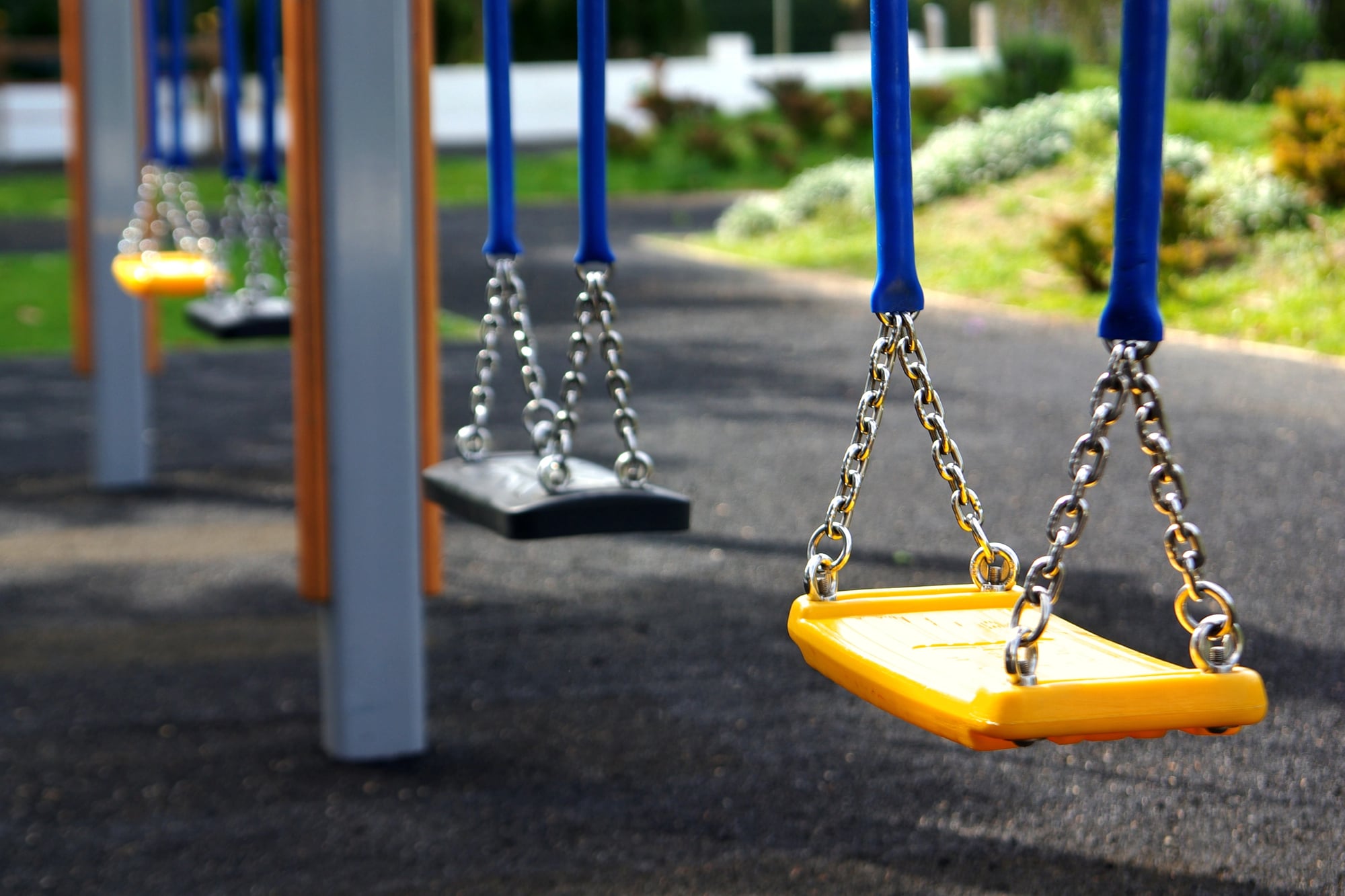
Most drive-ins installed playgrounds directly in front of the movie screen, creating a surreal landscape where children’s swings and slides sat silhouetted against whatever film happened to be playing. These playgrounds operated under their own social rules (and because the movie hadn’t started yet, parents could actually supervise from a distance while setting up their cars for the evening ahead).
The playground was where kids from different cars would meet and form temporary alliances that lasted exactly as long as the movie did. Age mattered less than it did at school — a ten-year-old might end up playing with teenagers if they arrived at the swings at the same time.
Parents kept one eye on the playground and one eye on their car setup, knowing they had maybe thirty minutes before the kids needed to be rounded up for showtime. And when that first preview started rolling, the playground would empty in minutes as children ran back to their respective vehicles, often dragging new friends over to meet parents and negotiate which car they’d watch the movie from.
But here’s what made it work: the playground gave kids a chance to burn off energy before being trapped in a car for three hours. Smart parents embraced this.
The Art Of Car Setup
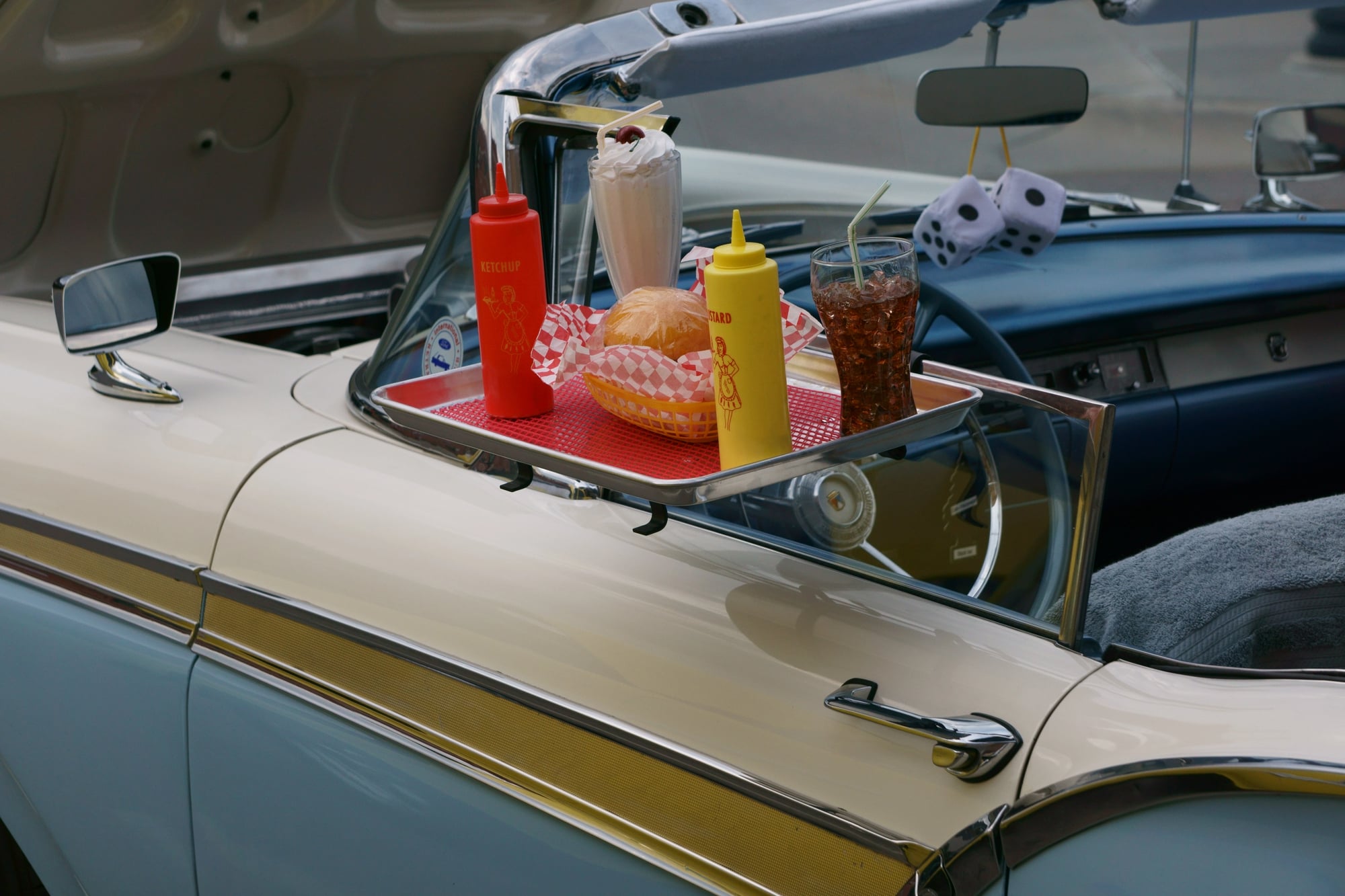
Getting your car ready for a drive-in movie was serious business. This wasn’t about finding a good seat — it was about transforming your vehicle into a mobile theater that would keep everyone comfortable for the next three hours.
Blankets came out first, spread across the hood for anyone brave enough to sit outside. Folding chairs appeared from trunks, positioned at precise angles to the screen.
Some families backed into their spaces so they could open the tailgate and create an impromptu living room in the cargo area. Others preferred to face forward and recline the front seats as far as they would go.
The most prepared families brought cushions, pillows, and sometimes even small mattresses to turn their backseat into a proper viewing area. Everyone had their own system, and everyone was convinced their method was superior.
But the real art was in anticipating problems: where to put the cooler so it didn’t block anyone’s view, how to position speakers so the cords didn’t get tangled, where to place the insect repellent for easy access when mosquitoes inevitably arrived.
Weather Gambling

Drive-ins were entirely at the mercy of weather, and this uncertainty added an element of genuine risk to every movie night. You’d check the forecast, but forecasts in the 1960s weren’t exactly reliable.
Families would pack for multiple scenarios — light jackets for cool evenings, umbrellas for possible rain, and always extra blankets because even summer nights could turn chilly by midnight. The gamble made it exciting.
Sometimes you’d arrive under clear skies and end up watching the second feature through a light drizzle, windshield wipers squeaking rhythmically across the screen dialogue. Other times storms would roll in during the first movie, and the entire lot would make a collective decision about whether to stay or go.
Double Feature Strategy
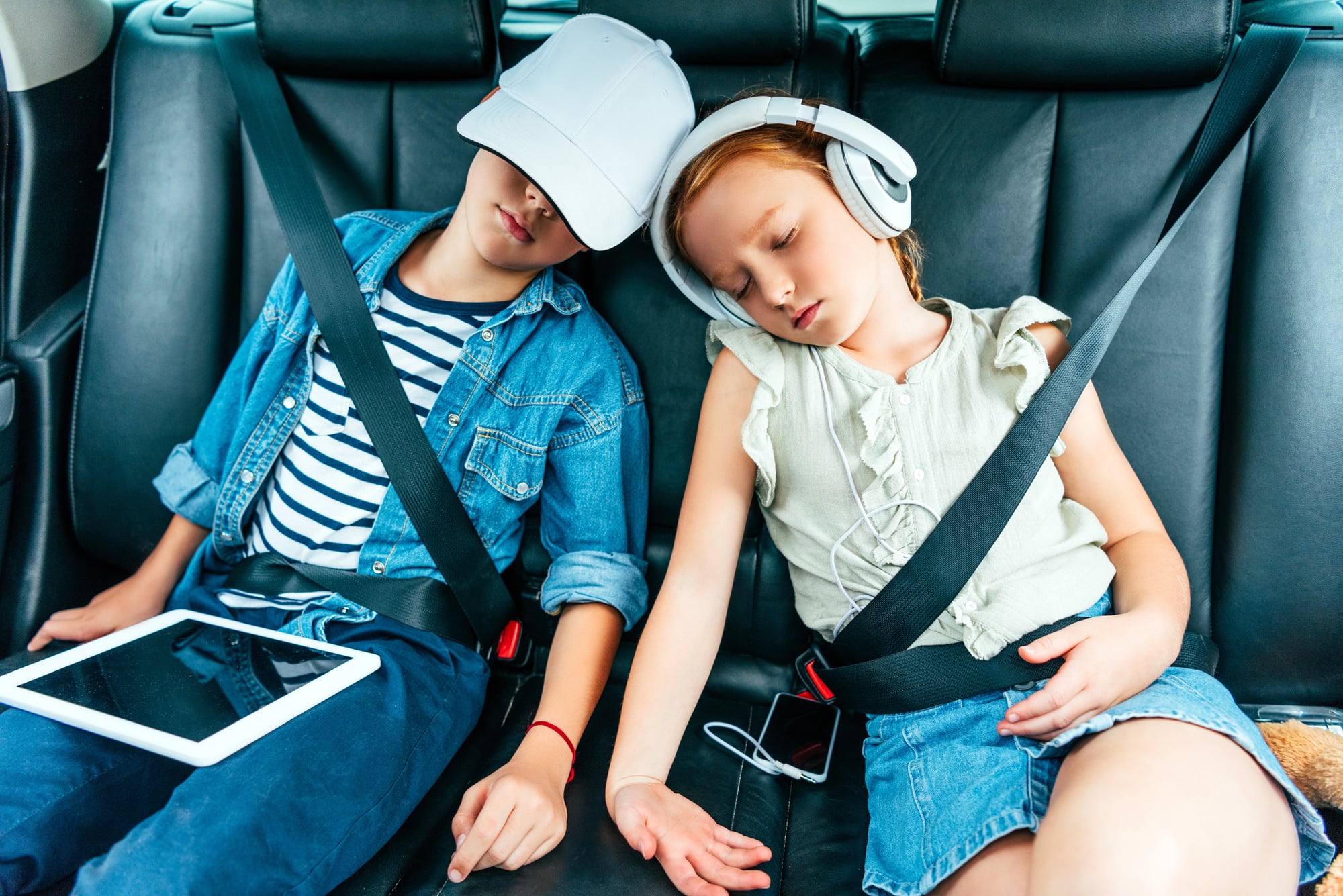
Every drive-in ticket bought you two movies, but this wasn’t just a bonus — it was a test of endurance and planning. The first movie usually started around sunset and ran until 10 PM.
The second feature wouldn’t end until well past midnight, which meant families had to strategize. Parents developed different approaches to the double feature dilemma.
Some came prepared to stay for both movies, packing enough snacks and coffee to last until 1 AM. Others used the first movie as family time and the second as adults-only entertainment, after kids had fallen asleep in the backseat.
Smart parents brought games and books for the inevitable intermission restlessness. The second feature was always different from the first — drive-ins paired family-friendly movies with more mature content, or mixed genres deliberately.
You might get a Disney cartoon followed by a Western, or a romantic comedy paired with a horror film. This programming strategy meant staying for both movies was genuinely unpredictable.
Bathroom Strategy
Drive-in restrooms were universally awful, which meant families had to plan bathroom breaks like military operations. The facilities were usually located in the concession building, which could be a quarter-mile walk from your parking spot through rows of cars and around families sprawled on blankets.
Parents learned to time bathroom trips carefully — during intermission when everyone else had the same idea, or during slow parts of movies when missing a few minutes wouldn’t matter. Some families brought flashlights for nighttime navigation, because drive-in lots weren’t exactly well-lit for pedestrian traffic.
The walk back to your car in the dark was its own adventure, especially when all the cars looked similar and you’d forgotten exactly where you’d parked.
Sound Quality Management
Those heavy metal speakers delivered sound quality that ranged from adequate to terrible, and every family developed techniques for managing the audio experience. Volume was entirely manual — a small knob on each speaker that you adjusted by feel in the dark.
Too loud and you’d disturb cars nearby. Too quiet and you’d miss dialogue during action scenes.
The sound was always slightly delayed compared to the image, creating a disconnect that took some getting used to. Experienced drive-in families learned to position speakers strategically — sometimes hanging both speakers inside the car for better sound, other times placing one speaker outside for ambient noise and keeping one inside for dialogue.
But here’s the thing about those speakers: when they worked well, they created an intimate audio experience that surround sound can’t match. The movie felt like it was happening inside your car, not on a distant screen.
Night Vision Navigation
Once the movie started and the lot lights went down, navigating a drive-in became an exercise in night vision and spatial memory. Bathrooms, concession stands, and even your own car required careful navigation in near-total darkness.
Drive-ins deliberately kept lighting to a minimum to avoid competing with the screen, which meant families had to remember landmarks and count rows to find their way around. Kids were strictly forbidden from using flashlights during movies, so any nighttime movement happened by feel and memory.
The darkness created a strange sense of intimacy among strangers. You could hear conversations from nearby cars, babies crying, teenagers laughing, all mixed with the soundtrack from the movie.
Everyone was together in this shared darkness, watching the same story unfold on the giant screen ahead.
Loading And Unloading Logistics
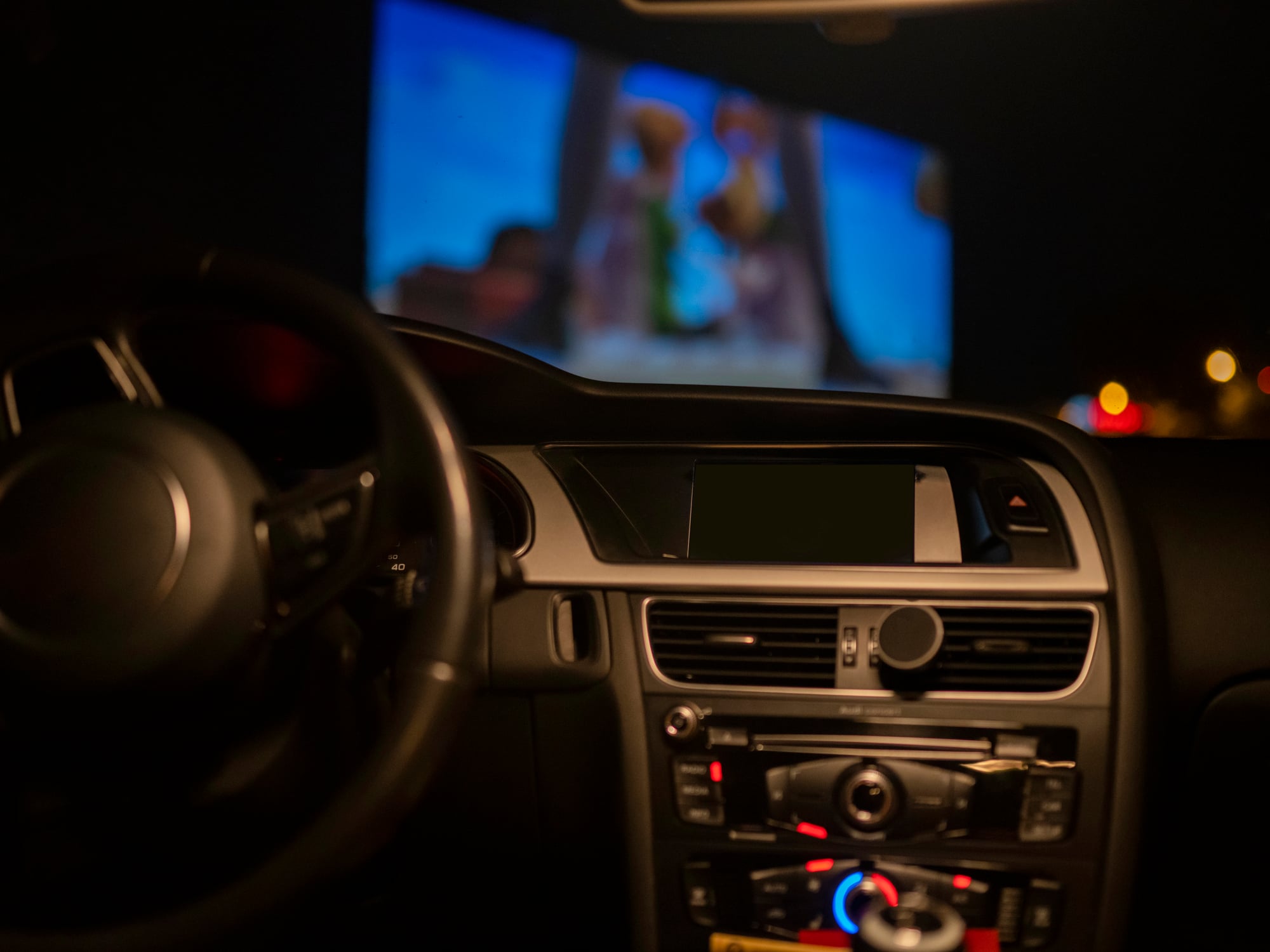
A successful drive-in trip required packing skills that would impress a professional mover. Families had to fit everything they might need for four hours into whatever space their car provided, while still leaving room for passengers and maintaining clear sightlines to the screen.
The car became a mobile command center: snacks within easy reach, drinks secured against spills, blankets accessible but not in the way, speakers positioned for optimal sound, and entertainment for kids during slow parts of movies. Everything had to be packed with unloading in mind, because you’d be accessing supplies in complete darkness.
The Car As Theater
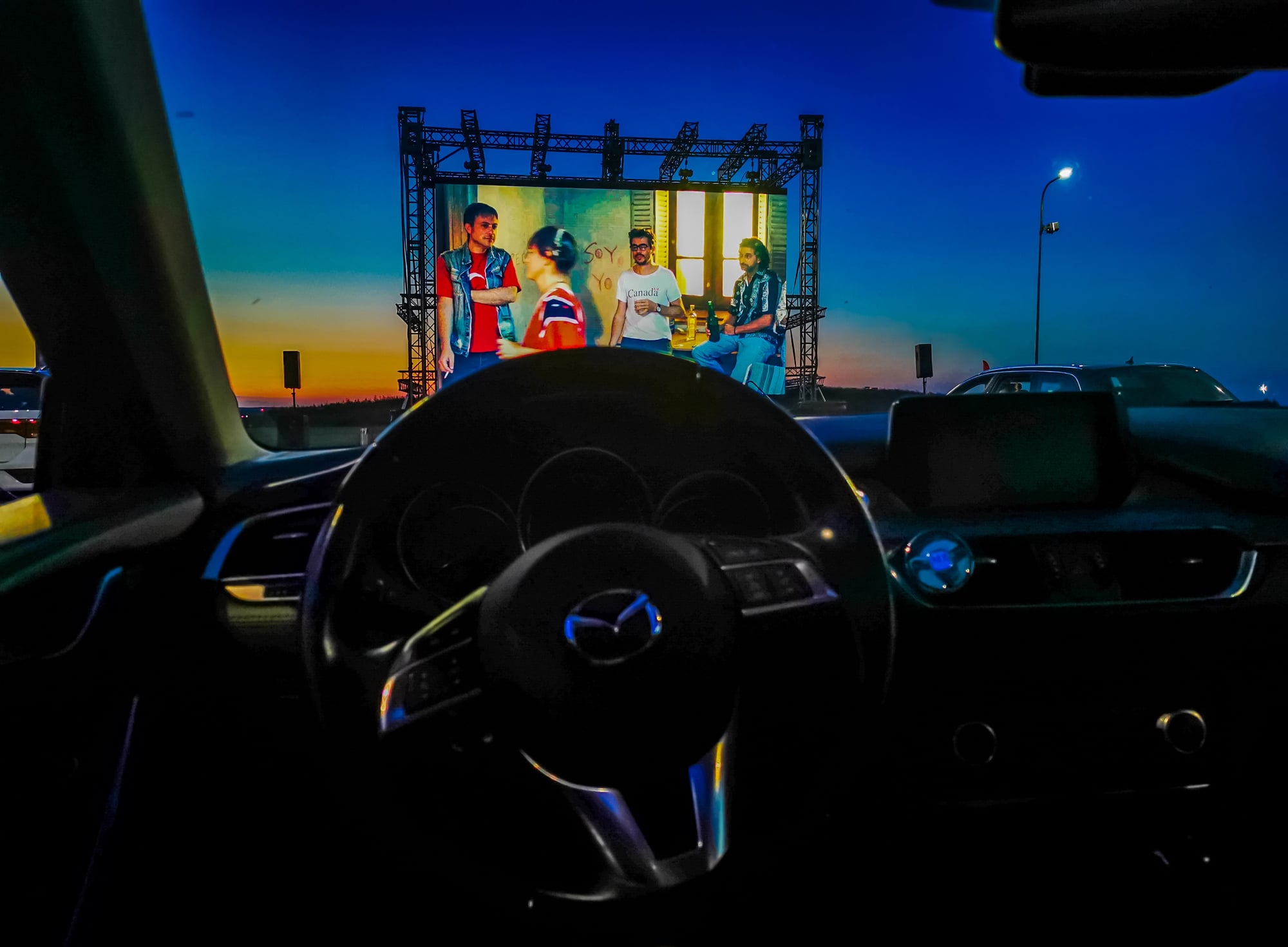
Your car wasn’t just transportation to a drive-in — it was your theater seat, snack bar, and private booth all combined. Families learned to optimize their vehicles for the drive-in experience, figuring out how to maximize comfort and viewing angles within the constraints of their particular car model.
Station wagons were the gold standard for drive-in comfort, with enough space for kids to lie down and adults to recline without feeling cramped. Convertibles offered the option of open-air viewing, but also the risk of unexpected weather or aggressive mosquitoes.
Compact cars required creative positioning and often meant someone would end up sitting outside on a blanket or in a folding chair. Each car became a small world unto itself, with its own rules, snack distribution system, and comfort arrangements.
The privacy was part of the appeal — you could laugh loudly during comedies, talk back to the screen during horror movies, or fall asleep during boring parts without bothering anyone else.
Food Smuggling Operations
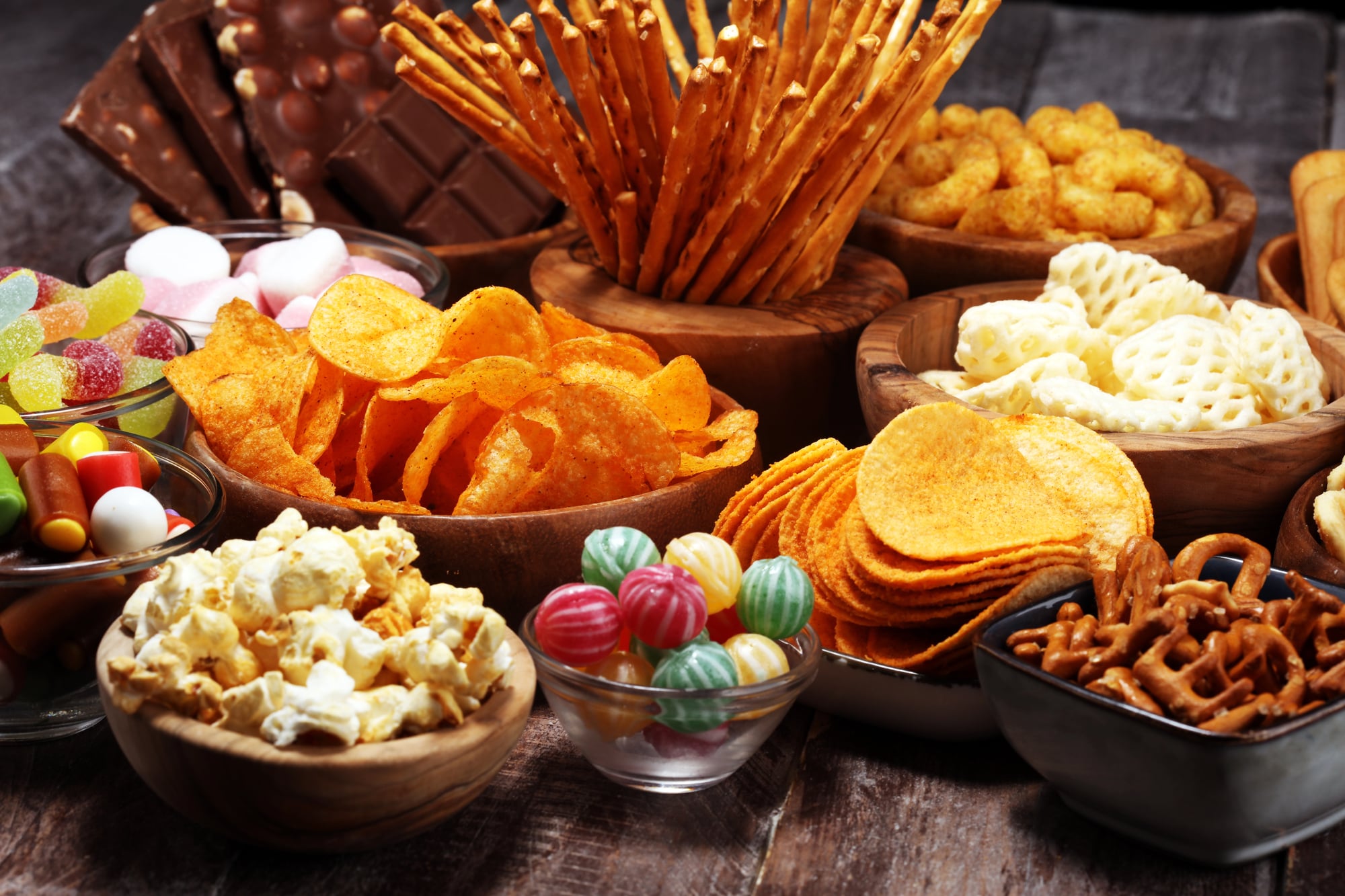
Drive-in concession prices were notoriously high, which meant most families became experts at smuggling outside food past the ticket booth. This wasn’t really covert — everyone knew families were bringing coolers and grocery bags, but drive-in owners looked the other way as long as you also bought something from the concession stand.
The food smuggling became its own family tradition. Mothers would pack elaborate meals that could be eaten in a car without making too much mess.
Sandwiches wrapped in wax paper, thermoses full of coffee, bags of homemade popcorn, and entire picnic dinners would emerge from trunks and backseats once cars were parked. Some families turned the meal into the main event, treating the movie as background entertainment for an outdoor dinner.
Others stuck to snacks and drinks, saving the serious eating for intermission. But everyone came prepared with more food than any indoor theater would have tolerated.
Weather-Watching Skills

Successful drive-in attendance required amateur meteorologist skills that most people today never develop. You learned to read cloud formations, judge wind direction, and estimate how long clear skies might last based on humidity and temperature changes throughout the day.
Weather could make or break a drive-in evening, so families became experts at rapid decision-making based on atmospheric conditions. A distant flash of lightning meant quick calculations about storm speed and direction.
Rising wind meant securing lightweight items and preparing for possible speaker problems. Dropping temperatures meant digging out extra blankets and closing windows that had been opened for optimal sound.
The weather awareness added an element of adventure to every drive-in trip. You weren’t just going to see a movie — you were committing to spending four hours outdoors, subject to whatever nature decided to deliver.
Flashlight Diplomacy
Flashlight use at drive-ins was strictly regulated by unwritten social rules that everyone understood but no one had to explain. During movies, flashlights were forbidden — the smallest beam could disrupt other viewers and compete with the screen image.
But during intermissions and before showtime, flashlights were essential for navigation and setup. Families learned flashlight diplomacy: how to use the minimum amount of light necessary for tasks like finding dropped keys or reading candy wrappers, while being considerate of nearby cars.
Red-filtered flashlights were preferred because they preserved night vision better than white light.
Seasonal Rituals
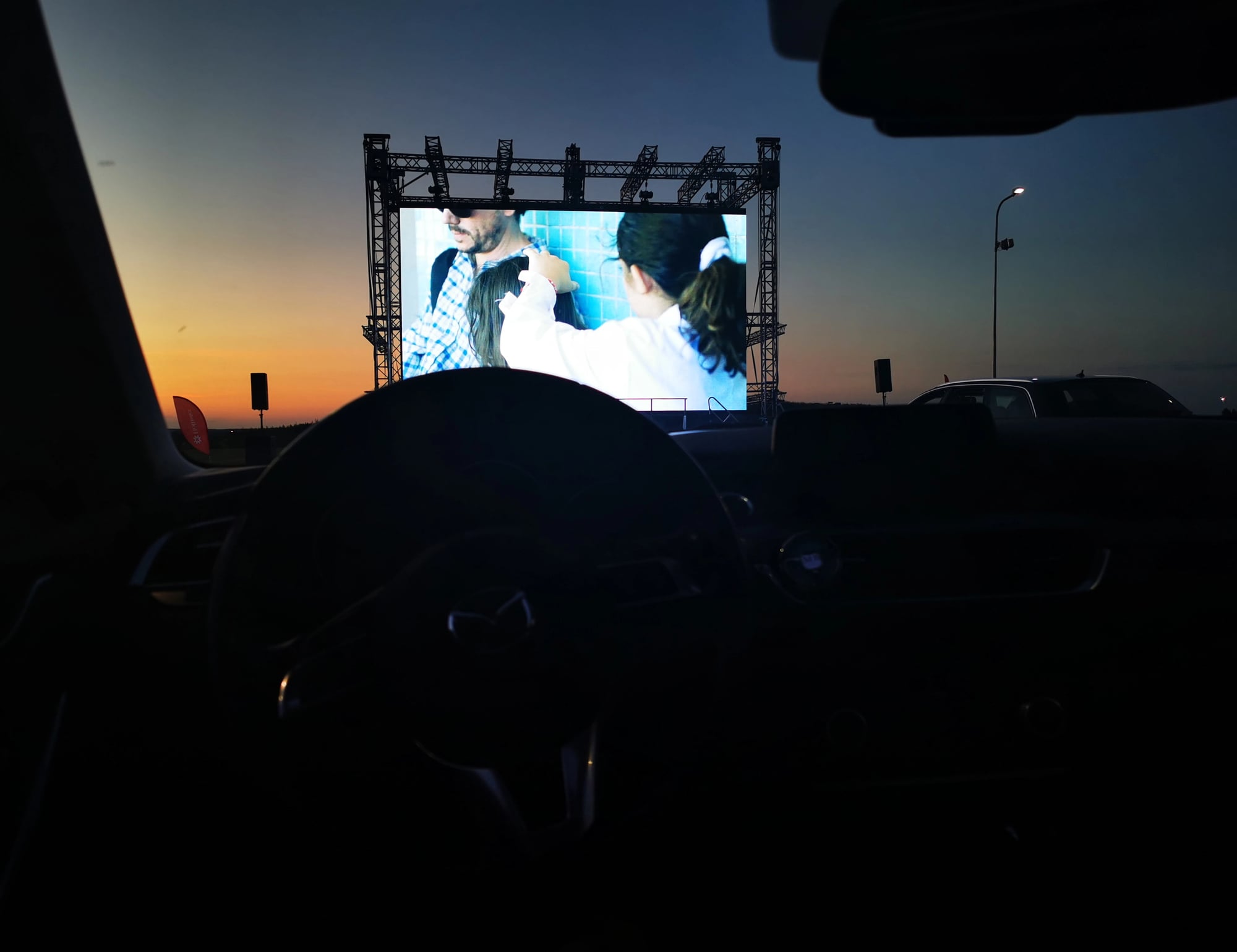
Drive-in season didn’t last all year in most climates, which made the opening and closing of each season feel significant. The first warm weekend when drive-ins reopened was a community celebration — families would arrive early to claim good spots and reconnect with other regulars they hadn’t seen all winter.
Each season brought different challenges and pleasures. Early spring nights were crisp and required heavy blankets, but also offered clear skies and comfortable temperatures.
Summer brought mosquitoes and humidity, but also late sunsets that delayed showtime until nearly 9 PM. Fall offered perfect weather but shorter seasons and the looming threat of winter closure.
The seasonal nature of drive-ins made them feel special in a way that year-round indoor theaters couldn’t match. They were tied to weather and daylight in ways that made each visit feel connected to natural rhythms that most entertainment had abandoned.
Magic In The Mundane
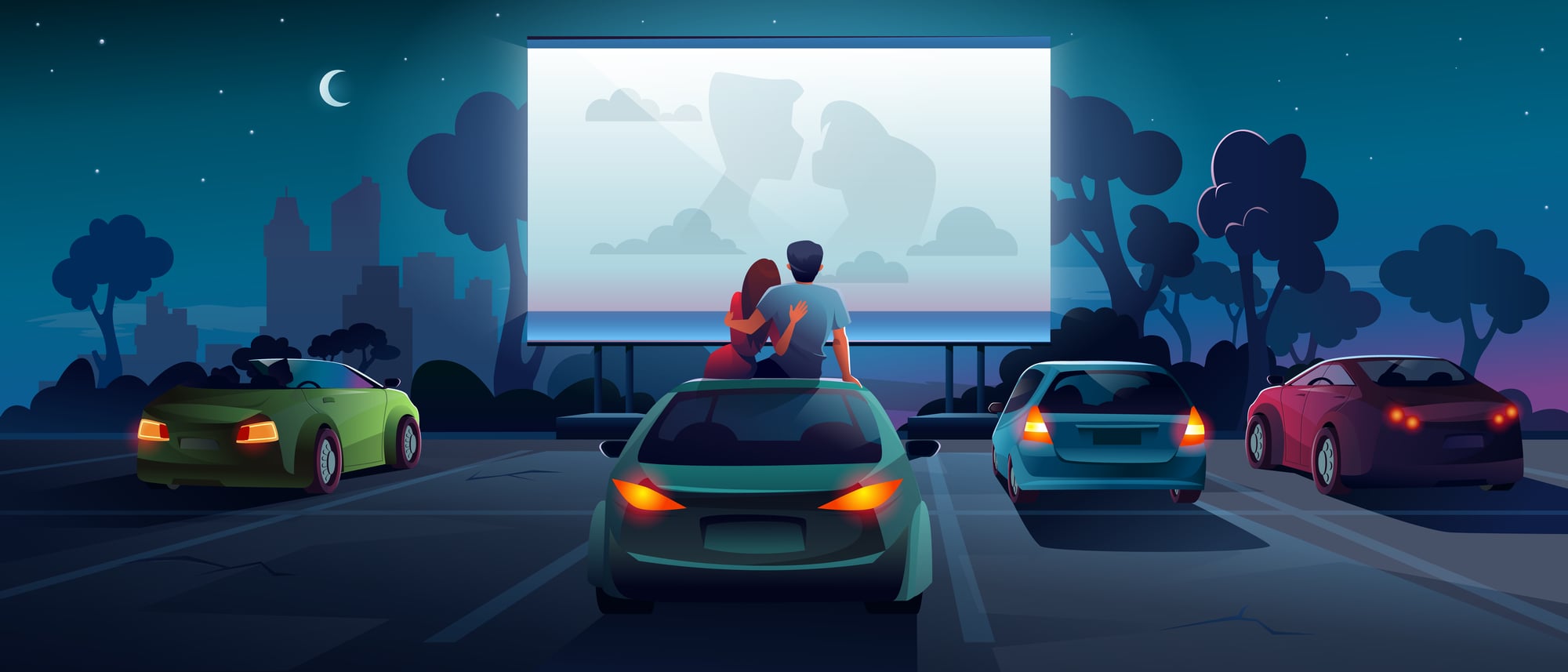
Drive-in theaters turned ordinary summer evenings into something approaching magic, not through sophisticated technology or elegant design, but by mixing familiar elements in ways that transformed them completely. A parking lot became a theater.
A car became a private viewing booth. A movie became a community event where everyone stayed separate.
The magic lived in the contradictions: public entertainment that felt private, outdoor movies that required indoor planning, community gatherings where families stayed isolated in their vehicles. Kids today can watch any movie instantly on devices with perfect picture quality and crystal-clear sound, but they’ll never experience the particular enchantment of watching a story unfold on a giant screen while sitting in a car under an enormous sky, surrounded by strangers doing exactly the same thing.
When The Last Light Fades
The golden age of drive-in theaters ended not with dramatic closure announcements but with quiet abandonment — one by one, those big screens went dark and never lit up again. Real estate became too valuable, maintenance costs too high, and audiences too small to justify keeping these sprawling entertainment complexes alive.
What disappeared wasn’t just a way to watch movies, but an entire ecosystem of family traditions, seasonal rituals, and social experiences that had no indoor equivalent. Kids today might find old drive-in photos quaint or amusing, but they can’t quite grasp what was lost when those last speakers were unhooked and those enormous screens finally went blank.
Some experiences can’t be recreated, only remembered by those lucky enough to have lived them when they still existed under summer stars.
More from Go2Tutors!

- The Romanov Crown Jewels and Their Tragic Fate
- 13 Historical Mysteries That Science Still Can’t Solve
- Famous Hoaxes That Fooled the World for Years
- 15 Child Stars with Tragic Adult Lives
- 16 Famous Jewelry Pieces in History
Like Go2Tutors’s content? Follow us on MSN