13 Family Dinner Rules Everyone Used to Follow
Family dinners once operated under an unspoken code that kept everyone civilized. These weren’t random restrictions invented by overly strict parents — they were genuine social customs that helped families bond, demonstrate respect, and actually enjoy their meals without complete mayhem. While many of these traditions have disappeared as life became more hectic and casual, they served real purposes that went far beyond simple etiquette.
The dinner table functioned like a miniature society where everyone understood their role. Here is a list of 13 family dinner rules everyone used to follow.
Wait for Everyone to Be Seated

Nobody dared touch their utensils until every family member had settled into their chair. This wasn’t just about manners — it created genuine unity before the meal started and showed respect for the entire family.
The pause also allowed everyone to transition from their previous activities and mentally prepare for dinner conversation.
No Phones or Distractions at the Table

Though smartphones didn’t exist, neither did books, magazines, or toys that might steal attention from the meal. The dinner table was treated as hallowed ground where family members actually connected with each other rather than outside diversions.
Even Dad’s evening newspaper stayed firmly in the living room during mealtime.
Ask Before You Reach

Stretching across the table was both rude and potentially hazardous — especially with steaming dishes everywhere. Instead, you’d politely request that someone pass whatever you needed, which naturally encouraged interaction while preventing spills or burns.
This simple courtesy taught children to communicate clearly yet considerately.
Keep Your Elbows Off the Table
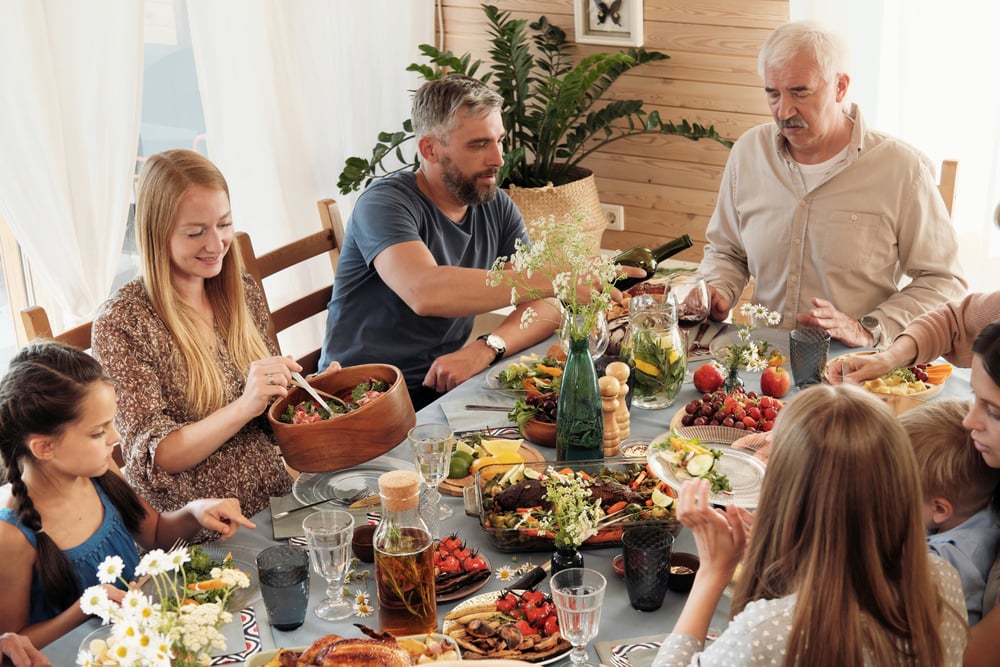
This rule prevented slouching and kept everyone from hogging table space — ensuring comfort for all diners. It also promoted better posture while making the meal feel more dignified and respectful.
Though it might seem antiquated now, the rule kept people actively engaged rather than sprawling lazily across their seats.
Chew with Your Mouth Closed

Open-mouth chewing wasn’t just disgusting — it demonstrated a complete lack of social awareness. This fundamental rule maintained a pleasant atmosphere where everyone could enjoy their food without being repulsed by someone else’s eating habits.
Kids learned this lesson early as their introduction to considering others’ comfort.
No Talking with Food in Your Mouth

Attempting conversation while chewing was impolite and potentially messy. The rule encouraged reasonable bite sizes and proper timing — you’d participate in discussion between mouthfuls rather than rushing through your meal.
This approach made dinner conversations both clearer and more enjoyable for everyone present.
Take Small Bites

Cramming your mouth full of food appeared greedy and made conversation impossible. Smaller bites allowed people to eat at a civilized pace while still participating in the social elements of the meal.
The practice also reduced choking risks — making the entire dining experience safer and more controlled.
Use Your Napkin Properly

Your napkin belonged in your lap throughout the entire meal — used for gentle dabbing rather than aggressive wiping. This kept the table looking presentable while showing care for your appearance and the overall dining experience.
The napkin stayed at your place setting too, never tossed carelessly or left crumpled on your plate.
Ask to Be Excused
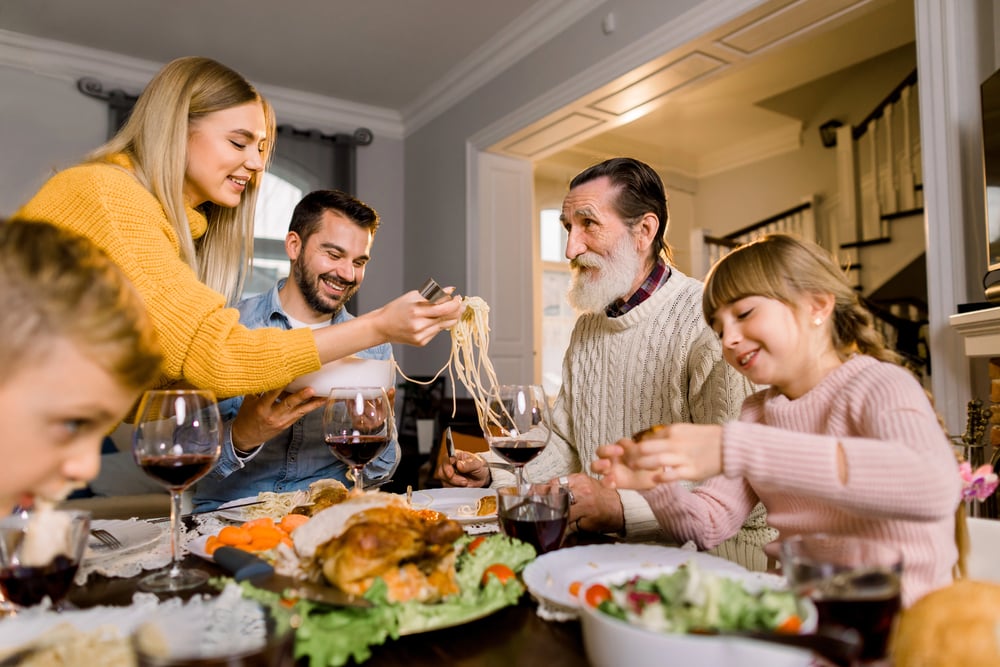
Leaving the table required explicit permission from parents — preventing kids from wandering off mid-meal or vanishing when cleanup beckoned. This rule emphasized that dinner represented a family commitment, not something you could abandon whenever boredom struck.
Parents could maintain order while ensuring everyone stayed accountable for the entire experience.
Serve Others Before Yourself

When dishes circulated around the table — you’d offer them to others before taking your own portion. This demonstrated genuine consideration while preventing anyone from monopolizing the best items before others had opportunities.
The rule was particularly important for children, teaching them to prioritize others’ needs over their own immediate desires.
Compliment the Cook

Even if the meal wasn’t particularly appealing, you found something positive to say about the preparation effort. This rule showed genuine appreciation for whoever spent time cooking and fostered a welcoming atmosphere around the table.
It taught children to be gracious while recognizing the substantial work involved in caring for a family.
Stay Until Everyone Is Finished

The meal wasn’t over simply because you’d finished eating. You waited until everyone else completed their portions too. This kept the family together and prevented the awkward situation of people dining alone while others disappeared.
It also ensured that conversations could flow naturally without constant interruptions from departing family members.
Help Clear the Table
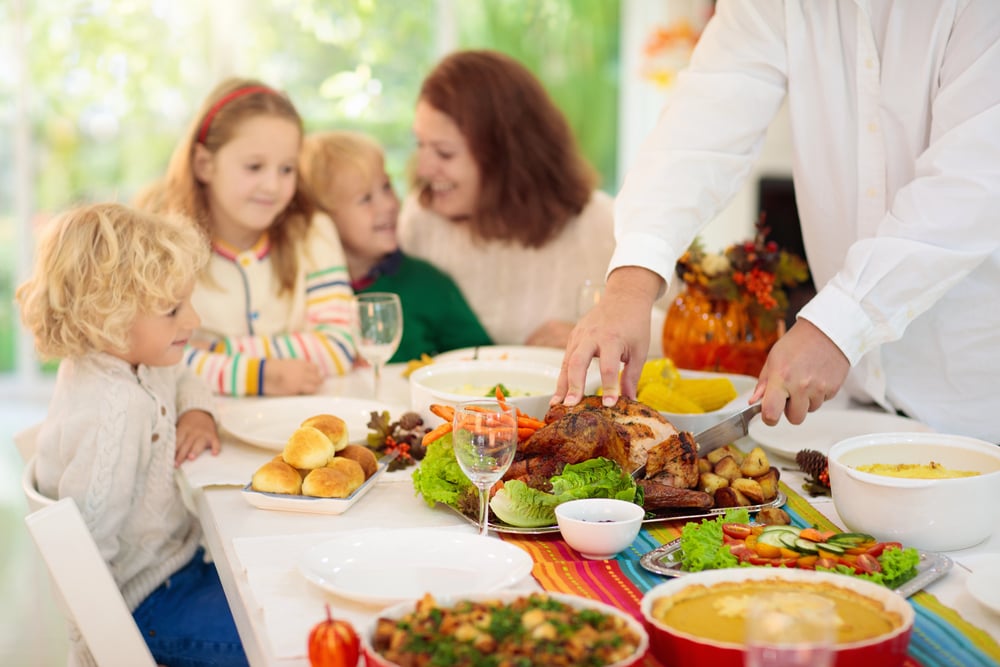
Once the meal officially concluded, everyone contributed to clearing dishes and cleaning up rather than abandoning the task to one person. This rule taught genuine responsibility while demonstrating that family meals represented group efforts from beginning to end.
Even small children could manage their own plates or assist with simple cleanup tasks.
When Civility Shaped Character

These dinner table customs created a meaningful framework that helped families connect and demonstrate mutual respect during one of their few guaranteed daily gatherings. Modern living has rendered many of these practices seemingly outdated or unnecessarily formal, yet they accomplished important goals in teaching consideration, patience, and family solidarity.
The dinner table often served as the primary classroom where children absorbed crucial social skills, with these rules providing the structure that made those lessons memorable. While contemporary families might not embrace all these traditions, the fundamental values of respect, gratitude, and togetherness remain equally vital for anyone seeking genuine connection in our increasingly fragmented world.
More from Go2Tutors!

- The Romanov Crown Jewels and Their Tragic Fate
- 13 Historical Mysteries That Science Still Can’t Solve
- Famous Hoaxes That Fooled the World for Years
- 15 Child Stars with Tragic Adult Lives
- 16 Famous Jewelry Pieces in History
Like Go2Tutors’s content? Follow us on MSN.