Everyday Smells from Childhood That Can Instantly Transport Anyone Back to the ’70s
There’s something about certain smells that works like a time machine, pulling you back decades in an instant. The ’70s had a particular scent profile — a mix of synthetic optimism, household chemistry, and things that seemed perfectly normal then but feel almost foreign now.
These weren’t the carefully curated fragrances of today’s world. They were the accidental perfume of an era, lingering in shag carpets and wood-paneled rooms, clinging to clothes that came out of washing machines smelling nothing like the detergents your kids use now.
Walk into the right basement or open the wrong vintage suitcase, and suddenly you’re eight years old again, wondering why adults seemed so convinced that avocado green was the future.
Aqua Net Hairspray
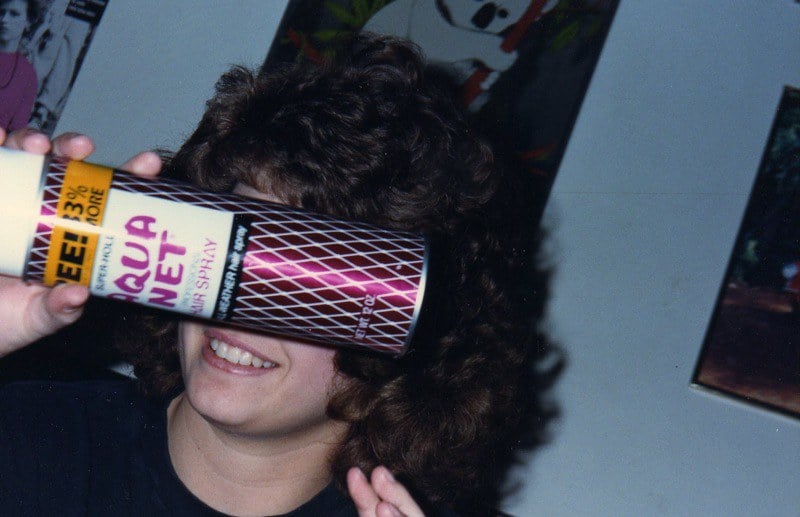
Nothing from the ’70s hits quite like that first blast of Aqua Net cutting through the air. The smell didn’t just announce someone was getting ready — it declared war on humidity and promised victory, no matter the cost.
Every bathroom carried that sharp, chemical sweetness that somehow managed to smell both floral and industrial at the same time. Your mother sprayed enough of it to punch a ring in the ozone, and the cloud lingered long after she’d left the house.
Even now, catching a whiff of that particular aerosol cocktail brings back the sound of teasing combs and the sight of hair that could survive a hurricane.
Lemon Pledge
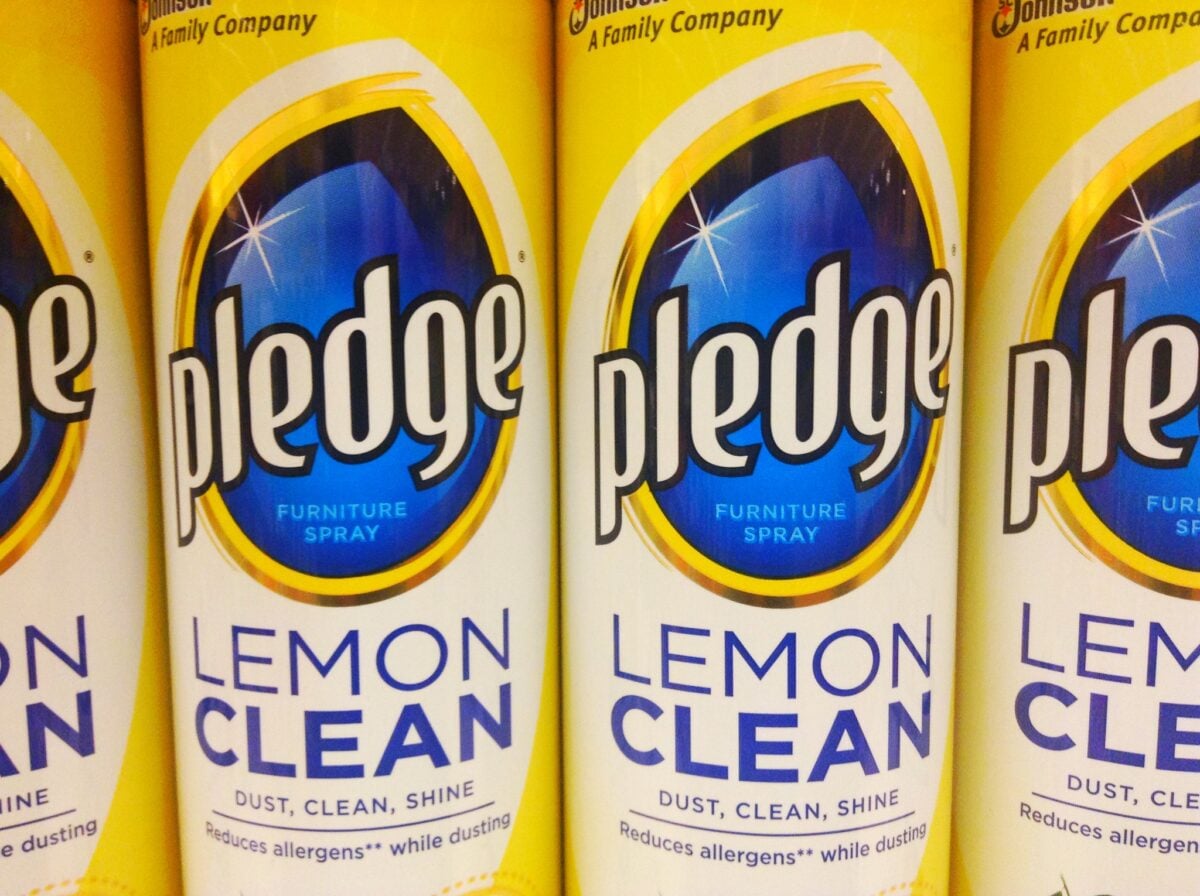
The ritual of Saturday cleaning came with its own soundtrack of furniture polish hitting wood. Lemon Pledge promised to make everything shine, and it delivered with a scent that was less actual lemon and more the idea of what a cleaning product thought lemons should smell like. But somehow (and this is where the magic happened, where the artificial became familiar through repetition) that fake-lemon brightness started meaning “clean” in ways that actual lemons never could.
So when furniture polish hit the coffee table, it wasn’t just removing dust — it was erasing the week’s worth of living and starting fresh. The smell would hang in the living room for hours afterward, mixing with whatever was coming from the kitchen and the perpetual background hum of cig smoke that just existed in houses back then, like wallpaper you couldn’t see.
Banana Boat Suntan Lotion
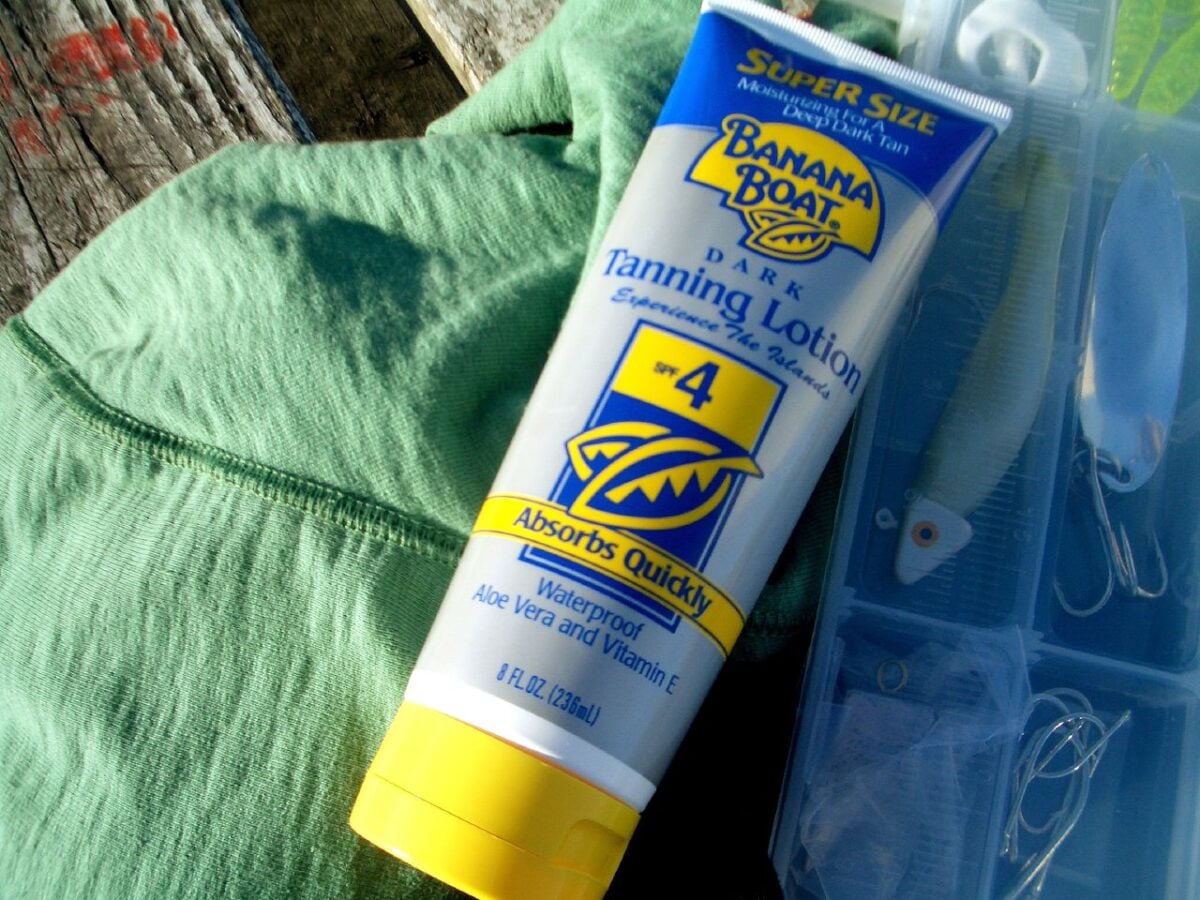
Sunscreen wasn’t about protection back then. It was about achieving the perfect bronze, and Banana Boat was the passport to that golden summer goal.
The smell was tropical in the most artificial way possible — like someone had described a banana to a chemist who had never actually seen one. But that coconut-adjacent sweetness meant summer was official.
Pool parties, beach trips, or just lying in the backyard trying to get tan enough to matter. The lotion was thick, greasy, and probably offered the sun protection of a light sweater, but it smelled like vacation even when you were just in your own driveway.
Love’s Baby Soft Perfume
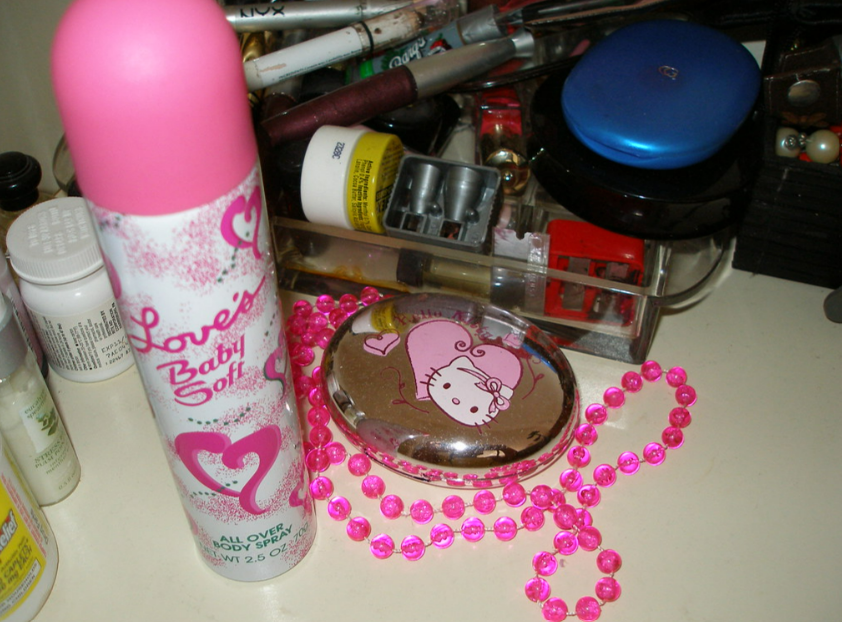
Every teenage girl in America seemed to own a bottle of this powdery-sweet fragrance that was supposed to capture the essence of innocence. The scent was cotton candy mixed with baby powder, designed to make you smell like a child but somehow grown-up at the same time.
It made no logical sense, but logic wasn’t the point. The perfume lived in bedroom drawers next to mood rings and friendship bracelets, applied with the heavy hand that only comes with teenage confidence.
Years later, that particular combination of vanilla and powder can still transport anyone back to high school hallways and the complicated simplicity of being fifteen.
Tide Detergent
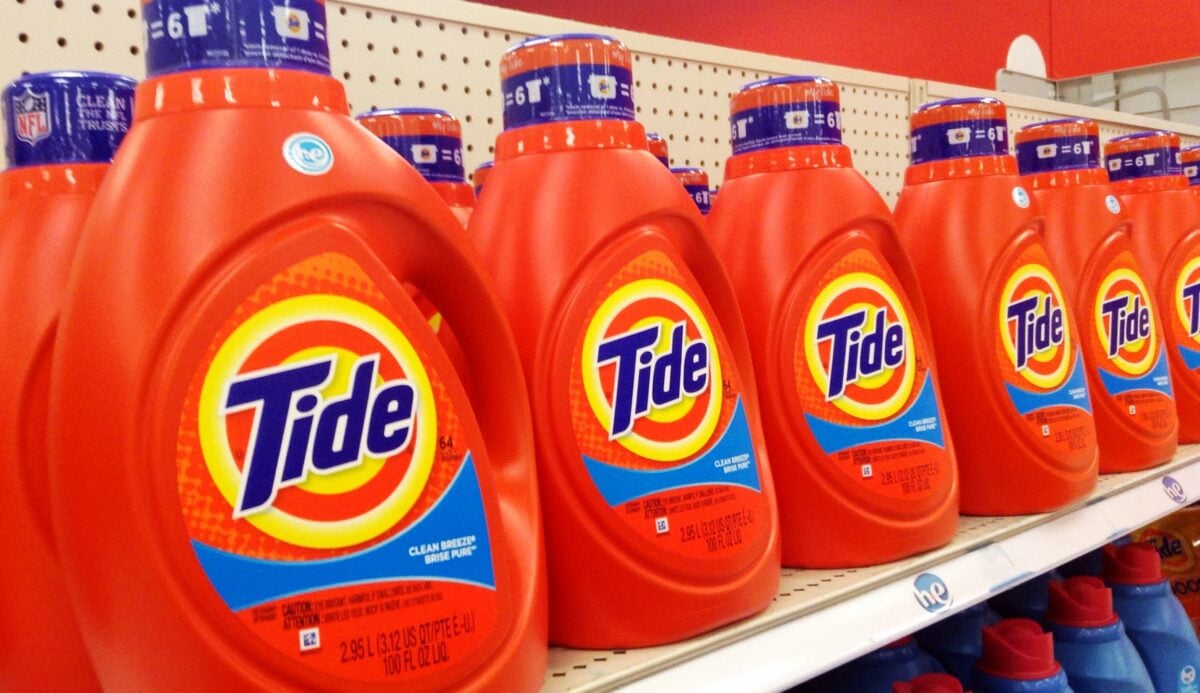
Laundry in the ’70s had a very specific smell, and Tide was the undisputed champion of getting clothes clean — or at least making them smell like they were clean (which often amounted to the same thing, particularly when your standards for “clean” were shaped more by scent than by actual cleanliness). And Tide delivered that promise with a powdery, almost chalky freshness that managed to be both comforting and sterile.
The orange box sat on top of every washing machine in America, and the smell that came out of those machines was pure domestic confidence — clothes would emerge smelling like they’d been blessed by the laundry gods themselves. But it wasn’t just the clean clothes that carried that scent; it was the laundry room, the basement, sometimes the whole house when someone had done a particularly ambitious load of washing.
Jean Naté After Bath Splash
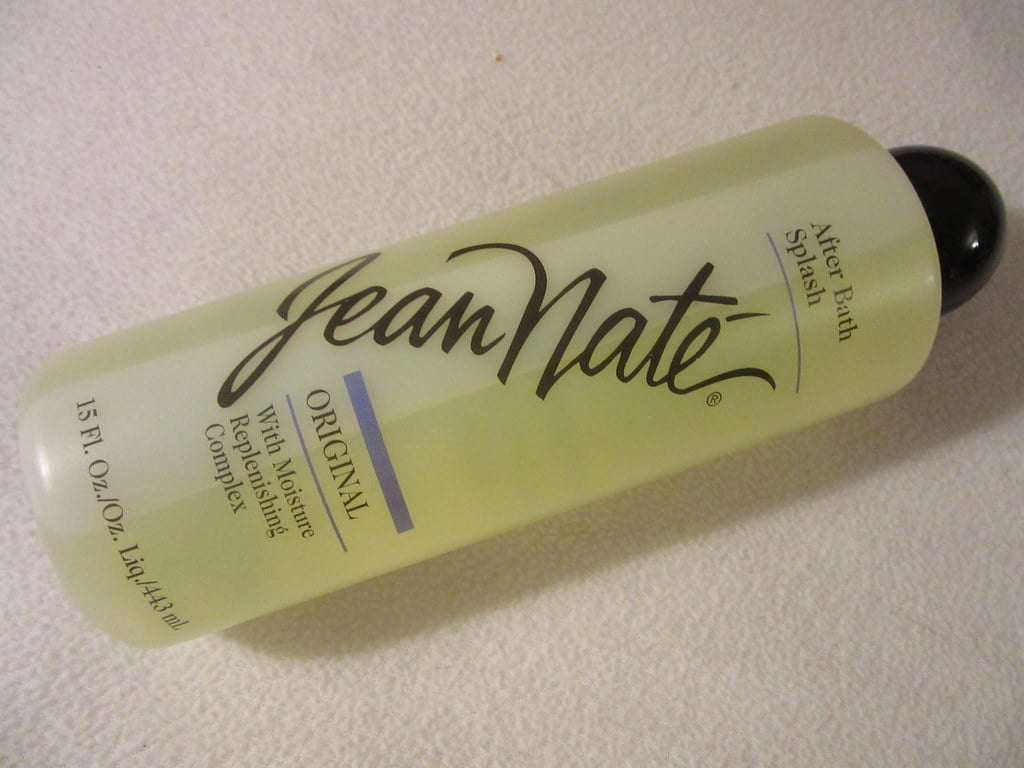
This was sophistication in a clear glass bottle with distinctive yellow accents, or at least what sophistication looked like to someone who had never been to Paris. Jean Naté promised French elegance but delivered something more like American optimism dressed up in a European accent.
The scent was citrusy and bright, the kind of thing that was supposed to make you feel refreshed after a bath. Most women applied it with the generosity of someone who believed more was always better.
The splash would fill the bathroom with that distinctive lemon-lime brightness that somehow managed to smell both expensive and drugstore at the same time.
Crayola Crayons
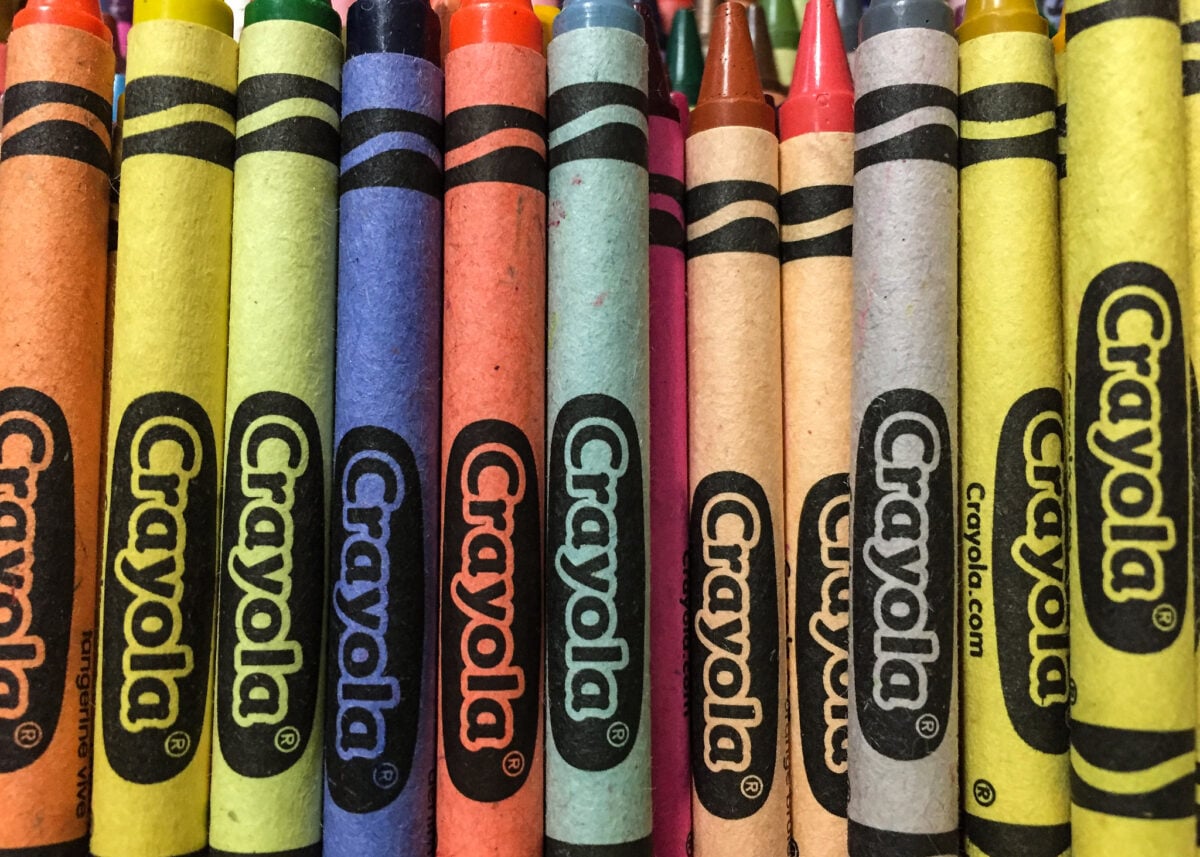
The waxy richness of a fresh box of Crayolas carried the promise of endless possibility. That smell was pure childhood — the moment when sixty-four colors seemed like more options than anyone could ever need.
Opening a new box was a ritual, and the scent that escaped was creativity itself, mixed with the practical reality of paraffin wax. Every classroom, every kitchen table, every rainy afternoon carried that smell when someone decided it was time to color.
Even now, walking past the school supply section can trigger memories of staying inside the lines and the satisfaction of peeling the paper wrapper off a crayon that had been worn down to a stub.
Old Spice Aftershave
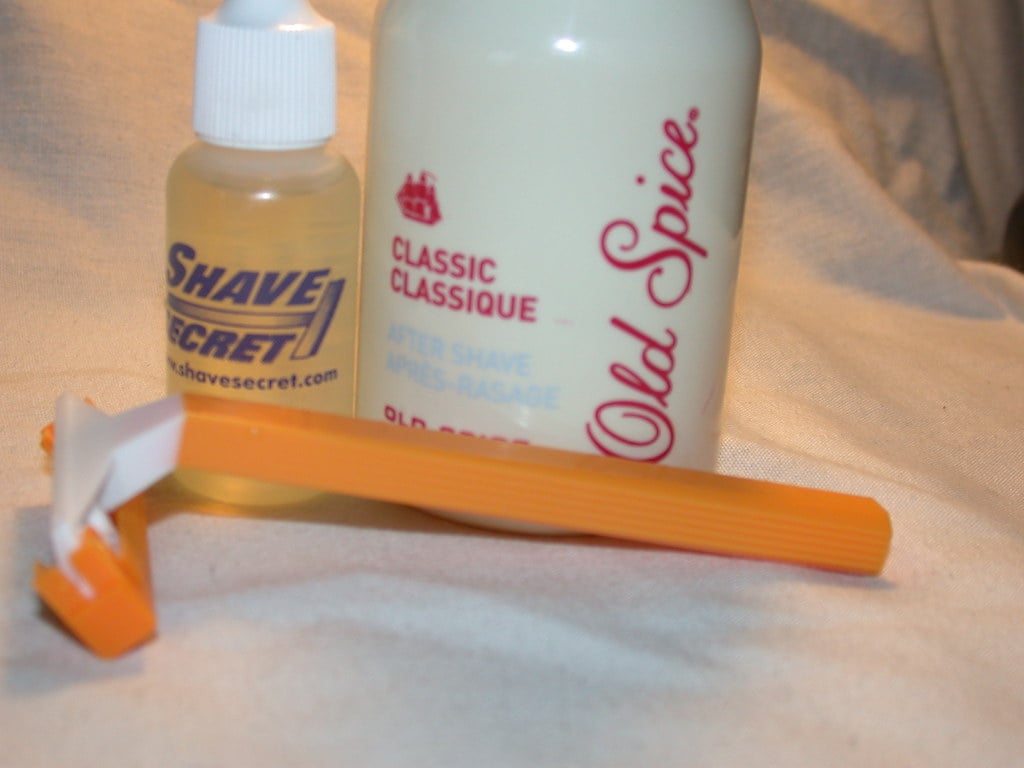
This was what men were supposed to smell like in the ’70s — confident, clean, and ready to handle whatever life threw at them. Old Spice had that distinctive spicy-sweet scent that managed to be both masculine and somehow grandfatherly at the same time.
Fathers splashed it on after shaving, and the smell would linger in bathrooms and follow them through the house. The fragrance was bold without being subtle, the kind of thing that announced a man’s presence before he entered a room. It mixed with the general atmosphere of wood paneling and cig smoke that defined so many homes back then.
Johnson’s Baby Powder
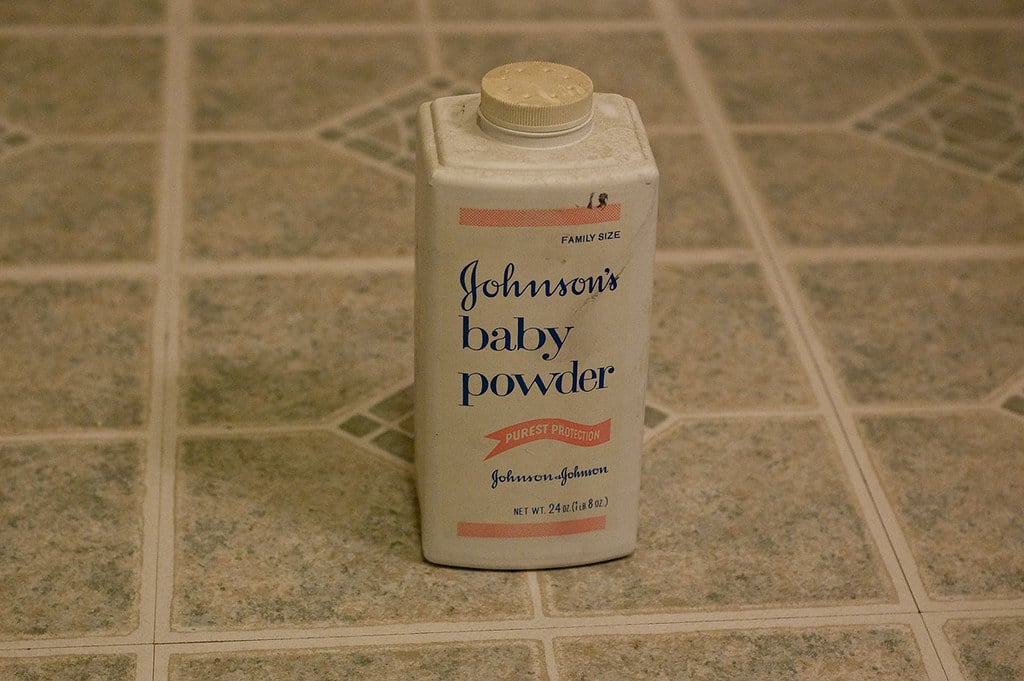
Baby powder wasn’t just for babies (which seems obvious now but felt revolutionary then, this idea that something designed for infants could have broader applications in the world of adult hygiene). The soft, talc-heavy scent meant cleanliness and comfort, whether it was being used on actual babies or sprinkled into shoes to combat summer heat.
And the smell was pure innocence — a gentle, powdery sweetness that somehow managed to make everything feel safer. Every medicine cabinet had a container of Johnson’s, and the smell would escape in little puffs whenever someone opened the bottle, mixing with the general pharmacy scent of Band-Aids and Mercurochrome that defined bathroom cabinets in that era.
Lysol Disinfectant Spray
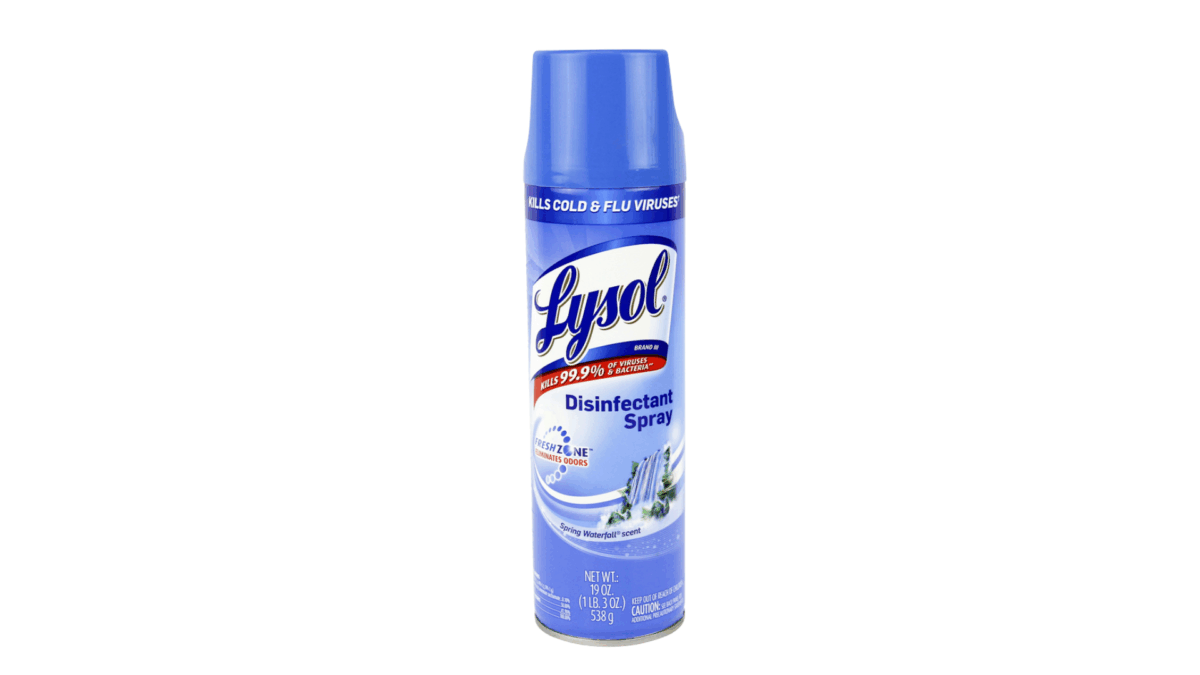
The sharp, medicinal scent of Lysol meant someone was serious about killing germs. This wasn’t gentle cleaning — this was chemical warfare against bacteria, and the smell let everyone know that nothing harmful could survive in this environment.
Mothers wielded cans of Lysol like weapons against illness, spraying doorknobs and light switches with the confidence of someone who believed that strong smells equaled strong protection. The aerosol would hang in the air long after the spraying was done, that distinctive antiseptic sharpness mixing with whatever other scents were competing for space in the house.
Coppertone Suntan Oil
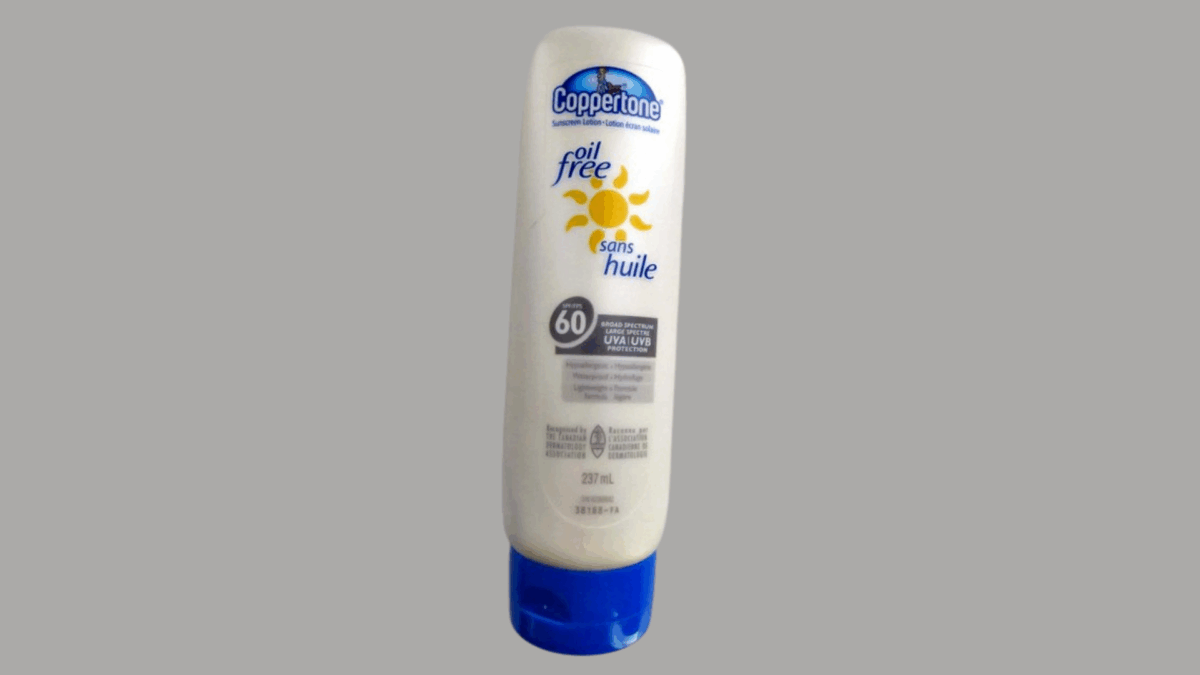
If Banana Boat was about pretending to protect your skin, Coppertone was about abandoning that pretense entirely. The oil was designed to help you achieve the deepest tan possible, and it smelled like summer vacation and questionable life choices.
The coconut-heavy fragrance was thick and tropical, designed to make you feel like you were lying on a beach even if you were just in your backyard. The oil would mix with sweat and chlorine to create the distinctive scent of summer in the ’70s — a combination that meant freedom from school and the luxury of spending entire days focused on nothing more important than getting tan.
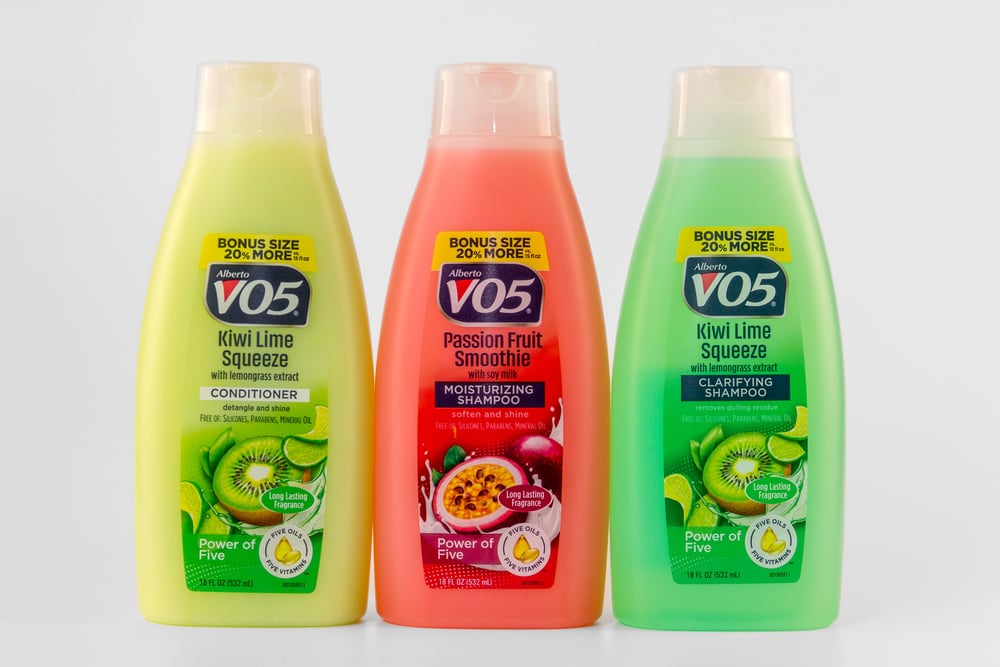
Alberto VO5 Hot Oil Treatment
— Photo by wolterke
Saturday nights often meant beauty treatments, and Alberto VO5 Hot Oil was the height of home hair care luxury. The oil came in little tubes that you warmed up and worked through your hair, promising to repair whatever damage the week’s worth of Aqua Net had done.
The scent was rich and slightly nutty, the kind of thing that made you feel like you were taking care of yourself. The treatment was supposed to make your hair shinier and more manageable, but mostly it made the bathroom smell like a salon and made whoever was using it feel like they were investing in their own glamour.
Hai Karate Aftershave
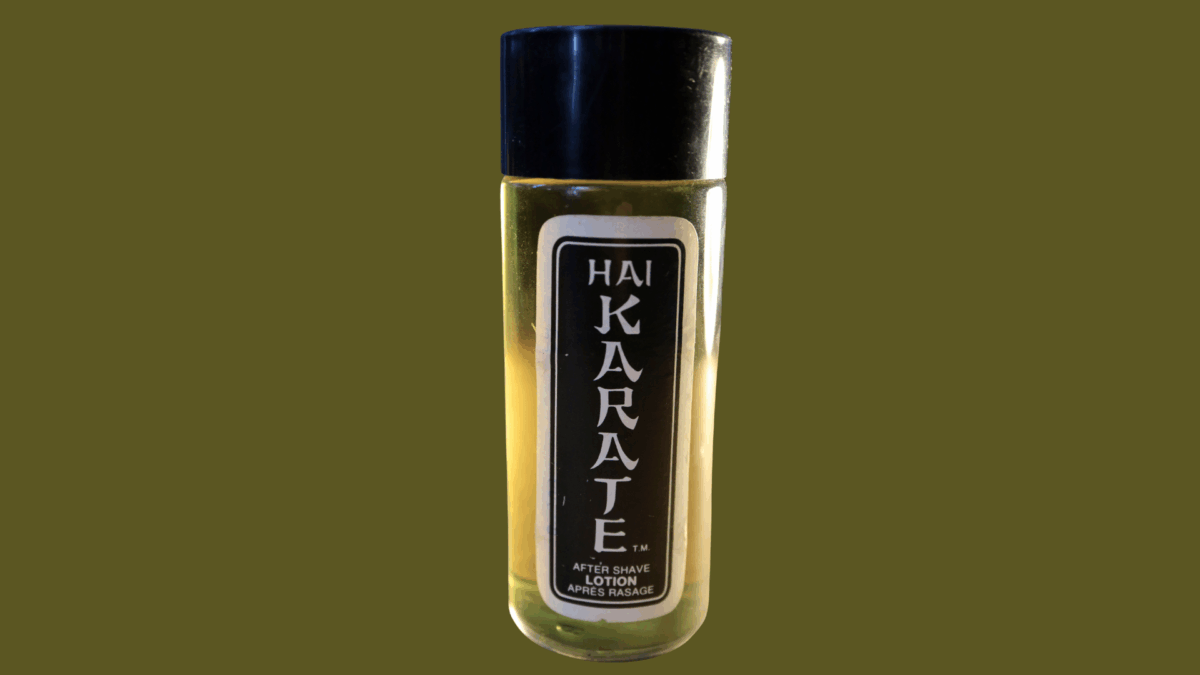
Hai Karate promised to make men irresistible to women, and it delivered that promise with a scent that was impossible to ignore. The aftershave was bold, spicy, and applied with the enthusiasm of someone who believed that confidence came in a bottle.
The fragrance was designed to announce a man’s presence and his intentions, whether anyone wanted to know about either or not. The commercials suggested that wearing Hai Karate would require fighting off women, and while that promise was questionable, the scent was definitely memorable.
It mixed with the general masculine atmosphere of the era — cig smoke and cologne and the kind of confidence that seemed so much simpler then.
Final Traces

These smells don’t exist in isolation anymore. They’ve been replaced by gentler fragrances, better chemistry, and a general understanding that maybe punching rings in the ozone wasn’t worth perfect hair.
But every now and then, one of these scents breaks through the carefully managed air of modern life, and suddenly the ’70s feel close enough to touch — all wood paneling and wall-to-wall carpet and the absolute certainty that avocado green appliances would never go out of style.
More from Go2Tutors!

- The Romanov Crown Jewels and Their Tragic Fate
- 13 Historical Mysteries That Science Still Can’t Solve
- Famous Hoaxes That Fooled the World for Years
- 15 Child Stars with Tragic Adult Lives
- 16 Famous Jewelry Pieces in History
Like Go2Tutors’s content? Follow us on MSN.