Historical Facts About New Orleans’ Jackson Square
Walking through the French Quarter, you eventually find yourself at Jackson Square. The place pulls you in with its street performers, artists, and that cathedral rising behind the iron fence.
But the cobblestones beneath your feet have seen more than just tourists and palm readers. This square holds centuries of New Orleans history, from Spanish colonial times to the present day.
The Plaza de Armas Beginnings
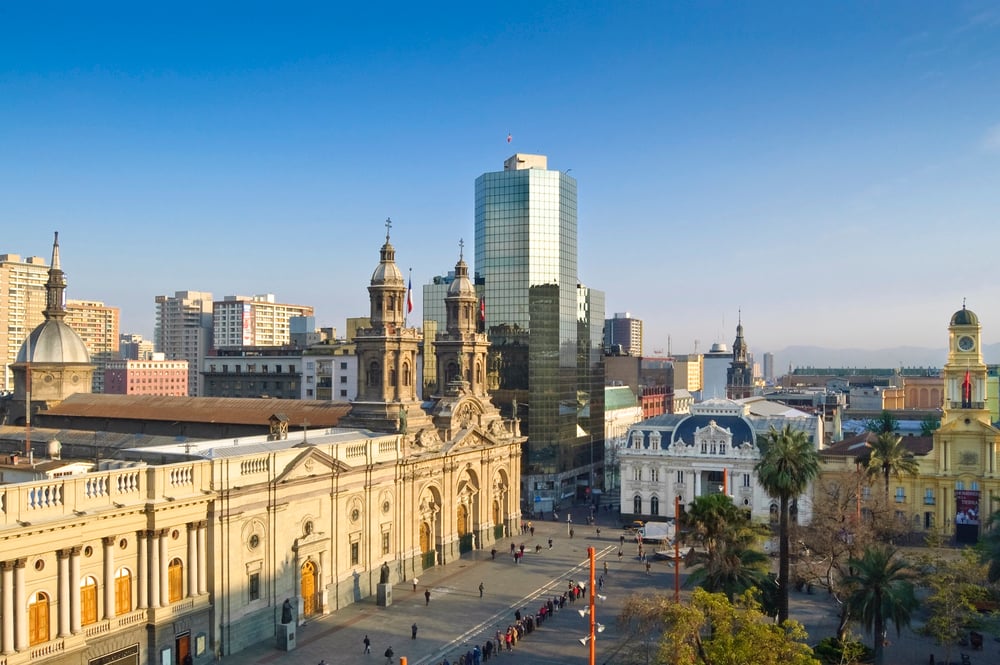
The Spanish called it Plaza de Armas when they controlled New Orleans in the late 1700s. Military drills took place here.
Soldiers marched in formation where artists now set up easels. The Spanish designed the square as a central gathering point, though it looked nothing like the manicured park you see today.
Dirt and mud dominated the landscape, and the area served practical purposes rather than aesthetic ones.
French Roots Run Deep

Before the Spanish took over, the French established this area as the heart of their colonial settlement. The original grid pattern of the French Quarter centered on this space.
When the French returned briefly in the early 1800s, they renamed it Place d’Armes, connecting it back to its French heritage. That name didn’t stick for long, but the French influence on the surrounding architecture remained permanent.
Andrew Jackson’s Moment

The square got its current name from Andrew Jackson, the general who defended New Orleans against British forces in 1815. The Battle of New Orleans happened downriver from the city, but Jackson became a local hero.
The city renamed the square in his honor in 1851. That same year, they unveiled the bronze statue of Jackson on horseback that still dominates the center of the square.
The statue shows him tipping his hat, sitting atop a rearing horse.
St. Louis Cathedral’s Three Lives
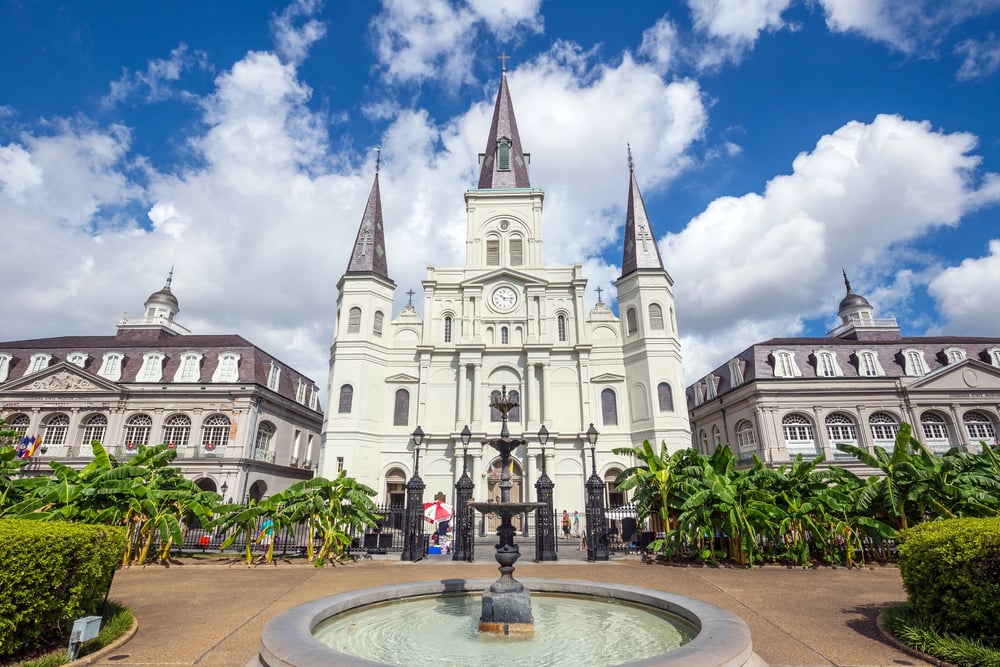
The cathedral anchoring the square burned down twice before the current structure went up. The first church dated to 1727.
Fire destroyed it in 1788 during the Great New Orleans Fire. The second cathedral burned in 1794.
The third version, the one standing today, was completed in 1794 and then significantly renovated in the 1850s. The renovation added the iconic white facade and triple spires that define the New Orleans skyline.
The building holds the distinction of being the oldest continuously active cathedral in the United States.
The Cabildo’s Role in Government

The Cabildo sits on one side of the cathedral. This building housed the Spanish municipal government during colonial times.
The Louisiana Purchase was signed here in 1803, transferring the territory from France to the United States. Think about that for a moment—the papers that doubled the size of the United States changed hands in this building.
Today it operates as a museum, but you can still see the sala capitular where government officials met and made decisions that shaped history.
The Presbytère and Its Many Faces

On the other side of the cathedral stands the Presbytère, originally designed as housing for priests. They never actually used it for that purpose.
Instead, it served as a courthouse for decades. Now it houses exhibits about Louisiana’s cultural history, including extensive displays about Mardi Gras.
The building matches the Cabildo architecturally, creating that symmetrical look that frames the cathedral so perfectly.
Artists and Fortune Tellers Claim Their Space
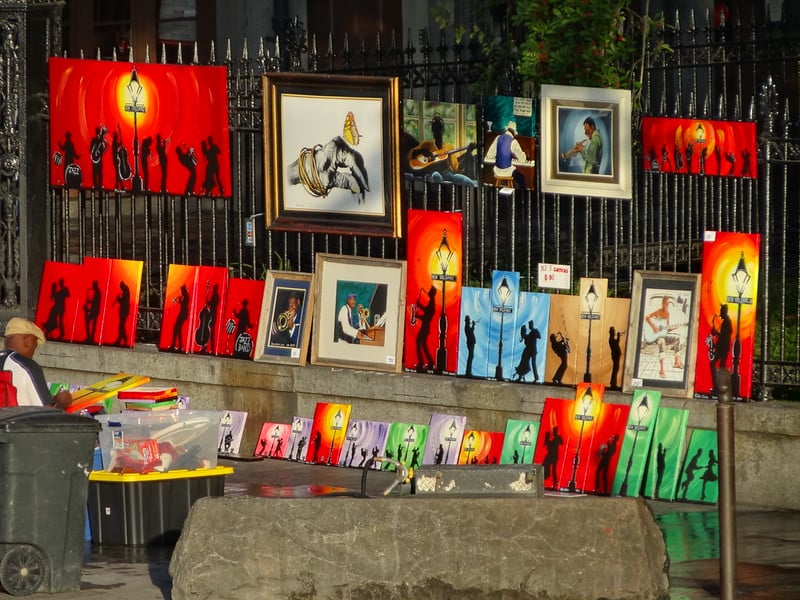
Artists began setting up along the iron fence facing the square in the early 20th century. The tradition continues today, with local artists displaying paintings, sketches, and photographs.
Fortune tellers and tarot card readers occupy the area too, sitting at small tables offering readings to tourists and locals alike. The city regulates these vendors now, requiring permits and specific locations, but the bohemian atmosphere they create connects back to New Orleans’ long tradition of street culture and performance.
Public Executions Drew Crowds

The square served as an execution site during the 18th and early 19th centuries. Criminals faced hanging or other forms of capital punishment while crowds gathered to watch.
The Spanish and later American authorities used these public displays as deterrents. The practice ended in the 1800s, but historical records document numerous executions that took place right where tourists now take photos and street performers juggle.
The Bronze General’s Inscription
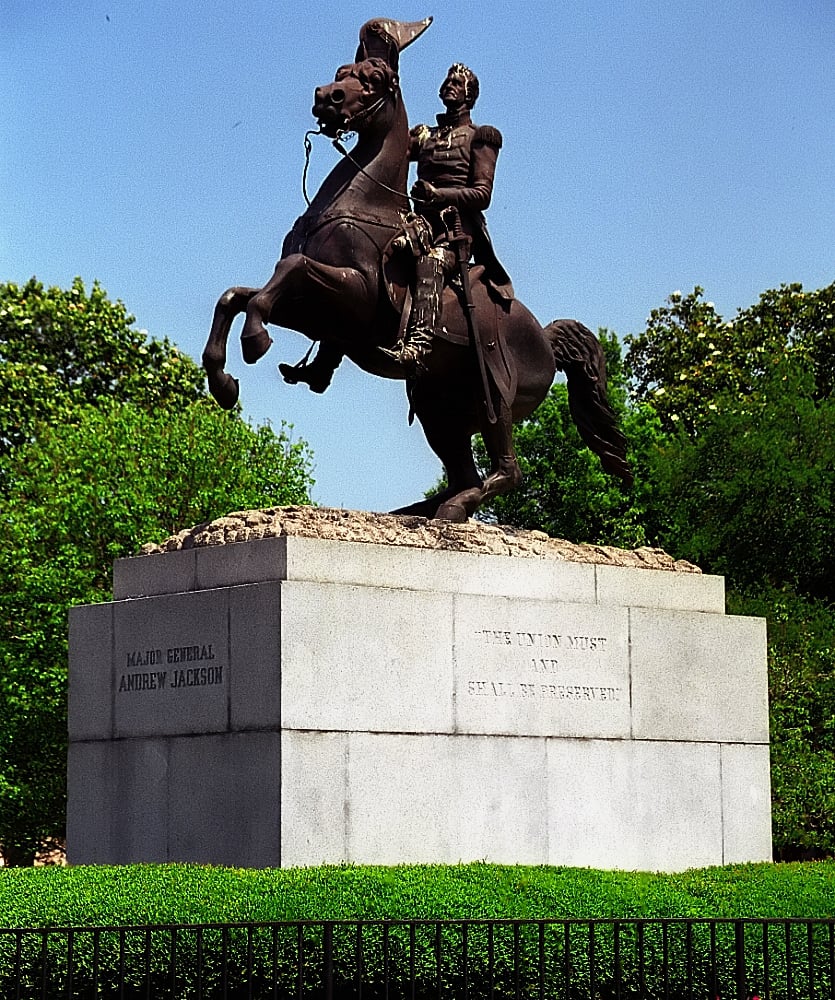
The base of Andrew Jackson’s statue carries an inscription that caused controversy for years. It reads: “The Union Must and Shall Be Preserved.”
Union General Benjamin Butler added this phrase during the Civil War occupation of New Orleans. He wanted to send a clear message to Confederate sympathizers.
The inscription stayed even after the war ended, a permanent reminder of the Union’s victory and the complicated history of that period.
Civil War Occupation Changed Everything

When Union forces captured New Orleans in 1862, Jackson Square became a symbol of federal control. General Butler, nicknamed “Beast Butler” by locals, held public gatherings here to assert Union authority.
The occupation lasted until the war’s end, and the square witnessed demonstrations, military parades, and public addresses that reinforced federal power over the rebellious city.
Pontalba Buildings Frame the View

The matching red-brick Pontalba Buildings line both sides of the square. Baroness Micaela Almonester de Pontalba commissioned these structures in the 1840s, making them among the oldest apartment buildings in the United States.
She personally oversaw construction and even grabbed a hammer to help at times. The buildings feature cast-iron balconies with her initials worked into the design.
Ground-floor spaces house shops and restaurants, while apartments occupy the upper floors. People still live there today.
Redesign Created the Modern Square

In the 1850s, the square underwent major renovations that created the look you recognize now. Landscapers added walkways, planted trees, and installed the iron fence surrounding the park.
Before this redesign, the space remained largely bare. The city wanted to create a proper public park that matched the grandeur of the cathedral and surrounding buildings.
The diagonal pathways meeting at the Jackson statue became the signature design element.
Famous Faces Passed Through
Tennessee Williams lived in an apartment on one of the Pontalba Buildings. He wrote “A Streetcar Named Desire” while living in the French Quarter, and the square featured in his daily walks.
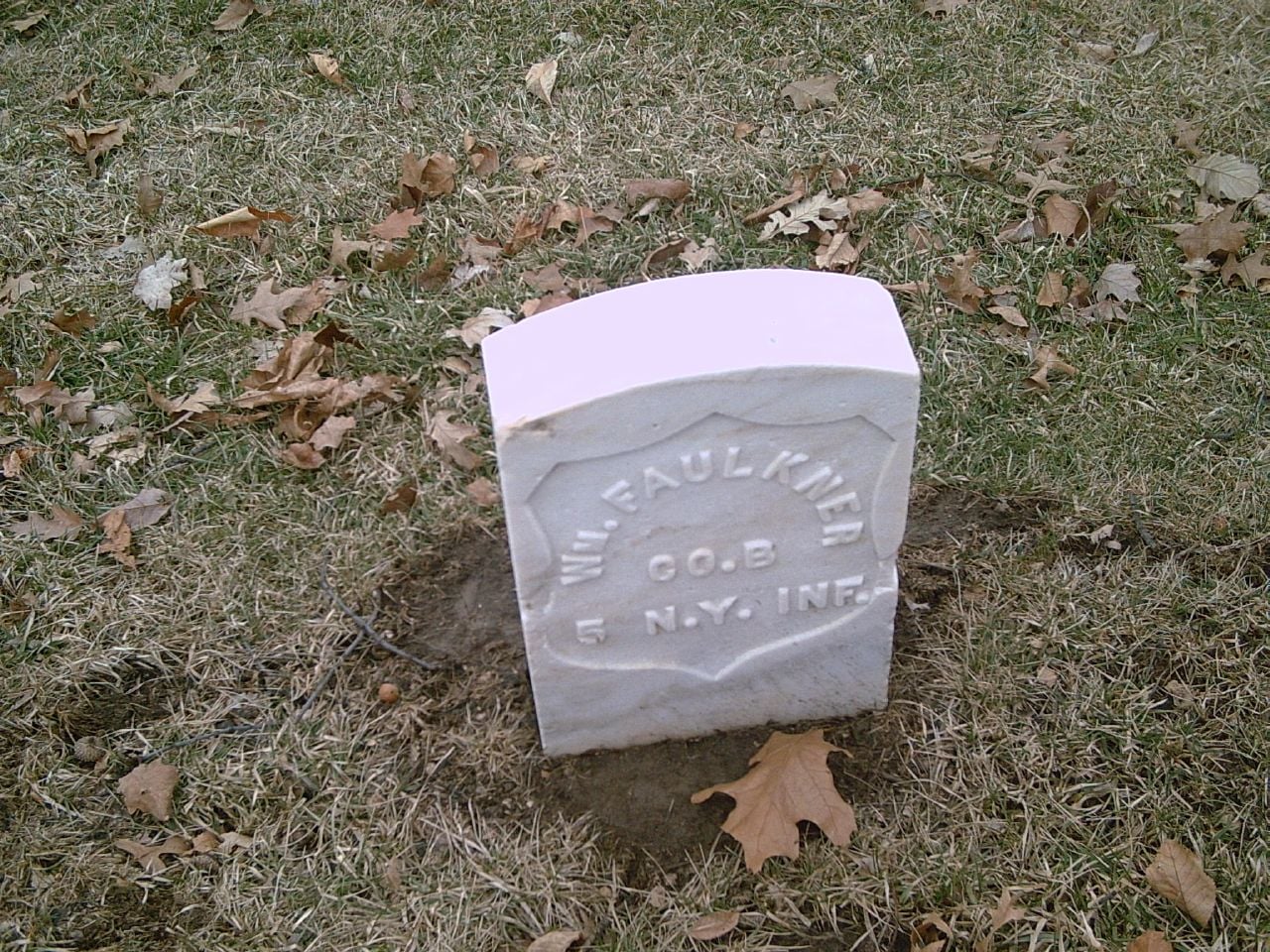
William Faulkner rented a space here too, working on early novels while soaking in the atmosphere. The square attracted artists, writers, and musicians throughout the 20th century, becoming a gathering place for creative minds drawn to New Orleans’ unique culture.
Hurricanes Tested the Square’s Strength

Hurricane Katrina in 2005 flooded much of New Orleans, but Jackson Square sat on slightly higher ground and escaped the worst flooding. The French Quarter’s elevation saved many historic structures.
Still, the square suffered damage from wind and rain. Restoration work began quickly, and the square reopened to the public within months.
The resilience of these old buildings, some dating back over 200 years, proved remarkable.
A Living Historic Monument

Back in 1960, the country marked the square as a National Historic Landmark. That label? It honors its role in shaping America while shielding it from changes that wouldn’t fit.
Still, life didn’t stop – Jackson Square stayed alive. Each day brings crowds who meet up there.
Jazz spills out from street players; nearby, painters trade canvases. Even folks just passing by keep the rhythm going as they walk through on commutes.
A plaza humming with people today still holds old stones underfoot. Yet its past stays breathing because folks meet, move, linger here – kept alive by feet, not just memory.
Echoes Across Centuries
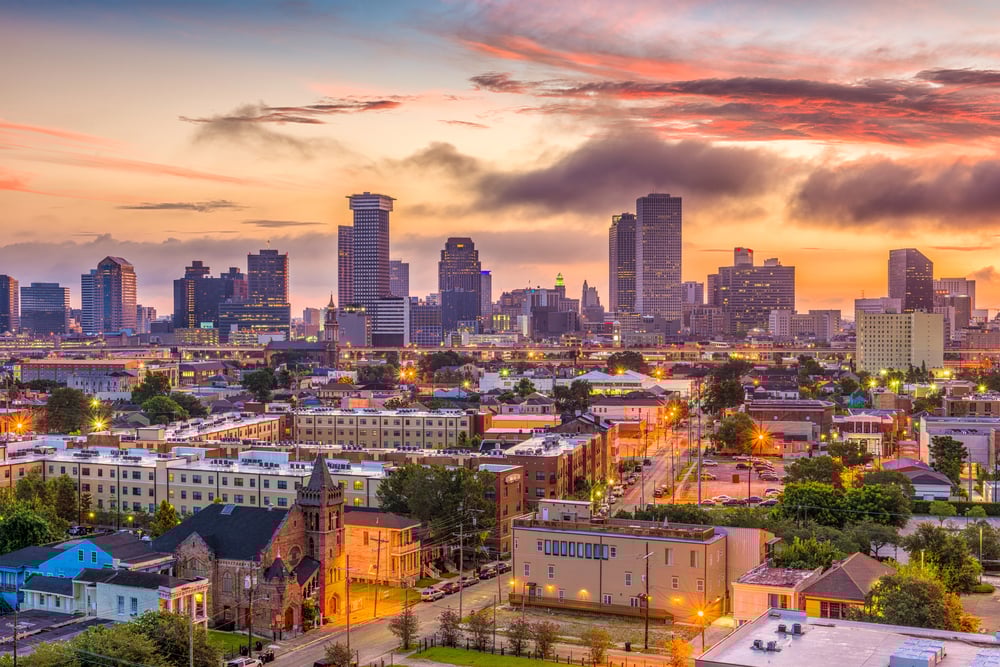
Right here in Jackson Square, feet touch soil trodden by Spanish soldiers on morning drills. Colonial leaders once stood nearby, signing papers that shifted a continent’s fate under slow-moving clouds.
Crowds gathered just like this long ago, silent or shouting during public executions near the same old walls. Later, Union forces marched in, making their presence known without saying a word.
Artists arrived over time, drawn not by fame but something quieter in the air. Around you, structures rise outlasted flames, battles, storms, and endless years of transformation.
Change moves through this place like wind – constant, unseen force shaping corners and edges. It stays open, ready, shaped by what passed yet facing forward all the same.
More from Go2Tutors!

- The Romanov Crown Jewels and Their Tragic Fate
- 13 Historical Mysteries That Science Still Can’t Solve
- Famous Hoaxes That Fooled the World for Years
- 15 Child Stars with Tragic Adult Lives
- 16 Famous Jewelry Pieces in History
Like Go2Tutors’s content? Follow us on MSN.



