World’s Deepest, Oddest Subways
Underground trains usually stay pretty close to the surface. Most cities dig just deep enough to avoid buildings and utilities, then call it a day.
But some subway systems went way deeper or took strange turns that nobody expected.These aren’t your typical commuter rails.
Some stations sit so far underground that riding the escalator feels like descending into another world, while others feature designs so unusual they make regular subway stops look boring by comparison.Here are the subway systems that push boundaries in the strangest ways possible.
Arsenalna Station in Kyiv
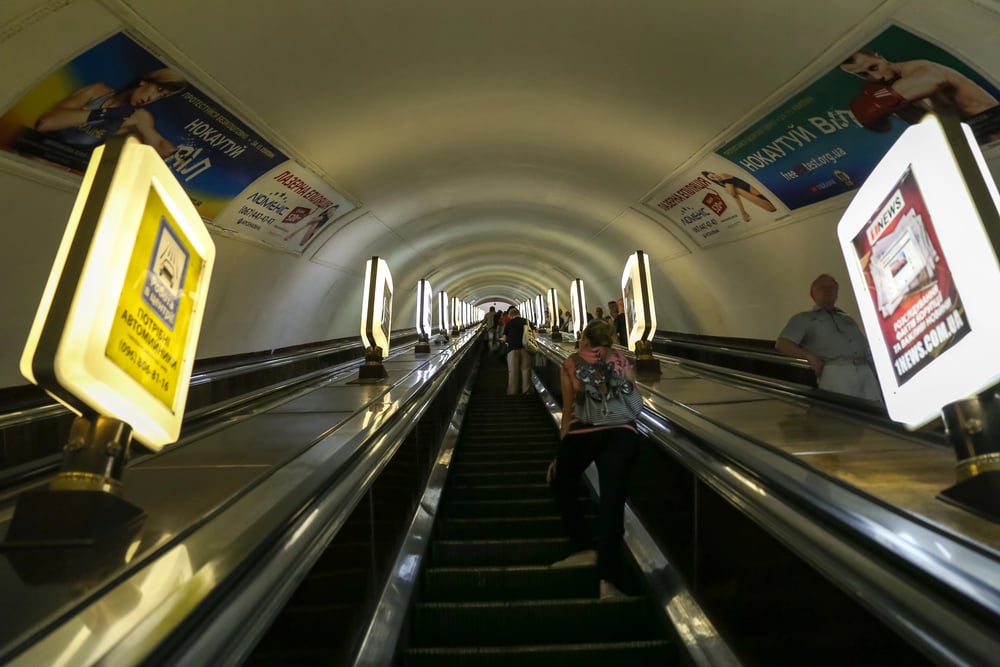
The deepest subway station on Earth sits in Ukraine’s capital city. Arsenalna Station reaches 346 feet below ground, which equals roughly the height of a 30-story building.
Passengers ride escalators for nearly five minutes just to reach the platform, and the descent feels endless as the tunnel walls blur past.Kyiv built this station so deep because the city sits on hilly terrain near the Dnieper River.
Engineers had to tunnel beneath the river valley to connect different parts of the city, and the only solution involved going straight down.The station opened in 1960, and riders still complain about the long escalator ride that tests their patience every single day.
Washington Park Station in Portland
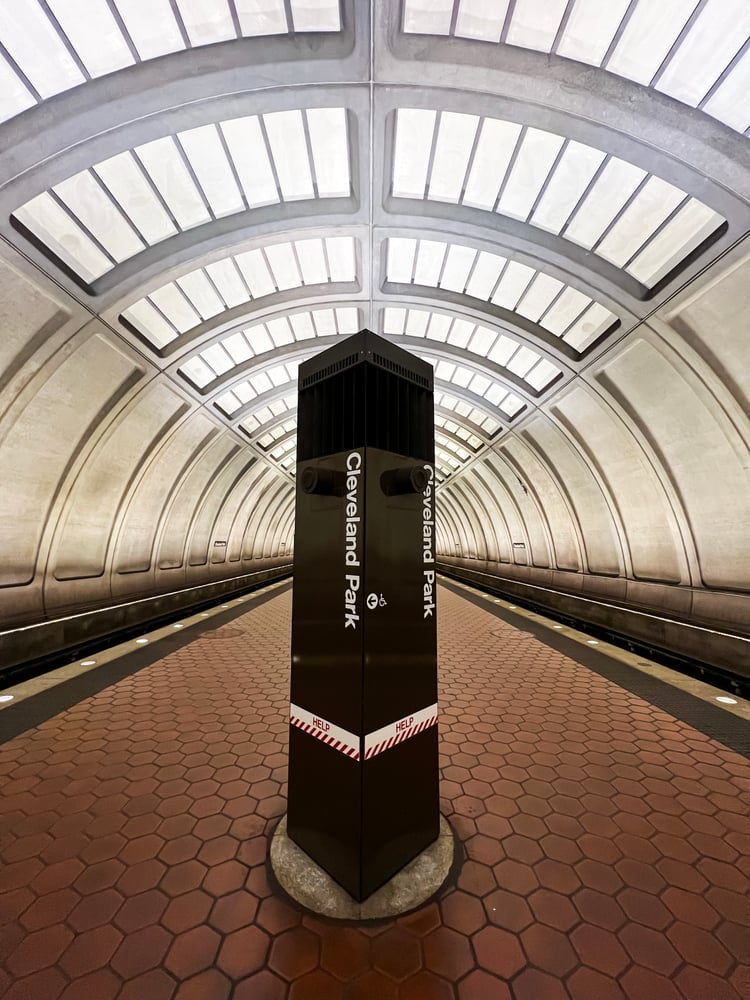
Portland’s subway system goes deep under the West Hills, and Washington Park Station holds the record for the deepest station in North America. The platform sits 260 feet underground, carved into solid rock beneath one of the city’s most popular parks.
Riders can barely imagine how much earth and stone sits above their heads while they wait for trains.The station features massive elevator shafts instead of escalators because the drop proved too steep for traditional moving stairs.
Each elevator ride takes about a minute, and passengers often feel their ears pop from the pressure change.Engineers built the entire station inside what’s essentially a cave system they created specifically for transit.
Bund Sightseeing Tunnel in Shanghai
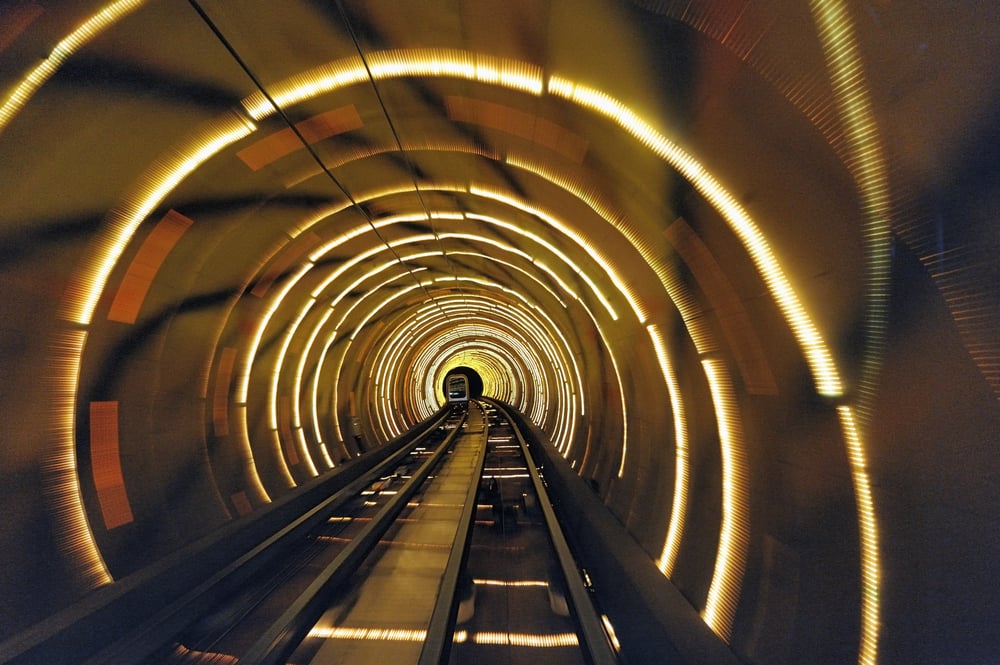
Shanghai built something that barely qualifies as a subway but definitely counts as one of the oddest underground transit systems anywhere. The Bund Sightseeing Tunnel connects two parts of the city under the Huangpu River, but instead of trains, passengers ride in small automated pods.
The tunnel transforms the simple river crossing into a bizarre light show with flashing colors, weird sounds, and projections that make no logical sense.Nobody really understands why Shanghai designed it this way.
The tunnel could have been a straightforward river crossing, but planners decided to create something that feels more like a theme park ride than transportation.Tourists love it or hate it with no middle ground, and locals mostly avoid it because regular ferries and bridges work just fine.
Pyongyang Metro in North Korea
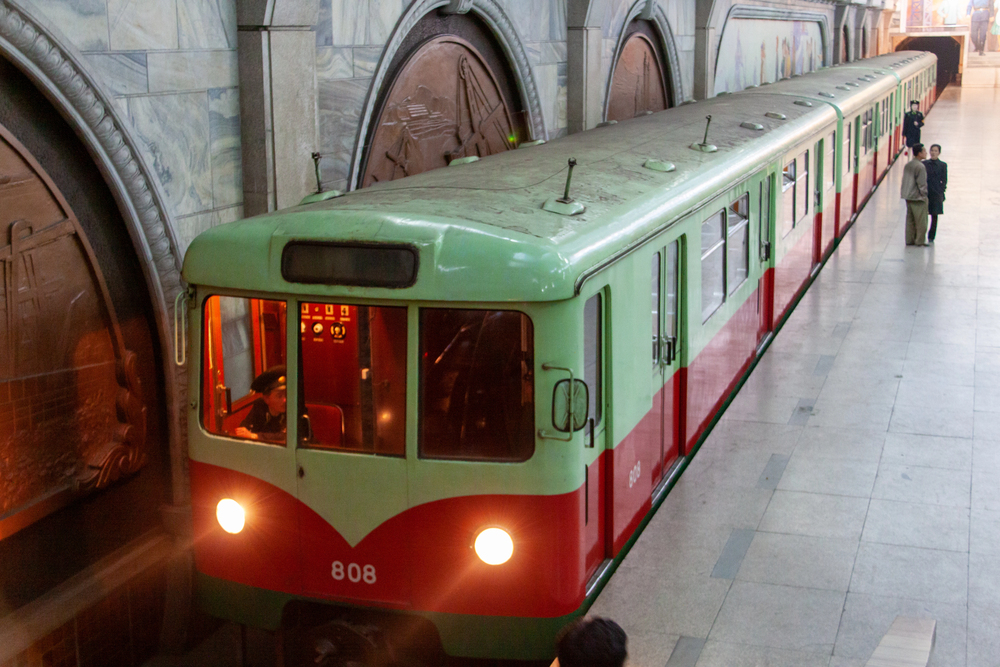
North Korea’s subway system goes incredibly deep for reasons that have nothing to do with geography. Most stations sit between 360 and 390 feet underground because the entire system doubles as a massive bomb shelter.
The government built it during the Cold War when a nuclear attack seemed like a real possibility, and they wanted citizens to have somewhere safe to hide.The stations feature chandeliers, marble columns, and elaborate murals celebrating the country’s leaders.
Every platform looks more like a palace ballroom than a transit stop, and the decoration far exceeds anything found in regular subway systems.Only two lines operate in the entire city, and foreigners can only visit certain approved stations under strict supervision.
Stockholm’s Art Stations
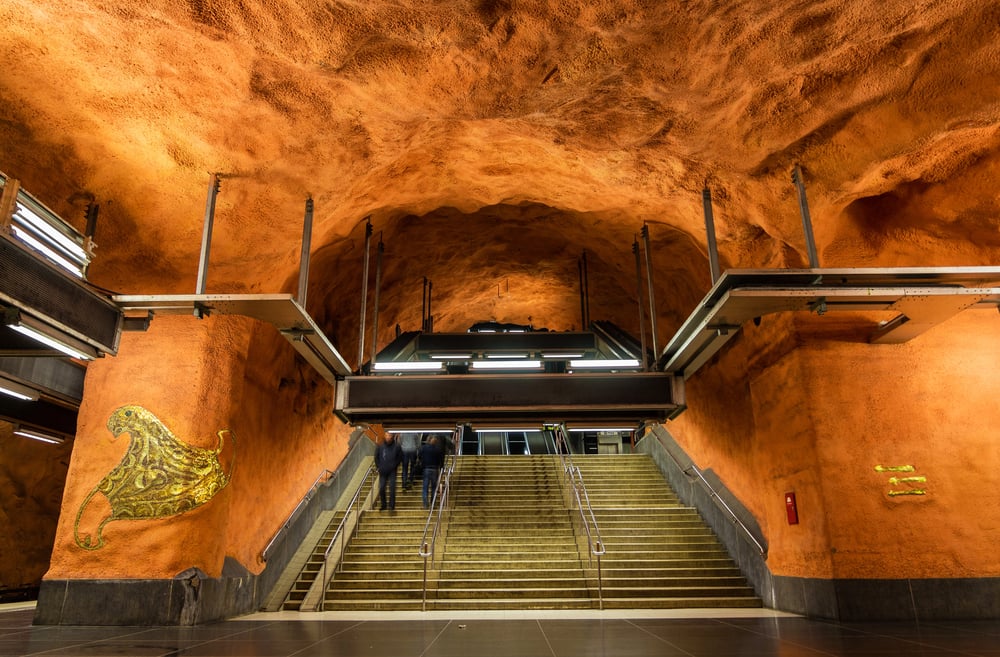
Sweden took a completely different approach to subway design by turning stations into art galleries. Stockholm carved most of its subway directly into bedrock without adding finished walls or ceilings, leaving the raw rock exposed.
Then they hired artists to paint, sculpt, and decorate the stone surfaces with wild colors and designs that transform each station into something unique.Some stations feature rainbow patterns across rough cave ceilings while others showcase sculptures emerging from the rock walls.
The entire 110-kilometer system contains artwork from over 150 different artists, and no two stations look remotely similar.Commuters essentially ride through an underground art museum twice a day, and tourists often buy subway passes just to visit the stations without actually going anywhere.
Saint Petersburg Metro
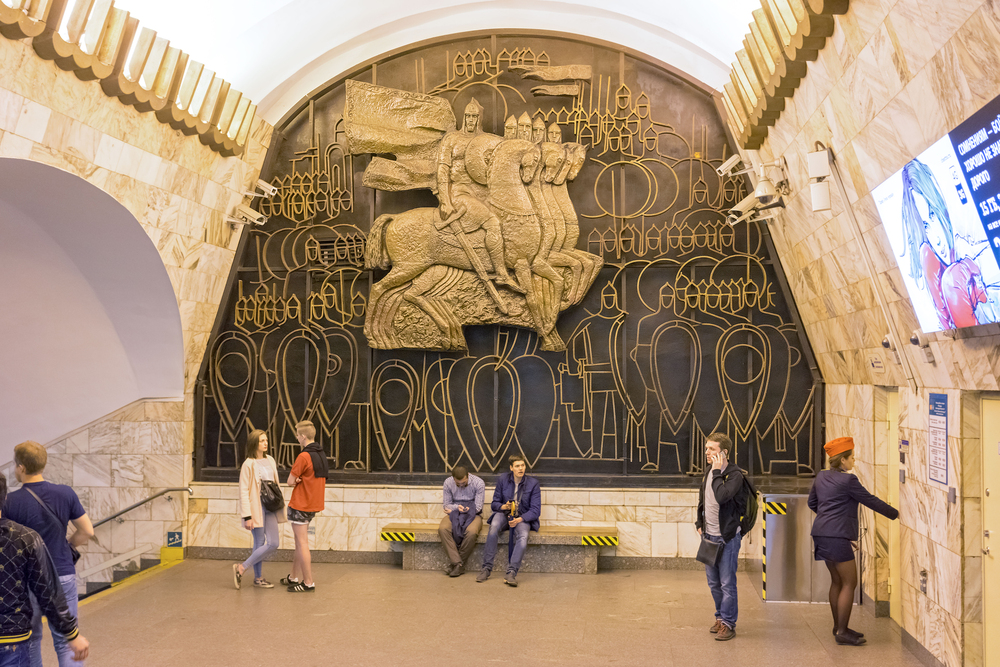
Russia’s second-largest city built a subway system that rivals Kyiv for sheer depth. The deepest stations reach about 280 feet below ground because Saint Petersburg sits on swampy soil near the Baltic Sea.
Engineers had to tunnel far beneath the unstable surface layers to reach solid rock that could support the tunnels and stations.The system opened in 1955, and Soviet planners decorated stations with the same palace-like grandeur found in Moscow.
Riders spend significant time on escalators traveling between the surface and platforms, and the longest escalator runs continuously for over two minutes.
The depth also keeps stations remarkably warm in winter since geothermal heat from the earth makes artificial heating almost unnecessary.
Naples’ Archaeological Stations
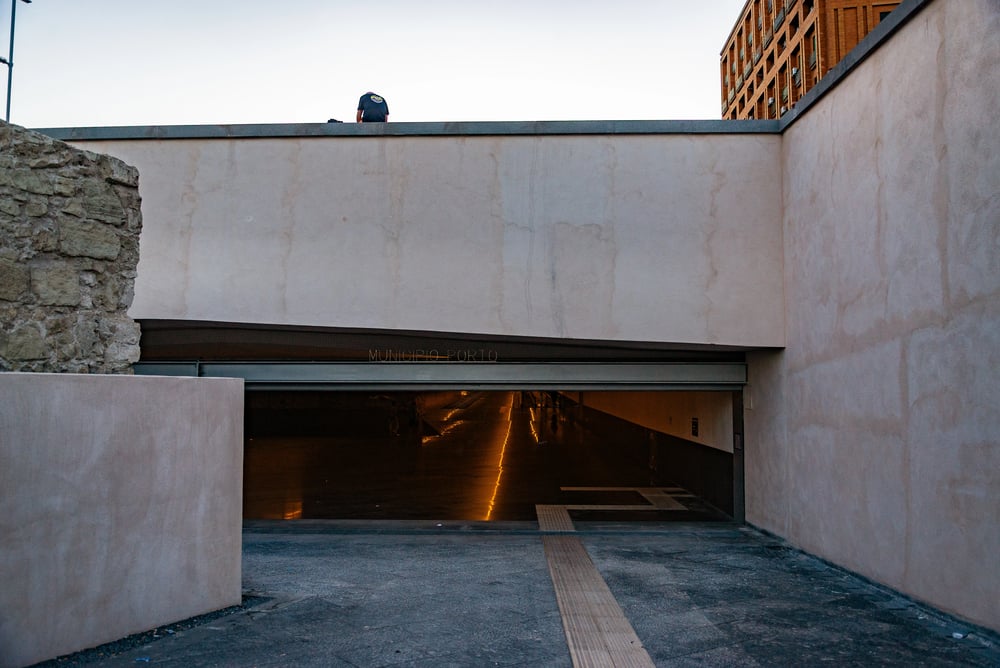
Italy’s Naples Metro accidentally became an archaeological site during construction. Workers kept discovering ancient Greek and Roman ruins while digging new tunnels, which forced engineers to preserve historical artifacts while somehow still building a functioning subway.
The result combines modern transit with 2,000-year-old history in ways nobody planned.Toledo Station showcases this bizarre combination perfectly.
The platform sits 160 feet underground, and riders descend through layers of volcanic rock while passing display cases containing ancient pottery and tools discovered during excavation.The station design incorporates the original rock walls, and special lighting creates an atmosphere that feels more like a museum than transportation infrastructure.
Moscow’s Komsomolskaya Station
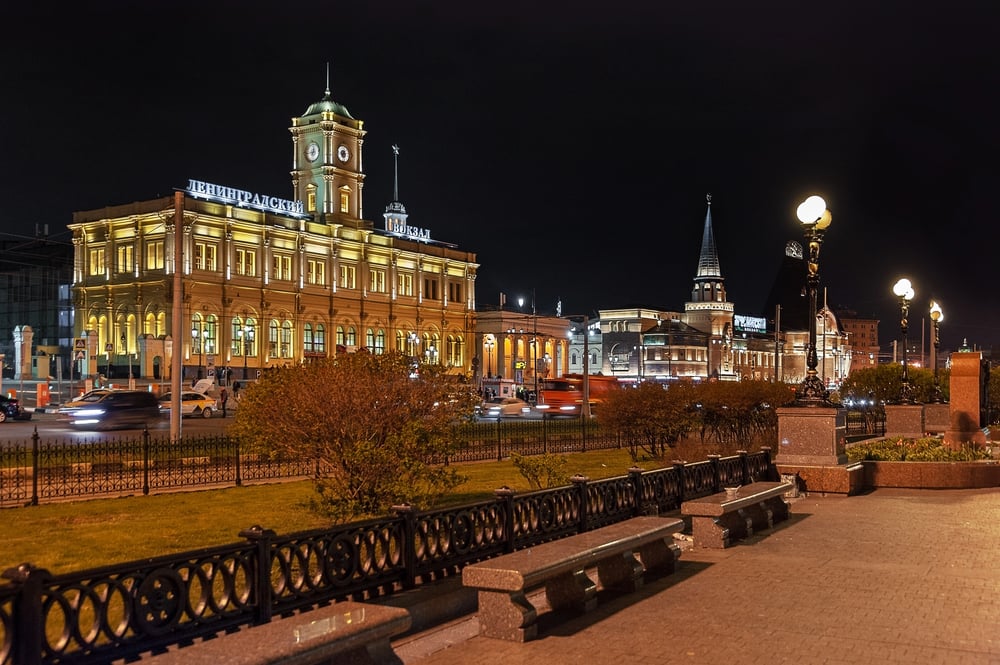
Moscow’s subway system features numerous ornate stations, but Komsomolskaya stands out for pure excessive decoration. The station ceiling features elaborate mosaics depicting Russian military victories, all framed in fancy plasterwork that belongs in a palace.
Massive chandeliers hang from the arched ceiling, and marble columns line both sides of the platform in patterns that make regular architecture seem plain.Stalin personally approved the designs for many Moscow stations, insisting they showcase Soviet power and culture to anyone who entered.
Komsomolskaya opened in 1952, and the decoration remains so well-maintained that tourists often spend more time photographing the station than actually riding trains.
The entire Moscow Metro essentially functions as an underground monument to 20th-century Soviet ambition.
Montreal’s Underground City Connections
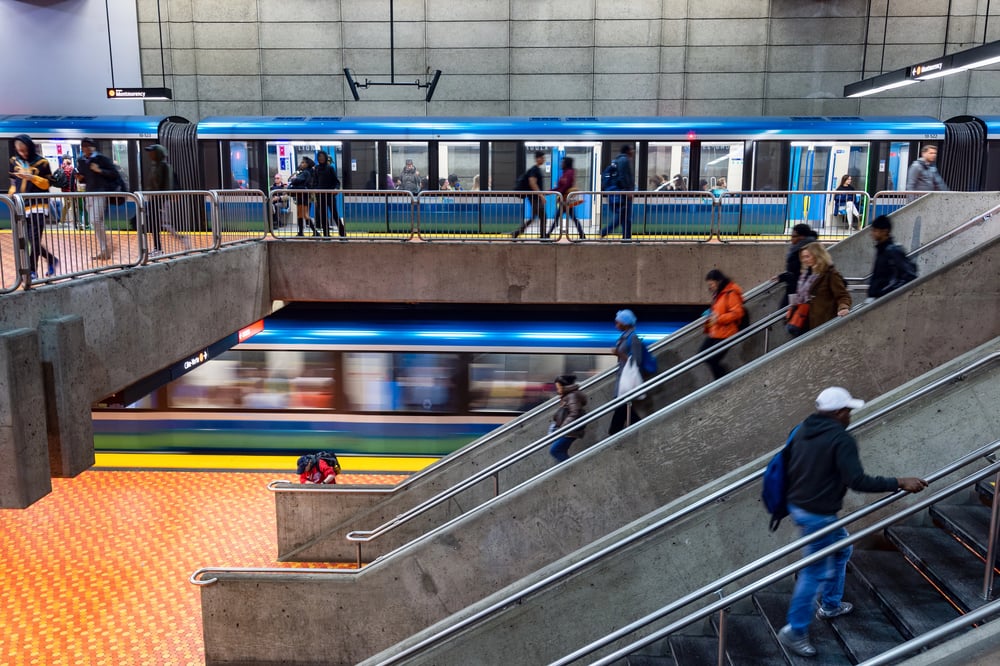
Montreal’s metro system connects to something called the Underground City, which stretches across 20 miles of interconnected tunnels, shopping areas, and building basements. This isn’t technically part of the subway itself, but passengers can travel from metro stations into vast underground complexes without ever seeing daylight.
The network connects apartment buildings, offices, hotels, shopping centers, and universities all beneath the frozen streets.Winter temperatures in Montreal regularly drop below zero, so residents embraced underground pathways that let them avoid harsh weather.
Over 500,000 people move through these tunnels daily, and someone could theoretically live, work, shop, and exercise without ever stepping outside.The metro stations serve as main arteries feeding into this strange subterranean city that evolved organically over 60 years.
Kowloon Station in Hong Kong
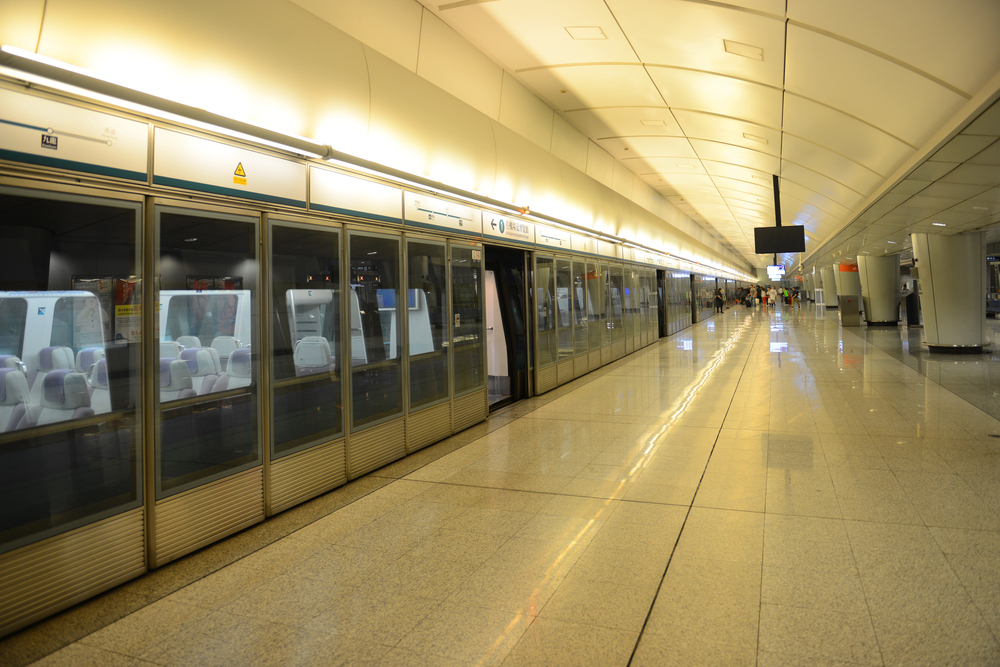
Hong Kong built stations that go far deeper than necessary because the entire city lacks space above ground. Kowloon Station sits about 100 feet underground, but the strange part involves how the station connects to massive skyscrapers built directly on top of the tunnels.
The station essentially serves as the foundation for several of Hong Kong’s tallest buildings, with the transit infrastructure and building supports sharing the same structural system.Engineers calculated everything precisely to ensure trains rumbling through tunnels wouldn’t create vibrations in the apartments and offices above.
The station platforms feel enormous compared to typical subway stops because they needed extra structural strength to hold up millions of tons of building weight.Passengers walking through the station often forget that dozens of floors of residential and commercial space sit directly over their heads.
Tehran’s Artwork Stations
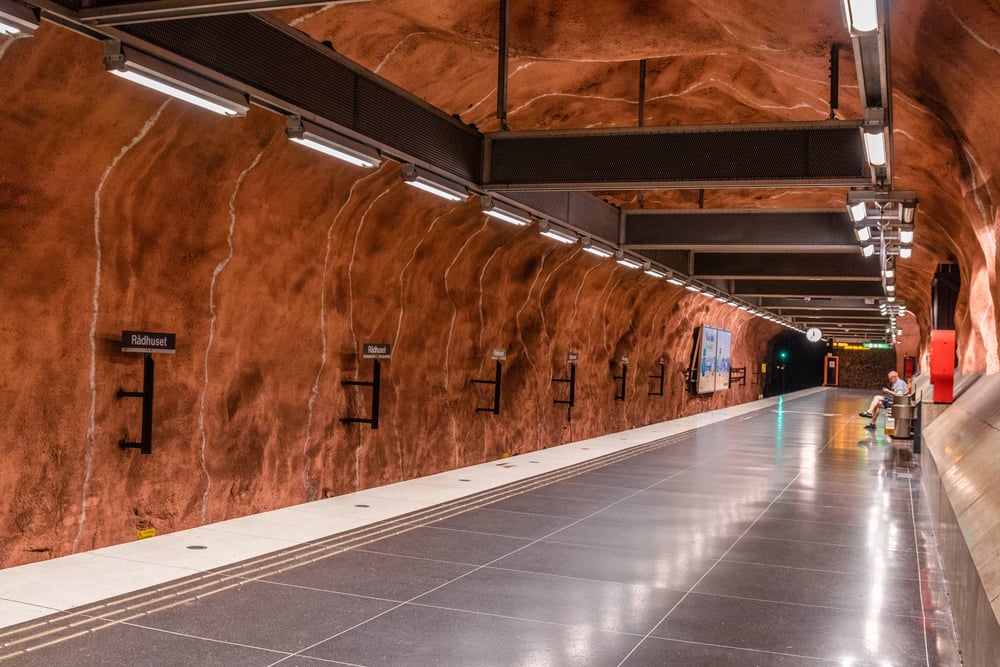
Iran’s capital city created subway stations that showcase Persian culture through elaborate tile work and calligraphy. Many stations feature floor-to-ceiling ceramic tiles arranged in traditional geometric patterns, with verses from Persian poetry decorating the walls.
The designs reference Iran’s rich artistic history while serving a completely modern transportation purpose.Tarbiat Modares Station demonstrates this approach with vibrant blue and turquoise tiles covering every surface in intricate patterns that took craftsmen months to install.
The stations cost far more than basic concrete platforms would have, but Tehran’s transit authority insisted on creating spaces that reflected Iranian identity.Commuters essentially travel through functioning art installations that happen to include trains.
Singapore’s Submerged Tubes
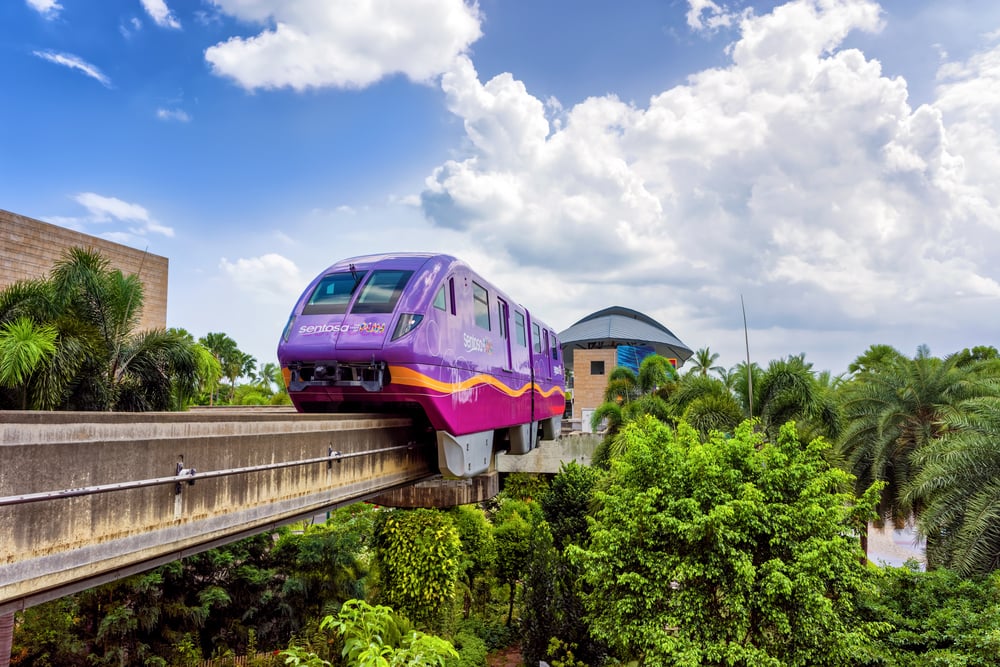
Singapore built parts of its subway by sinking massive pre-fabricated tunnel sections into the seafloor. Engineers constructed tube sections on land, sealed them, floated them to location, then carefully lowered them into trenches dug across the bottom of the harbor.
The tubes connect underwater to create tunnels that trains pass through beneath the waves.This construction method sounds insane but actually proved cheaper and faster than traditional underground drilling through Singapore’s difficult soil conditions.
The tunnels sit about 65 feet below the water surface, and passengers riding through have no idea they’re traveling underneath ships sailing above.The entire process required precision engineering that most subway systems never attempt.
Mexico City’s Floating Foundation Stations
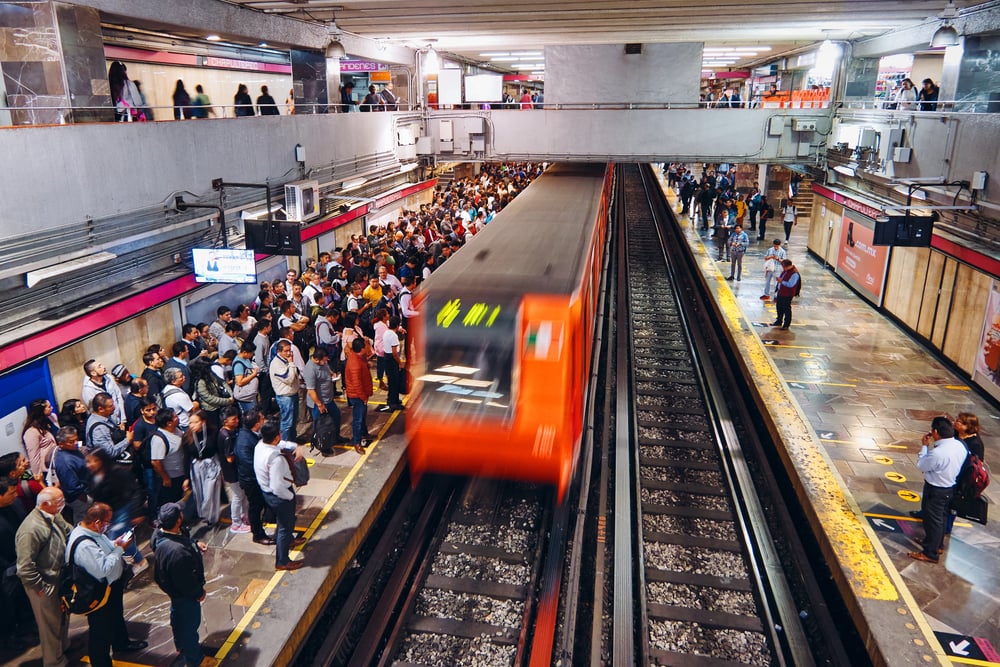
Mexico City’s subway operates on ground that’s slowly sinking. The entire city sits on a drained lakebed that compresses under the weight of buildings and infrastructure, which creates serious problems for rigid structures like subway tunnels.
Engineers had to design stations and tunnels that can shift and flex as the ground moves without cracking or collapsing.Some stations include adjustable supports that workers can modify as the surrounding soil settles.
The tunnels use flexible joints that allow slight movement between sections, and maintenance crews constantly monitor the entire system for unexpected shifts.Passengers notice strange things like stairs that no longer sit level or walls developing visible cracks, all because the ground beneath the city refuses to stay still.
Barcelona’s Unfinished Stations
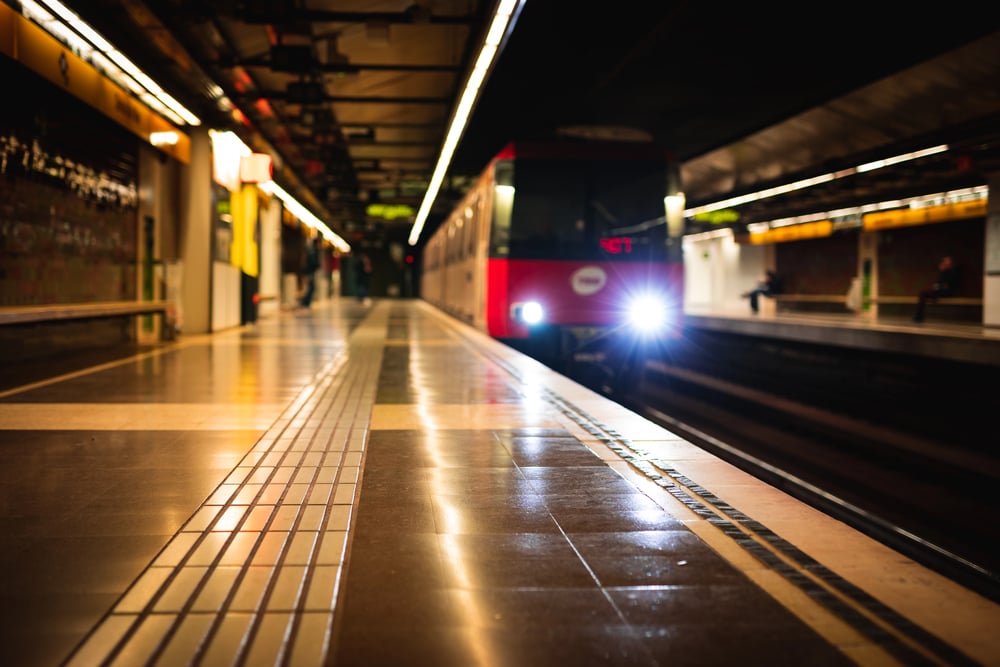
Trains pull into Sagrera Station even though chunks of it are still unfinished. Workers began building many stops across Barcelona’s metro network, only to leave them behind.
Rough concrete lines some walls, while steel bars jut out where work stopped suddenly. Long before now, funds dried up – progress halted mid-step.
Passengers step off at these spots regardless, moving through spaces stuck between done and undone.Empty platforms sit quiet, where working train lines meet dusty building sites frozen in time.
Finished walls gleam under bright lights – then suddenly stop, giving way to raw concrete and tangled wires.City officials say the work will resume soon; money problems always seem to interfere instead. Promises pile up like old materials left on the ground, never quite turning into progress.
Chongqing’s Mountain Stations
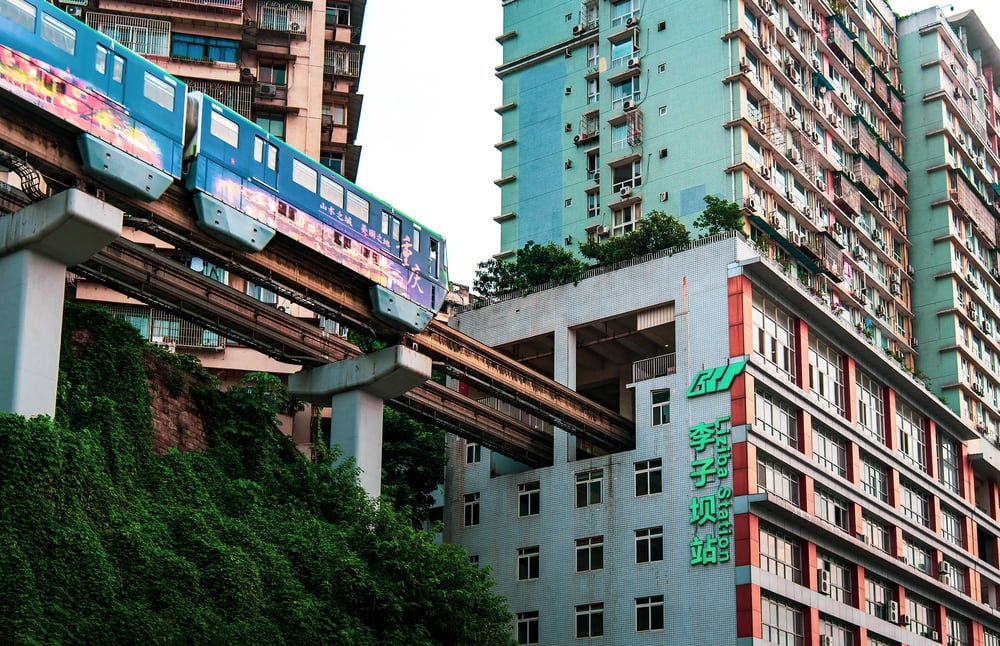
Up high in China’s Chongqing, narrow hills shaped how the subway had to run – right through apartment blocks. Trains glide into Liziba Station smack in the middle of a tall housing structure, slipping in at the sixth level.
A short pause happens on the platform before they move straight out again. People who live nearby feel the rumble every time one moves through, multiple times each hour.
Space was tight, so going around wasn’t possible – it went right where it could fit.Below the apartment units, the train rumbles past like a secret kept too long.
Though engineers built shock absorbers along with insulation to quiet the rumble, sleeping right atop rails stays unsettling.This setup exists since Chongqing ran out of level ground, leaving only rock to bore through – buildings included.
What seems ridiculous at first glance runs without issue, accepted now by those riding it each day.
Where Trains Run Into Real Life
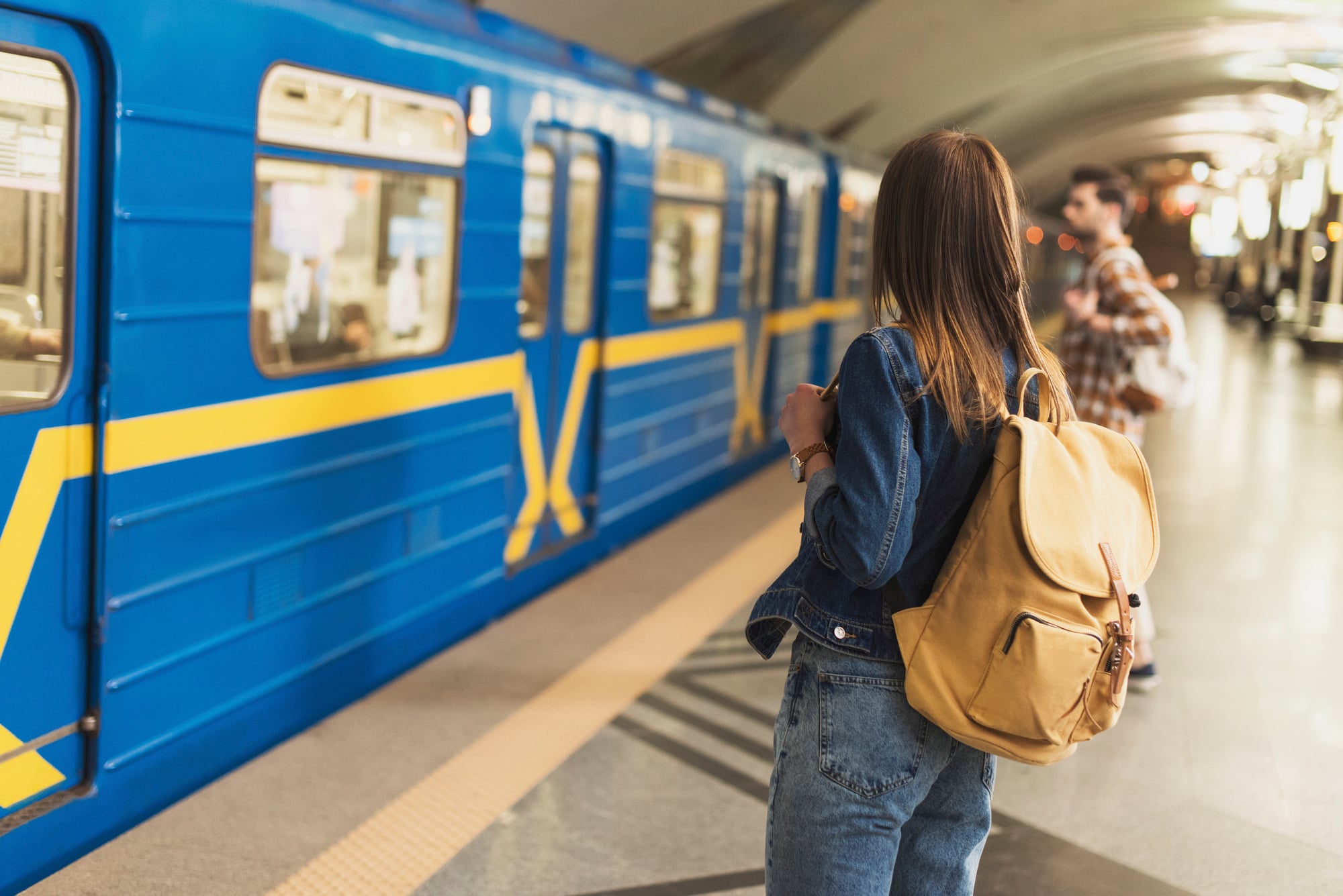
Going underground didn’t mean sticking to the usual rules. Deeper digs appeared where few expected them.
Palace-like stations showed up in unlikely places. Tunnels twisted through rock in ways once called nonsense.
Problems changed from city to city without warning. When old methods failed, new ideas slipped in sideways.
Strange subways keep teaching today’s engineers new tricks. From Stockholm’s artistic tunnels to Singapore’s undersea stretches, cities found unique fixes.
Mexico City’s shaky soil demanded clever engineering. These odd answers shaped how metros get built elsewhere.
When regular plans fall short, deep stops and weird layouts show another way forward. What seemed odd once now helps shape tomorrow’s commutes.
More from Go2Tutors!

- The Romanov Crown Jewels and Their Tragic Fate
- 13 Historical Mysteries That Science Still Can’t Solve
- Famous Hoaxes That Fooled the World for Years
- 15 Child Stars with Tragic Adult Lives
- 16 Famous Jewelry Pieces in History
Like Go2Tutors’s content? Follow us on MSN.



