26 Pieces of Vintage Clothing That Thrift Stores Misprice Every Single Day
Walk into any thrift store on a Tuesday afternoon, and there’s a good chance someone just donated their grandmother’s closet without knowing what was inside. Estate sale leftovers get priced by volunteers who think anything old must be worthless.
Meanwhile, collectors and resellers cruise the racks looking for the exact pieces that got tagged at $3.99 instead of $399. The gap between what something costs and what it’s worth has never been wider in the vintage clothing world.
A 1950s cocktail dress that should sell for $200 sits next to a 1990s department store blouse, both marked the same price. One person’s outdated wardrobe is another person’s goldmine, and most thrift stores simply don’t have the time or expertise to tell the difference.
Pendleton Wool Shirts
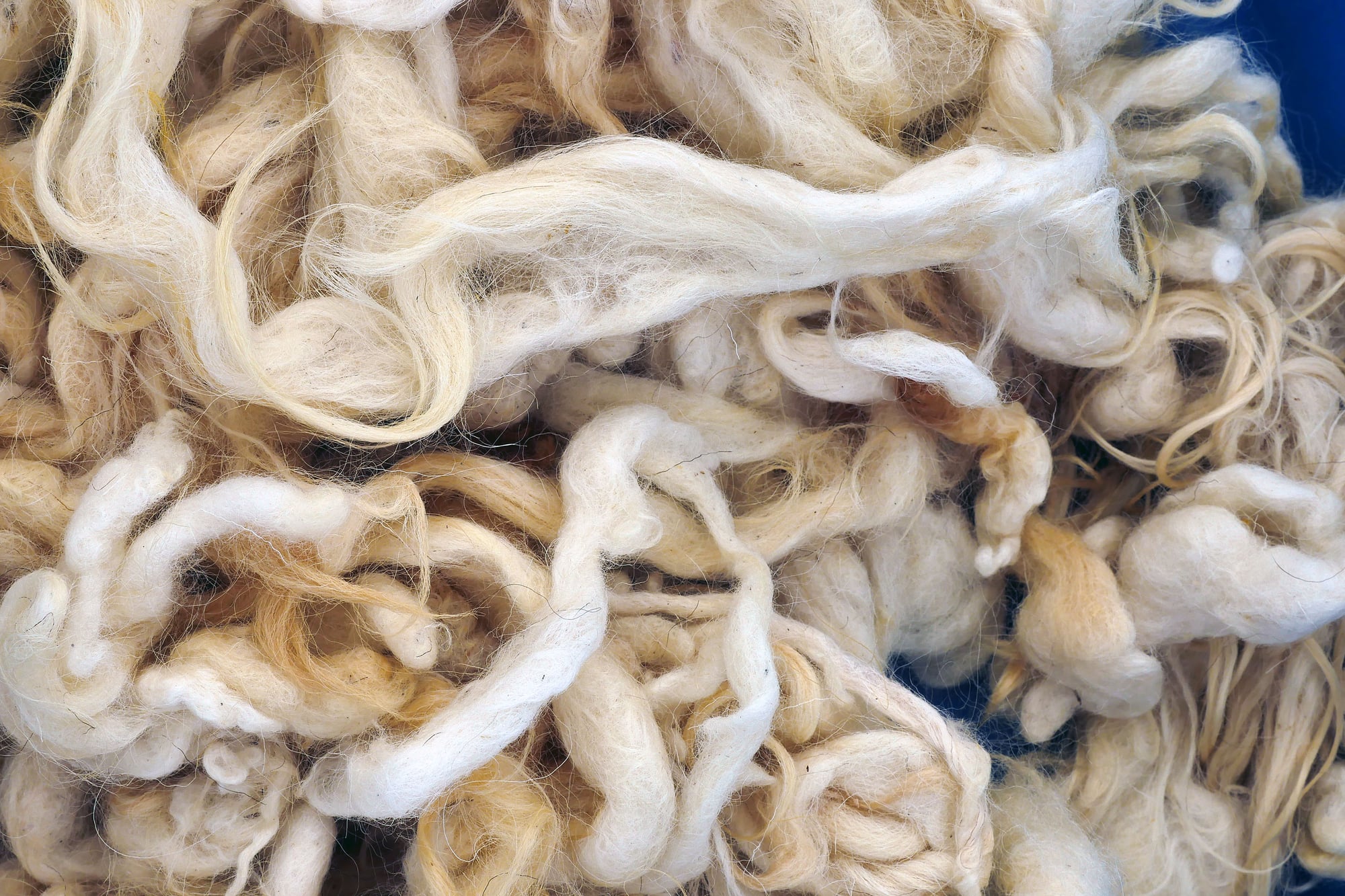
Pendleton shirts from the 1960s and 1970s get mistaken for regular flannel constantly. The weight gives them away immediately — real Pendleton wool feels substantial in a way that modern shirts never do.
Thrift stores see plaid and think “work shirt,” so these end up in the $8 section instead of commanding the $80 they’re worth online.
Levi’s Big E Jeans
Any Levi’s with “LEVI’S” spelled out on the red tab instead of the modern logo stopped being made in 1971. Thrift store employees don’t know to check the tab, and even when they do, the significance doesn’t register.
A pair of well-preserved Big E 501s can sell for $300 or more, but they sit in the regular denim section priced like any other used jeans.
1940s Rayon Dresses
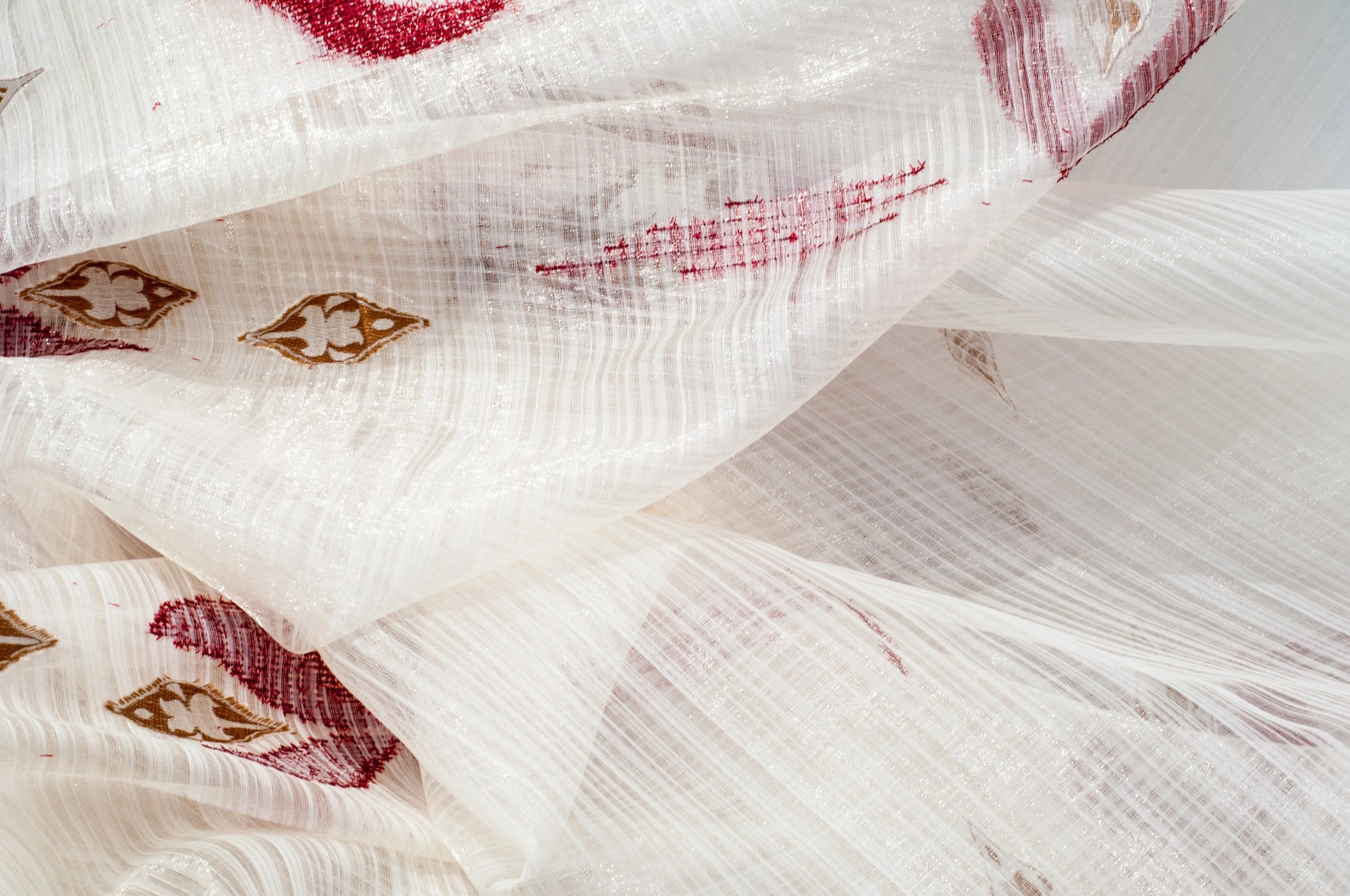
Rayon from the 1940s drapes differently than anything made today — it has this particular weight and fluidity that’s impossible to replicate (because the manufacturing process literally changed after the war, when chemical companies shifted their focus from wartime materials back to consumer goods, but the specific rayon formulations from that era were never quite recreated). And yet thrift stores consistently price these museum-quality pieces as if they’re polyester knockoffs from the 1980s.
The disconnect comes from the fabric itself: to untrained hands, vintage rayon can feel synthetic, which triggers the “cheap dress” pricing category rather than the “collectible vintage” one. So these dresses — which should be priced in the hundreds — end up marked at $12.99.
But here’s the thing about 1940s construction: the seams tell the whole story.
Hermès Scarves

The most expensive mistake thrift stores make. A genuine Hermès scarf in good condition runs $300-600 retail, and vintage ones often sell for more.
Thrift stores see silk scarf and think $5. The telltale signs are the hand-rolled edges and the distinctive weight of the silk, but most donation sorters don’t know to look.
Military Surplus Jackets
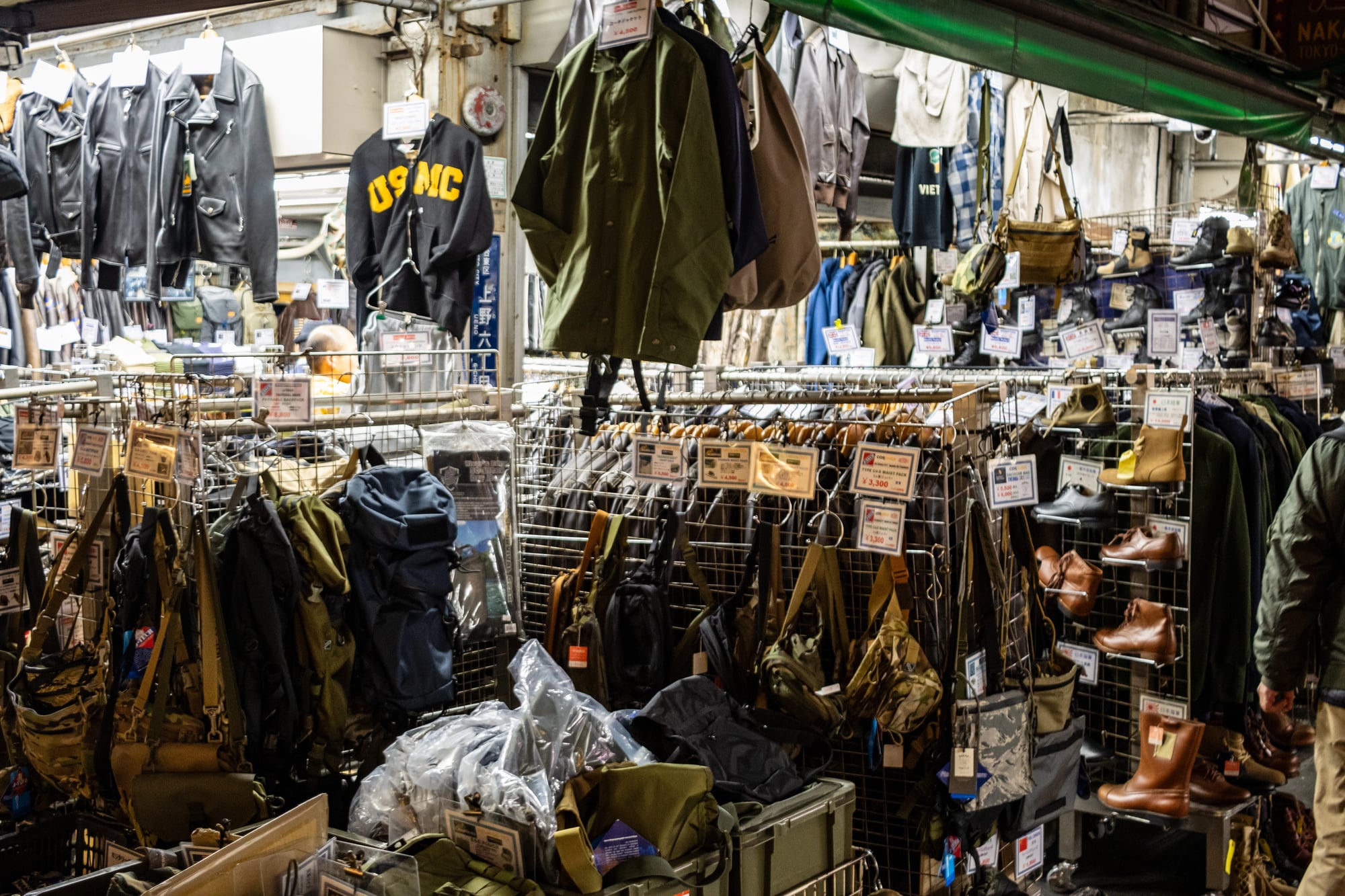
Real military surplus from the 1950s through 1980s has a cult following among vintage collectors. M-65 field jackets, A-2 bomber jackets, and Navy peacoats all command serious prices when they’re authentic.
Thrift stores treat them like any other coat and price them in the $15-25 range. The real ones can be worth ten times that.
Band T-Shirts from the 1970s-1990s
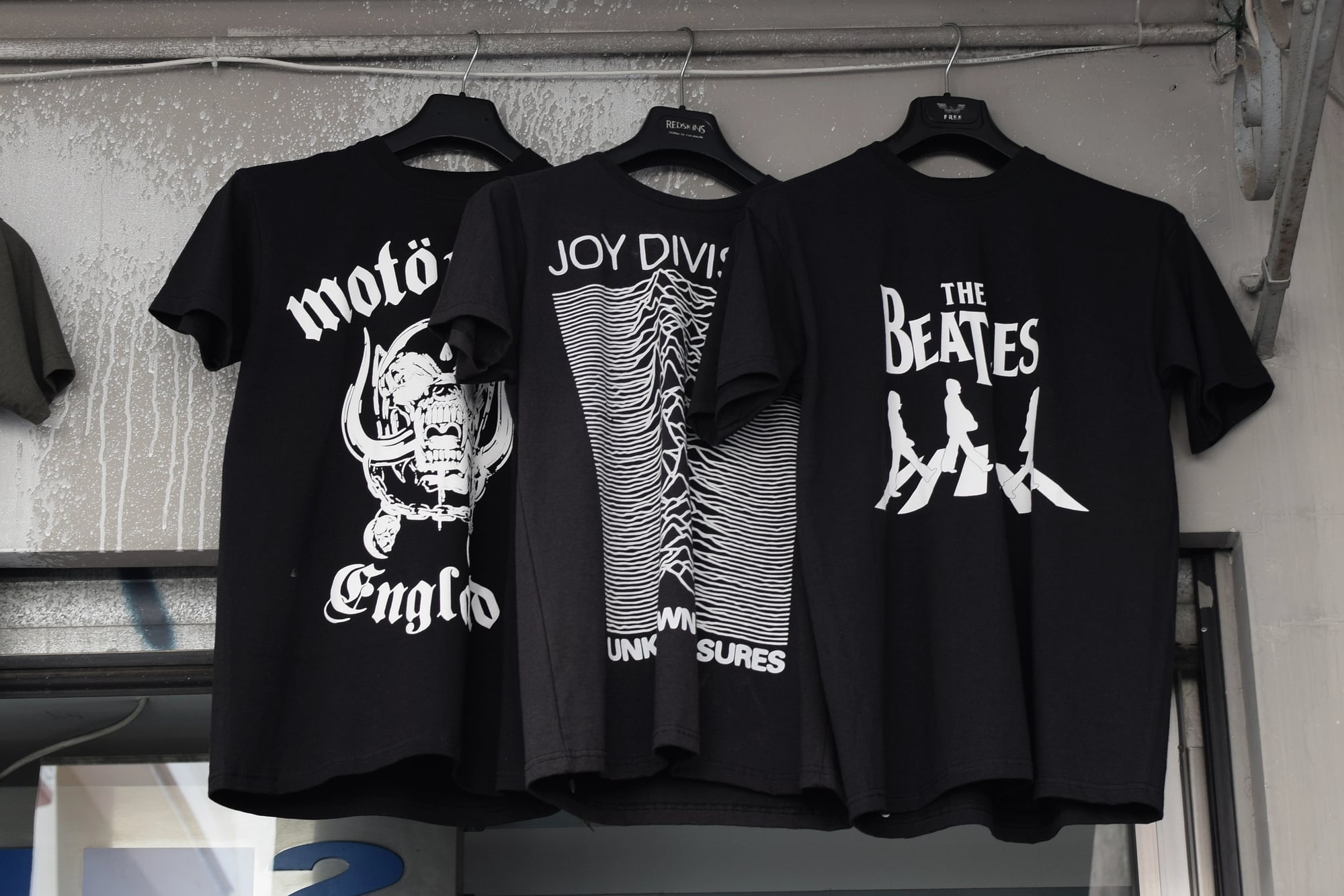
Vintage band tees are their own economy now. An original Ramones shirt from a 1977 tour can sell for thousands.
Black Sabbath, Led Zeppelin, punk bands from the late 1970s — these are investment pieces disguised as old clothes. Thrift stores see a faded shirt with a band name and price it like any other graphic tee.
The paper-thin cotton and specific printing methods give away the real ones, but most people don’t know what to look for. Concert merchandise sits in a strange space between clothing and memorabilia, and that’s where the confusion starts.
A shirt isn’t just fabric anymore when it becomes proof someone was there for a particular moment in music history. Thrift stores operate on clothing logic: used shirt equals low price.
But collectors operate on artifact logic: rare documentation of a cultural moment equals high price. The really valuable ones feel almost weightless.
Modern shirts have substance to them, but vintage band tees from the late 1970s were printed on the cheapest cotton available. Thin as tissue paper, soft beyond description.
That’s your first clue.
1950s Circle Skirts
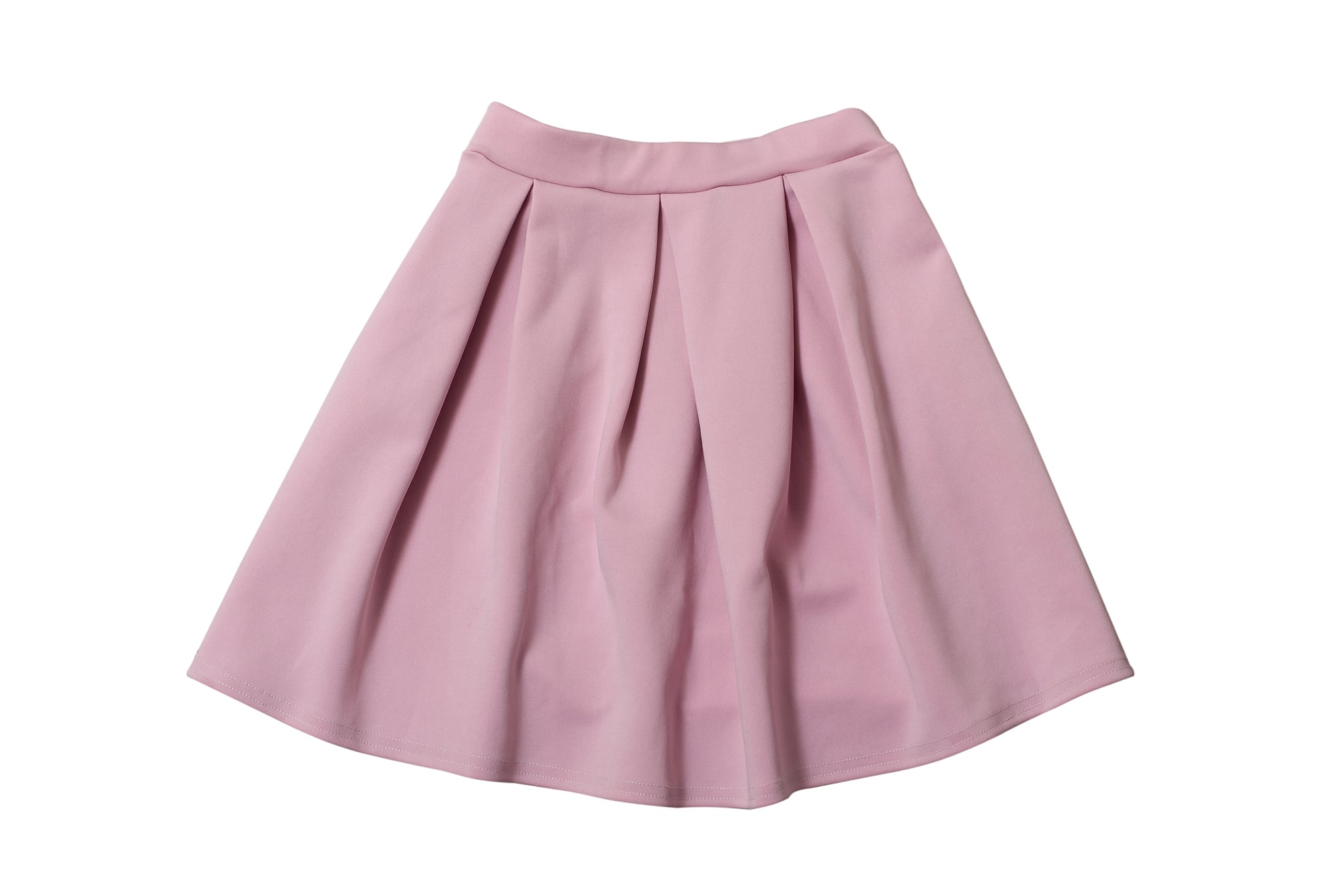
Full circle skirts from the 1950s use an enormous amount of fabric — sometimes 4-5 yards for a single skirt. The construction quality is extraordinary, with proper interfacing and hand-finished details that modern mass production abandoned decades ago.
Thrift stores price them as regular skirts, but collectors pay $100-200 for pristine examples.
Pendleton Blazers
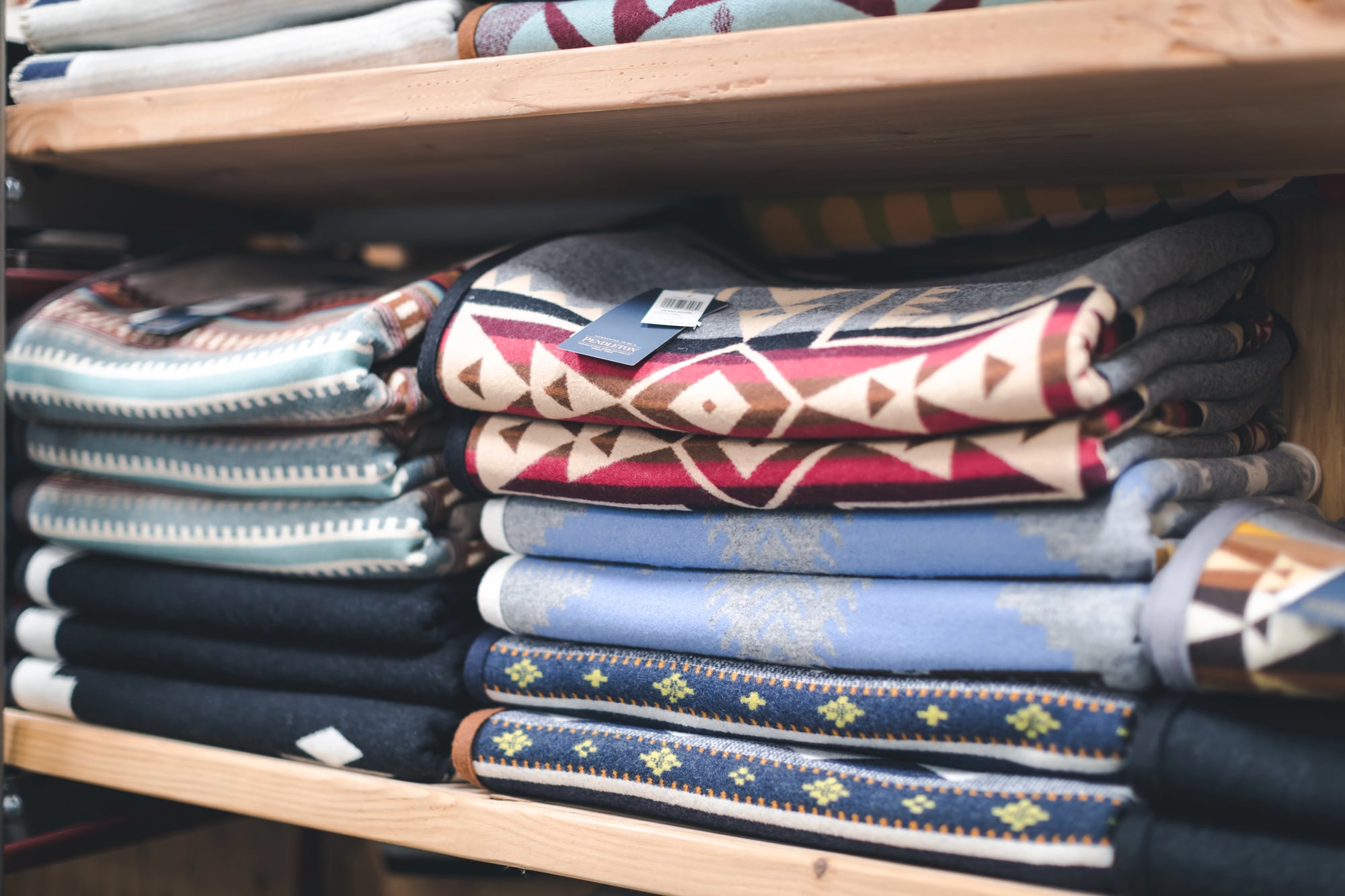
Different from the shirts, but equally undervalued. Pendleton’s wool blazers from the 1960s-1980s were built to last generations.
The tailoring is impeccable, and the wool quality surpasses most modern designer pieces. Thrift stores dump them in the general blazer section for $12-20.
They’re worth five times that to people who recognize quality construction.
Western Wear with Pearl Snaps
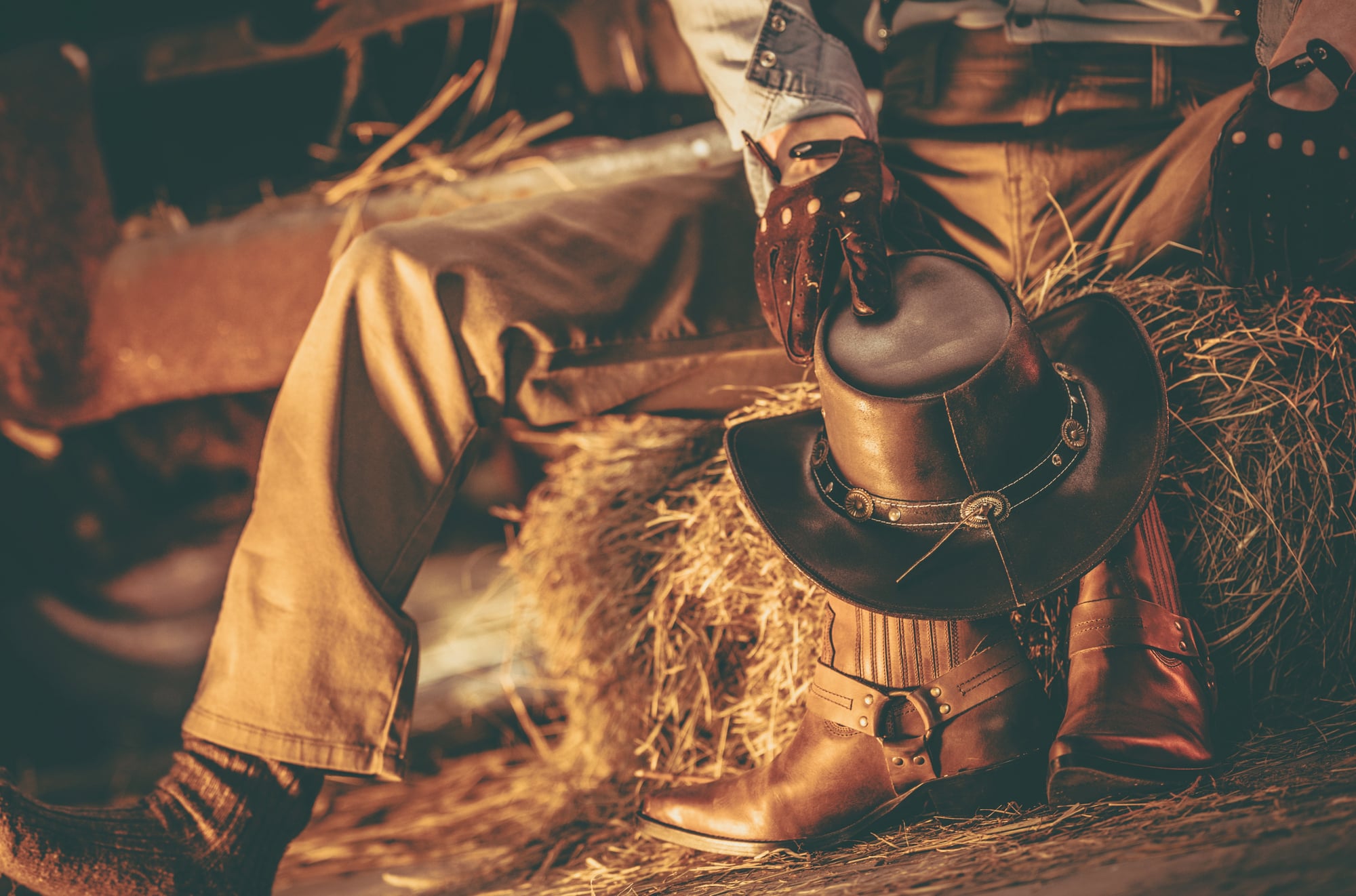
Authentic western shirts from companies like Rockmount or H Bar C are having a major moment. The pearl snaps, embroidered yokes, and specific cut all matter to collectors.
A 1950s gabardine western shirt can sell for $200-400, but thrift stores often price them like regular button-downs. The devil is in the details — literally.
The stitching patterns and snap quality separate the valuable pieces from the costume shop knockoffs.
Diane von Furstenberg Wrap Dresses

The original DVF wrap dresses from the 1970s are fashion history. Even damaged examples sell for $150-300 because the cut and pattern placement were so specific to that era.
Thrift stores see “old dress” and price accordingly, usually around $15-25. The real ones have a particular way the fabric moves and specific label details that separate them from the countless imitations.
1960s Mini Dresses

Mini dresses from the actual 1960s — not 1960s-inspired pieces from later decades — have become museum pieces (and there’s something almost archaeological about finding one: the proportions are so specific to that exact cultural moment, when hemlines weren’t just shorter but cut with a particular confidence that’s impossible to fake). The A-line shape, the mod patterns, the way the armholes sit — it all speaks to a very specific moment in fashion history that lasted maybe five years.
And yet thrift stores consistently price them as if they’re just short dresses. But the 1960s weren’t just about shorter skirts — the entire silhouette changed.
These dresses hang differently than anything made today, and the fabric choices reflected optimism about synthetic materials that seems almost naive now. So when a real piece shows up, it’s carrying all that cultural DNA with it.
Military Dress Uniforms
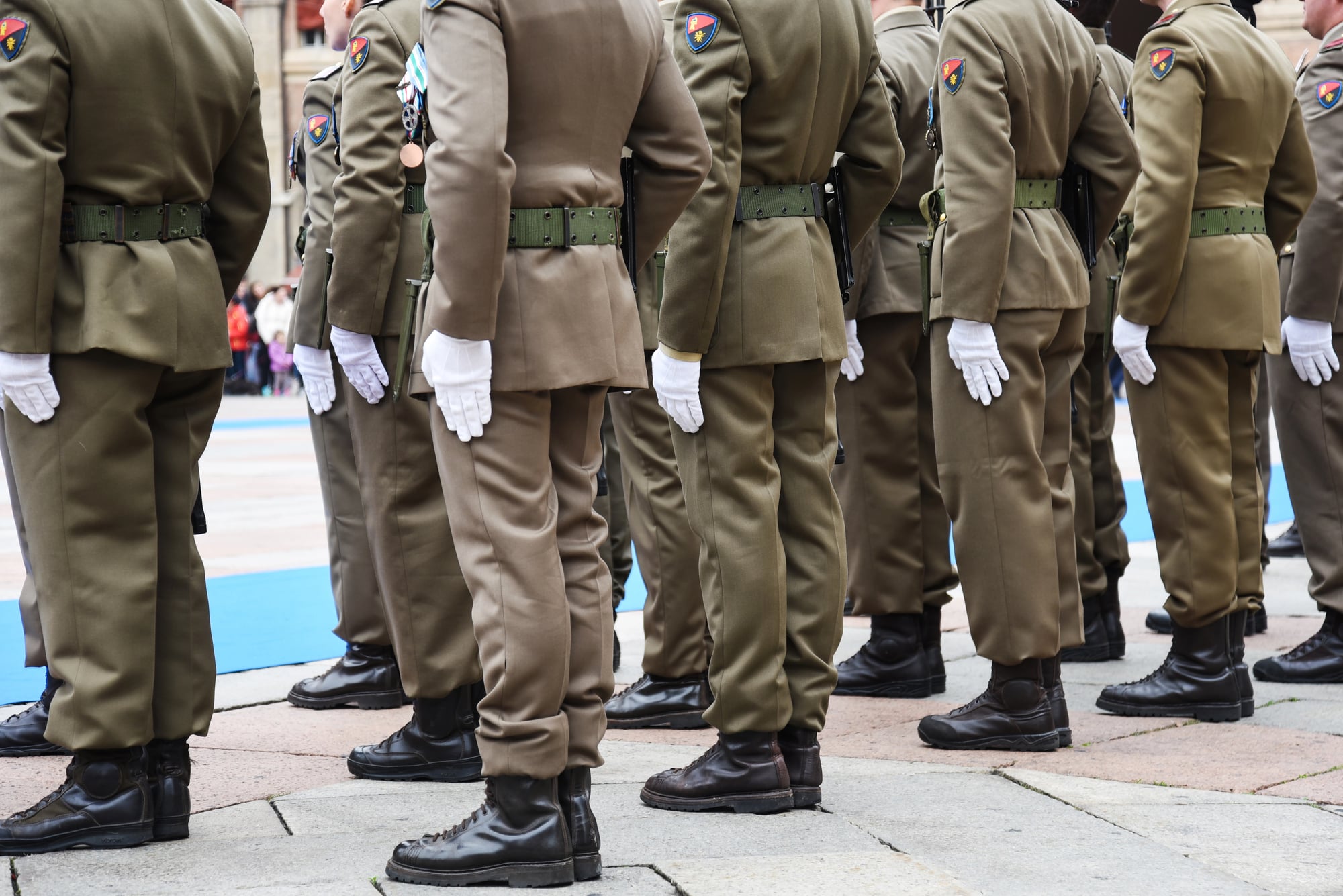
Complete military dress uniforms are worth significantly more than their individual components. Navy dress blues, Army dress uniforms from the Vietnam era, and earlier pieces all have strong collector markets.
Thrift stores usually break them up or price them like regular suits. A complete vintage uniform in good condition can be worth hundreds.
1970s Halston Knockoffs

Even the knockoffs are valuable now. Department stores in the 1970s created their own versions of Halston’s flowing designs, and these secondary pieces have become collectible in their own right.
The bias cut and particular drape of the fabric makes them stand out, but thrift stores treat them like any other 1970s dress. Quality copies can sell for $80-150.
Cowboy Boots with Maker’s Marks
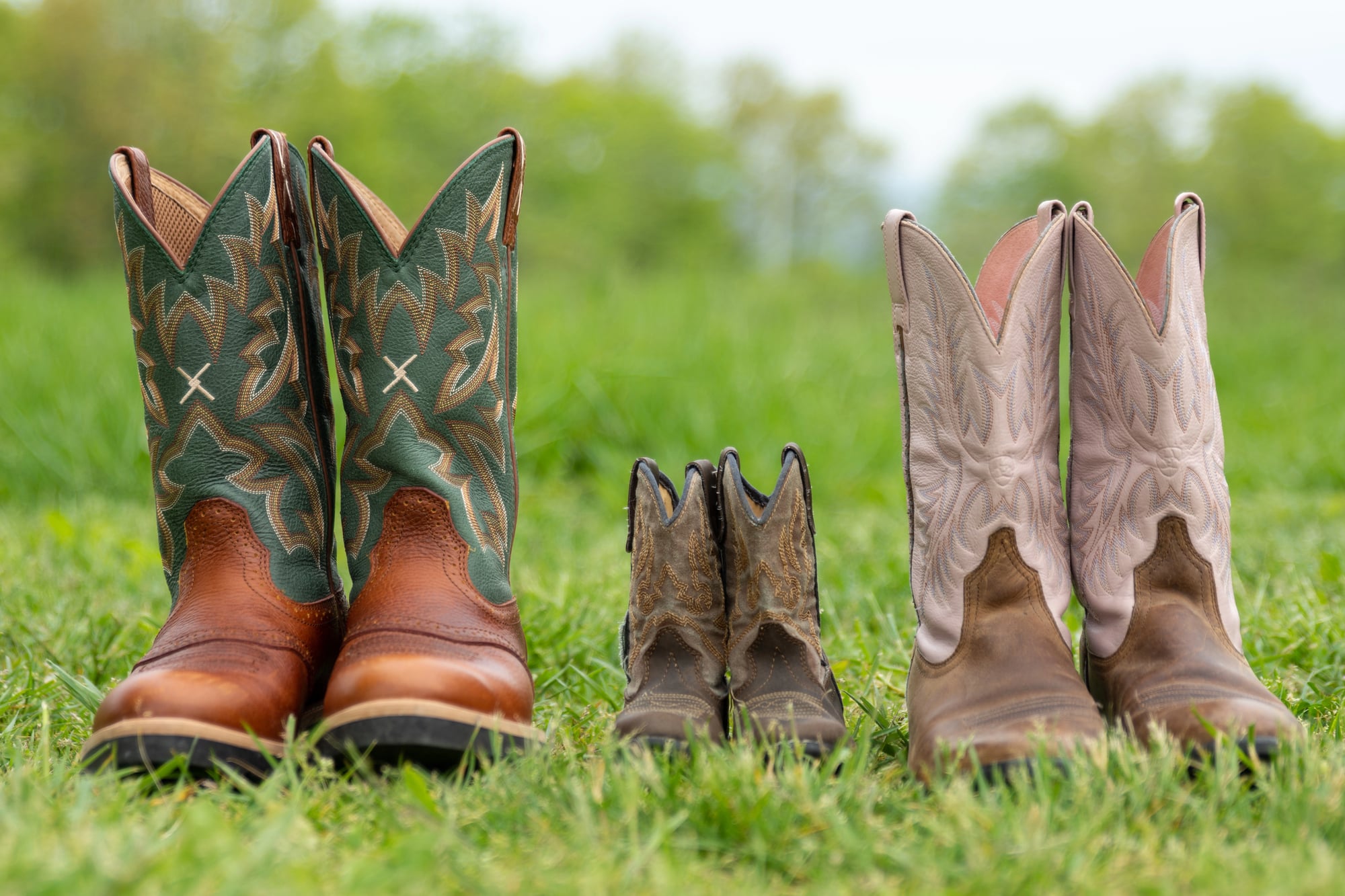
Custom boot makers like Lucchese, Tony Lama, and Justin have devoted followings. Vintage pairs in good condition command serious prices, especially if they’re exotic leather or have unique tooling.
Thrift stores price them like regular boots, usually $20-40. But collectors will pay $200-500 for the right pair.
People don’t think about boots as fashion investments, which is exactly why they get overlooked. A good pair of vintage cowboy boots tells a story through the wear patterns, the leather quality, and the construction details.
Thrift stores see used footwear and think depreciation. Boot collectors see character development.
1980s Power Suits
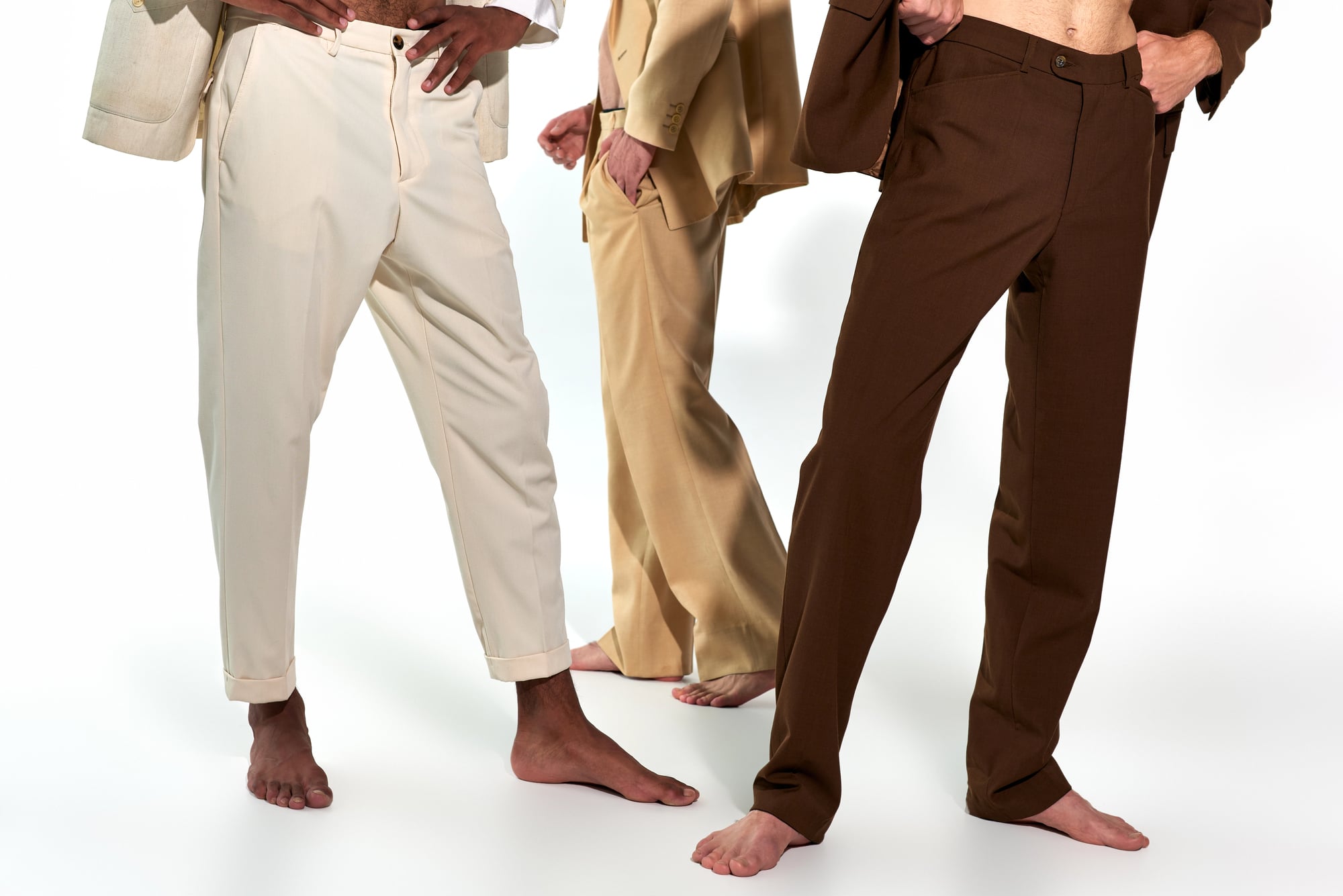
The shoulder-heavy suits that defined 1980s professional wear are back in a big way. Pieces by Ungaro, Thierry Mugler, and even high-end department store brands command premium prices when they’re authentic to the era.
Thrift stores often price them as outdated professional wear, but fashion collectors are paying $100-300 for the right examples.
Vintage Intimate Sets
Complete vintage intimate sets — especially from high-end manufacturers like Vassarette or movie star brands from the 1940s-1960s — are extremely collectible. The silk, the hand-finished details, the specific construction methods all add up to pieces that can sell for hundreds.
Thrift stores often don’t even put these out, or they price them like modern undergarments.
1970s Wrap Coats
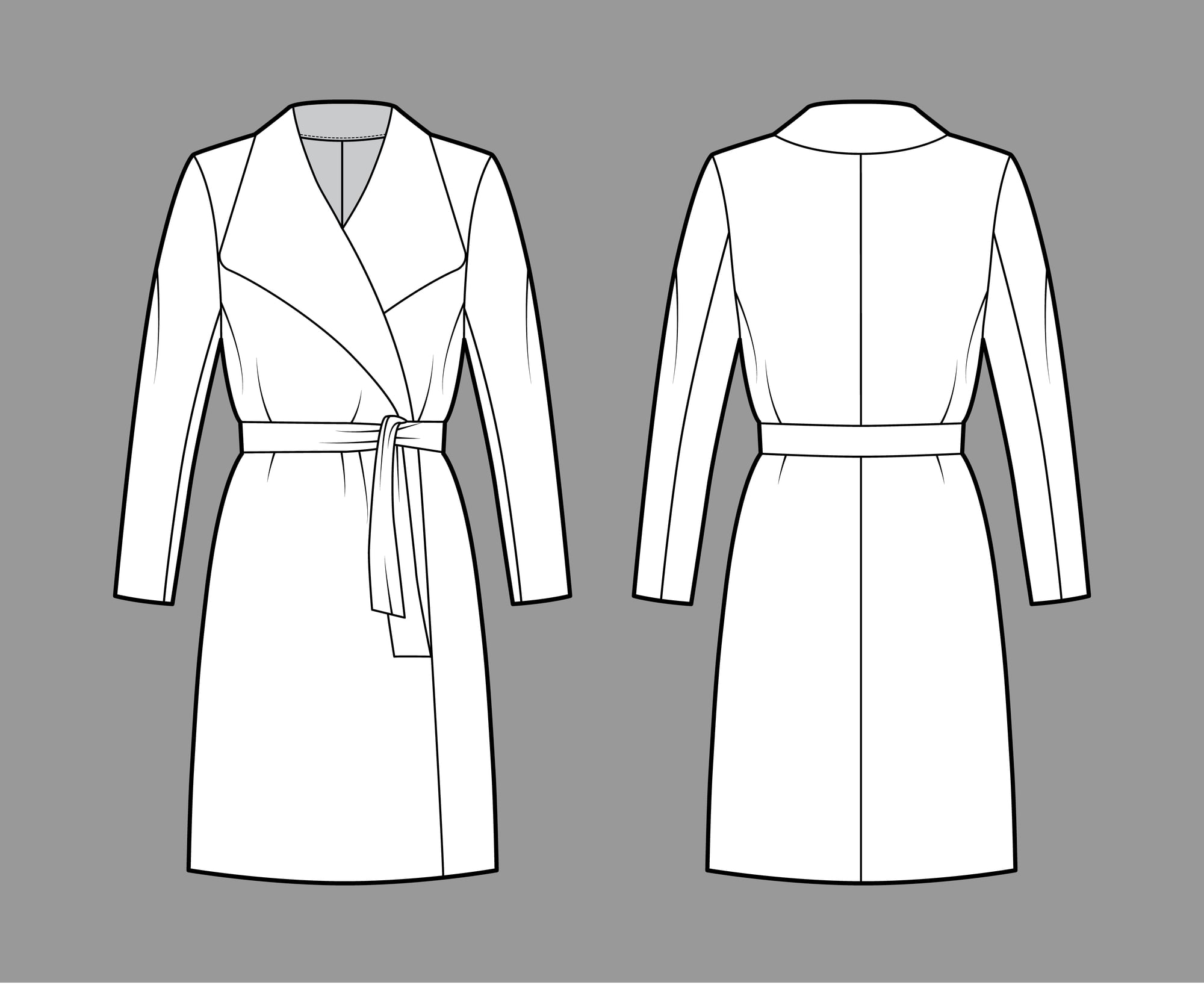
Long wrap coats from the 1970s have a very specific silhouette that’s impossible to find in modern clothing. The proportions, the belt placement, the way the fabric moves — it all reflects the era’s particular approach to outerwear.
Thrift stores see long coat and think regular pricing, but these pieces can sell for $150-250 to people who understand the style.
Frye Boots
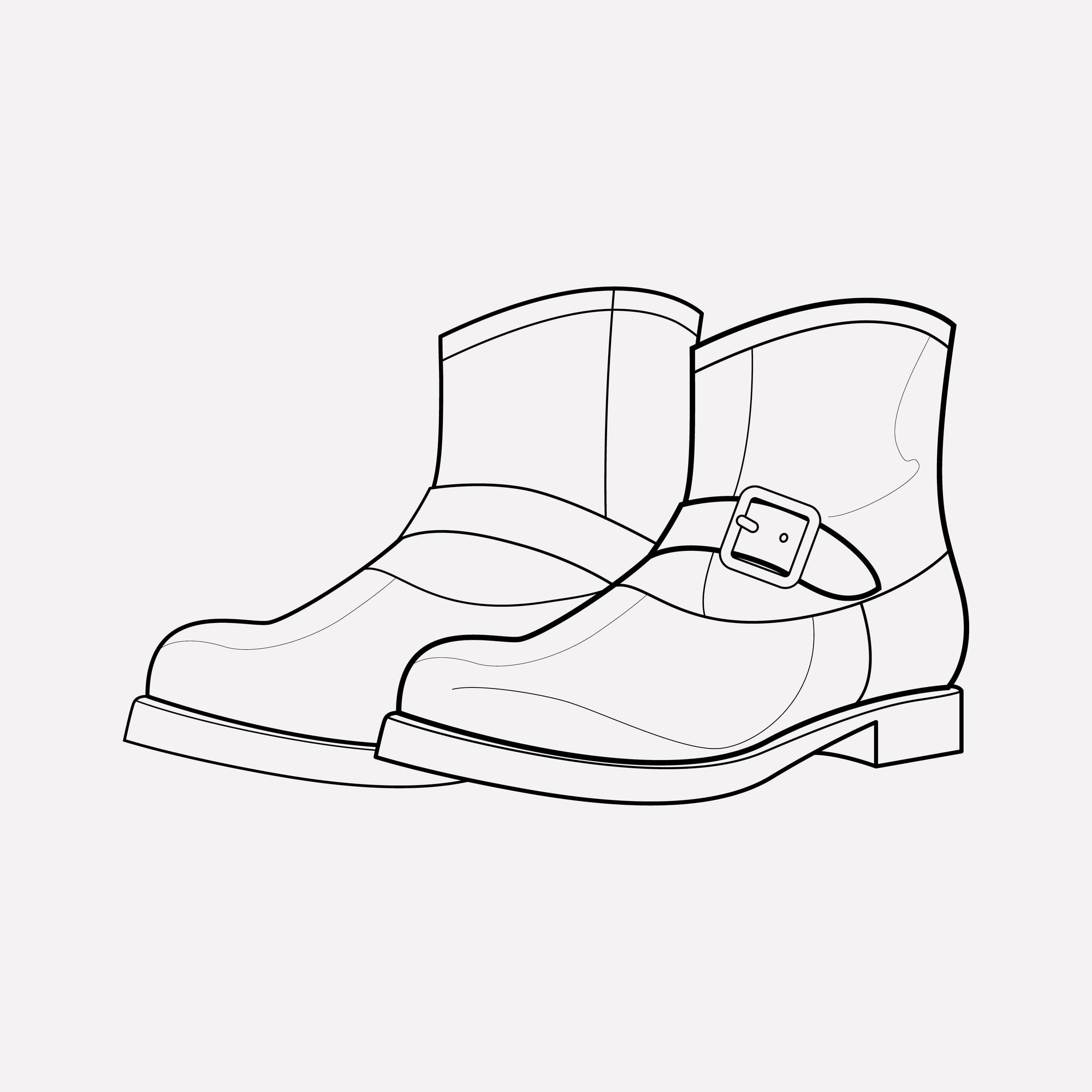
Vintage Frye boots, particularly campus boots and harness boots from the 1960s-1980s, are built completely differently than modern versions. The leather quality and construction methods have changed significantly over the decades.
Original pairs in good condition can sell for $200-400, but thrift stores usually price them in the $30-50 range.
1950s Cocktail Dresses

The construction quality of 1950s cocktail dresses is extraordinary. Hand-sewn details, built-in structure, and fabric quality that modern mass production can’t match.
These pieces were designed to be investment items, and they’ve held their value accordingly. A well-preserved cocktail dress from this era can sell for $300-600, but thrift stores consistently underprice them.
Real 1950s evening wear carries itself differently than reproductions. The weight distribution, the way the skirt moves, the specific approach to structure and support — it’s all engineered with a level of precision that disappeared when mass production took over.
Designer Denim from the 1980s-1990s
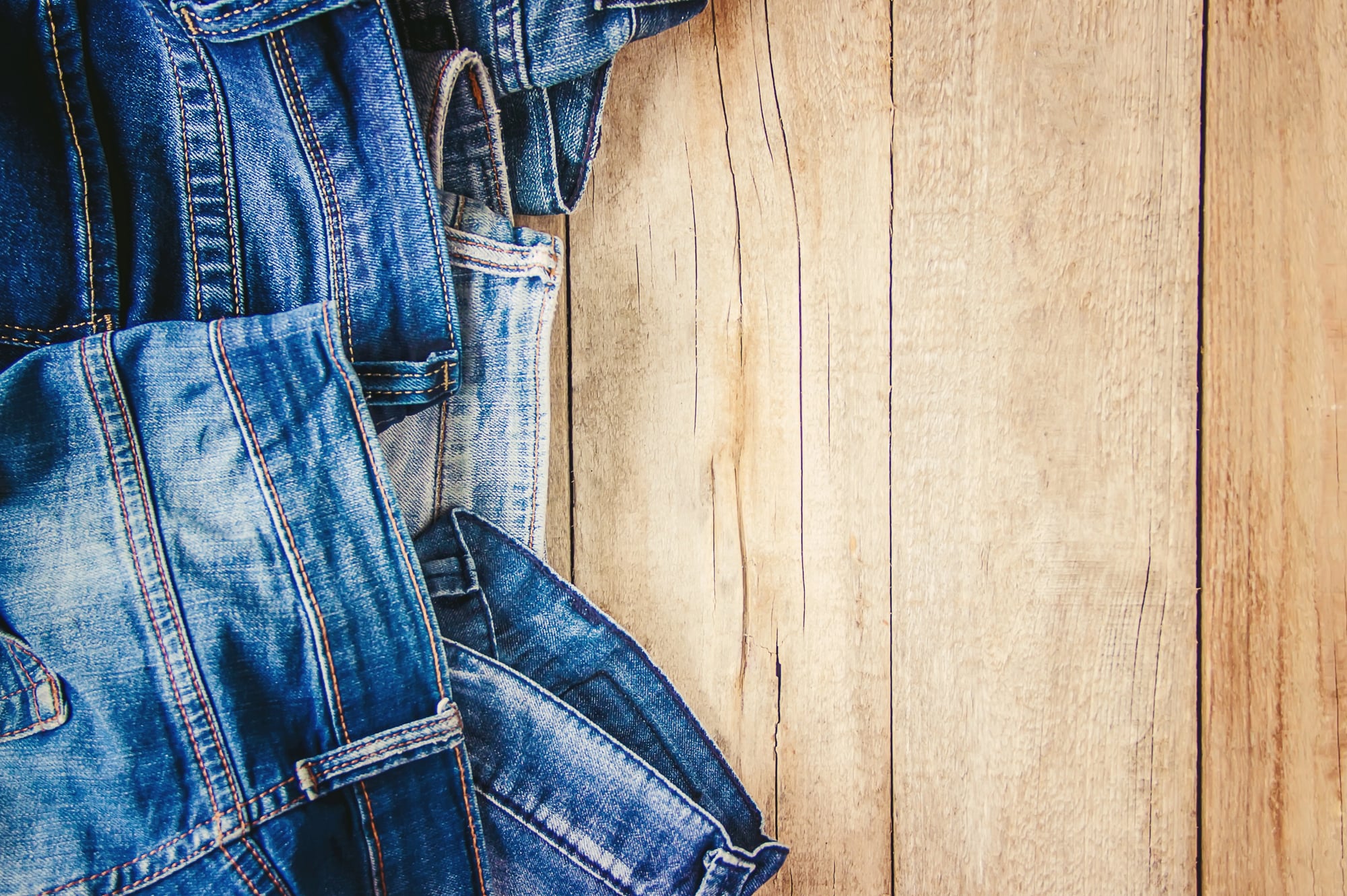
High-end denim from brands like Versace, Moschino, and other luxury designers who experimented with casual wear in the 1980s and 1990s. These weren’t just jeans — they were fashion statements with price tags to match.
Vintage examples can sell for $200-500, but thrift stores usually dump them in the regular denim section.
Vintage Purses with Designer Hardware
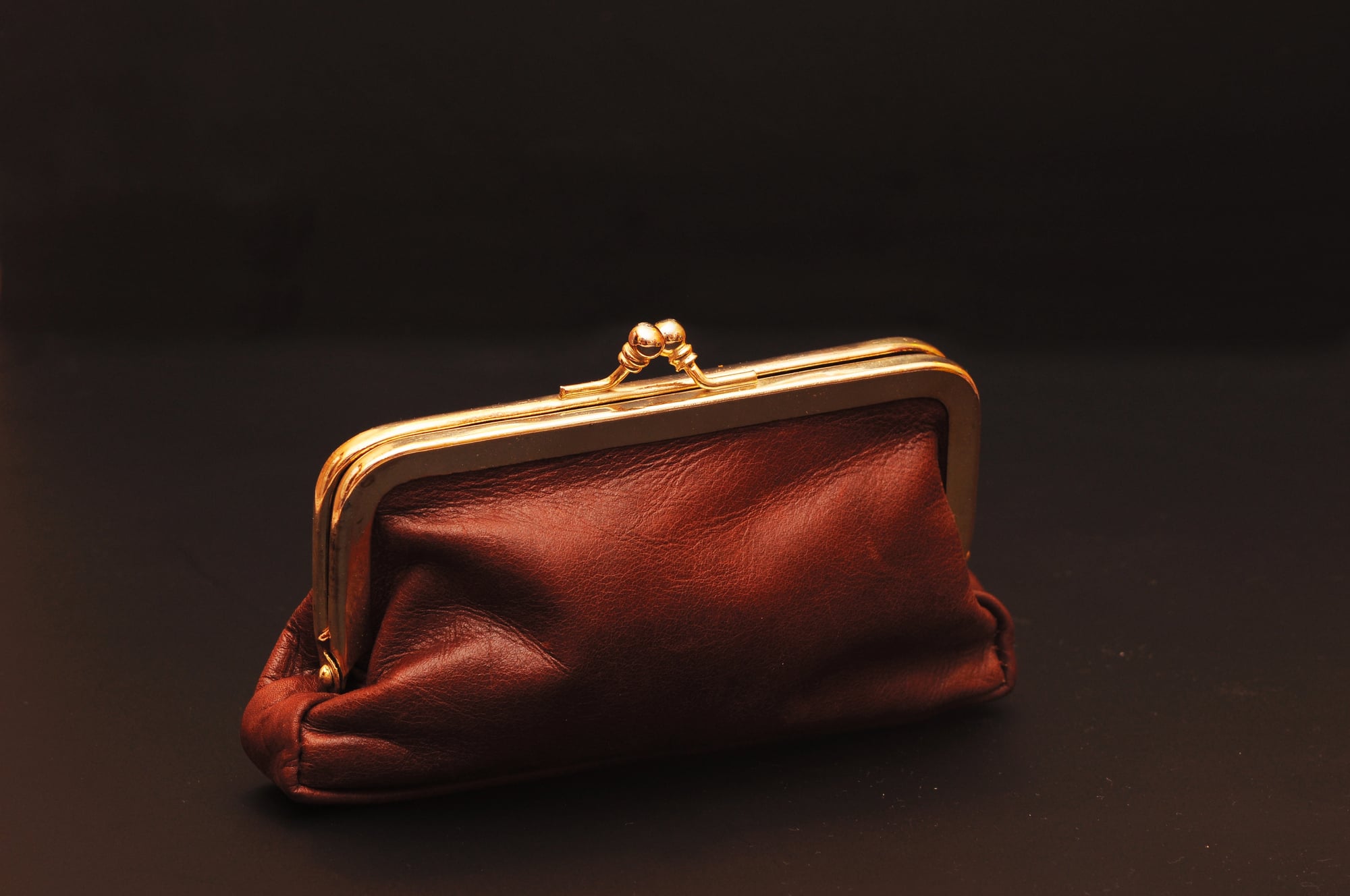
Purses from the 1940s-1960s often feature hardware that’s impossible to replicate today. The quality of the clasps, the weight of the chains, the specific finishing techniques — it all adds up to pieces that feel substantial in a way modern bags don’t.
Thrift stores price these based on condition and general appearance, missing the significance of the construction details that make them valuable.
Men’s Vintage Suits
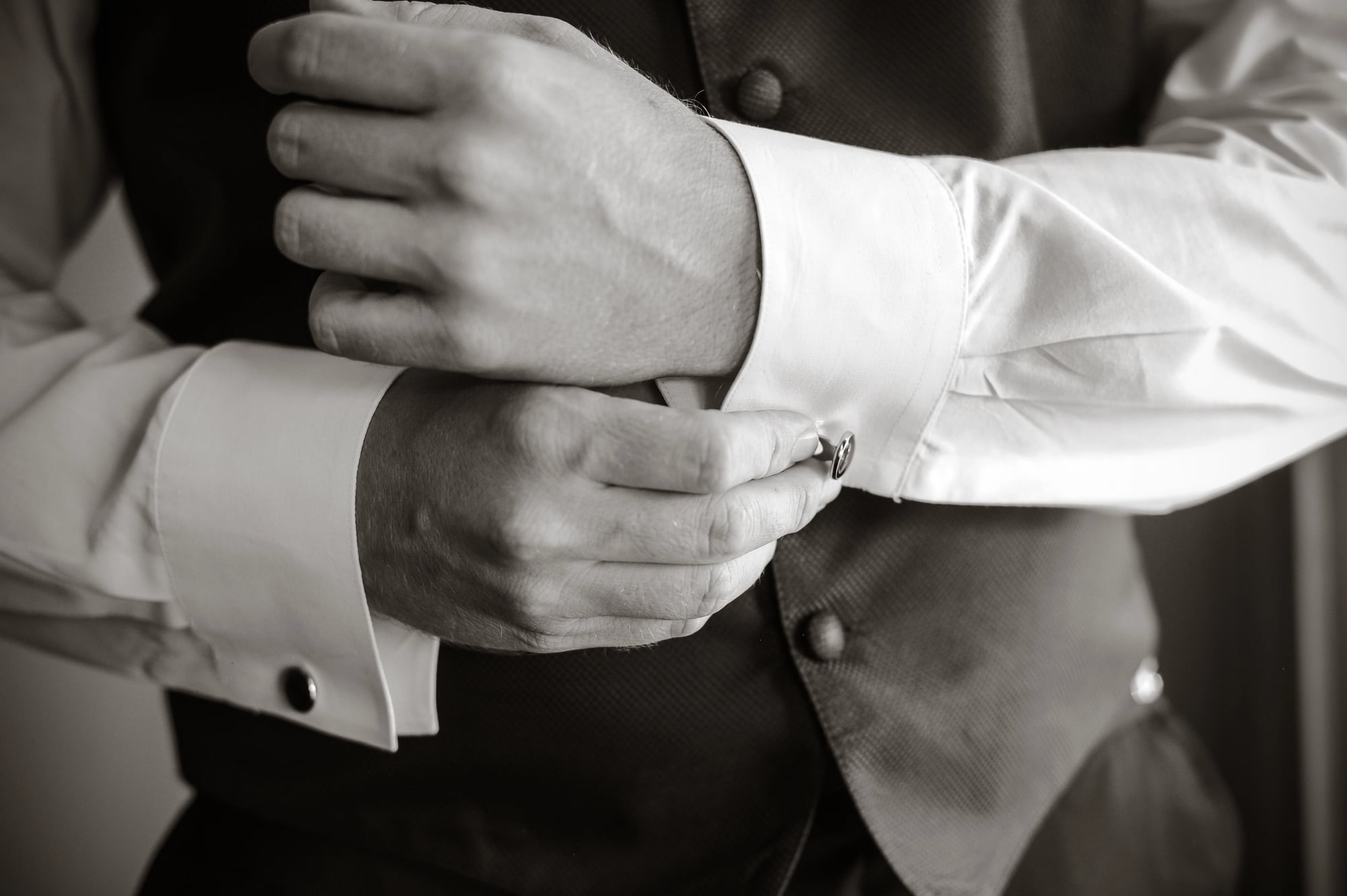
Well-tailored men’s suits from the 1950s-1960s represent a level of construction quality that’s extremely expensive to find today. Hand-stitched details, canvas interfacing, and specific proportions all contribute to their value.
A vintage Brooks Brothers or similar quality suit can be worth $300-500, but thrift stores often price them like any other used suit. Vintage suiting is about more than just the label — it’s about construction methods that have largely disappeared from mass production.
The way the shoulders sit, the drape of the trousers, the weight and texture of the wool. These details matter enormously to people who understand clothing construction, but they’re invisible to casual observers.
1960s Go-Go Boots

Authentic go-go boots from the 1960s are fashion artifacts now. The specific heel height, the way they hit the calf, the materials used — it all reflects that particular moment when mod fashion was reshaping women’s clothing.
Reproductions never quite get the proportions right. Original pairs can sell for $150-300, but thrift stores usually price them like regular boots.
Vintage Work Wear
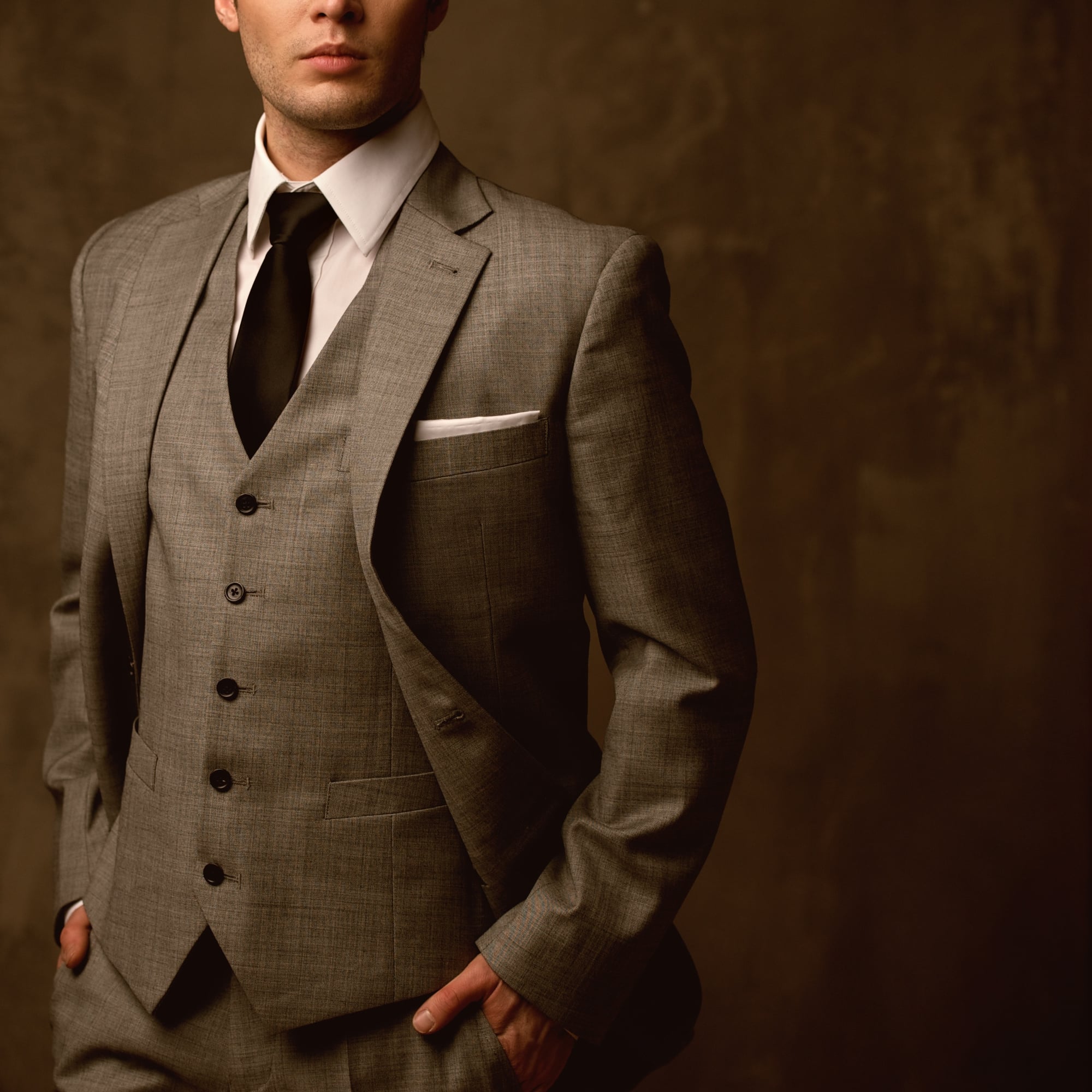
Original work wear from brands like Carhartt, Dickies, and Ben Davis has developed a strong collector market. Pieces from the 1970s-1990s, especially if they show honest wear patterns, can be worth significantly more than their modern equivalents.
The fabric weight, construction methods, and fit all differ from contemporary versions.
1970s Prairie Dresses
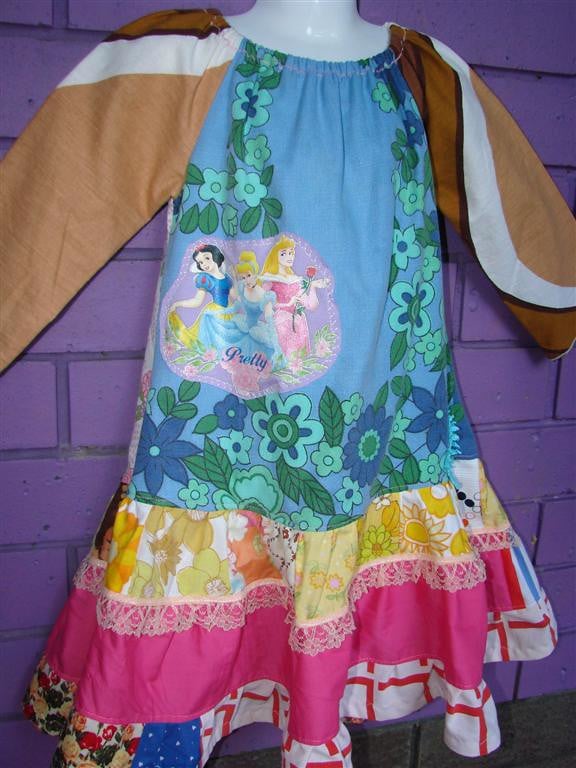
The romantic, flowing dresses that defined 1970s bohemian style are increasingly hard to find in original form. Brands like Gunne Sax created pieces that captured a very specific aesthetic moment, and authentic examples are highly sought after.
The particular approach to ruffles, the fabric choices, the overall silhouette — it’s all very specific to that era. Thrift stores see old dress with ruffles and price accordingly, usually $15-30.
But collectors pay $100-250 for the right pieces.
Statement Jewelry from the 1980s
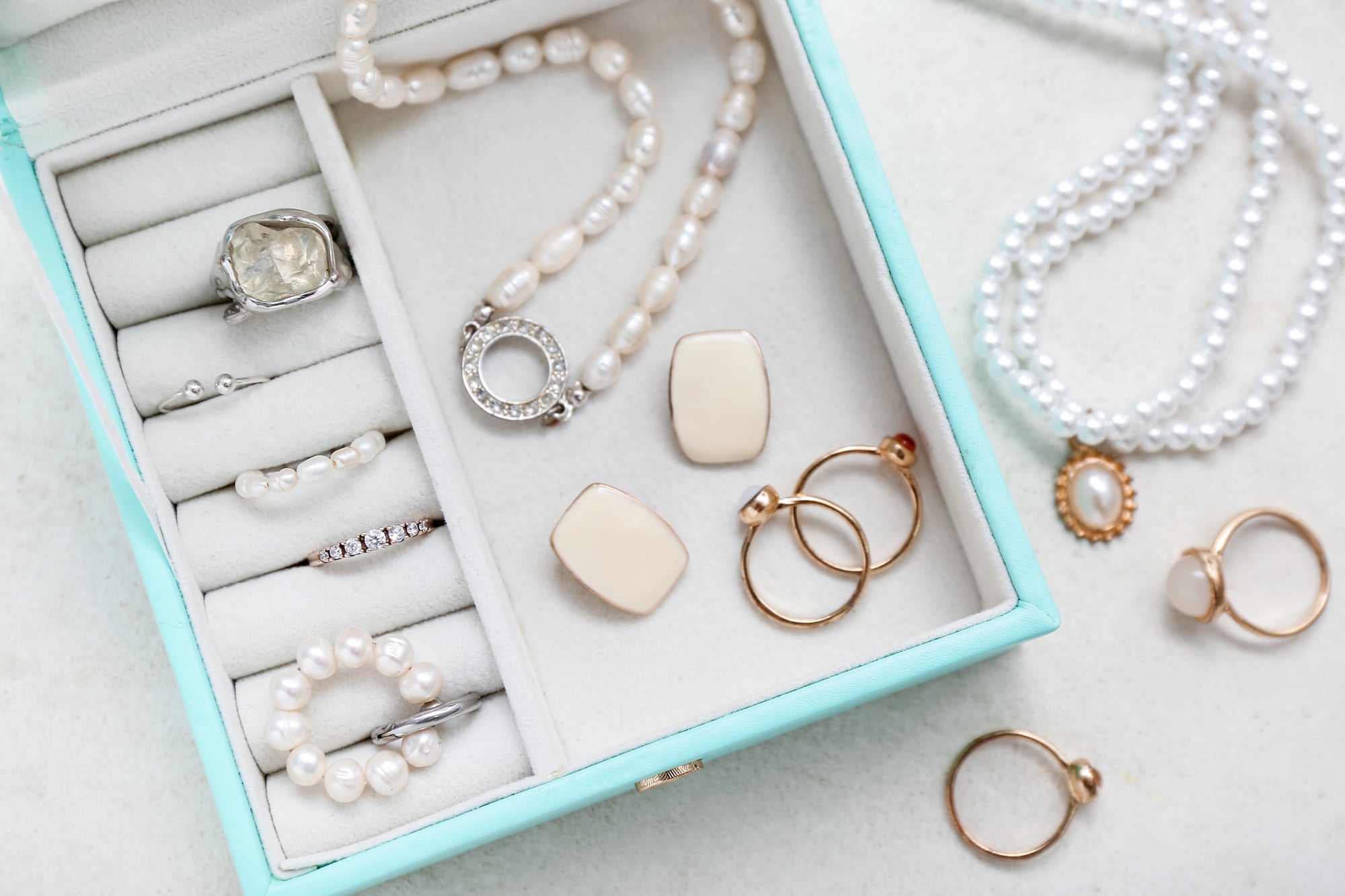
Large, bold jewelry from the 1980s — particularly pieces that were expensive when new — has found a strong resale market. The scale, the materials, the particular aesthetic of that era all contribute to pieces that can sell for hundreds of dollars.
Thrift stores often price jewelry by weight or general appearance, missing the style significance that drives value. The really valuable pieces feel substantial.
Not just large, but heavy in a way that suggests quality materials and serious construction. Costume jewelry from the 1980s was often better made than fashion jewelry today, using techniques and materials that have become too expensive for mass production.
The Real Education Happens at the Register
Finding valuable vintage clothing in thrift stores isn’t really about luck — it’s about understanding the gap between how clothing gets priced and what it’s actually worth. Thrift stores operate on volume and efficiency.
They don’t have time to research every piece, so they develop shortcuts and categories that work most of the time but miss the exceptions. Those exceptions are where the value lives.
A volunteer pricing donations sees a wool shirt and thinks $8, not knowing that particular wool shirt represents a specific moment in American manufacturing history. They see a band t-shirt and think graphic tee, not realizing it’s documentation of a cultural moment that can’t be recreated.
The education happens when someone who understands these distinctions walks up to the register with a $5 dress that should have been priced at $200. That gap isn’t an accident or an oversight — it’s the natural result of two different ways of thinking about the same object.
And it happens every single day.
More from Go2Tutors!

- The Romanov Crown Jewels and Their Tragic Fate
- 13 Historical Mysteries That Science Still Can’t Solve
- Famous Hoaxes That Fooled the World for Years
- 15 Child Stars with Tragic Adult Lives
- 16 Famous Jewelry Pieces in History
Like Go2Tutors’s content? Follow us on MSN.