26 Estate Sale Finds from the Last Year That Sold for Jaw-Dropping Amounts
Estate sales have always been treasure hunts for the hopeful and the curious. People wander through someone else’s lifetime, picking through furniture, jewelry, and forgotten items that once meant everything to someone.
Most of the time, you walk away with a nice vase or an interesting book. But sometimes — just sometimes — you stumble across something that changes everything.
The past year has delivered some truly remarkable discoveries, items that looked ordinary sitting on folding tables but turned out to be worth more than most people’s annual salaries. These finds remind us that history hides in the most unexpected places, waiting for someone to recognize its value.
Tiffany Studios Wisteria Lamp
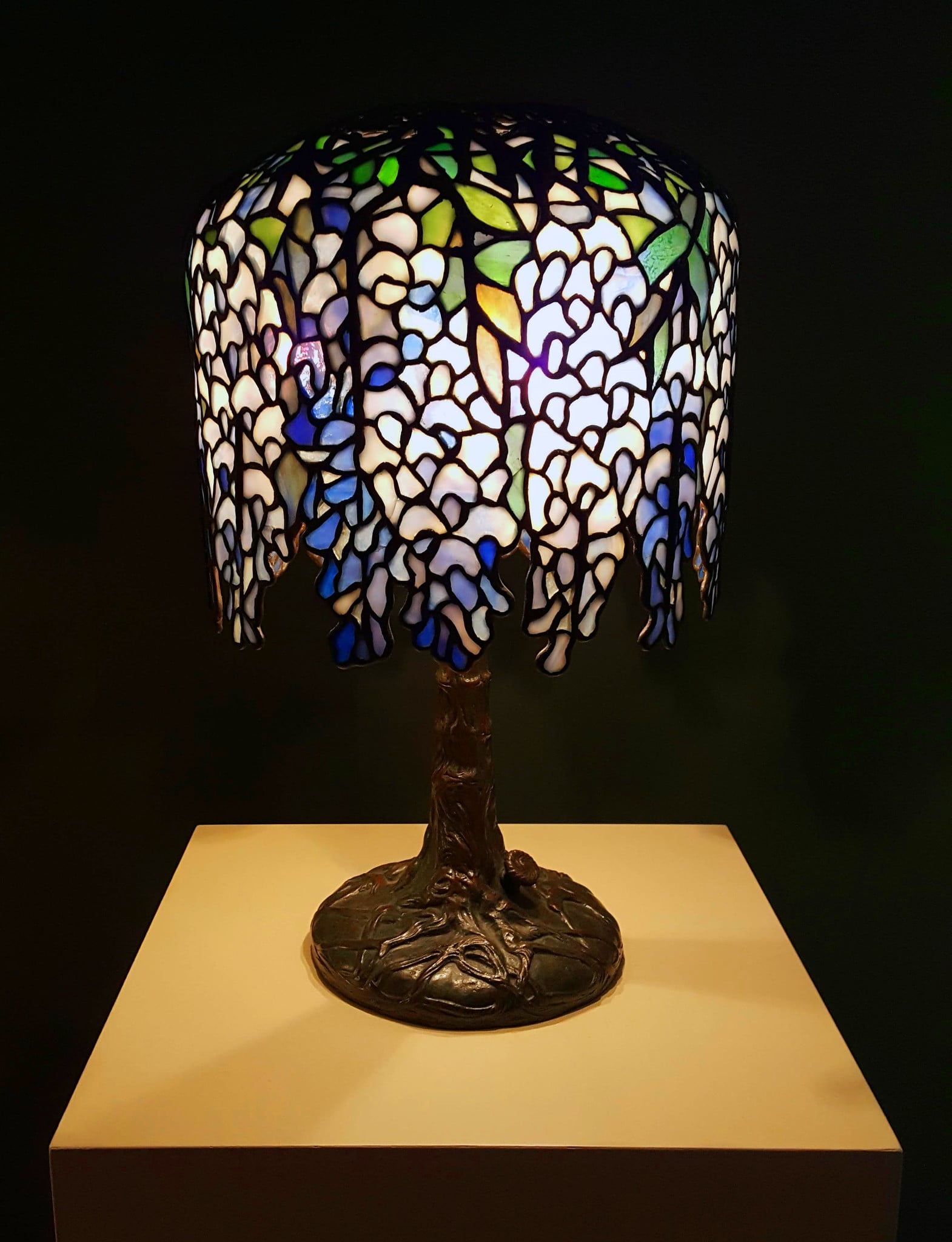
A lamp sat on a side table in a Connecticut estate sale, priced at $125. The bronze base looked nice enough, but the lampshade caught the buyer’s attention — purple glass flowers cascaded down in an intricate pattern.
Turns out it was a genuine Tiffany Studios Wisteria lamp from 1905. The auction house estimate hit $300,000, but competitive bidding pushed the final price to $485,000.
First Edition Action Comics #1
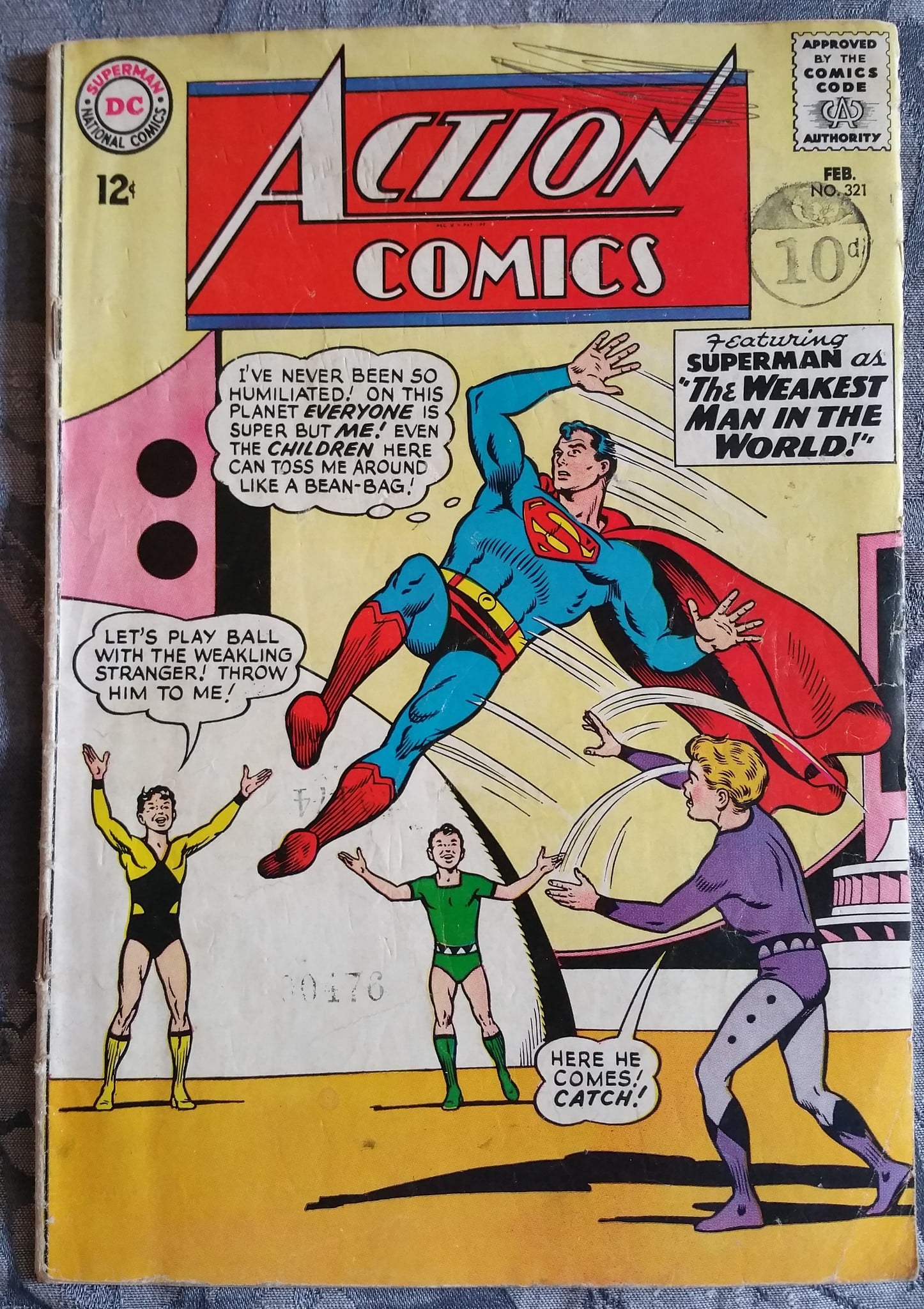
Comic books filled three cardboard boxes in a Phoenix garage sale. Most were from the 1970s and 80s, but buried underneath sat a thin comic with Superman on the cover.
The seller wanted $5 for the whole box. That single comic book — Action Comics #1 from 1938 — sold at auction for $1.2 million.
The buyer kept the rest of the comics too, which probably felt like a nice bonus at that point.
1920s Patek Philippe Minute Repeater
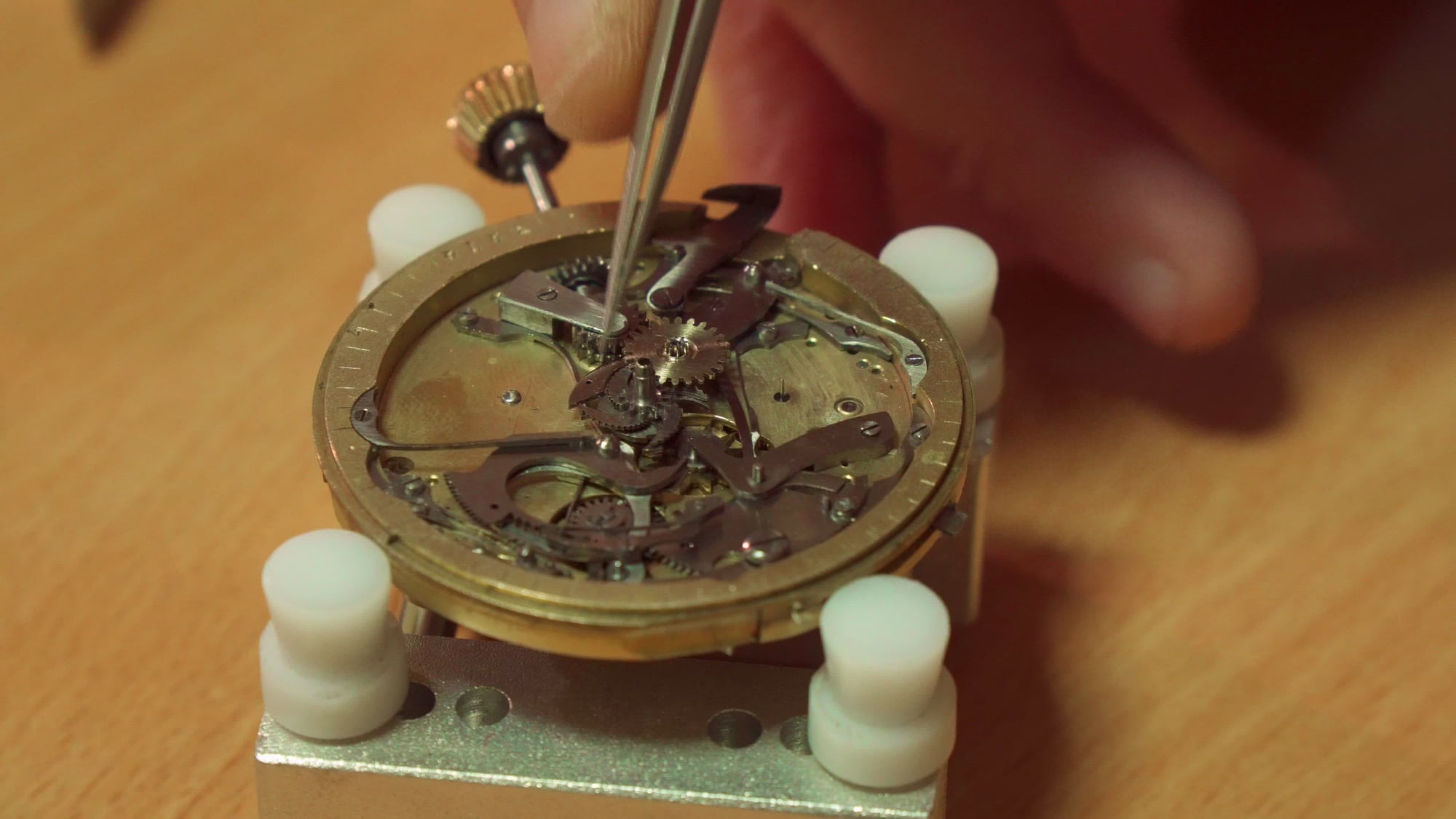
Estate sales attract watch collectors because families often don’t know what they’re selling when someone dies. This particular watch looked old but unremarkable to most people browsing the jewelry case in a Portland estate sale.
The $200 price tag seemed fair for what appeared to be a vintage timepiece. The Patek Philippe minute repeater from 1924, however (and minute repeaters are among the most complicated watch complications ever made), sold for $680,000 when the buyer realized what they’d found.
The watch had spent decades in a dresser drawer, keeping perfect time while its owner never knew they were wearing a small fortune on their wrist.
Qing Dynasty Jade Figurine
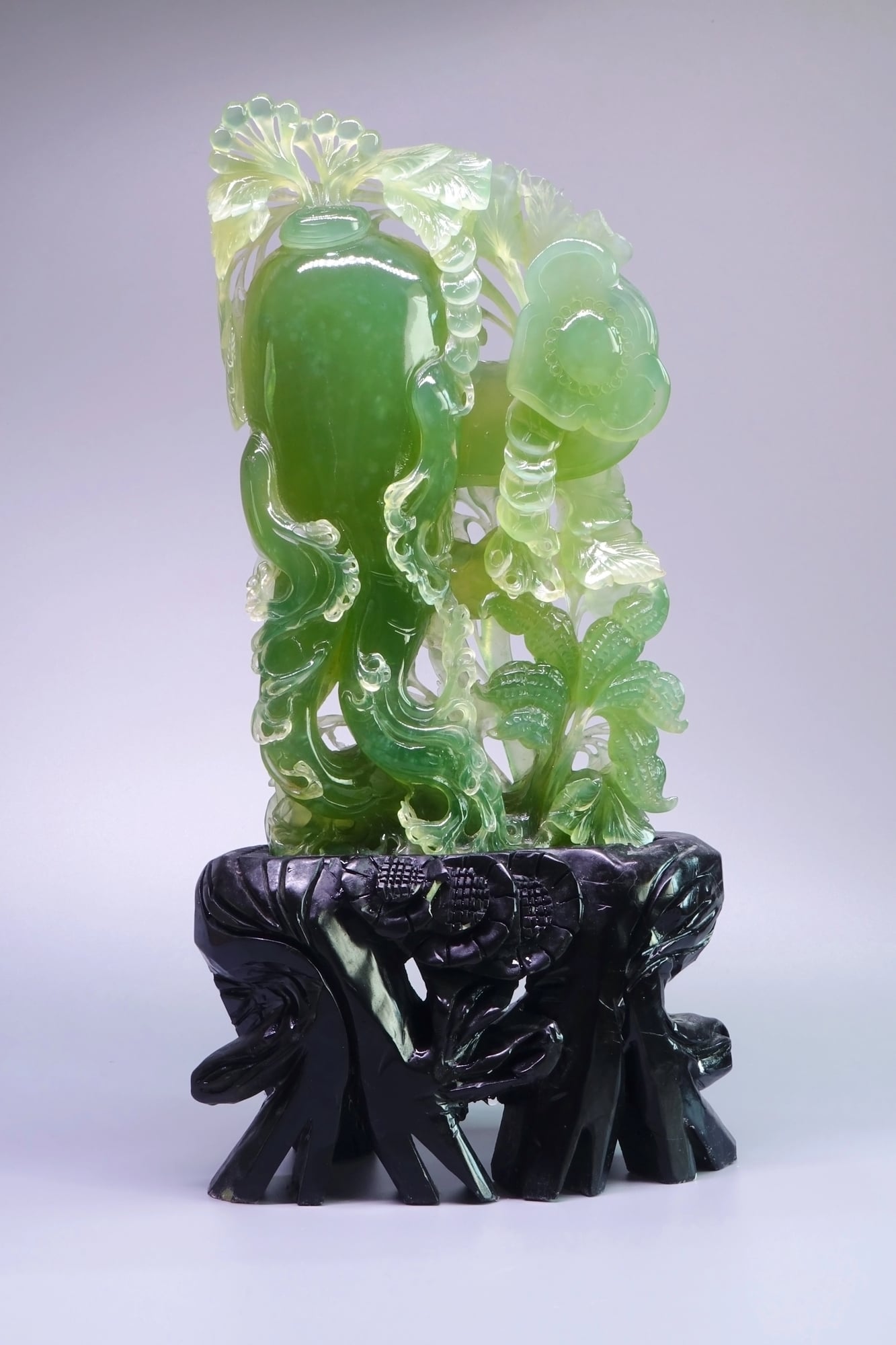
Jade figurines occupy a strange space in estate sales — they could be valuable antiques or tourist shop trinkets, and most people can’t tell the difference. This particular piece sat among other decorative objects on a kitchen counter in a San Francisco estate sale, marked at $15.
The figurine depicted a scholar holding a scroll, carved from pale green jade with incredible detail. It turned out to be from the Qing Dynasty, dating to the 18th century.
The auction result was $340,000. Jade authenticates itself through a combination of carving technique, stone quality, and age patina that takes centuries to develop properly.
Original Pollock Sketch

Art gets tricky at estate sales. Everyone hopes they’ll find the next million-dollar painting, but most of what you see is decorative art or student work.
This sketch looked like someone’s practice drawing — loose, abstract lines on paper in a simple frame. The family selling it thought their relative had made it during an art class.
The $50 price reflected their assessment. Jackson Pollock’s signature in the corner, however, suggested otherwise.
Authentication took months, but the piece sold for $2.1 million. The sketch was a study for one of Pollock’s major drip paintings from 1950.
1963 Ferrari 250 GT Berlinetta

A tarp covered something in the back corner of a Los Angeles garage sale. Underneath sat a dusty red sports car that hadn’t run in decades.
The engine was seized, the interior was cracked, and rust spots marked the body. The asking price was $25,000, which seemed steep for a car that needed complete restoration.
But Ferrari 250 GTs are among the most sought-after vintage cars ever made, and this one turned out to be an original 1963 Berlinetta. After restoration, it sold at Barrett-Jackson for $1.8 million.
Louis XVI Commode
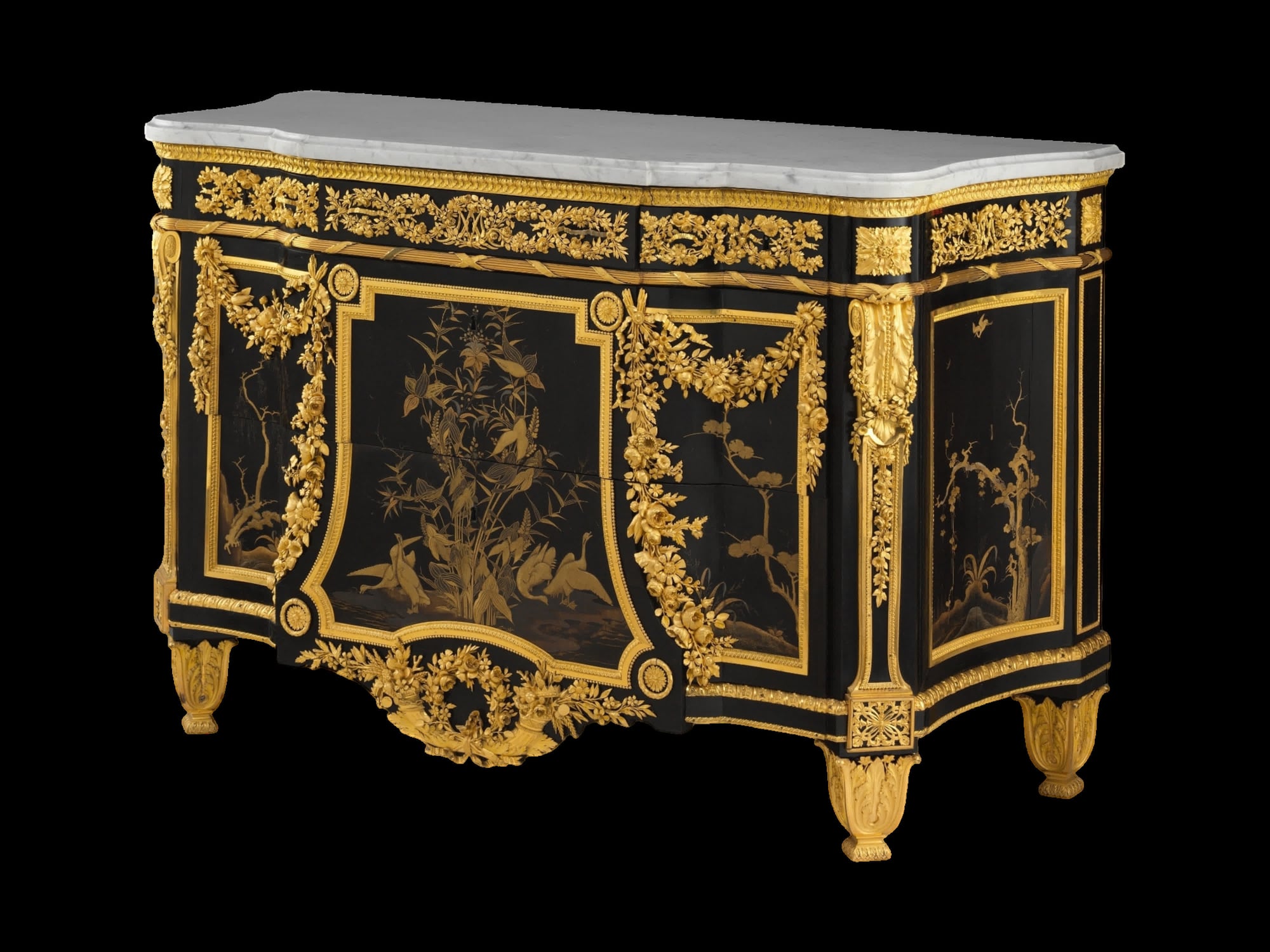
Furniture at estate sales usually comes with stories about grandmother’s dining room or the desk where someone wrote letters. This chest of drawers looked elegant but not extraordinary — nice wood, decent craftsmanship, the kind of piece that might have come from a good furniture store decades ago.
The $800 price tag reflected its apparent quality. The commode turned out to be an original Louis XVI piece from the late 18th century, crafted by a master cabinetmaker whose work now sits in museums (which makes sense, given that French royal furniture from that period represents the absolute pinnacle of decorative arts).
The final auction price hit $450,000, and the buyer got a piece that once furnished a French aristocrat’s bedroom.
Civil War Medal of Honor

Military memorabilia draws collectors to estate sales, though most items are reproductions or common pieces. This particular medal sat in a small display case among other military items from what appeared to be a family’s collection honoring their ancestor’s service.
The $300 asking price seemed reasonable for what looked like a nice Civil War medal. The Medal of Honor, however, was genuine — awarded to a Union soldier who had saved his entire company during the Battle of Gettysburg.
Only about 1,500 Civil War Medals of Honor were ever awarded, and they rarely come to market. This one sold for $750,000.
Cartier Art Deco Bracelet
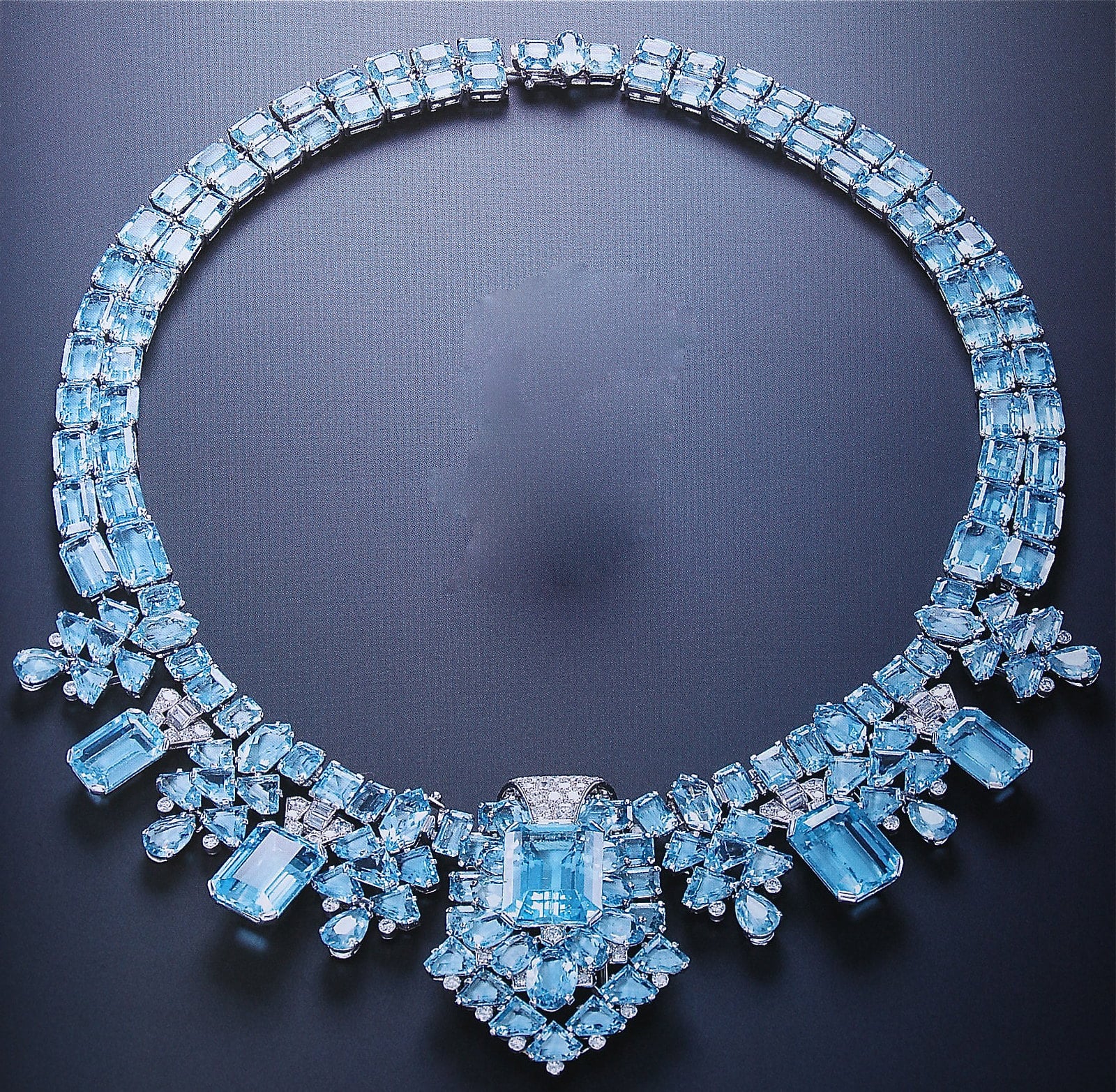
Jewelry boxes at estate sales contain mostly costume pieces mixed with a few genuine items. This bracelet caught someone’s eye because of its geometric design — white gold and diamonds arranged in the sharp, angular style popular in the 1920s.
The $400 price suggested the seller thought it was nice but not spectacular. Cartier’s signature style, though, is unmistakable once someone knows what to look for: the precision of the setting, the quality of the diamonds, the way each element fits together with mathematical perfection.
The bracelet sold at Sotheby’s for $520,000. Art Deco Cartier pieces from that era represent jewelry making at its most sophisticated.
Ming Dynasty Porcelain Vase

Chinese porcelain turns up regularly at estate sales, but distinguishing genuine antiques from modern reproductions requires expertise most people don’t have. This vase sat on a mantelpiece among other decorative objects, priced at $75.
The blue and white design looked traditional, but plenty of recent pieces copy those same patterns. The vase was authentic Ming Dynasty porcelain from the 15th century.
The auction house verified its provenance through glaze analysis and firing techniques that haven’t been used for centuries. Final price: $890,000.
Stradivarius Violin

Musical instruments gather dust at estate sales because families often don’t play what their relatives left behind. This violin case sat among other items in a Minneapolis estate sale, and the instrument inside looked old but unremarkable to most people passing by.
The $500 asking price reflected what seemed like a decent vintage violin. Antonio Stradivarius made this particular instrument in 1721, during what experts consider his golden period.
Only about 650 Stradivarius violins survive today, and each one produces a sound that modern instrument makers still can’t replicate. The violin sold for $3.2 million.
Native American Pottery

Southwestern pottery appears frequently at estate sales, ranging from tourist pieces to genuine Native American artwork. This particular pot had clean lines and traditional geometric patterns, but without obvious markings or provenance, it was hard to assess.
The $125 price tag suggested the seller viewed it as decorative pottery rather than fine art. The piece turned out to be the work of Maria Martinez, the legendary San Ildefonso Pueblo potter whose black-on-black ceramics revolutionized Native American pottery in the early 20th century (and her work is considered among the finest examples of indigenous American art).
The pot sold at auction for $410,000. Martinez’s pieces are recognizable by their distinctive firing techniques and the mathematical precision of their painted designs.
Rolex Daytona Paul Newman
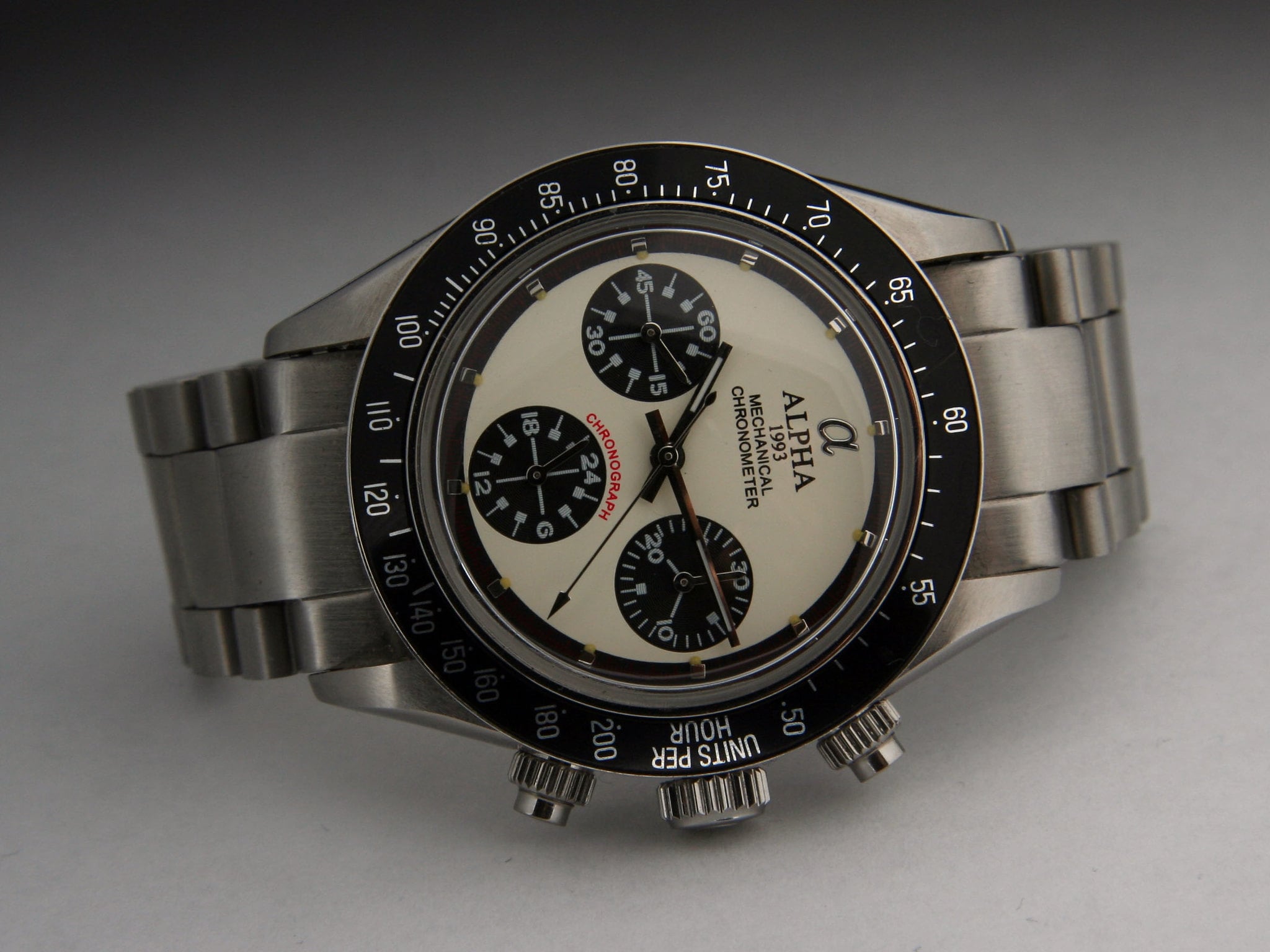
Vintage watches create feeding frenzies at estate sales because the market has exploded in recent years. This particular watch looked like a standard Rolex from the 1970s — white dial, three subdials, decent condition but nothing spectacular.
The $1,200 asking price seemed fair for a vintage Rolex that needed service. The watch was a Rolex Daytona with what collectors call a “Paul Newman” dial — an extremely rare variant that the actor made famous.
These watches are among the most coveted timepieces ever made. This one sold for $780,000.
Chippendale Mahogany Secretary
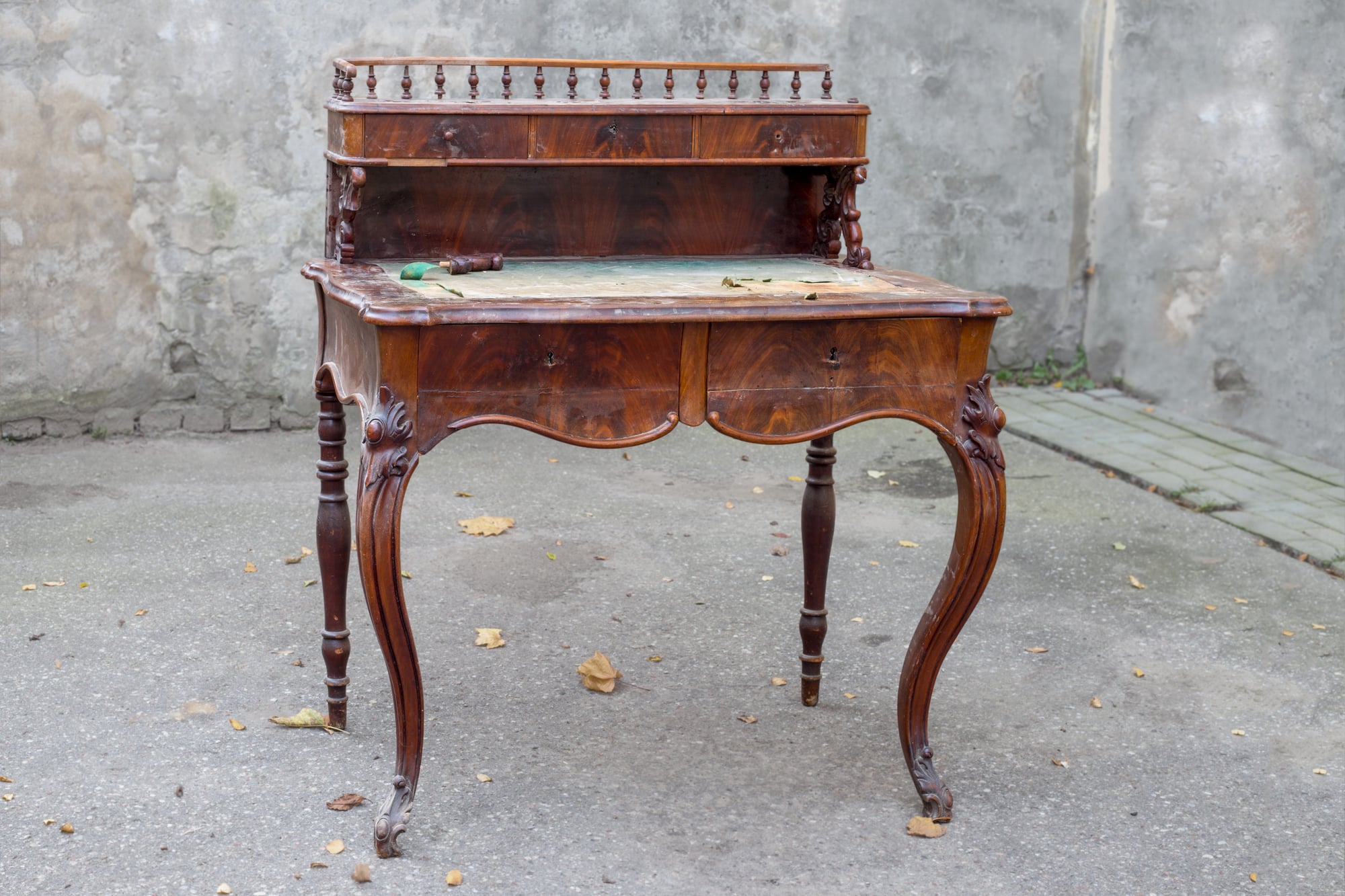
English furniture from the 18th century shows up occasionally at estate sales, though most pieces are later reproductions. This secretary desk had the right proportions and wood grain, but without clear provenance, it was priced as a nice antique rather than a museum piece.
The $2,500 asking price reflected its apparent quality. Authentication revealed it as an original Thomas Chippendale piece from 1760, complete with the intricate carving and joinery techniques that made Chippendale furniture legendary.
The desk sold for $650,000 at Bonhams. Genuine Chippendale pieces are incredibly rare outside of major museums and private collections.
Basquiat Drawing

Contemporary art can be the hardest category to evaluate at estate sales because authentication requires specialized knowledge. This drawing looked like something an art student might have created — bold lines, urban imagery, the kind of work that fills coffee shops and student exhibitions.
It was priced at $200, reflecting the seller’s assessment of it as interesting but amateur work. Jean-Michel Basquiat’s signature in the corner told a different story.
The drawing was an early work from 1982, created during Basquiat’s transition from street art to gallery representation. It sold for $1.4 million.
Depression Glass Collection
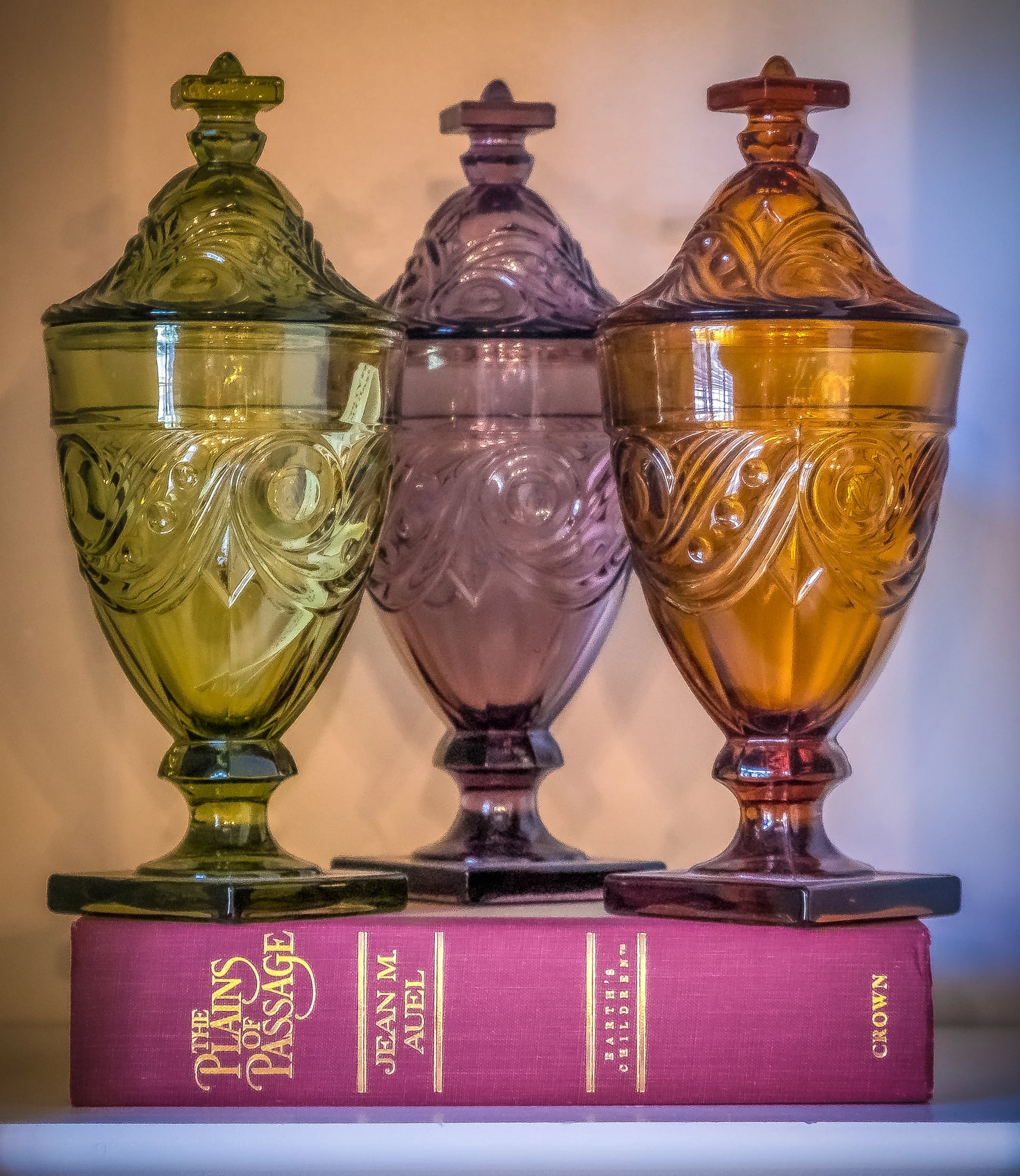
Glassware collections often get broken up at estate sales because complete sets are hard to move. This collection stayed together — dozens of pieces in various shades of green, pink, and amber.
The patterns looked like the Depression glass that many American families owned, and the $300 price for the entire collection reflected that assessment. The pieces turned out to be extremely rare patterns from manufacturers that only operated for a few years in the 1930s.
Collectors competed aggressively for the complete collection, which sold for $85,000.
Alexander Calder Mobile

Modern sculptures puzzle people at estate sales because their value isn’t immediately obvious. This mobile hung in a corner of a Connecticut estate sale, red and black metal shapes balanced on thin wires.
It looked like the kind of abstract art that some people love and others find baffling. The $750 asking price suggested the seller viewed it as decorative art by an unknown artist.
Alexander Calder invented the mobile as an art form, and his pieces hang in major museums worldwide (his work represents a perfect fusion of engineering and artistic vision that few artists have ever achieved). This mobile sold for $920,000.
Calder’s pieces are instantly recognizable once someone knows his style — the balance is always perfect, and the movement never stops being mesmerizing.
Lalique Glass Bowl

French art glass appears regularly at estate sales, but René Lalique’s work requires expert identification. This bowl had the frosted finish and nature-inspired design typical of early 20th-century decorative glass.
The $150 price reflected its apparent status as a nice piece of vintage glassware. Lalique’s signature style, however, combines technical perfection with artistic vision in ways that other glassmakers couldn’t match.
This particular bowl was a rare design from 1925, and it sold for $380,000. Lalique pieces from that period represent Art Deco design at its most refined.
Confederate States Bond
Paper collectibles get overlooked at estate sales because they don’t look valuable. This bond certificate sat in a folder with other family documents, priced at $25 for the entire collection.
Most Civil War bonds are worthless as financial instruments and worth very little as collectibles. This particular bond was issued by the State of Alabama in 1863 and signed by Jefferson Davis personally.
Only a handful of these bonds exist, and they represent one of the few financial instruments actually signed by the Confederate president. The bond sold for $125,000.
Tiffany Studios Lily Pad Lamp
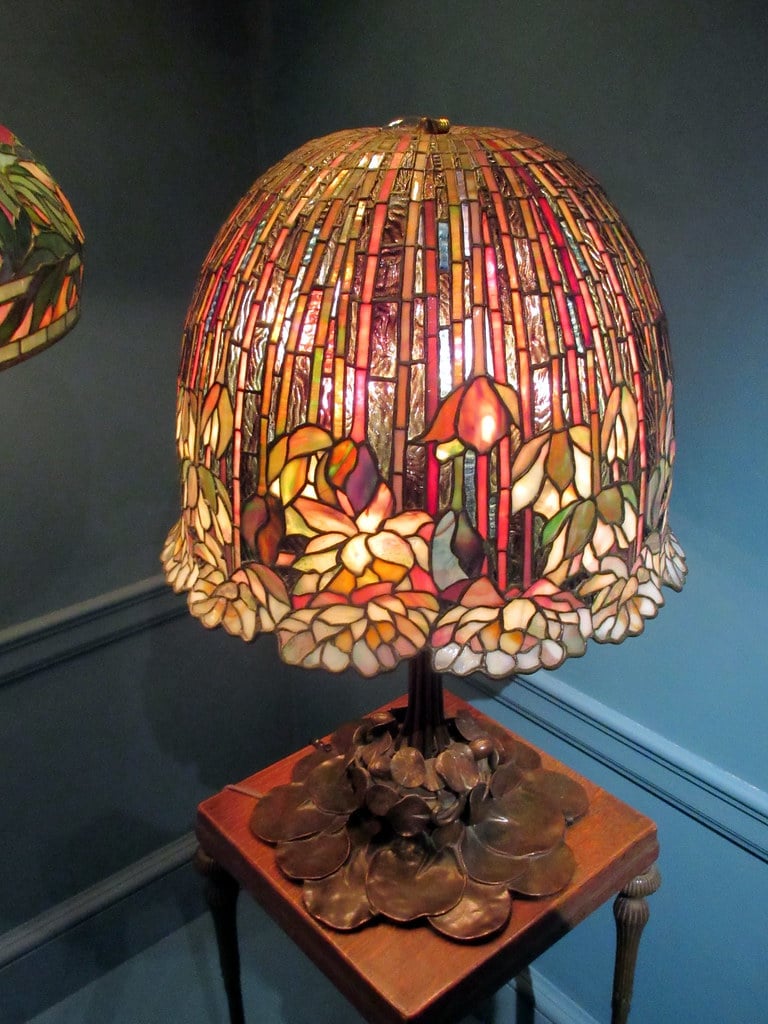
Art glass lamps from the early 1900s show up frequently at estate sales, though most are reproductions or lesser makers copying Tiffany’s style. This lamp had the right aesthetic — bronze base with a glass shade in natural motifs.
The $400 asking price suggested the seller thought it was a nice vintage lamp but nothing special. Louis Comfort Tiffany’s studios produced the most sophisticated art glass of the period, and this lily pad design was among their finest work.
The lamp sold for $650,000. Tiffany pieces authenticate themselves through their construction techniques and the quality of glass that other makers couldn’t replicate.
Revolutionary War Musket

Military collectors scan estate sales for genuine historical weapons, though most old guns are later reproductions or hunting rifles. This musket looked appropriately old, with the kind of wear that suggested actual use rather than modern distressing.
The $800 asking price reflected its apparent age and condition. The musket was a Brown Bess used by Continental forces during the Revolutionary War, complete with period modifications and battle damage.
Weapons that saw action in the Revolutionary War are extremely rare, and this one sold for $290,000.
Art Nouveau Silver Tea Service
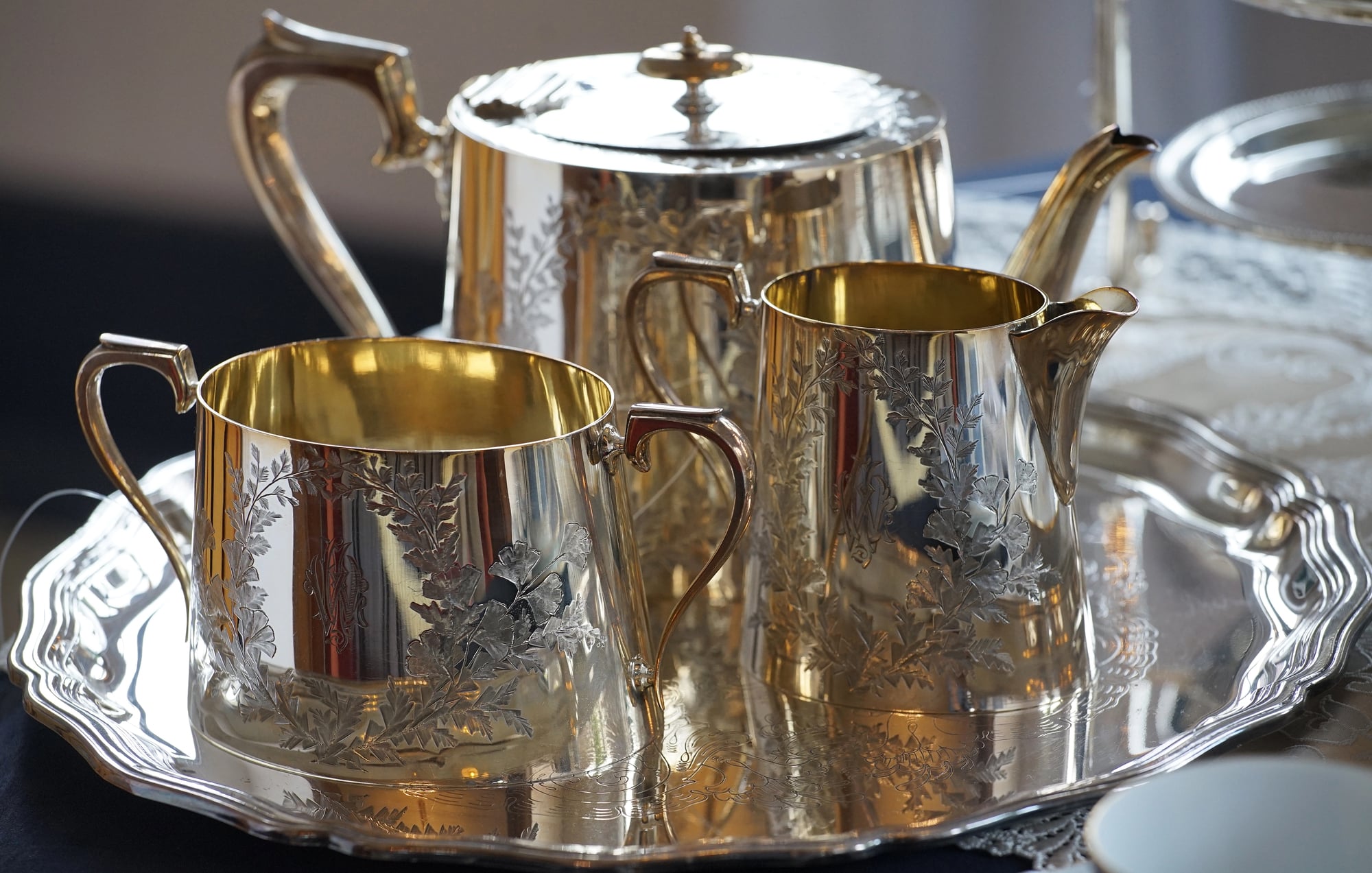
Silver sets at estate sales usually represent family heirloom pieces from department stores or jewelry shops. This tea service had the flowing, organic lines characteristic of Art Nouveau design, but without clear maker’s marks, it was priced as a nice vintage silver set.
The $600 asking price reflected its apparent quality and age. The service was crafted by Georg Jensen, the Danish silversmith whose work defined Art Nouveau metalwork.
Jensen pieces from the early 1900s are among the finest examples of decorative silver ever made. This set sold for $420,000.
Chinese Scroll Painting
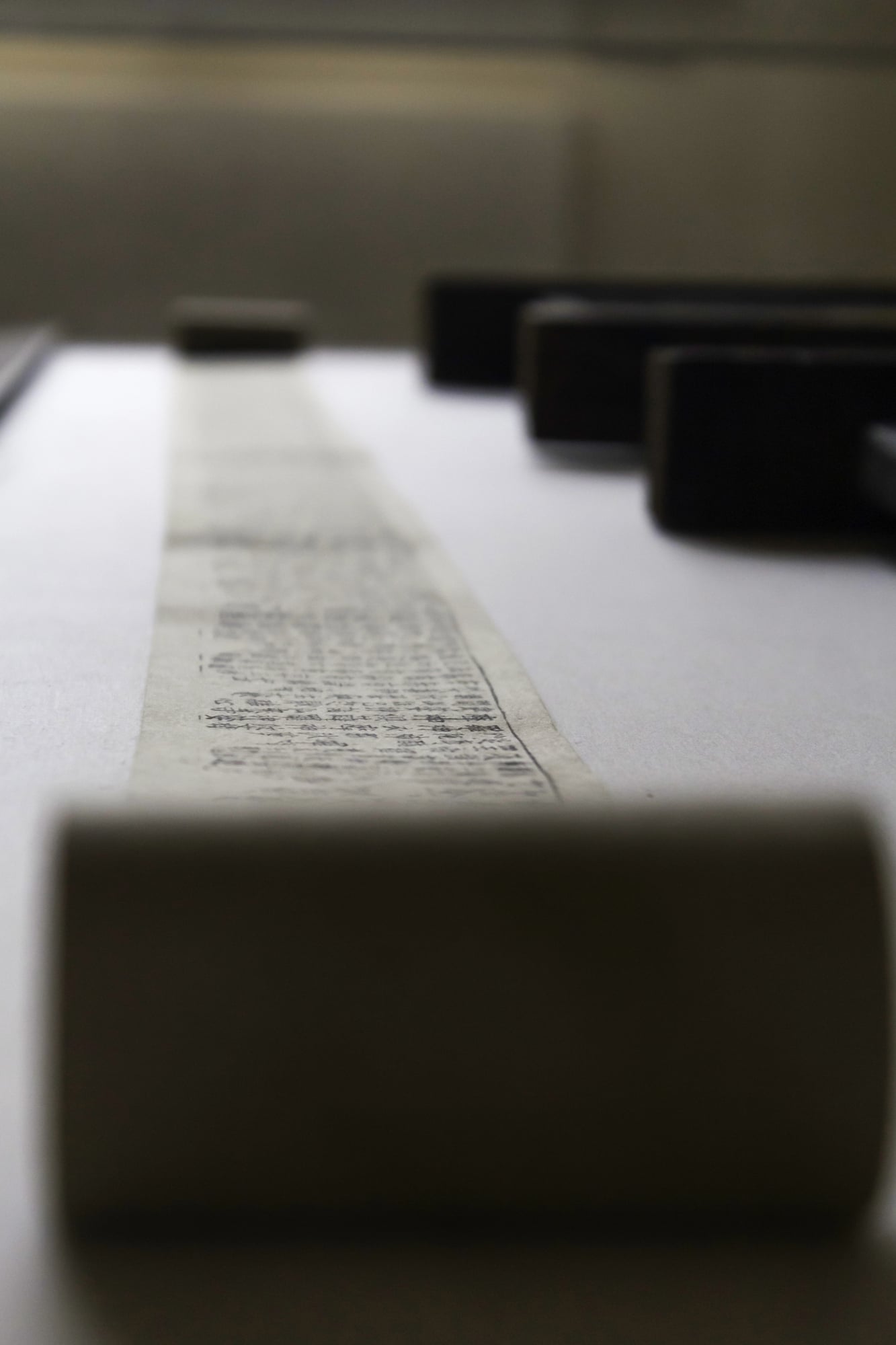
Asian artwork at estate sales ranges from tourist pieces to museum-quality antiques, and most people can’t tell the difference. This scroll painting depicted a mountain landscape in traditional ink and color on silk.
The composition looked skilled, but plenty of modern artists work in traditional styles. It was priced at $200, reflecting uncertainty about its age and authorship.
The painting was attributed to Dong Qichang, a master painter from the Ming Dynasty whose work influences Chinese landscape painting to this day. The scroll sold for $1.1 million.
Fabergé Easter Egg

Decorative eggs appear regularly at estate sales, though genuine Fabergé pieces are extraordinarily rare. This egg had intricate enamel work and what appeared to be genuine gemstones, but Fabergé reproductions have fooled collectors for decades.
The $500 asking price suggested the seller thought it was a high-quality reproduction. Authentication revealed it as a genuine Fabergé piece, one of the smaller eggs made for wealthy clients rather than the imperial family.
Even non-imperial Fabergé eggs represent the pinnacle of decorative arts. This one sold for $850,000.
Frank Lloyd Wright Chair
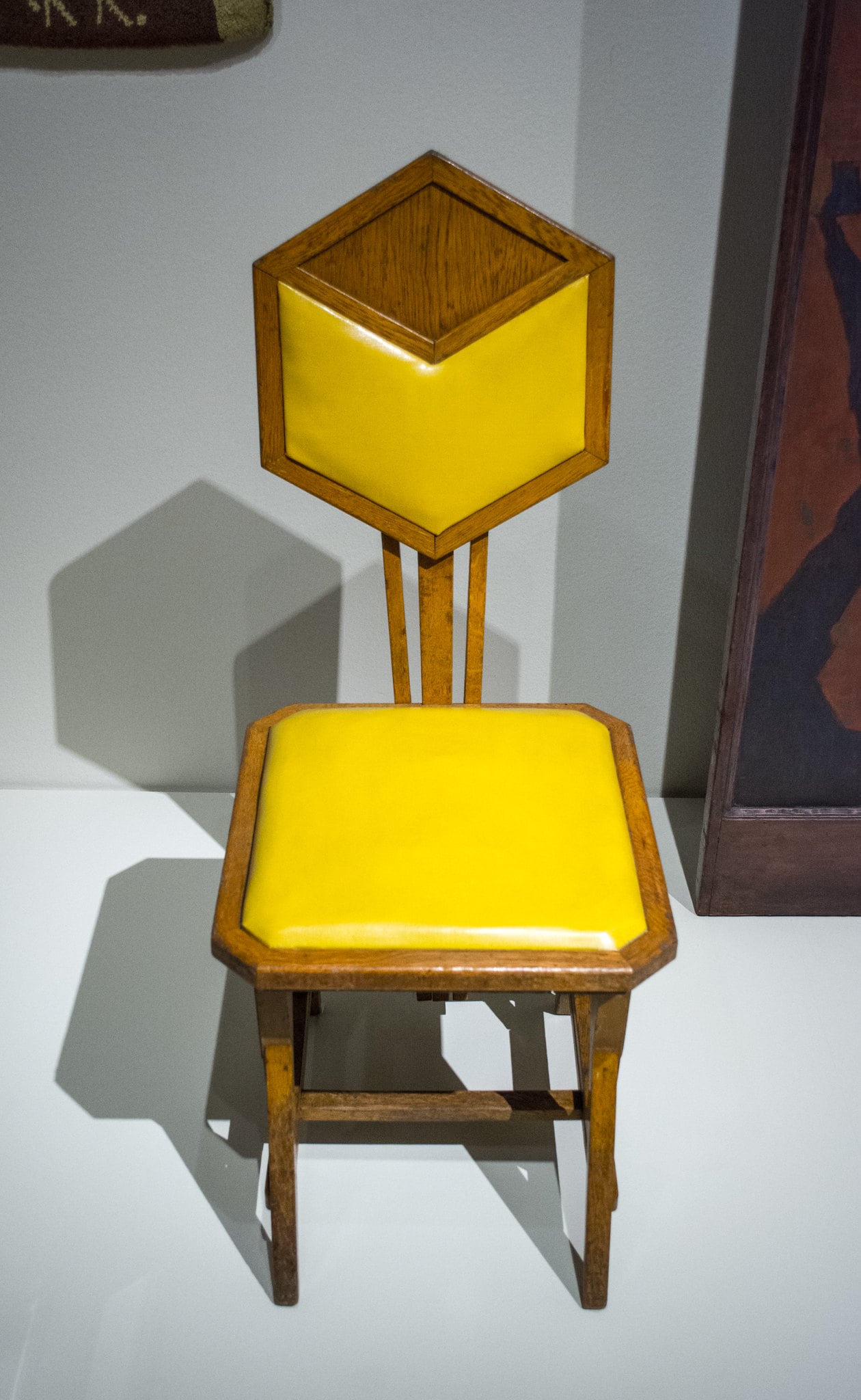
Mid-century modern furniture draws crowds at estate sales, but Wright pieces are rare enough that most people have never seen one. This chair had clean lines and the geometric aesthetic associated with Wright’s designs, but without provenance, it was priced as a nice example of period furniture.
The $300 asking price reflected its apparent quality and age. Wright designed this chair specifically for one of his prairie houses in 1908, and fewer than a dozen examples exist.
Wright furniture represents architecture translated into functional objects. The chair sold for $320,000.
Jackson Pollock Paint Can

Art ephemera creates puzzles at estate sales because its value depends entirely on provenance. This paint can looked like something from any artist’s studio — dried paint around the rim, a label that had seen better days, the kind of thing that usually gets thrown away.
It was priced at $10, reflecting its apparent status as studio debris. The can belonged to Jackson Pollock and contained the actual paint he used for several of his famous drip paintings (which makes it both a relic of the artistic process and a piece of art history in its own right).
The paint can sold for $75,000, proving that sometimes the tools matter as much as the finished product.
The Stories That Matter Most

Estate sales remind us that value hides in unexpected places. Every item in these stories spent years or decades being overlooked, sitting quietly in someone’s home while its true worth remained invisible.
The lamp was just a lamp until someone recognized Tiffany’s craftsmanship. The comic book was just part of a box deal until someone noticed the date.
These discoveries happen because someone took the time to look carefully, to notice details that others missed, to consider possibilities beyond the obvious. The real treasure isn’t always the money these items brought at auction — it’s the reminder that history surrounds us, waiting patiently for someone to see it clearly.
More from Go2Tutors!

- The Romanov Crown Jewels and Their Tragic Fate
- 13 Historical Mysteries That Science Still Can’t Solve
- Famous Hoaxes That Fooled the World for Years
- 15 Child Stars with Tragic Adult Lives
- 16 Famous Jewelry Pieces in History
Like Go2Tutors’s content? Follow us on MSN.