18 Vintage Ads with Totally Wild Claims
Looking back at old advertisements is like opening a time capsule filled with questionable health advice, bizarre product promises, and marketing tactics that would make today’s regulators faint. These vintage ads didn’t just stretch the truth—they launched it into orbit with claims so outrageous they’re almost impressive in their audacity.
The golden age of advertising was truly wild, with companies making promises that ranged from mildly misleading to downright dangerous. Here’s a list of 18 vintage ads that showcase just how far marketers were willing to go to sell their products.
Cocaine Toothache Drops
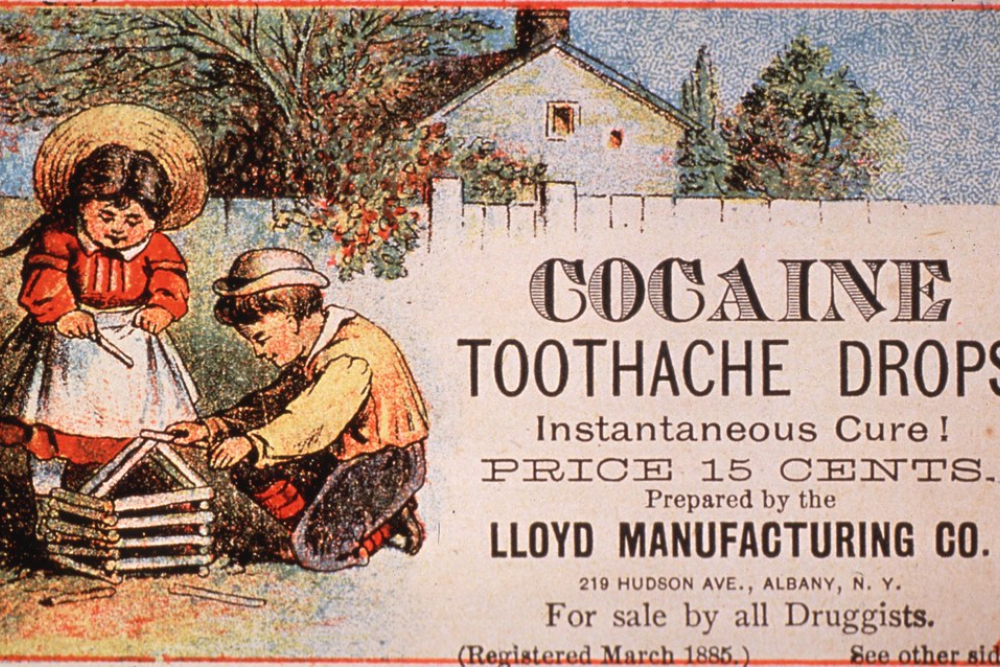
Lloyd Manufacturing Company’s cocaine toothache drops were marketed as an ‘instantaneous cure’ for dental pain in the 1880s. The ads cheerfully proclaimed that these drops would provide immediate relief for children and adults alike, complete with illustrations of happy families.
What they didn’t mention was that cocaine was, well, cocaine—a highly addictive substance that happened to numb pain temporarily while creating much bigger problems.
Lysol Feminine Hygiene
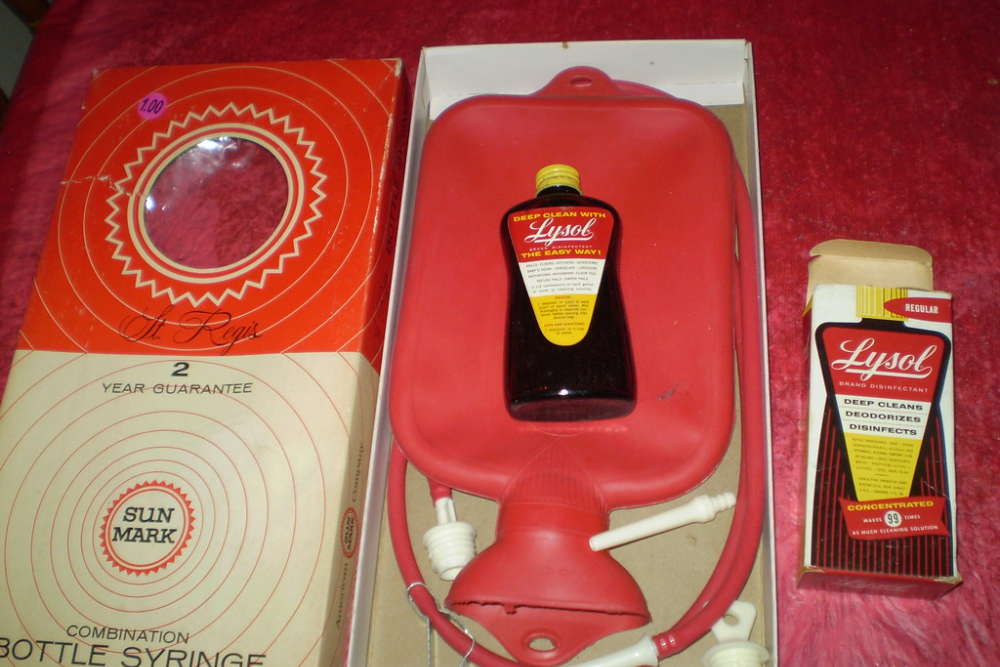
Lysol disinfectant was marketed to women in the 1920s and 1930s as a feminine hygiene product that would preserve marital happiness. The ads suggested that using this harsh household cleaner internally would prevent ‘calendar fears’ and keep husbands from straying.
These advertisements were not only medically dangerous but also played on women’s insecurities about their relationships and bodies.
Like Go2Tutors’s content? Follow us on MSN.
Radium Water
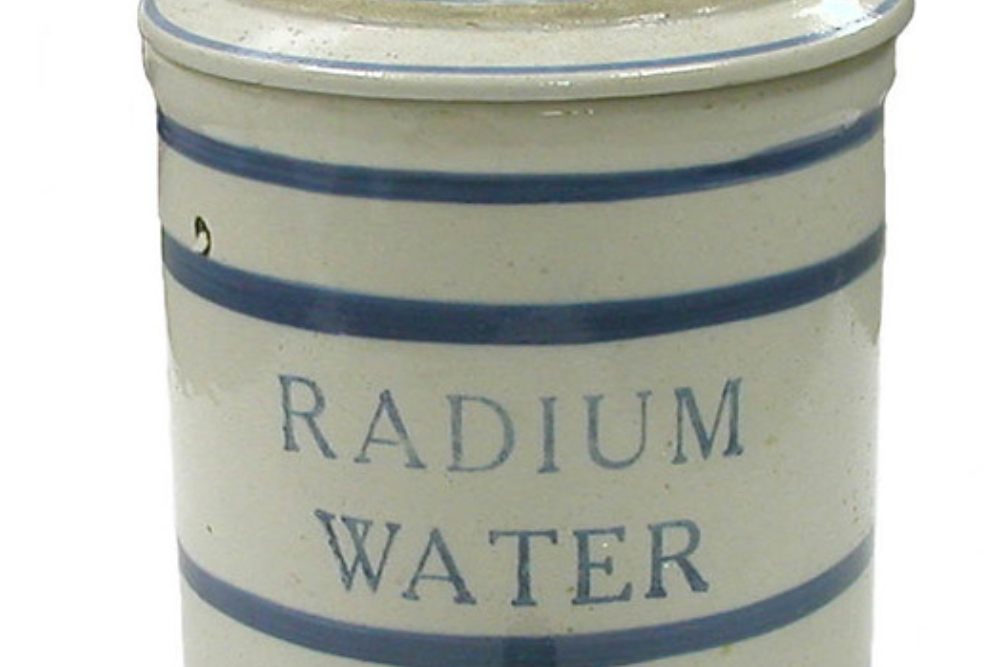
Radithor was a popular health tonic in the 1920s that contained actual radium, marketed as a cure-all for everything from arthritis to impotence. The ads claimed that radioactivity was nature’s way of providing energy and vitality to tired bodies.
Unfortunately, radium poisoning killed several prominent users, including a wealthy socialite whose jaw literally fell off after years of drinking the stuff.
Tapeworm Diet Pills

Victorian-era diet pills actually contained live tapeworm eggs, promising effortless weight loss without dietary changes. The advertisements boasted that customers could ‘eat all they wanted’ while the tapeworms did the work of keeping them slim.
This horrifying approach to weight management could lead to serious intestinal blockages, malnutrition, and in some cases, death when the parasites spread to other organs.
Arsenic Complexion Wafers
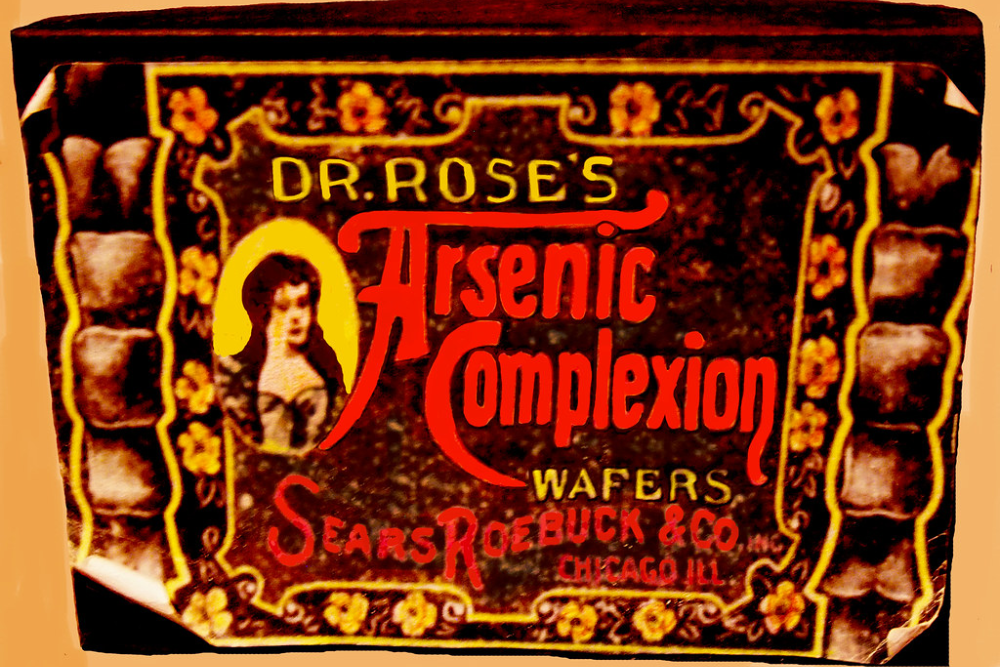
Dr. Campbell’s Arsenic Complexion Wafers promised to give women a perfect, pale complexion that was fashionable in the late 1800s. The ads featured beautiful women testimonials claiming these arsenic-laced tablets cleared their skin and gave them a coveted porcelain appearance.
Long-term use led to arsenic poisoning, which ironically caused the exact opposite effect—dark spots, hair loss, and severe skin problems.
Like Go2Tutors’s content? Follow us on MSN.
Sears Electric Belt
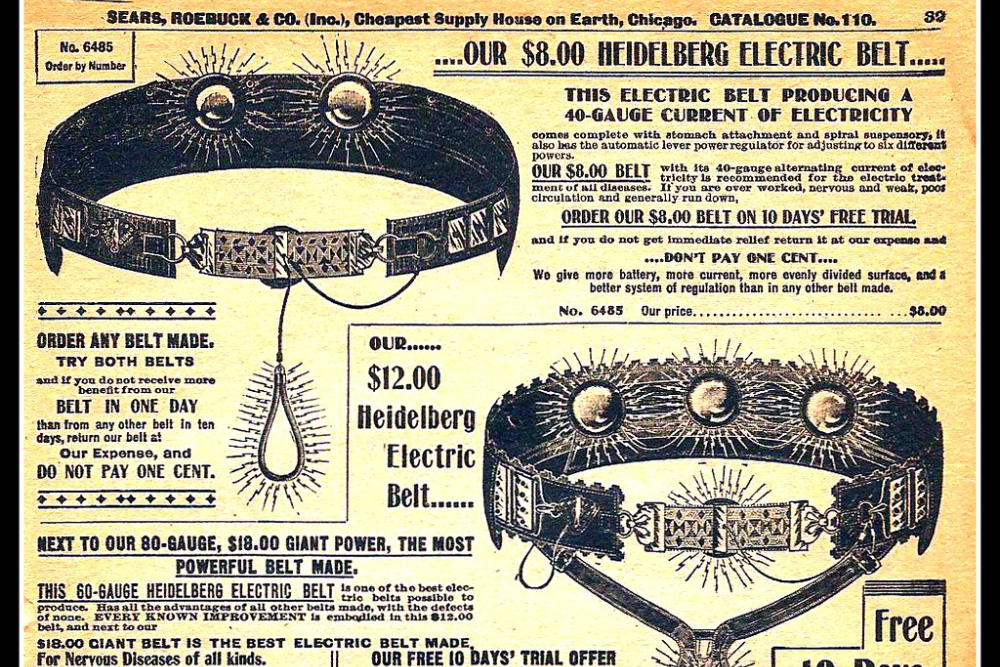
The Heidelberg Electric Belt was advertised as a cure for ‘weak men’ suffering from various ailments including nervous exhaustion and kidney problems. Sears catalogs in the early 1900s claimed this battery-powered belt would restore masculine vigor through electrical currents applied to the body.
The device was essentially a low-voltage battery pack that provided nothing more than a mild tingle and false hope.
Bayer Heroin
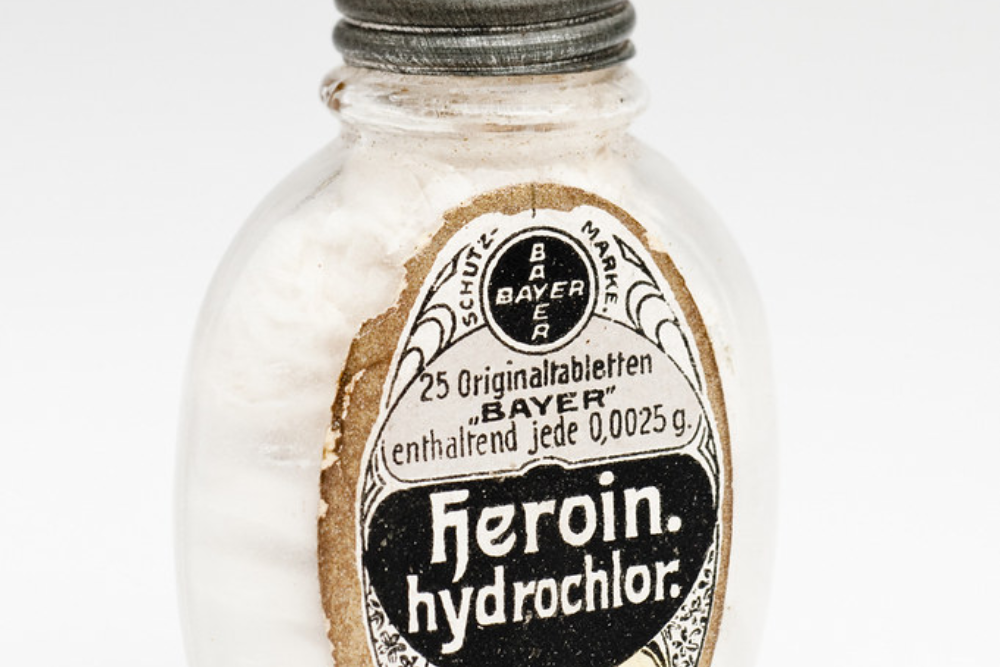
Bayer pharmaceutical company marketed heroin as a cough suppressant and pain reliever in the 1890s, claiming it was safer and less addictive than morphine. Their advertisements featured elegant packaging and professional endorsements, positioning heroin as a modern medical breakthrough for respiratory ailments.
The company continued this marketing until they realized that heroin was actually more addictive than the morphine it was supposed to replace.
Vin Mariani Coca Wine
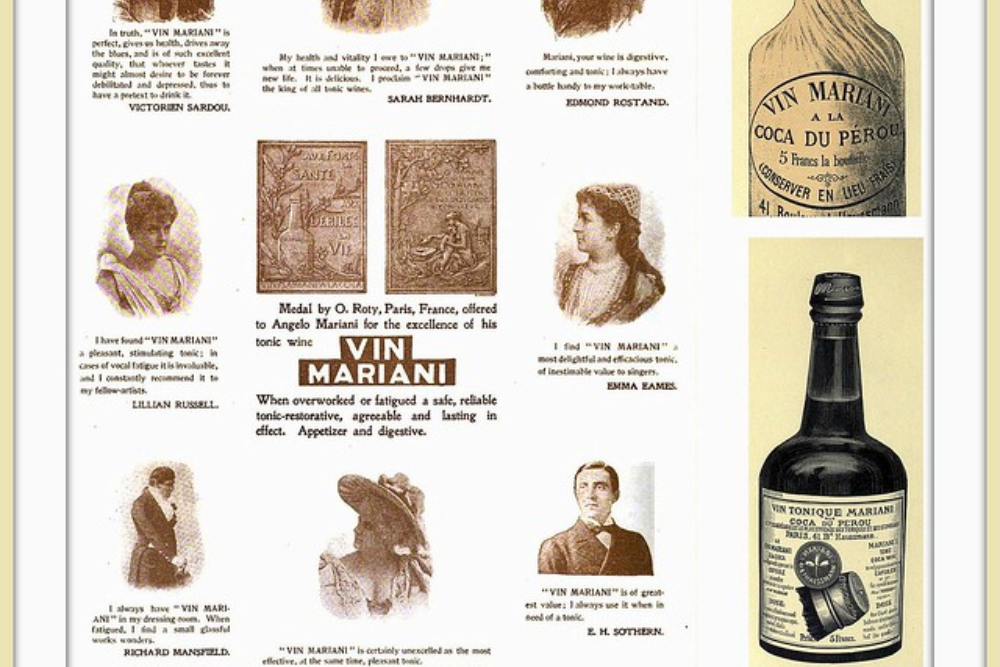
This popular tonic wine contained cocaine extracted from coca leaves and was endorsed by celebrities, popes, and world leaders in the late 1800s. The advertisements claimed it provided energy, cured depression, and enhanced mental clarity while being perfectly safe for daily consumption.
Pope Leo XIII even appeared in testimonials, and the product inspired the creation of Coca-Cola, though thankfully with the cocaine removed.
Like Go2Tutors’s content? Follow us on MSN.
Camel Tobacco and Doctors
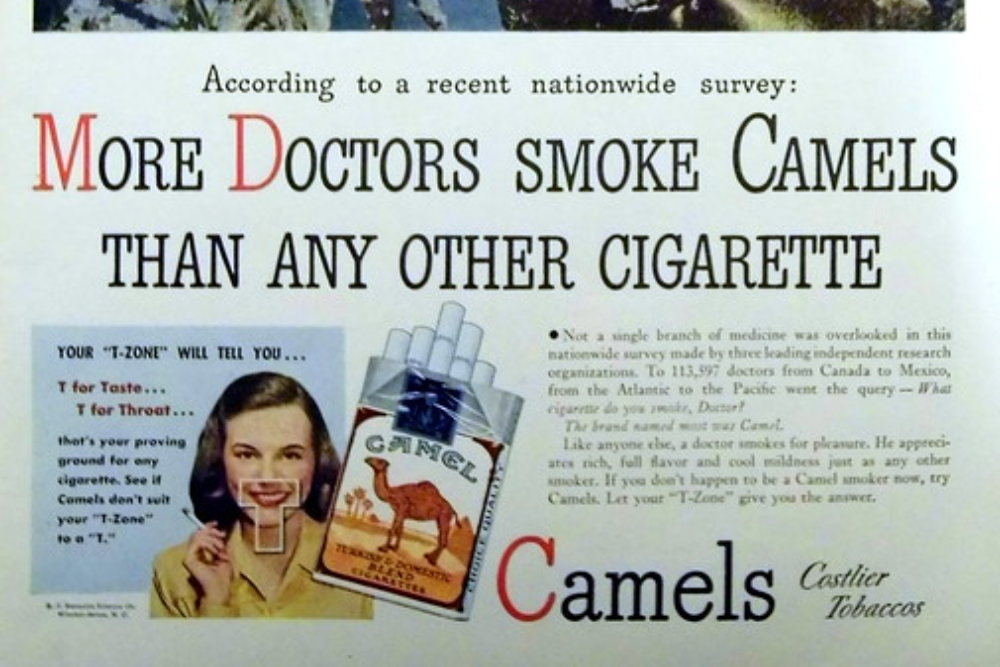
R.J. Reynolds ran extensive advertising campaigns in the 1940s and 1950s claiming that ‘more doctors choose Camels than any other tobacco.’ These ads featured men in white coats with stethoscopes, suggesting that medical professionals endorsed the health benefits of their particular brand.
The tobacco company had actually surveyed doctors at medical conventions where Camels were given away for free, creating a completely misleading statistical foundation.
Mrs. Winslow’s Soothing Syrup
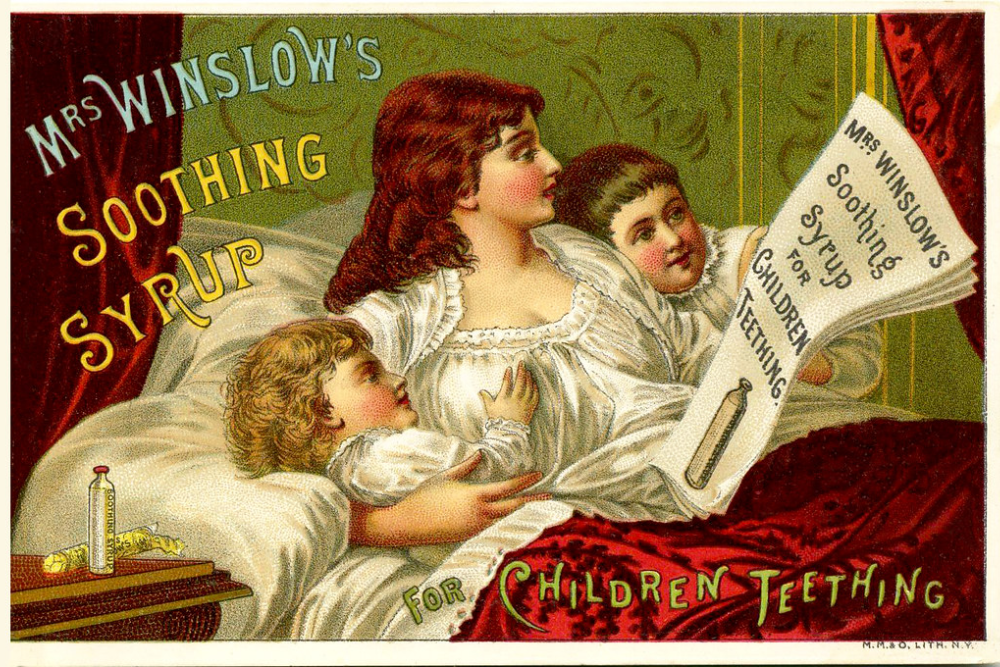
This popular children’s remedy contained morphine and alcohol, marketed to parents as a safe way to calm fussy babies and help them sleep. The Victorian-era advertisements promised that the syrup would soothe teething pain and provide peaceful nights for the whole family.
Thousands of infants died from overdoses of this ‘harmless’ remedy, leading to increased regulation of patent medicines.
Carbolic Smoke Ball
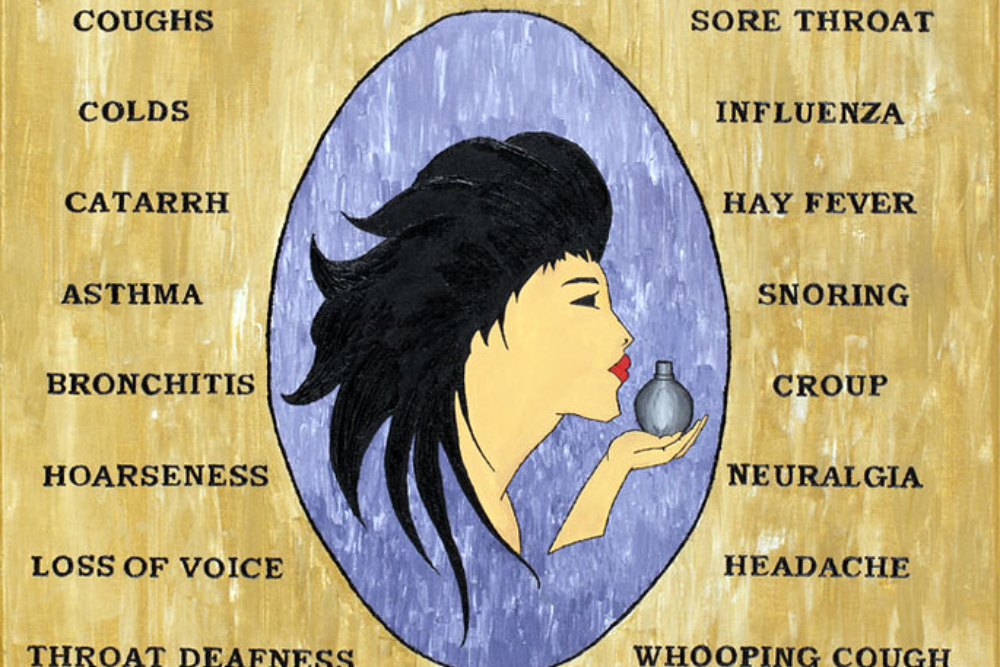
The Carbolic Smoke Ball Company claimed their product would prevent influenza, colds, and other respiratory diseases, even offering a £100 reward to anyone who got sick after using it properly. Their 1890s advertisements featured testimonials and bold guarantees about the device’s effectiveness against various ailments.
One customer actually caught the flu and sued for the reward money, creating a famous legal case that established important precedents in contract law.
Like Go2Tutors’s content? Follow us on MSN.
Alcohologist Hair Tonic
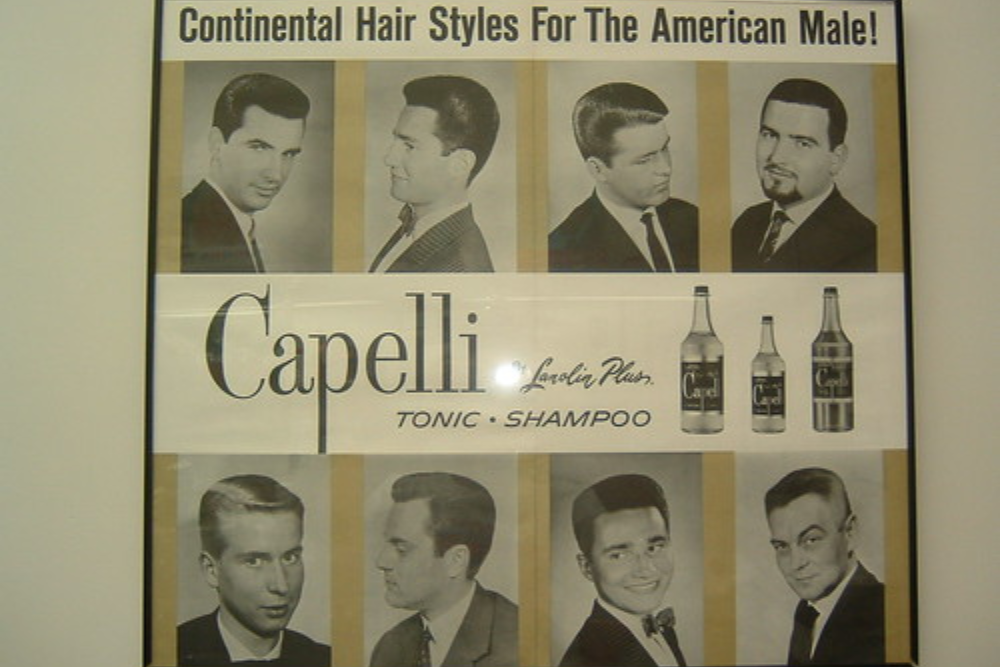
This hair restoration product contained enough ethyl alcohol to get users intoxicated, marketed as a scientific breakthrough in follicle stimulation. The ads from the early 1900s claimed that alcohol applied to the scalp would increase blood circulation and guarantee hair regrowth within weeks.
Men were essentially paying premium prices for what amounted to rubbing alcohol with a fancy label and outrageous promises.
Revigator Radium Water Jar
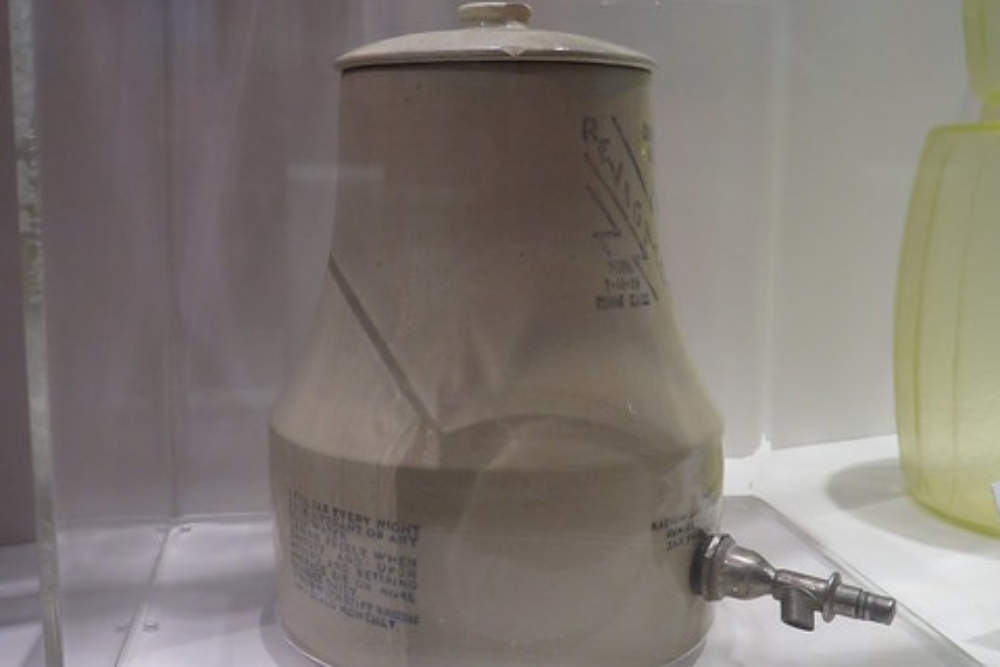
The Revigator was a ceramic crock lined with radium that was supposed to charge ordinary water with healthful radioactivity overnight. Advertisements from the 1920s claimed that drinking radium-infused water would cure everything from arthritis to mental fatigue.
Families would fill these containers each evening, unknowingly exposing themselves to dangerous levels of radiation that caused cancer and other serious health problems.
Patent Medicine Cocaine Drops
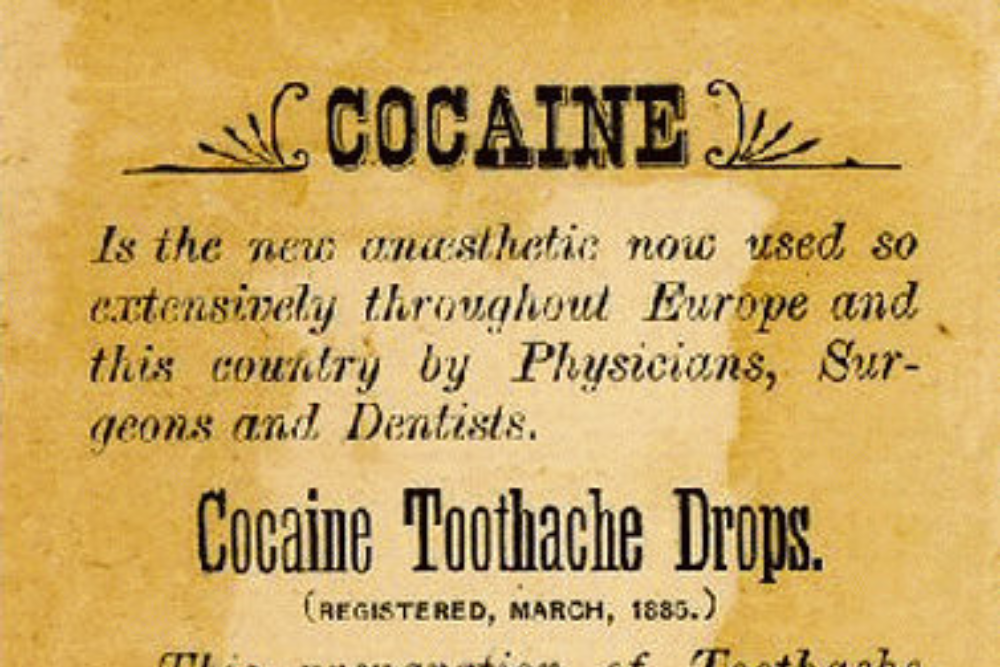
Various patent medicine companies sold cocaine-laced cough drops and cold remedies, advertising them as safe alternatives to alcohol-based tonics. These turn-of-the-century ads often featured children and claimed the products were endorsed by physicians and pharmacists.
The drops did suppress coughs temporarily by numbing the throat, but they also created cocaine addiction in unsuspecting customers who thought they were taking harmless medicine.
Like Go2Tutors’s content? Follow us on MSN.
Violet Ray Machines
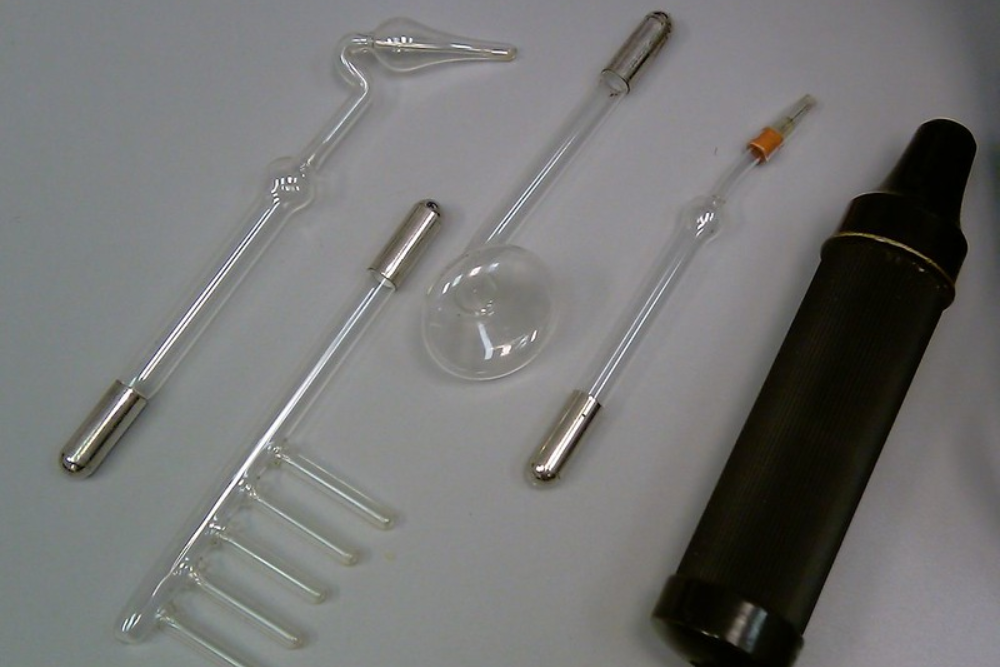
These electrical devices were marketed as home medical equipment that could cure everything from baldness to paralysis through violet-colored electrical discharges. The elaborate advertisements from the 1920s showed families gathered around these machines, treating various ailments with electrical current applied directly to the skin.
The devices were essentially elaborate static electricity generators that provided impressive light shows but no actual medical benefits.
Dr. Scott’s Electric Corset
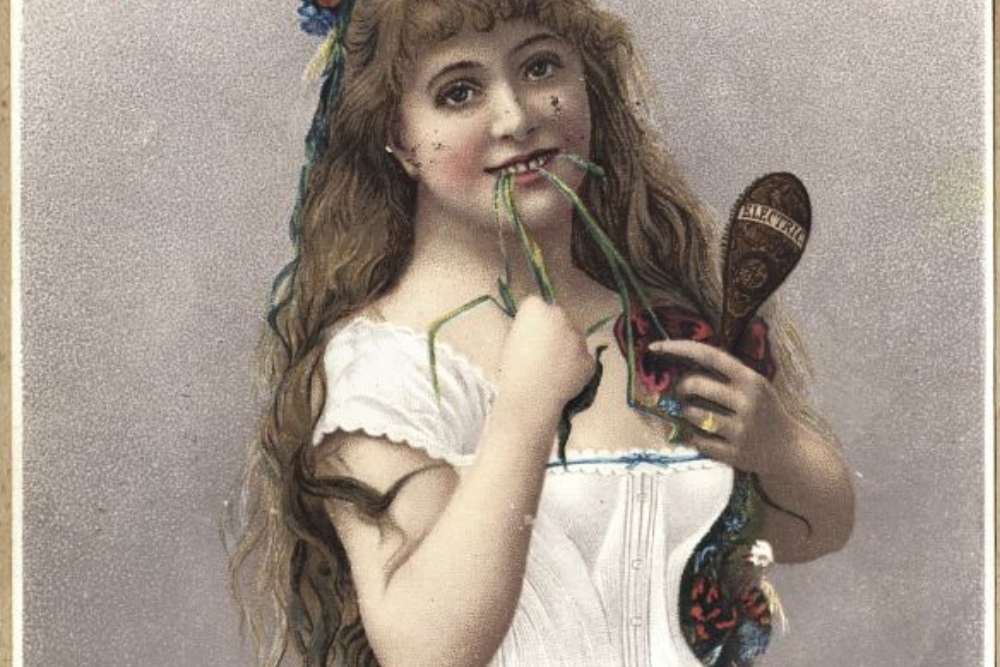
This bizarre garment contained metal strips that were supposed to generate therapeutic electrical currents when worn against the skin. Victorian advertisements claimed the electric corset would cure back pain, improve posture, and provide energy throughout the day.
Women who wore these contraptions experienced nothing more than metal rubbing against their bodies, though the placebo effect probably convinced some that they felt more energetic.
Cocaine Wine Tonics
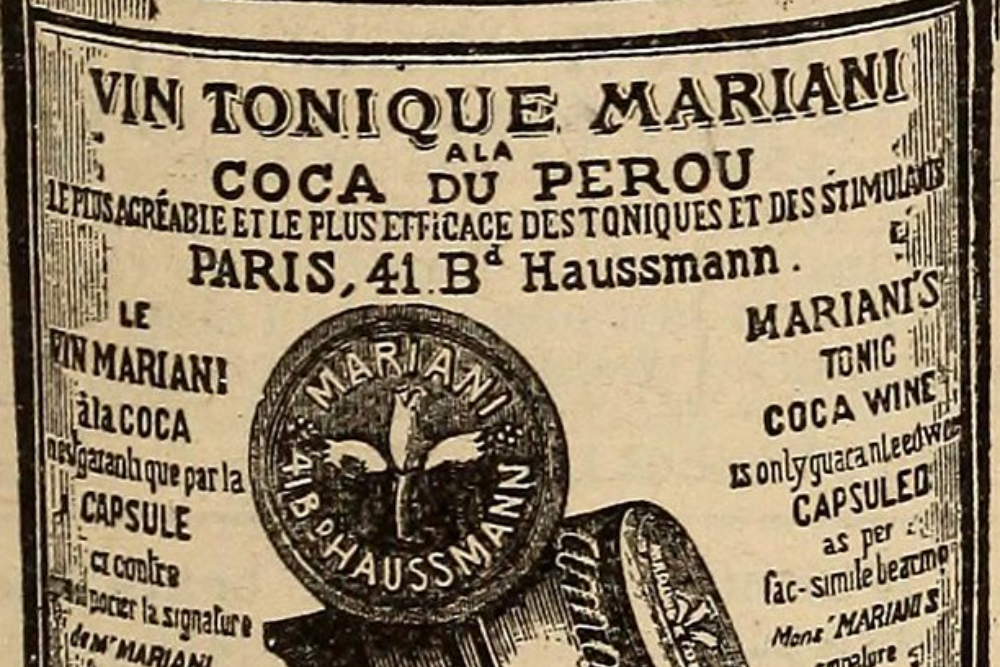
Numerous companies produced wine fortified with cocaine, marketing these products as sophisticated alternatives to patent medicines. The advertisements featured elegant Victorian ladies and gentlemen enjoying these tonics at social gatherings, emphasizing their respectability and refined nature.
These products were particularly popular among the upper classes until cocaine’s addictive properties became widely recognized and regulated.
Like Go2Tutors’s content? Follow us on MSN.
Radioactive Toothpaste
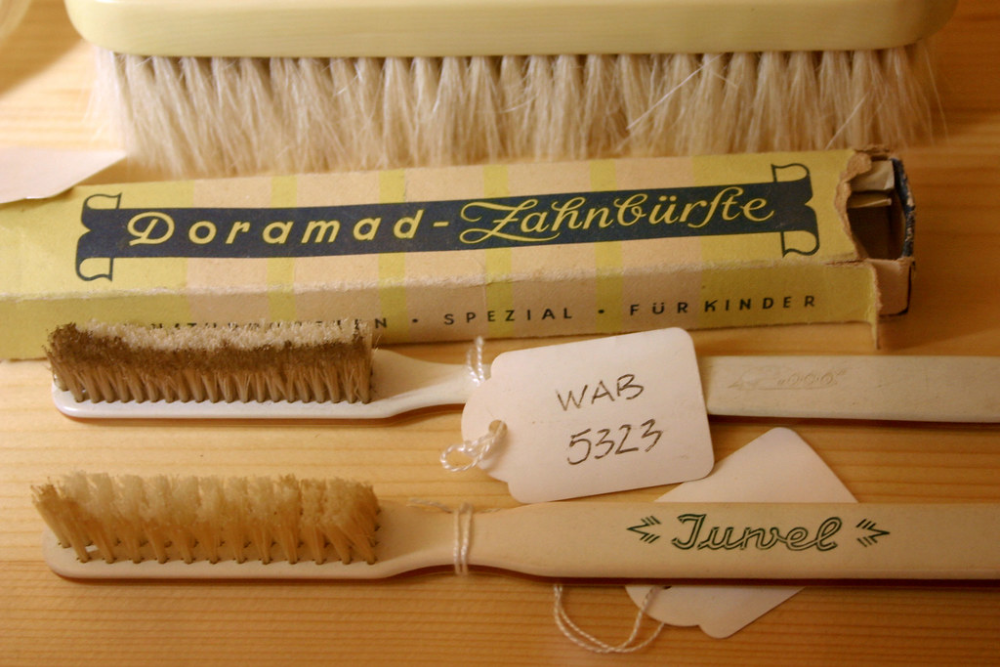
Doramad radioactive toothpaste was marketed in Germany during the 1940s as a way to achieve whiter teeth and healthier gums through the power of radioactivity. The advertisements claimed that radioactive thorium would provide antibacterial action and give users a brighter smile.
Users were essentially brushing their teeth with low-level radioactive material twice a day, exposing their mouths to unnecessary radiation that could cause cancer.
The Marketing Revolution That Changed Everything
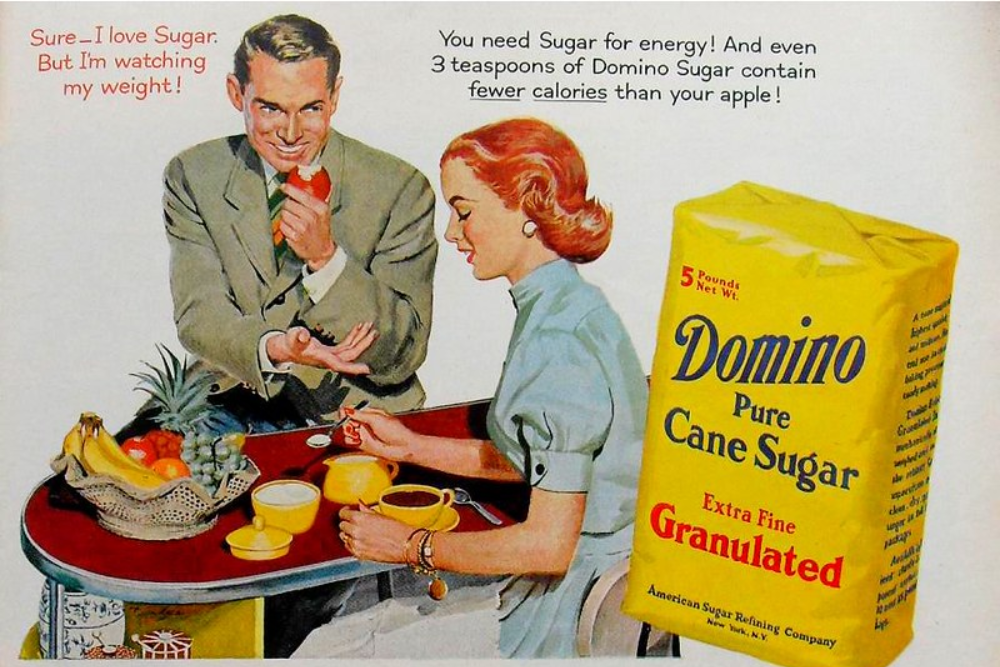
These outrageous vintage advertisements represent more than just historical curiosities—they mark the transformation from unregulated marketing chaos to modern consumer protection standards. The wild claims and dangerous products of the past led directly to the creation of the Food and Drug Administration, truth-in-advertising laws, and the regulatory framework that protects consumers today.
While modern advertisements still push boundaries and make questionable claims, at least they can’t legally promise that radioactive water will cure your arthritis or that cocaine drops will safely treat your child’s cough. The legacy of these vintage ads serves as a reminder that skepticism and regulation play crucial roles in keeping consumers safe from marketing excess.
More from Go2Tutors!

- 16 Restaurant Chains That Went Too Fast
- 12 Things Sold in the 80s That Are Now Illegal
- 15 Strange Things People Have Tried to Ban (And Failed)
- 16 Collectibles People Tossed Out Too Soon
- 17 Myths from Your Childhood That Were Actually Based on Real Things
Like Go2Tutors’s content? Follow us on MSN.