Baseball Cards from the ’80s That Went from Worthless to Valuable
The 1980s were a golden age for baseball cards. Kids ripped open packs of Topps, Donruss, and Fleer hoping to find their favorite players, and most of those cards ended up in bike spokes or forgotten in shoeboxes.
What no one anticipated was that a handful would one day be worth real money. The decade produced some of the most collected rookie cards in history, though their worth wasn’t obvious at the time.
Player legacies, scarcity, and shifting tastes turned certain ’80s cards from afterthoughts into prizes — but it took years, and the natural attrition of cards lost to carelessness. One reality check first.
The ’80s are also the “junk wax era,” when cards were printed in such enormous quantities that most are nearly worthless today no matter how old they get. The values below apply only to genuinely high-grade, ideally professionally graded gem-mint copies, which are far scarcer than the print runs suggest.
Treat them as ranges for top condition, not promises, and get anything special appraised before counting on a payday.
1984 Donruss Don Mattingly
Mattingly’s rookie year coincided with his emergence as the Yankees’ next great first baseman — an excellent career cut short by back injuries. The card’s appeal is a mix of timing, the smaller 1984 Donruss print run, and the enduring pull of pinstripes.
It’s one of the more desirable cards of the era, but condition is everything. Pristine graded copies command the real money; handled ones are worth a fraction.
The grade on the slab matters more than almost anything else.
1982 Topps Traded Cal Ripken Jr.
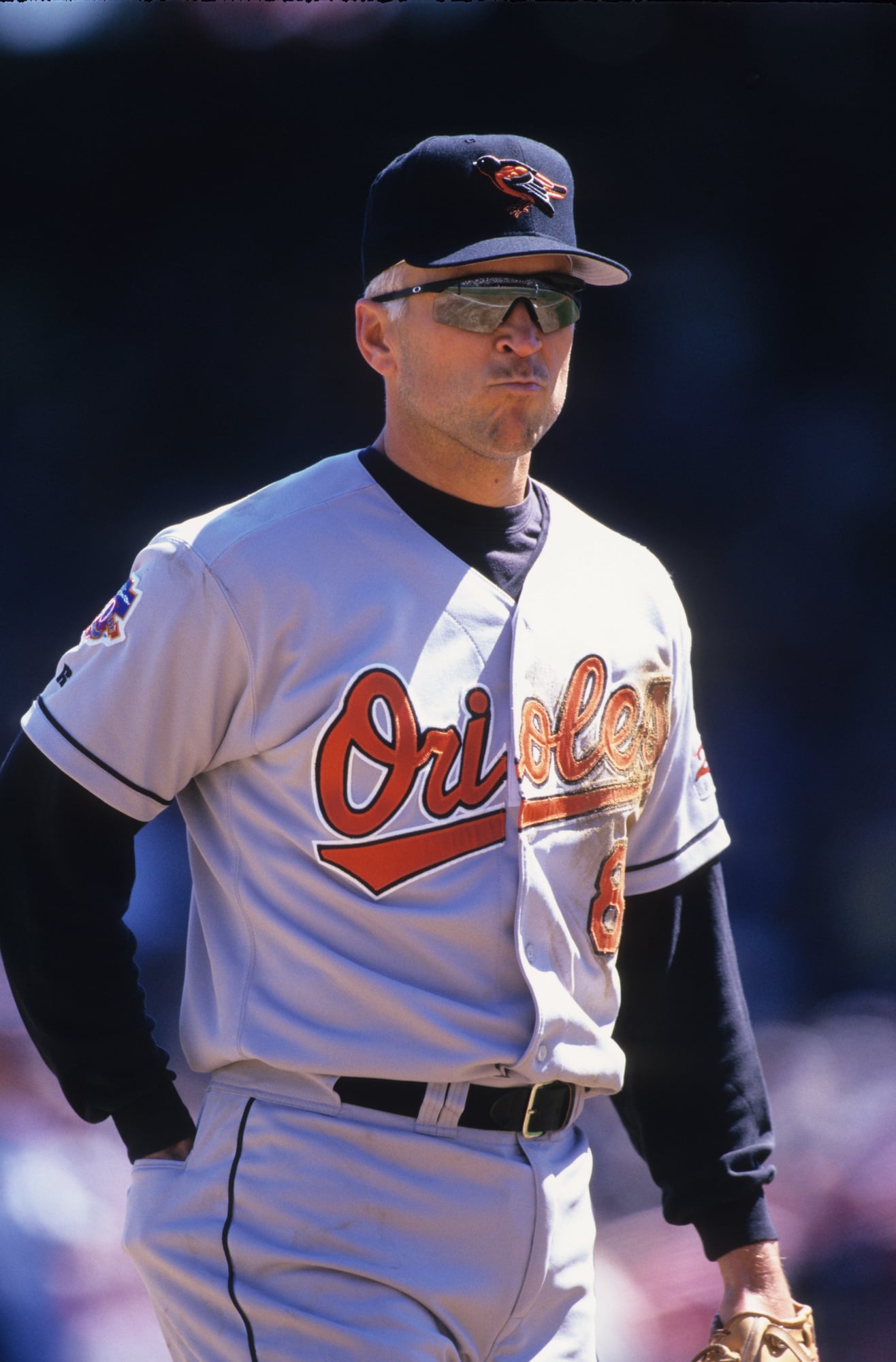
Ripken’s Topps Traded card is widely regarded as his key rookie, capturing the Iron Man as just another prospect in a factory-only set. His consecutive-games streak and Hall of Fame career made it a cornerstone of serious collections.
High-grade examples rank among the more valuable cards of the decade, helped by his clean image and durability record.
1983 Topps Tony Gwynn
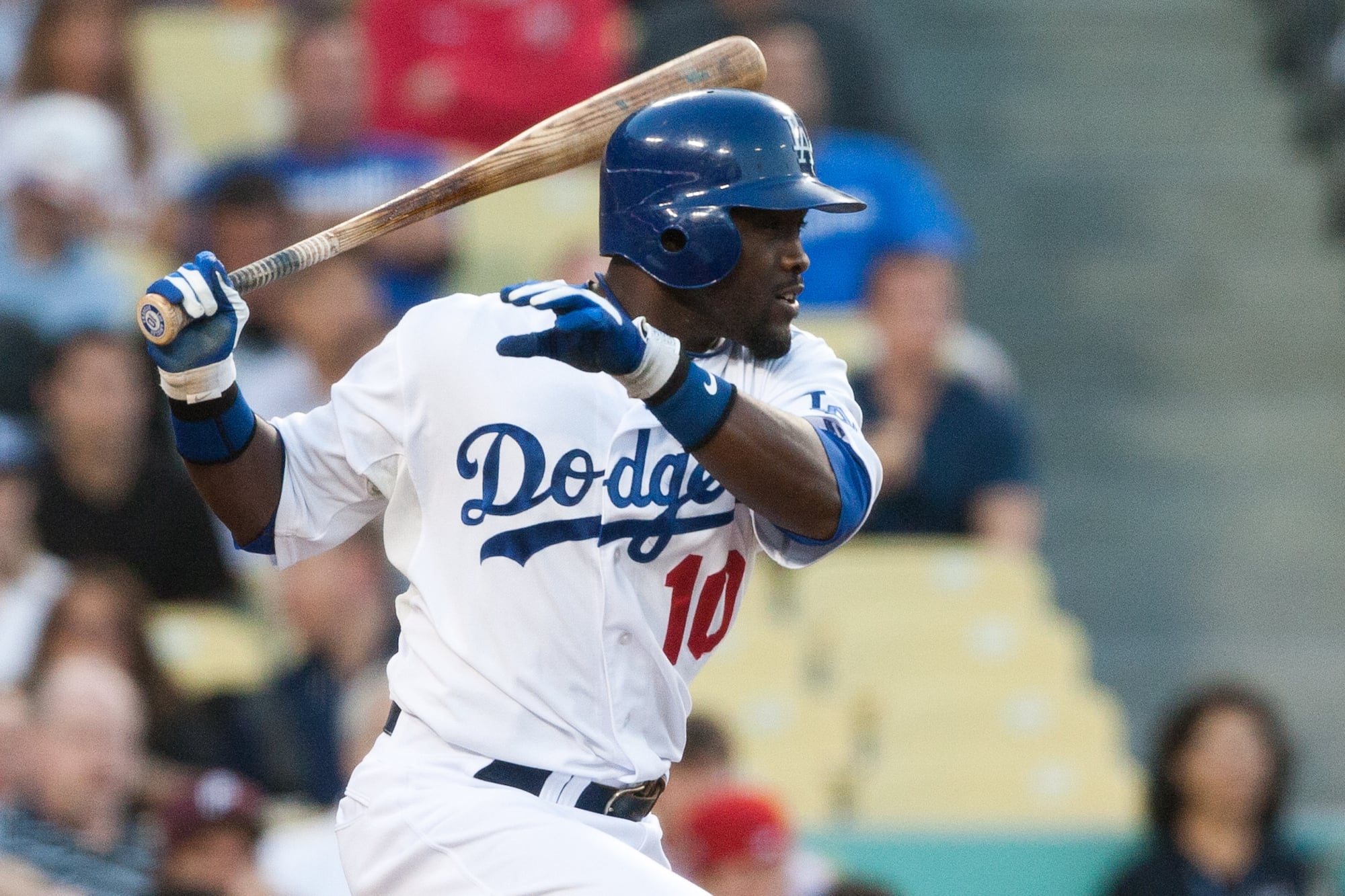
Gwynn never hit 30 homers in a season; he just hit everything thrown at him with supernatural consistency. Eight batting titles do nice things for a card’s value.
The 1983 Topps rookie is a solid mid-tier key, strongest in top condition. His perfectionist approach created a cult following among purists who prize craft over power.
1984 Fleer Update Roger Clemens
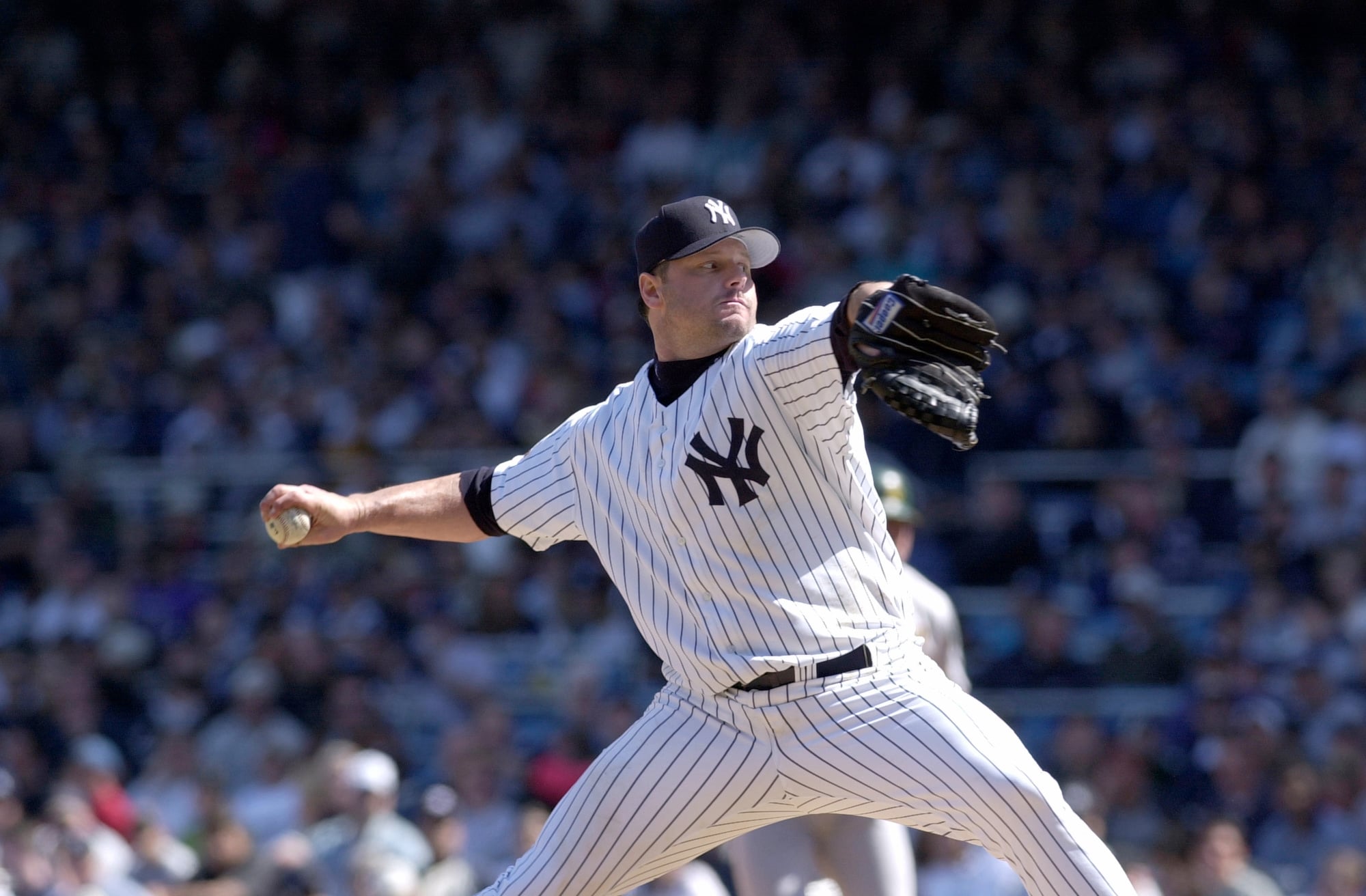
This card came in a factory-only update set rather than packs, limiting distribution. Clemens was entering his second year, already flashing the dominance to come.
The Rocket’s seven Cy Young Awards make it one of the decade’s more sought-after pitching rookies, and it survives in better shape than pack cards — though mint copies still carry a clear premium. His steroid-era associations keep a ceiling on demand relative to his numbers.
1980 Topps Rickey Henderson
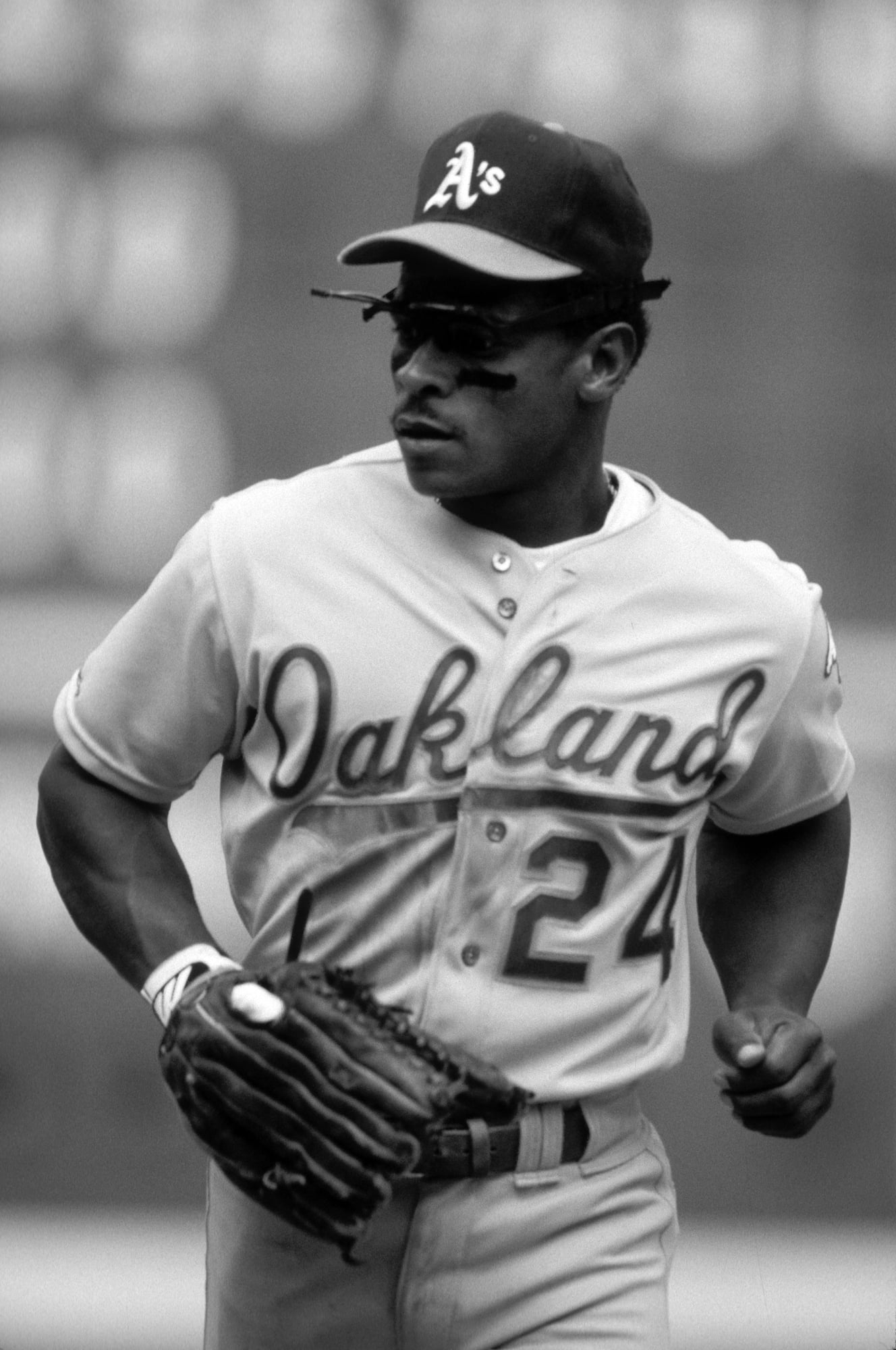
Henderson’s rookie sits at the very start of the decade, when collecting was still a kid’s hobby. He was just another A’s speedster, though his almost scientific base-stealing would yield 1,406 career steals — a record that looks more untouchable every year.
As the rookie of the greatest leadoff hitter ever, from before the worst overprinting, it’s one of the more genuinely desirable cards here. High grades are scarce and valued accordingly.
1987 Donruss Greg Maddux
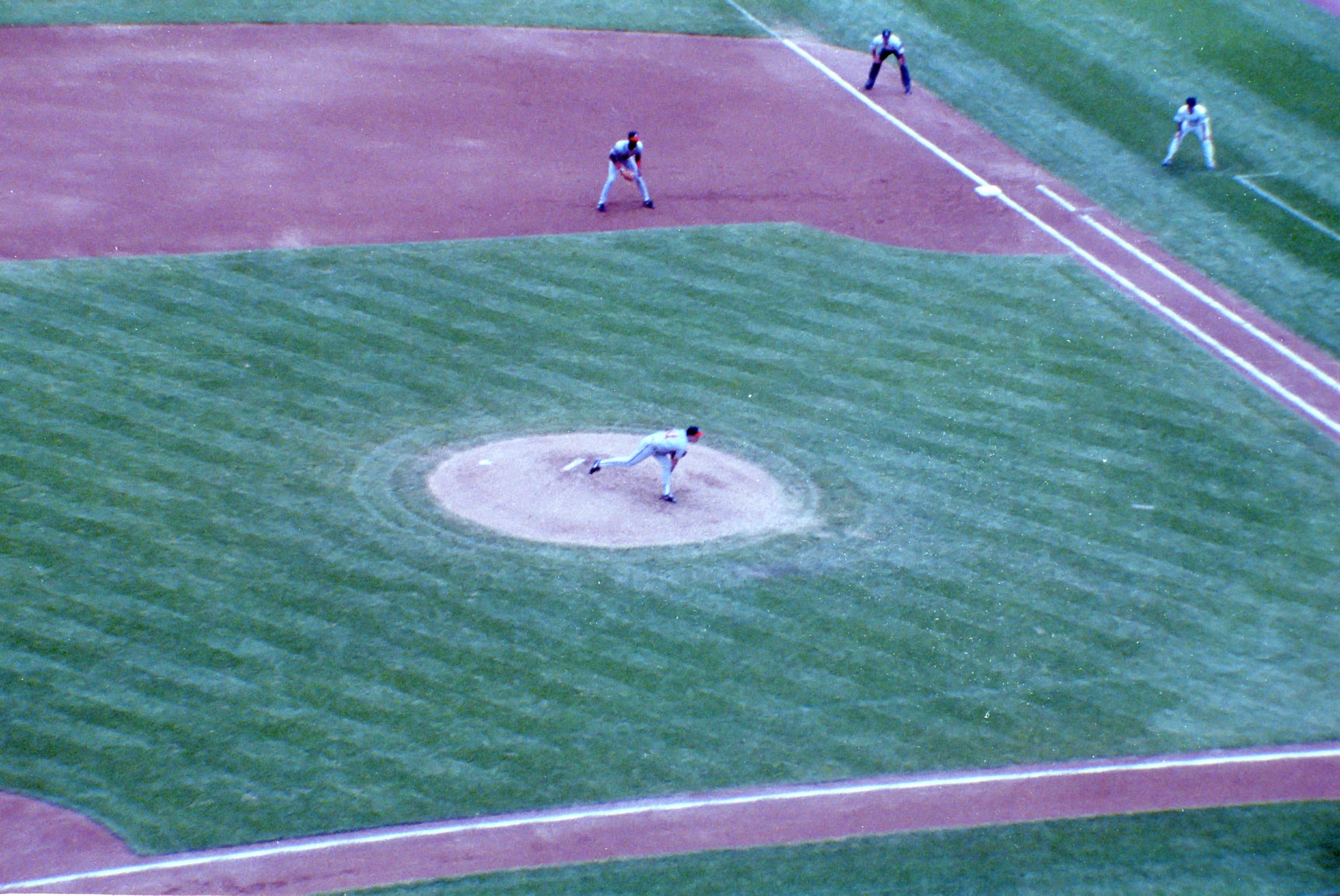
Maddux entered as a skinny pitcher with an unremarkable fastball and a knack for strikes. Nothing suggested he’d become one of the greats.
Then came four straight Cy Young Awards. It’s a recognized key rookie, but as a 1987 issue it was printed in huge numbers, so value concentrates in top-graded examples.
His cerebral style drew fans who valued brains over velocity.
1982 Topps Lee Smith
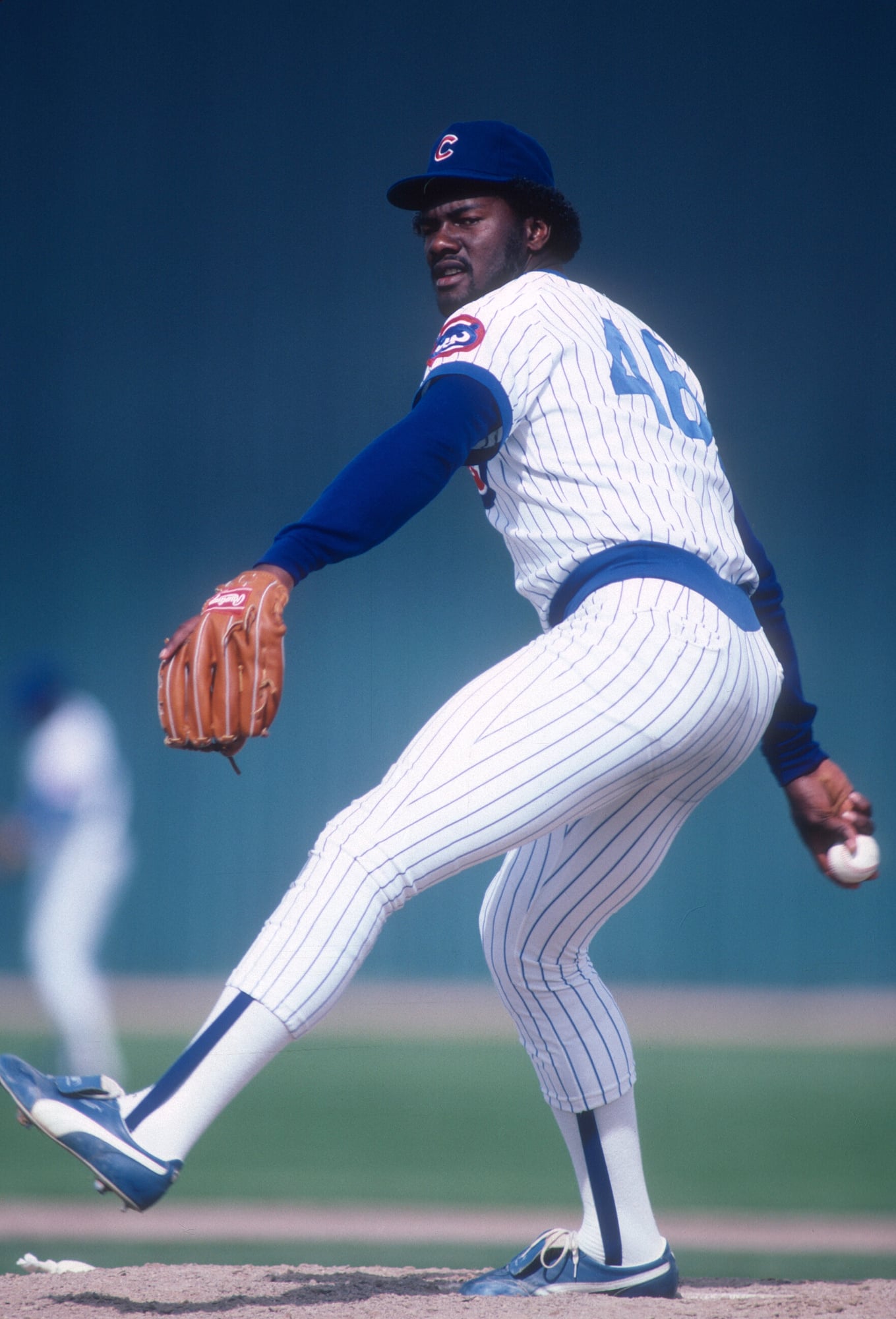
Relief pitchers rarely get respect, and their rookies show it. Smith broke in with the Cubs as another hard thrower in an era still defining the closer role.
His Hall of Fame induction validated his career, and his 478 saves were a record at retirement. It’s an affordable key, with the meaningful premiums reserved for the highest grades.
1986 Topps Traded Barry Bonds
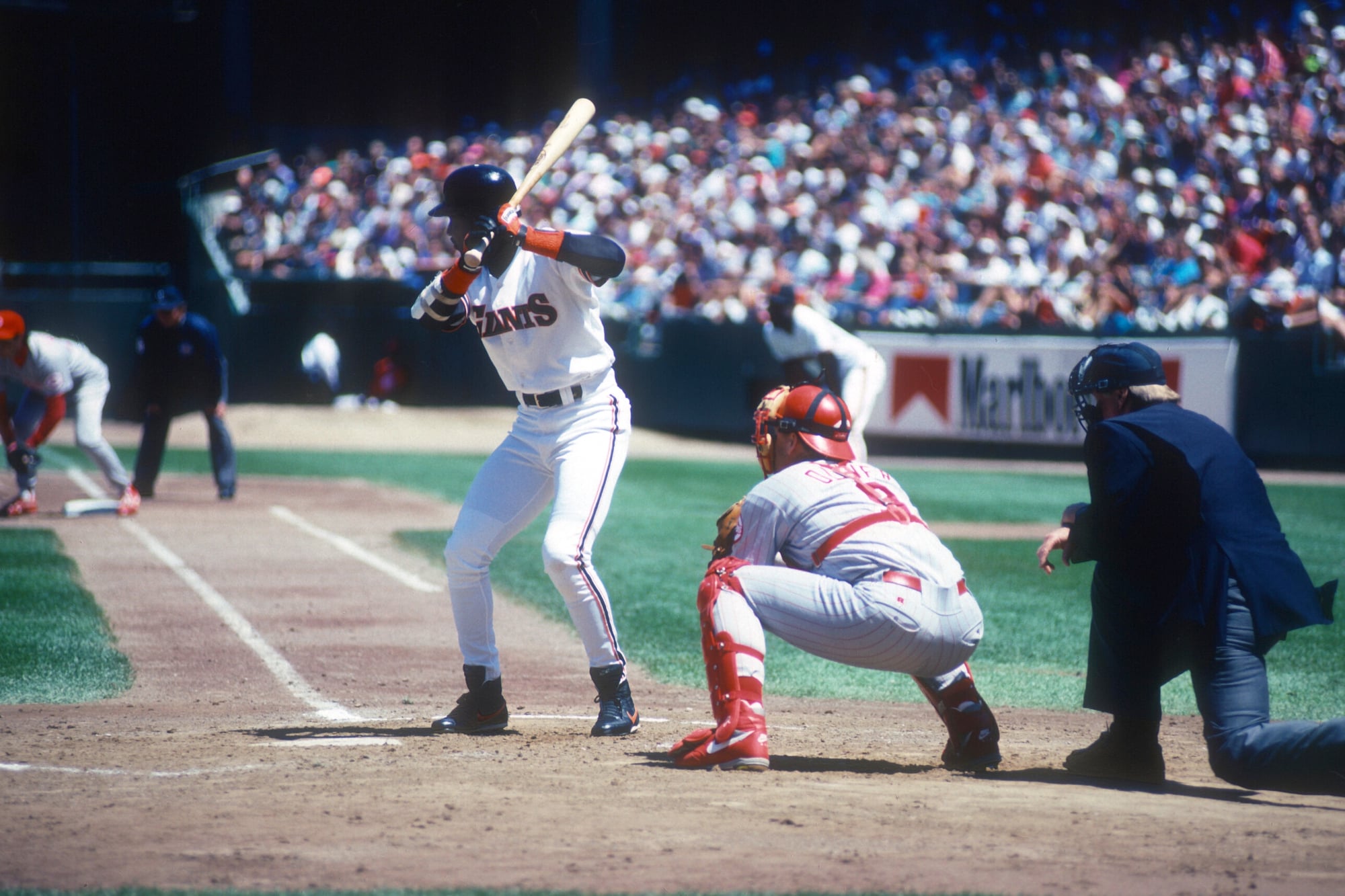
Bonds carried a famous name and real questions about living up to his father Bobby. He answered emphatically — seven MVPs, 762 home runs, and endless controversy.
The card came in the factory-only Traded set, meaning controlled distribution and better preservation. His all-time home run record keeps demand steady, though the steroid cloud tempers it.
Buyers hold these higher-grade survivors to strict condition standards.
1987 Topps Mark McGwire
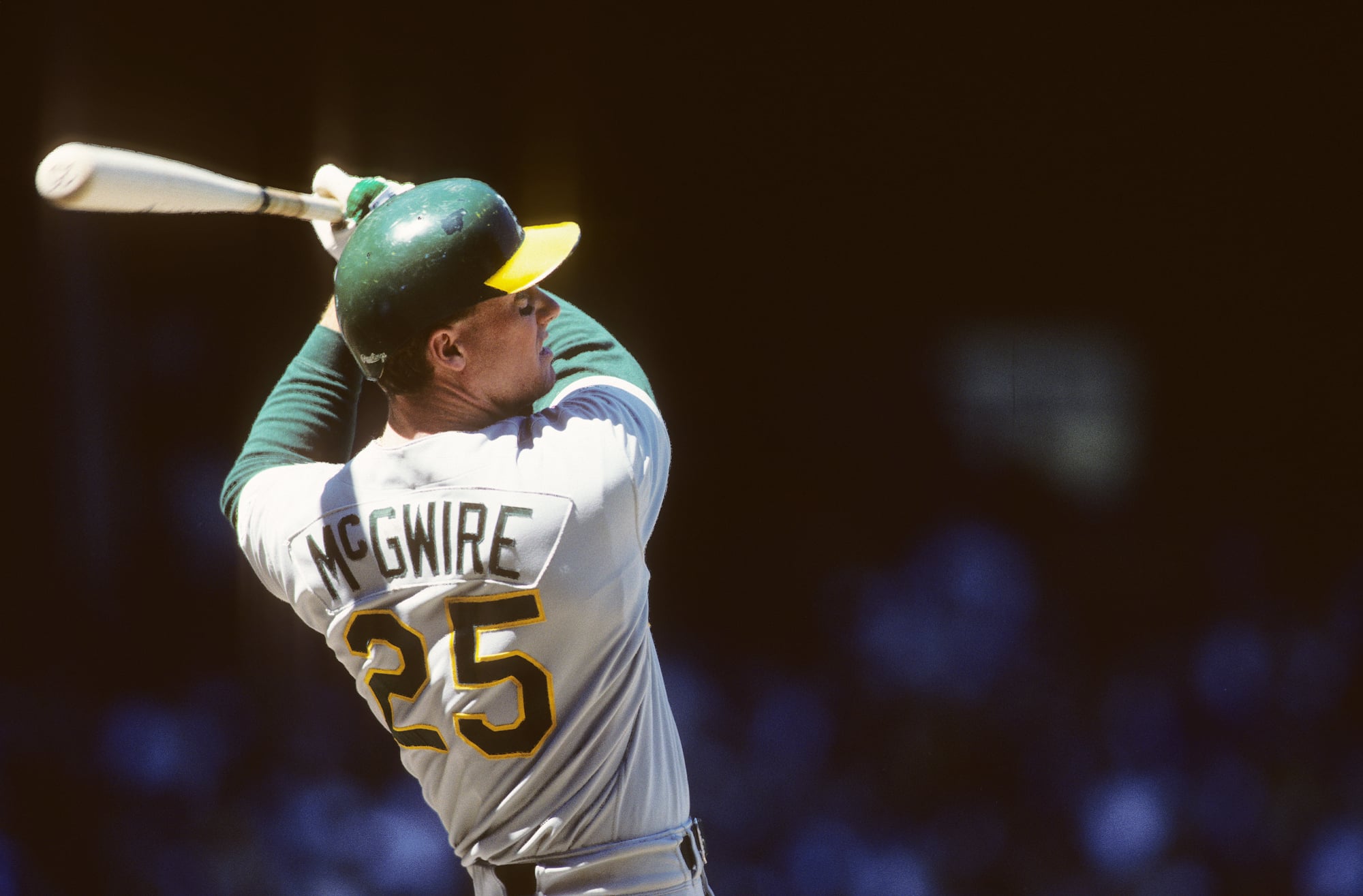
McGwire’s rookie caught him revolutionizing the game with tape-measure homers and a 49-homer Rookie of the Year season. His role in the 1998 home run chase sent demand surging, peaking that year.
But as a heavily printed 1987 card, value lives almost entirely in pristine graded copies, and his later steroid admission cooled the market the chase once overheated.
1984 Topps Darryl Strawberry
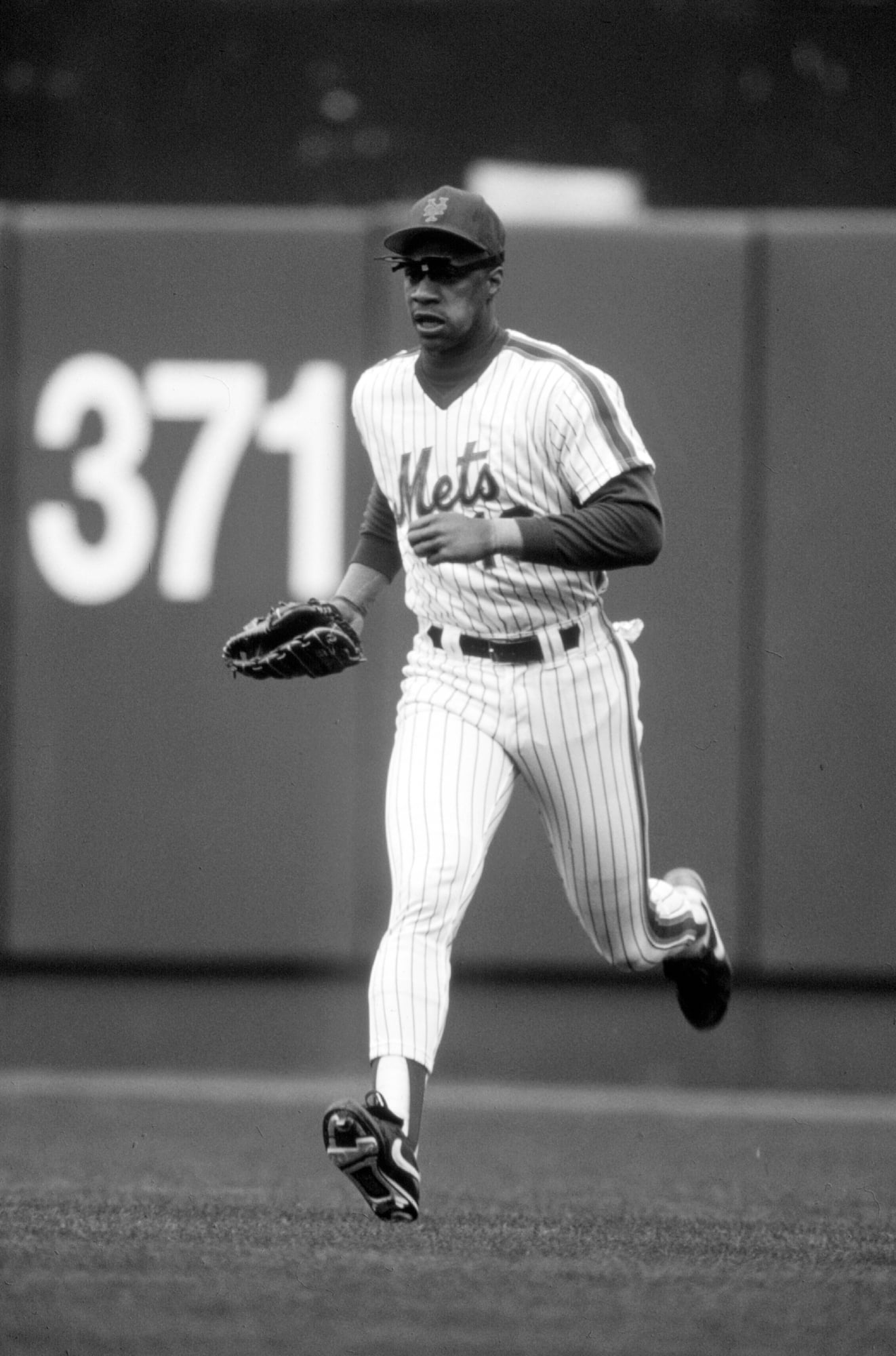
Strawberry embodied everything exciting about 1980s baseball — raw power, speed, effortless natural ability — and his rookie captured that potential. Eight All-Star selections and a World Series title with the Mets made him one of the decade’s most recognizable players.
It’s an affordable nostalgia piece, strongest in mint condition and tied to the Mets’ mid-’80s peak.
1987 Topps Rafael Palmeiro
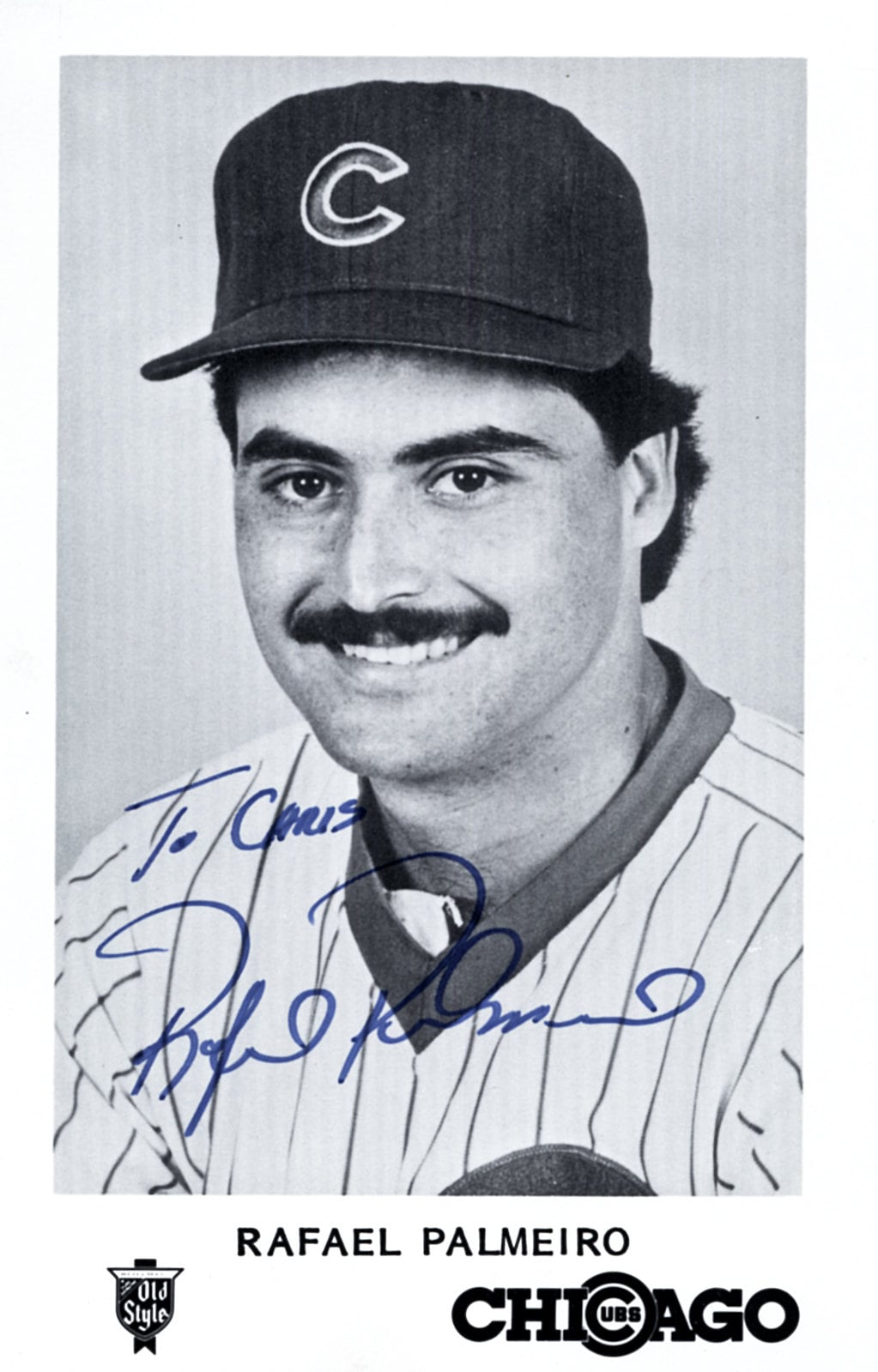
Palmeiro started as a smooth contact hitter before becoming a power threat, so his rookie is a time capsule from before that turn — and it flew under the radar for years. Patient collectors were rewarded when he reached the rare 3,000-hit and 500-homer clubs.
But his steroid controversy left numbers that should mean Cooperstown paired with circumstances that kept him out. As a 1987 issue, value depends heavily on grade.
1989 Upper Deck Ken Griffey Jr.
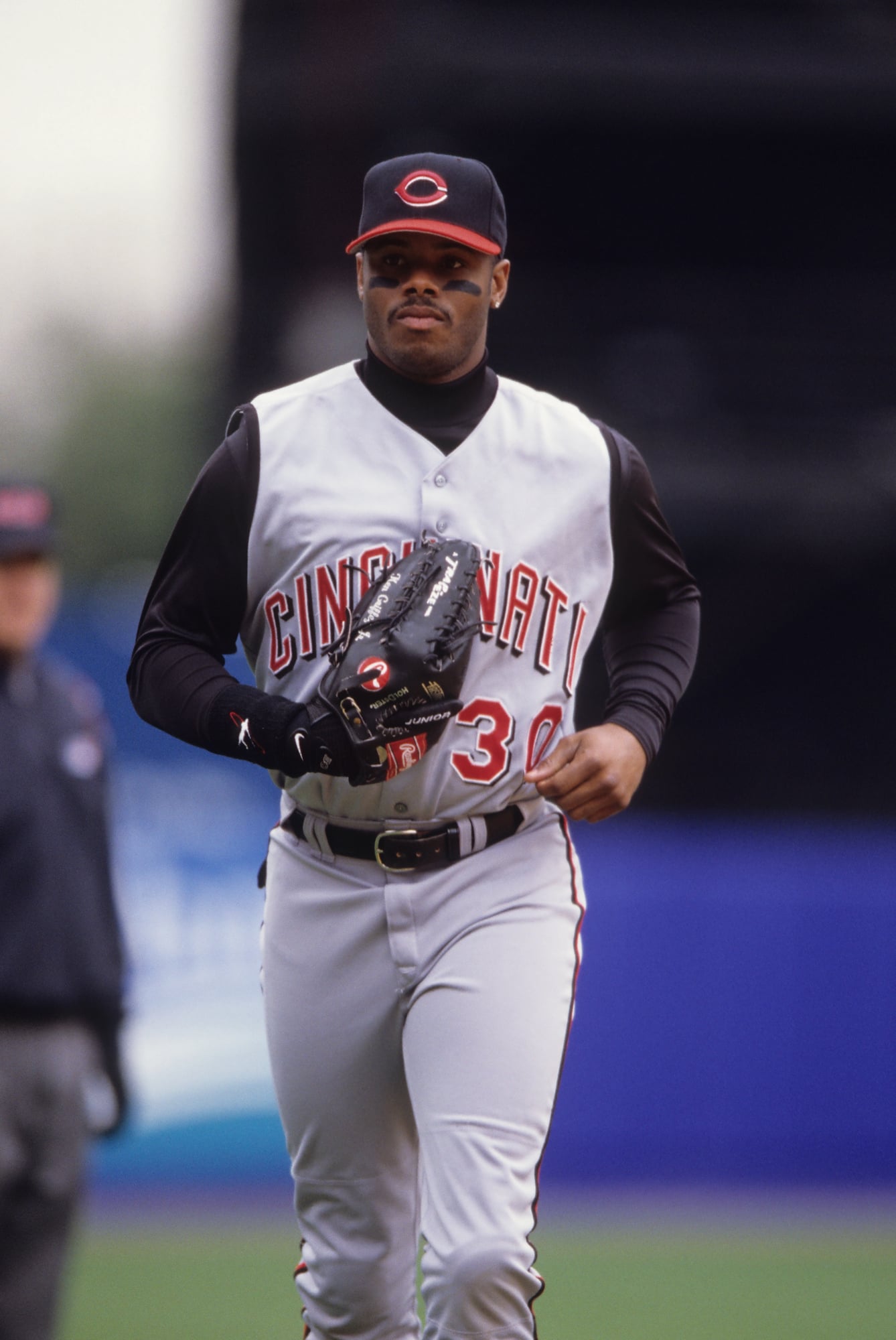
Junior’s true key rookie is the 1989 Upper Deck #1 — the first card of Upper Deck’s debut set, showing him in his backwards cap. (His Bowman, Donruss, Fleer, and Score rookies exist too, but they’re common and far less valuable; the Upper Deck is the one collectors chase.)
It helped launch the premium-card era and is among the most graded cards ever. His blend of power, speed, and defense made him the face of 1990s baseball, and his clean reputation keeps demand strong.
With so many printed and graded, the premium is reserved for true gem-mint copies — the rare junk-wax card that lived up to the hype, just not at the wild prices rumor once suggested.
1986 Donruss Jose Canseco
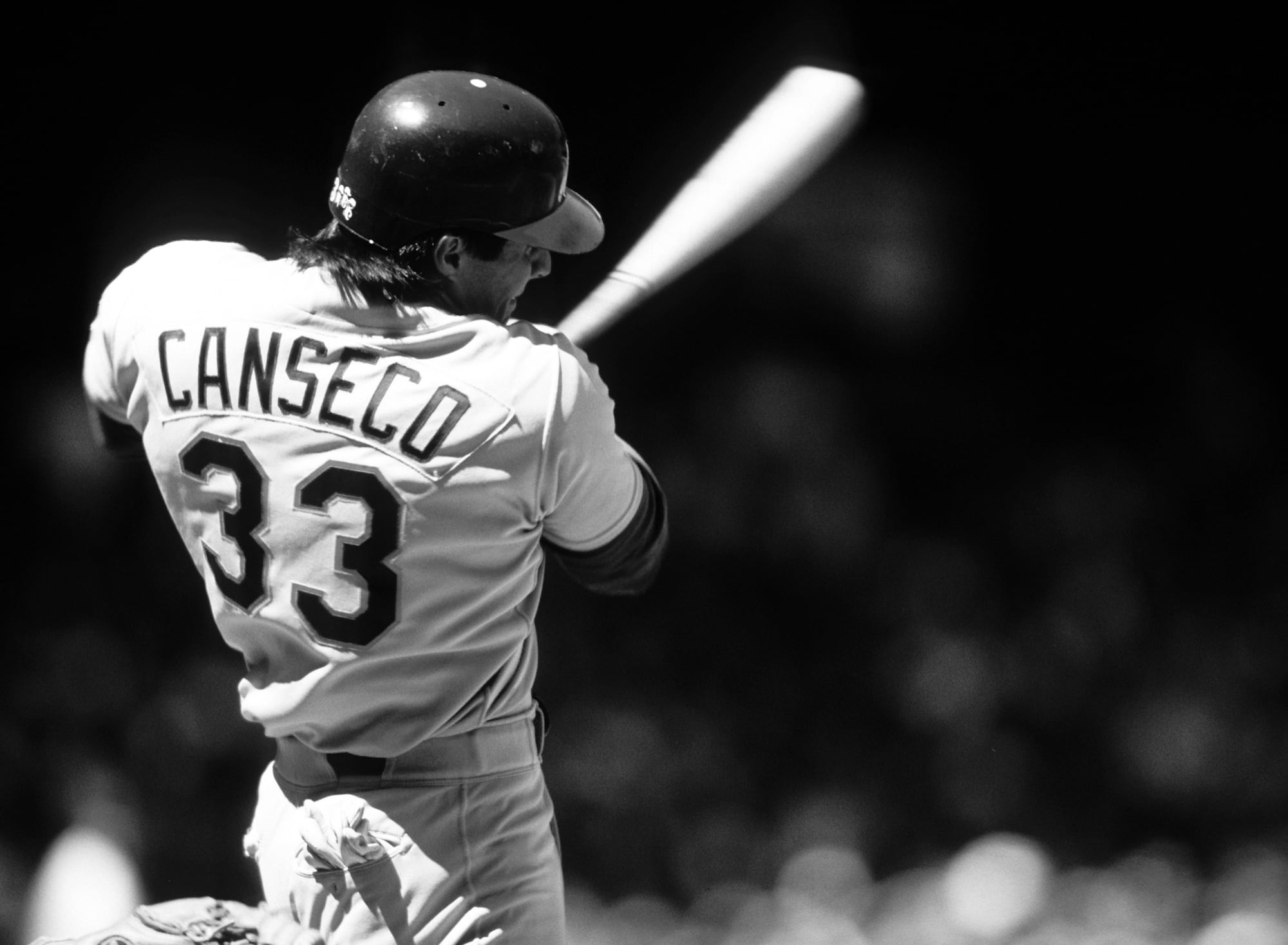
Canseco arrived with a rare power-speed combination at the start of one of the game’s most controversial careers. The Bash Brother’s 40-40 season and MVP award made his Rated Rookie one of the most coveted cards of the late ’80s.
Today it’s affordable outside top grades — supply caught up with demand — but his peak still draws collectors who remember it.
The Cards You Kept by Accident
When people talk about investments they missed, they mention stocks or real estate. The truth about ’80s cards is more sobering: most are worth very little, precisely because so many were saved.
The few that became valuable did so through a narrow mix of a great player, a scarcer set or higher grade, and lasting nostalgia — not simply age. That’s the real lesson of the junk-wax era.
Rarity drives value, not sentiment. The mint Ripken or gem Griffey can be worth real money; the same cards with soft corners are worth a cup of coffee.
So check the shoebox by all means — there might be a gem in there. Just go in clear-eyed.
The best cards from this decade were never bought as investments. They were kept by accident, by people who held onto what mattered to them when value wasn’t the point.
More from Go2Tutors!

- The Romanov Crown Jewels and Their Tragic Fate
- 13 Historical Mysteries That Science Still Can’t Solve
- Famous Hoaxes That Fooled the World for Years
- 15 Child Stars with Tragic Adult Lives
- 16 Famous Jewelry Pieces in History
Like Go2Tutors’s content? Follow us on MSN



