25 Everyday Products That Were Originally Invented for a Completely Different Purpose
The rubber band holding your papers together, the microwave heating your coffee, the non-stick pan on your stove — your home is full of accidental inventions, products that stumbled into their current roles through chance, desperation, or sheer creative misuse.
Innovation rarely follows a straight line. Many of the items you use daily began their lives solving completely different problems, often in industries that seem worlds apart from where they ended up.
A medicine-cabinet staple started as a laboratory accident. A beloved children’s toy emerged from naval engineering research.
These origin stories reveal something fascinating about human creativity — how solutions often find problems rather than the other way around.
Bubble Wrap
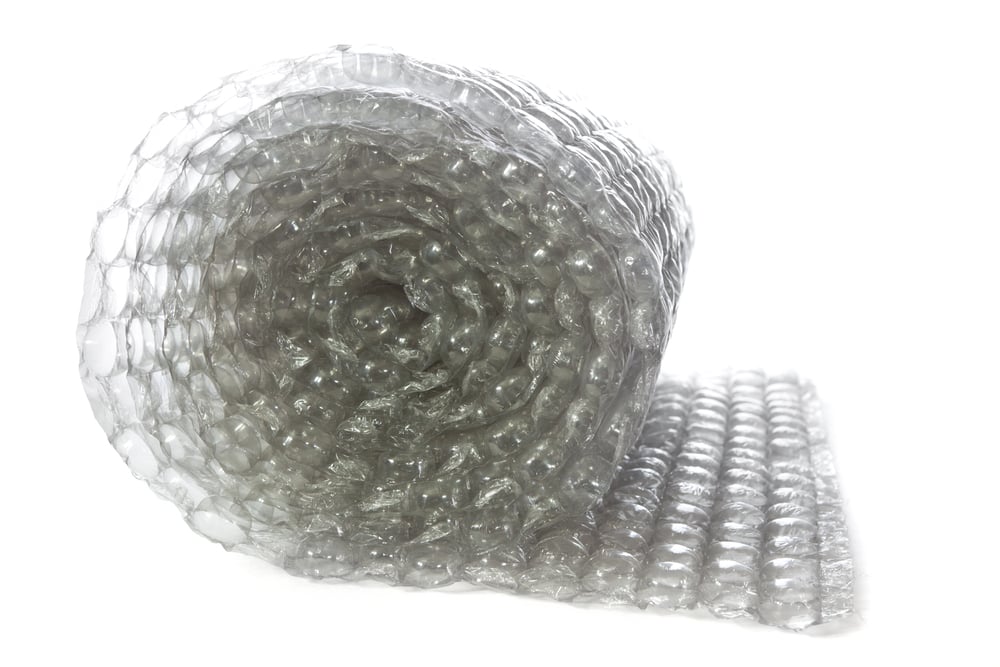
Bubble Wrap began as an attempt to make textured wallpaper. In 1957, engineers Alfred Fielding and Marc Chavannes sealed two shower curtains together, creating a sheet of air pockets meant to give walls an interesting three-dimensional look. The wallpaper idea flopped — nobody wanted bumpy plastic walls.
The inventors pivoted to greenhouse insulation, which also went nowhere. Then IBM discovered the material made excellent protective packaging for delicate computer equipment, and Bubble Wrap finally found its calling.
The satisfying pop that makes it irresistible to fidgeters everywhere was just a bonus nobody planned.
Velcro
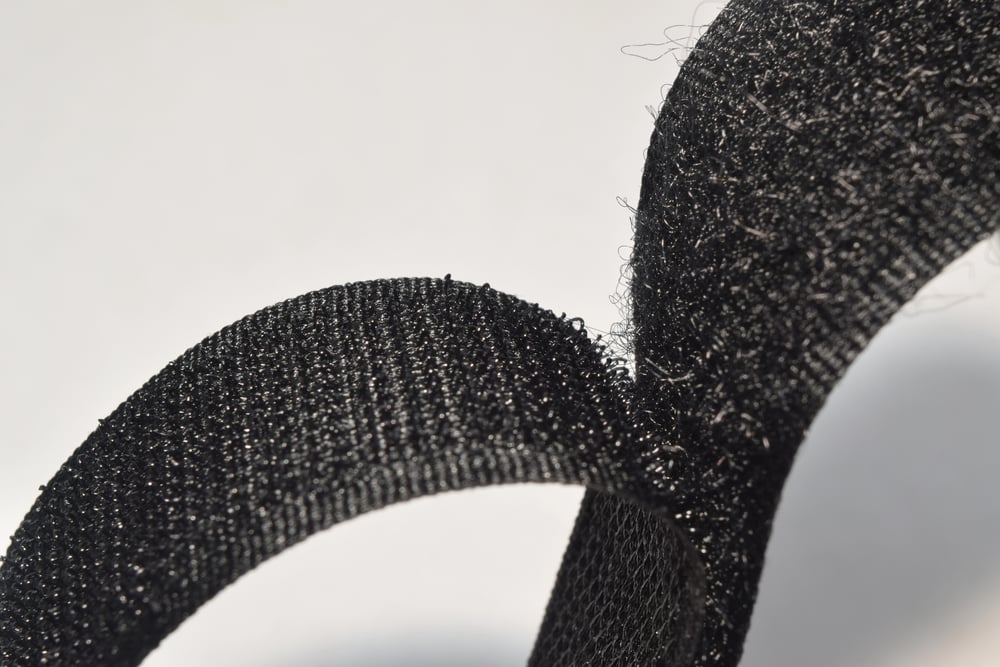
Georges de Mestral returned from a hunting trip in the early 1940s covered in burrs. Most people would have cursed and picked them off. De Mestral grabbed a microscope instead.
What he found changed fastening forever. The burrs were covered in tiny hooks that latched onto anything with loops — fabric, fur, shoelaces.
Nature had designed a perfect temporary adhesive that could stick and release thousands of times without wearing out. De Mestral spent years recreating the mechanism artificially, eventually developing the hook-and-loop system he named Velcro.
Post-it Notes
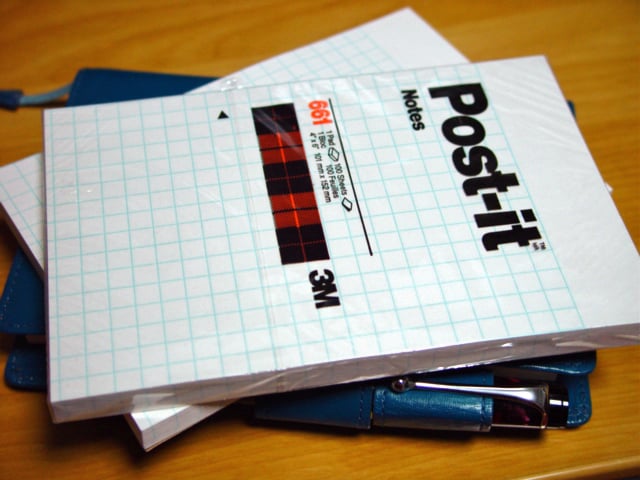
Spencer Silver was trying to create a super-strong adhesive for 3M in 1968. He created the opposite — a weak, repositionable glue that barely stuck to anything.
For years it seemed like a solution with no problem. Then his colleague Art Fry got frustrated with bookmark slips falling out of his church hymnal.
He remembered Silver’s weak adhesive and wondered if it might hold a bookmark in place without damaging the page. The first Post-it Notes were born from that moment.
3M initially doubted anyone would pay for sticky paper that didn’t stick very well. They were spectacularly wrong.
Microwave Ovens
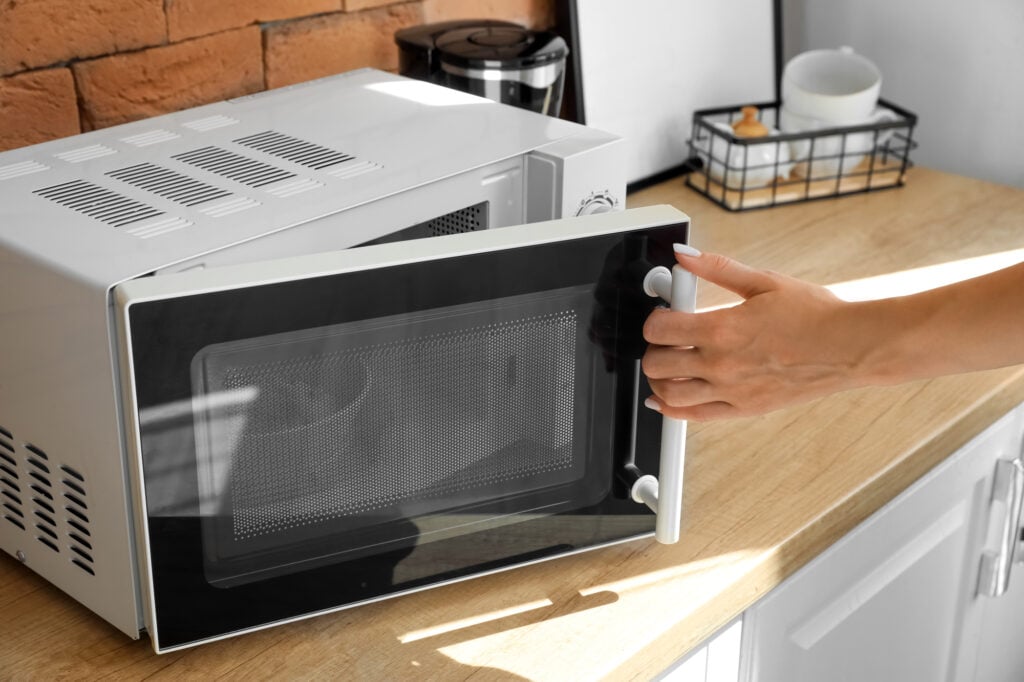
Percy Spencer was working on military radar for Raytheon in the 1940s when he noticed the chocolate bar in his pocket had melted, even though he hadn’t felt any heat. The magnetron tube he was testing had cooked his snack from the inside out.
Spencer grasped the implications immediately — when life hands you accidental food-heating technology, you don’t ignore it. He tried popcorn kernels, which burst into fluffy clouds, then an egg, which exploded all over a skeptical colleague.
The first microwave oven weighed around 750 pounds and cost thousands of dollars, but it began a kitchen revolution that started with a melted candy bar and some very surprised engineers.
Super Glue
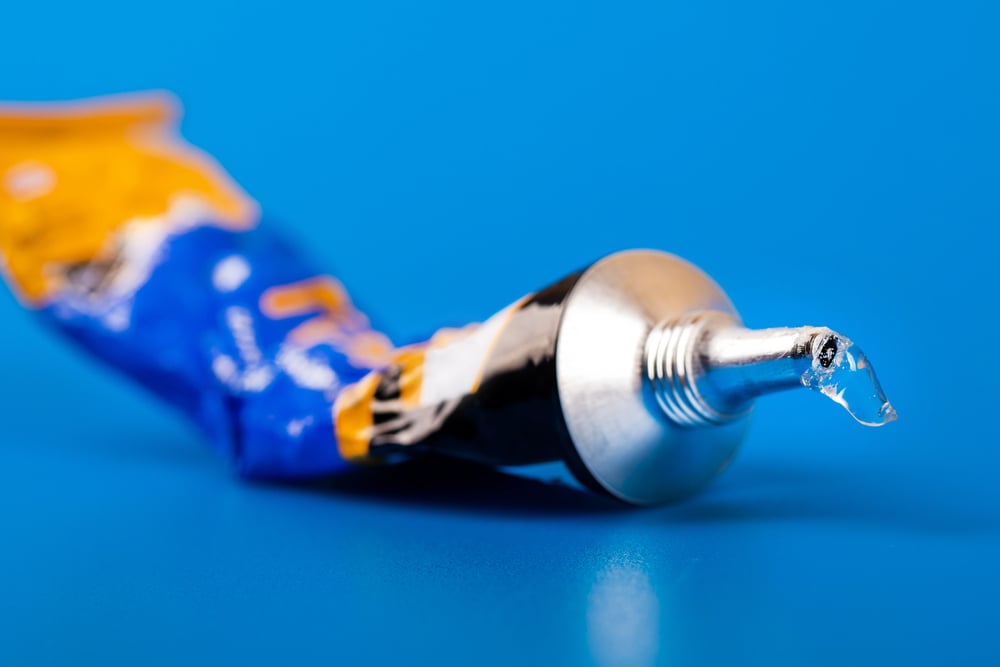
Like the stickiest of accidents, Super Glue happened twice. Harry Coover first stumbled onto cyanoacrylate in 1942 while trying to make clear plastic gun sights during World War II.
The substance stuck to everything it touched, ruining the precision optical work, so Coover set it aside as useless. Nine years later, while researching heat-resistant materials for jet canopies, Coover ran into the same impossibly sticky compound.
This time he recognized what he had. The glue that was too sticky for gun sights turned out to be perfect for nearly everything else. Coover had invented the ultimate emergency repair tool without meaning to — twice.
Silly Putty
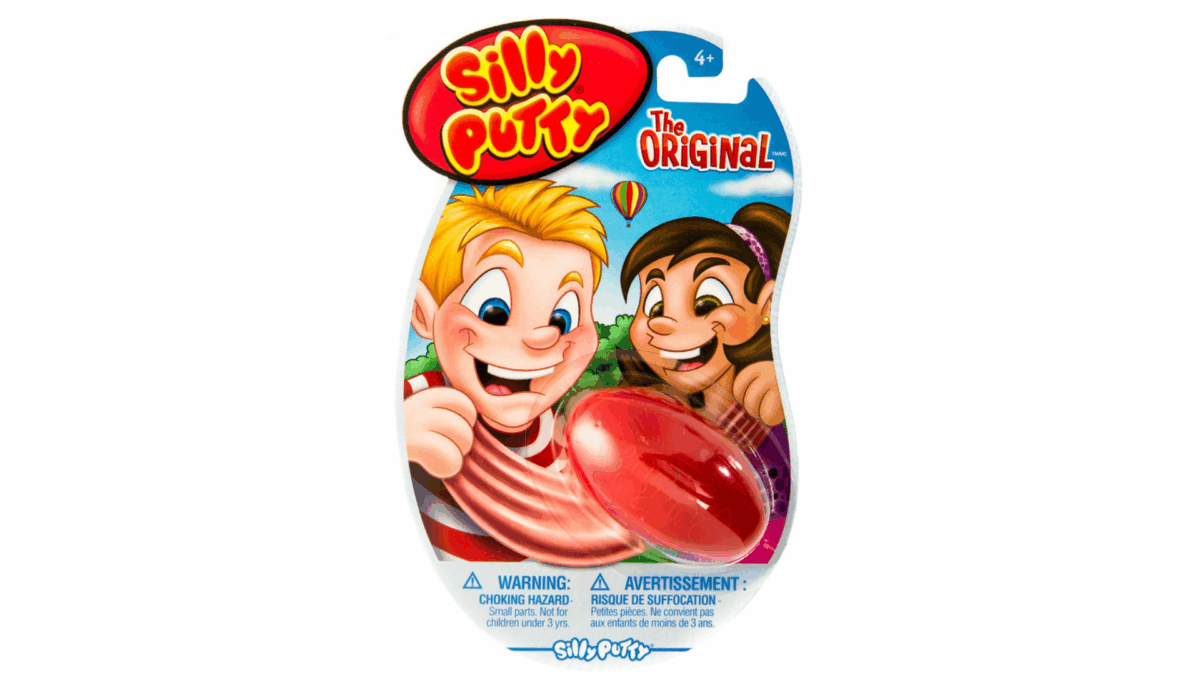
James Wright was trying to create a synthetic rubber substitute for the U.S. war effort in 1943, when real rubber was scarce and rationed. He mixed boric acid with silicone oil and produced something that bounced higher than rubber, stretched further than taffy, and could lift images off newsprint.
It was also completely useless for tires or anything else the military needed. For years the strange goo sat around as a laboratory curiosity, shown to visitors for entertainment.
Then it caught the eye of marketing consultant Peter Hodgson, who saw its potential as a toy, packaged it in plastic eggs, and named it Silly Putty. It became one of the most successful toys in history, all because a rubber substitute refused to behave like rubber.
Coca-Cola
Dr. John Stith Pemberton created his syrup in 1886 as a patent medicine. The original formula drew on extracts from coca leaves and kola nuts, and was marketed as a tonic for headaches, fatigue, and nervous complaints.
Pemberton genuinely believed he was developing a medicinal breakthrough. He was a better chemist than businessman, though, and the medicine struggled.
When the syrup was combined with carbonated rather than still water, customers preferred the fizzy version, and the drink gradually shifted from pharmacy tonic to refreshment. The medicinal claims faded away, the cocaine was removed from the formula in the early 1900s, and the taste went on to become the world’s most recognizable brand.
Play-Doh
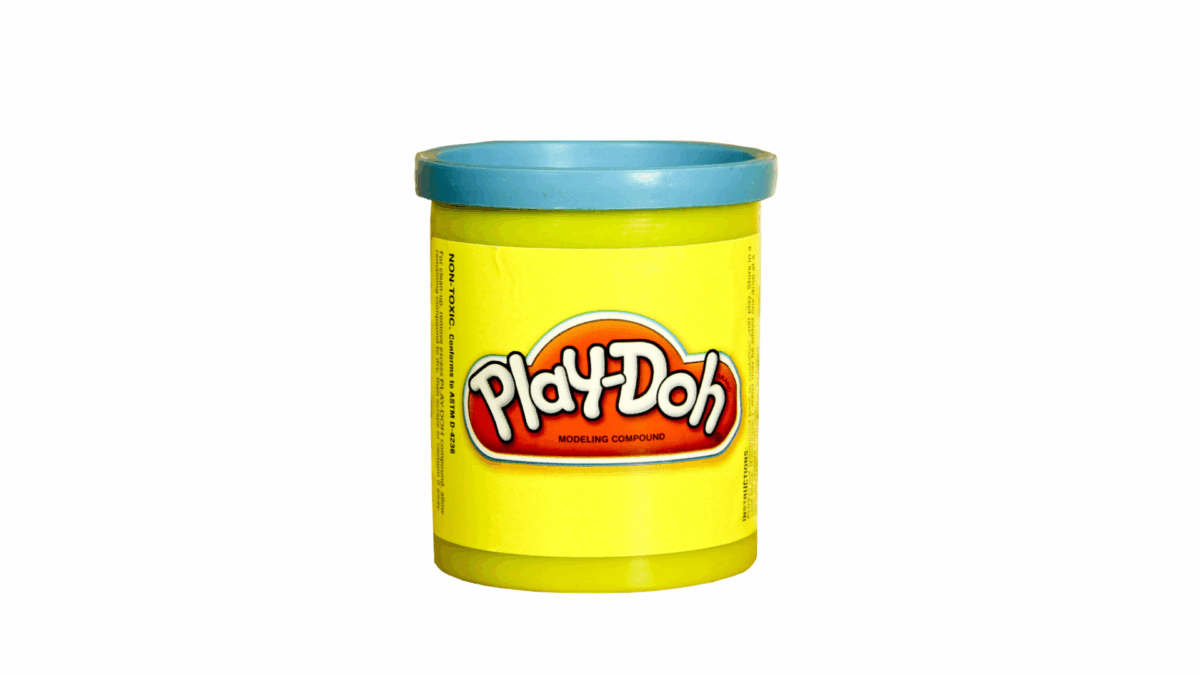
Noah McVicker’s company made a putty-like compound for cleaning wallpaper, designed to lift soot and grime from paper in homes heated by coal. It worked well — but as central heating replaced coal furnaces, the cleaner’s market quietly disappeared.
A pivot saved the business: a relative, Joe McVicker, learned that teachers wanted a safe, reusable modeling material for young children, since traditional clay was hard and messy. The wallpaper cleaner, with a few tweaks and some color, turned out to be perfect for small hands.
Play-Doh launched in the mid-1950s and became a childhood staple, proving that the best toys sometimes come from the most unexpected places.
Kleenex
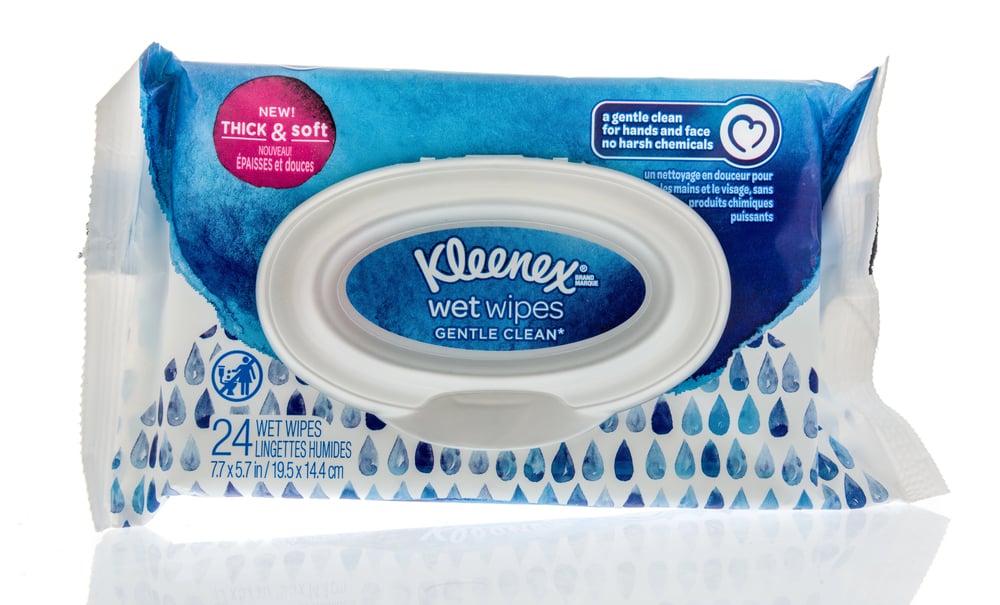
Kimberly-Clark introduced Kleenex in 1924 as a makeup remover, marketing the thin disposable sheets as a refined alternative to washcloths for wiping away cold cream and cosmetics. Advertisements showed elegant women delicately dabbing their faces.
But customers kept writing about using the tissues for runny noses instead. The company initially resisted, convinced their market was cosmetics, not congestion.
When they finally tested both pitches, nose-blowing won decisively. Kimberly-Clark overhauled its advertising, and Kleenex became synonymous with facial tissue rather than beauty routines.
Slinky

Naval engineer Richard James was working on springs to stabilize sensitive shipboard instruments in the operating conditions of rough seas when he knocked a prototype off a shelf. Instead of clattering to the floor, the spring gracefully “stepped” down a stack of books and onto the floor, righting itself.
James recognized magic when he saw it. He spent two years perfecting the spring’s proportions until it could walk down stairs with a hypnotic rhythm, and his wife Betty found the name “Slinky” in the dictionary, where it meant sleek and graceful.
Launched in the late 1940s, the toy that began as a naval engineering accident became one of the most successful in American history.
Pacemakers
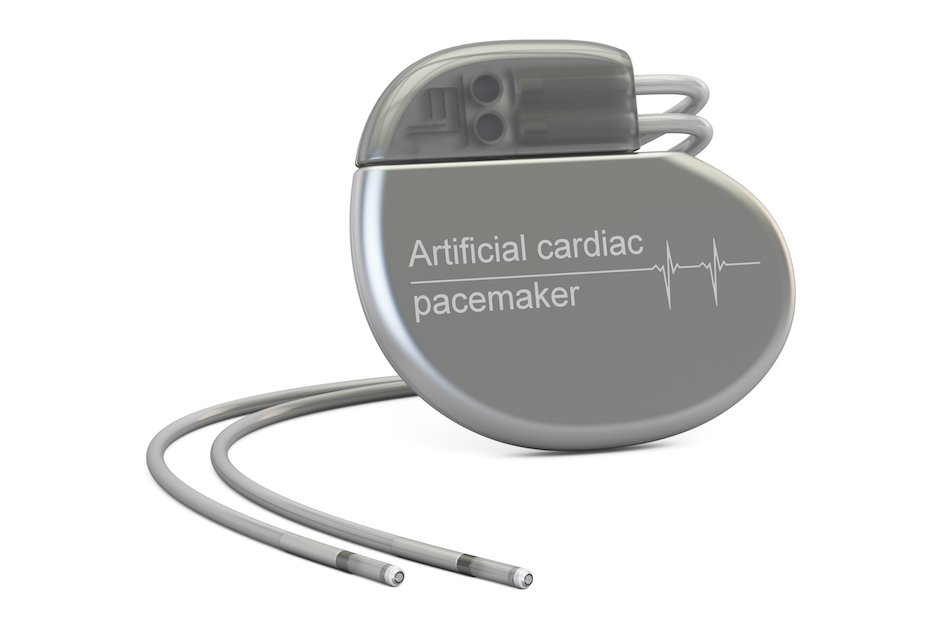
Wilson Greatbatch was building a device to record heart rhythms in the 1950s when he reached into his parts box and grabbed the wrong resistor. The circuit he assembled began emitting a steady electrical pulse — a beat, a pause, another beat.
Greatbatch recognized the pattern at once: it mimicked a heartbeat. He had stumbled onto a solution for hearts that couldn’t keep a regular rhythm on their own.
Refining the idea into the first practical implantable pacemaker took a few years, but the result transformed cardiology and has since extended millions of lives — all traceable to one engineer reaching for the wrong component.
Corn Flakes
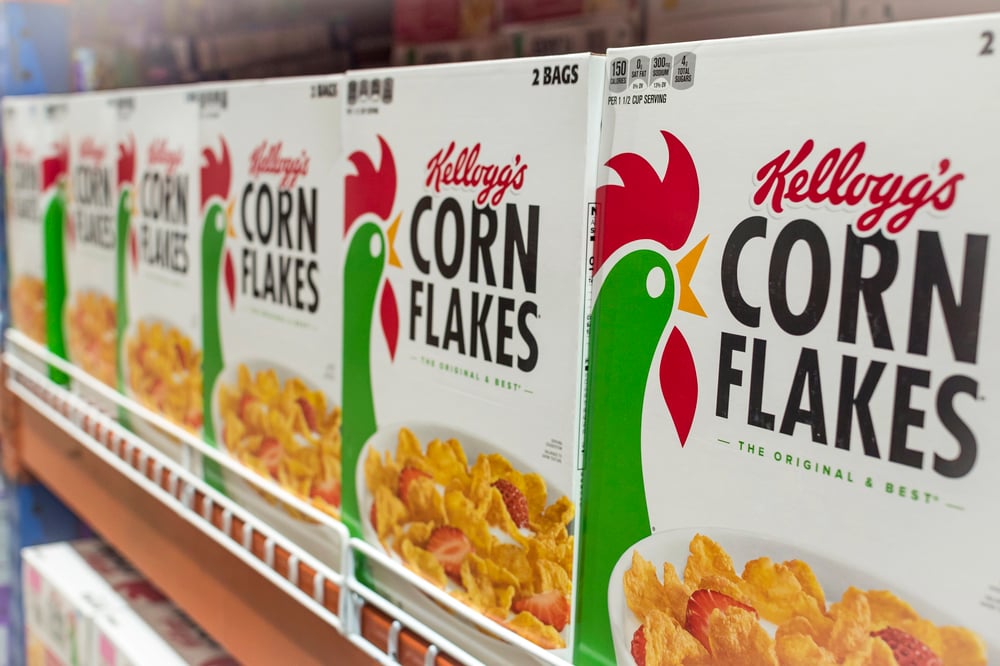
Dr. John Harvey Kellogg was trying to create a digestible food for patients at his health sanitarium, believing bland, wholesome fare promoted good health. In 1894, he and his brother Will left a batch of boiled wheat sitting out too long. When they tried to roll it into sheets, it broke into flakes instead.
They toasted the accidental flakes and served them to patients, who loved them — unusual for the sanitarium’s famously austere menu. Will later switched from wheat to corn and added sugar over his brother’s objections, creating the breakfast cereal that made their name famous.
Medicinal health food has become the foundation of the modern breakfast table.
Safety Glass
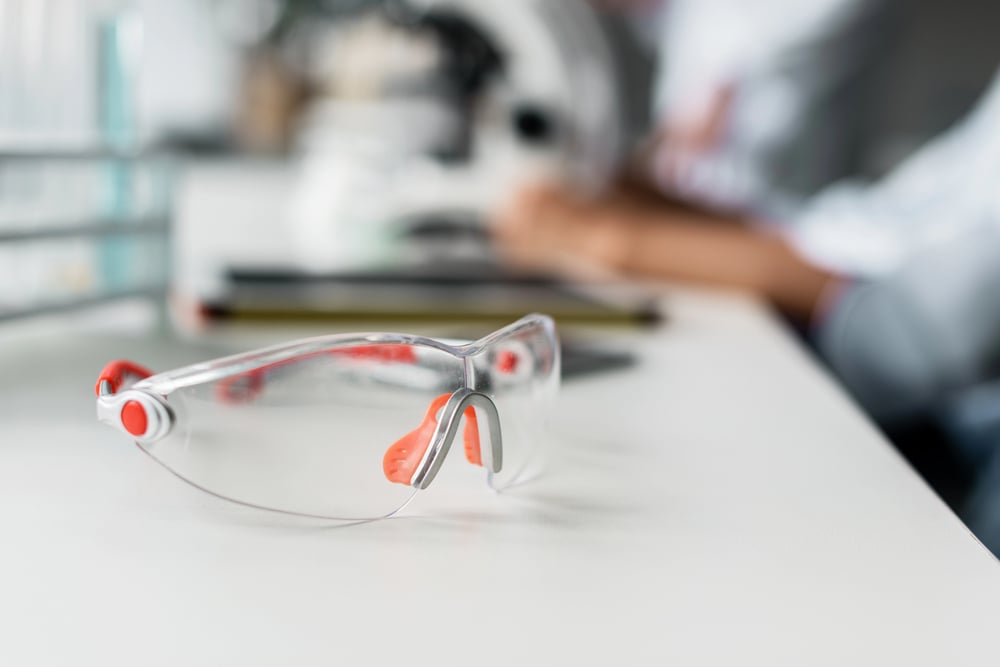
Édouard Bénédictus was working in his lab in the early 1900s when he knocked a glass flask off a high shelf. He expected shards across the floor; instead, the glass cracked but held together in one piece, webbed rather than shattered.
The flask had held a solution of cellulose nitrate, which had dried into an invisible film lining the inside. Bénédictus immediately saw the implications, especially for automobiles, where flying glass was causing terrible injuries.
He spent years perfecting the lamination process, creating the laminated safety glass that has since saved countless lives in crashes.
Teflon

Roy Plunkett was trying to develop a new refrigerant gas for DuPont in 1938. He stored tetrafluoroethylene in pressurized cylinders overnight, expecting to find the same gas the next day. Instead, it had polymerized into a white, waxy solid with astonishing properties.
Nothing stuck to it. Acids couldn’t corrode it.
It tolerated extreme heat and was so slippery that other substances slid right off. Plunkett had accidentally created one of the most chemically inert materials known.
DuPont first used Teflon for military and industrial applications before French engineer Marc Grégoire realized it would make excellent non-stick cookware.
Viagra
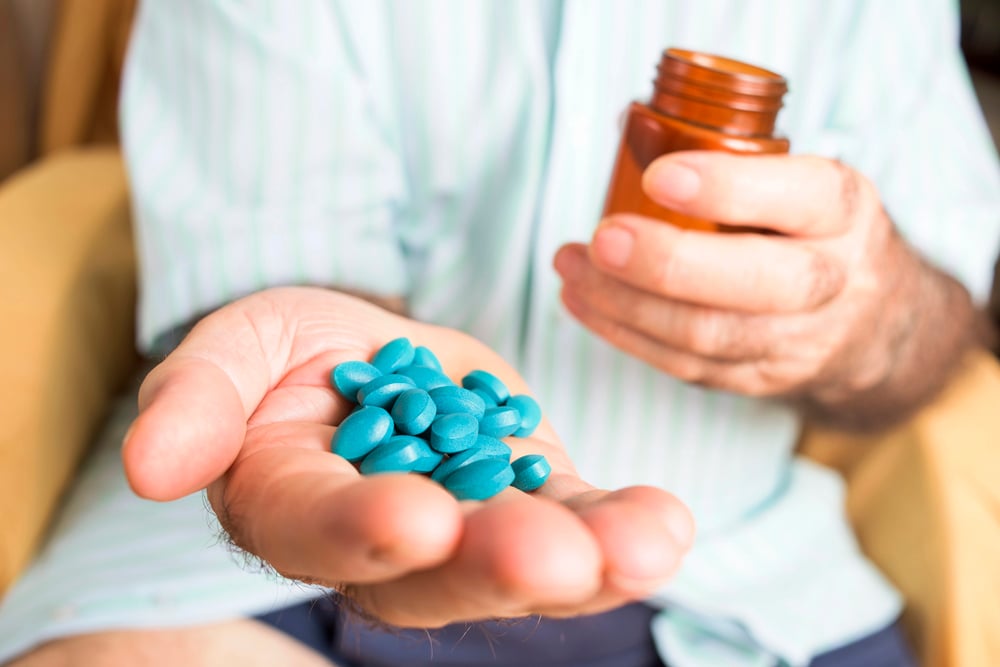
Pfizer researchers were testing sildenafil as a treatment for chest pain and high blood pressure in the early 1990s. The drug showed only modest results for heart conditions, but trial participants reported a striking side effect unrelated to cardiovascular health.
The researchers faced a choice: keep pursuing a middling heart medication, or chase the unexpected effect. They chased it, and the rest is pharmaceutical history.
Sildenafil proved far more effective at treating erectile dysfunction than heart disease, creating a market Pfizer never anticipated. The drug that underwhelmed as a heart treatment became one of the most successful pharmaceuticals ever made — proof that sometimes the side effect is worth more than the intended one.
Scotchgard
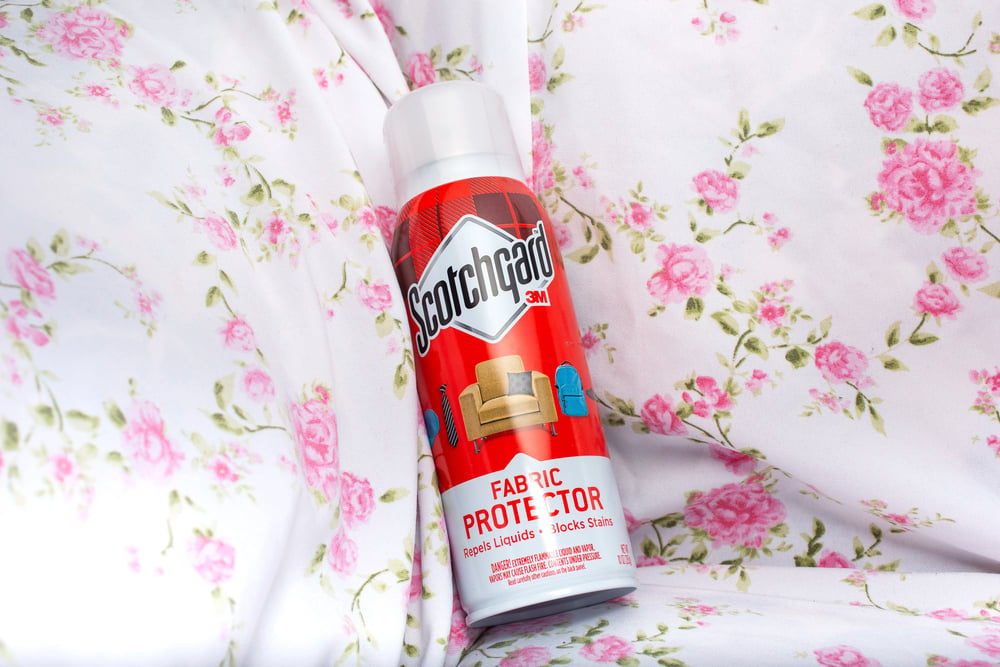
Patsy Sherman was researching fluorochemical compounds for 3M in the 1950s when a lab assistant spilled an experimental mixture on her canvas shoe. Nothing would clean it off — not water, soap, alcohol, or solvent — and just as strangely, nothing else would stick to that spot either.
Sherman realized she had accidentally created a powerful stain and water repellent: an invisible barrier that shrugged off spills while remaining undetectable. After years of refinement, Scotchgard became a standard protector for carpets, furniture, and clothing against the inevitable accidents of daily life.
Penicillin
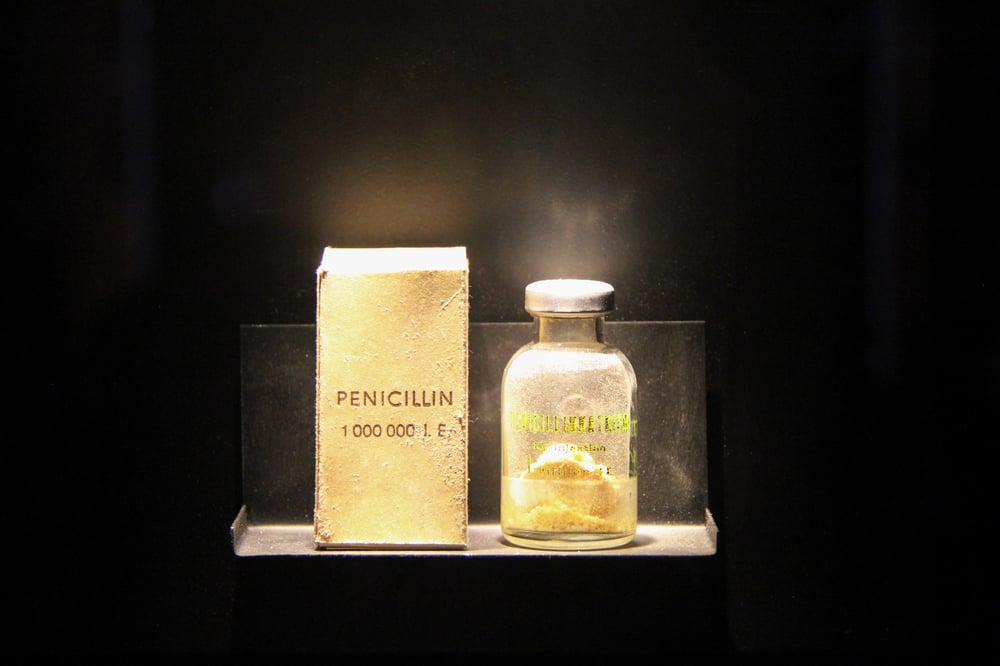
Alexander Fleming left a culture plate uncovered when he went on holiday in 1928. Most scientists would have tossed the contaminated sample, but Fleming noticed something odd about the mold growing on his staphylococcus bacteria: it had created a clear ring where no bacteria could survive.
He recognized this as more than contamination — the mold was actively killing the bacteria. The discovery led to the development of the first antibiotic, revolutionizing medicine and saving countless lives.
rThe greatest medical breakthrough of the 20th century traces back to a scientist who forgot to cover his work before a vacation.
Frisbee
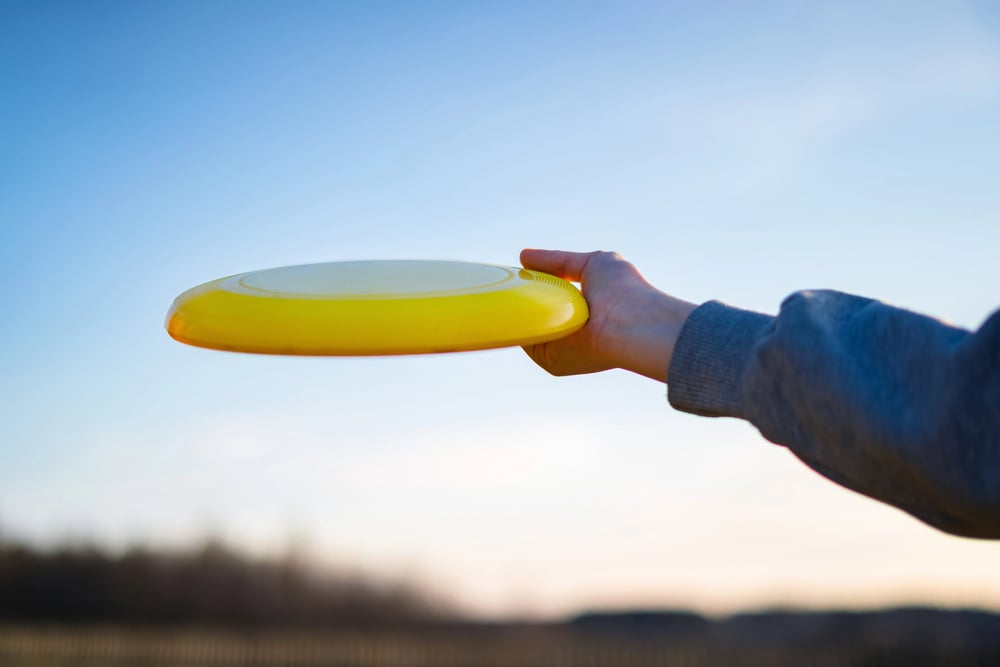
College students in the mid-20th century took to throwing empty pie tins from the Frisbie Pie Company, shouting “Frisbie!” as a warning to anyone in the flight path. The tins flew surprisingly well and made for hours of campus entertainment.
Walter Morrison saw the potential and designed an improved version in plastic — lighter, safer, and more aerodynamic than a metal pie tin. Wham-O bought his design and, borrowing from the old bakery’s name, called it the Frisbee, turning college students’ creative reuse of packaging into a backyard staple.
X-rays
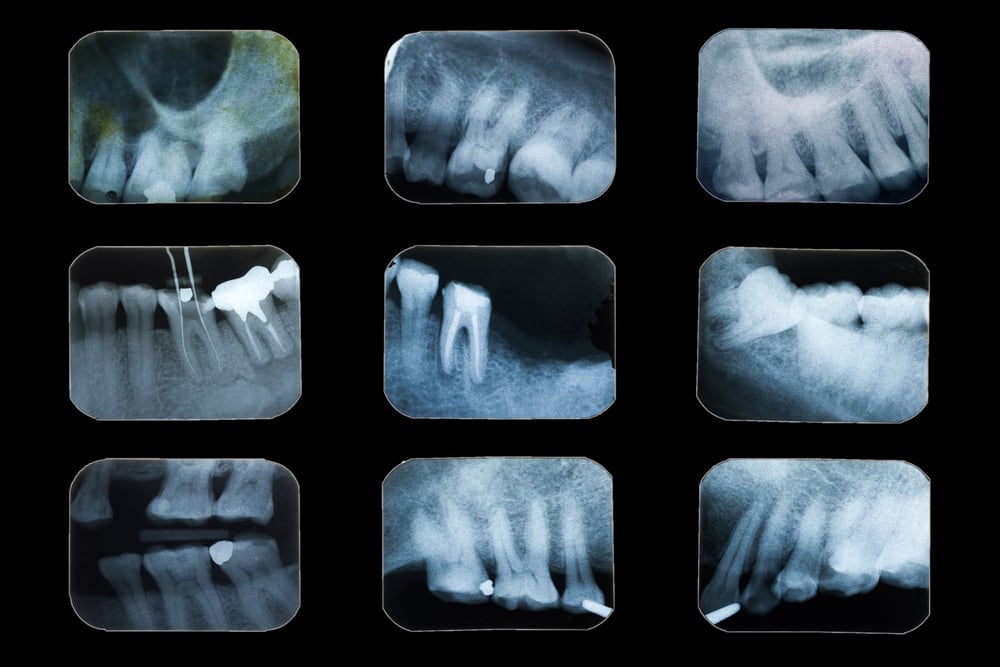
Wilhelm Röntgen was experimenting with cathode rays in 1895 when he noticed a fluorescent screen across his lab glowing, even though his apparatus was sealed inside black cardboard. Something invisible was passing through the cardboard and lighting the screen from a distance.
Röntgen systematically tested the mysterious radiation, finding it passed through wood, paper, and flesh but was blocked by bone and metal. When he imaged his wife’s hand and saw her skeleton, the implications were obvious.
Doctors could finally see inside the body without surgery — a transformation in diagnosis that Röntgen never imagined when he spotted that glowing screen.
WD-40
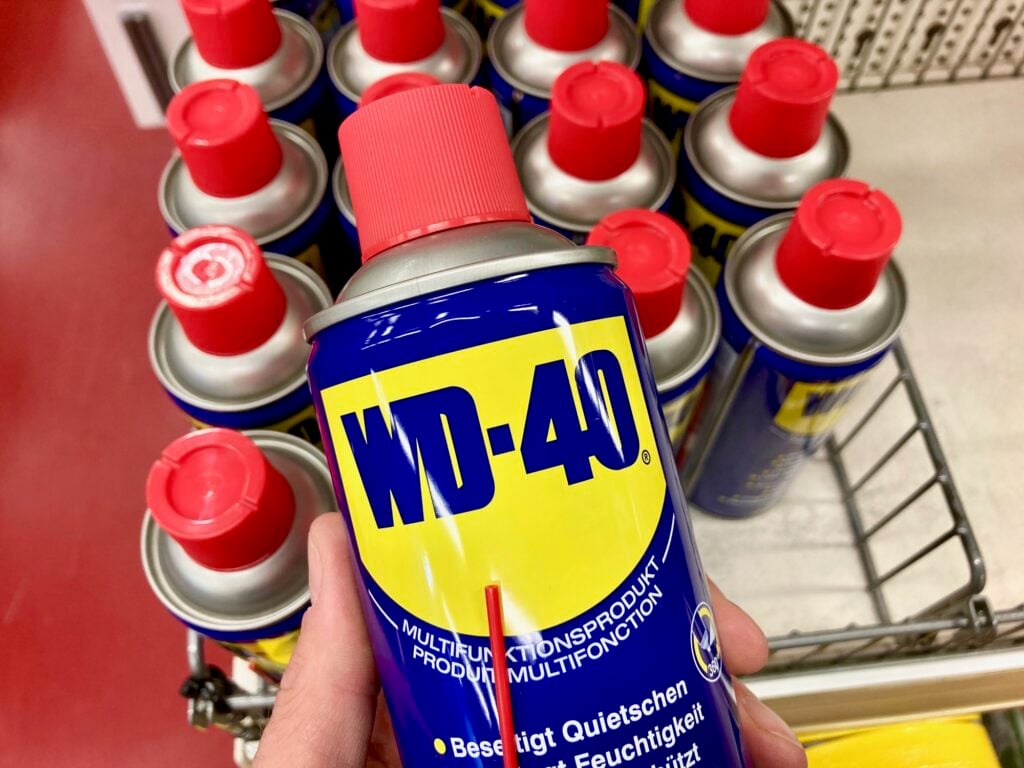
The Rocket Chemical Company developed WD-40 in 1953 to fight corrosion — specifically, to protect the thin metal skin of the Atlas missile from rust and moisture. The name is shorthand straight from the lab notebook: “Water Displacement, 40th formula,” because it took the chemist 40 attempts to get the chemistry right.
The product worked so well that employees reportedly snuck cans home to use on squeaky hinges, stuck bolts, and household problems of every kind. The company eventually realized it had two businesses, aerospace supplier and consumer product, and WD-40 reached store shelves in 1958.
Today it lives in garages worldwide, a long way from its missile-defense origins.
Champagne

Far from inventing sparkling wine on purpose, Dom Pérignon and his contemporaries were trying to prevent the bubbles. In the cold cellars of 17th-century France, fermentation would stall in winter and restart in spring, producing unwanted carbonation that popped corks and burst bottles.
Winemakers spent decades fighting this secondary fermentation, treating the bubbles as a defect that ruined good wine. But as techniques improved and stronger bottles could contain the pressure, some producers began to appreciate the lively effervescence the “flaw” created.
They stopped fighting the bubbles and started perfecting them, turning a production failure into one of the world’s most celebrated drinks.
Saccharin
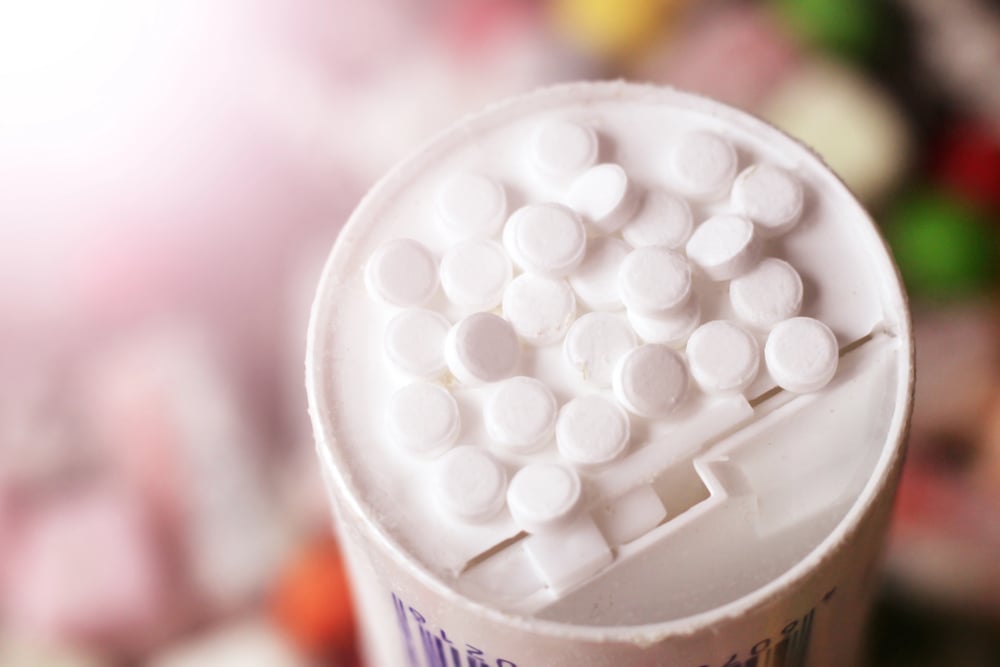
Constantin Fahlberg was researching coal-tar derivatives at Johns Hopkins in 1879. After a long day in the lab, he went home and noticed that everything at dinner tasted impossibly sweet — his bread, his napkin, even his own fingers.
He traced the sweetness back to a compound he’d handled in the lab that day and rushed back to identify it. The result was saccharin, the first artificial sweetener, which launched an entire industry — all because a chemist didn’t wash his hands thoroughly before dinner.
(It’s a great story, even if his lab hygiene would horrify a modern safety officer.)
Stainless Steel

Harry Brearley was trying to improve gun barrels for the British military in 1913. Barrels wore out fast from heat and friction, so he experimented with adding chromium to the steel.
The chromium steel wasn’t dramatically better for firearms, but it showed an unusual resistance to corrosion. Brearley noticed his experimental samples staying bright and clean while other metals in the workshop rusted.
He had accidentally created an alloy that resisted air and moisture, solving a problem that had plagued metalworkers for centuries. Stainless steel went on to transform everything from cutlery and kitchen appliances to architecture — far more valuable than the gun barrels he set out to improve.
Fireworks

Chinese alchemists more than a thousand years ago were searching for an elixir of immortality when they combined saltpeter, sulfur, and charcoal in various proportions. Instead of eternal life, they produced gunpowder — a mixture that burned and exploded with startling force and brilliant flashes of light.
Rather than abandon the discovery, they leaned into the spectacle. Packed into bamboo tubes and later paper casings, the powder became fireworks, set off to celebrate festivals and ward off evil spirits.
The quest for a potion to cheat death produced instead one of humanity’s most enduring ways to celebrate being alive — and, eventually, the explosives and propellants that would reshape warfare and engineering across the world.
When Solutions Go Looking for Problems

The thread running through all twenty-five of these stories is the same, and it quietly upends how most of us imagine invention works. We picture a clear goal, a focused effort, and a triumphant breakthrough.
What actually happened, again and again, is the reverse: a chemist created a useless glue, a radar engineer melted a candy bar, a wallpaper cleaner lost its market — and the breakthrough came from someone paying attention to the accident instead of sweeping it aside. That’s the real lesson buried in the medicine cabinet and the kitchen drawer.
The crucial talent often wasn’t the original invention but the recognition — the willingness to look at a failure and ask whether it might be a success at something else entirely. Fleming could have tossed the moldy plate. Silver could have written off his weak glue.
The people who didn’t are the reason these products exist. So the next time something doesn’t work the way you intended, it’s worth a second glance before the trash can.
History’s most useful objects are full of products that were, by their original measure, complete failures. They just happened to fail in exactly the right direction.
More from Go2Tutors!

- The Romanov Crown Jewels and Their Tragic Fate
- 13 Historical Mysteries That Science Still Can’t Solve
- Famous Hoaxes That Fooled the World for Years
- 15 Child Stars with Tragic Adult Lives
- 16 Famous Jewelry Pieces in History
Like Go2Tutors’s content? Follow us on MSN.