25 First-Edition Paperbacks Sitting on Shelves That Are Worth Far More Than Their Cover Price
Most people walk past paperbacks without a second glance. That worn copy of a Stephen King novel or that faded science fiction classic probably cost someone fifty cents at a garage sale.
But some of those humble paperbacks are hiding in plain sight, worth hundreds or even thousands of times their original cover price. The trick is knowing which ones to look for.
On the Road
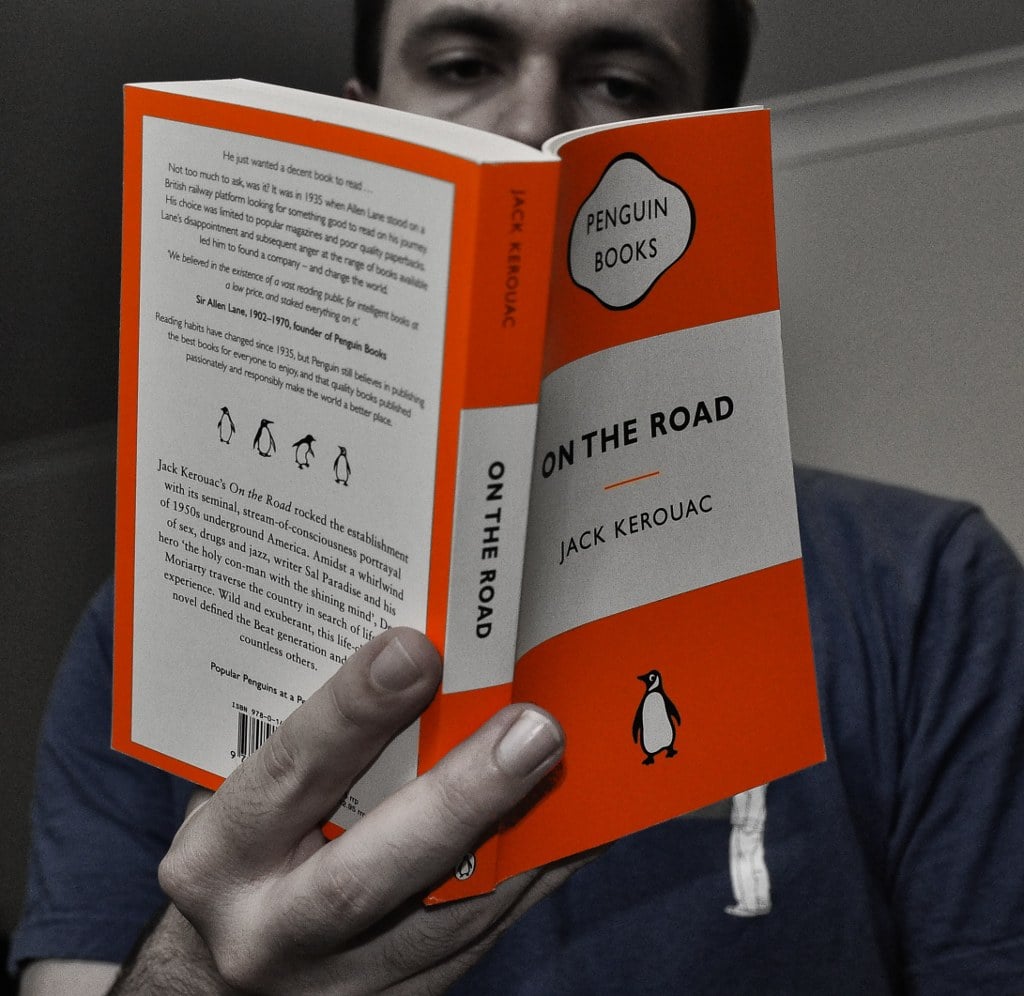
First-edition paperbacks of Kerouac’s masterpiece from 1957 don’t mess around. The original Signet edition sells for serious money today—sometimes over $2,000 for a clean copy.
That’s quite a jump from the thirty-five cent cover price.
Stranger in a Strange Land
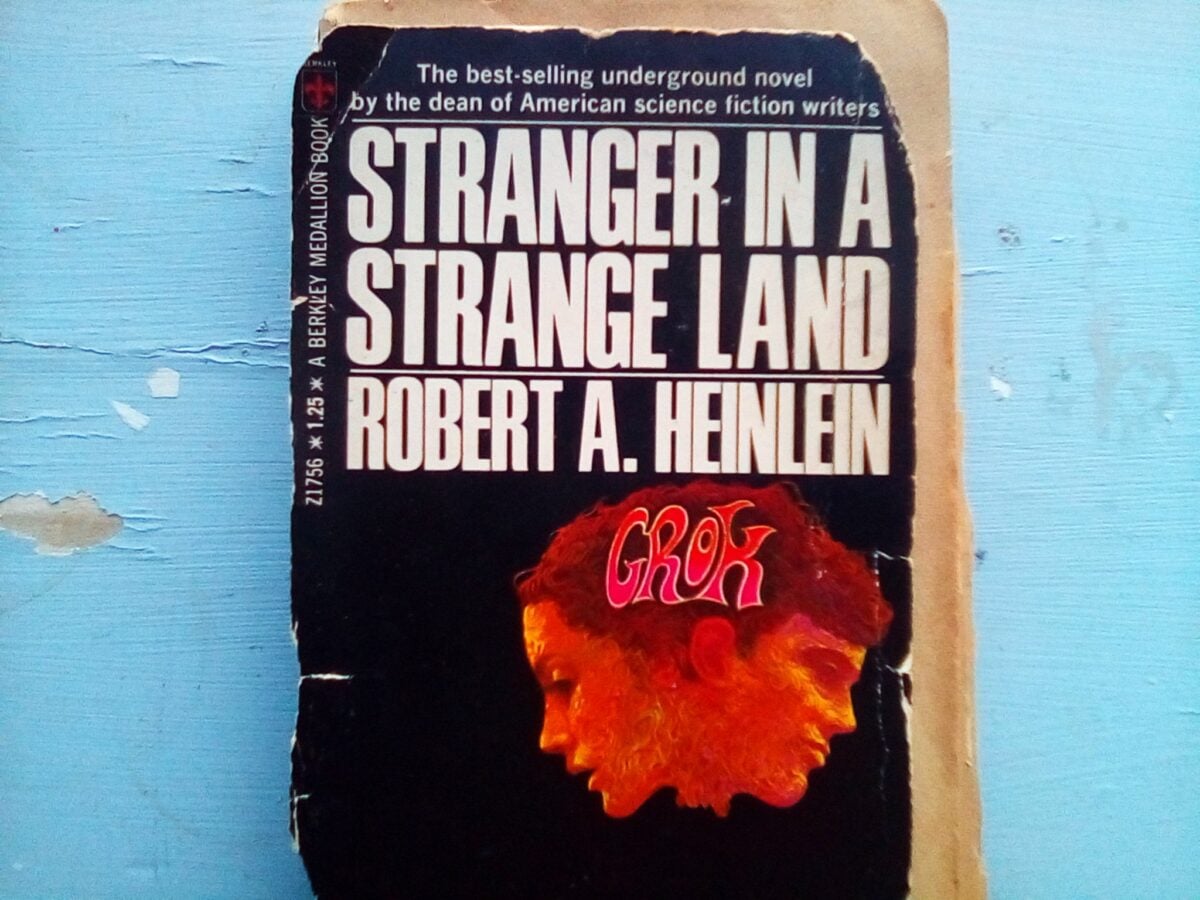
The 1961 Berkley paperback of Heinlein’s novel started a cult following before anyone knew what was coming. Science fiction paperbacks were throwaway items back then, which makes surviving copies that much rarer.
A pristine first paperback edition can fetch $1,500 or more, assuming you can find one that hasn’t been read to death.
Valley of the Dolls
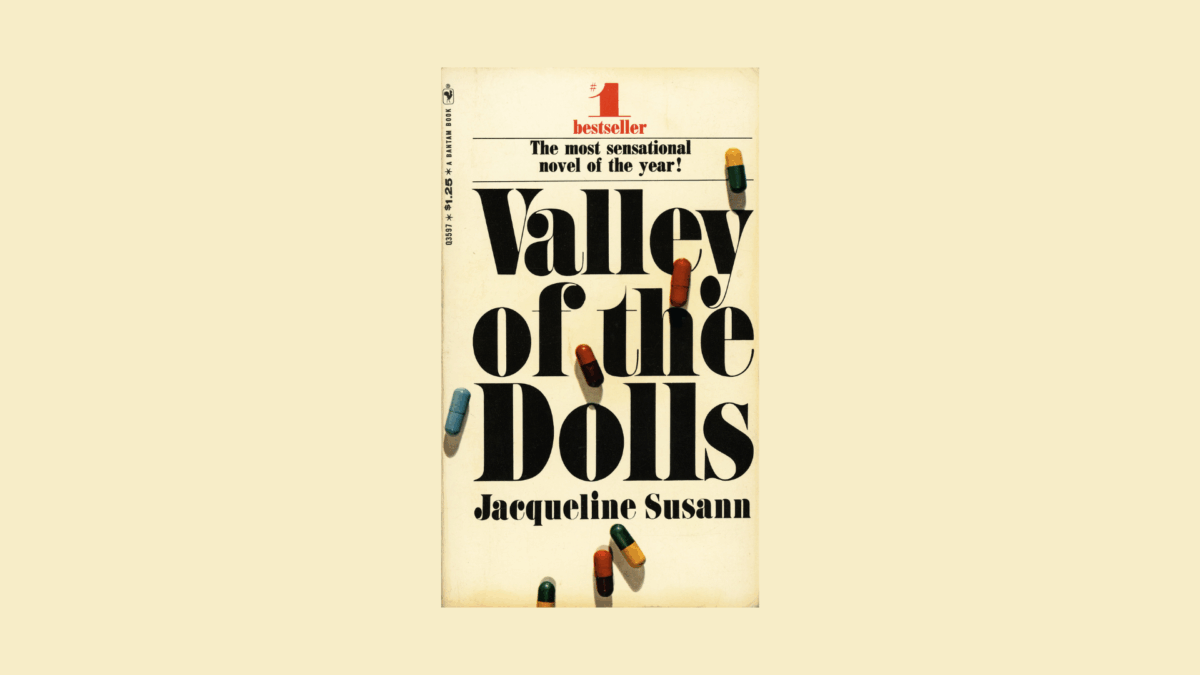
Jacqueline Susann’s scandalous 1966 novel became a cultural phenomenon, but the first Bantam paperback edition (published the same year as the hardcover, which was unusual) has become something of a holy grail for collectors. The original paperback, with its distinctive cover art and seventy-five cent price tag, now commands prices that would make Susann herself do a double-take—sometimes reaching $800 to $1,200 for copies in excellent condition, because everyone who bought this book actually read it (and passed it around to friends), so finding one that looks unread is like finding a needle in a haystack.
And here’s where it gets interesting: the paperback actually came out simultaneously with the hardcover, which almost never happened in 1966—publishers usually waited a full year before releasing paperback editions. But Bantam took a gamble on this salacious novel about pills, fame, and female ambition in Hollywood. Turns out they were right to rush it to market.
The book’s subject matter meant it lived in purses, got stuffed in beach bags, and passed from reader to reader until the spine cracked and pages yellowed. So when collectors started paying attention to this piece of pop culture history decades later, mint copies had virtually vanished.
Dune
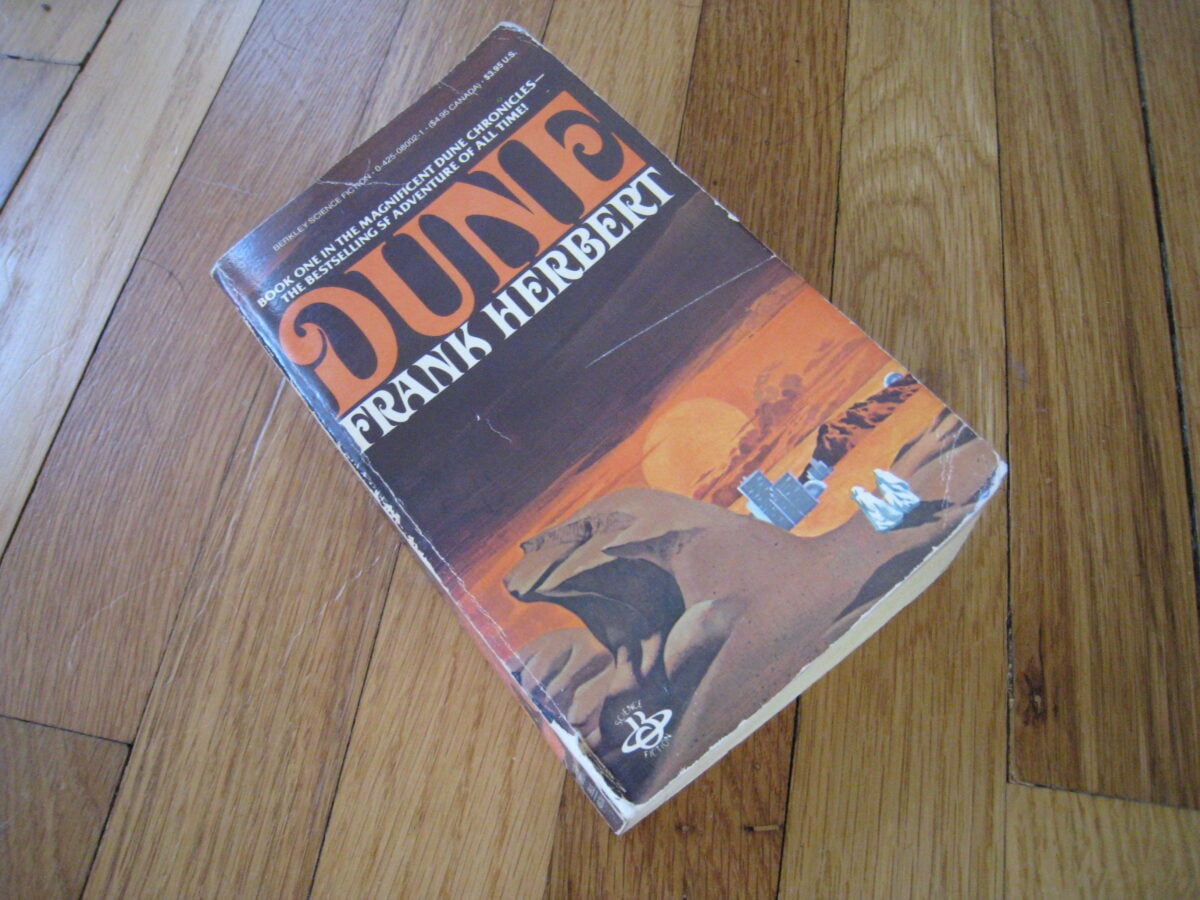
Frank Herbert’s epic launched from Ace Books in 1965 for sixty cents. Those early Ace paperbacks are desert-rare now, worth $1,000 or more in good condition.
Science fiction readers weren’t known for babying their books, which explains why finding a copy without a broken spine requires genuine luck.
The Godfather
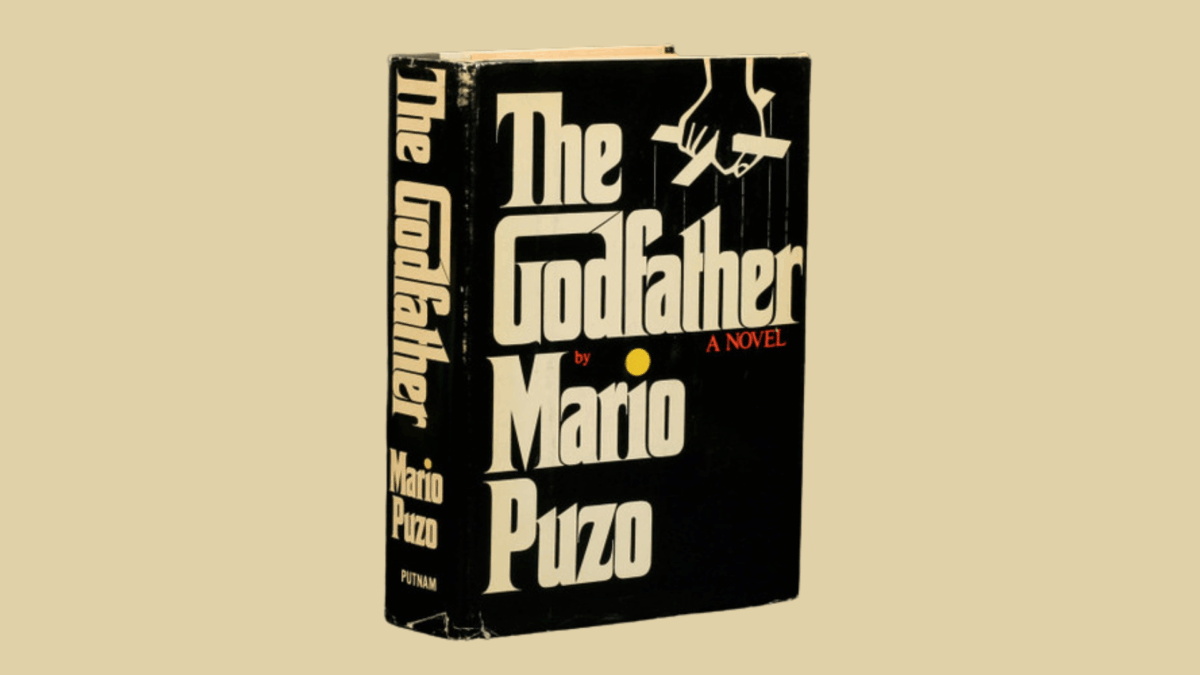
Mario Puzo’s 1969 crime saga became a cultural institution, but the original Fawcett Crest paperback edition holds its own kind of power among collectors. The first paperback printing, distinguishable by specific cover details and publisher information, can command $300 to $600 today—a respectable return on what was originally a ninety-five cent investment, proving that sometimes the most popular books end up being the scarcest in good condition because everyone actually read them instead of leaving them pristine on shelves.
Carrie
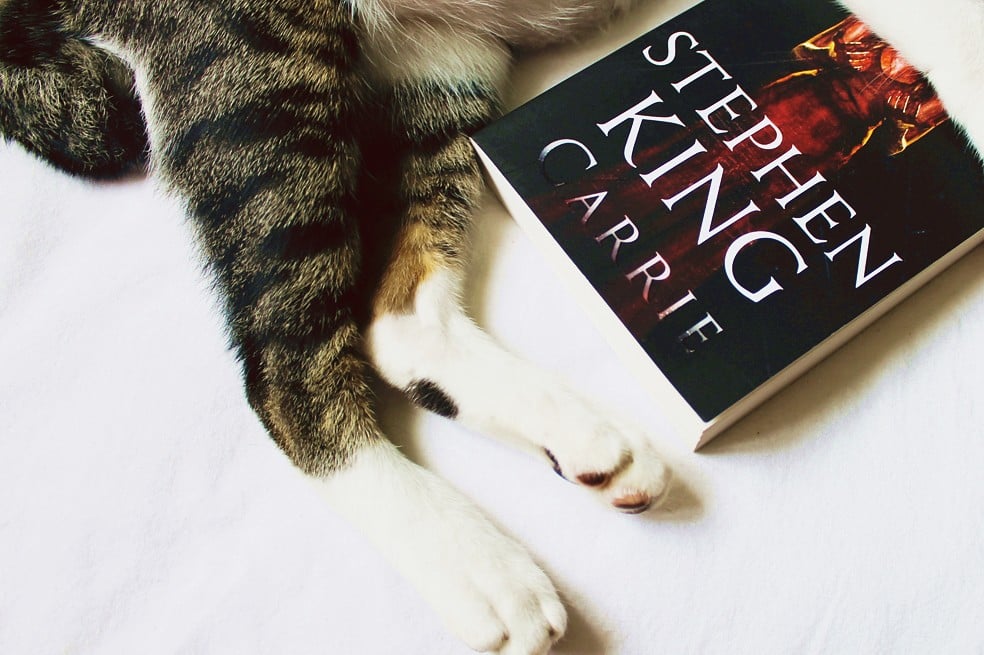
Stephen King’s first published novel appeared as an original paperback from Signet in 1974. No hardcover came first—straight to paperback for forty cents.
That original printing, before King became a household name, now sells for $800 to $1,500 depending on condition. The book industry didn’t expect much from this story about a telekinetic teenager (which explains the paperback-first release), but readers connected with King’s blend of supernatural horror and high school cruelty in ways that surprised everyone, including the author himself.
And because this was positioned as a disposable horror paperback rather than serious literature, most copies lived hard lives—stuffed in back pockets, loaned to friends, read under covers with flashlights. What makes these early copies particularly valuable isn’t just King’s later fame, but the fact that Carrie represents the birth of modern horror fiction as we know it.
Before King, horror novels were mostly gothic affairs with European settings and formal language; King brought the genre into suburban America and made it conversational. That shift started with this unassuming paperback that most people bought without knowing they were witnessing a literary revolution.
Catch-22
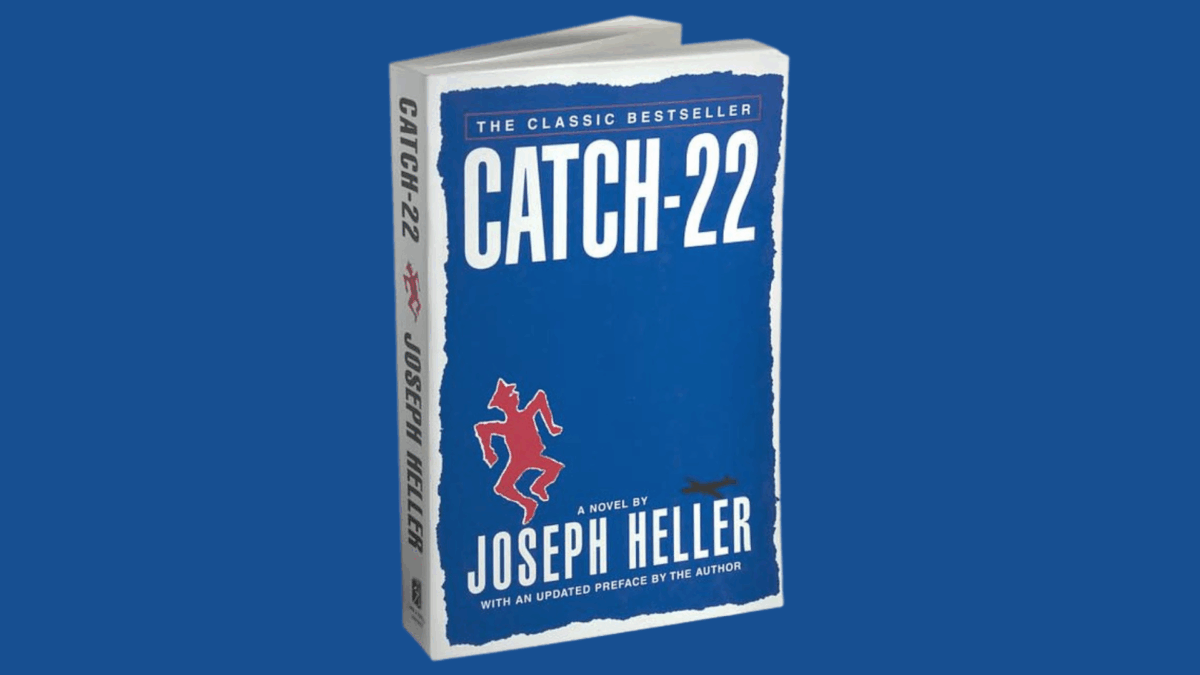
Joseph Heller’s war satire appeared in paperback from Dell in 1962, a year after the hardcover. The original Dell edition, with its distinctive cover design, has become a collector’s item worth several hundred dollars in top condition.
The book’s complex humor meant it attracted readers who actually engaged with the text rather than treating it as light entertainment.
The Bell Jar

Sylvia Plath’s only novel first appeared in American paperback from Bantam in 1972, nearly a decade after the author’s death. The first Bantam printing, recognizable by specific cover art and pricing, now commands $400 to $700 among collectors.
Literature majors and poetry enthusiasts kept these books close, which means most copies show their age.
Fear of Flying
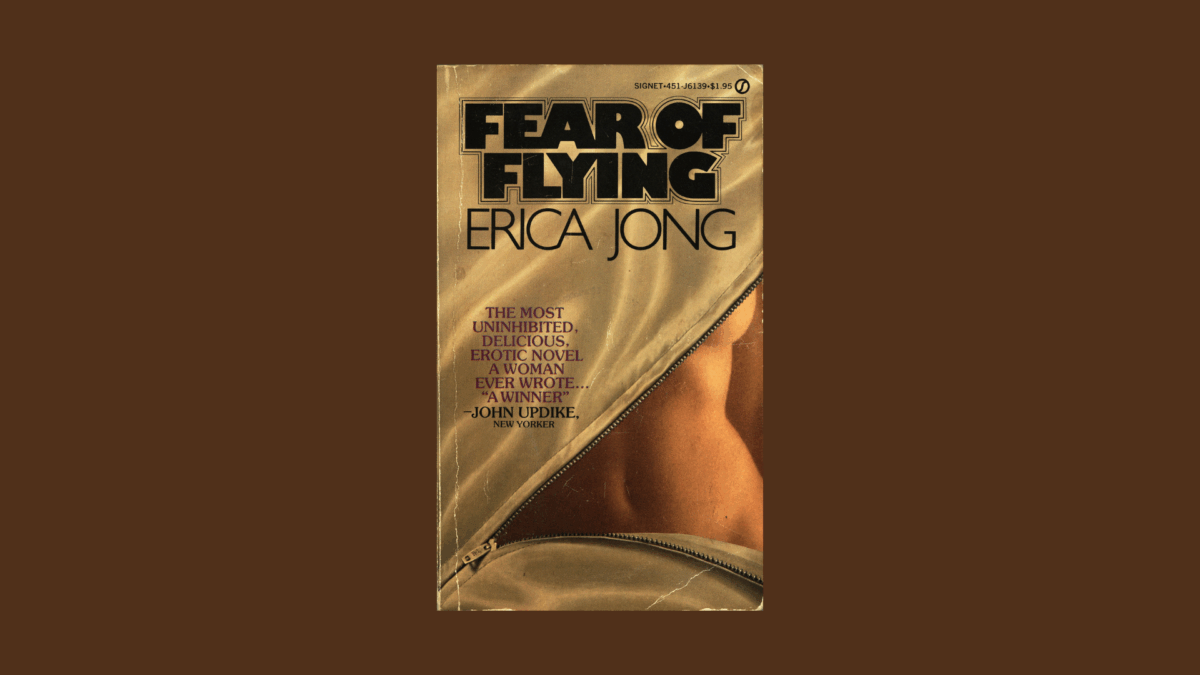
Erica Jong’s controversial 1973 novel broke ground as an original Signet paperback. Women’s liberation and frank discussions of female desire made this book a cultural lightning rod.
Original paperback editions now sell for $200 to $400, assuming you can find one without underlined passages or margin notes.
The Exorcist
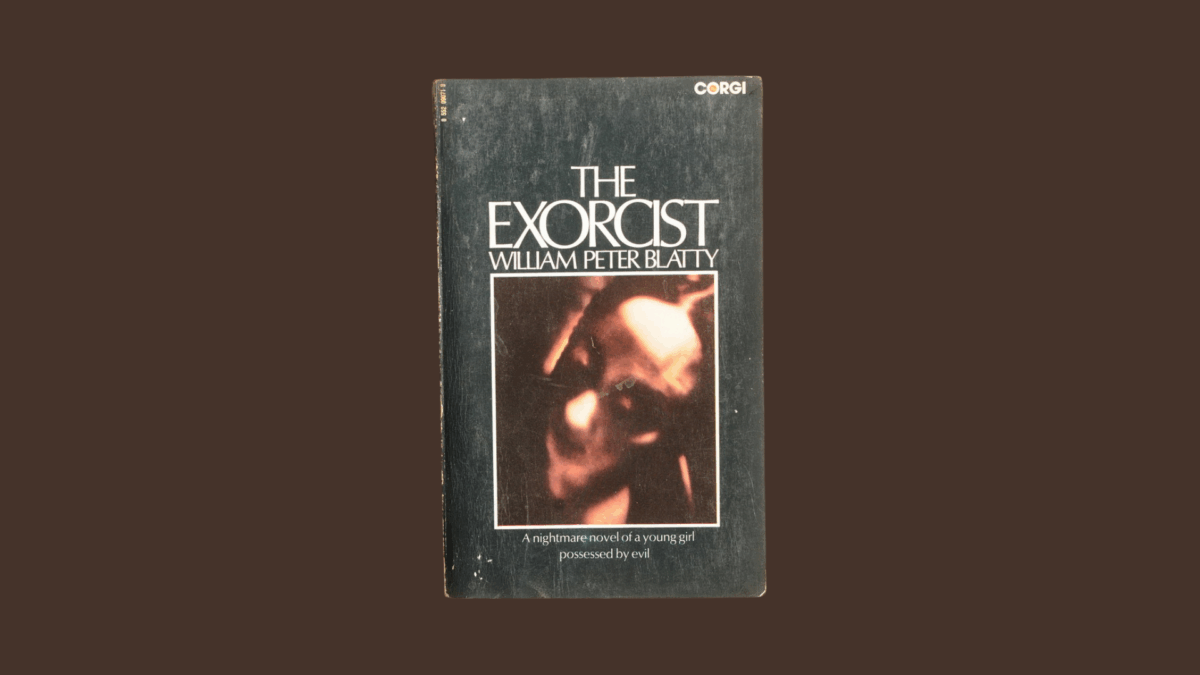
William Peter Blatty’s tale of demonic possession started as a Bantam paperback in 1972, priced at seventy-five cents, and became the kind of book that people bought, read in a single sitting, and then immediately loaned to someone else (or hid under the bed because it was too terrifying to keep nearby). Original paperback printings now command $300 to $500, but finding one in decent shape requires patience because most copies were literally read to pieces—spines cracked from being gripped too tightly during the scary parts, pages dog-eared at particularly disturbing scenes, covers worn from being nervously handled.
The book hit shelves just as America was becoming fascinated with the occult and questioning traditional religious authority, which meant it found an audience hungry for exactly this kind of spiritual horror story. But Blatty wrote it with the intensity of someone who actually believed in the reality of demonic possession (he did), and that conviction translated into prose that didn’t feel like typical genre fiction.
And because the movie rights were sold early and the film became a cultural phenomenon in 1973, suddenly everyone wanted to read the source material. But by then, most of the original paperback printings had already been passed around, read, and worn down. Supply and demand did what they always do.
Jonathan Livingston Seagull
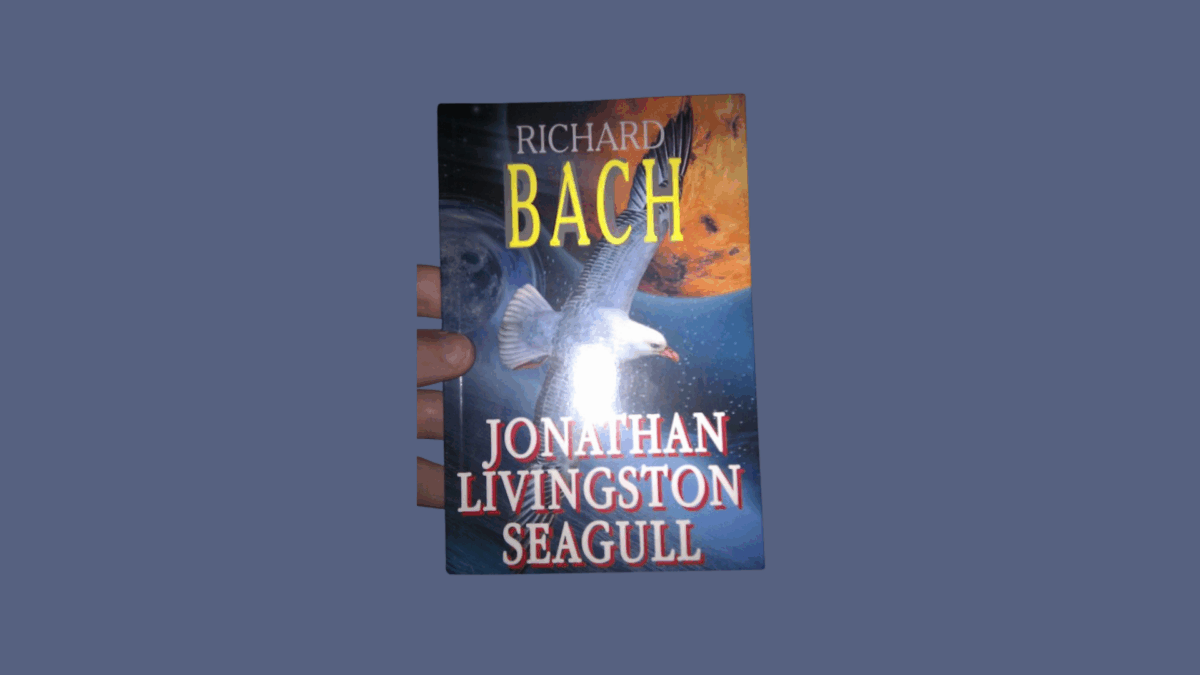
Richard Bach’s philosophical fable about a seagull who refuses to conform became an unlikely bestseller as an Avon paperback in 1970. Priced at ninety-five cents, it now sells for $150 to $300 in excellent condition.
The book’s inspirational message meant readers kept their copies, but they also shared them extensively.
I’m OK – You’re OK

Thomas A. Harris’s pop psychology guide became a cultural phenomenon as a Harper paperback in the early 1970s. Self-help books weren’t built to last, but this one stuck around in people’s consciousness and on collectors’ want lists.
Original editions can bring $100 to $200 today.
The Joy of Cooking
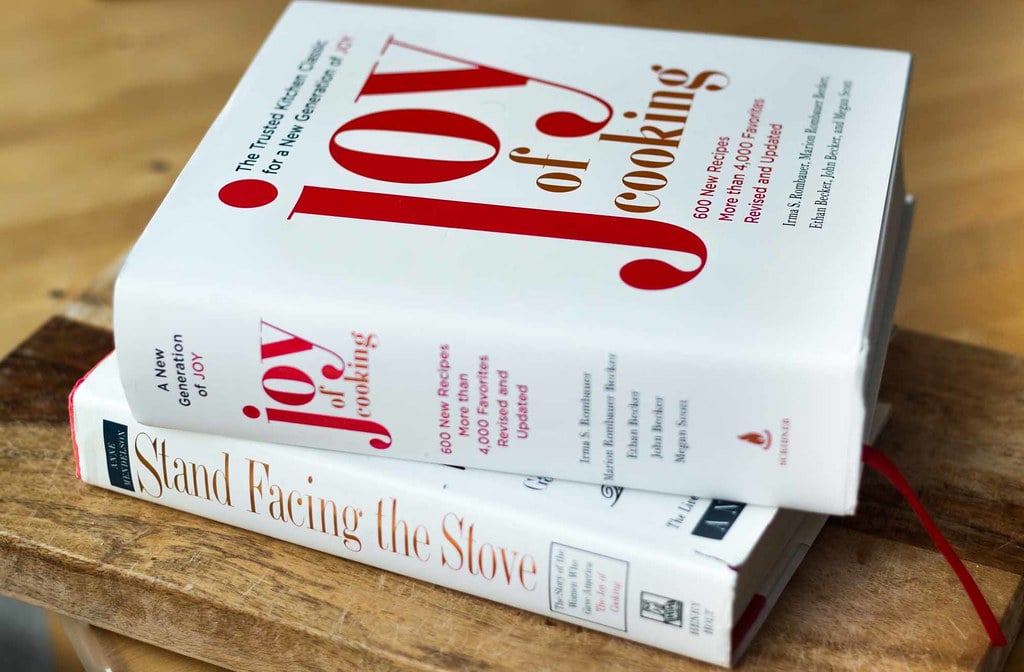
Irma Rombauer’s cookbook appeared in various paperback editions throughout the 1960s and 1970s, but the early Signet paperback printings have gained surprising value among collectors of culinary literature. Cookbooks get used hard, which makes clean copies worth $75 to $150 depending on the specific edition and condition.
Future Shock
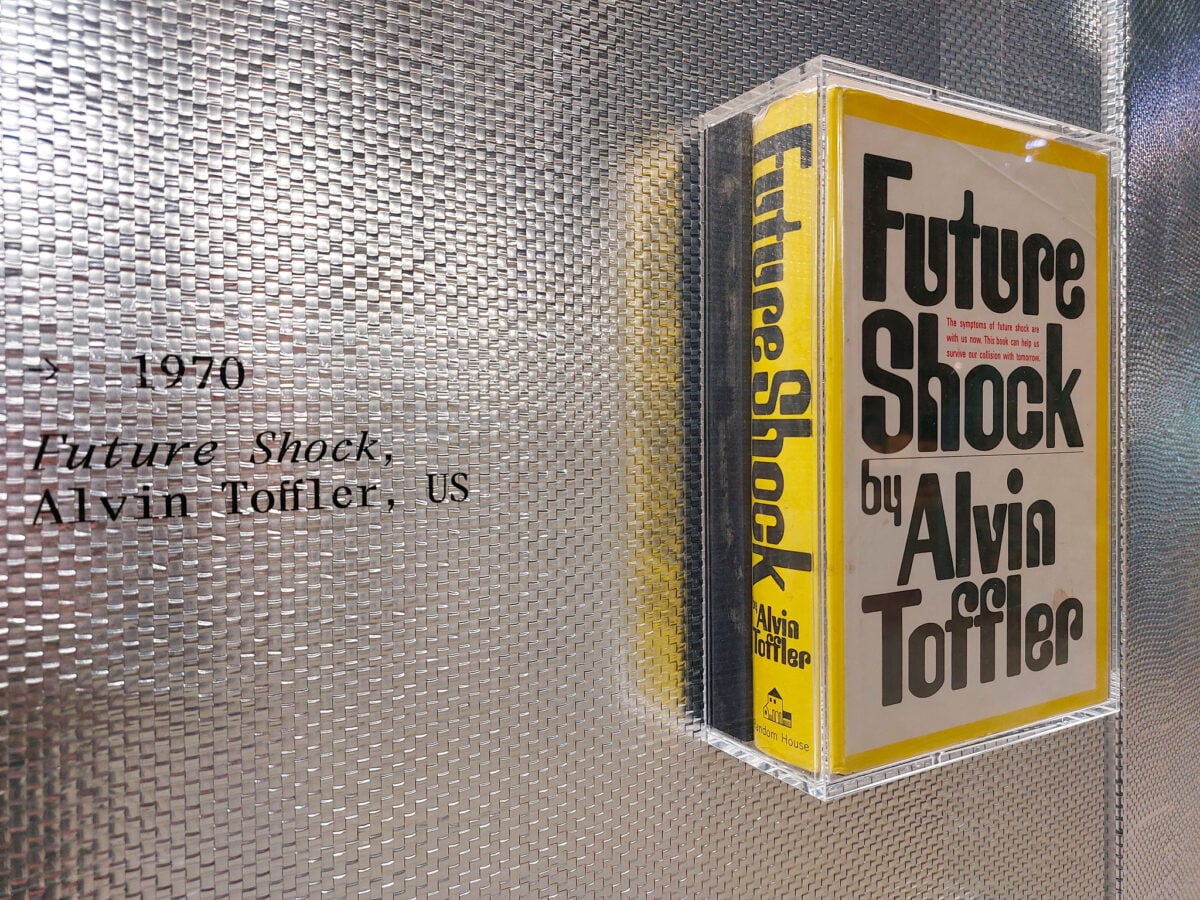
Alvin Toffler’s examination of rapid technological change appeared as a Bantam paperback in 1971 and predicted a world that sounds remarkably like today. The original paperback edition, priced at $1.25, now commands $80 to $120 among collectors interested in futurism and social commentary.
The Electric Kool-Aid Acid Test
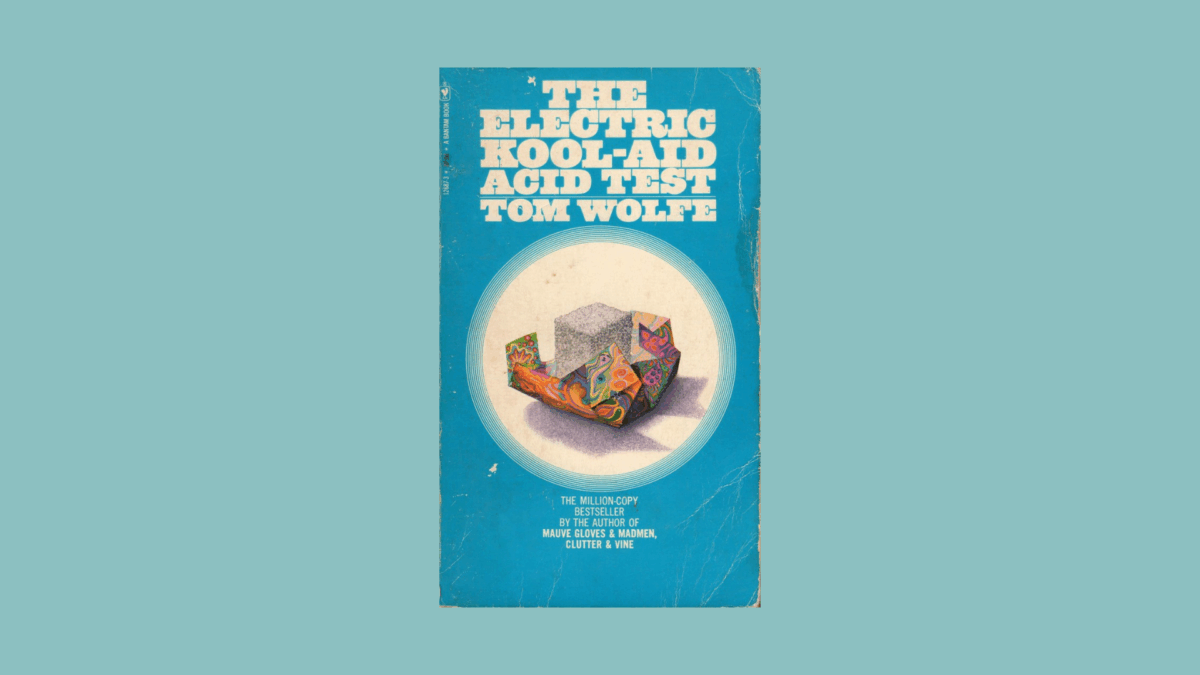
Tom Wolfe’s gonzo journalism masterpiece about Ken Kesey and the Merry Pranksters appeared as a Bantam paperback in 1969. The counterculture connection meant these books lived eventful lives, making pristine copies worth $200 to $350 today.
Slaughterhouse-Five
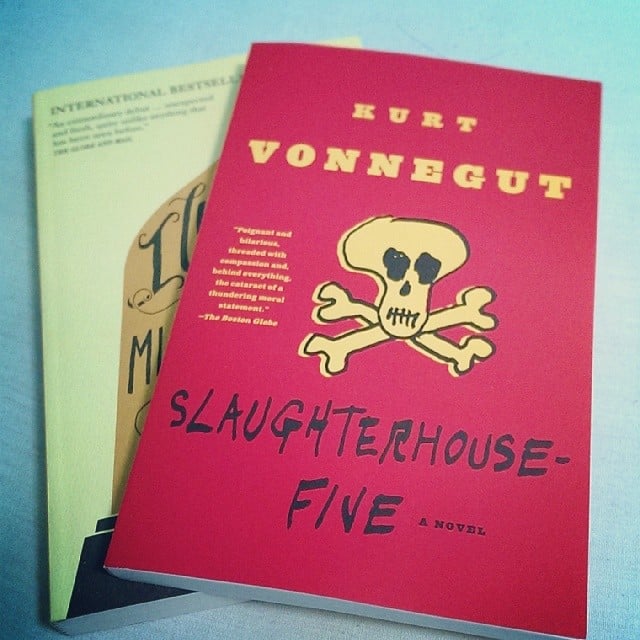
Kurt Vonnegut’s anti-war classic appeared in paperback from Dell in 1970, a year after the hardcover publication, and became the kind of book that college students bought, read, quoted extensively, and then loaned to friends who never returned them (which explains why original paperback editions now sell for $150 to $250). The book’s dark humor and science fiction elements attracted readers who treated books as living documents rather than pristine objects, so most copies show heavy wear from actual engagement with the text.
Vonnegut wrote with the voice of someone who had actually lived through the bombing of Dresden, and that authentic trauma gave the book a weight that college-aged readers in the Vietnam era found both devastating and necessary. But engaged readers are hard on books—they underline meaningful passages, write in margins, crack spines from repeated readings.
The original Dell paperback featured distinctive cover art that captured the book’s surreal blend of war narrative and time travel, making it instantly recognizable to collectors today. But recognition only matters if copies survived in decent condition, which many didn’t.
Fear and Loathing in Las Vegas
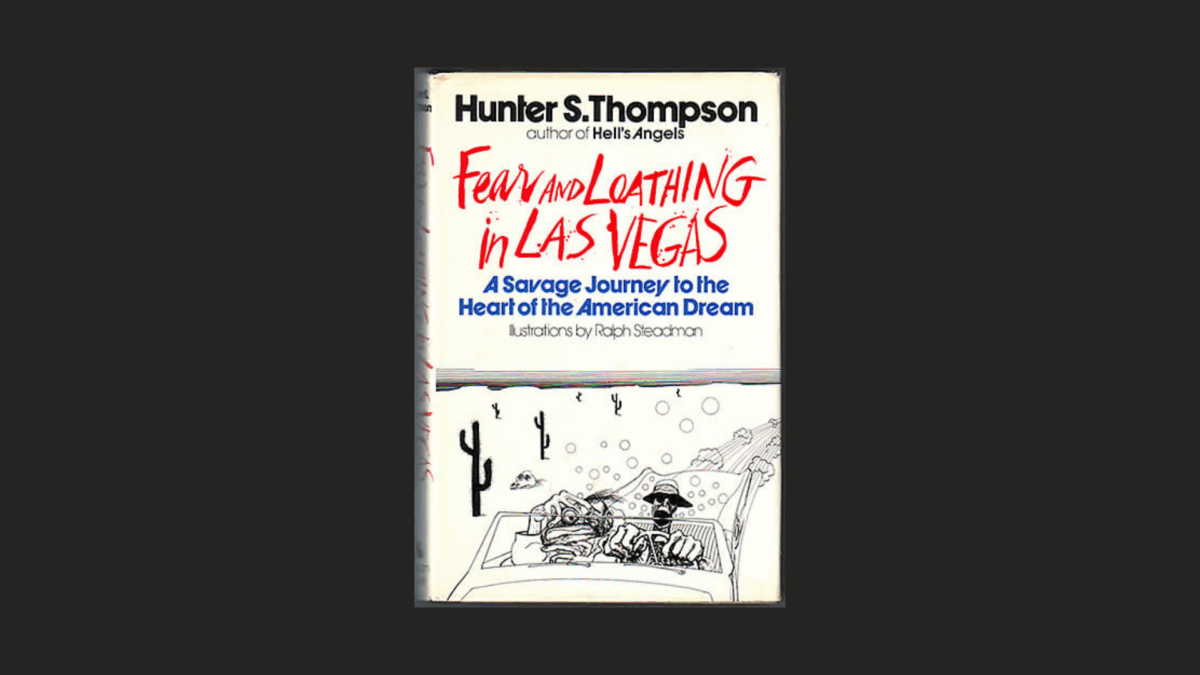
Hunter S. Thompson’s savage journey appeared as a Vintage paperback in 1972 and became a cult classic. The book’s psychedelic subject matter attracted readers who lived as hard as they read.
Original paperback editions now command $200 to $400, assuming they survived the era intact.
The Female Eunuch
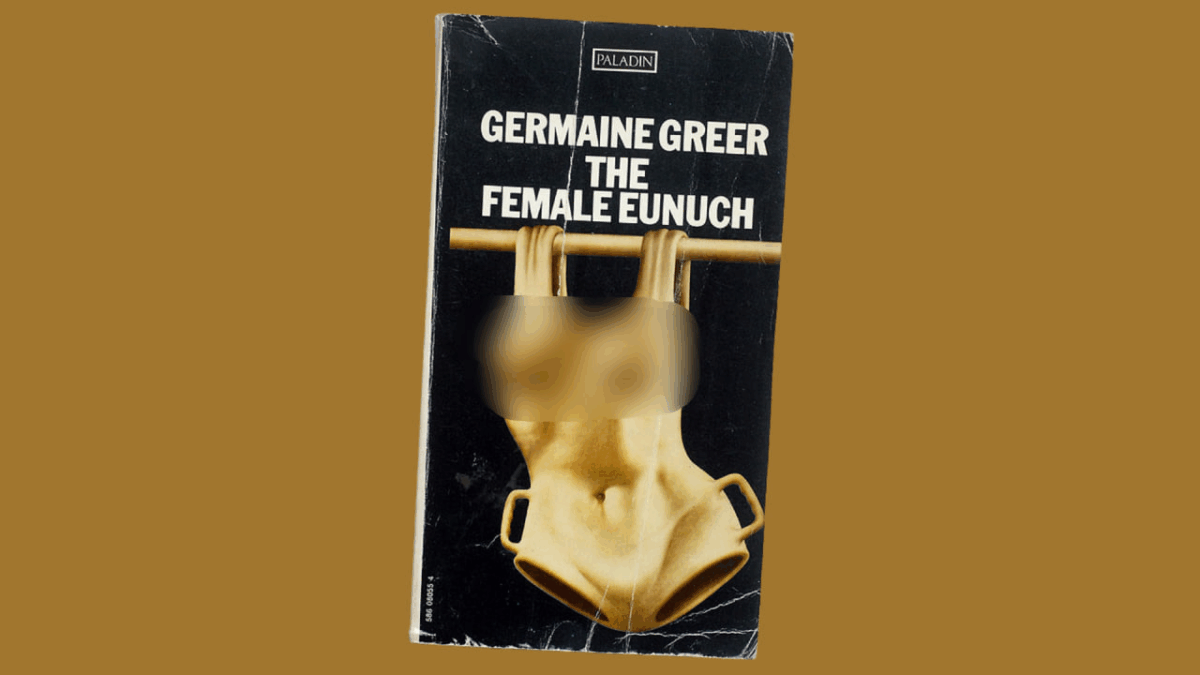
Germaine Greer’s feminist manifesto appeared as a Bantam paperbook in 1971 and became required reading for a generation of women questioning traditional roles. Political books get passed around and discussed heavily, which explains why clean copies now sell for $100 to $180.
Watership Down

Richard Adams’s rabbit epic started as a Rex Collings paperback in Britain, but the early American paperback editions from Avon (1975) have gained significant value among collectors of fantasy literature. The book’s crossover appeal to both children and adults meant copies lived active lives, making pristine examples worth $150 to $250.
Zen and the Art of Motorcycle Maintenance
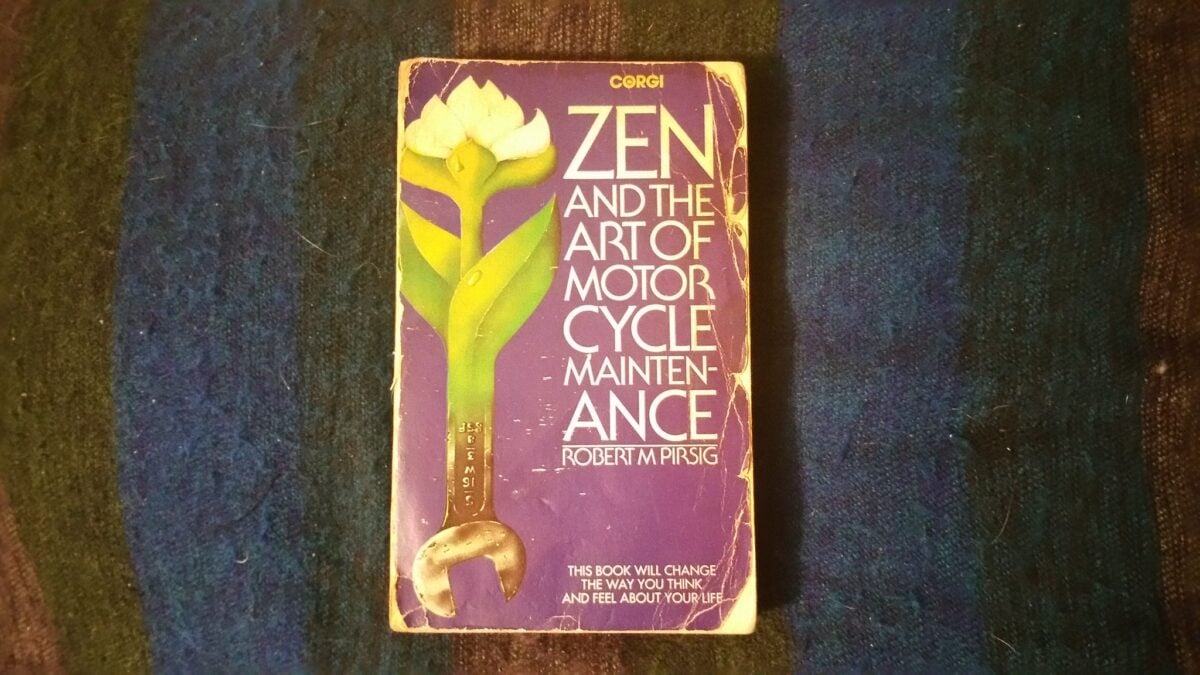
Robert Pirsig’s philosophical journey appeared as a Bantam paperback in 1975 and found an audience hungry for books that blended practical knowledge with deeper meaning. Original paperback editions can bring $120 to $200 today, particularly copies that haven’t been highlighted or annotated by thoughtful readers.
One Flew Over the Cuckoo’s Nest
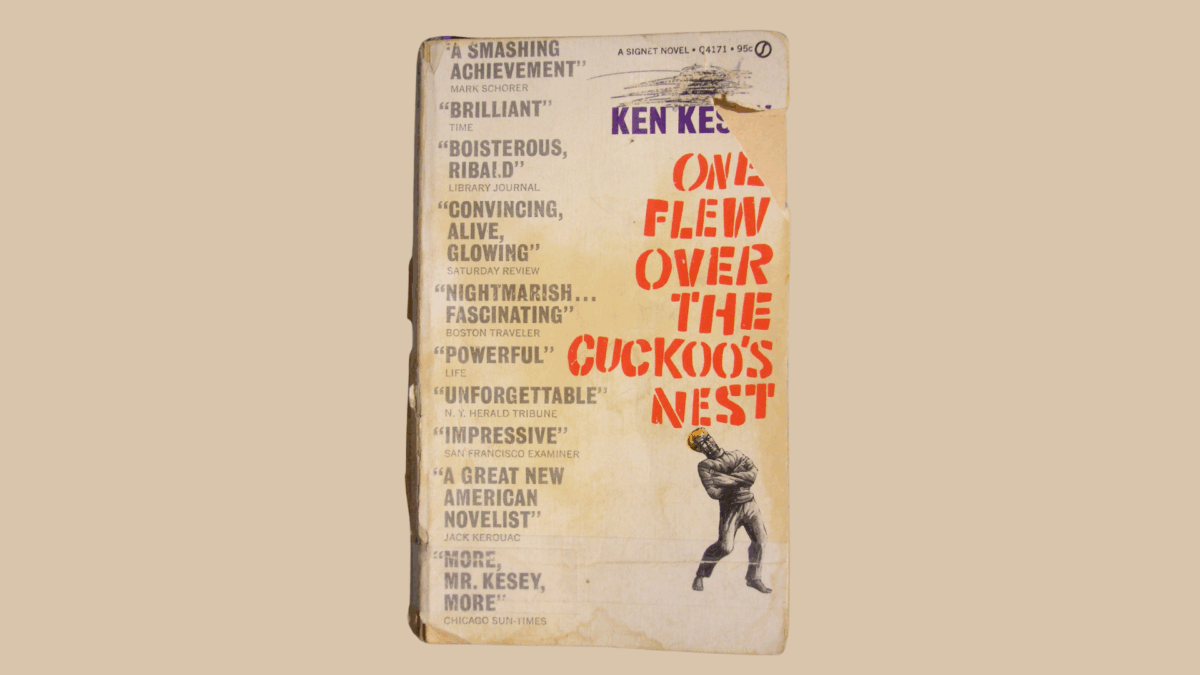
Ken Kesey’s mental hospital drama appeared in paperback from Signet in 1963 and became a counterculture touchstone long before the movie made it mainstream. Early paperback printings now command $300 to $500 among collectors, assuming you can find copies that survived the commune years without too much damage.
Breakfast of Champions
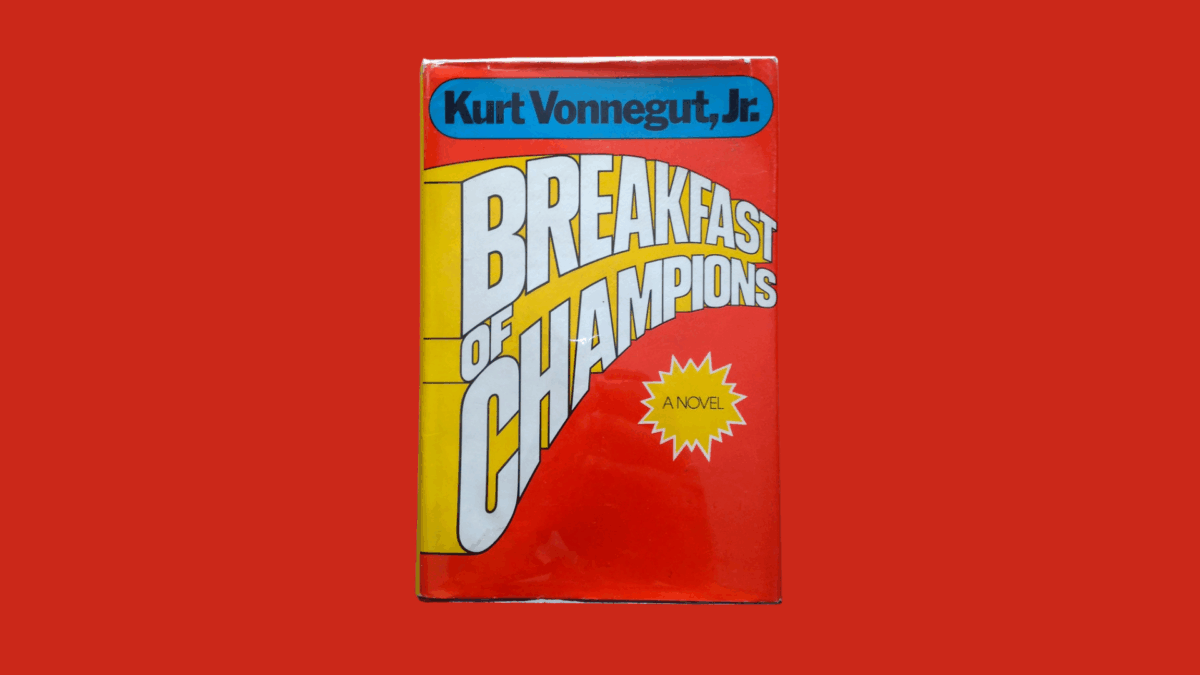
Vonnegut’s 1973 satire appeared in paperback from Dell the following year and continued his reputation for books that readers actually engaged with rather than simply consumed. The author’s hand-drawn illustrations made each copy feel personal, but also meant the books were handled more frequently.
Original paperback editions now sell for $100 to $180 in good condition.
Jaws
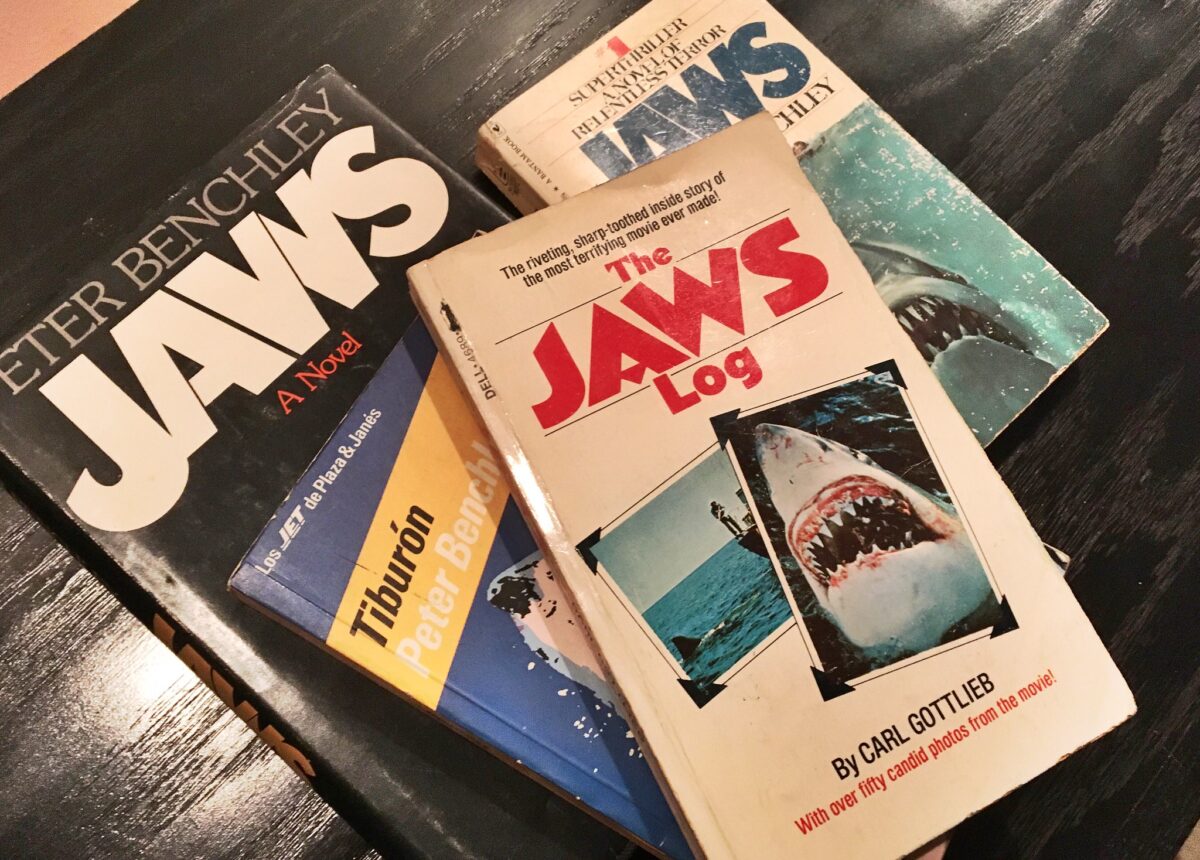
Peter Benchley’s shark thriller became a Bantam paperback sensation in 1975, right as the movie was terrifying audiences nationwide. Beach reading took on new meaning that summer, and most copies show their seaside origins.
Clean original paperback editions now command $150 to $250, proving that even pulp fiction can gain literary respect with enough time.
The Stepford Wives
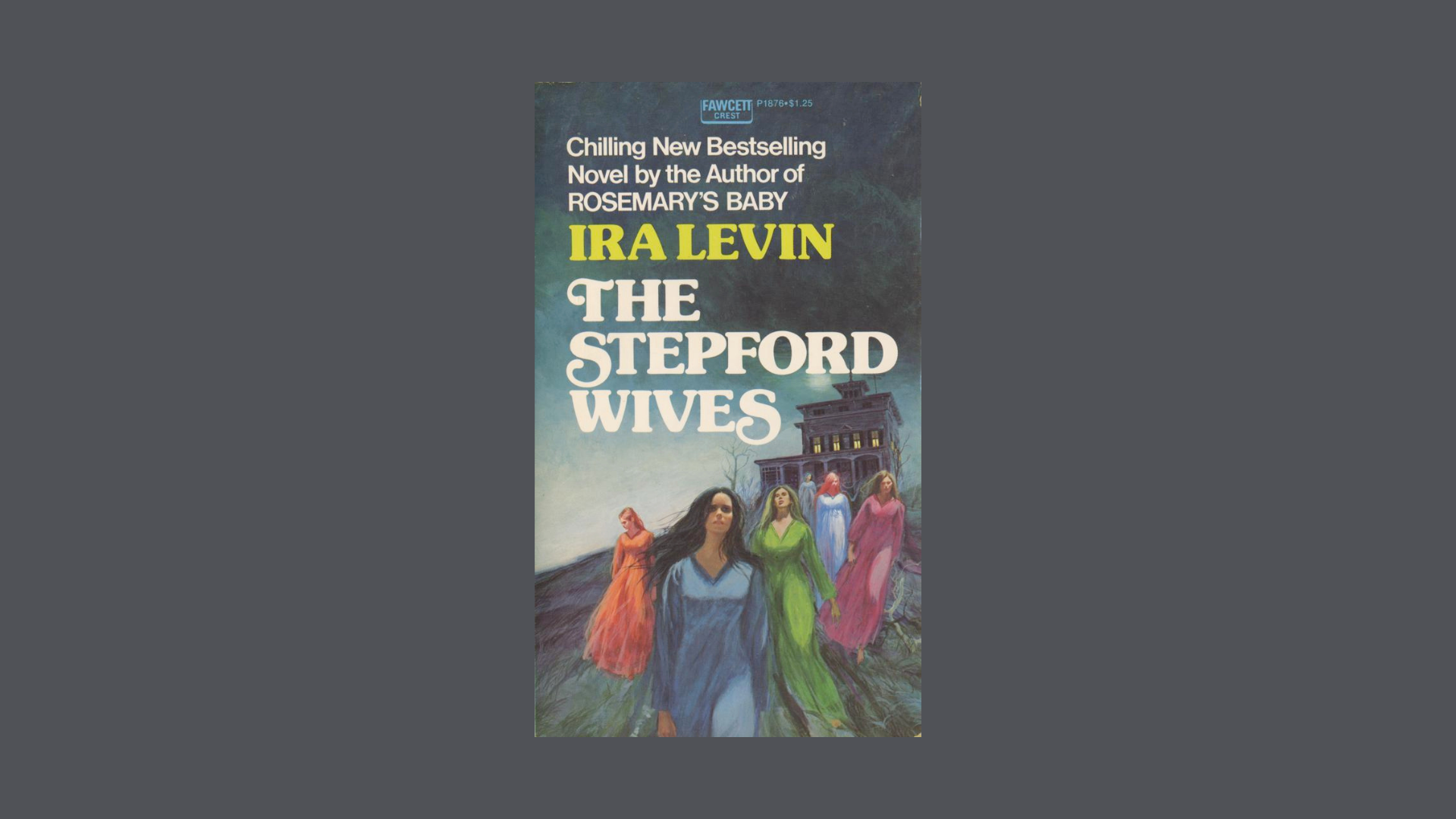
Ira Levin’s suburban horror story appeared as a Fawcett Crest paperback in 1973 and tapped into anxieties about women’s liberation and suburban conformity. The book’s feminist themes meant it was read and discussed extensively, making pristine copies worth $100 to $150 today.
All the President’s Men
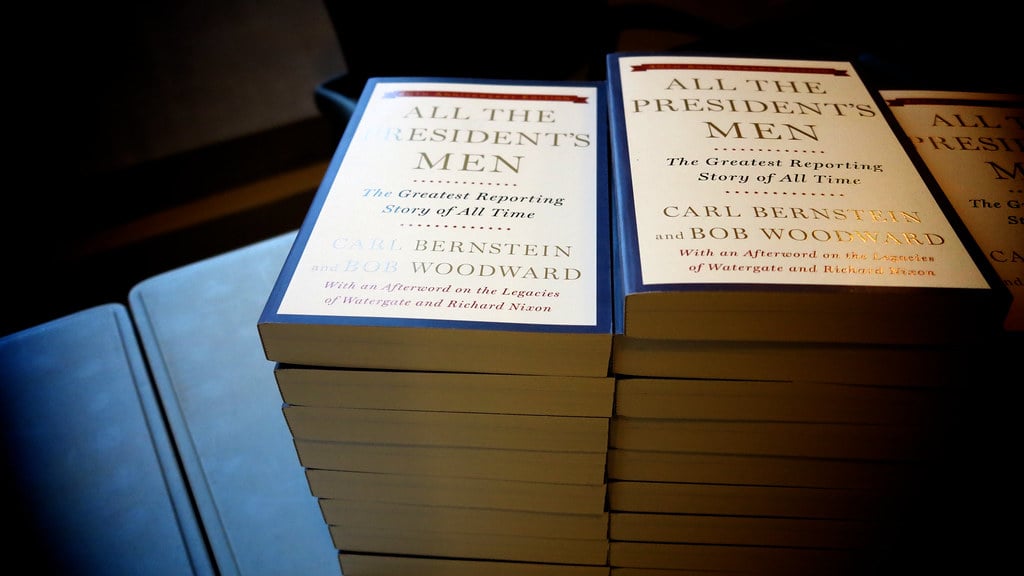
Woodward and Bernstein’s Watergate investigation appeared as a Warner paperback in 1975 and became essential reading for anyone trying to understand American politics. Political books get worn down by passionate readers, which explains why clean copies now sell for $80 to $120.
The Hidden Treasures in Plain Sight

These paperbacks prove that literary value doesn’t always announce itself with expensive bindings or fancy publishers. Sometimes the most important books arrive quietly, priced for mass consumption, and only reveal their true worth after time sorts out what matters from what doesn’t.
The collectors paying hundreds or thousands for these paperbacks today understand something that the original buyers couldn’t have known: they were witnessing the birth of modern popular culture, one forty-cent paperback at a time.
More from Go2Tutors!

- The Romanov Crown Jewels and Their Tragic Fate
- 13 Historical Mysteries That Science Still Can’t Solve
- Famous Hoaxes That Fooled the World for Years
- 15 Child Stars with Tragic Adult Lives
- 16 Famous Jewelry Pieces in History
Like Go2Tutors’s content? Follow us on MSN.