18 Facts About the Golden Gate Bridge
The Golden Gate Bridge stands tall as one of America’s most recognized landmarks. Its bright orange towers rise above the San Francisco Bay, connecting the city to Marin County in a display of engineering that still turns heads nearly 90 years after it opened.
People come from all over the world just to see it, photograph it, and walk across it. Ready to learn what makes this bridge so special? Let’s dive into some surprising facts that even locals might not know.
The color isn’t actually golden
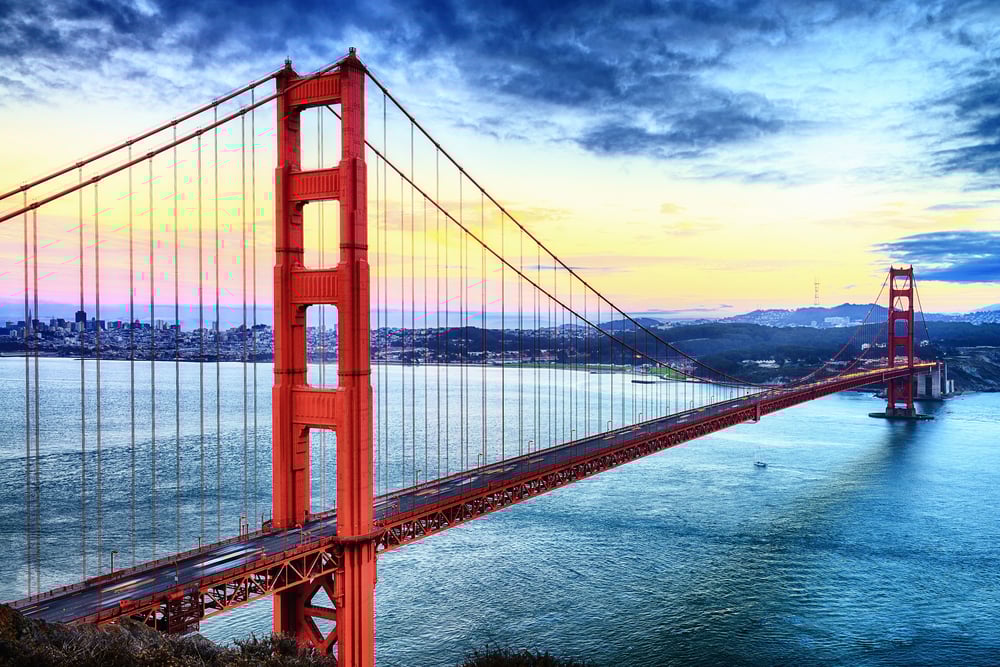
Despite its name, the Golden Gate Bridge sports a vivid orange-red color officially called ‘International Orange.’ The bridge got its name from the Golden Gate Strait, the narrow water passage it crosses, which explorer John C. Frémont named in 1846.
The U.S. Navy originally wanted the bridge painted in black and yellow stripes so ships could see it through the fog. Consulting architect Irving Morrow pushed for the orange shade instead, arguing it would complement the natural surroundings and remain visible in San Francisco’s frequent fog.
It took four years to build
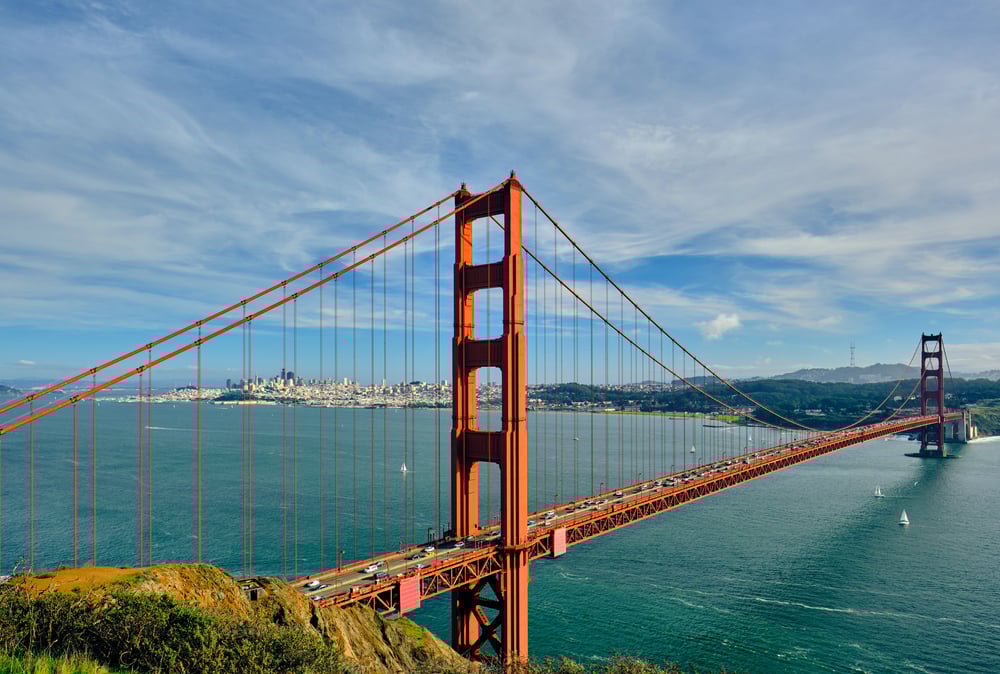
Construction started on January 5, 1933, and the bridge opened to the public on May 27, 1937. Workers faced constant challenges from strong winds, thick fog, and dangerous currents in the bay below.
The project employed roughly 1,000 workers at its peak, many of whom were desperate for work during the Great Depression. Chief engineer Joseph Strauss oversaw every detail, from the massive concrete anchors to the thinnest cable wires.
The bridge cost $35 million in the 1930s
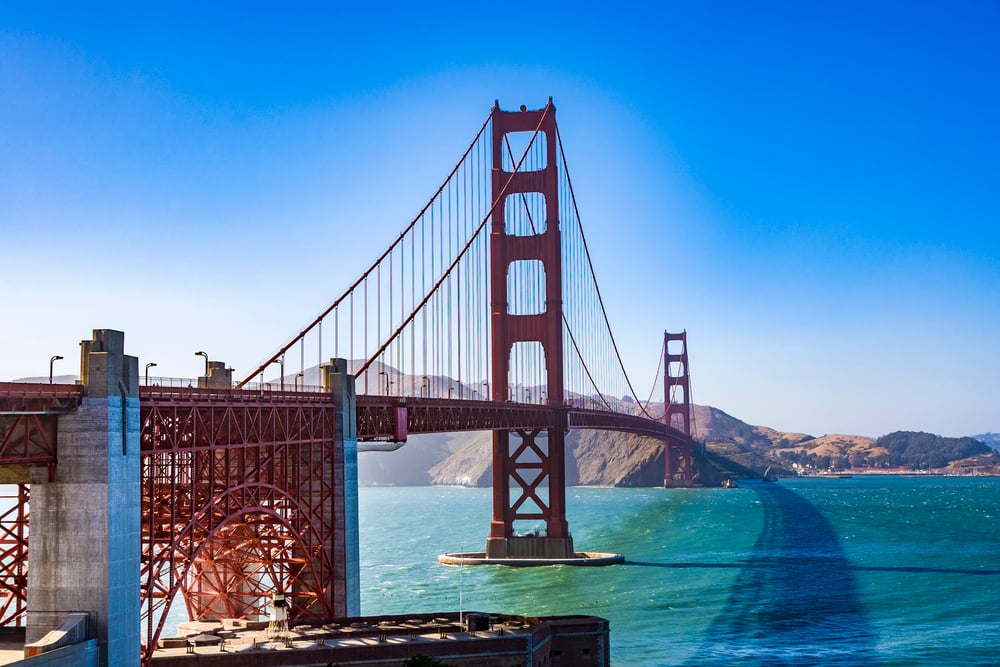
That’s about $1.5 billion in today’s money when adjusted for inflation. Local counties and the city of San Francisco funded the project through bonds since the federal government and private investors wouldn’t take the risk.
Many experts at the time thought building a bridge across the Golden Gate Strait was impossible. The bridge actually came in under budget and ahead of schedule, which almost never happens with major construction projects.
A safety net saved 19 lives
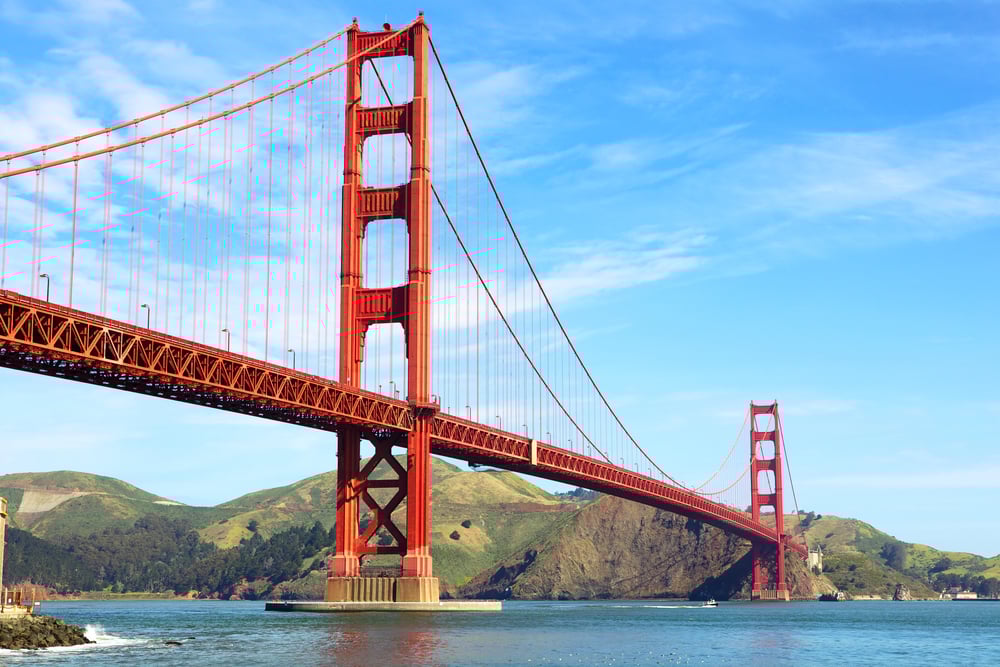
Joseph Strauss insisted on stringing a massive safety net beneath the bridge during construction, which was revolutionary for the 1930s. The net cost $130,000 but proved its worth by catching 19 men who fell during the four-year build.
These lucky survivors formed an unofficial club they called the ‘Halfway to Hell Club.’ Sadly, 11 workers still died during construction, including 10 who perished when a section of scaffolding broke through the net in February 1937.
The towers reach 746 feet above the water
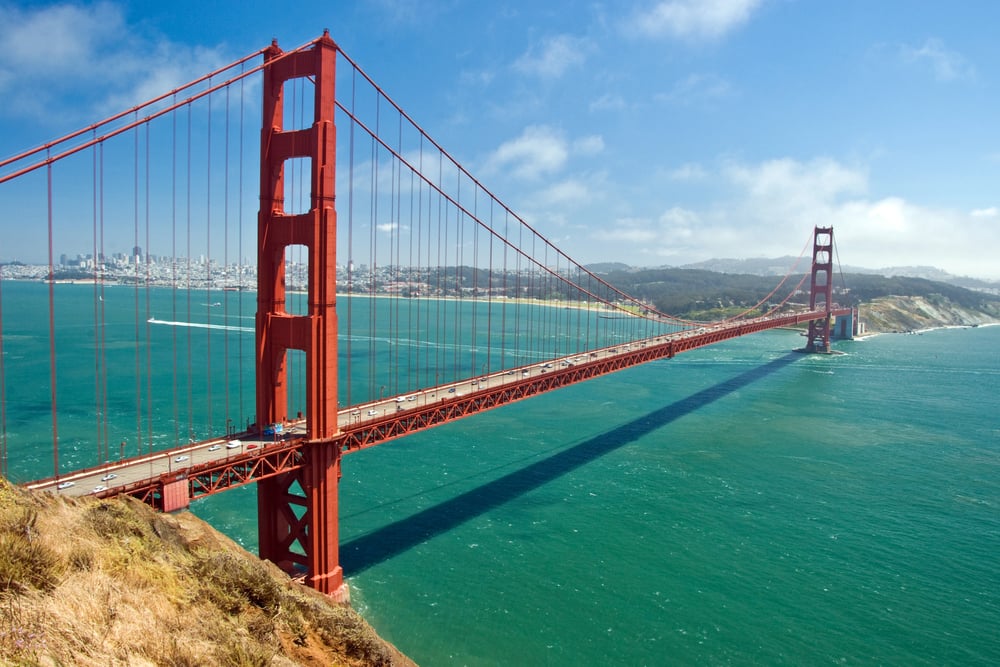
Each of the two main towers stands as tall as a 65-story building. When completed, they were the tallest bridge towers in the world.
The towers sway up to 27 feet in strong winds, which they’re designed to do without suffering damage. Engineers built them to withstand winds of up to 100 miles per hour and earthquakes measuring 8.3 on the Richter scale.
It held the longest suspension span record for 27 years
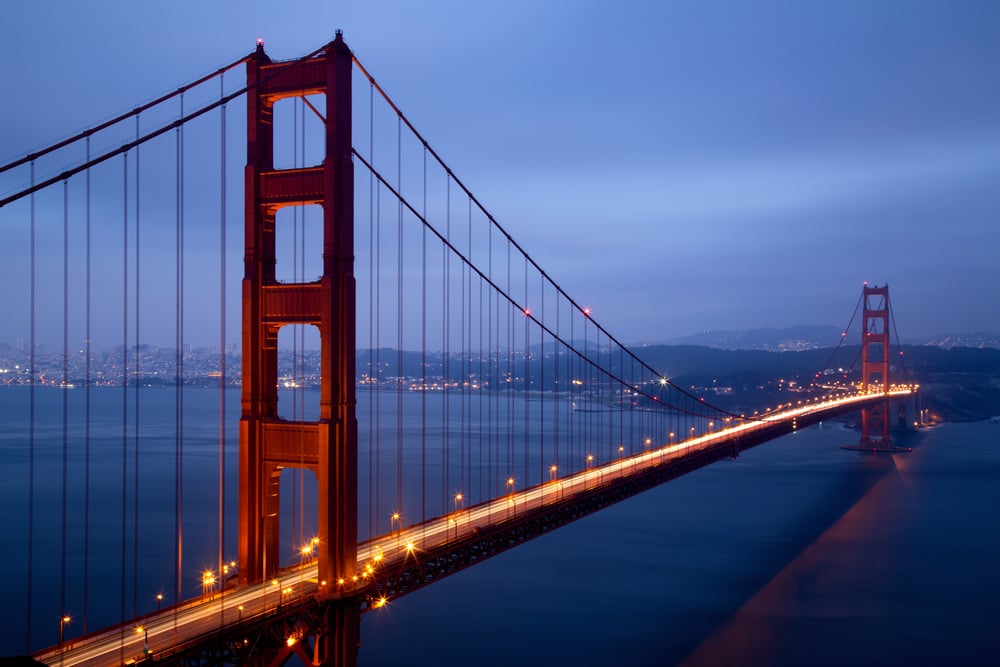
The main span between the two towers stretches 4,200 feet, making it the longest suspension bridge span in the world when it opened. The Verrazano-Narrows Bridge in New York took that title in 1964 with a span 60 feet longer.
Today, the Golden Gate doesn’t even crack the top 10 for longest suspension spans. But it remains one of the most famous bridges ever built, proving that being first matters more than staying first.
The bridge uses enough cable to circle the Earth three times
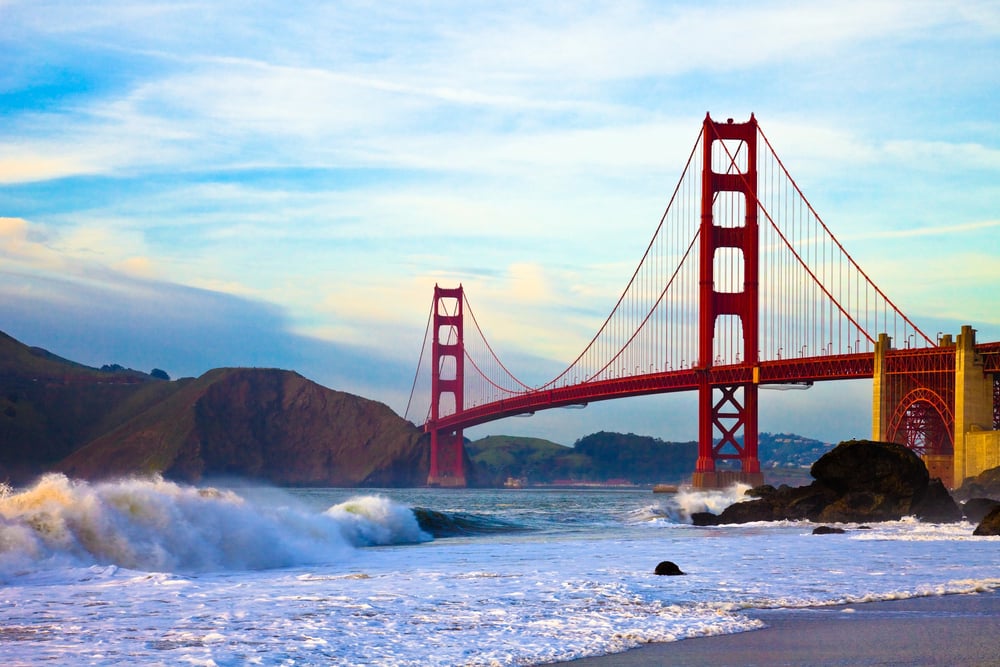
The two main cables that support the roadway contain 80,000 miles of wire bundled together. Each cable measures 36 inches thick and weighs 24,500 tons.
Workers spun these cables on-site using a process that involved pulling individual wires back and forth across the span. The job took six months and required incredible precision to make sure the cables hung at exactly the right curve.
Painters work year-round touching up the bridge

The idea that painters start at one end and finish at the other, then immediately start over, is actually a myth. Instead, maintenance crews constantly inspect the bridge and touch up spots where the paint has worn away from wind, salt, and moisture.
The bridge goes through about 1,000 gallons of International Orange paint each year. Crews also handle rust removal, steel repairs, and other maintenance tasks to keep the structure safe.
The bridge weighs 887,000 tons
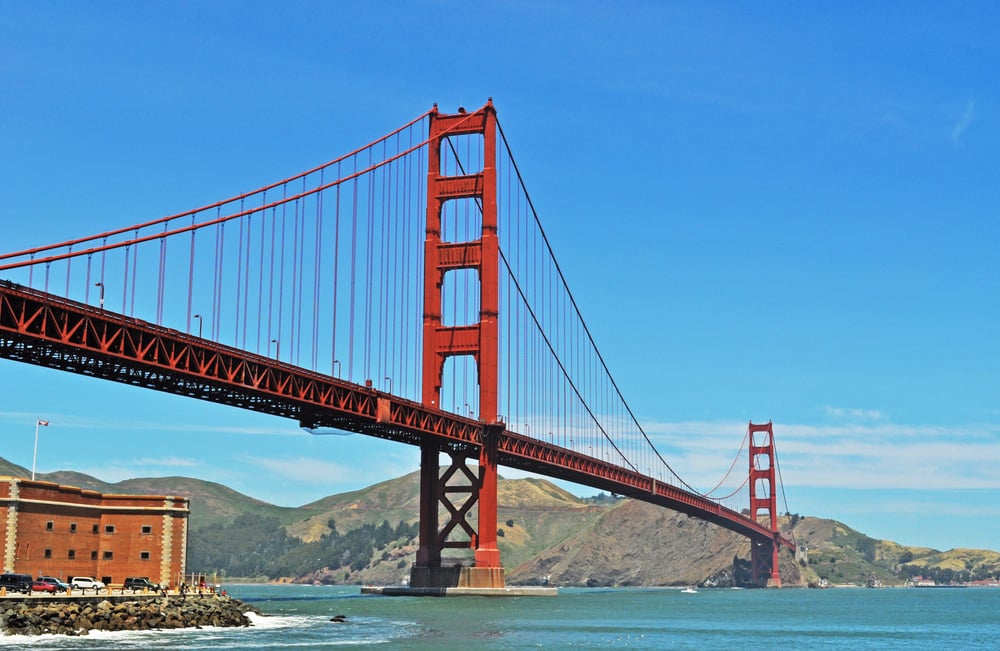
That includes the concrete anchorages, steel towers, cables, and roadway. The concrete alone accounts for about 693,000 tons of that weight.
Each of the four main anchorages contains enough concrete to build a five-foot-wide sidewalk from San Francisco to New York City. These massive blocks of concrete, buried deep in the ground on both sides of the strait, keep the entire bridge from collapsing under tension from the cables.
It moves up and down with temperature changes
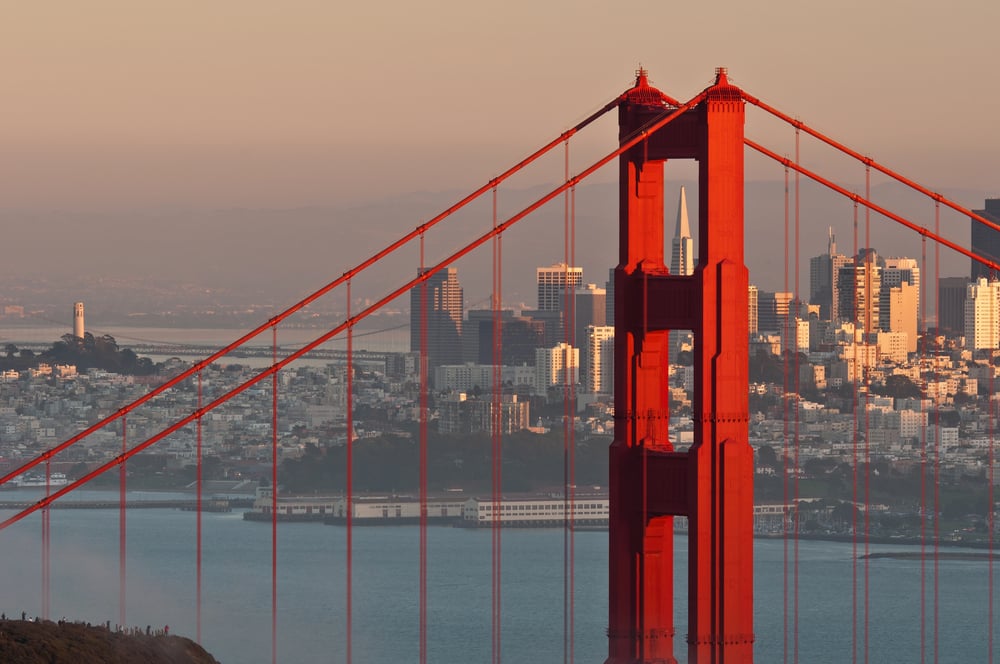
The roadway can rise or fall by as much as 16 feet depending on the temperature. Hot days cause the steel to expand, making the bridge sit slightly higher.
Cold weather does the opposite, contracting the metal and lowering the span. The bridge also moves side to side when strong winds blow across the bay.
Engineers planned for all this movement, building in joints and flexible connections that let the structure shift without breaking.
Walking across takes about 45 minutes
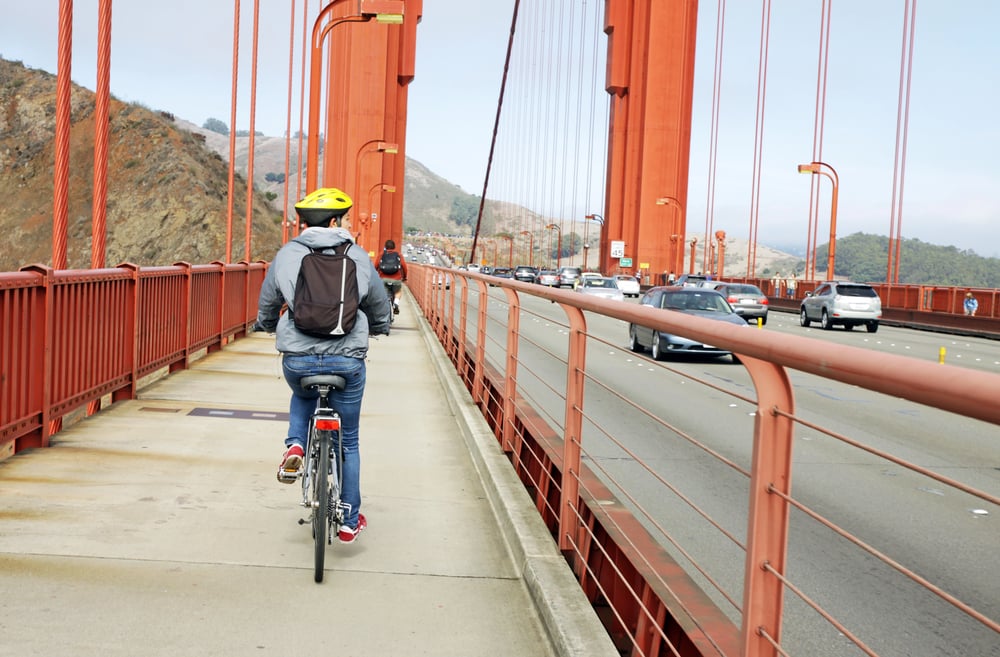
The bridge spans 1.7 miles from end to end, including the approaches on both sides. Most people walk at a pace of about 3 miles per hour, which puts the crossing time right around 30 to 45 minutes.
The eastern sidewalk stays open to pedestrians during daylight hours every day. Cyclists use the western sidewalk on weekends and the eastern one on weekdays after 3:30 p.m., though the rules change with the seasons.
Fog horns blast when visibility drops
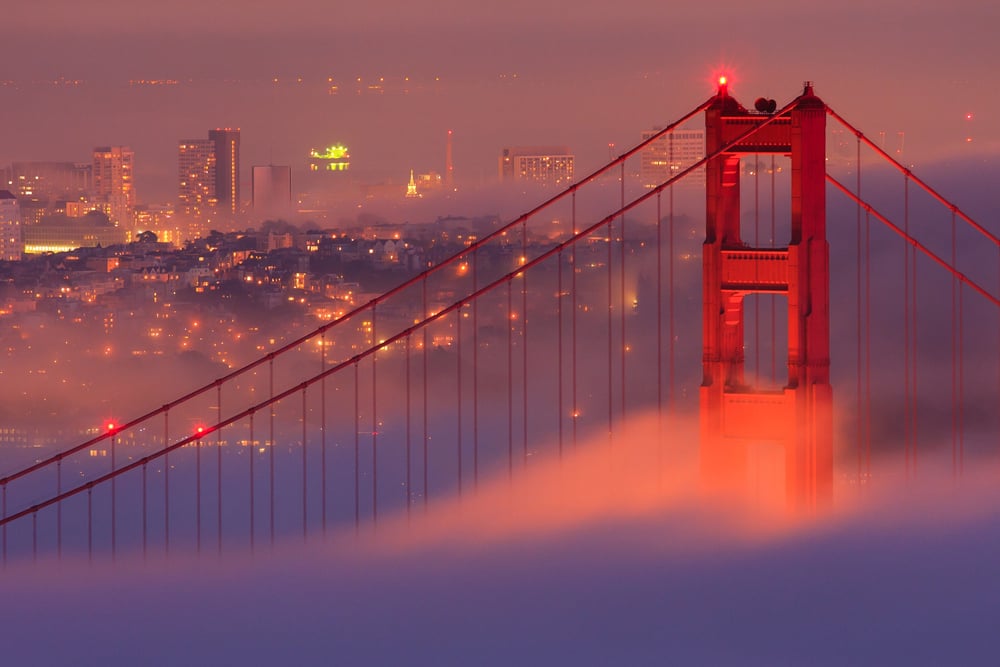
The bridge operates a powerful fog signal system that kicks in when fog rolls through the Golden Gate Strait. These horns blast different tones to help ships navigate safely under the bridge.
Nearby residents either love or hate the sound, depending on how close they live. The system has operated since the bridge opened, though modern ships rely more on GPS and radar than sound signals.
About 112,000 vehicles cross it daily
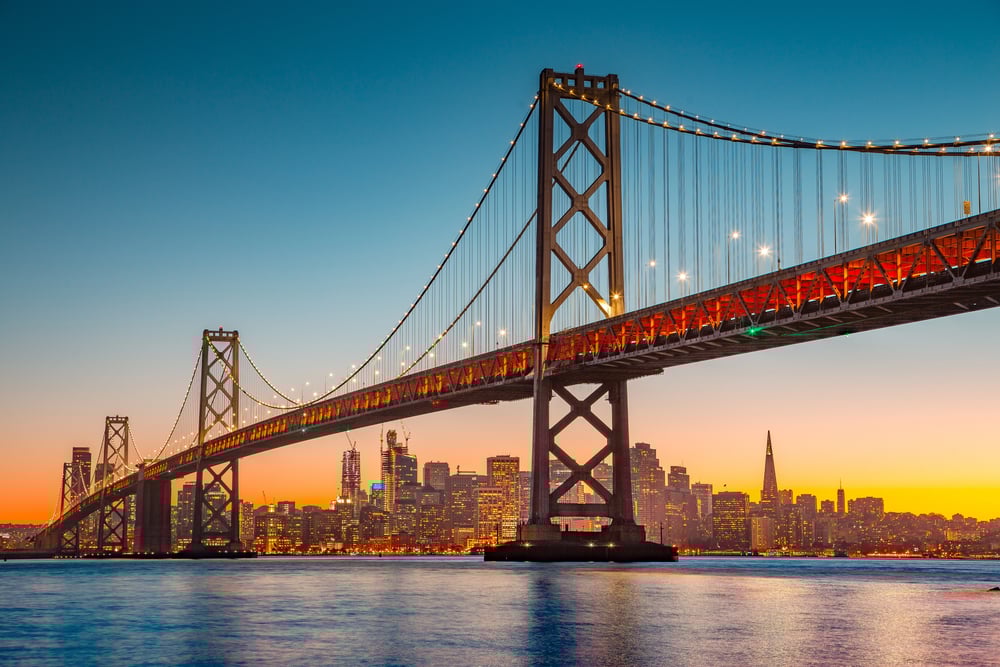
That adds up to roughly 40 million vehicles per year using the bridge. The bridge originally had six lanes, but engineers reconfigured it to have different numbers of lanes depending on traffic direction and time of day.
A movable median barrier shifts to create more lanes heading into San Francisco during morning rush hour and more lanes leaving the city in the evening. Toll collectors used to staff booths on the bridge, but the system went all-electronic in 2013.
The toll only charges southbound drivers
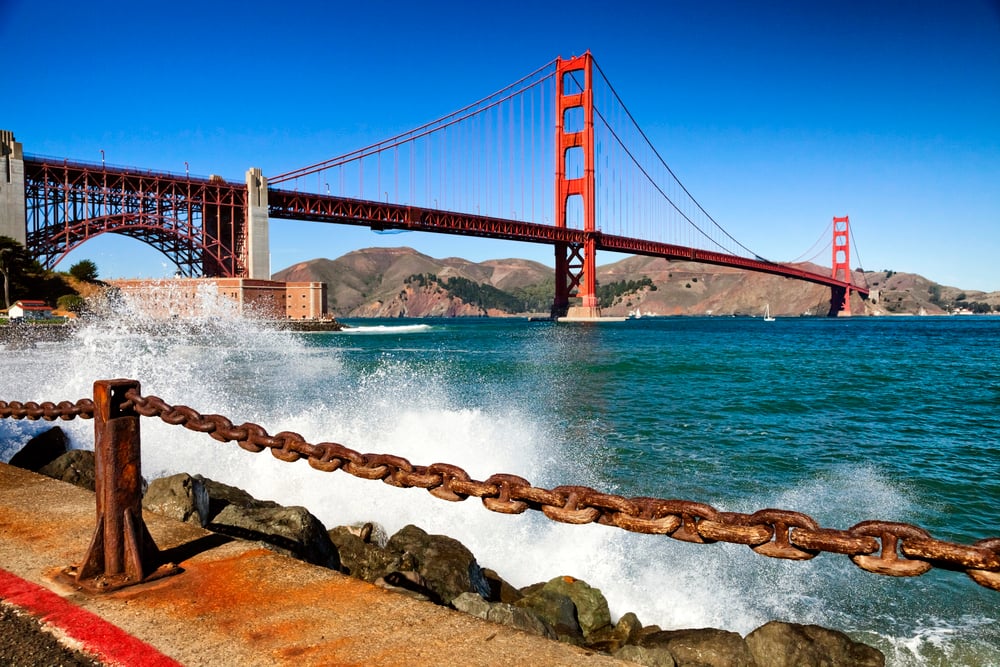
People heading north into Marin County drive across for free. Southbound drivers heading into San Francisco pay the toll, which helps reduce congestion at the toll plaza.
The current toll ranges from $8.40 to $9.40 for regular cars, depending on whether drivers have a FasTrak account or pay by license plate. Carpools, motorcycles, and other vehicles have different rates or exemptions.
An estimated 10,000 ships pass under it each year
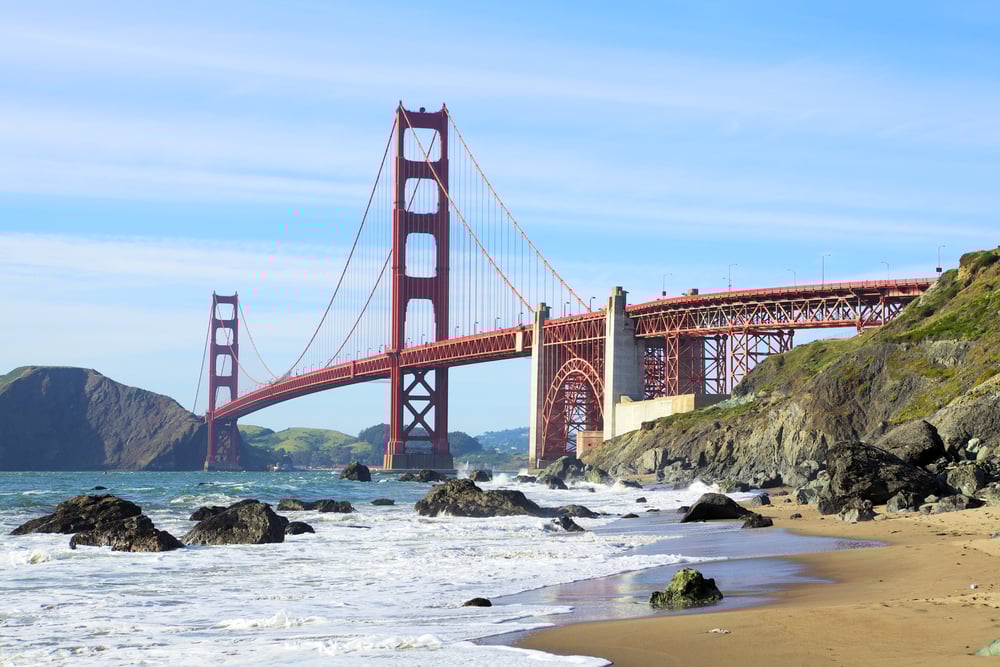
The bridge provides 220 feet of clearance above the water at high tide, enough room for massive cargo ships and cruise liners to pass safely beneath. The U.S. Navy moved ships through the strait regularly during World War II.
Boat traffic has decreased since containerization changed the shipping industry, but the Port of Oakland still receives cargo ships that sail under the bridge. Recreational boats, fishing vessels, and tour boats add to the total count.
The bridge connects two military posts
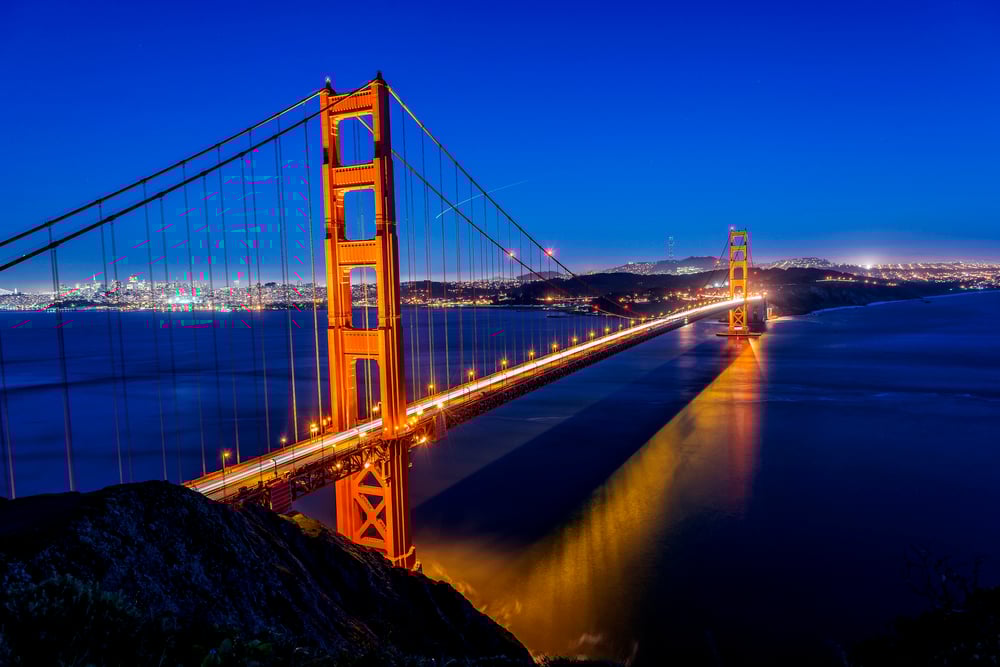
The Presidio of San Francisco sits on the southern end, while Fort Baker occupies land on the northern side. Both served as important military installations for coastal defense.
The Presidio operated as an active Army post from 1846 until 1994, when it became part of the Golden Gate National Recreation Area. Fort Baker also transitioned to park use after the military left.
These historic posts now offer hiking trails, beaches, and incredible views of the bridge.
Fitted together by folks who hate shortcuts
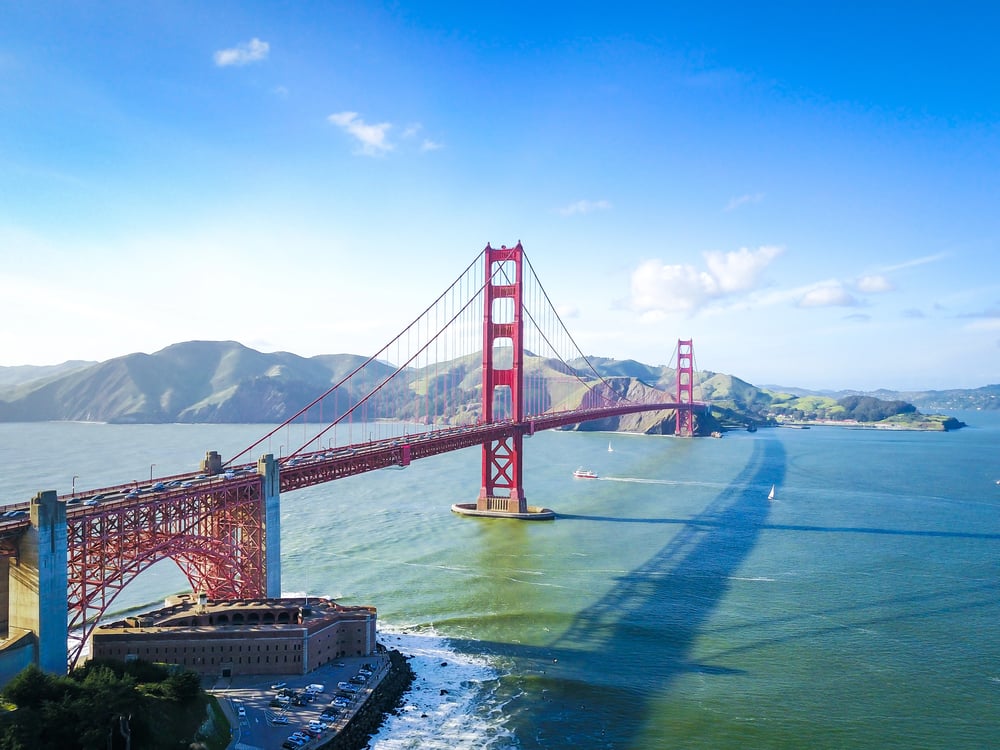
This thing just keeps going – no fanfare, just steady work, day after day. Built tough on purpose, so time hardly leaves a mark
Though built long ago, the Golden Gate Bridge was made by Joseph Strauss and crew to last many generations if cared for. Strong steel plus solid concrete form its core, chosen so sea spray and damp air won’t eat it away.
Over time, new fixes boosted its power to shake off quakes while rules now block too-heavy loads. One big overhaul finished near 2003 ran close to $400 million, yet gave it strength to live through violent tremors from the San Andreas Fault.
A start came through quiet steps on common ground
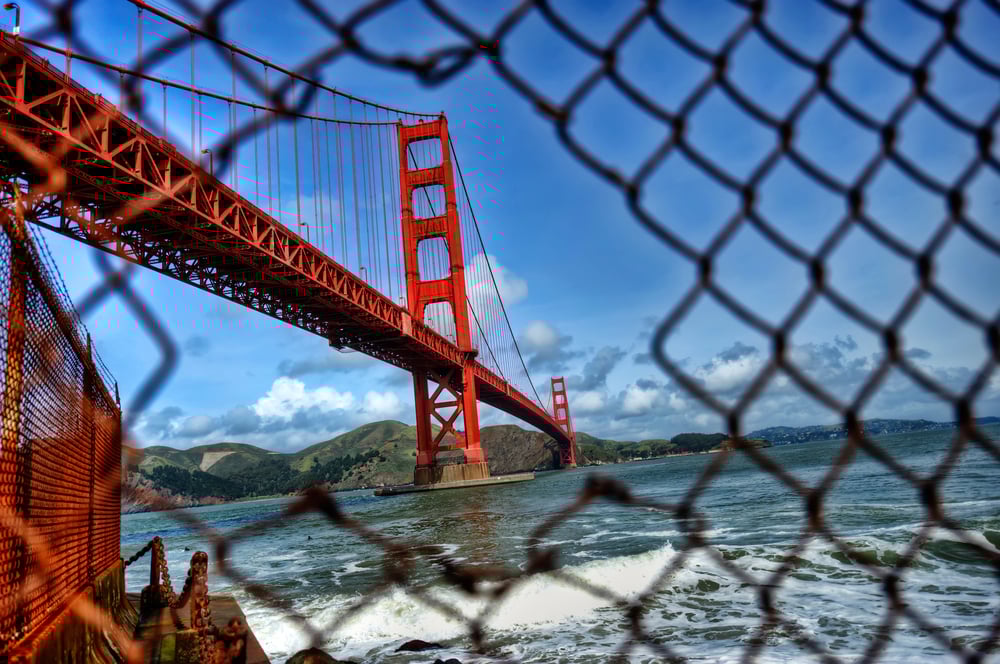
On May 27, 1937, nearly 200,000 folks strolled, jogged, or glided on roller skates over the span before cars were allowed. Beginning at six in the morning, the gathering grew wilder by the hour – San Francisco rarely witnessed such joy.
Authorities blocked automobiles till midday so pedestrians could claim their time. Just after noon, a signal sparked from Washington when President Franklin D. Roosevelt tapped a telegraph device, marking the start of motor travel.
A Lasting Symbol of the Bay Area
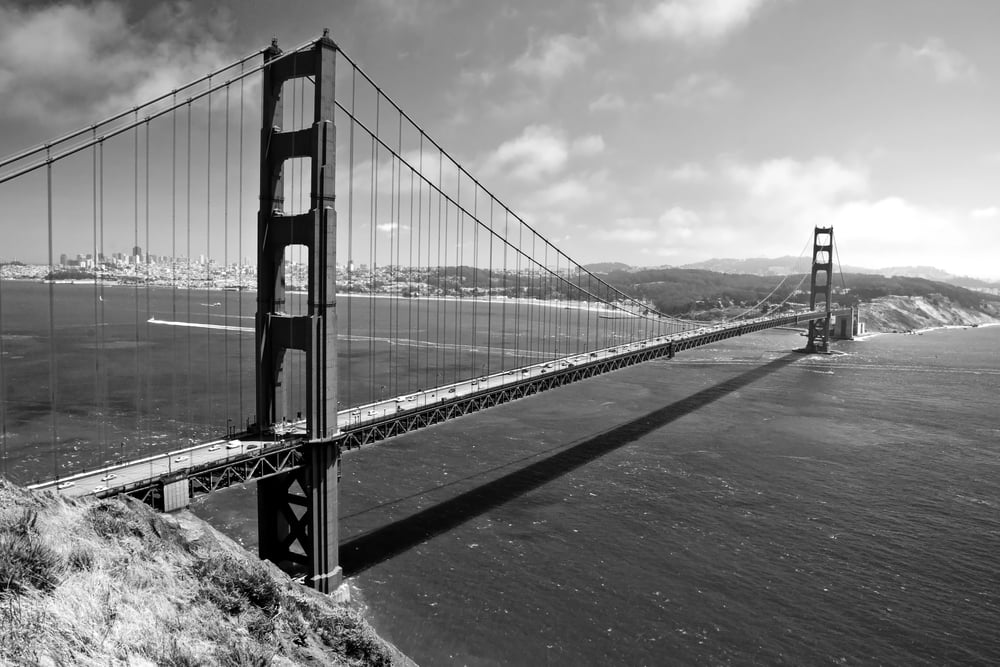
Still standing tall since the 1930s, the Golden Gate Bridge serves far more than traffic. Not simply steel and paint, it stands for daring greatly when odds say no.
From either shore, people pause, raise cameras, capture its frame against fog or sun. Seen in films, ads, series, it often plays the role of the city without saying a word.
Each morning, vehicles roll over it – workers heading in, visitors exploring, goods moving through. Though built long ago, it handles today’s world without slowing down.
More from Go2Tutors!

- The Romanov Crown Jewels and Their Tragic Fate
- 13 Historical Mysteries That Science Still Can’t Solve
- Famous Hoaxes That Fooled the World for Years
- 15 Child Stars with Tragic Adult Lives
- 16 Famous Jewelry Pieces in History
Like Go2Tutors’s content? Follow us on MSN.