16 Ocean Wonders That Sound Made Up
The ocean covers more than 70% of our planet, yet we’ve explored less than 20% of it. What we have discovered often sounds like science fiction rather than science fact.
From creatures that look like they stepped out of a fantasy novel to phenomena that defy explanation, the deep blue holds secrets that would make even the most creative storyteller pause in disbelief. The discoveries keep coming, with researchers regularly finding things that challenge our understanding of what’s possible in the natural world.
Here is a list of 16 ocean wonders that sound completely made up but are absolutely real.
Glass Sponges That Build Fiber Optic Cables
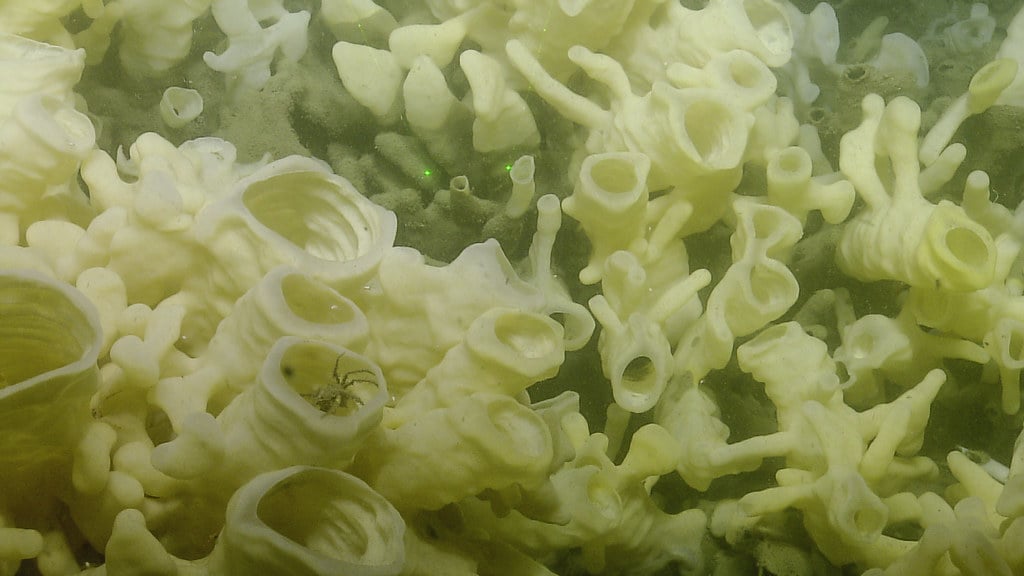
Deep beneath the waves live creatures that would make telecommunications engineers jealous. Glass sponges create spicules—skeletal structures—that can grow up to 10 feet long and have fiber-optic properties that rival commercial cables.
These biological light guides can transmit light just as efficiently as human-made optical fibers, except they’re grown at room temperature in seawater instead of manufactured in high-tech facilities.
The E.T. Sponge
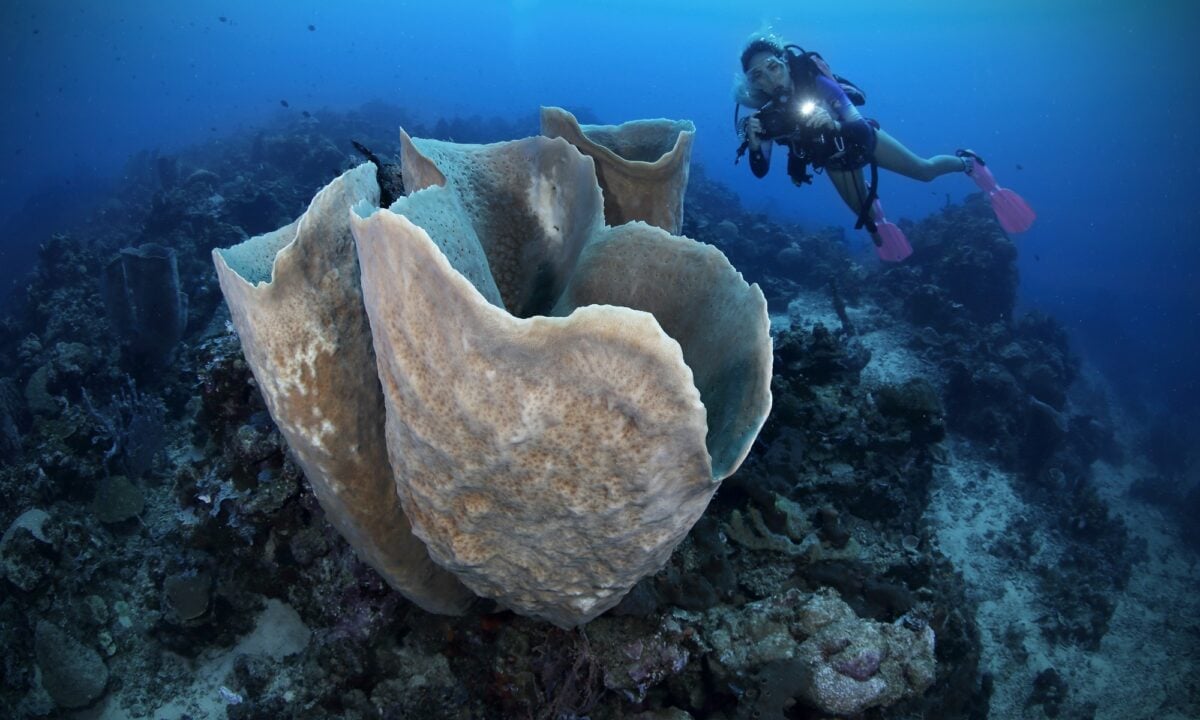
When scientists first spotted this sponge in Pacific waters, they couldn’t help but name it after the beloved movie alien. The E.T. sponge has what looks like a long neck, an elongated head, and large eyes that give it an unmistakably extraterrestrial appearance.
Scientists officially described it as both a new genus and species in 2020, and it earned a spot among the top-ten marine species discoveries of that year.
Vampire Squid That Aren’t Actually Vampires
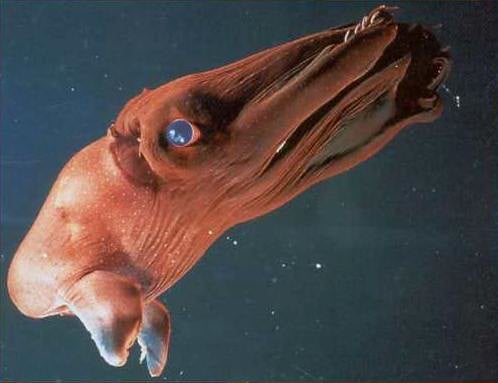
Despite its terrifying name, the vampire squid doesn’t suck anything’s life force. This deep-sea oddball can turn itself inside out when threatened, revealing spines along its body that make it look like a spiky sea urchin.
It lives in oxygen minimum zones where most other animals can’t survive, making it one of the few creatures that thrives in what scientists call ‘dead zones.’
Brinicles: Underwater Icicles of Death
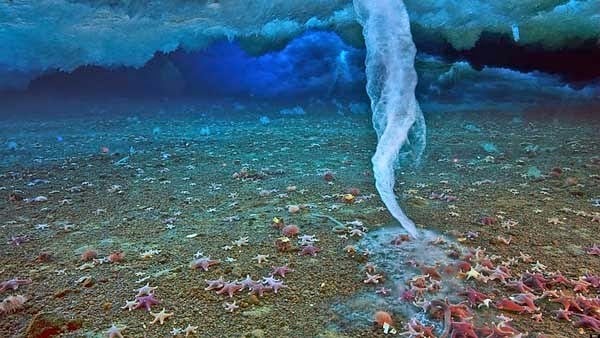
Sometimes called the ‘Finger of Death,’ brinicles form when super-salty, sub-zero water sinks from beneath sea ice toward the ocean floor. As this brine descends, it creates a tube of ice that can freeze any small marine life it touches.
Starfish, sea anemones, and small fish become instant ice sculptures when caught in a brinicle’s path.
The Milky Sea Phenomenon

For centuries, sailors reported encountering vast stretches of ocean that glowed with an eerie milky light as far as the eye could see. Scientists once dismissed these tales as maritime folklore until satellite images finally captured the phenomenon.
The glow comes from bioluminescent bacteria gathering in massive numbers, creating seas of light visible from space that can stretch for thousands of square miles.
Giant Sea Spiders With Dinner Plate Legs
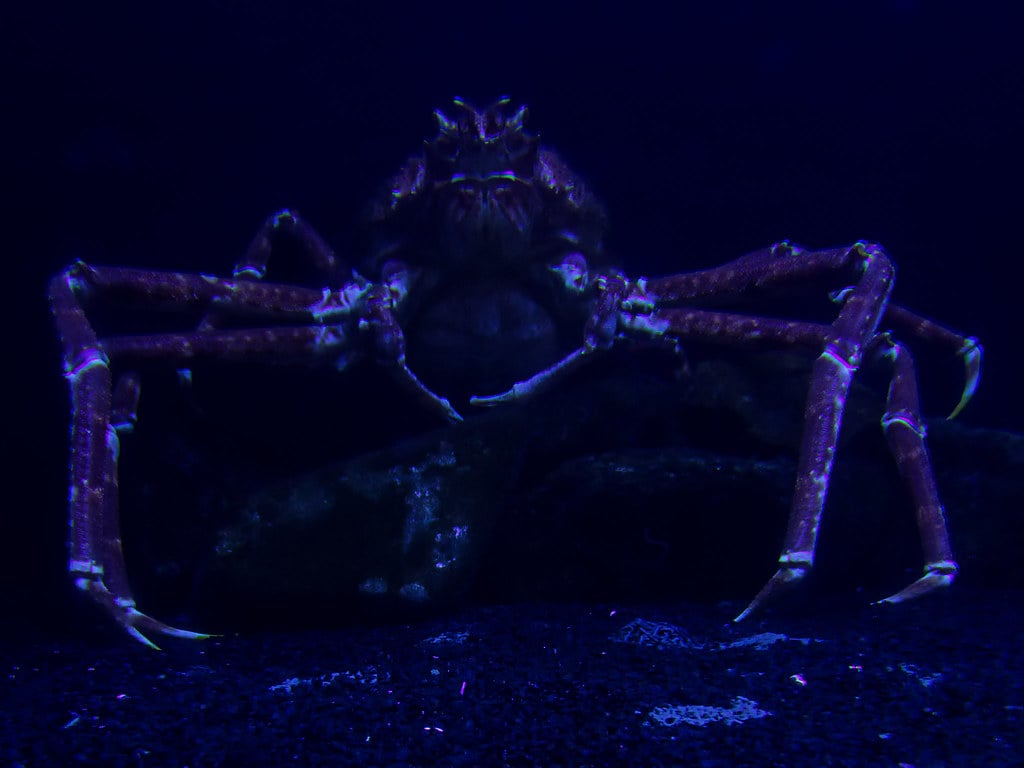
These aren’t your typical spiders—they’re marine arthropods whose spindly legs can span wider than a dinner plate. Giant sea spiders house their vital organs, including their breathing apparatus, directly in their stilt-like legs instead of their bodies.
They lumber across the Arctic and Antarctic seafloor at depths up to 13,000 feet, using a tube-like mouth to slurp up prey like anemones and jellyfish.
Living Glass Prisons for Shrimp
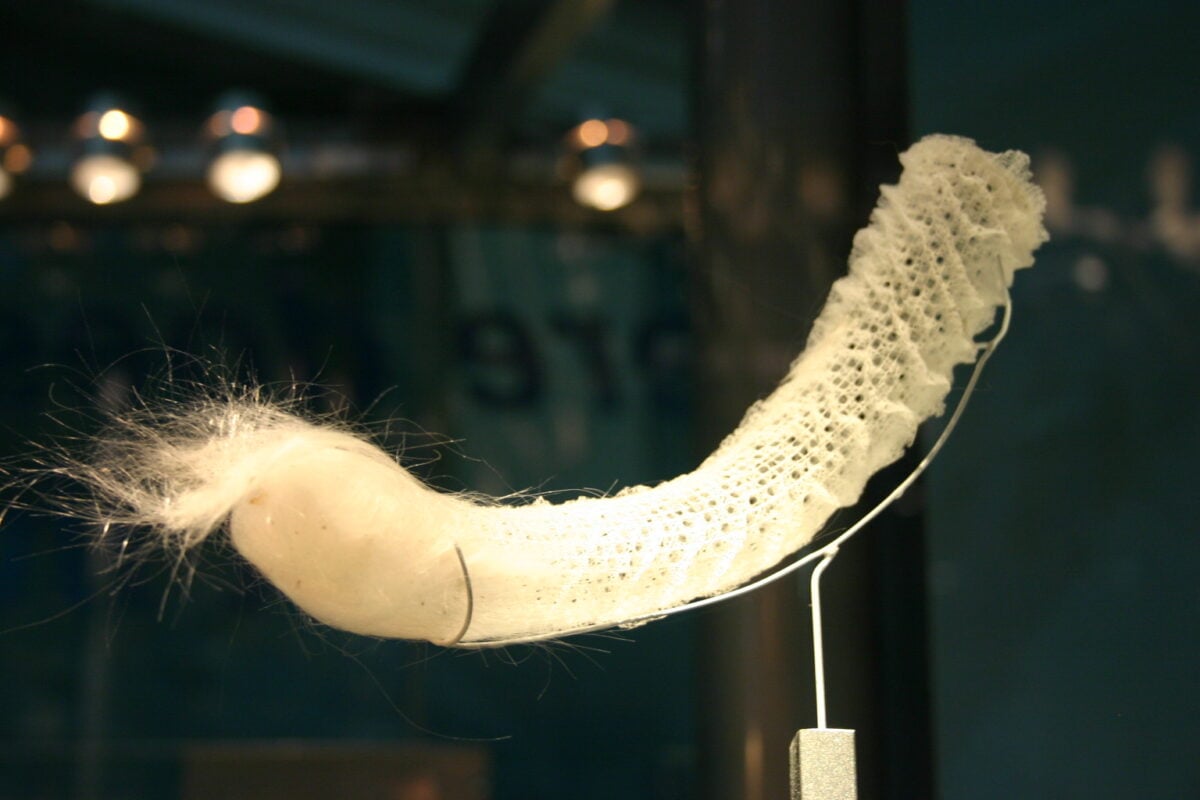
Some deep-sea shrimp species have developed perhaps the strangest living arrangement in the ocean. A pair of tiny larvae enter a glass sponge through small pores in its lattice structure, where one develops into a female and the other into a male.
As they grow larger than the pores, they become permanently trapped inside their glassy home, spending their entire lives mating and releasing offspring through the same pores they once entered.
The Baltic Sea Anomaly
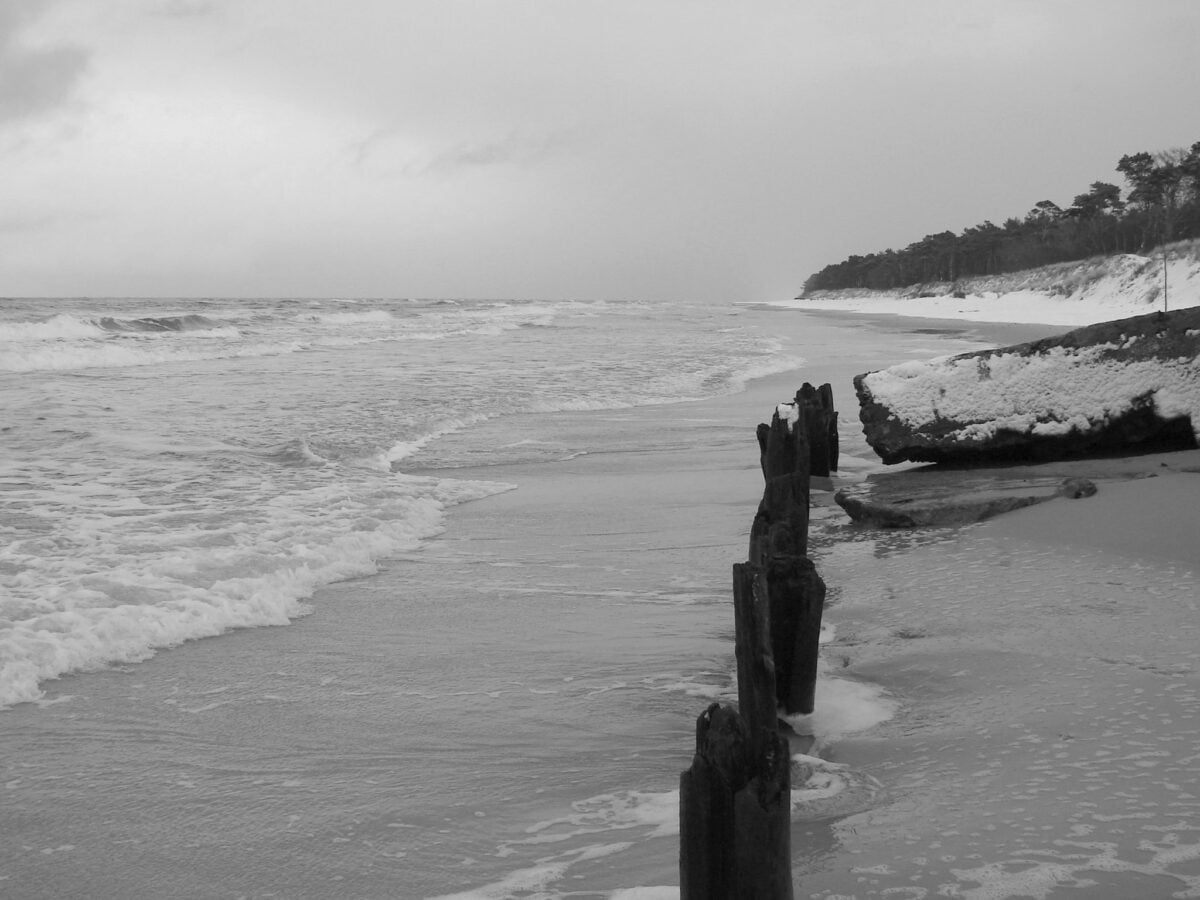
In 2011, treasure hunters searching the Baltic Sea discovered a 200-foot-wide oval object sitting on the seafloor. The mysterious formation has straight edges, circular patterns, and what appear to be deliberate markings that don’t match any known geological formation.
Despite numerous expeditions and theories ranging from natural rock formations to crashed spacecraft, scientists still can’t definitively explain what it is.
Underwater Crop Circles Made by Fish
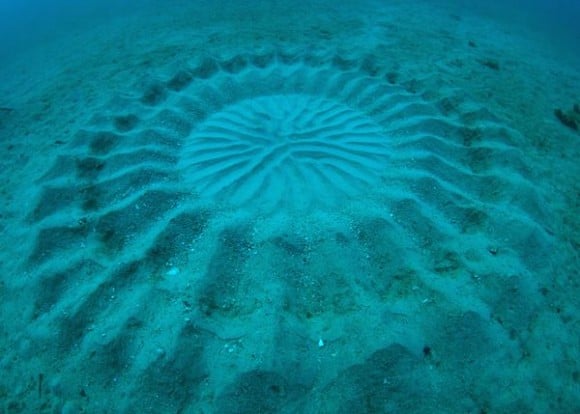
Japanese researchers once puzzled over intricate circular patterns discovered on the seafloor, complete with geometric designs and decorative shells. The mystery solved itself when they observed male pufferfish creating these elaborate 6-foot-wide artworks using nothing but their fins.
The fish spend weeks constructing these underwater masterpieces to attract females, making them some of nature’s most dedicated artists.
Gulper Eels That Become Living Balloons
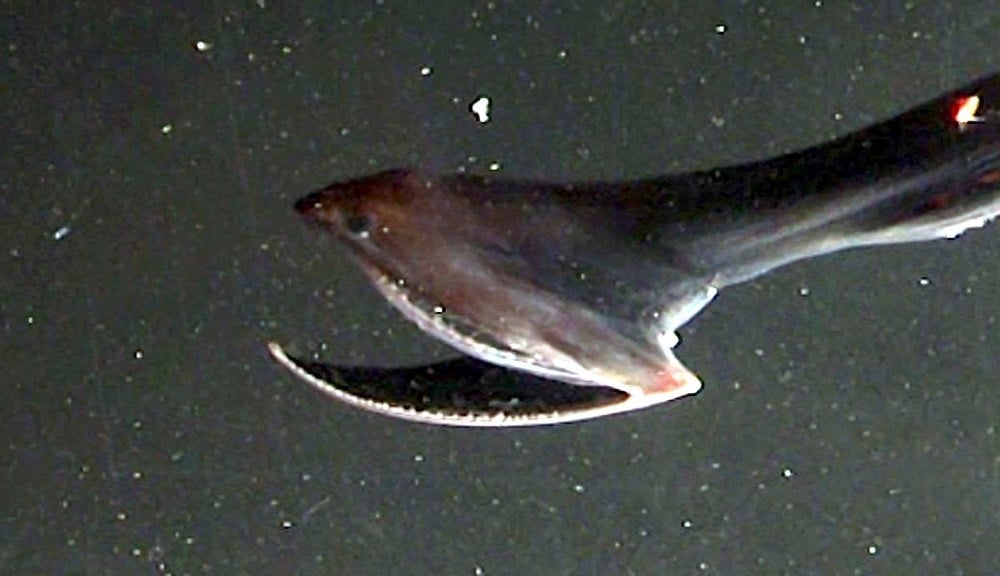
The gulper eel looks relatively normal until feeding time, when it transforms into something that resembles a balloon attached to a string. Its massive jaws can unhinge and expand to accommodate prey much larger than itself, while its throat balloons to hold enormous volumes of water.
After swallowing its meal, the eel deflates back to its original snake-like shape.
The Mysterious Ocean Sounds
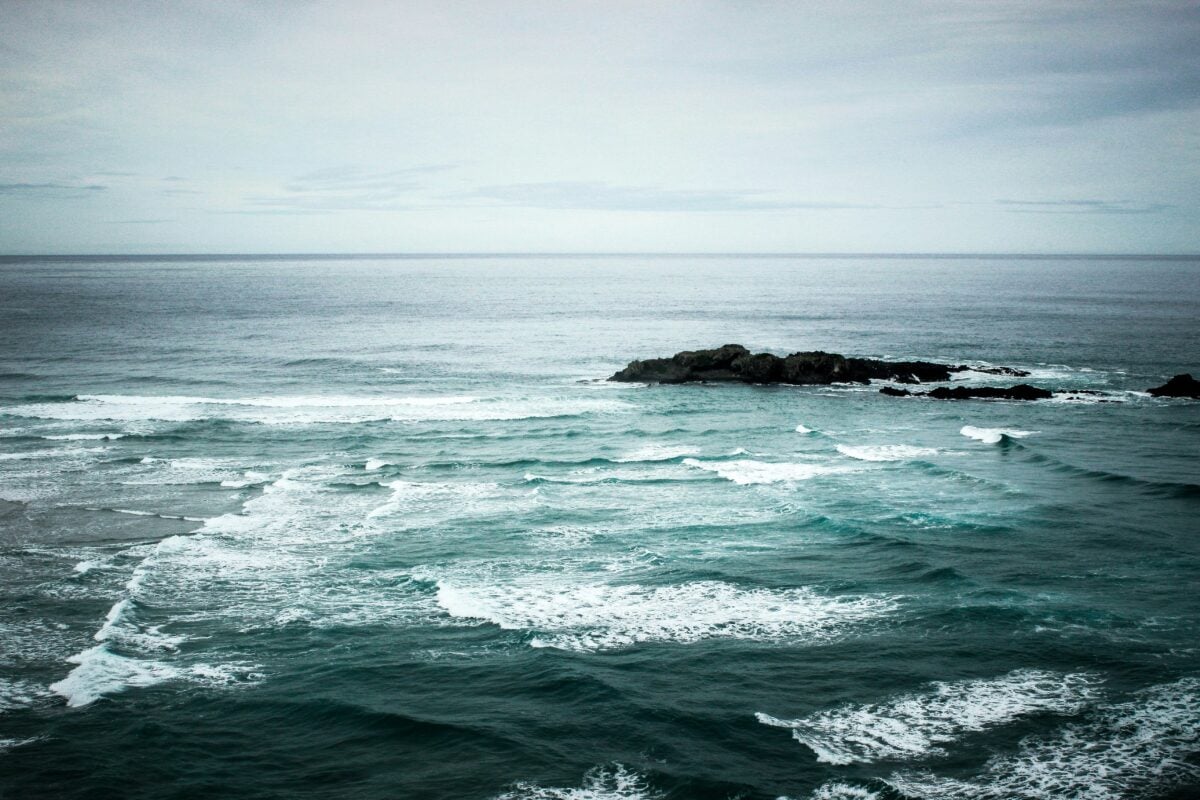
The ocean produces sounds that scientists still can’t fully explain. ‘The Upsweep’ is a steady rising wail that’s been recorded since 1991, seemingly coming from somewhere between New Zealand and South America. ‘The Ping’ emanates from the Canadian Arctic and reportedly scares away marine animals.
These mysterious acoustic phenomena continue to baffle researchers who monitor underwater soundscapes.
Headless Chicken Monsters
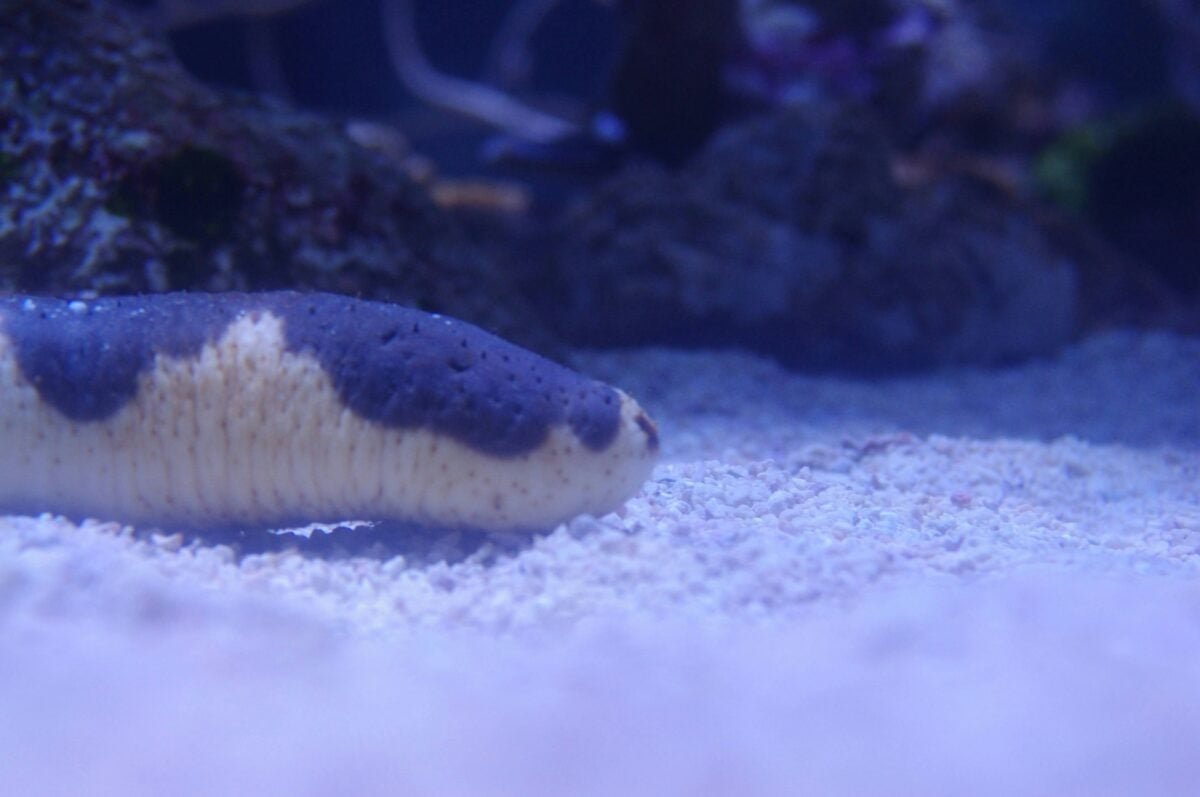
Despite their unappetizing name, sea cucumbers known as headless chicken monsters are fascinating deep-sea dwellers. They crawl along the seafloor using numerous tube feet while their bodies pulse and contract in ways that really do resemble a headless chicken.
These bizarre echinoderms can regenerate lost body parts and some species glow in the dark.
Flying Spaghetti Monsters of the Deep
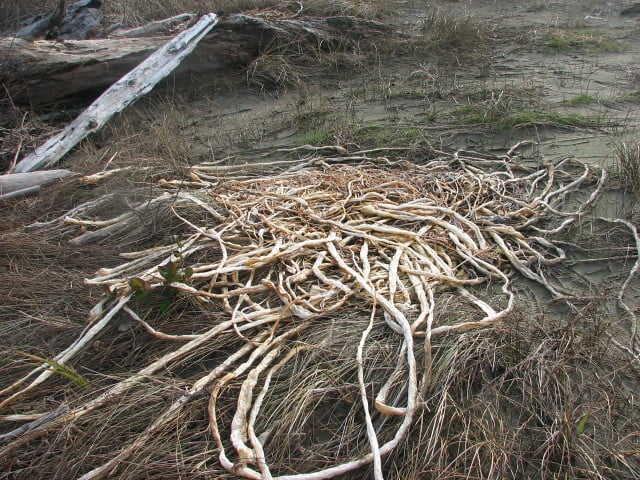
This isn’t a reference to the satirical deity—it’s a real creature scientifically known as Bathyphysa conifera. These deep-sea siphonophores consist of long, stringy tendrils that drift through the water like living spaghetti.
They’re actually colonial organisms made up of hundreds of individual animals working together, and they can stretch longer than a blue whale.
Green Flash Sunsets Over Water
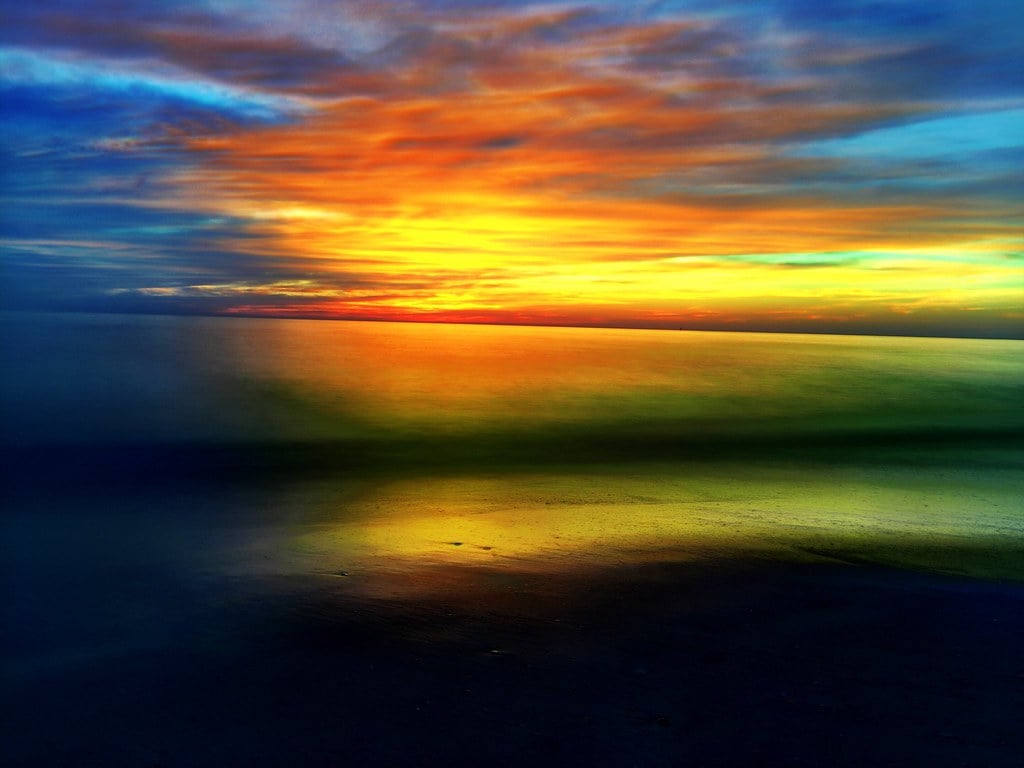
Under perfect atmospheric conditions, observers near large bodies of water can witness a brief green flash just as the sun disappears below the horizon. This split-second phenomenon occurs when Earth’s atmosphere acts like a prism, separating sunlight into different colors with green being the last visible wavelength.
The effect is so brief and rare that many people spend years trying to photograph it.
Bioluminescent Defense Systems
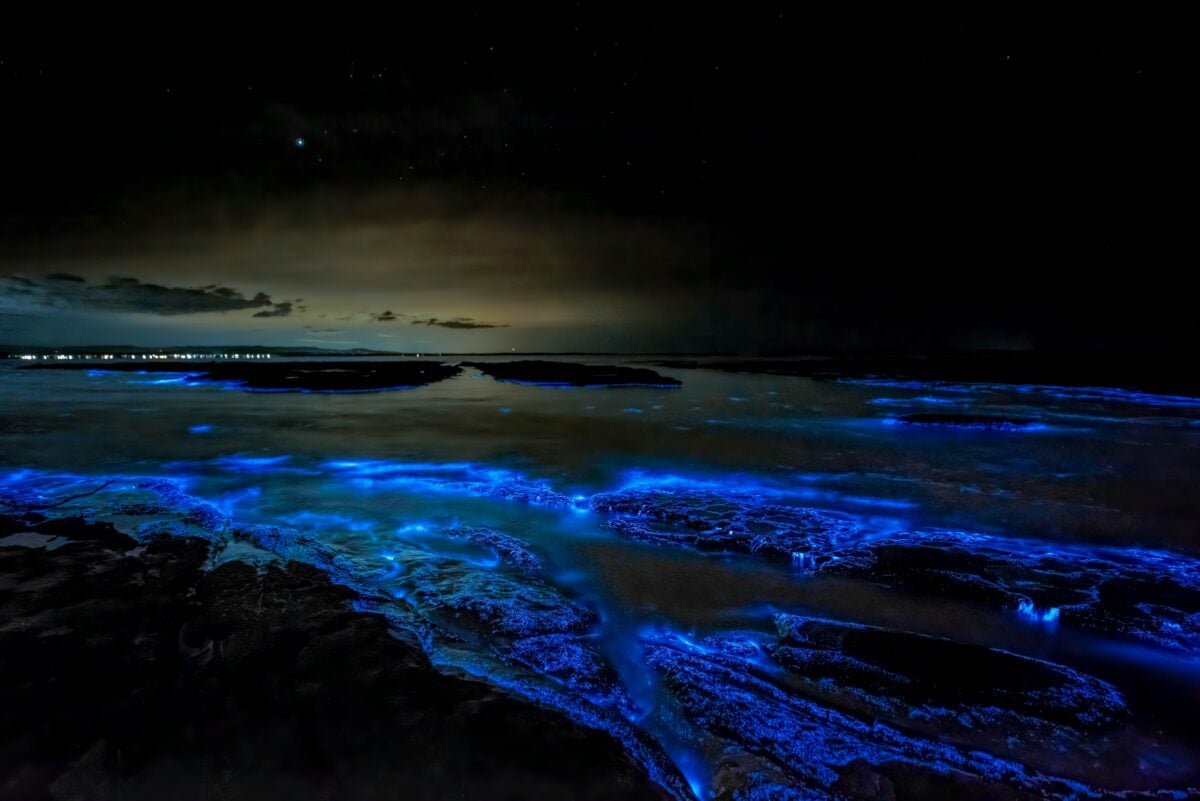
Many deep-sea creatures have evolved the ability to create their own light through chemical reactions in their bodies. When threatened, these animals can produce spectacular light shows—some species even detach glowing body parts to confuse predators while they escape.
The deep ocean essentially becomes a living galaxy of biological stars, with creatures communicating and defending themselves through carefully orchestrated displays of light.
Deep-Sea Coral Cities
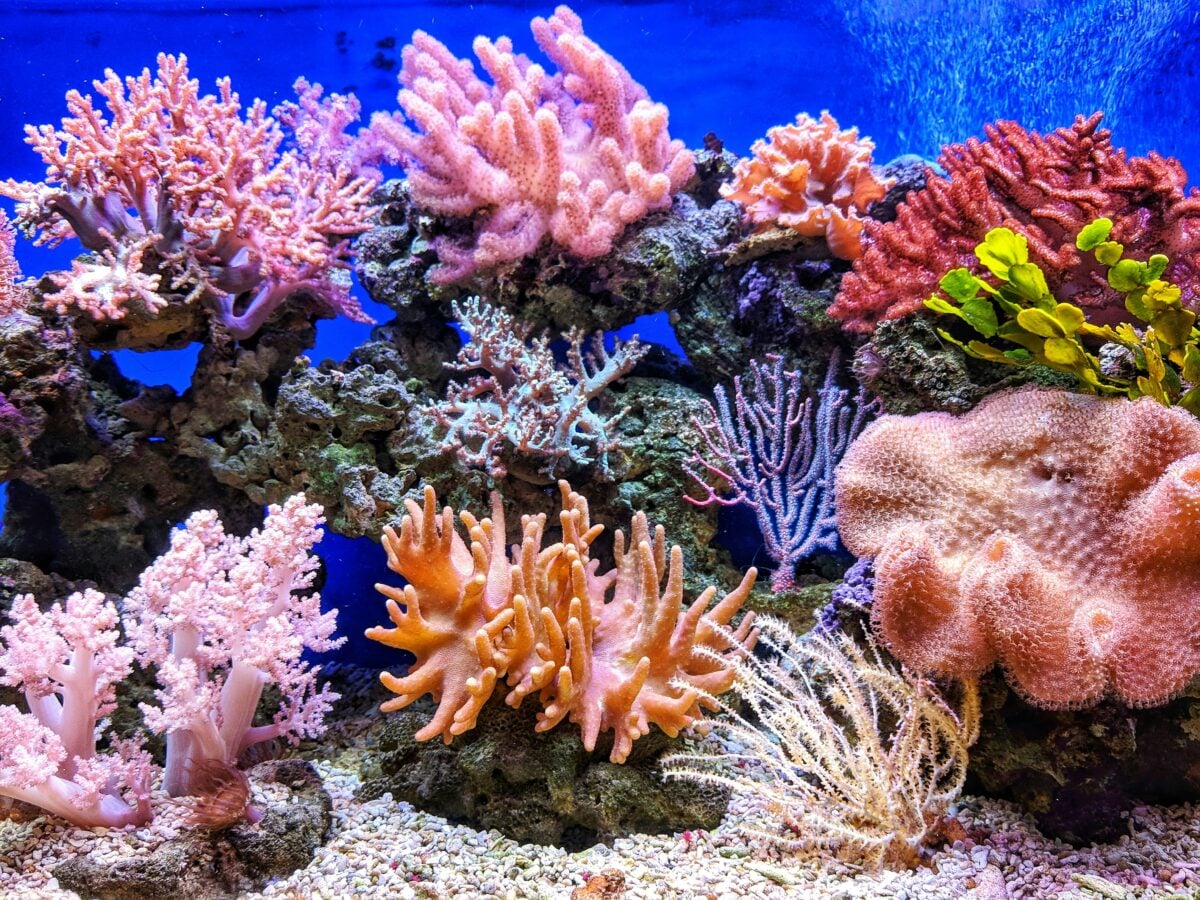
While tropical coral reefs grab headlines, massive coral cities thrive in the cold, dark depths of the ocean. The Blake Plateau off the southeastern United States hosts coral mounds that tower up to 260 feet high and have been growing for potentially millions of years.
These deep-sea coral provinces cover areas larger than some states and support entire ecosystems in complete darkness.
The Ocean’s Living Memory

The discoveries we’ve made represent just a tiny fraction of what’s waiting to be found in our planet’s depths. Each expedition reveals new species, phenomena, and mysteries that reshape our understanding of life itself.
These ocean wonders remind us that reality often surpasses imagination, and the most incredible stories aren’t always the ones we invent—sometimes they’re the ones we discover swimming, crawling, and glowing in the darkness below.
More from Go2Tutors!

- The Romanov Crown Jewels and Their Tragic Fate
- 13 Historical Mysteries That Science Still Can’t Solve
- Famous Hoaxes That Fooled the World for Years
- 15 Child Stars with Tragic Adult Lives
- 16 Famous Jewelry Pieces in History
Like Go2Tutors’s content? Follow us on MSN.